
Free visual inspection and a written scope of work before any mitigation begins - photos, moisture readings, and drying logs go in your claim file
The scope we write is the scope we bill. Anything new gets shown to you, in writing, before we touch it.
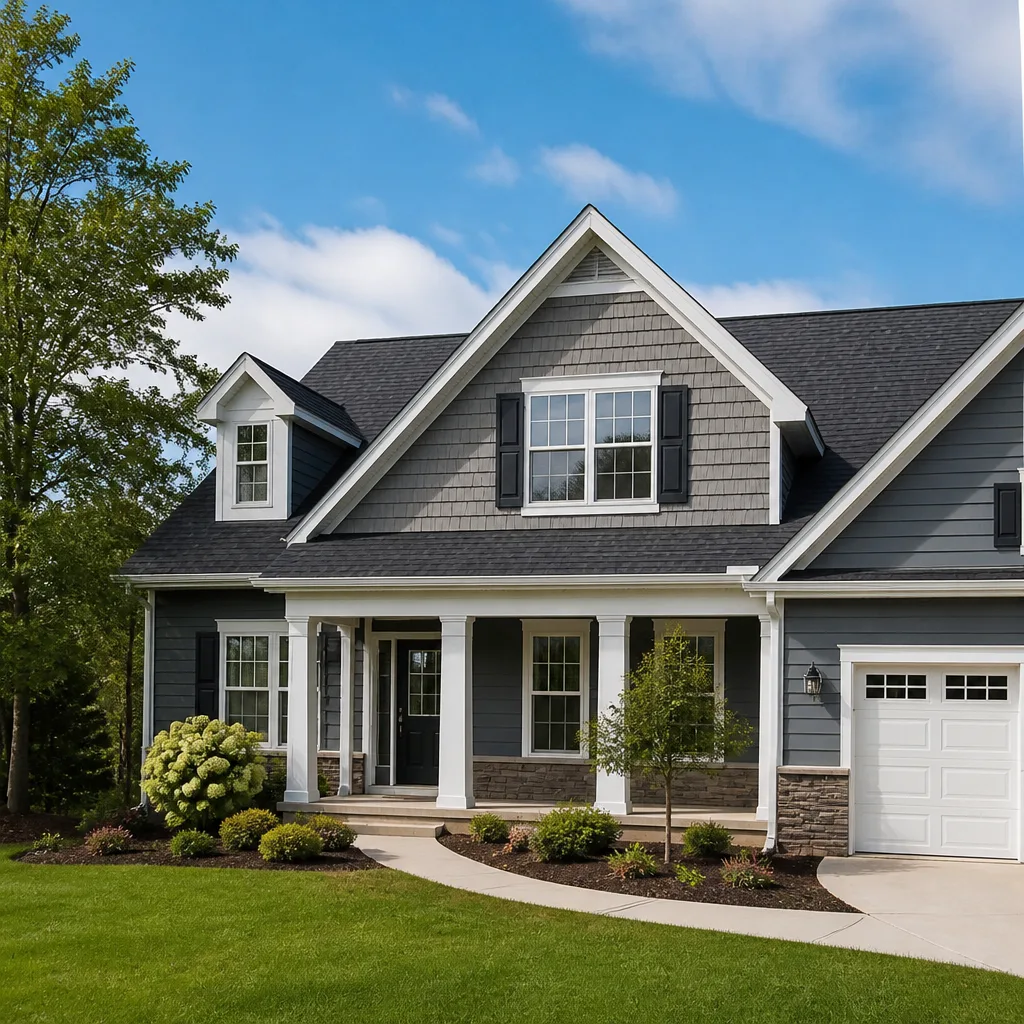
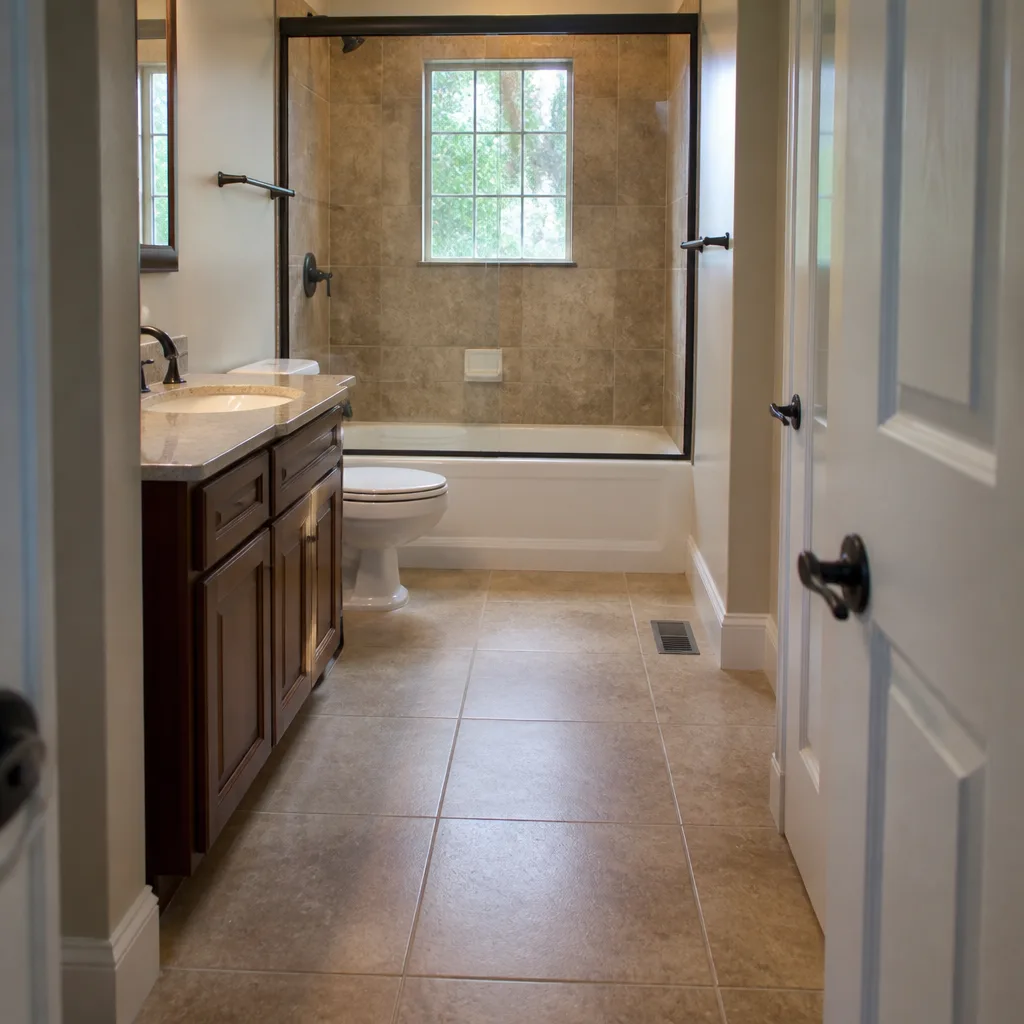
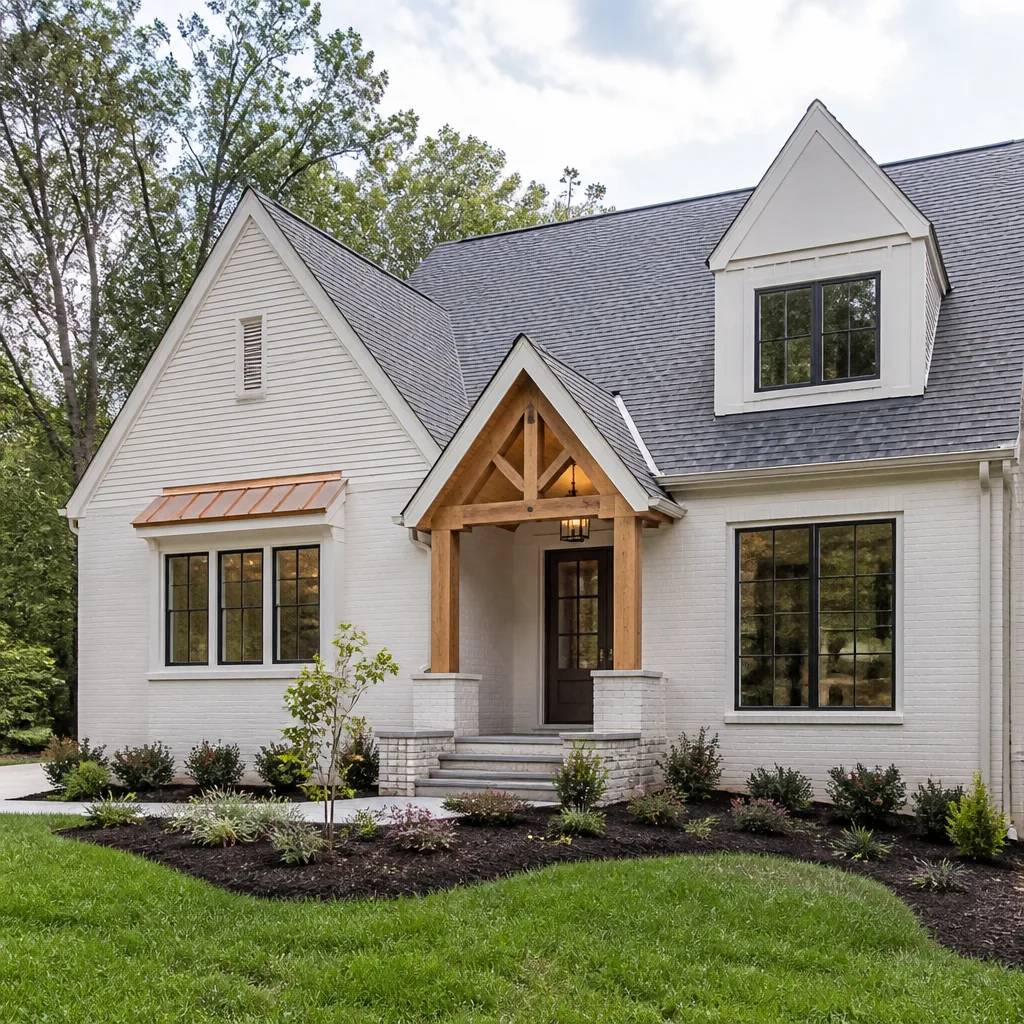
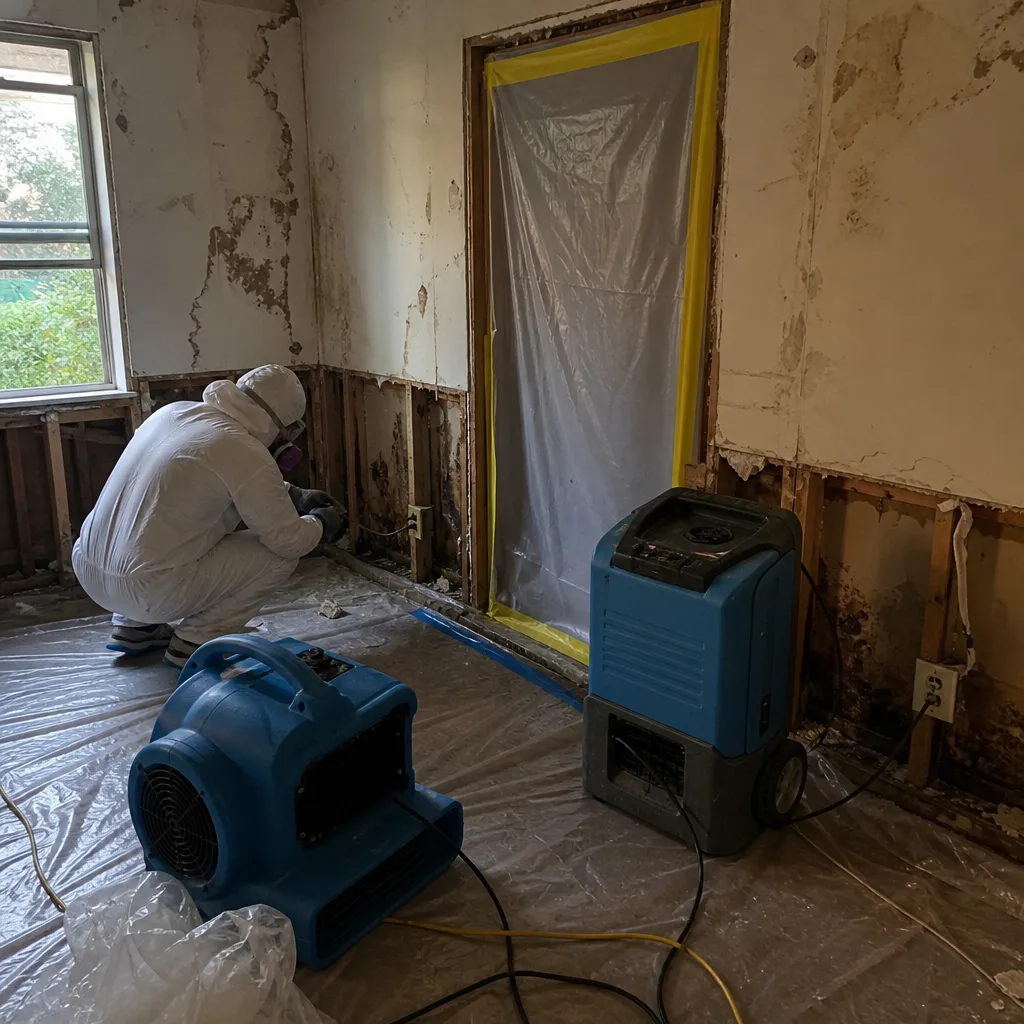 Before
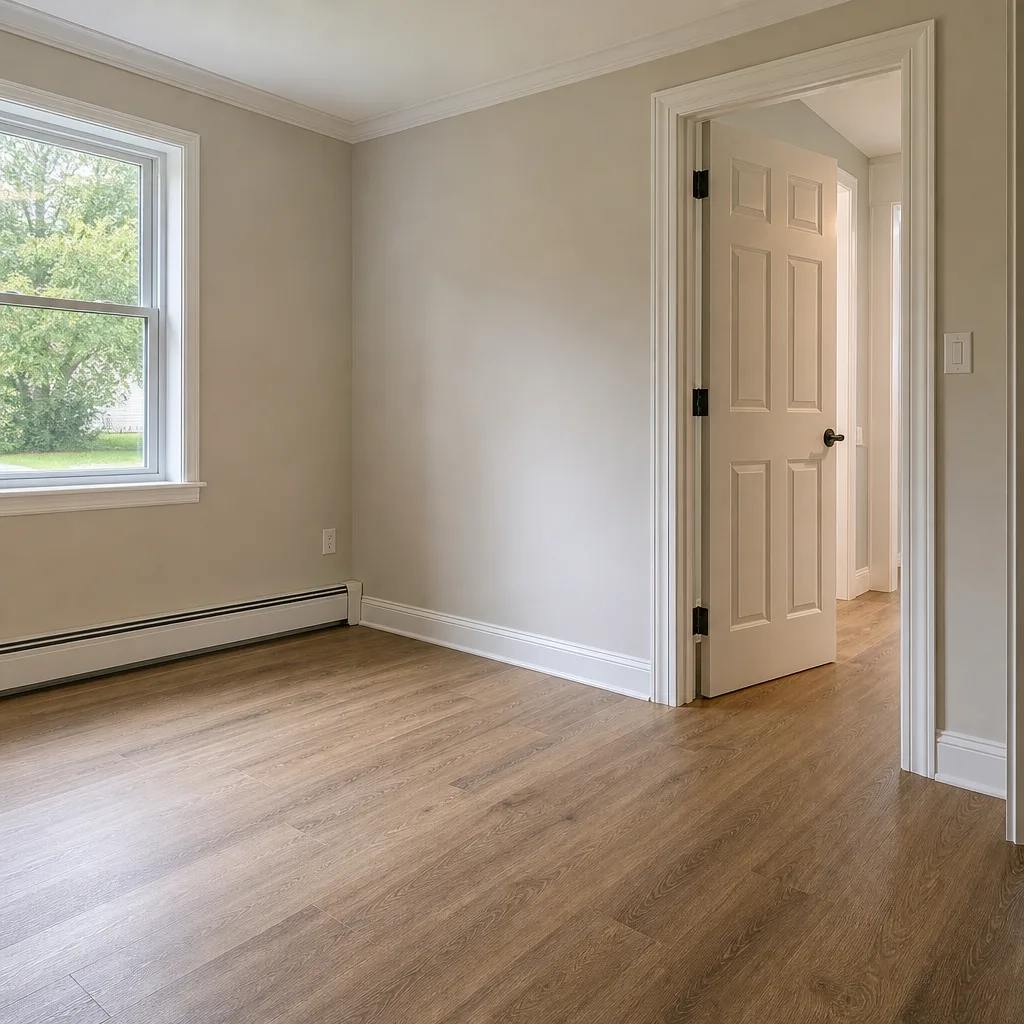 After
After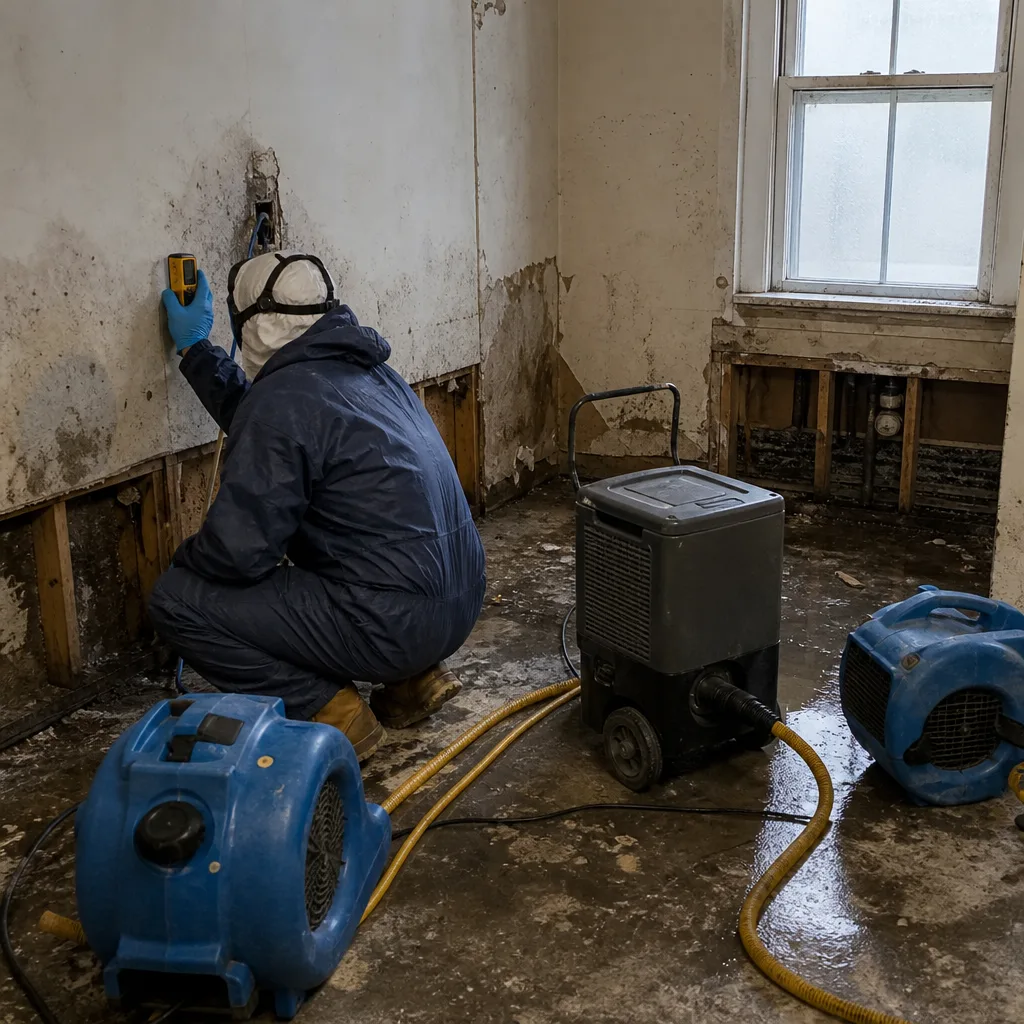 Before
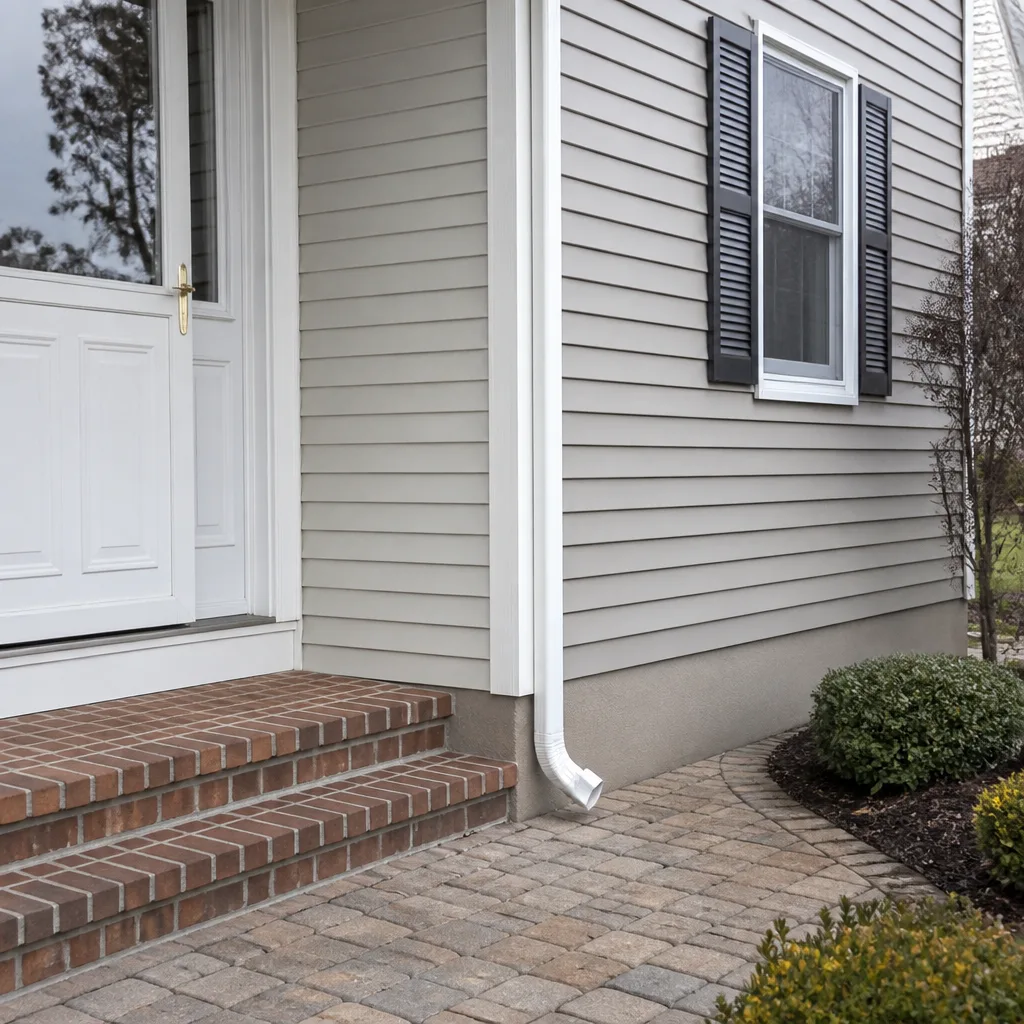 After
After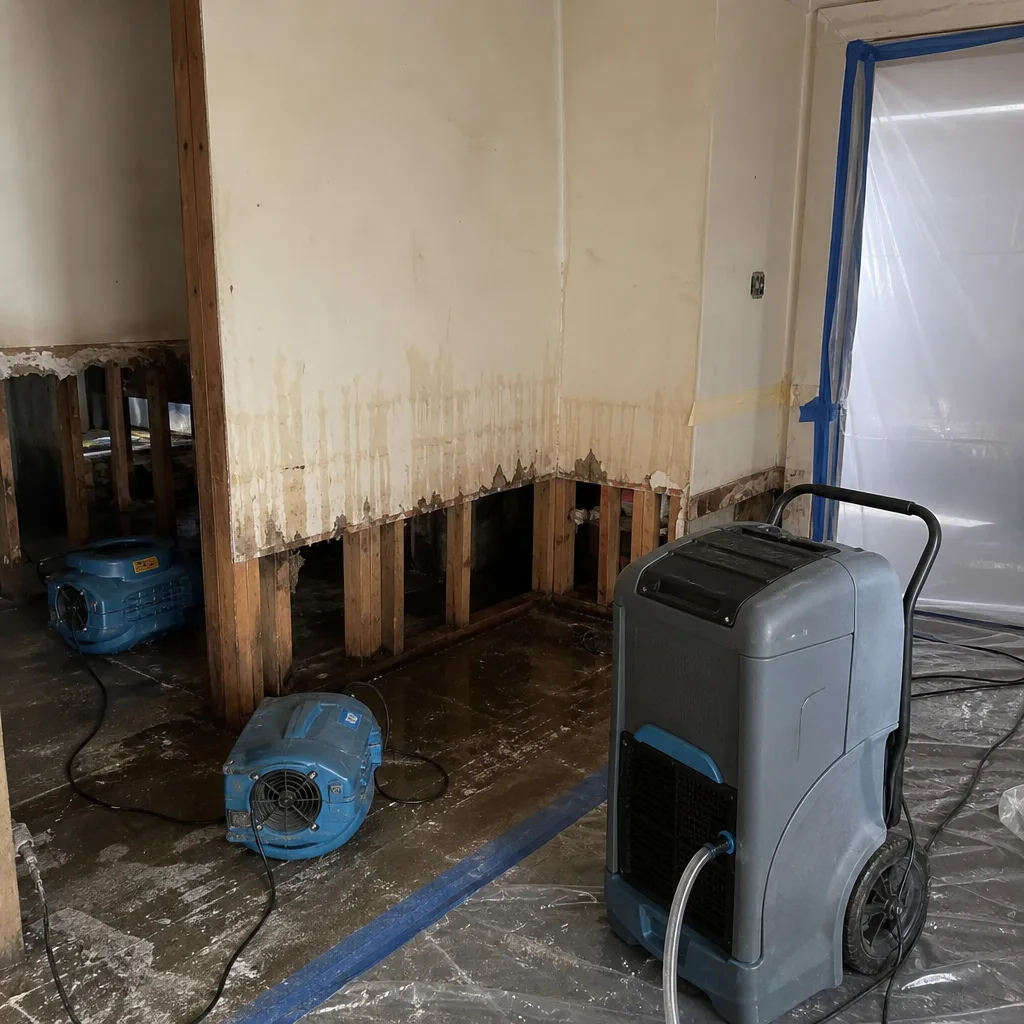 Before
 After
After24/7 Emergency Storm & Disaster Restoration in Haverstraw
Storm damage in Haverstraw moves fast, and so do we. A live dispatcher answers at (914) 809-9936 any hour, every day, and a Floodline Restoration Co. crew can be on site in Haverstraw within 45 minutes of your call. The first hour after a nor’easter or flash flood is when water does its worst work: Category 3 surge water from Haverstraw Bay carries sewage, fuel, and debris through your foundation, and every hour it sits, the damage spreads into drywall, framing, and the Haverstraw brick that makes these old homes worth saving. We start with a free visual inspection, we tell you straight what needs to happen, and we get extraction and board-up running the same visit.
Understanding Storm & Disaster Restoration Severity in Haverstraw Properties
Haverstraw’s housing stock doesn’t respond to storm water the way a modern subdivision does. The village core is dense with late 19th- and early 20th-century wood-frame and brick worker housing built during the brickyard era, and those aging fieldstone and brick-block basements are highly permeable. We classify the water we find using IICRC standards: Category 1 clean water from a burst pipe, Category 2 gray water from a washing machine or sump failure, and Category 3 black water from river surge or sewage backup. That last one is the one we see most after a Haverstraw Bay nor’easter, and it changes everything about containment, antimicrobial treatment, and what materials get removed versus dried. Older lime-based parging and Haverstraw brick absorb water differently than modern poured concrete. If a crew reads surface moisture only, they miss water that migrated behind the parging, into the mortar joints, and up into the sill plate. That trapped moisture fuels mold within 48 hours. We use thermal imaging and penetrating moisture meters, not just a visual check, so the moisture map on day one is the same map we hand to your insurance adjuster and the same map we use to prove the structure hit the dry standard before rebuild starts.
Why Haverstraw Property Owners Choose Floodline Restoration Co.
- 45-minute response commitment to Haverstraw: We time our dispatch from the moment you hang up. A crew rolls from the nearest staging point and is inside village limits fast, because surge water doesn’t wait for business hours.
- 24/7 live answer, never an automated system: A real person picks up at 2 a.m. during a January nor’easter. You tell them what’s happening, and they start the dispatch while you’re still on the phone.
- IICRC-certified crews (WRT, FSRT, AMRT): Water, fire, and mold restoration standards are different disciplines. Our techs hold the right certifications for the damage in front of them, not a generic one that sounds good in an ad.
- Free visual inspection with no obligation: We walk the damage with you, take photos, and explain what we’re seeing in plain language. You decide what happens next.
- Direct insurance billing, no messenger role for you: We document from the first hour, send our line-item scope to your carrier, and talk to the adjuster so you don’t have to.
- One team from extraction to reconstruction: The same crew that extracts the water and dries the structure is the crew that rebuilds it. No mid-job handoff, no inherited crew that never saw the moisture map.
Our Storm & Disaster Restoration Process
Inspection & Assessment
We arrive, walk the property, and document everything: water lines, soot patterns, wind-driven damage, structural movement. Thermal imaging and penetrating meters give us the real moisture map, not a guess. We explain what we’re seeing before any work begins.
Extraction & Stabilization
Standing water comes out with truck-mounted extraction units. We get the water out fast, then board up broken windows, tarp exposed roof sections, and shore up anything that’s unstable. Stabilization stops the loss from growing while we plan the dry-out.
Drying & Dehumidification
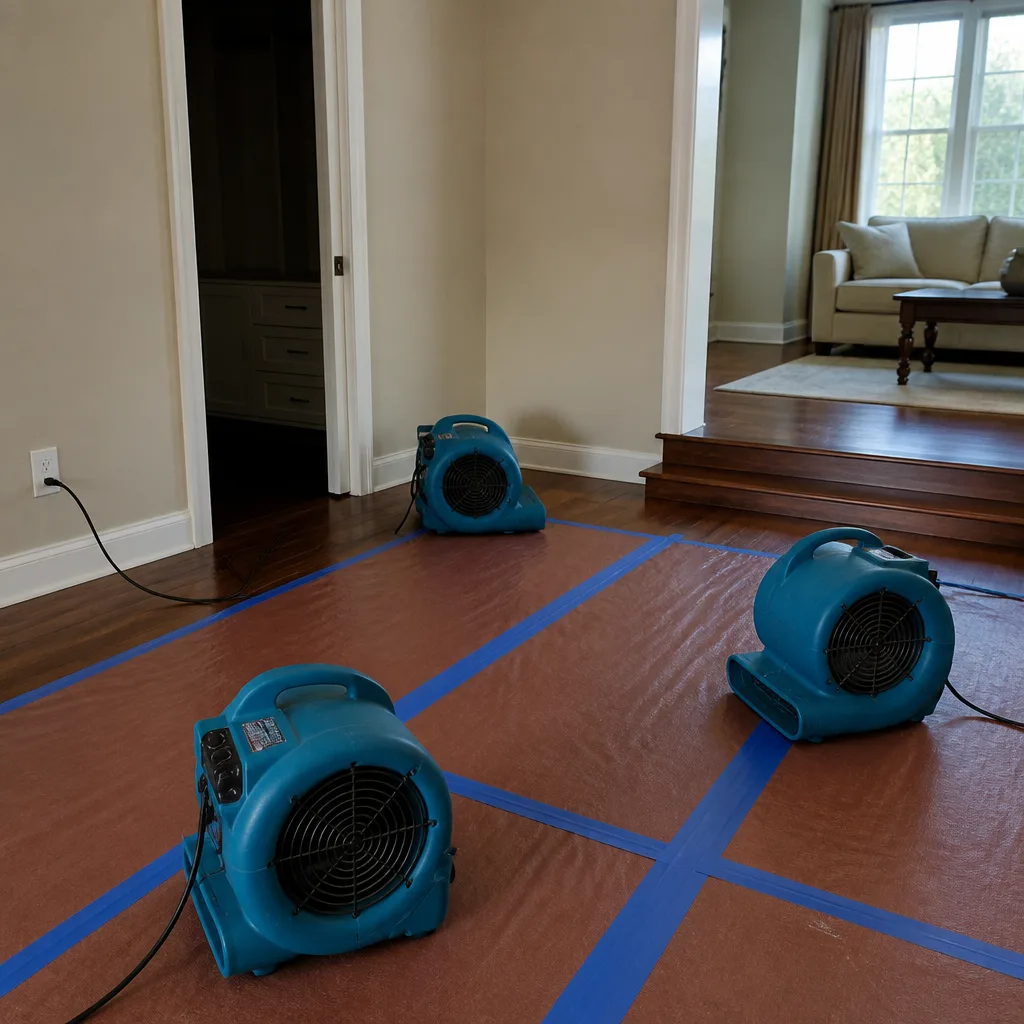
Dri-Eaz dehumidifiers and XPOWER air movers go in, positioned by the moisture map, not by a template. We monitor daily with hygrometers and penetrating readings for wall cavities. We stay on the job until the dry standard is met, not until a calendar says to leave.
Cleaning & Sanitization
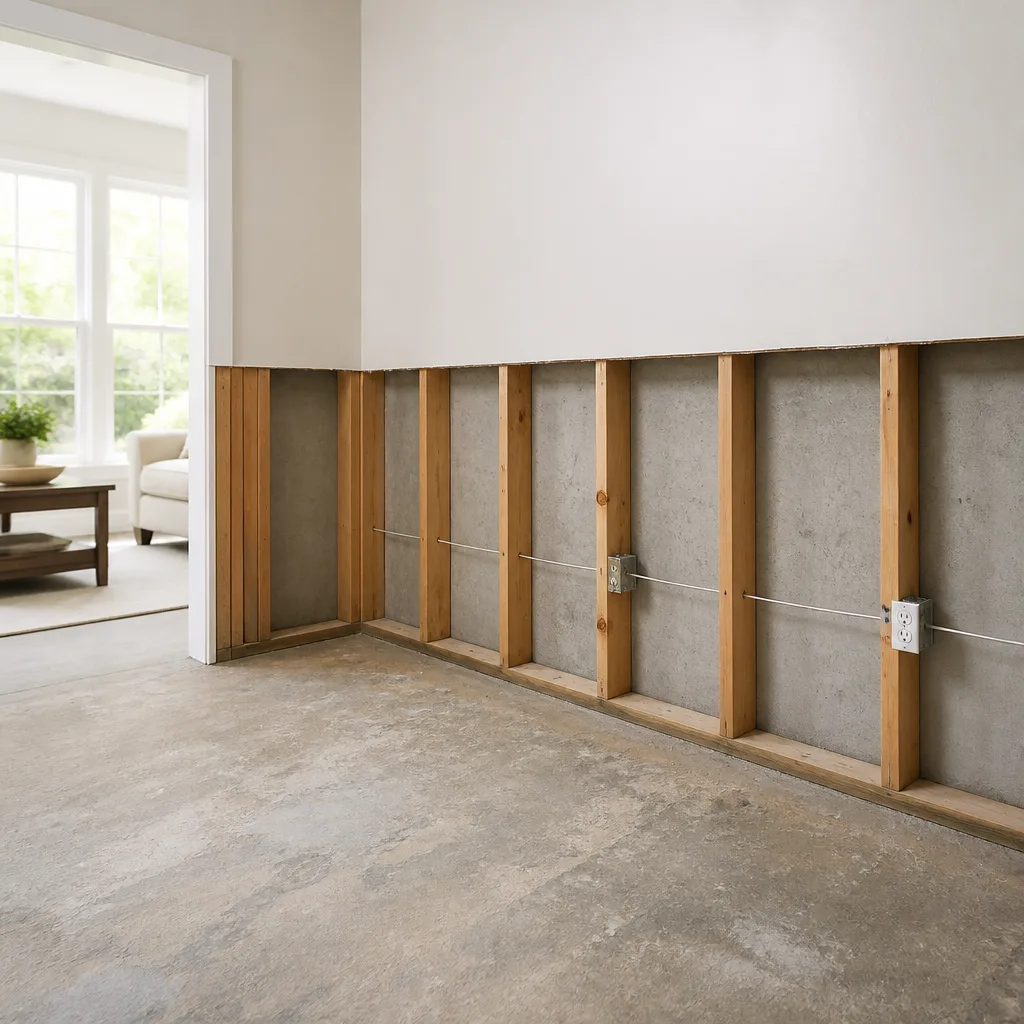
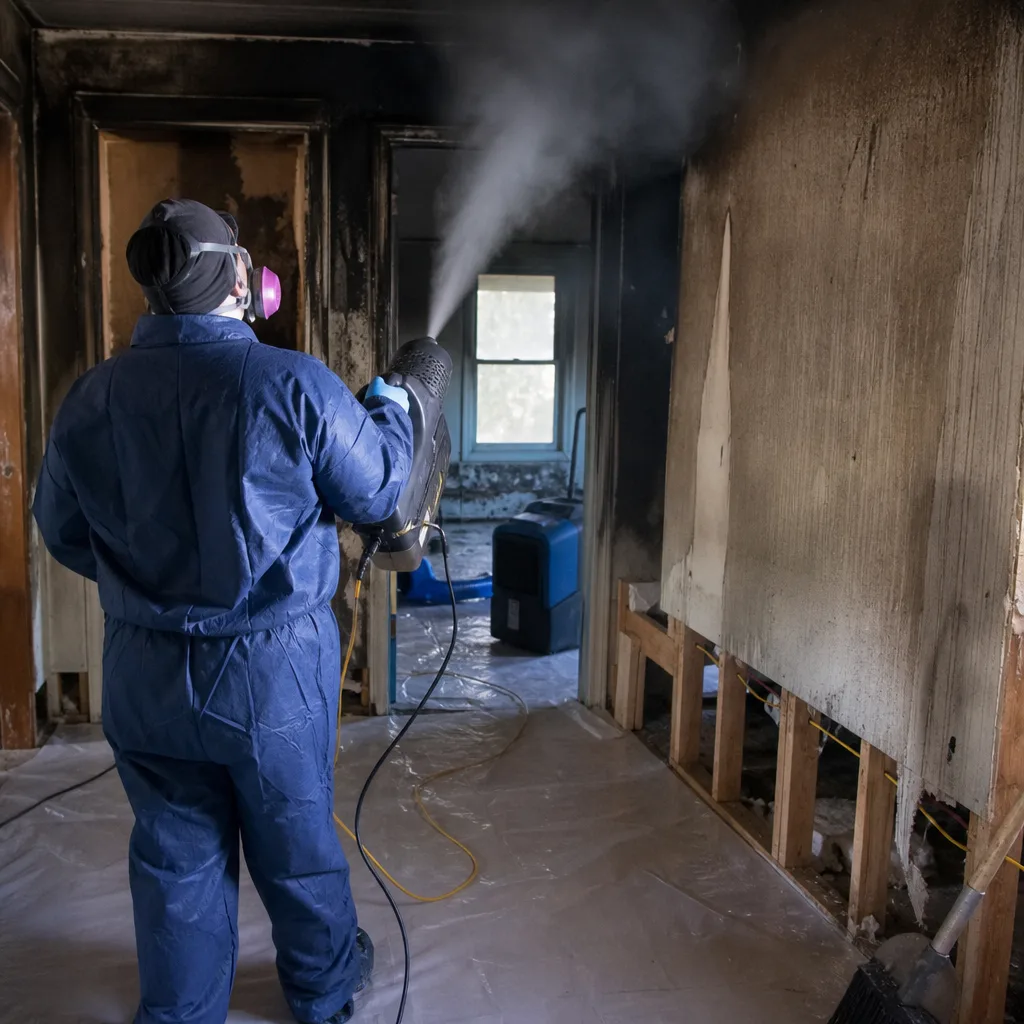
Category 3 water requires antimicrobial treatment and controlled demolition of porous materials that can’t be saved. HEPA air scrubbers run during demolition and cleanup to keep contaminants from spreading through the living space. Every surface gets treated, not just the visibly wet ones.
Haverstraw Brick Stabilization & Specialty Treatment
In lower village basements, we frequently find walls built from locally-made Haverstraw brick. After repeated saturation, that brick spalls and loses mortar integrity in patterns modern brick never shows. We match the historic mortar, stabilize the masonry, and apply waterproofing that works with the original material, not against it.
Repairs & Restoration
Rebuild starts when the dry standard is confirmed and documented. The same techs who read the moisture map on day one handle the drywall, framing, flooring, and finish work. We hand you the drying log, the scope, and the 90-Day Done Right Promise in writing at the end of the job.
Need Emergency Storm & Disaster Restoration in Haverstraw Now?
Crews minutes away, answering live 24 hours a day. The sooner we start, the less it costs.
Working With Your Insurance Company
We’ve handled enough Haverstraw claims to know how carriers work, and we handle them the way we’d want our own handled. From the first hour on site, we document everything: photos of every room, water lines marked on walls, moisture readings logged daily, and a line-item scope of work your adjuster can actually read. Our work meets IICRC standards, which means the estimate holds up. If the adjuster has questions, we talk to them directly. You don’t play messenger. Curt Bowman built this company around a dispatch board, not a sales desk, and that means we carry the paperwork burden so you don’t have to.
What We Provide Your Insurer
- Thorough documentation of the loss
- Photos of all damage, room by room
- Moisture readings and drying logs
- A detailed, line-item scope of work
- Direct coordination with your carrier
Built for Haverstraw’s Loss Calendar
Haverstraw’s storm year has a rhythm, and we’ve seen every season of it. January and February bring deep freezes that burst supply lines in aging basements along Broadway and the side streets running up from the river, the same freeze-thaw cycles that stress already water-damaged mortar joints in old brick foundations. Spring thaw saturates the ground and pushes water into fieldstone basements through every crack and seam those homes have opened over a century of settling. Summer brings the flash thunderstorms that overwhelm Village drainage and send sheet water down the hillsides, saturating the glacial clay that underlies the slopes above town. And then autumn through winter comes the nor’easter season, when Haverstraw Bay’s wide open fetch amplifies surge and wave action, sending Category 3 water into Beach Road and the marina district far more aggressively than towns just a few miles upriver or downriver. Each season has a different damage signature, and a crew that knows the calendar knows what to look for first.
Storm & Disaster Restoration Across Haverstraw’s Neighborhoods
Response routes matter when the streets are flooding. In the waterfront district along Beach Road and the marina, we’re dealing with surge-driven Category 3 water in homes built on fill and old dock pilings, structures that move differently when saturated than homes up the hill. The village core, around Broadway and Main Street, is the brickyard-era housing stock: wood-frame and brick worker homes with basements of locally-fired Haverstraw brick and fieldstone, the ones that spall after repeated soakings. Up toward the Hillside and Riverside Avenue corridors, the homes sit on steeper grades, and we look first for foundation stress from saturated expansive clay, not just the water in the basement. In the newer sections off West Broad Street and along Route 9W, the construction is more modern but the slope drainage problems remain, especially after the spring thaw. Each part of Haverstraw has its own failure pattern, and knowing those patterns is what keeps a damage call from becoming a structural problem.
Specialized Storm & Disaster Restoration Services We Offer in Haverstraw
Flood Damage Restoration
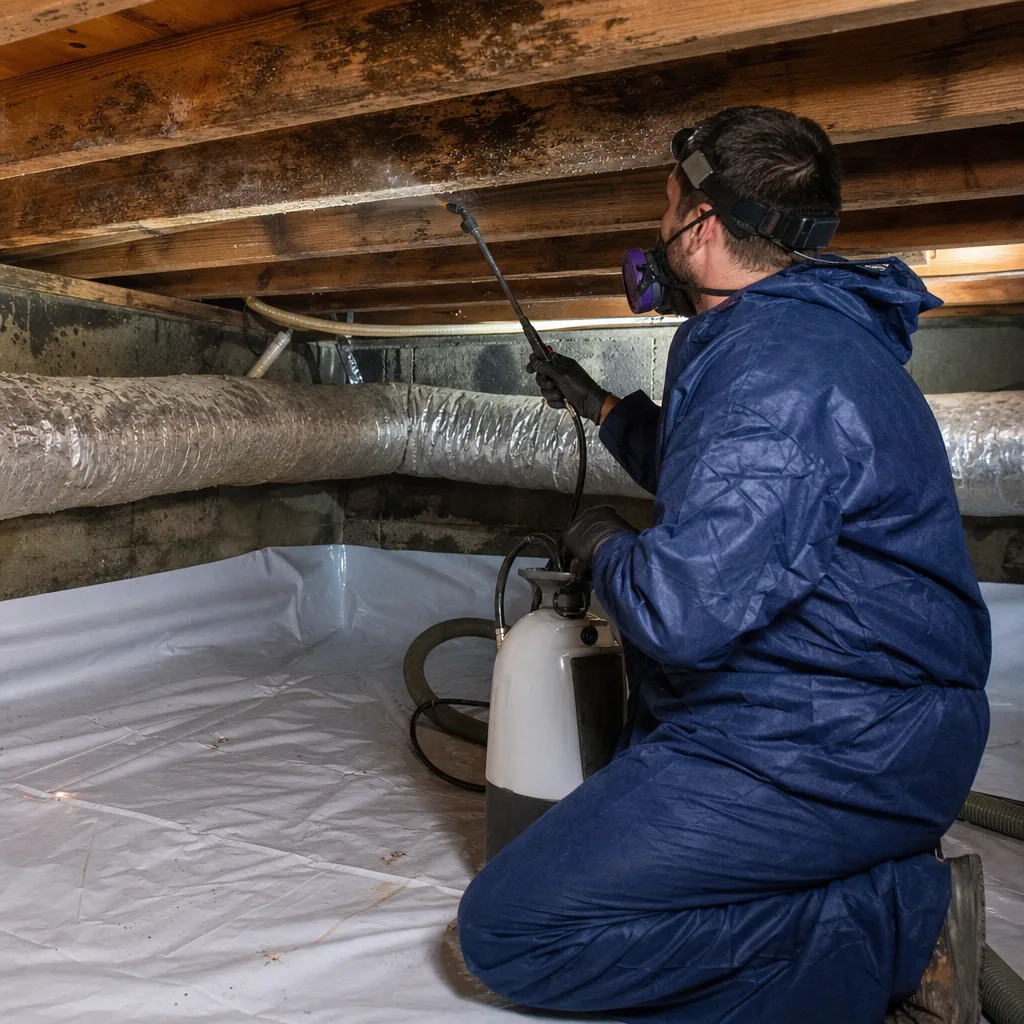
This is the work Haverstraw calls us for most. We extract, dry, treat, and rebuild. In lower village basements with Haverstraw brick walls, we stabilize the masonry as part of the restoration, because standard protocols miss the mortar-spalling problem that comes with repeated saturation. We don’t just dry the room; we fix the wall so the next flood does less damage.
Emergency Board-Up
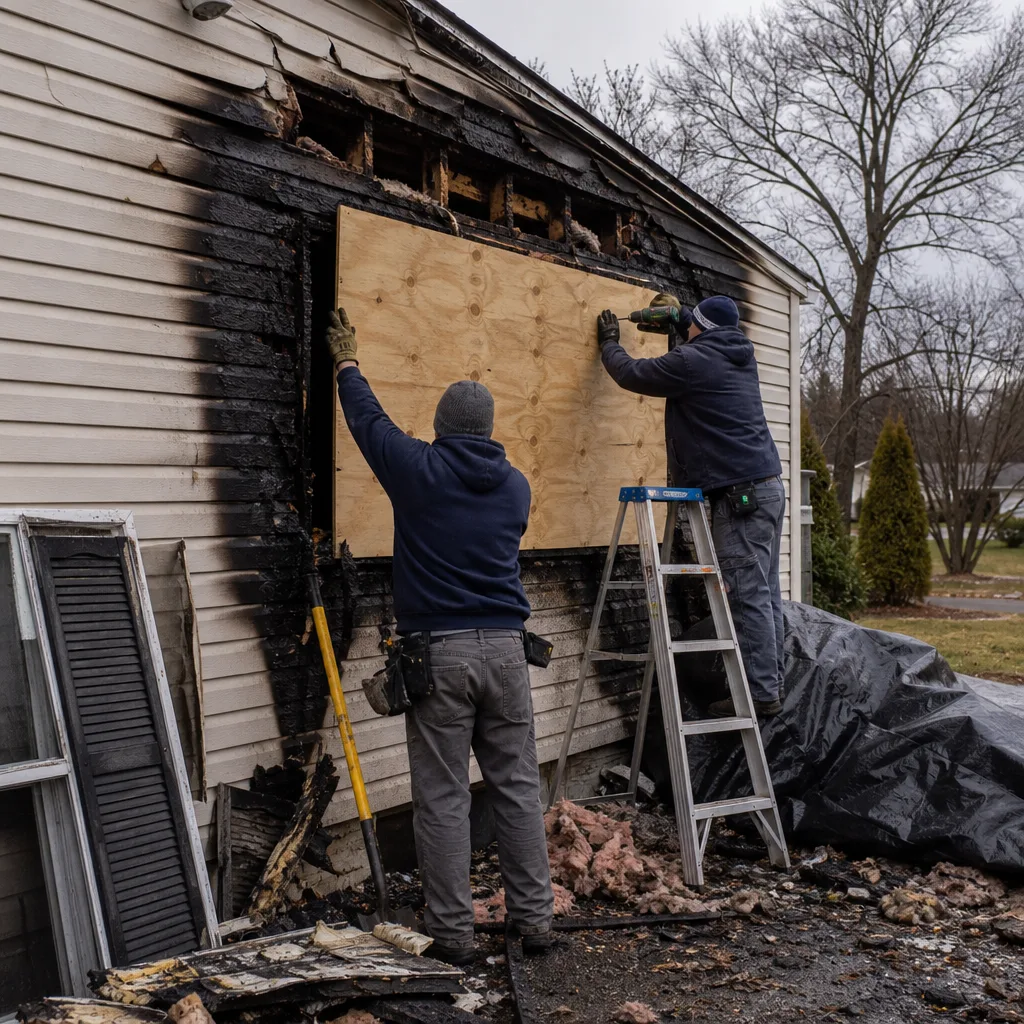
After a nor’easter blows out windows or a tree limb takes out a wall, the property is open to weather and whoever walks by. We board and secure same day, using materials sized to the opening and anchored properly to the structure. In Haverstraw’s older wood-frame homes, we’re careful with how we fasten, because hundred-year-old trim and framing don’t forgive a heavy-handed crew.
Wind Damage Repair
Haverstraw sits exposed at the widest point of the Hudson, and wind-driven damage here isn’t cosmetic. We repair roof decking, replace blown-off siding, and reinforce structural connections. For homes near the waterfront, we also check for wind-rated door and window compliance, because what held for thirty years doesn’t always meet what the next storm demands. Our Storm & Disaster Restoration team handles the full scope from temporary tarping to finished rebuild.
Roof Tarping
Until a roofer can get there, a tarp keeps rain, snow, and curling wind out of the open space. We use commercial-grade tarps, nailed and sealed at the edges so water can’t wick under. On the steep roofs common in the older hillside sections of Haverstraw, we use fall protection and proper anchors. A tarp is temporary, but it should still be done right enough to survive the next storm.
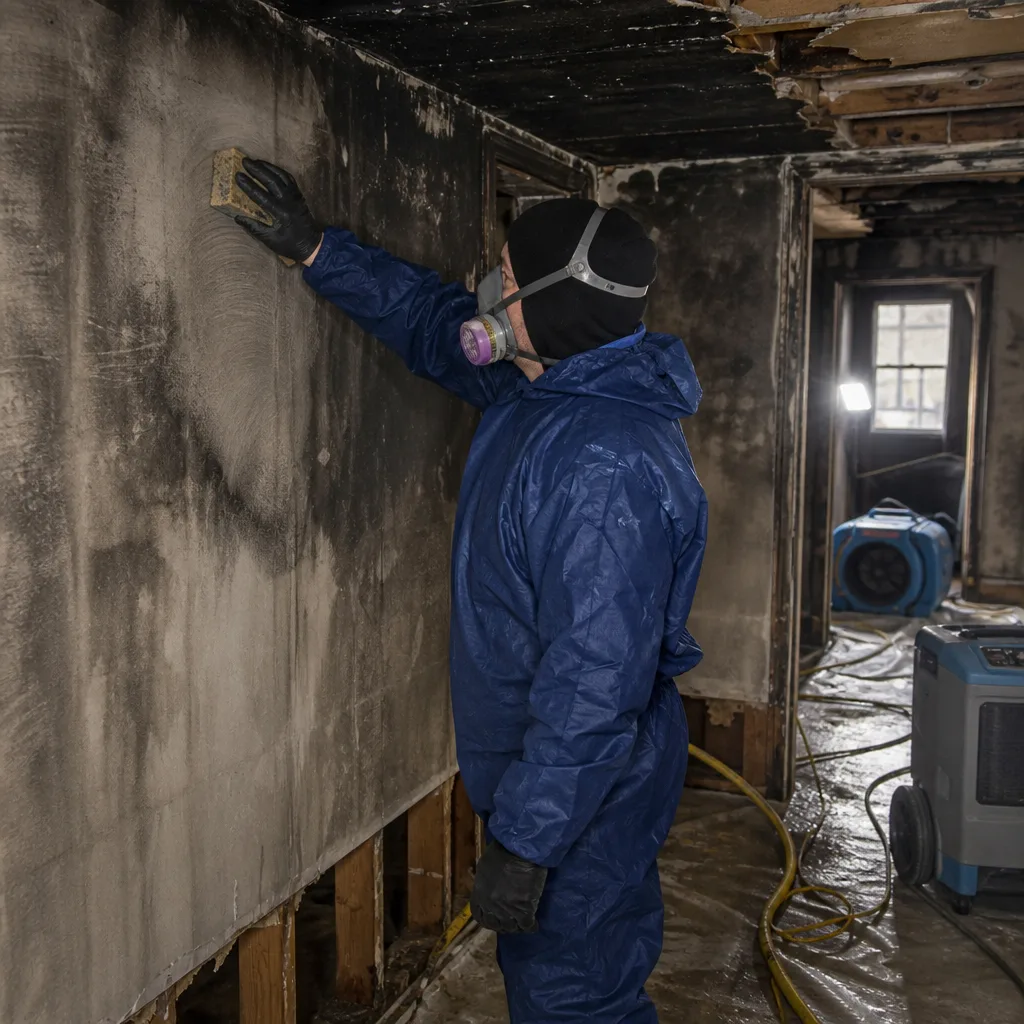
Debris Removal
Storm debris in Haverstraw isn’t just branches in the yard. It’s shingles, siding, broken glass, and sometimes sections of neighboring docks or bulkhead materials that came loose in the surge. We clear it, separate what’s salvageable from what’s waste, and document everything before removal. If your insurance claim covers debris hauling, we’ve got the photos and the line items to prove the volume.
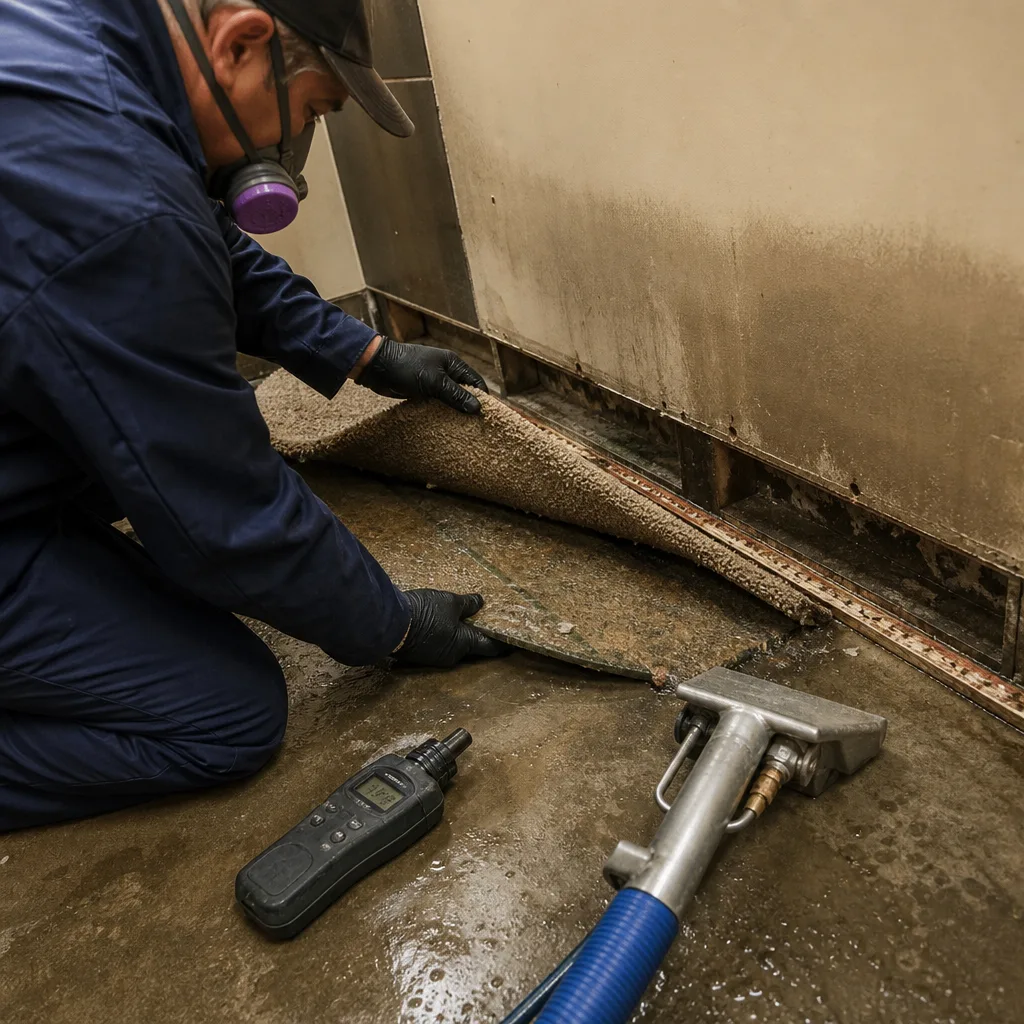
What happens when you call
- 1
A real person answersNo phone trees - you reach a local pro.
- 2
You get an upfront price rangeHonest numbers before anyone is dispatched.
- 3
A background-checked tech heads outLicensed & insured, dispatched right away.
- 4
You approve before work beginsNothing starts until you say go.
Storm & Disaster Restoration Costs in Haverstraw, NY
We’d rather give you real numbers than vague talk. In Haverstraw, a typical Category 1 water extraction and dry-out in a basement runs $2,800 to $5,200. Category 3 surge-water jobs, the ones along Beach Road and the marina district, run $6,000 to $15,000 or more depending on how much demolition and antimicrobial treatment the structure needs. Emergency board-up runs $350 to $1,200 per opening depending on size and access. Roof tarping runs $450 to $1,800 for a standard residential roof section. Wind damage repair spans $1,500 to $12,000 depending on whether it’s siding, framing, or full-wall rebuild. Haverstraw brick stabilization during restoration adds $2,500 to $6,000 when it’s needed. The free inspection tells you your number. Call (914) 809-9936 and we’ll give you a firm scope before work starts, not after.
We Also Serve Cities Near Haverstraw
Floodline Restoration Co. covers Haverstraw and the surrounding Rockland County communities, including Thiells, Stony Point, Congers, and New City. Dispatch and scheduling are coordinated from our New York City office, but the crews that roll to your door are local to the Haverstraw area and know these streets.
Serving Haverstraw, NY - Our Local Coverage Area
We’re based in the Haverstraw area and know this community well. Use the map below to see our service coverage - if you’re nearby, we can almost certainly help.
Haverstraw Storm & Disaster Restoration Questions, Answered
How does Haverstraw’s position on Haverstraw Bay change the approach to storm surge cleanup compared to other Hudson River towns?
The bay is the widest point of the Hudson, and that open fetch amplifies surge and wave action. We see higher water, moving faster, with more debris in it than towns upriver or downriver. That means more Category 3 classification, more demolition of saturated materials, and more attention to what the water carried in, not just the water itself. It also means we check the bulkhead and foundation before we trust that the water is the only problem. Call (914) 809-9936 for an exact scope.
Do Haverstraw building codes require wind-rated doors and windows for older homes near the waterfront?
New construction and major renovations in Haverstraw’s flood zones generally need to meet current wind-rating and flood-resistance standards, but older homes are grandfathered unless the work triggers a code review. What we tell homeowners is simpler: if your doors and windows failed in the last storm, they’ll fail in the next one. The cost of wind-rated replacement is less than the cost of a repeat rebuild. We’ll tell you what’s required and what’s just smart.
Why do basements in lower Haverstraw brick homes spall after flooding, and how do you fix it?
Haverstraw brick is softer than modern brick, and repeated saturation weakens the bricks and the lime-based mortar. When the water recedes and the wall dries, the surface layer of the brick flakes away. If a contractor repoints with hard modern mortar, the new mortar holds while the old brick continues to fail, which accelerates spalling. Our fix uses a custom mortar match that’s compatible with the original material, then we apply a waterproof membrane. The drying log and the stabilization spec both go to your insurer.
Can saturated hillside clay behind my foundation cause damage even if my basement stays dry?
Yes. The glacial clay above downtown Haverstraw, the same clay that fed the old brickyards and contributed to the 1906 landslide, expands when saturated. That expansion pushes against foundation walls and can cause cracking, bowing, or slope movement weeks after the storm, sometimes with no standing water in the basement at all. If your home is on or below a hillside, we inspect the foundation as part of every storm restoration job, not just the wet areas. It’s the difference between fixing storm damage and discovering a structural problem too late.
How fast do I need to start water extraction in a Haverstraw basement before mold becomes a problem?
Mold needs moisture, food, and time. In Haverstraw’s older basements with wood framing, drywall, and lime-based parging, mold can establish in 48 to 72 hours. Category 3 storm surge accelerates that because it brings organic material with it. We aim to have extraction running the same visit you call, and drying equipment in place within hours, not days. The free inspection gets you a timeline and a firm scope on the spot. Call (914) 809-9936 now.
Will my insurance cover storm surge damage in a Haverstraw flood zone?
Most standard homeowner policies cover wind damage and rain-driven water, but flood surge usually requires a separate flood insurance policy, typically through the National Flood Insurance Program. Haverstraw’s flood-zone maps define who’s required to carry it. What we do is document everything from the first hour so your claim, whether it goes to your homeowner carrier or your flood carrier, has the evidence it needs. We’ll work with whichever adjuster shows up.
How long does full storm restoration take in a typical Haverstraw home?
Extraction and stabilization are same-day. Drying in a Haverstraw basement with fieldstone or brick walls takes three to seven days depending on saturation and weather. Haverstraw brick stabilization adds a few days when it’s needed. Full rebuild, from drywall to finish, runs one to four weeks depending on scope. The drying log and the written scope we hand you at the start mean no one’s guessing about the timeline.
What should I do in the first 30 minutes after storm water enters my Haverstraw home?
Shut off electricity to affected areas, move valuables and documents upstairs, and call (914) 809-9936. Don’t wade through standing water if it could be Category 3 surge water, and don’t start removing drywall or flooring without seeing what category the water is and what’s behind the wall. Take photos of everything before you move it, then let us take over. The first hour determines how much of your home is salvageable.
Written by Curt Bowman, Owner at Floodline Restoration Co. Serving Haverstraw and Rockland County with storm and disaster restoration built on 42 years of showing up.