
Free visual inspection and a written scope of work before any mitigation begins - photos, moisture readings, and drying logs go in your claim file
The scope we write is the scope we bill. Anything new gets shown to you, in writing, before we touch it.
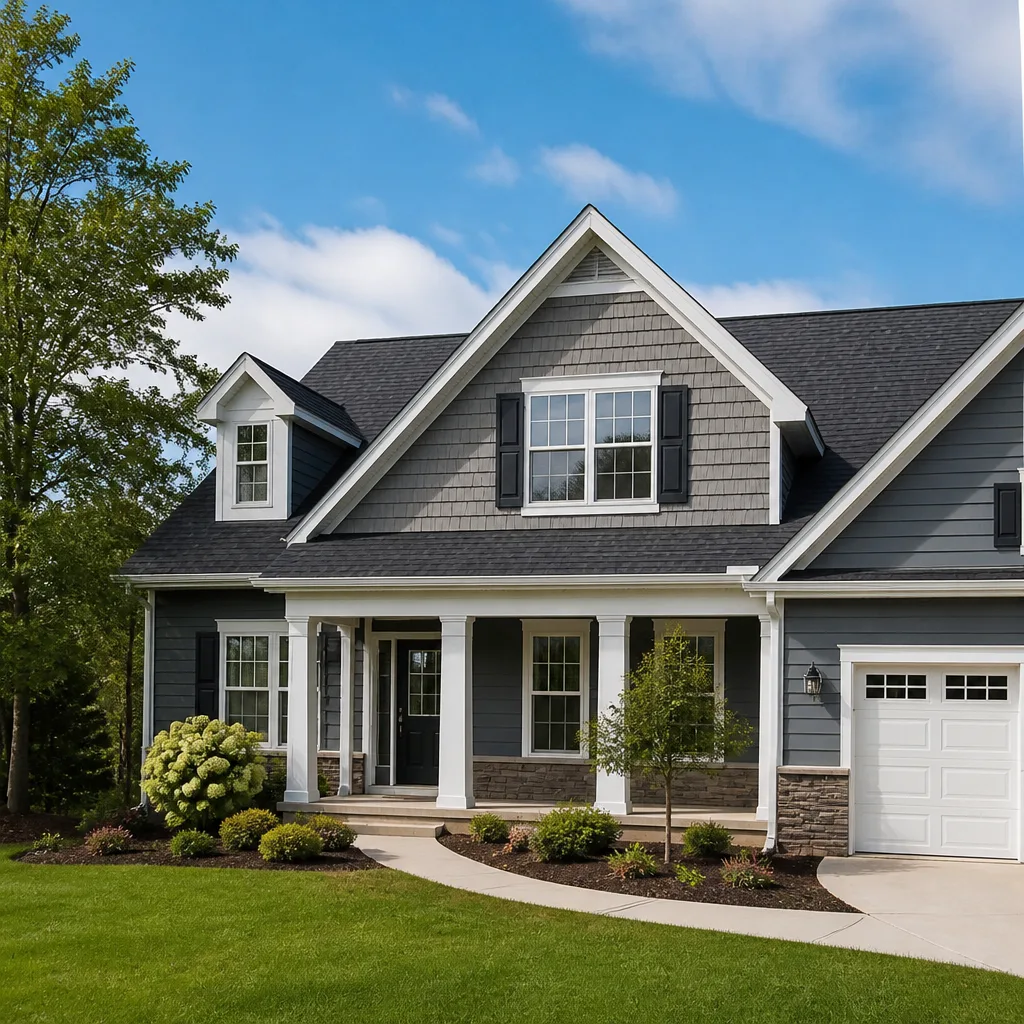
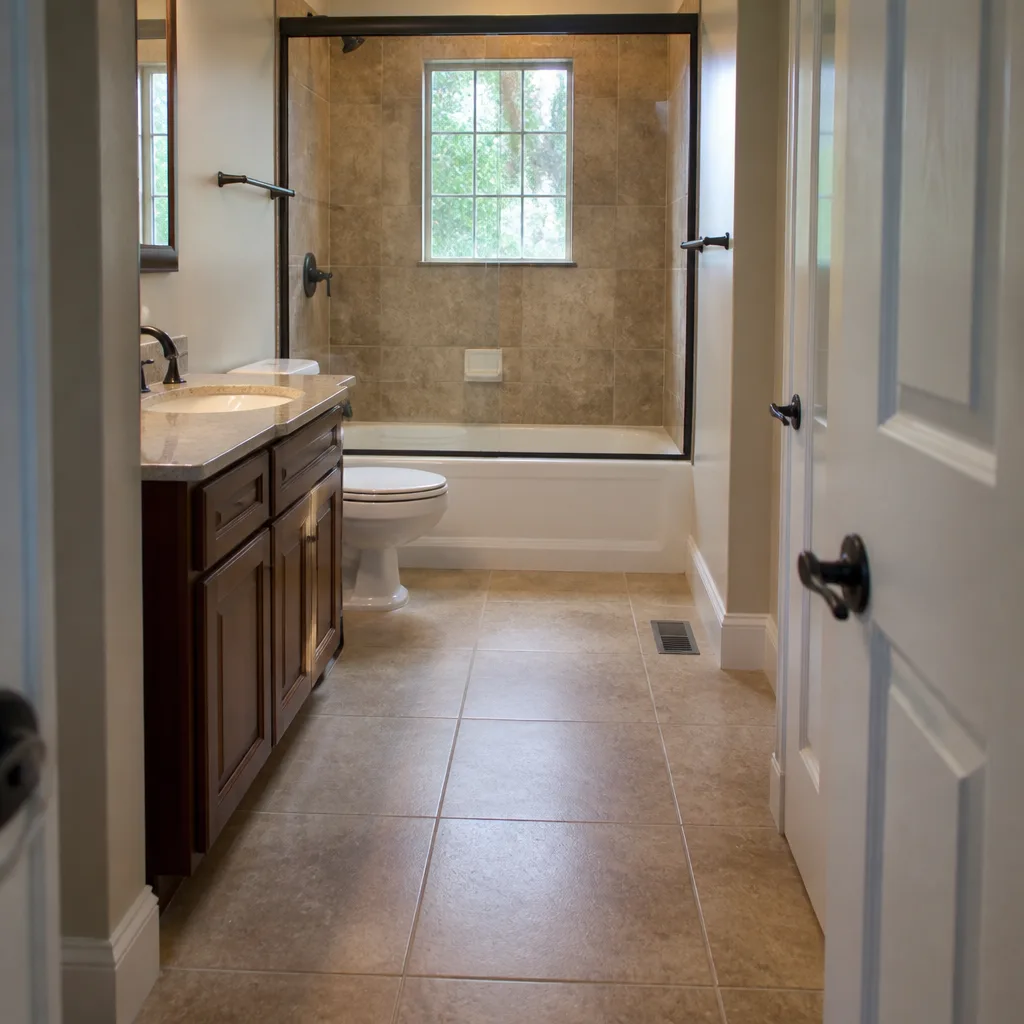
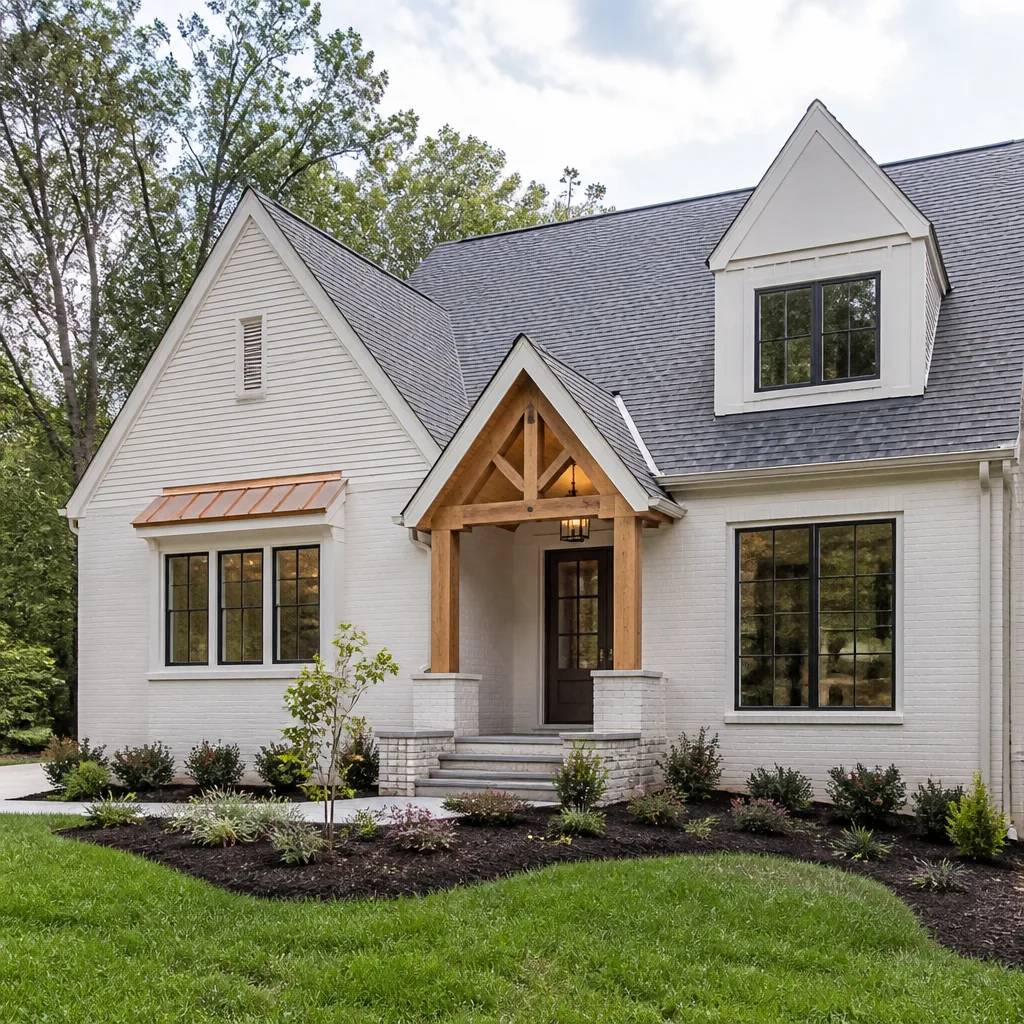
 Before
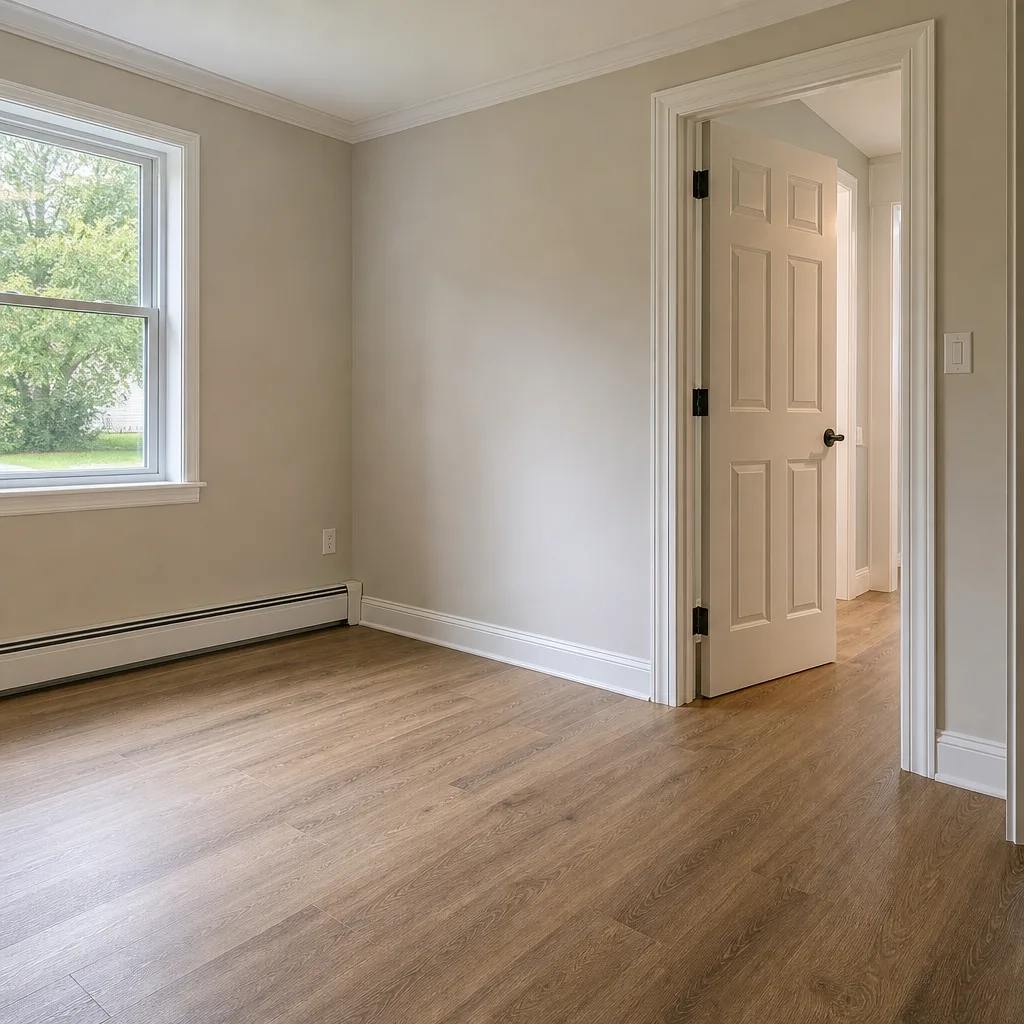 After
After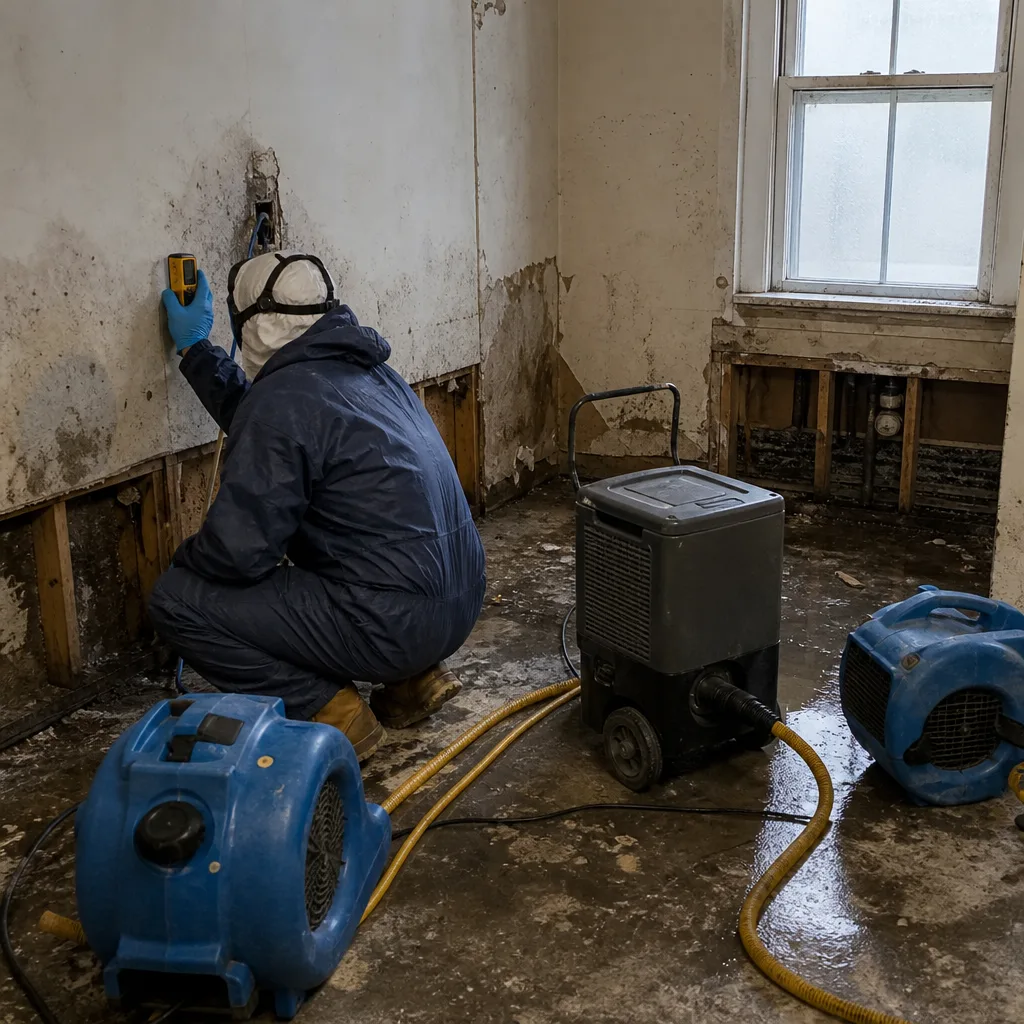 Before
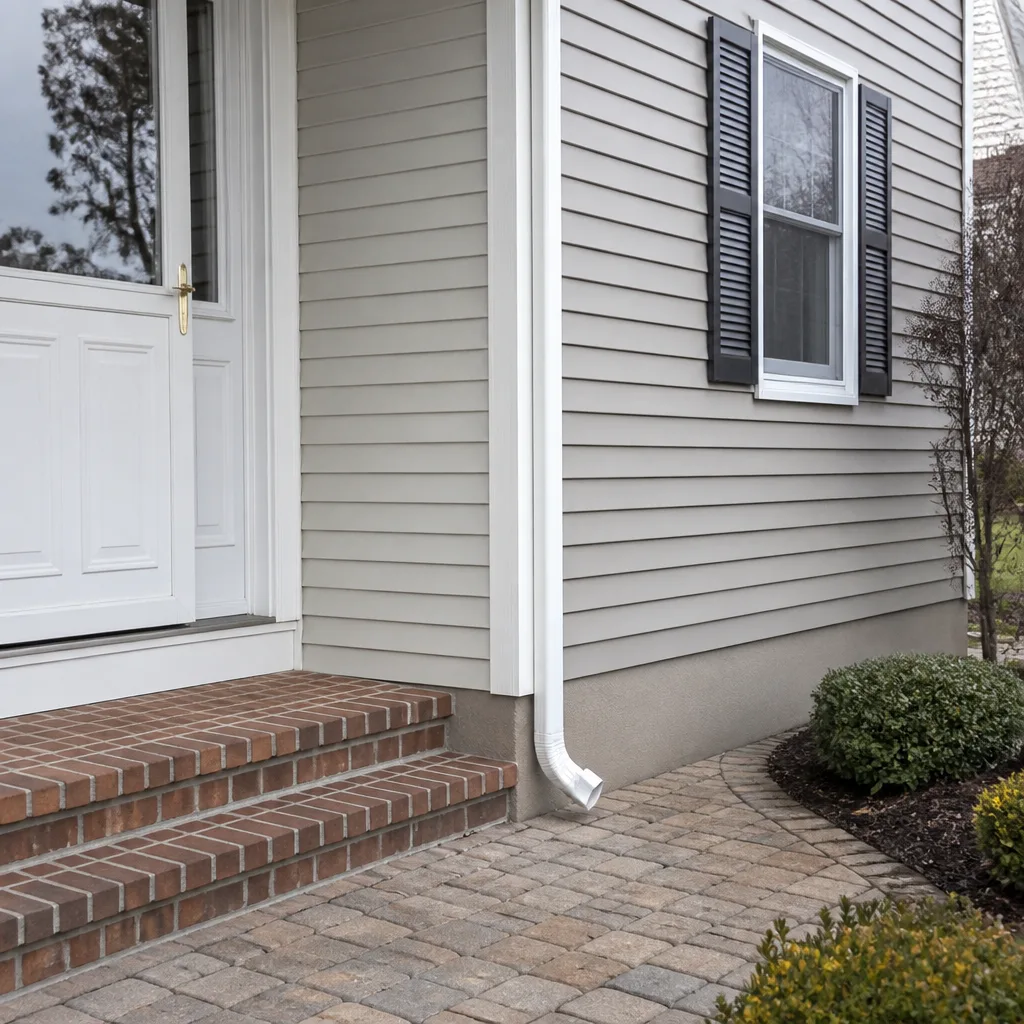 After
After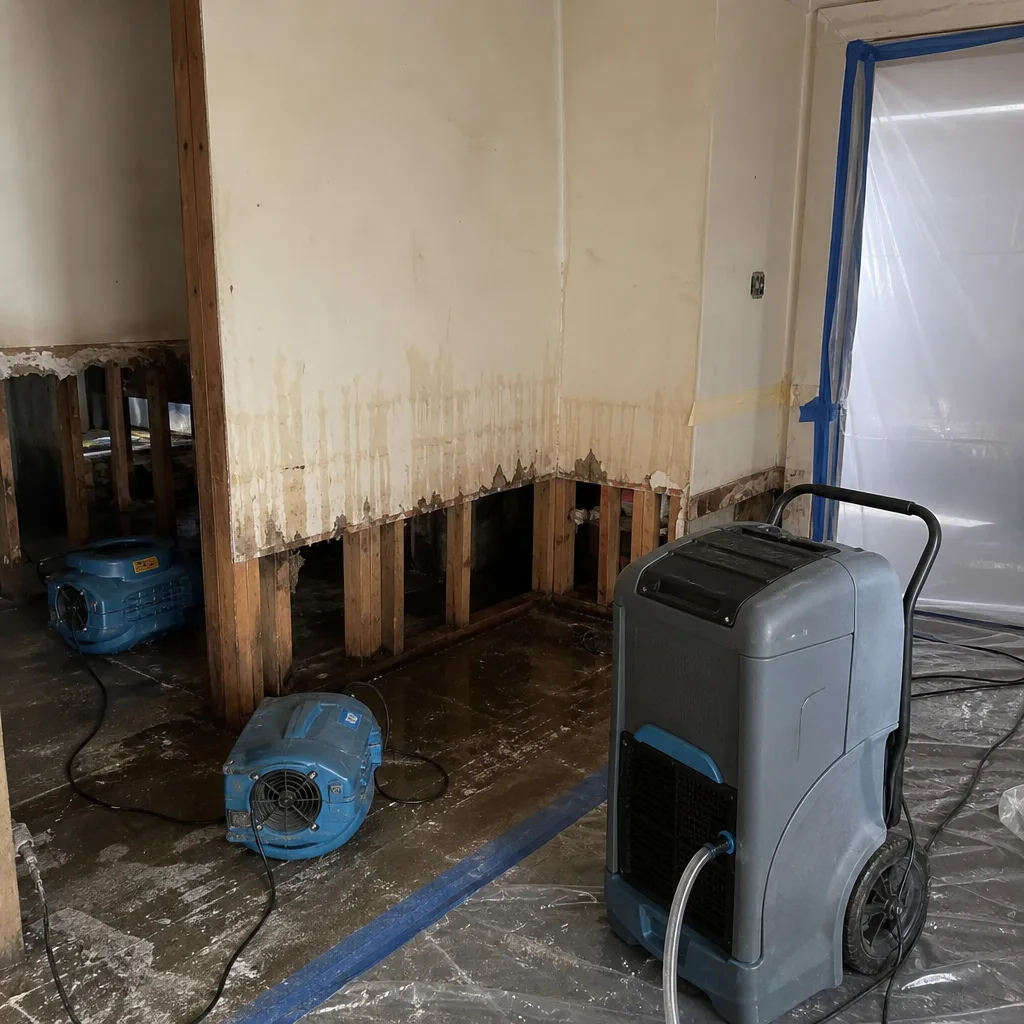 Before
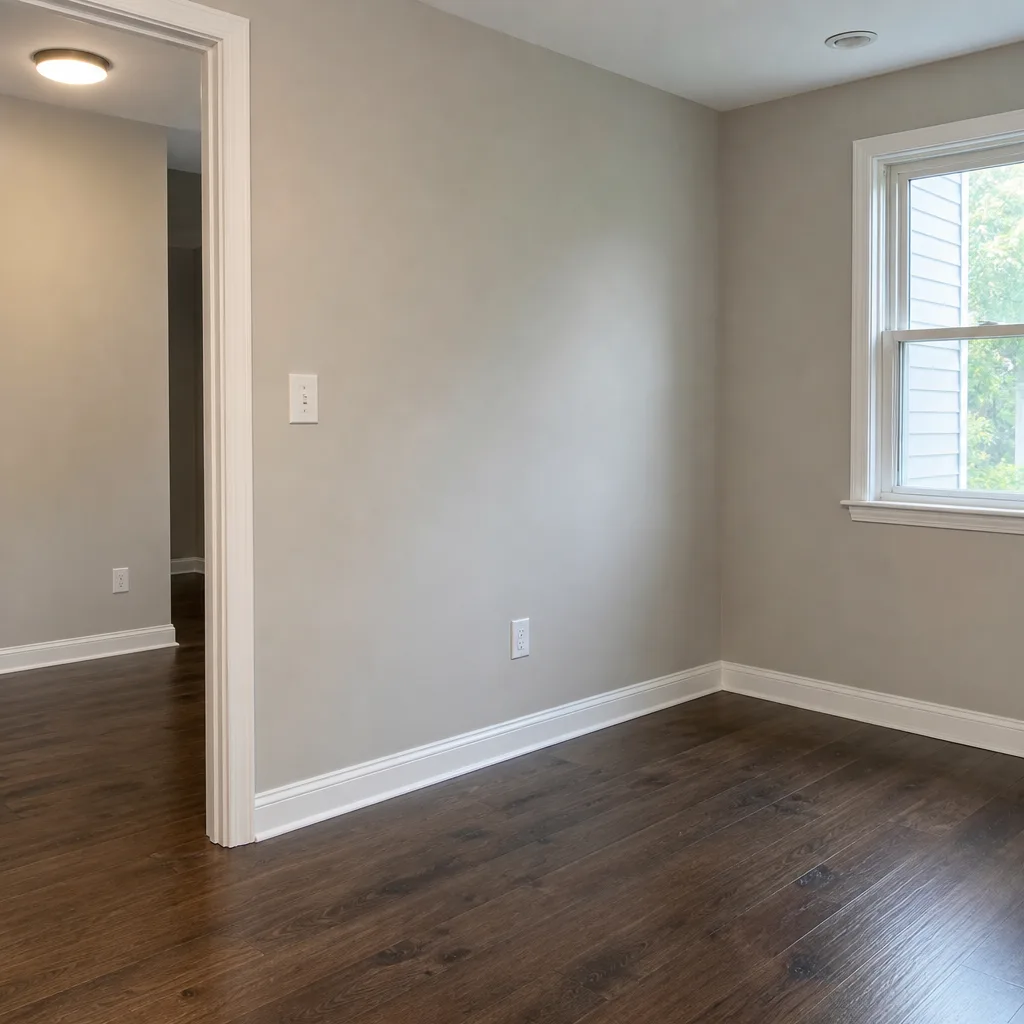 After
After24/7 Emergency Storm & Disaster Restoration in Congers
Storm damage in Congers moves fast, and so do we. A live dispatcher answers at (914) 809-9936 any hour, any day, and a certified crew is on the way to your Congers home within about 45 minutes. Storm & Disaster Restoration is the work we built this company around: extraction the same visit, drying started the same night, and a written scope in your hands before anything gets torn apart. The first hour after a tree comes through a roof or lake water backs into a basement is when salvageable turns unsalvageable. Call now, tell us what you’re seeing, and we’ll walk you through the next ninety minutes over the phone while our truck rolls toward your street.
Understanding Storm & Disaster Restoration Severity in Congers Properties
We separate storm damage in Congers into three tiers, because what looks like a simple wet basement on Lake Road East is rarely simple. Category 1 water comes from a burst supply line: clean at the source, but it turns Category 2 within 48 hours as it picks up whatever it touches. Category 2 carries significant contamination, the kind you get when Congers Lake floodwater or storm runoff pushes through soil and foundation cracks. Category 3 is grossly contaminated, sewage or backflow, and demands full containment before anything else happens. For a 1960s concrete-block ranch, the category matters less than the wicking path. Moisture mapping with thermal imaging shows us hydrostatic pressure pushing water up through slabs and behind baseboards; if we only dry the carpet, the block walls stay saturated and the finished room molds inside two weeks. In Congers, the elevation of your home relative to the lake bowl changes the drying math. A basement four feet above the water table dries in four days. A basement sitting at the table’s edge can run seven days or more. We set the dry standard against daily readings, not a calendar.
Why Congers Property Owners Choose Floodline Restoration Co.
- 45-minute response commitment - We dispatch from the Rockland County side, not from a metro office, so a Congers crew reaches most streets inside 45 minutes of your call.
- A live person answers, 24/7 - No phone tree, no “leave a message.” A dispatcher picks up at 2 a.m. and starts solving the problem.
- IICRC-certified crews - Our technicians carry WRT (Water Damage Restoration Technician) and FSRT (Fire & Smoke Restoration Technician) certifications, and they bring Dri-Eaz, XPOWER, and B-Air equipment to every Congers job.
- Free visual inspection - We assess the damage, show you the moisture map, and give you a written scope before any mitigation work begins.
- Direct insurance billing - We deal with your adjuster, send the photo documentation and drying logs, and bill the carrier directly.
- One team from extraction to reconstruction - The same certified crew that extracts water on day one rebuilds the drywall on day twenty. No handoffs, no inherited crews, no gaps. That’s our Storm & Disaster Restoration commitment.
Our Storm & Disaster Restoration Process
Inspection & Assessment
We arrive, walk the entire perimeter, and use thermal imaging and moisture meters to map every wet surface, including what’s behind baseboards and under subfloors. You get a plain-language explanation of what’s wet, what’s salvageable, and what the next six hours will look like.
Extraction & Stabilization
Truck-mounted extraction pulls standing water from carpets, pad, and slab. We set up emergency board-up if a tree has opened your roof, and tarp any exposed framing before the next rain cell arrives. The goal is to stop the damage front from moving another inch.
Drying & Dehumidification
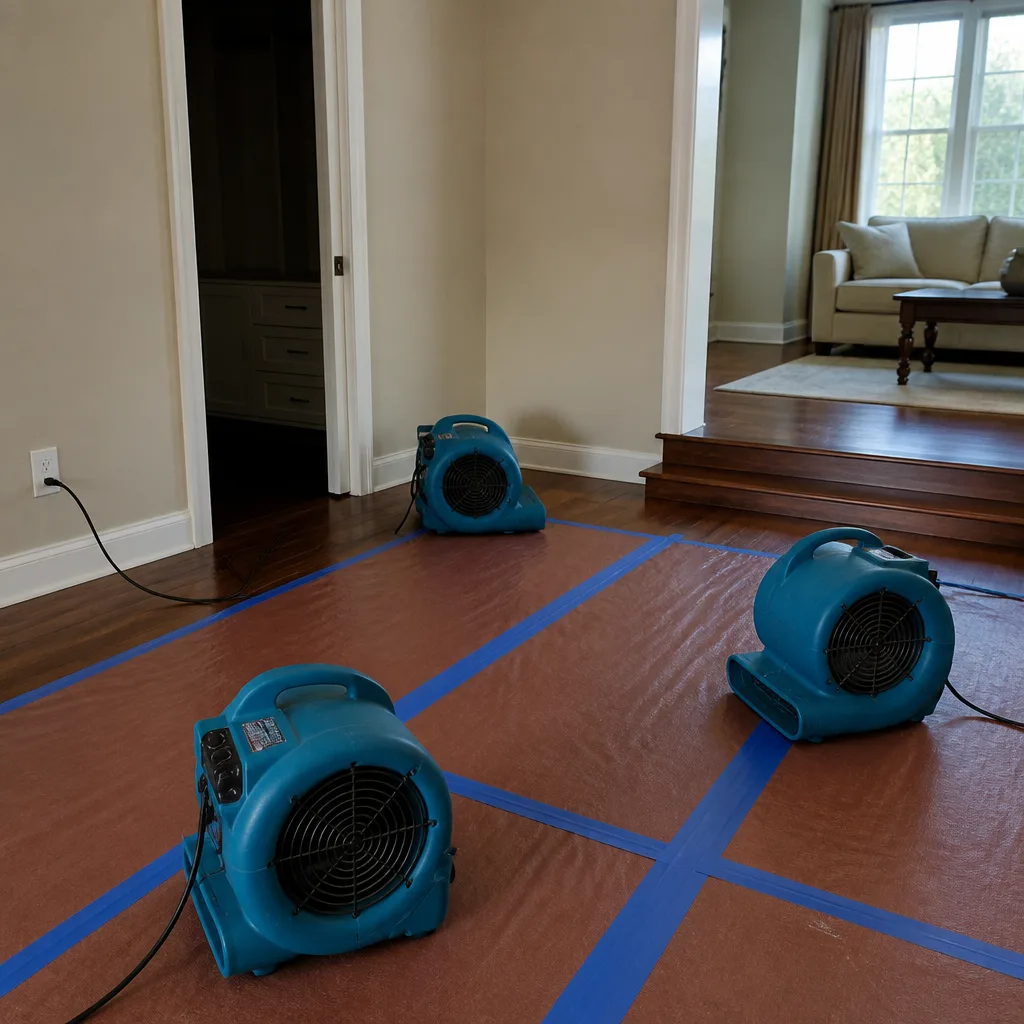
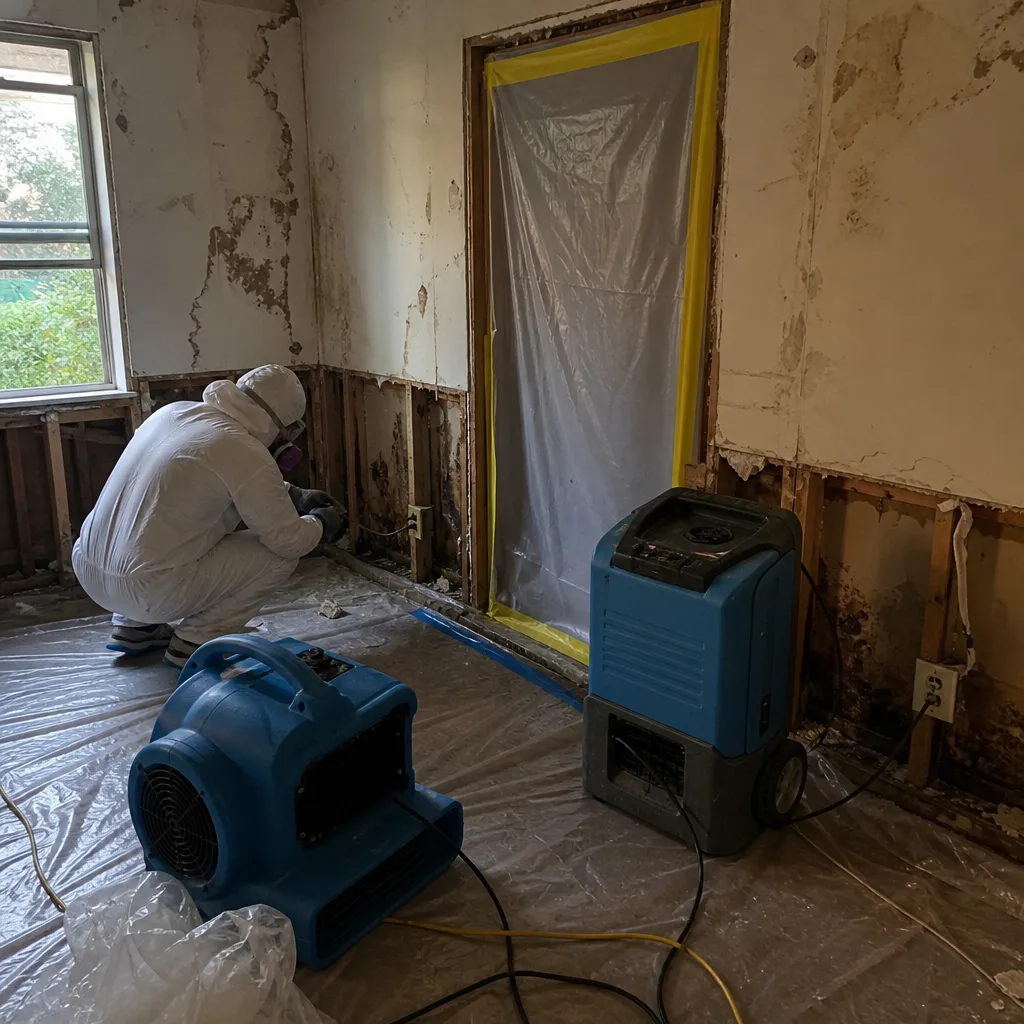
XPOWER air movers and Dri-Eaz dehumidifiers go into a containment zone sized to your basement or damaged rooms. Hygrometers log humidity and moisture content, and our tech runs daily readings until every surface meets the dry standard, not just the carpet you can see.
Cleaning & Sanitization
HEPA air scrubbers pull contaminants from the air while we clean salvageable surfaces and discard what can’t be saved. For Category 3 water, full containment and antimicrobial treatment are standard. Nothing gets put back until clearance testing clears it.
Structural Drying & Anti-Wicking Treatment
In Congers’s block-foundation homes, we treat the wall itself, not just the air. Injection ports and targeted drying address water that wicked up through mortar joints, so the wall doesn’t re-saturate the room after we pull equipment.
Repairs & Restoration
Same crew, same supervisor, same quality standard. We rebuild drywall, replace sill plates, re-set trim, and paint to match. The final walk-through ends with our 90-Day Done Right Promise in writing.
Need Emergency Storm & Disaster Restoration in Congers Now?
Crews minutes away, answering live 24 hours a day. The sooner we start, the less it costs.
Working With Your Insurance Company
Insurance claims on storm damage fail on documentation, and nobody has ever wished they had taken fewer photos. From the first hour, we photograph every square foot of damage, log moisture readings room by room, and record exactly what was wet, what was removed, and what was treated. Our estimates follow the same line-item format your carrier’s adjuster uses, so nothing gets kicked back for being vague. We talk to your adjuster directly, walk them through the drying log when they ask, and bill the carrier so you’re not floating a claim for three weeks. Floodline has been doing this since 2010, and Curt Bowman built the company around the idea that homeowners should never have to play messenger between a contractor and an insurance desk.
What We Provide Your Insurer
- Thorough documentation of the loss
- Photos of all damage, room by room
- Moisture readings and drying logs
- A detailed, line-item scope of work
- Direct coordination with your carrier
Built for Congers’s Loss Calendar
Congers takes storm water in every season, but the character of the damage changes. January and February bring deep freezes that stress mortar joints in 1960s block foundations and burst supply lines running through uninsulated crawl spaces and garages. March and April are thaw season: frozen ground releases snowmelt into the same low-lying bowl that holds the lake, and basements that stayed dry all winter start seeping through hairline cracks. Summer thunderstorm cells hit quick and hard, overwhelming the storm drains near Lake Road and backing water up into finished basements. And the Atlantic remnants, Irene, Sandy, Ida, have all pushed through Rockland County’s lowlands and into Congers specifically. Each storm left behind hydrostatic pressure that never fully released. That’s the real Congers calendar: the water table stays high, the events just give it somewhere to go. Our crews plan drying jobs assuming the ground outside is still saturated, because it usually is.
Storm & Disaster Restoration Across Congers’s Neighborhoods
Lake Road East and the streets running off it sit closest to the water, and we know those basements well. Homes built in the late 1950s along Lake Road East and Lake Road West often show the classic Congers signature: finished basements with drop ceilings and wall-to-wall carpet that served as the family room for fifty years. When the lake rises or the water table presses up, those rooms flood fully and fast. Over near Congers Lake Park and along Old Haverstraw Road, we see more ranch-style homes on slightly higher grades, but the concrete-block construction and original waterproofing from the Eisenhower and Kennedy eras hasn’t aged well. The streets off Kings Highway, including the mid-century developments near Congers Elementary, were built quickly during the post-Tappan Zee Bridge boom. Those homes crack predictably at the corners where block meets block, and groundwater seeps in at the sill plate before it ever puddles on the floor. Wind damage clusters differently: the older trees along Lake Road and the mature oaks around Gilchrest Road and Congers Station drop limbs into roofs and siding during nor’easters and summer squall lines. In every neighborhood, the pattern is the same: original waterproofing, stressed blocks, and a water table that never really goes away.
Specialized Storm & Disaster Restoration Services We Offer in Congers
Flood Damage Restoration
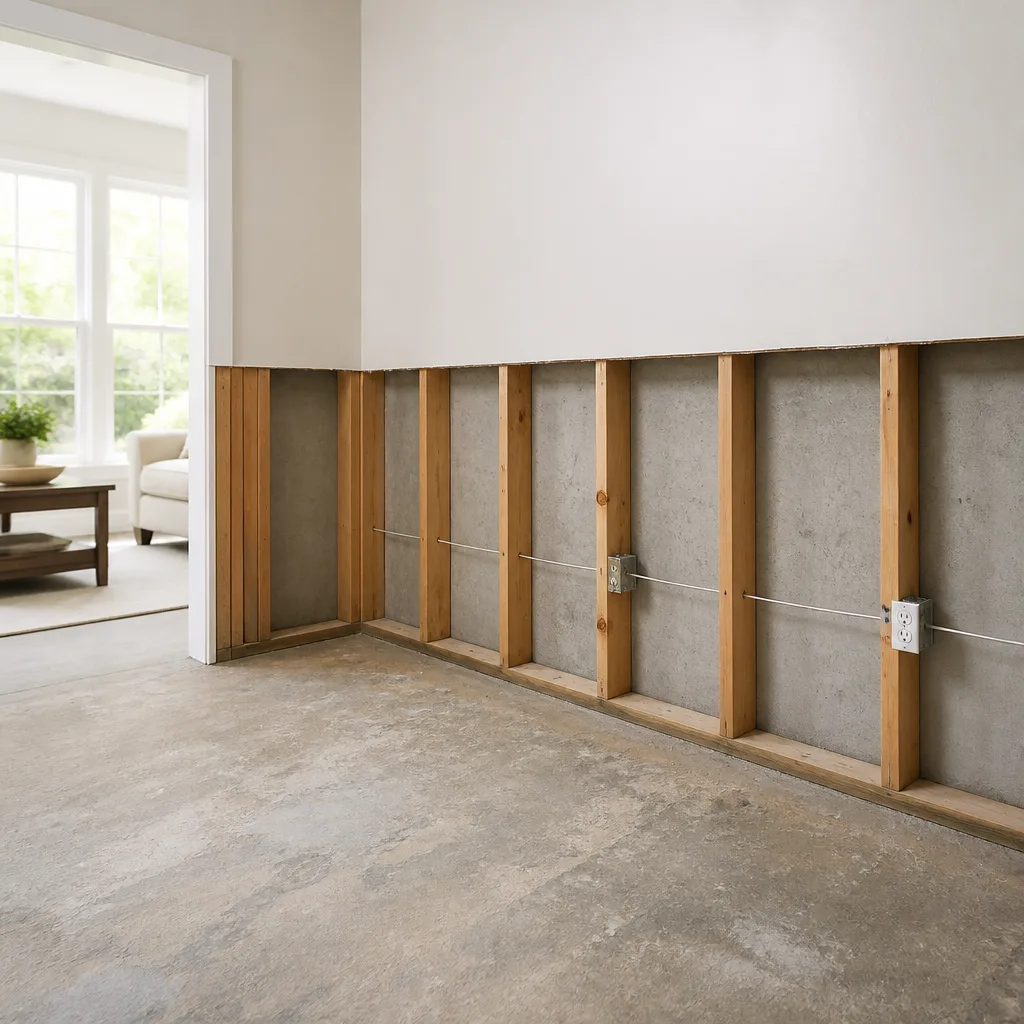
When Congers Lake or storm runoff breaches a basement, we treat the whole structure, not just the standing water. Hydrostatic pressure against a concrete-block wall wicks upward, wetting drywall, insulation, and framing well above the visible waterline. We extract, contain, and dry the wall itself so the finished space doesn’t mold two weeks after the carpet looks dry.
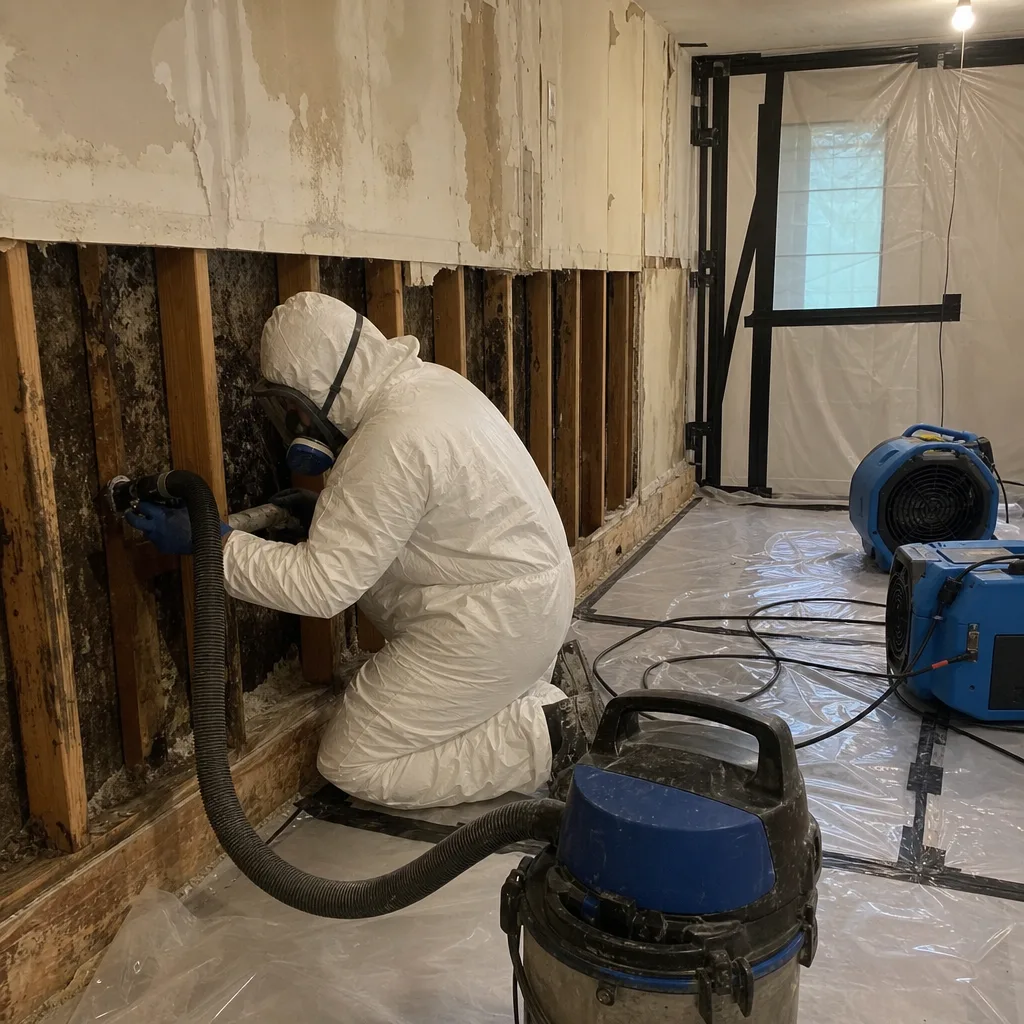
Storm Damage Cleanup
After a tree goes through a roof or a nor’easter peels back siding on a Congers ranch, the first job is getting debris off the structure and a tarp on the opening. We bring the crew, the ladders, and the equipment to clear the site, protect what’s exposed, and document everything for your carrier before the next storm arrives.
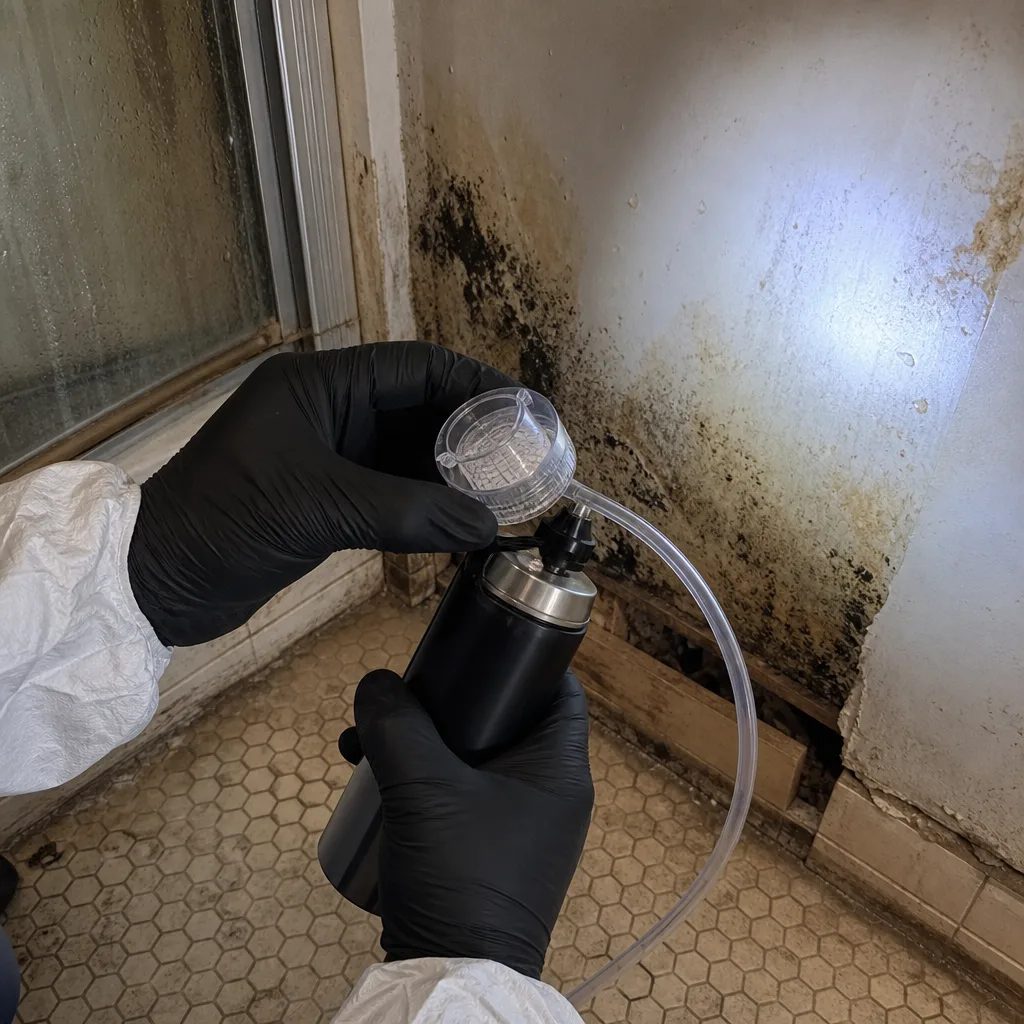
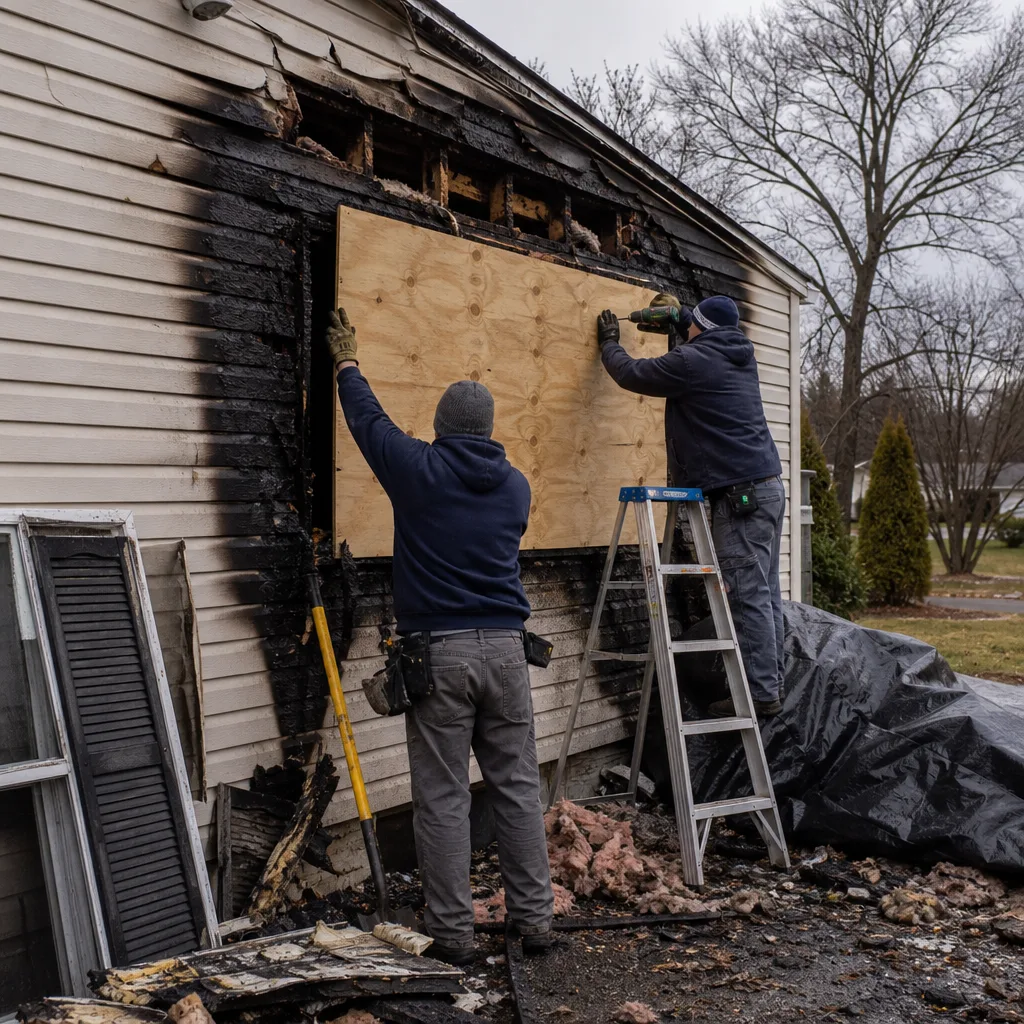
Emergency Board-Up
A broken window or a tree-punched wall on Lake Road East is an open invitation to weather and trespass. We board up the opening with plywood cut to your opening, secured, and photographed for insurance. Board-up is about stabilizing the loss and preventing a second one, and we get there fast because a live dispatcher takes the call and sends the closest crew.
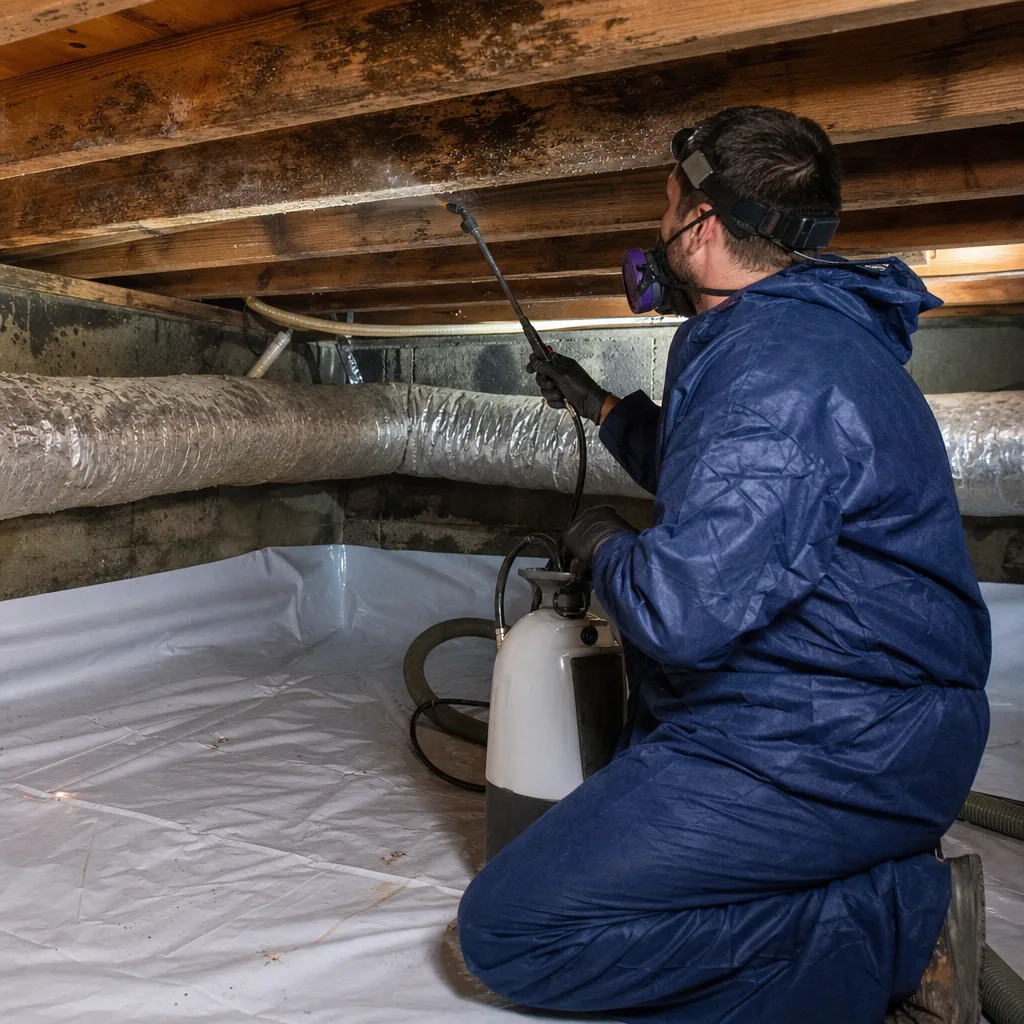
Roof Tarping
Storm winds tear shingles and lift flashing on the shallow-pitch roofs common to Congers’s mid-century ranches. Before repairs can be scheduled, water needs to stop coming in. We tarp the exposed area, seal the edges, and anchor the tarp against the next wind cell. Then we write the repair scope and hand your adjuster the photo file.
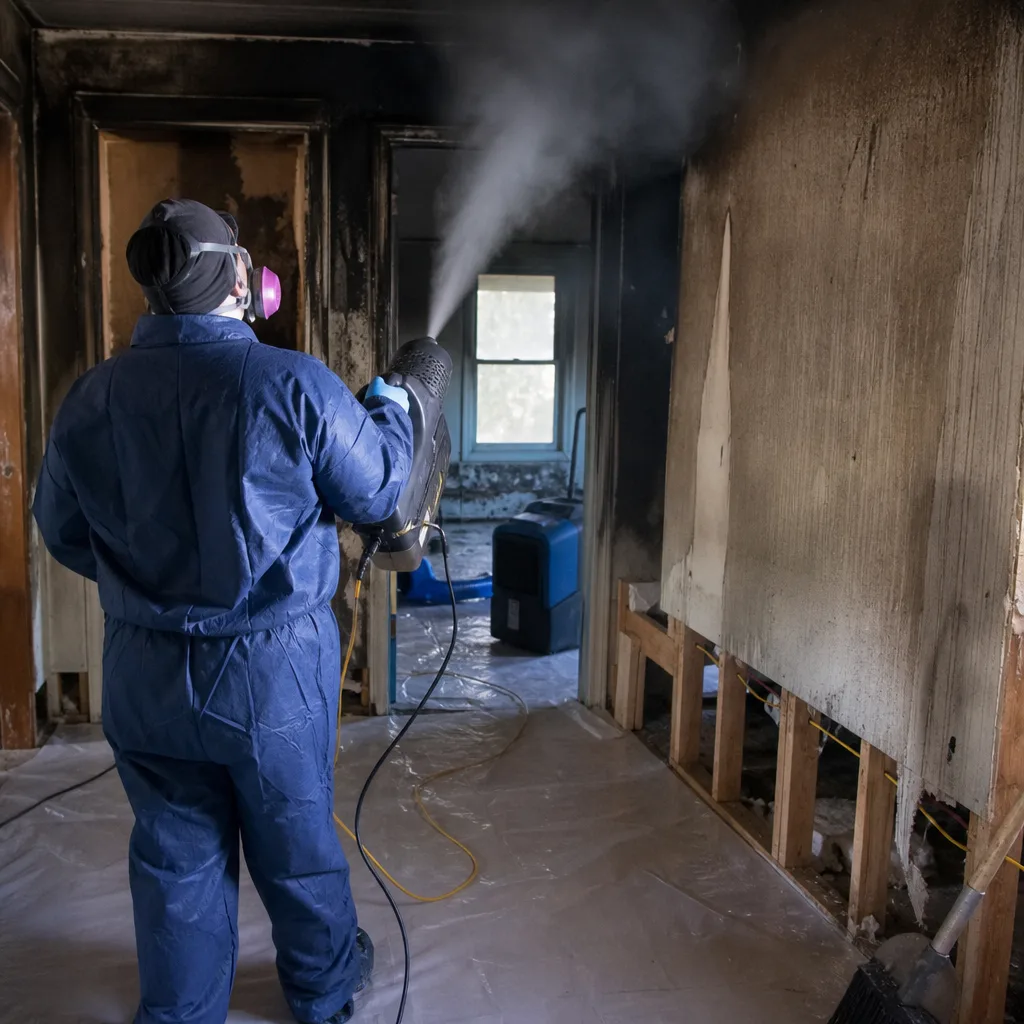
Debris Removal
Downed limbs, saturated drywall, carpet pad, and damaged furniture all have to go before drying starts. We haul the debris, separate salvageable contents for cleaning and storage, and keep a written inventory so your claim captures everything removed. Nothing leaves the property without your sign-off.
What happens when you call
- 1
A real person answersNo phone trees - you reach a local pro.
- 2
You get an upfront price rangeHonest numbers before anyone is dispatched.
- 3
A background-checked tech heads outLicensed & insured, dispatched right away.
- 4
You approve before work beginsNothing starts until you say go.
Storm & Disaster Restoration Costs in Congers, NY
Storm restoration costs in Congers run higher than in New City or Valley Cottage because the work is structurally heavier. A basic clean-water extraction and drying job in an unfinished Congers basement typically runs $1,200 to $2,800. When the basement is finished, with drywall, carpet, drop ceiling, and a subpanel to protect, the number jumps to $4,500 to $9,500 or more. Emergency board-up and roof tarping usually land between $350 and $900, depending on the size of the opening and how fast we need to get a crew up a ladder. Category 3 water, the contaminated kind that comes up from a saturated soak pit or a sewage backflow, changes the math completely: containment, antimicrobial treatment, and clearance testing add $2,000 to $5,000 to the drying bill. Most storm claims are covered by homeowners insurance, minus your deductible. We write the estimate, send it to your carrier, and bill them directly. The free visual inspection gives you a firm number before we cut a single wall. Call (914) 809-9936 and we’ll put a real price on your loss, not a guess.
We Also Serve Cities Near Congers
Our crews regularly work storm damage in New City, Haverstraw, West Nyack, and Nyack. The water table and housing stock differ from hamlet to hamlet, but the response time and the written scope don’t change. If you’re a few minutes down the road from Congers, we’ll still be there within the hour.
Congers Storm & Disaster Restoration Questions, Answered
Why does my Congers basement flood even when it hasn’t rained this week?
Your basement is sitting in a bowl. Congers’s low-lying position between the lake and its wetlands means the water table stays high all year, not just after storms. When the table rises, hydrostatic pressure pushes groundwater through cracks in concrete-block foundations and up through the slab. No rain required. The fix is drying the wall itself, not just the floor, and monitoring moisture over several days. Call (914) 809-9936 and we’ll map the moisture in your basement before you spend a dime.
How fast do I need storm damage cleanup after a pipe burst in my Congers ranch?
You have about 48 hours before Category 1 water turns Category 2 and microbes start multiplying in the carpet pad and drywall. In a finished Congers basement with a drop ceiling and wood framing, that timeline shrinks because wicking moves fast through 1960s drywall and insulation. Extraction the same day, drying started that night, and daily moisture readings until the structure hits the dry standard. Call (914) 809-9936 as soon as you see the water; we dispatch a crew within 45 minutes.
Do I need emergency board-up before restoration after a tree falls into my Congers home?
Yes. An open roof or wall lets rain in, lets heat out, and invites animals and people you don’t want. We board up the opening and tarp the exposed framing before restoration starts, and we do it on the first visit so the damage doesn’t expand overnight. Your insurance company expects stabilization as part of a reasonable emergency response. Board-up also makes the site safe to enter for the restoration work that follows.
Can you dry a flooded finished basement with a drop ceiling in Congers without tearing it all out?
Often yes, but it depends on what the drop ceiling absorbs. If the tiles are saturated, they come out and get replaced after drying. The grid and the framing above are usually salvageable. The bigger issue is the wall behind it: in a 1960s concrete-block Congers basement, water wicks up behind baseboards and into the drywall where you can’t see it. We moisture-map that area and use targeted drying so the rebuild doesn’t start until the wall is actually dry. Bring your Drop ceiling and subpanel concerns to the inspection: call (914) 809-9936.
What makes storm restoration in Congers different from New City or Valley Cottage?
Congers sits lower and wetter. New City and Valley Cottage ridgelines drain down into the valley; Congers collects that water on its way to the lake, and the table underneath stays elevated for weeks after a storm. That means a Congers drying job runs longer and demands readings on the block walls, not just the air. Homes are also older, on average, than in New City’s newer tracts, so foundation waterproofing is original and cracked. We plan Congers jobs for hydrostatic pressure and block wicking from day one, because the structure will prove us right if we don’t.
How long does storm damage drying take in a Congers basement?
An unfinished basement with clean-water damage usually dries in three to five days. A finished basement over a high water table can run seven to ten days, sometimes longer through a cold snap. The dry standard is not a date: it’s a moisture reading that says the wood, drywall, and masonry are ready for rebuilding. We log daily readings and hand the final log to you and your carrier.
Will my homeowners insurance cover storm damage restoration in Congers?
Most standard policies cover storm-related water intrusion, wind damage, and falling trees. Groundwater seepage is trickier: if the water came up through the foundation as a result of storm-driven hydrostatic pressure, many carriers cover it, but some treat it as flood damage, which requires a separate flood policy. We document the source carefully, photograph the water line and the crack pattern, and work your adjuster with that evidence. You can also call (914) 809-9936 and we’ll review your policy scenario before writing the estimate.
What should I do in the first 30 minutes after storm water enters my Congers home?
Call us. Then kill the power to the affected area if you can do so safely without stepping through water. Move small valuables and papers to higher ground. Don’t run the furnace or central air, and don’t plug in any electrical equipment in the wet area. If water is near your electric panel, call 911 and wait outside for the fire department. Then call (914) 809-9936: our dispatcher is live, our crew is local, and extraction starts the same visit.
Serving Congers, NY - Our Local Coverage Area
We’re based in the Congers area and know this community well. Use the map below to see our service coverage - if you’re nearby, we can almost certainly help.
Congers Storm Fighters, Trained and Ready
We’ve been running storm responses in Congers long enough to recognize the addresses by the foundation cracks. In a Lake Road East home steps from Congers Lake, our crew responded after Hurricane Ida pushed groundwater through a cracked concrete-block foundation, soaking the finished basement that served as the family’s main living space. We ran containment, extracted category 2 water from wall-to-wall carpet, set XPOWER air movers and Dri-Eaz dehumidifiers for structural drying, and packed out salvageable contents after moisture mapping showed readings climbing into the drywall within 12 hours, preserving the drop ceiling and subpanel before mold could set. That’s the job: fast, methodical, and documented from first reading to final log. We’ll do the same for you.
Call (914) 809-9936 for a free estimate on storm and disaster restoration in Congers. A live person answers, day or night. The line the water left is where we start, and we’ll be there when we say.
Written by Curt Bowman, Owner at Floodline Restoration Co., serving Congers and Rockland County since 2010.