
Free visual inspection and a written scope of work before any mitigation begins - photos, moisture readings, and drying logs go in your claim file
The scope we write is the scope we bill. Anything new gets shown to you, in writing, before we touch it.

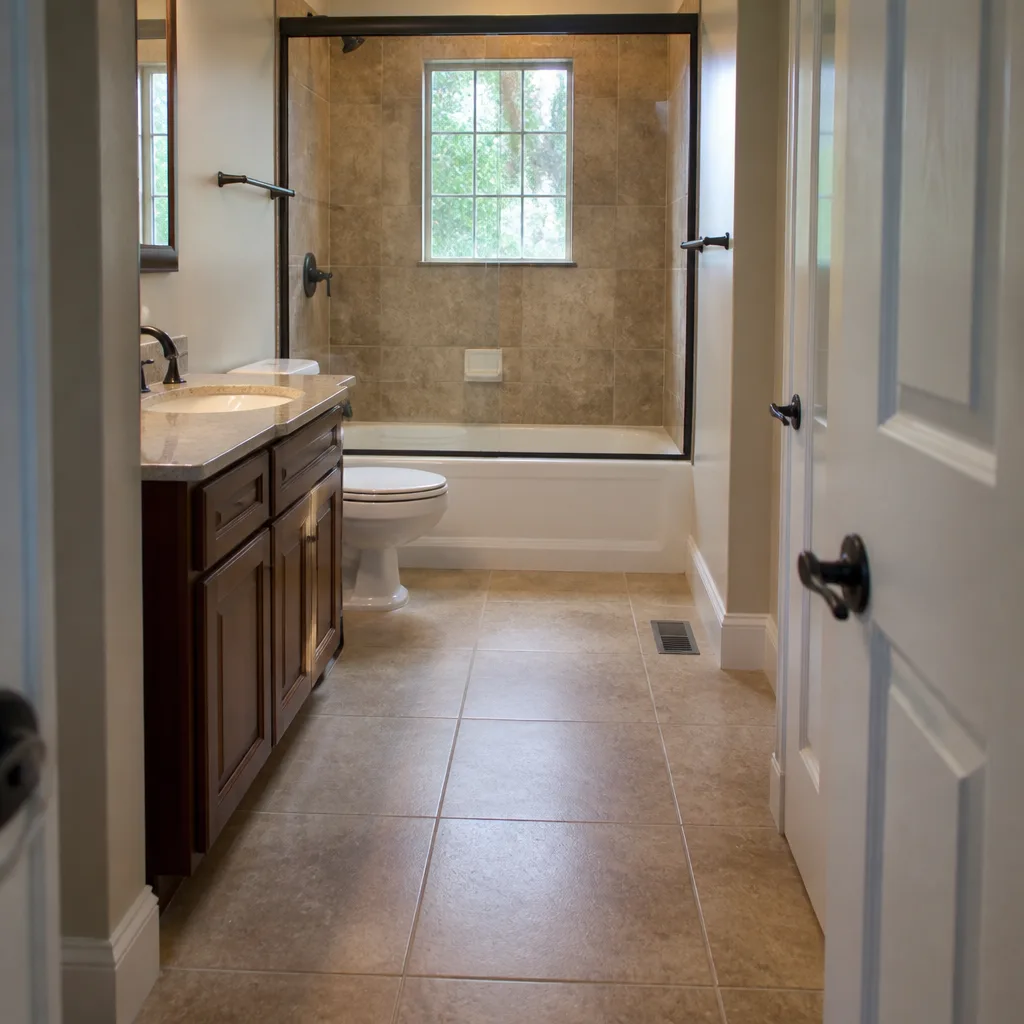

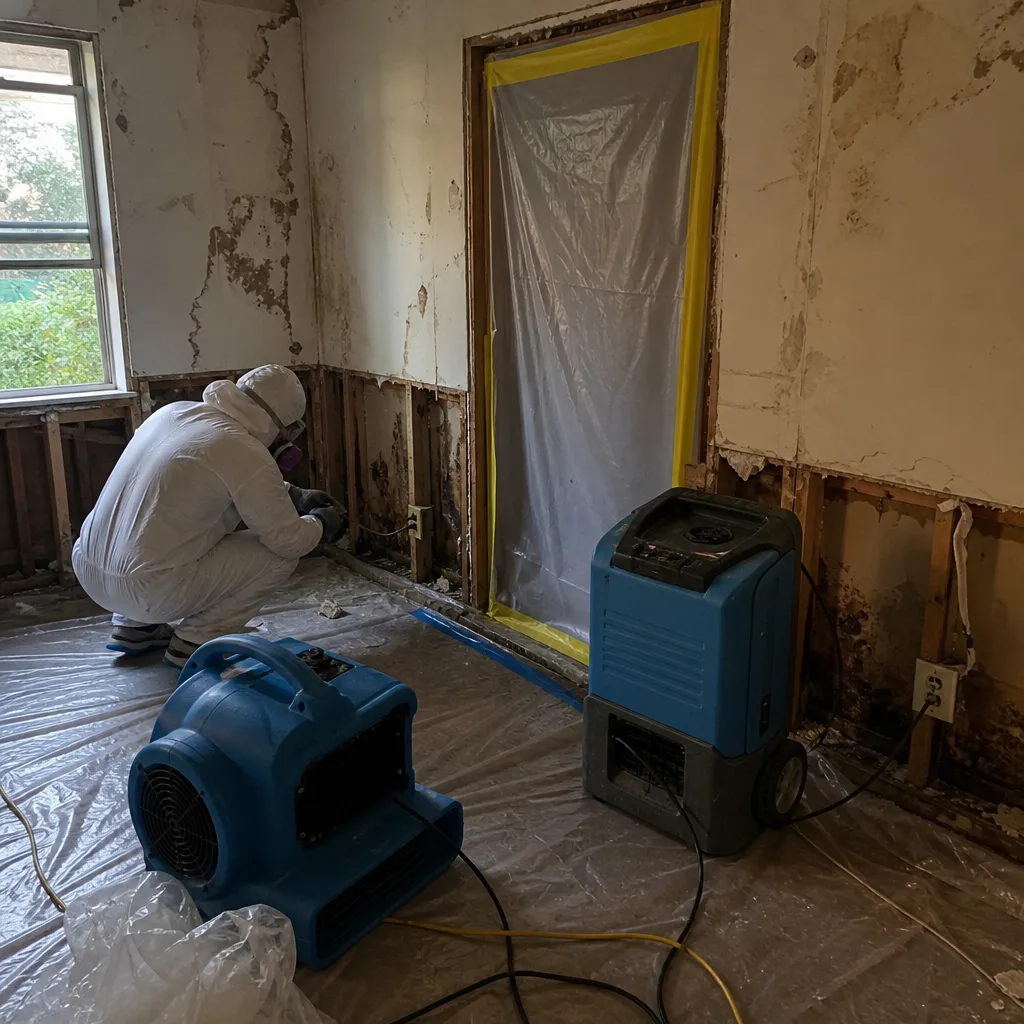 Before
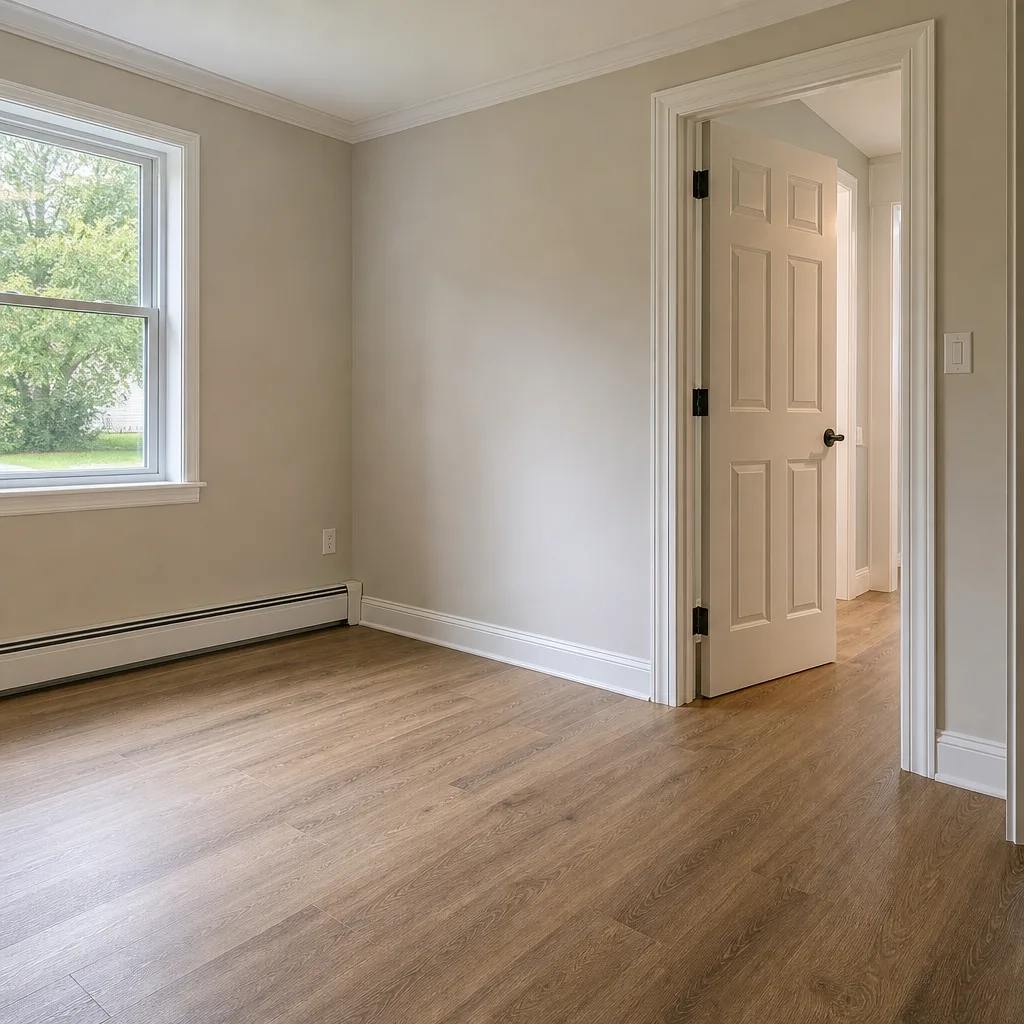 After
After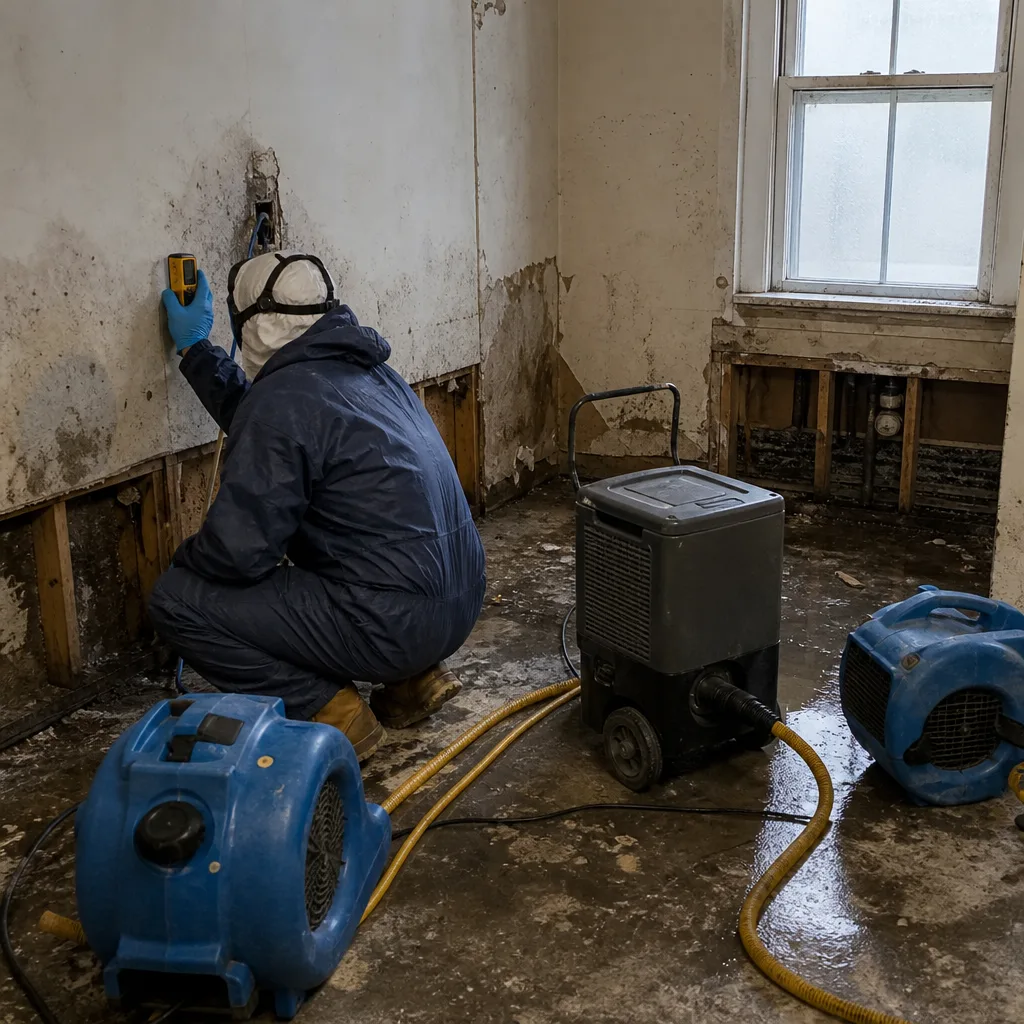 Before
 After
After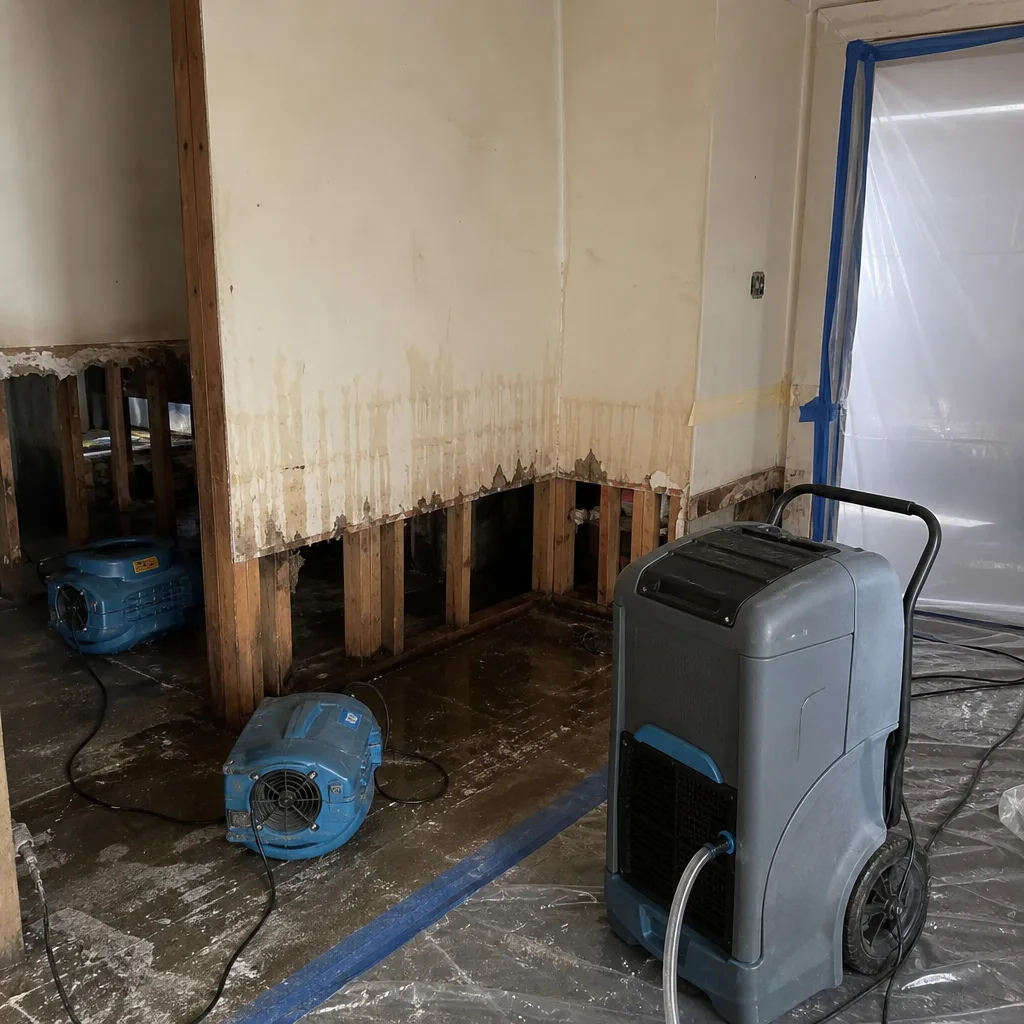 Before
 After
After24/7 Emergency Storm & Disaster Restoration in Stony Point
Storm damage on the Stony Point peninsula rarely announces itself politely. When a nor’easter drives Hudson River surge over Buckberg Road or an ice jam backs Cedar Pond Brook into a basement, you need an answer at 2 a.m., not a voicemail. Floodline Restoration Co. keeps a live dispatcher on the phone around the clock, and we dispatch certified crews into Stony Point the same visit. Call (914) 809-9936 the moment water enters or a tree takes down a roofline. The first hour decides whether a Category 1 spill becomes a Category 3 contamination problem, and whether that plaster wall in your 1920s village home dries or gets opened up. We arrive, we assess, we start. Free visual inspection, every time.
Understanding Storm & Disaster Restoration Severity in Stony Point Properties
Storm water is not all the same water, and Stony Point proves that faster than most towns in Rockland County. Tidal surge off Haverstraw Bay arriving during a coastal storm is Category 3 water by definition: it carries sewage, fuel residue, salt, and river-bottom sediment. That changes antimicrobial treatment, drying protocol, and what gets cut out versus saved. Your house’s age matters, too. A late 19th-century balloon-frame home near the village center with plaster on wood lath holds moisture differently than a 1960s ranch up on a hillside with gypsum board. We map moisture with thermal imaging and hygrometers before we pull a single baseboard, because drying a plaster wall too aggressively causes cracking, and drying it too slowly invites mold behind the lath. The water table here sits high near the shoreline year-round, so we treat the foundation cavity as an active system, not a one-time surface problem.
Why Stony Point Property Owners Choose Floodline Restoration Co.
- 45-minute response commitment for emergencies within Stony Point, with a live person confirming dispatch while you’re still on the phone.
- 24/7 live answer, every single time. No automated trees, no call-back list. Curt Bowman built this company around a dispatch board for that reason.
- IICRC-certified crews trained to WRT, FSRT, and AMRT standards, with RIA and IFA cross-training on structural drying and forensic cleanup.
- Free visual inspection with a written scope before any paid work begins. You decide with numbers in front of you.
- Direct insurance billing. We document from hour one, hand the adjuster what they need, and you never play messenger.
- One team from extraction to reconstruction. The crew that reads the moisture map on day one is the crew that rebuilds the wall on day thirty.
Our Storm & Disaster Restoration Process
Inspection & Assessment
We walk the full affected area with thermal imaging and moisture meters, document every affected surface, and classify the water. On the Stony Point shoreline, we assume tidal influence until proven otherwise and test accordingly.
Extraction & Stabilization
Submersible pumps and truck-mounted extractors pull standing water fast, followed by emergency board-up and roof tarping where the storm opened the envelope. The goal is to stop additional water entering within the first visit.
Drying & Dehumidification
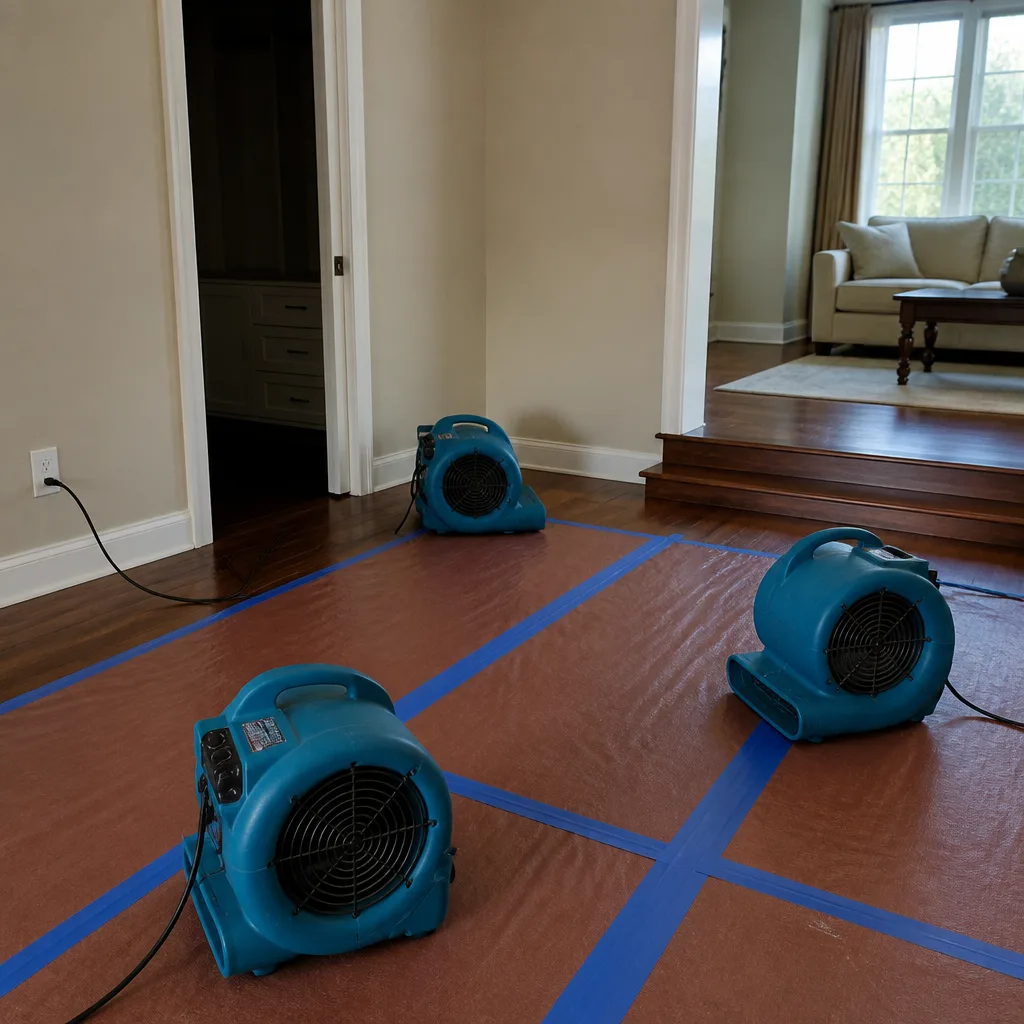
We set Dri-Eaz LGR dehumidifiers, XPOWER air movers, and Injectidry systems in wall cavities and under cabinets. Daily moisture readings get logged until we hit the dry standard, and you get the log.
Cleaning & Sanitization
For Category 3 water near the river, we apply antimicrobial treatment to every exposed framing member and run HEPA air scrubbers during work. Salt residue gets neutralized, not just wiped.
Drainage & Hydrostatic Treatment
Where the water table near the shoreline is keeping foundation walls damp, we address drainage before closing walls. A sump pit, curtain drain, or crawl space encapsulation gets specified in the written scope.
Repairs & Restoration
Drywall, plaster, flooring, trim, paint. The same uniformed crew handles reconstruction so nobody inherits a half-finished job and nobody blames the last guy. Backed by the 90-Day Done Right Promise in writing.
Need Emergency Storm & Disaster Restoration in Stony Point Now?
Crews minutes away, answering live 24 hours a day. The sooner we start, the less it costs.
Working With Your Insurance Company
Most Stony Point storm claims involve a policy with hurricane or named-storm deductibles, flood endorsements, or wind-driven water exclusions that your adjuster will need to be walked through. We do that walk-through. From the first hour we photograph every affected room, log moisture readings with timestamps, and build a line-item scope that your carrier can process without back-and-forth. Curt Bowman’s rule has been the same since 2010: document like a claim adjuster is standing in the room with you, because one will be soon enough. We hand you the same drying log we hand your insurer, and our team coordinates directly with the adjuster.
What We Provide Your Insurer
- Thorough documentation of the loss
- Photos of all damage, room by room
- Moisture readings and drying logs
- A detailed, line-item scope of work
- Direct coordination with your carrier
Built for Stony Point’s Loss Calendar
January in Stony Point means deep freeze, and deep freeze means supply lines bursting in older capes and ranches where pipes run through uninsulated crawl spaces or along exterior walls. February and March bring the river ice. Hudson River ice jams during spring thaw can push water back into shoreline neighborhoods, and we have responded to that exact pattern multiple seasons. April brings snowmelt and heavy rain onto ground that has not finished thawing, which floods basements along low-lying roads. June through August delivers thunderstorms that drop an inch of rain in twenty minutes, overwhelming perimeter drains around hillside homes. And September through November is nor’easter season, when storm surge off Haverstraw Bay meets full trees and aging roofs. Each season has a signature loss type, and a crew that has worked all of them in this town reads the damage faster.
Storm & Disaster Restoration Across Stony Point’s Neighborhoods
We respond all over the peninsula. Waterfront streets near the Stony Point Battlefield and along the western shoreline facing Haverstraw Bay take the surge from nor’easters, and those homes need containment plus drainage assessment, because the water table there sits close to the foundation. The village center, around Main Street and the older blocks near the town hall, has the historic stock: plaster walls, balloon framing, and cellars that flood through fieldstone foundations when groundwater rises. Up near Route 9W and the higher elevations toward Tomkins Cove, the capes and split-levels built in the 1950s and 60s see wind-driven rain through aging roof decking, plus basement seepage when heavy rain overwhelms older perimeter drains. The neighborhoods around Buckberg Road and Cedar Pond Brook sit in low spots where ice jams and flash flooding both land. Each area needs a different drying approach and a different scope, but the same rule applies: the water line is where we start.
Specialized Storm & Disaster Restoration Services We Offer in Stony Point
Flood Damage Restoration
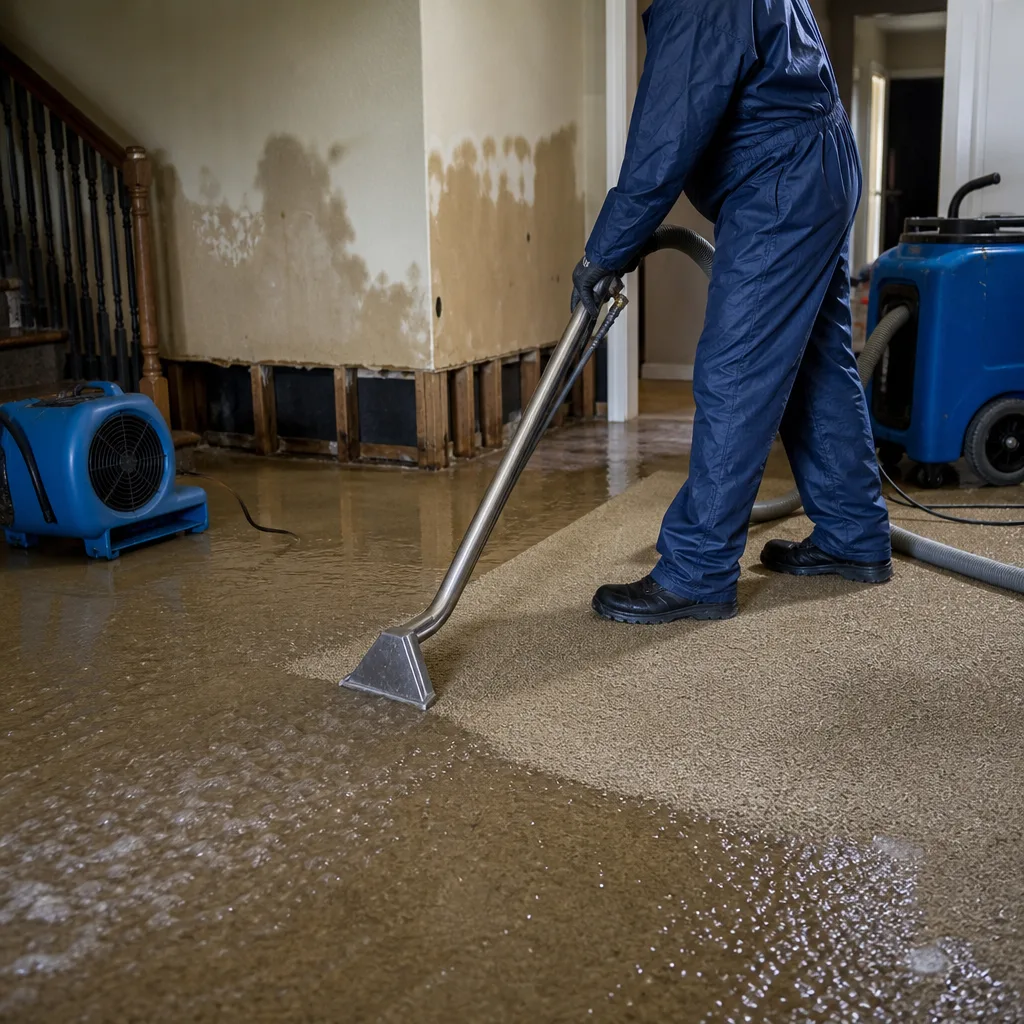
If the Hudson or a nor’easter put water in your home, that water is Category 3 until testing proves otherwise. We extract, contain, treat, and dry according to that classification. In Stony Point, we also check the hydrostatic pressure question before we close walls: a foundation that stays damp from the water table will re-bloom mold within months if the drainage was not addressed. Our Storm & Disaster Restoration team includes drainage and encapsulation in the scope when the property needs it.
Storm Damage Cleanup
Trees through roofs, wind-driven debris, shattered windows. We stabilize first: tarp the roof, board the openings, remove the debris that is actively causing damage. Then we clean up the mess and begin drying whatever the storm got wet. In Stony Point, we check garage doors too. Salt air corrodes springs and hinges, and the same storm that floods the garage often kills the door opener entirely. We will note it in the scope.
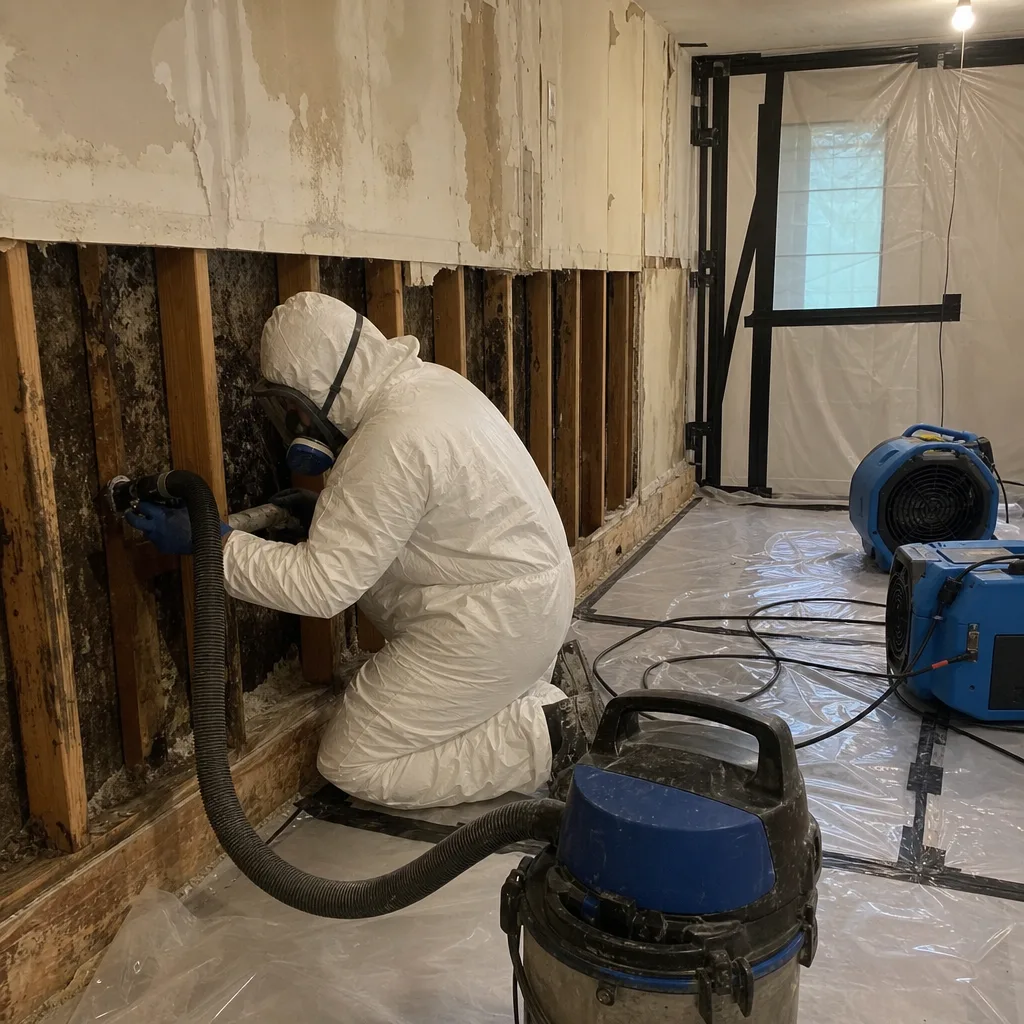
Emergency Board-Up
When a tree limb or storm surge leaves your Stony Point home open to weather, we board and secure it the same visit. Temporary plywood over broken windows, tarps on damaged roofs, and seam sealing where water is still entering. This is stabilization, not the repair, but it stops the clock on additional damage and keeps uninvited entry out. We document everything for your carrier.
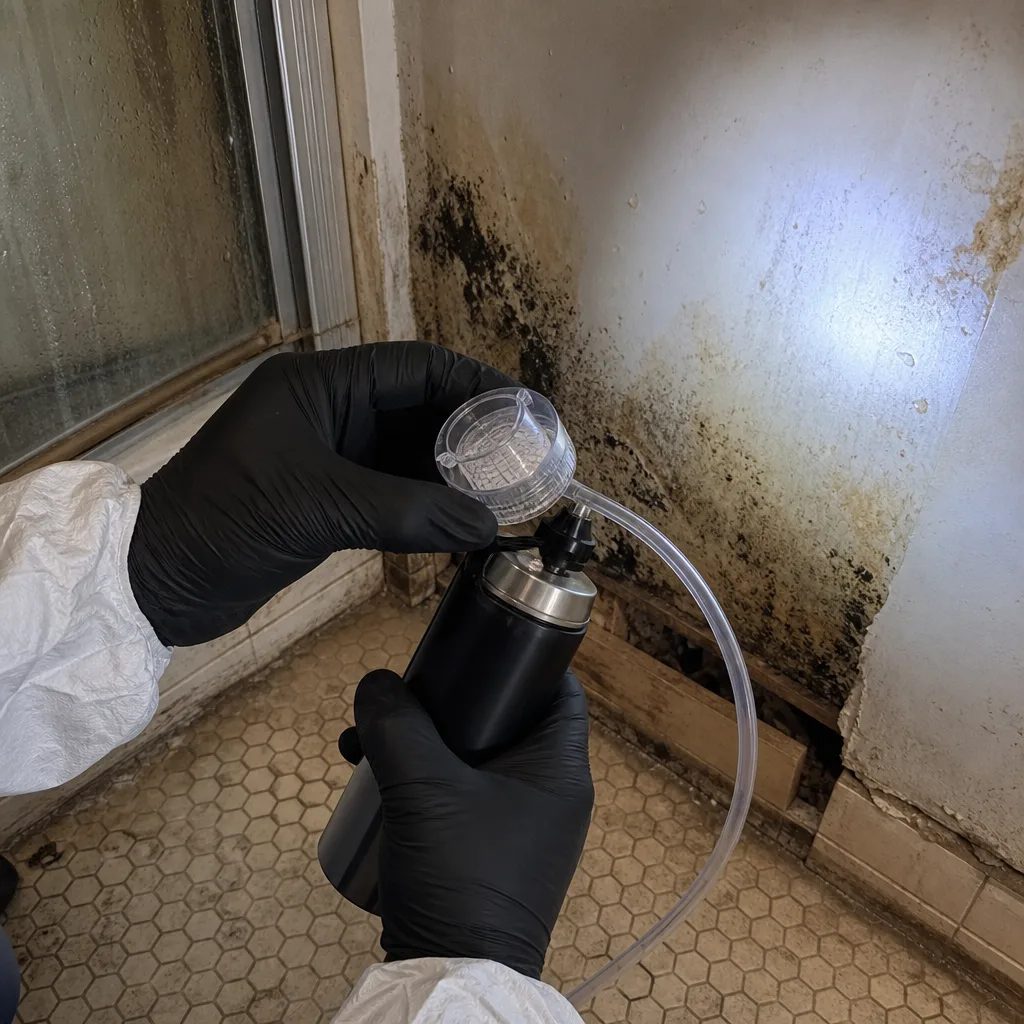
Roof Tarping
Ice damming, nor’easter winds, and plain old tree contact all show up on Stony Point roofs. A properly lapped tarp, secured at the eaves and ridge, keeps rain out until a roofer can make permanent repairs. Our crews tarp as part of emergency response, using current-wrap techniques that hold through wind. The tarp buys you the time to handle the claim without water running down the inside of your walls.
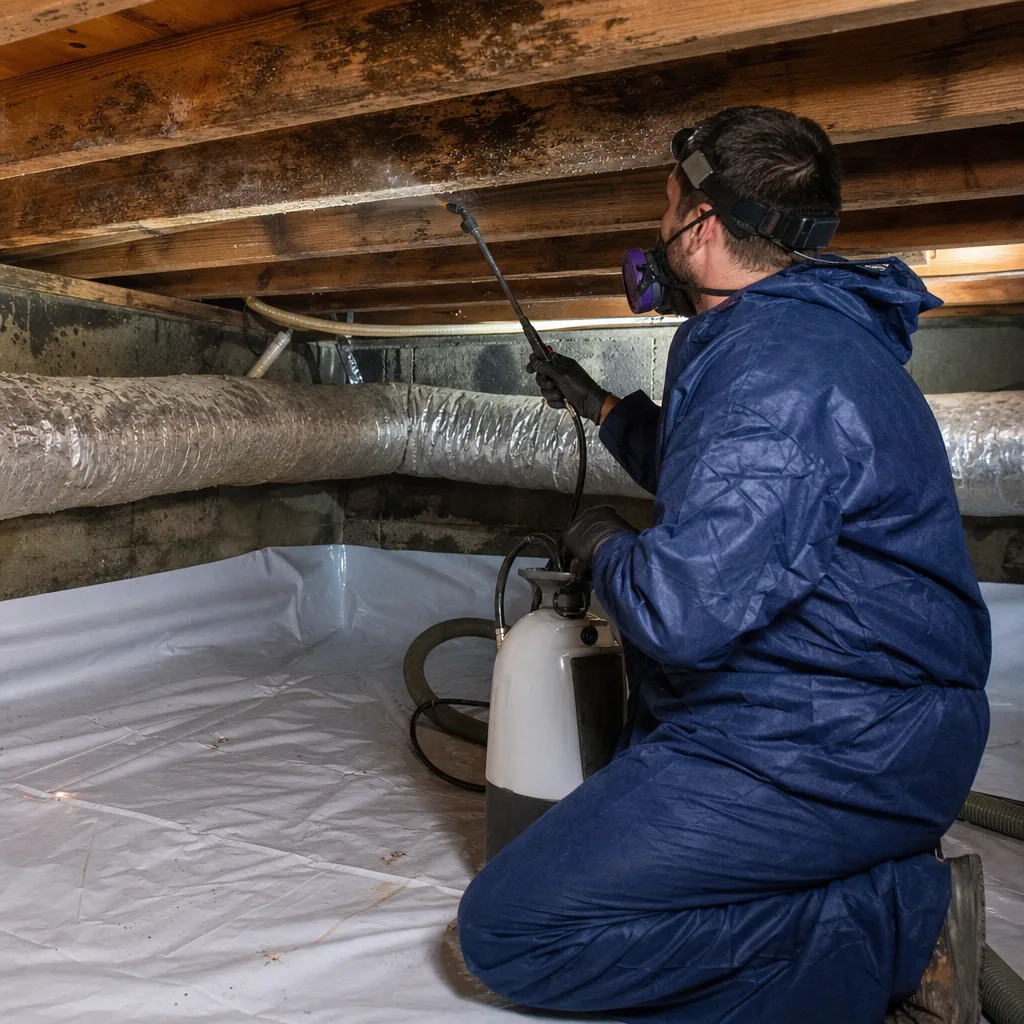
Debris Removal
Storm debris in Stony Point is not just branches. It can be salt-soaked drywall, river-bottom mud, ruined insulation, and ruined garage contents. We haul what the storm destroyed and we do it as part of the documented loss whenever we are the restoration team. You are not left with a pile in the yard waiting for a separate contractor.
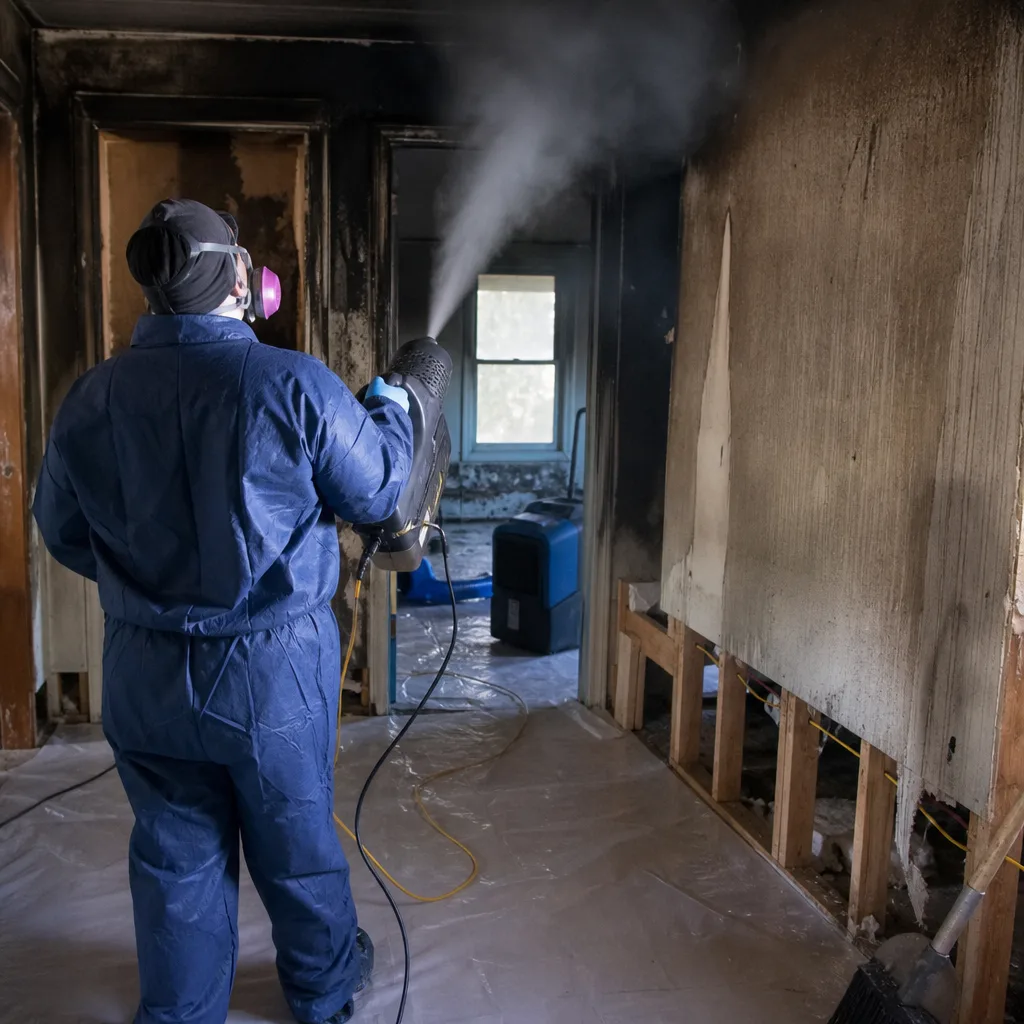
What happens when you call
- 1
A real person answersNo phone trees - you reach a local pro.
- 2
You get an upfront price rangeHonest numbers before anyone is dispatched.
- 3
A background-checked tech heads outLicensed & insured, dispatched right away.
- 4
You approve before work beginsNothing starts until you say go.
Storm & Disaster Restoration Costs in Stony Point, NY
In Stony Point, a straightforward flood extraction and drying job on a single finished basement typically runs $2,600 to $5,900. Emergency board-up with roof tarping on a single-story home usually lands between $750 and $1,800, depending on the number of openings. Full Category 3 flood restoration, including antimicrobial treatment, drying, and rebuild of affected drywall and flooring, commonly runs $8,000 to $22,000 for a basement, and higher when plaster walls in older homes need replacement with matching material. Wind damage repair to siding, soffits, and a garage door runs anywhere from $2,200 to $9,500 depending on salt-corrosion replacement decisions. Call (914) 809-9936 for an exact written scope. Estimates are free, and we never start work without your sign-off.
We Also Serve Cities Near Stony Point
Our Storm & Disaster Restoration crews serving Stony Point also respond daily to property damage in Thiells, Haverstraw, Montrose, and Pomona. If your home sits close to the river or on a low-lying road in any of these towns, the same live dispatch and the same one-team process apply.
Serving Stony Point, NY - Our Local Coverage Area
We’re based in the Stony Point area and know this community well. Use the map below to see our service coverage - if you’re nearby, we can almost certainly help.
Stony Point Storm & Disaster Restoration Questions, Answered
How do I know if floodwater in my Stony Point basement is Category 3, and what does that change?
If the water came from the Hudson River, Haverstraw Bay surge, or backed-up sewage during a nor’easter or ice jam, treat it as Category 3, which means it carries pathogens and requires full antimicrobial treatment, containment during work, and disposal of porous materials rather than drying them. Clean water that came from a burst supply line is Category 1 and can often be dried in place. We test and document the class on arrival, and that classification drives the entire scope. Call (914) 809-9936 and we will classify it the same visit.
Why does mold keep coming back in my river-adjacent Stony Point home after prior water damage remediation?
Because the near-river water table stays high enough to keep foundation walls damp long after surface drying is done, and contractors who skip active drainage solutions leave the underlying moisture source in place. Mold returns when the wall cavity or sill plate stays above 60% relative humidity. In Stony Point shoreline homes, the fix often requires a curtain drain, sump, or crawl space encapsulation before rebuilding. We check that before closing walls, not after.
What’s the first thing to inspect on a Stony Point garage after a coastal storm if the door won’t open?
Look at the springs, hinges, and track hardware, not just the opener. Salt air off Haverstraw Bay corrodes galvanized springs and roller hardware years faster than inland, and the same storm that floods the garage often finishes off a weakened spring. If a spring has snapped, do not try to force the door; a trained professional needs to handle the tension. We inspect the full door assembly as part of storm damage assessment and include corrosion-resistant replacements in the written scope.
Does Stony Point’s older housing stock change how you dry out walls after a flood?
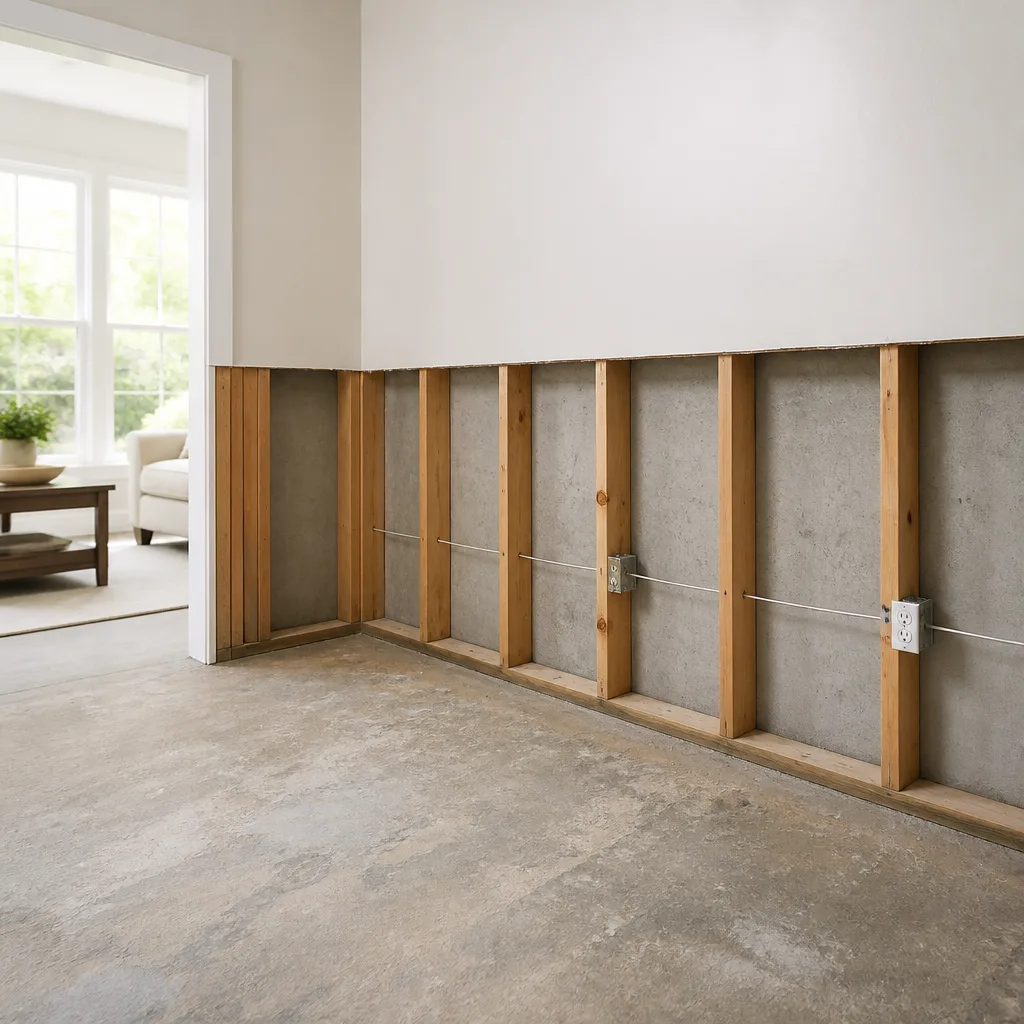
Yes, substantially. Historic village-center homes with plaster on wood lath dry slower and crack faster. We dry those walls in stages, monitoring daily with moisture meters, and often cut weep holes at the base instead of full tear-out. Gypsum board in mid-century capes dries faster but wicks more. The age of the house changes drying time, demolition scope, and rebuild material matching, which is why we assess your specific building before recommending anything.
What documentation will I get from your Storm & Disaster Restoration crew in Stony Point?
You get a written scope before paid work starts, a room-by-room photo record from day one, daily moisture readings in a drying log that both you and your insurer receive, and a final walkthrough with the same crew lead. Every job is backed by the 90-Day Done Right Promise in writing, so if anything is not right within 90 days we make it right without an argument. That is the Keystone Standard.
How fast can you actually get to a storm loss in Stony Point?
Our commitment is a 45-minute response for emergencies within Stony Point, with a live dispatcher confirming while you are still on the phone. The same live dispatch runs 24/7, every day. On a nor’easter night with multiple calls, we prioritize by severity and we tell you honestly when we will arrive. Call (914) 809-9936 and a person answers.
Will my homeowners insurance cover storm damage in Stony Point, or do I need flood insurance?
Wind damage, tree damage, and water that entered from above are generally covered by standard homeowners policies, subject to your deductible. Water that entered from ground level river or tidal surge is typically flood insurance territory. We work with both kinds of claims daily in Stony Point and will document the loss so the cause is clear. Direct adjuster coordination means you are not translating between us and your carrier.
What should I do in the first 30 minutes after water enters my Stony Point house?
Turn off power to the affected area if you can do so safely, stop the water if the source is accessible, move valuables up, and call us. Do not walk through standing water if there is any chance it is electrically live. Do not start ripping out carpet or drywall on your own; documentation matters for your claim, and we will handle it correctly from the start. Call (914) 809-9936. We answer live.
Written by Curt Bowman, Owner at Floodline Restoration Co., serving Stony Point and the Hudson River shoreline communities of Rockland County since 2010. Floodline is a full-cycle restoration company, certified to IICRC, RIA, and IFA standards, and stands behind every job with the 90-Day Done Right Promise. Current standing offers: $50 Off Any Repair Over $250, $89 Seasonal Tune-Up, and a Senior & Veteran 5% Discount, always.