
Free visual inspection and a written scope of work before any mitigation begins - photos, moisture readings, and drying logs go in your claim file
The scope we write is the scope we bill. Anything new gets shown to you, in writing, before we touch it.
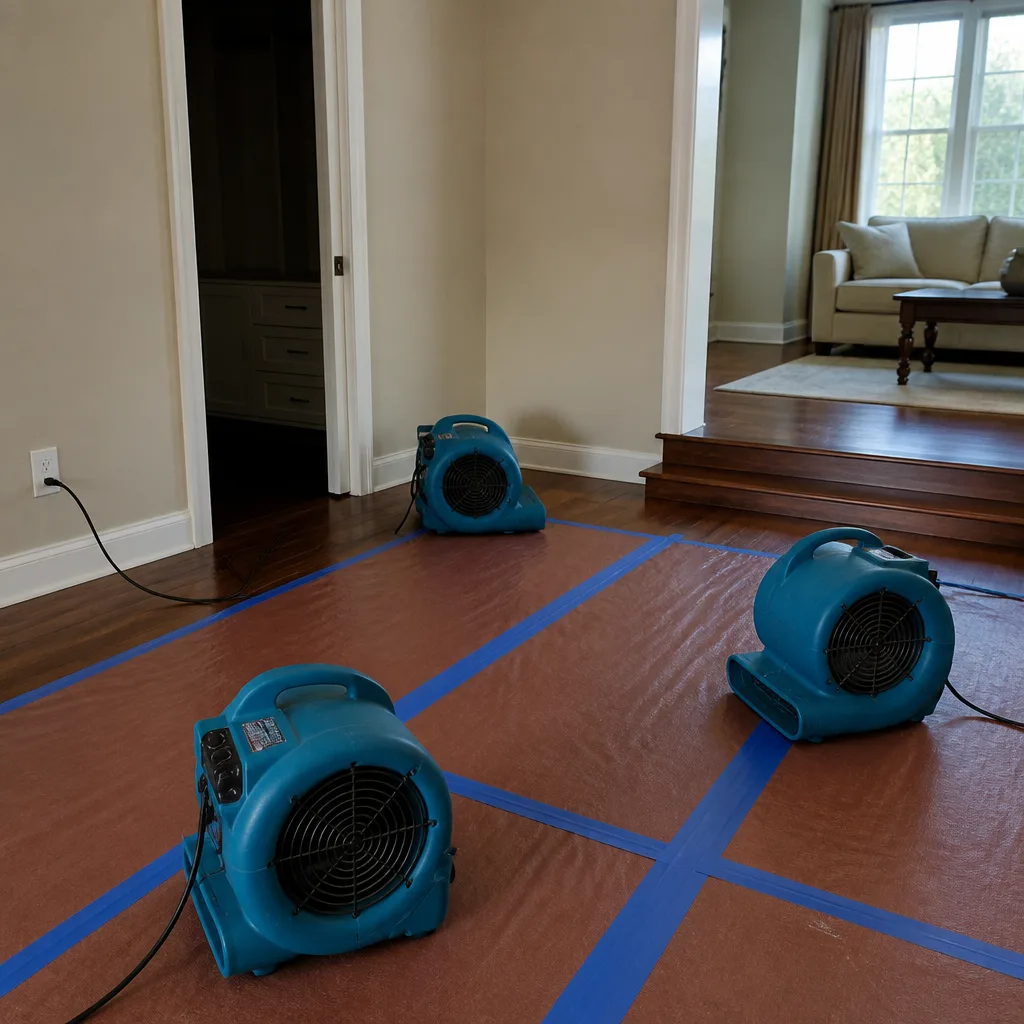
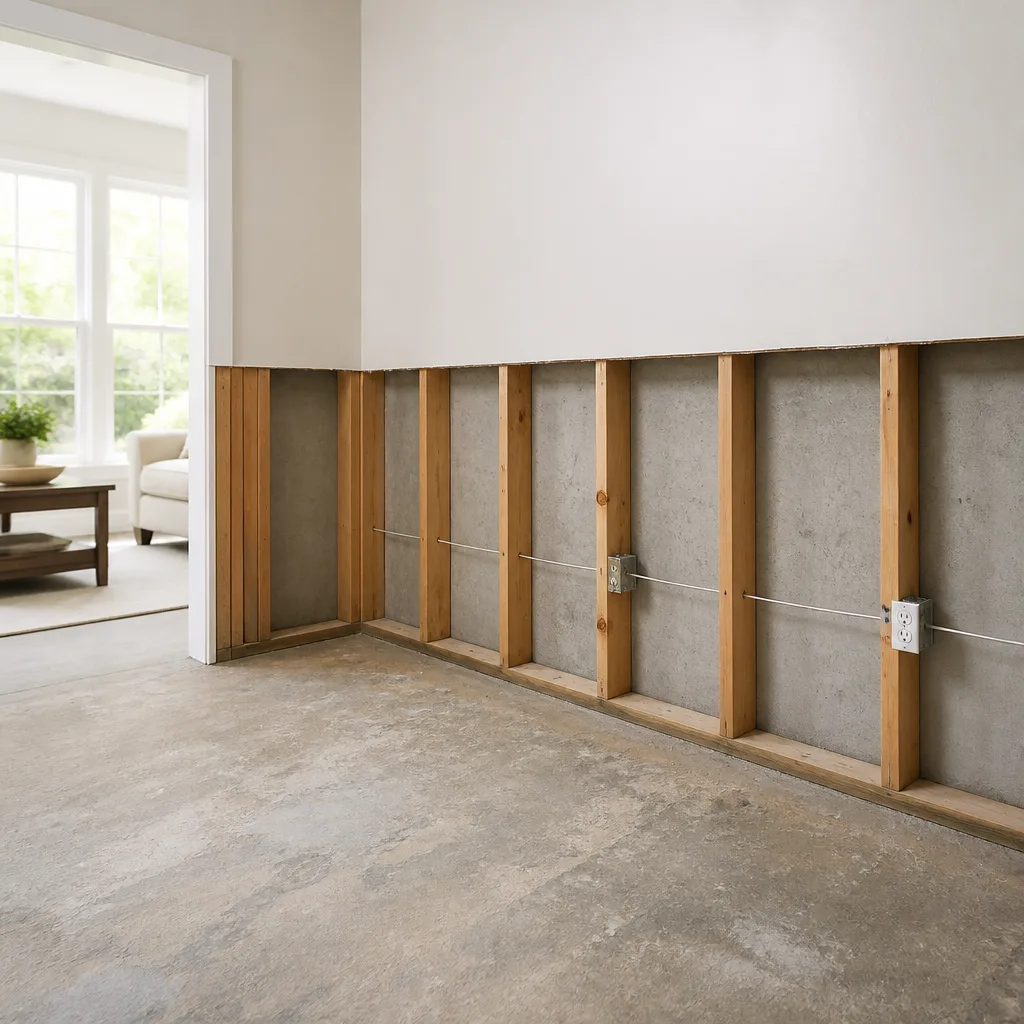



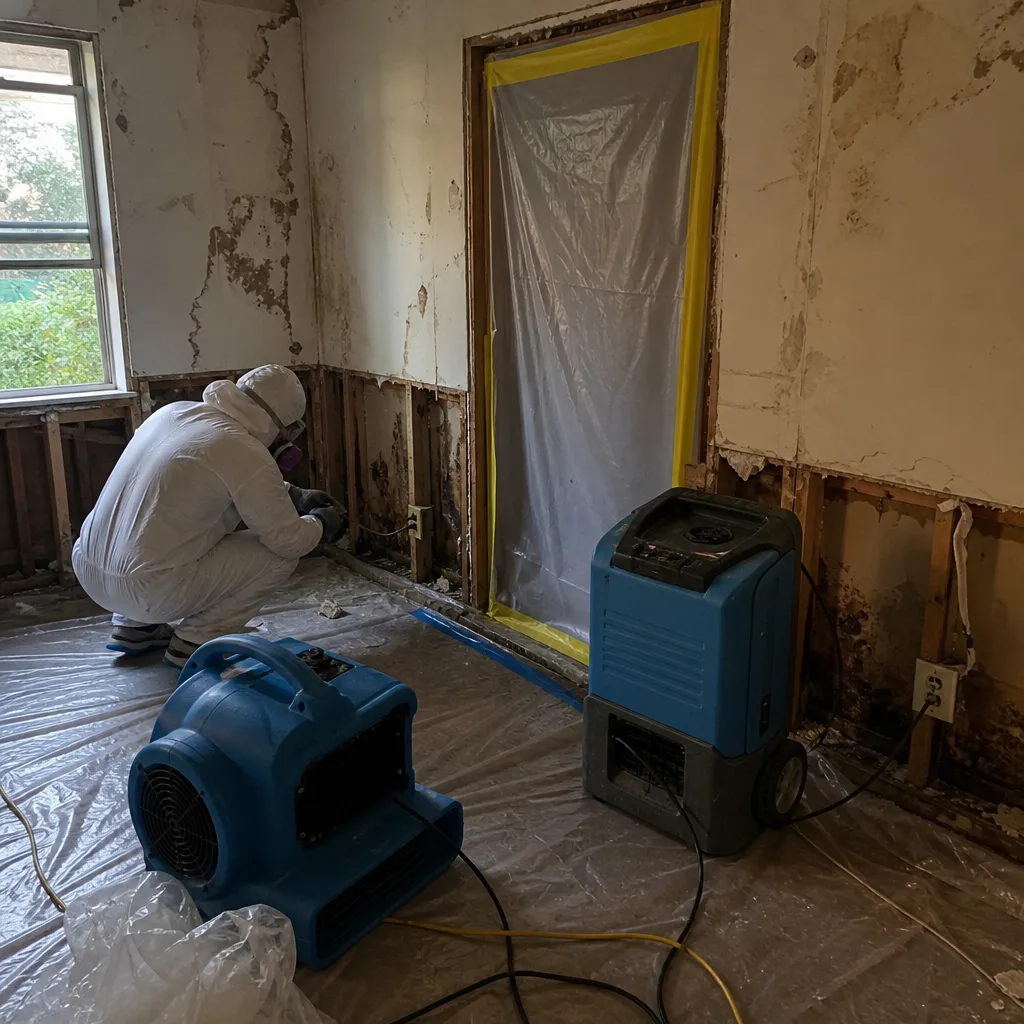 Before
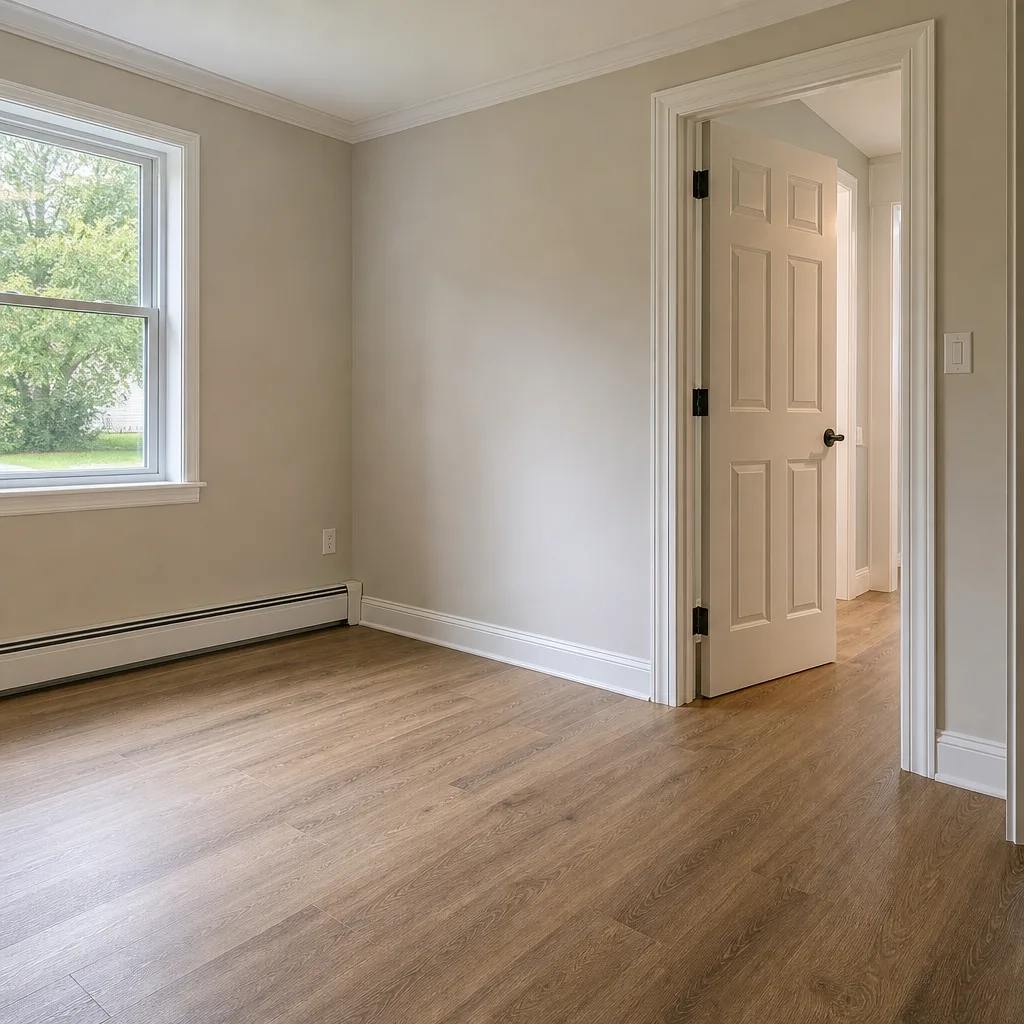 After
After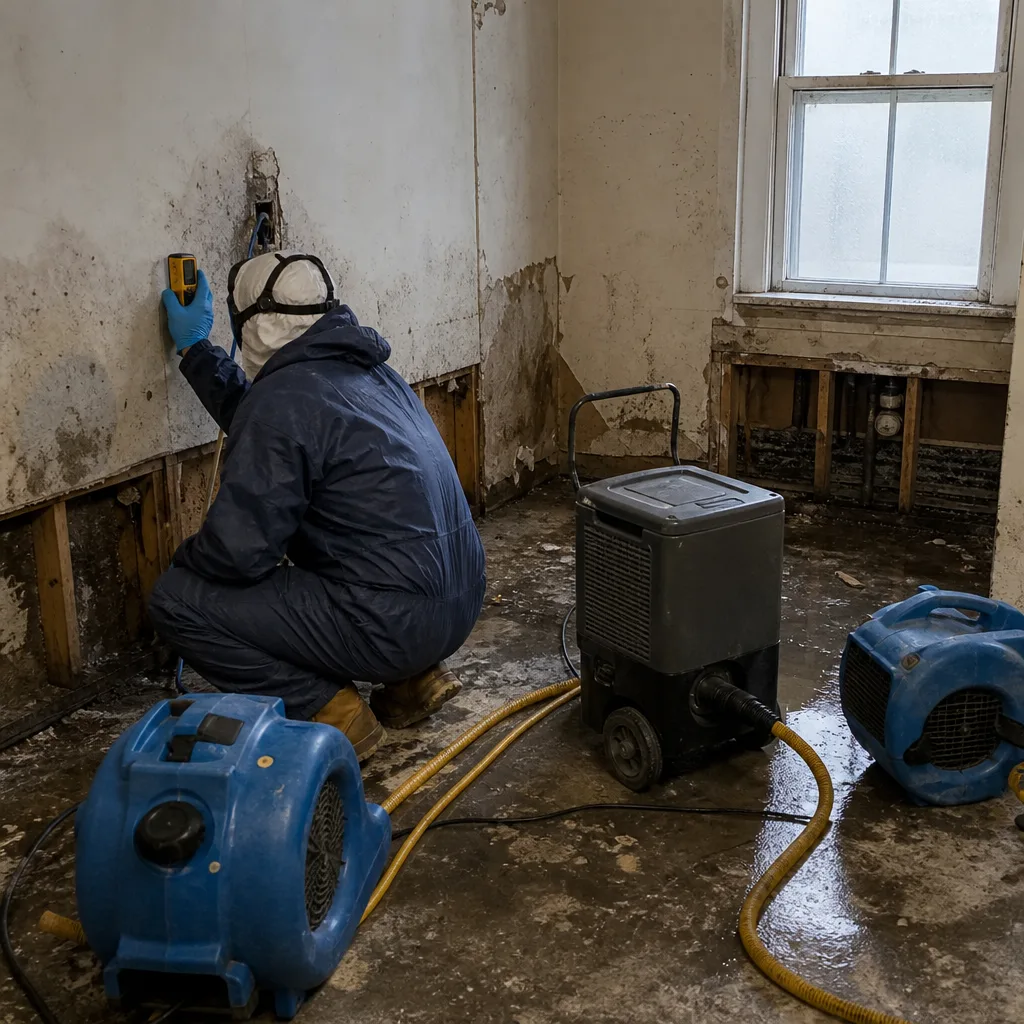 Before
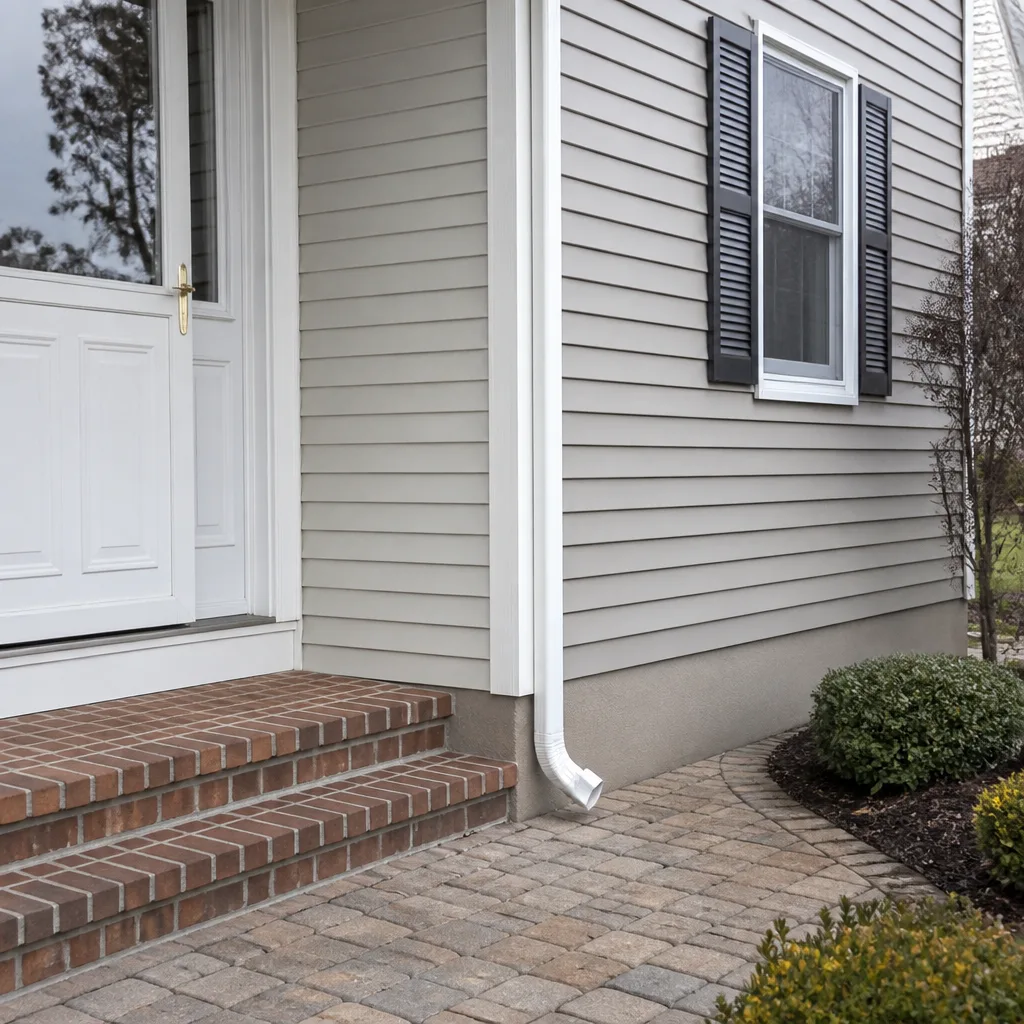 After
After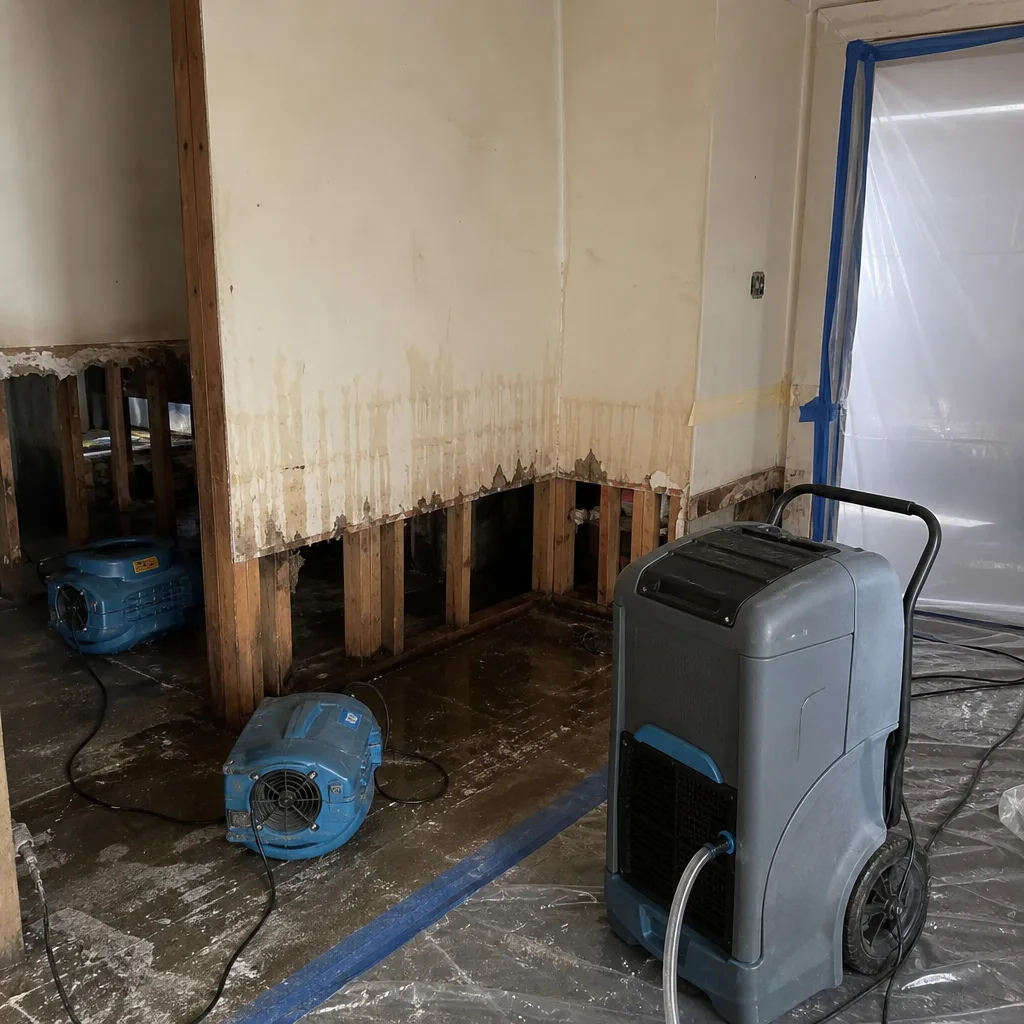 Before
 After
After24/7 Emergency Storm & Disaster Restoration in New City
Storm and disaster restoration in New City typically means one thing before anything else: water in a finished lower level. When hillside runoff from the surrounding Rockland County terrain channels into New City’s residential streets, basement flooding becomes the dominant call type, and the first hour determines whether you’re facing a cleanup or a full mold remediation. Our crews are dispatched inside the New City area around the clock, and a live person answers at (914) 809-9936 no matter when you call. We arrive, assess the damage with thermal imaging and moisture meters, and get extraction running the same visit. The sooner water comes out, the less it costs to put everything back.
Understanding Storm & Disaster Restoration Severity in New City Properties
Storm damage in New City falls into three water categories, and the distinction changes the entire scope. Category 1 water is clean, usually from a burst supply line or roof leak. Category 2 carries significant contamination, the kind you get when stormwater pushes through foundation cracks and picks up soil, fertilizers, and surface debris from clay-heavy yards. Category 3 water is grossly contaminated, often backing up from overwhelmed municipal drains or saturated septic fields into below-grade spaces. New City’s post-WWII housing stock makes every category worse than it would be in newer construction. Split-levels and raised ranches built between 1955 and 1980 almost universally have finished lower levels with original carpet, paneling, and vintage sump-pump infrastructure. Carpet acts as a wick, paneling traps moisture behind it, and a 45-year-old sump pump was never sized for the kind of hillside-driven flash flooding that now hits during warm-season thunderstorm cells. We moisture-map every affected surface, log readings daily, and run structural drying until the dry standard is met, not until the floor feels dry to the touch.
Why New City Property Owners Choose Floodline Restoration Co.
- 45-minute response commitment: When you call from a New City address, we commit to having a crew dispatched within 45 minutes. The clock starts when you hang up.
- 24/7 live answer: A real dispatcher picks up at two in the morning. Not a recording, not a call-back service. A person who can send a crew.
- IICRC-certified crews: Our technicians hold WRT, FSRT, and AMRT certifications and train to IICRC, RIA, and IFA standards. They’re background-checked and uniformed on every job.
- Free visual inspection: Before anything is signed, we walk the damage with you and explain exactly what we’re seeing. You get a written scope before work starts.
- Direct insurance billing: We bill your carrier directly and handle adjuster communication. You don’t play messenger.
- One team from extraction to reconstruction: The same crew that runs extraction handles drying, mold treatment, and the rebuild. No mid-job handoff to a crew you’ve never met.
Our Storm & Disaster Restoration Process
Inspection & Assessment
We start with thermal imaging, hygrometers, and moisture meters to map the full extent of water intrusion. In New City’s finished lower levels, water travels behind paneling and under baseboards in ways you can’t see from the carpet line alone.
Extraction & Stabilization
We remove standing water with truck-mounted extraction units and inject drying into wall cavities using Injectidry systems. Emergency board-up and roof tarping happen at this stage if storm damage has opened the envelope.
Drying & Dehumidification
Phoenix air movers and Dri-Eaz dehumidifiers run continuously, with daily moisture readings logged until every surface meets the dry standard. New City’s humid summer climate means this phase is non-negotiable; cutting it short invites mold within 48 to 72 hours.
Cleaning & Sanitization
We remove contaminated materials, HEPA-vacuum surfaces, and apply antimicrobial treatments where category 2 or 3 water was present. Carpet and padding from a 1970s recreation room usually can’t be salvaged once saturated, and we’ll tell you that plainly.
Mold Prevention & Clearance
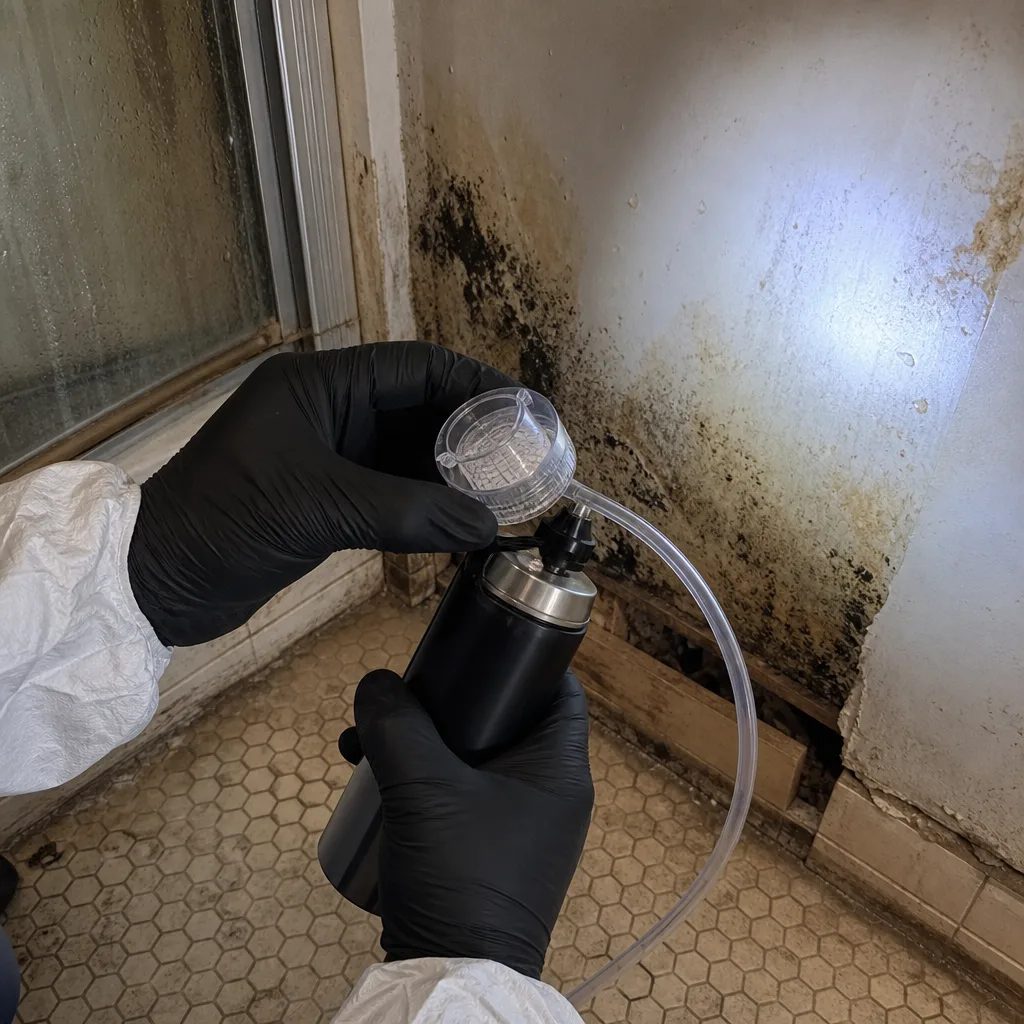
We run air scrubbers during remediation and confirm clearance with post-treatment testing. In New City’s clay-heavy soil conditions, the real enemy is the moisture you can’t see inside foundation wall cavities.
Repairs & Restoration
This is where the rebuild begins: replacing paneling, carpet, drywall, and trim, and addressing the sump pump or drainage issue that caused the flood. The same crew handles it. The 90-Day Done Right Promise covers it in writing.
Need Emergency Storm & Disaster Restoration in New City Now?
Crews minutes away, answering live 24 hours a day. The sooner we start, the less it costs.
Working With Your Insurance Company
We’ve been on the phone with carriers and adjusters for years, and we know what slows a claim down: missing documentation, vague scopes, and homeowners forced to interpret damage reports. So we remove all three. From the first hour on site, we photograph every room, log moisture readings, and build a line-item scope your adjuster can process without back-and-forth. Curt Bowman built Floodline Restoration Co. around a dispatch board, not a sales desk, and that means our paperwork reflects what actually happened on site. We coordinate with your adjuster directly, submit the documentation, and bill your carrier directly when coverage applies. You get copies of everything.
What We Provide Your Insurer
- Thorough documentation of the loss
- Photos of all damage, room by room
- Moisture readings and drying logs
- A detailed, line-item scope of work
- Direct coordination with your carrier
Built for New City’s Loss Calendar
New City’s storm losses follow a predictable rhythm, and we stage our response around it. January and February bring nor’easters and deep freezes that burst supply lines inside exterior walls, flooding finished lower levels while snow blocks drains and forces runoff against foundation walls. March and April thaw the snowpack and saturate the clay-heavy soils, which means hydrostatic pressure climbs and hairline foundation cracks start weeping into recreation rooms. May through September is thunderstorm season, and the hillside terrain north and west of New City channels flash-flood runoff into the flatter residential core, overwhelming sump pumps and filling below-grade spaces faster than a homeowner can throw down towels. October through December brings the first ice events and the start of ice damming along rooflines. Each season has a signature failure mode, and we dispatch crews who already know what they’re walking into.
Storm & Disaster Restoration Across New City’s Neighborhoods
Response routes matter in New City, and we know the roads. When the Minisceago Creek watershed saturates, calls cascade across the northern and eastern residential streets, particularly those feeding down from the hillside terrain toward North Main Street and the surrounding blocks. Homes in the older sections off Little Tor Road and Phillips Hill Road, many of them 1960s-era split-levels, sit on foundation walls that have been holding back hillside drainage for sixty years. The raised ranches and colonials along Congers Road and Bucks Hollow Road tend to have deeper finished basements, and those spaces flood differently: water pools against the lowest wall, saturates original carpet, and wicks up into wood paneling. In the flatter central sections near New City’s commercial corridor, heavy rain overwhelms storm drains and backs water into sump-pump pits that were quietly failing for years. Each area produces a different flood signature, and our crews stage equipment near Minisceago Creek neighborhoods before the calls peak.
Specialized Storm & Disaster Restoration Services We Offer in New City
Storm damage in New City rarely stays in one category. Wind peels back a roof edge, rain follows, and within an hour you have water damage on top of structural damage. Below are the services our Storm & Disaster Restoration team handles most often in this area.
Flood Damage Restoration
This is the call we answer most in New City. Hillside runoff, saturated clay soil, failing sump pumps, and finished lower levels combine into a flood that requires extraction, drying, remediation, and often reconstruction. We handle all of it with one crew.
Storm Damage Cleanup
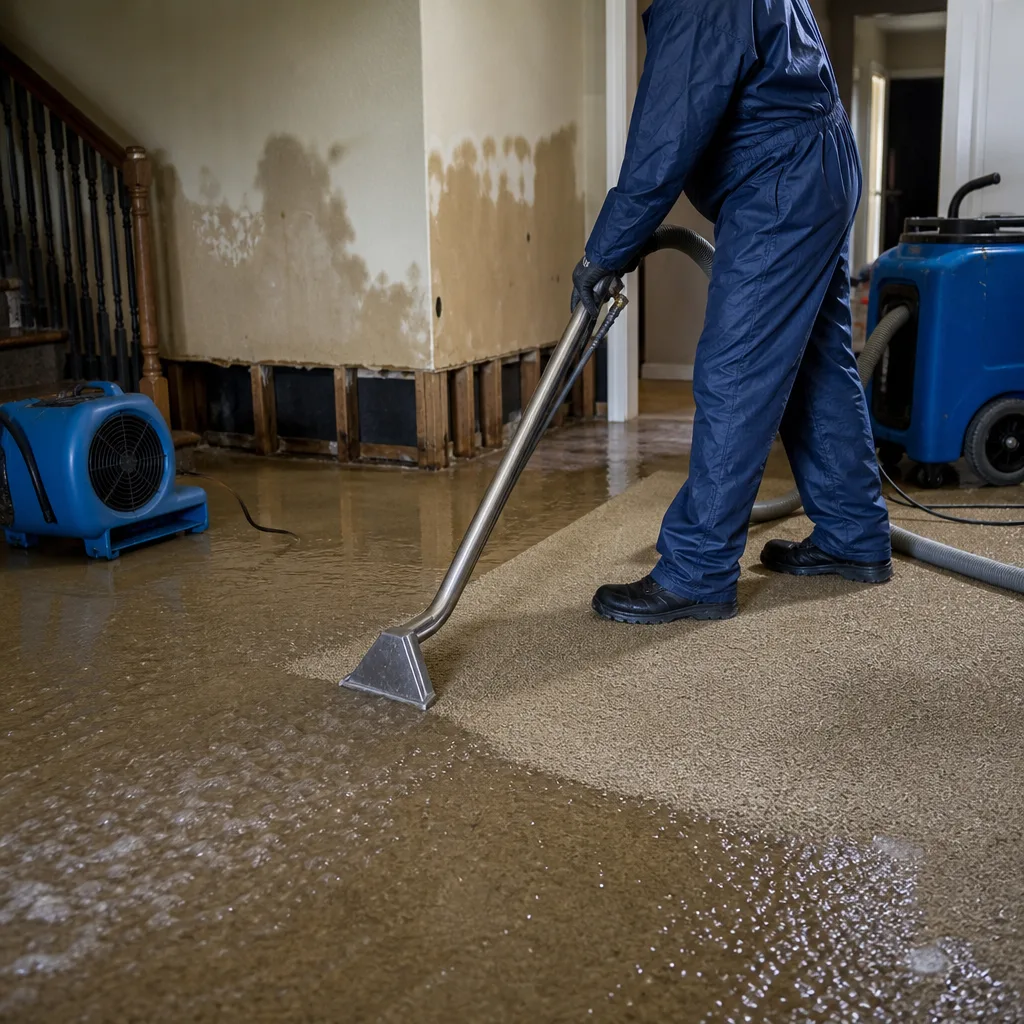
After high winds and heavy rain, New City homes need debris cleared, damaged materials removed, and compromised areas stabilized. We remove fallen limbs, water-damaged drywall and carpet, and any material that can’t be dried.
Debris Removal
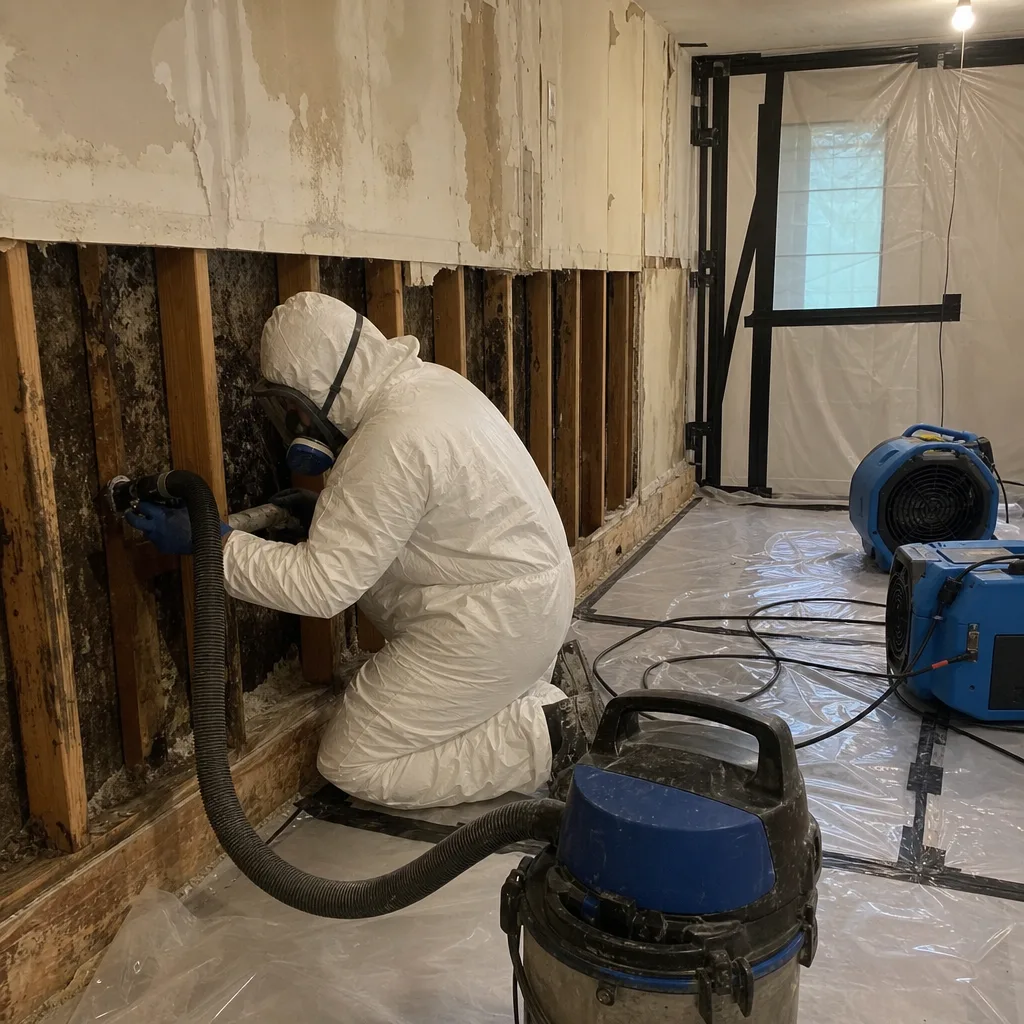
Storm debris piled against a foundation wall is more than an eyesore. It holds moisture against the structure and blocks the drainage that New City’s clay-heavy soil desperately needs. We clear it as part of a full scope, not as an afterthought.
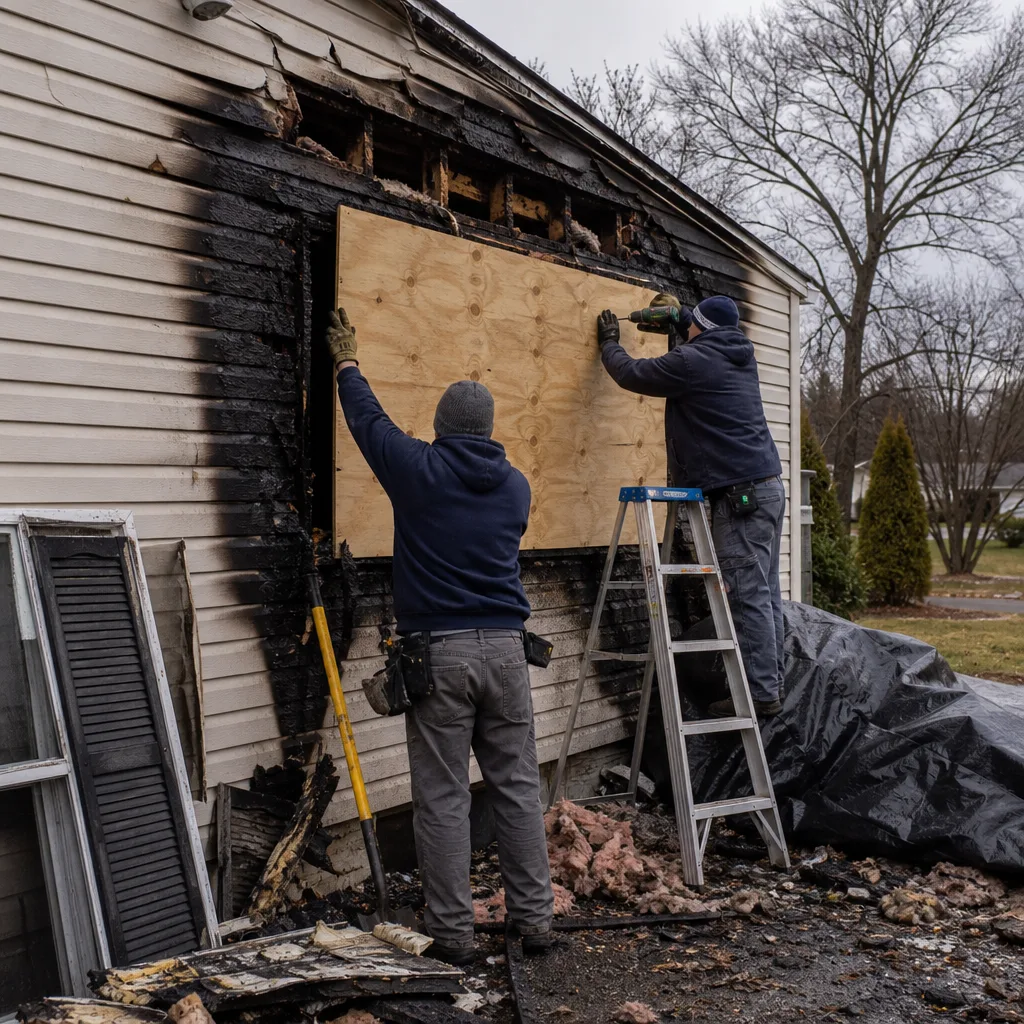
Emergency Board-Up
A broken window or compromised door leaves your home open to weather and entry. We board up with plywood rated for temporary structural support and tarp roof penetrations the same visit.
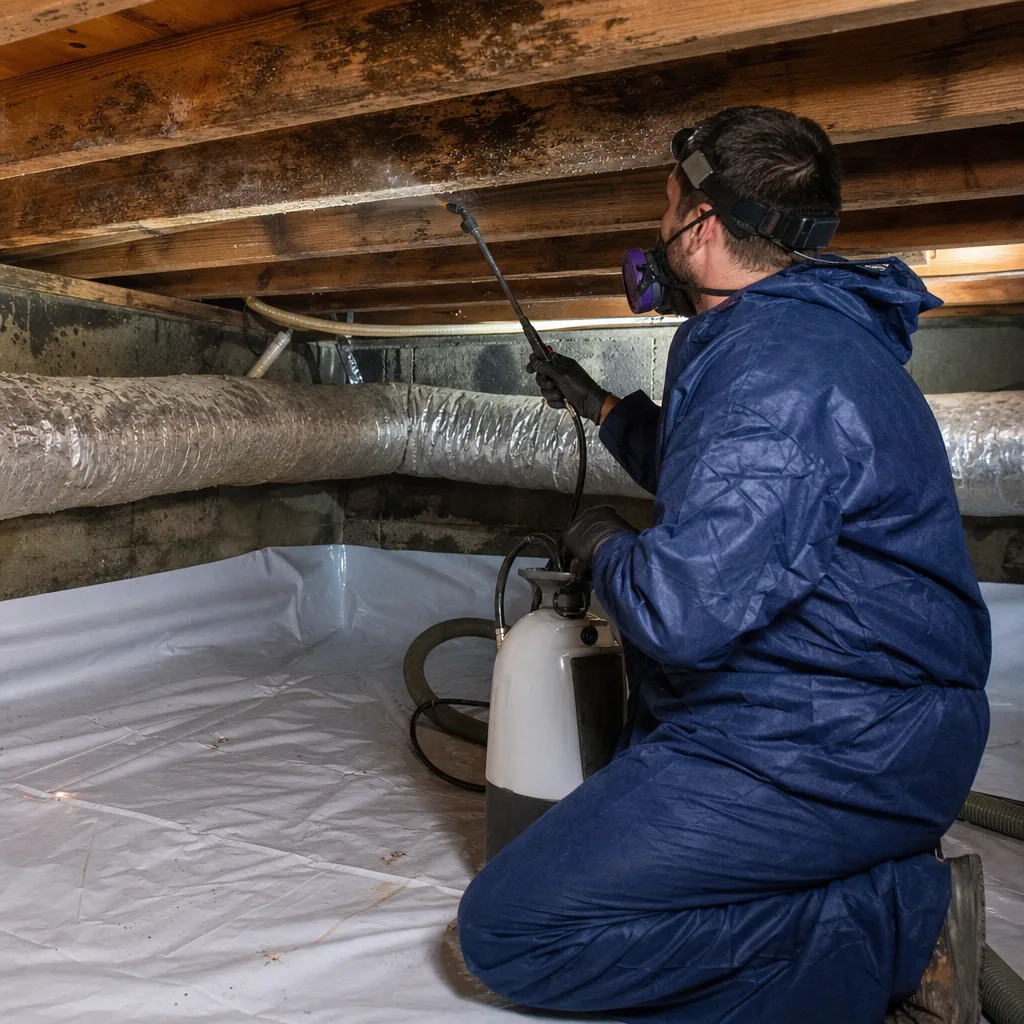
Roof Tarping
Wind-lifted shingles and ice-dam leaks are common in New City’s older colonial and raised ranch stock. Heavy-gauge tarps go on quickly and stay on until permanent repair work is scheduled.
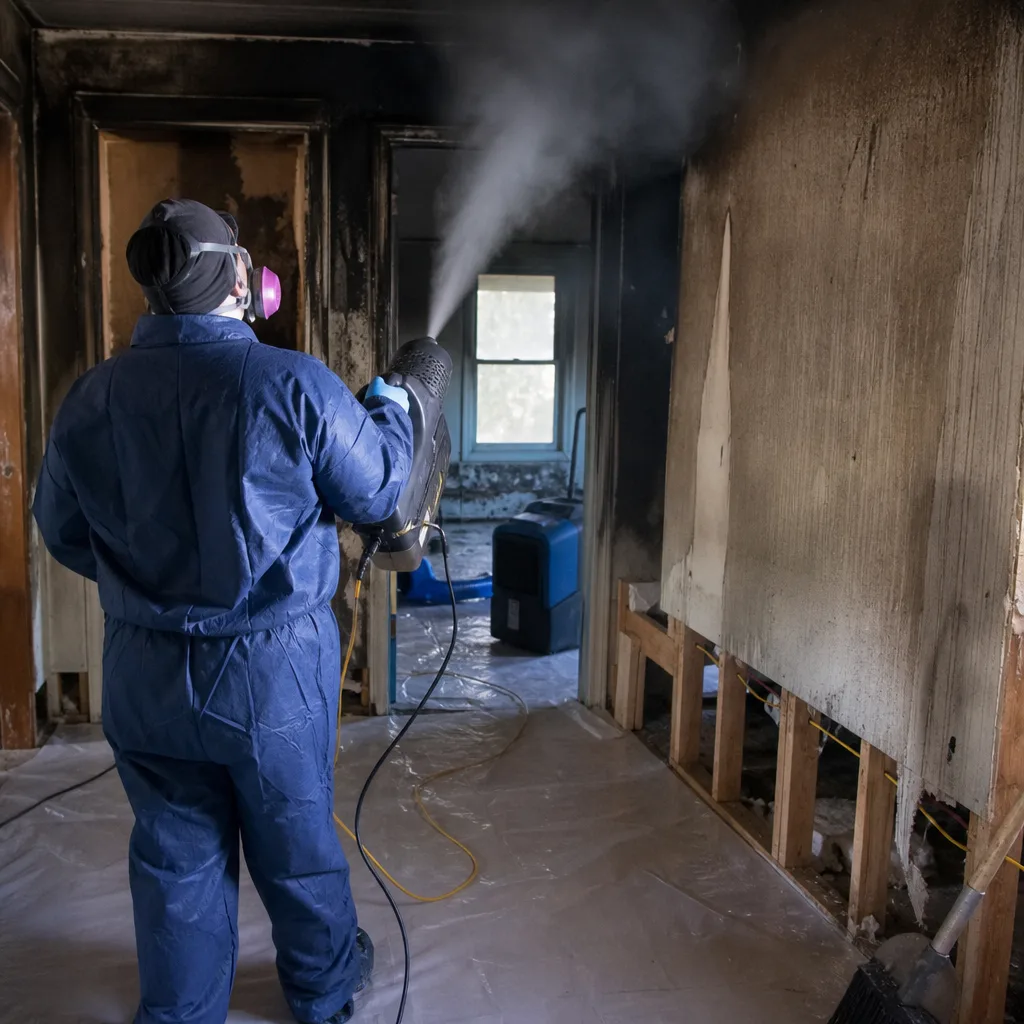
Wind Damage Repair
Post-nor’easter, we repair wind-damaged siding, fascia, and roof edges. On homes where wind has driven rain into wall cavities, we open the affected area, dry it properly, and rebuild to match.
What happens when you call
- 1
A real person answersNo phone trees - you reach a local pro.
- 2
You get an upfront price rangeHonest numbers before anyone is dispatched.
- 3
A background-checked tech heads outLicensed & insured, dispatched right away.
- 4
You approve before work beginsNothing starts until you say go.
Storm & Disaster Restoration Costs in New City, NY
We quote New City jobs honestly, and that means real numbers. A straightforward flood damage restoration in a finished lower level, with extraction and structural drying, typically runs $3,500 to $8,000. When mold remediation is required on top of that, expect $5,000 to $15,000 depending on how far the colony spread behind paneling and under carpet. Roof tarping runs $250 to $600, emergency board-up runs $150 to $400 per opening, and debris removal typically adds $300 to $1,200. Full reconstruction after a severe flood, including new drywall, flooring, and sump-pump replacement, lands between $15,000 and $40,000 for most New City finished basements. Insurance covers most storm-related water damage when the cause is sudden and accidental; gradual seepage through foundation cracks is often excluded. The free visual inspection settles the question. We walk the damage, write the scope, and hand you a firm number before any work begins. A square deal, no surprises on the bill.
We Also Serve Cities Near New City
Our crews respond to storm and flood emergencies throughout this corner of Rockland County. We serve New City and the surrounding communities of Congers, Spring Valley, Nanuet, and West Nyack. If you’re in one of those areas and water is rising, call the same number. The same live dispatcher answers.
New City Storm & Disaster Restoration Questions, Answered
How quickly can mold start in a flooded finished basement in New City?
Mold can establish in a flooded finished basement in New City within 48 to 72 hours, especially during the humid summer months when the Lower Hudson Valley stays warm and damp. Original 1970s carpet and wood paneling give mold exactly what it wants: a porous food source and trapped moisture. That’s why our crews prioritize extraction and drying on the first visit, and why we run air scrubbers and apply antimicrobial treatments before mold gets a foothold.
What category of water is typical in a New City foundation-crack flood?
Most New City foundation-crack floods are category 2 water: stormwater that has picked up soil, fertilizer, surface debris, and whatever else the hillside drainage carried into your home. If the water backed up from an overwhelmed municipal drain or septic system, it’s category 3 and requires full containment and disinfection. We test, classify, and treat accordingly.
Why do finished lower levels in New City take longer to dry than unfinished basements?
Finished lower levels trap moisture behind paneling, under carpet padding, and inside wall cavities. An unfinished concrete basement dries relatively quickly because air moves freely across the slab. A 1970s recreation room with paneling and carpet holds water in layers we have to open up and dry surgically. Drying a finished New City lower level usually takes four to seven days, sometimes longer when clay-heavy soil keeps feeding moisture through foundation walls.
How does the Minisceago Creek watershed affect flooding on my street?
When the Minisceago Creek watershed saturates after prolonged rain, the ground can’t absorb more water, so runoff from the hillside terrain north and west of New City channels down into the flatter residential core. Streets that rarely flood become drainage channels, and homes with below-grade spaces take on water through foundation cracks, window wells, and overwhelmed sump pumps. If you live near the northern or eastern residential streets, this is the pattern behind your flood.
What should I expect during a Storm & Disaster Restoration scope of work in New City?
Expect a written scope before work starts, with itemized costs, a drying plan, and a timeline. Expect daily moisture readings you can see. Expect the same crew from extraction to rebuild. And expect the 90-Day Done Right Promise in writing: if it’s not done right, we make it right. No paperwork battles, no arguing.
How fast can you actually get to a New City home?
We commit to a 45-minute dispatch from the time you call. A live dispatcher answers at (914) 809-9936, confirms your New City address, and puts a crew on the road. Most of our New City calls have extraction running within two hours of the first phone call.
Will my insurance cover storm water damage in New City?
Most storm-related water damage is covered when the cause is sudden and accidental: a tree falls, wind drives rain through a roof breach, or a pipe bursts. Gradual seepage through foundation cracks is often excluded. We document every claim from the first hour, work directly with your adjuster, and bill the carrier directly when coverage applies. Call (914) 809-9936 for a free inspection, and we’ll help you sort the claim from start to finish.
What should I do in the first 30 minutes after floodwater enters my New City home?
Shut off electricity to the affected area if it’s safe to reach the panel. Don’t walk through standing water in a finished lower level if outlets or appliances are below the water line. Move what you can to higher ground. Then call (914) 809-9936. Extraction in the first hour prevents the deep saturation that turns a cleanup into a three-week mold remediation.
Serving New City, NY - Our Local Coverage Area
We’re based in the New City area and know this community well. Use the map below to see our service coverage - if you’re nearby, we can almost certainly help.
When the Storm Passes, the Clock Starts
New City sits in a low-lying bowl, and the water that floods your basement arrived from hillsides you can’t see from your living room window. The line the water left on the wall is where we start. New City homeowners call us because we answer with a person, show up with a plan, and stand behind the work in writing. Curt Bowman founded Floodline Restoration Co. in 2010, and the crews we send into Rockland County carry the same standard on every job: Krafted right, Every time, Your home first, Standing behind it.
Call (914) 809-9936 now for a free estimate. A live dispatcher answers, and a crew can be on the road within 45 minutes.
Written by Curt Bowman, Owner at Floodline Restoration Co..