
Free visual inspection and a written scope of work before any mitigation begins - photos, moisture readings, and drying logs go in your claim file
The scope we write is the scope we bill. Anything new gets shown to you, in writing, before we touch it.



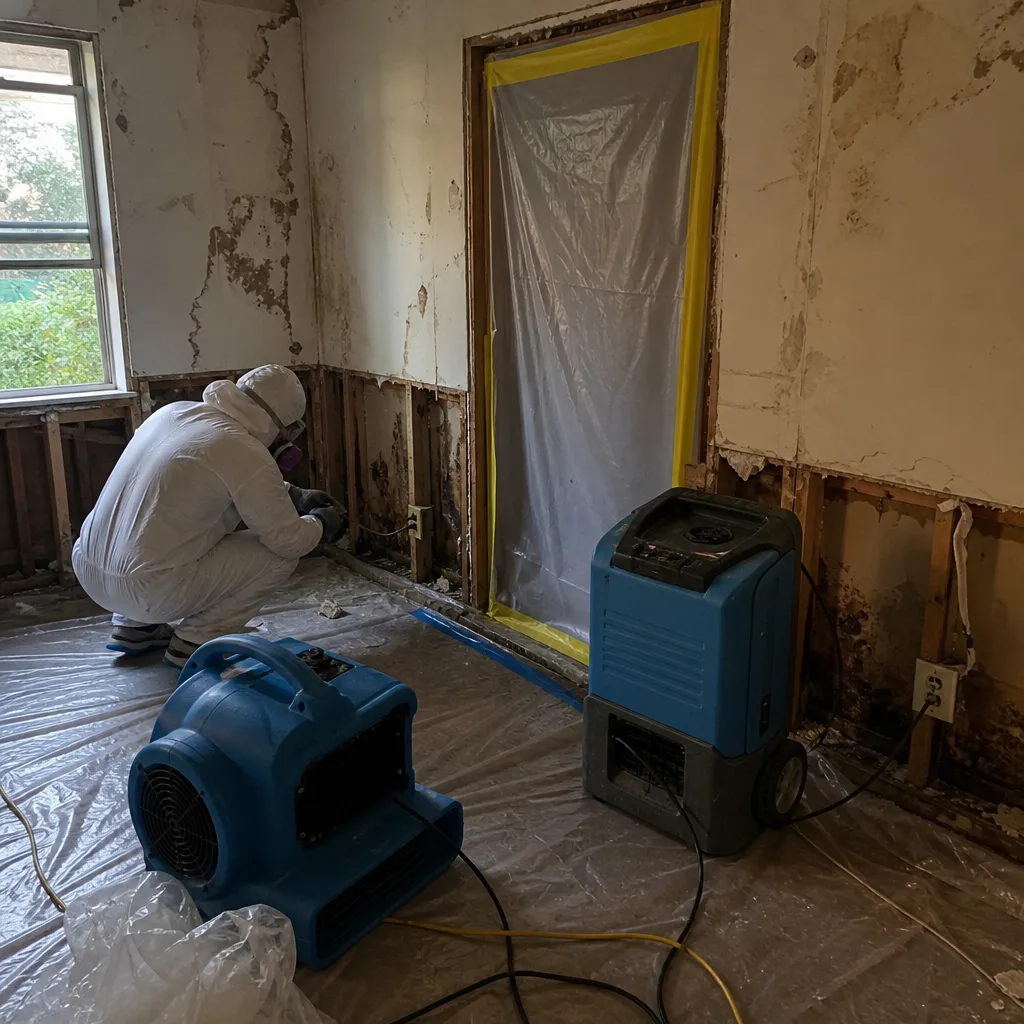 Before
 After
After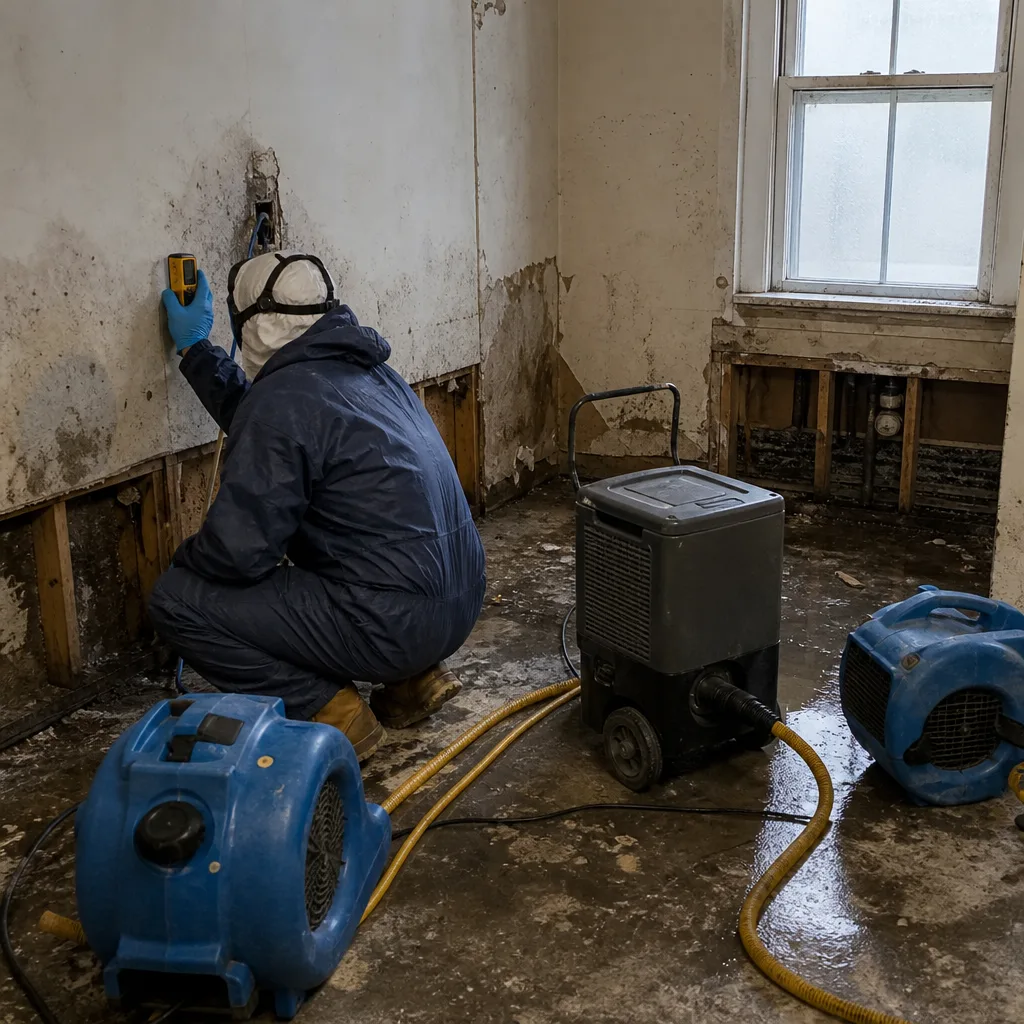 Before
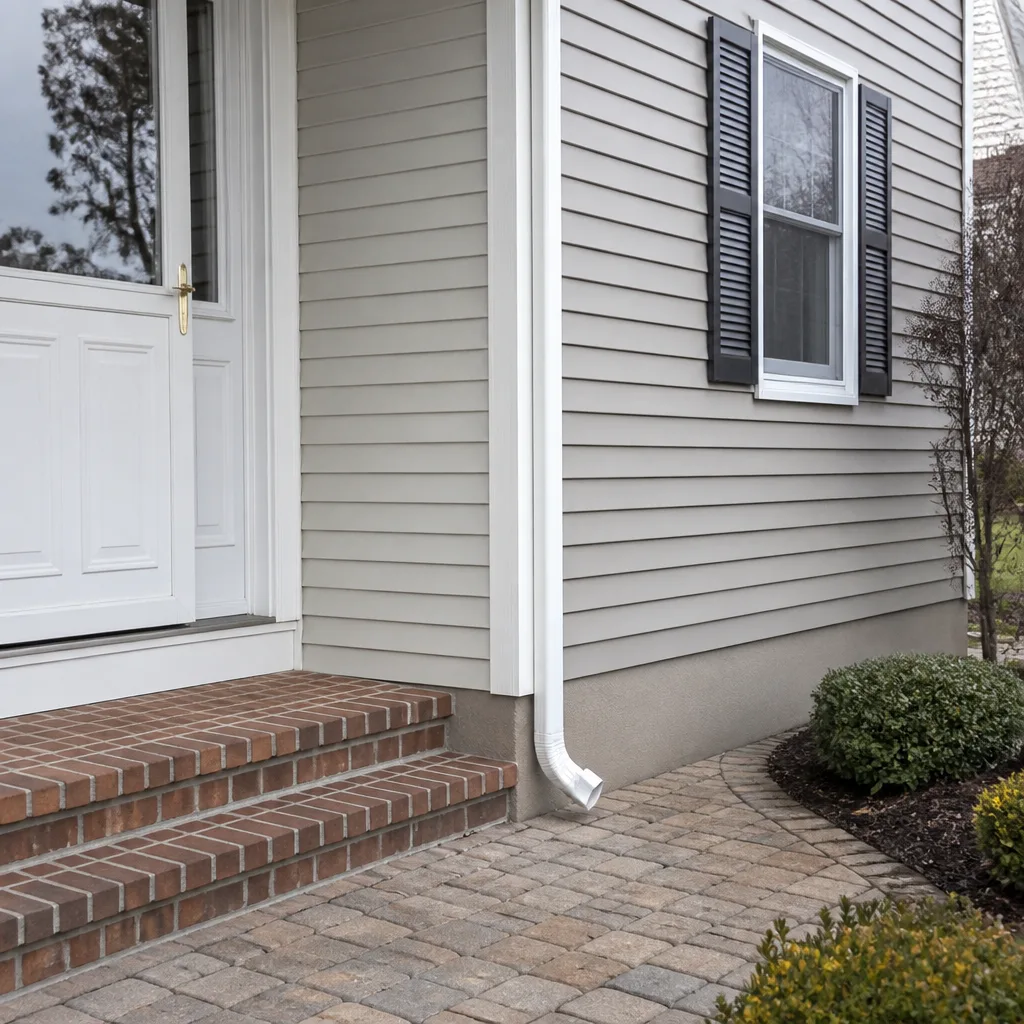 After
After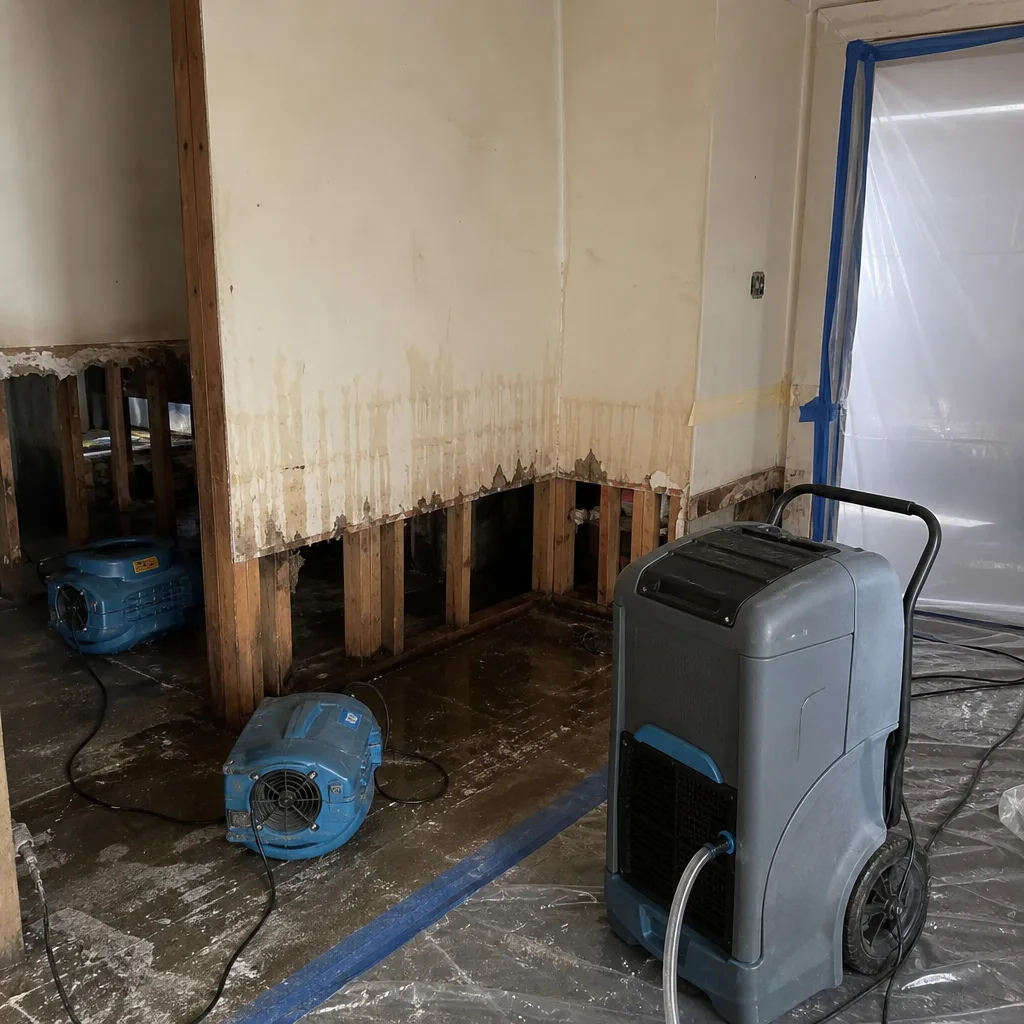 Before
 After
After24/7 Emergency Storm & Disaster Restoration in Sleepy Hollow
Storm damage in Sleepy Hollow moves fast, especially when the Pocantico River and the Hudson River decide to meet in your basement. One call to (914) 809-9936 puts a live dispatcher on the line, any hour, any day. We dispatch crews into Sleepy Hollow within 45 minutes, and the first visual inspection is free. The first hour after a storm determines whether you’re dealing with extraction and drying or a full gut-and-rebuild. Water sitting in a late-Victorian basement on Beekman Avenue behaves differently than water in a modern slab foundation, and we read those differences fast. Storm & Disaster Restoration starts the moment our crew rolls up, not when paperwork clears.
Understanding Storm & Disaster Restoration Severity in Sleepy Hollow Properties
Sleepy Hollow’s housing stock is old enough that the word “historic” applies to most of it, and that changes everything about storm restoration. When nor’easter rain pushes the Pocantico out of its banks, you get Category 1 or Category 2 water: freshwater runoff with contaminants but manageable treatment protocols. When Hudson River tidal backflow enters through floor drains or a riverside foundation, you’re dealing with Category 3 water: brackish, carrying silt, sewage cross-contamination, and salt. That distinction drives the entire job. We use moisture mapping and thermal imaging to find where water wicked into horsehair plaster and balloon-frame voids, not just where it pooled. Dense plaster and lath dry far slower than drywall, and without low-grain refrigerant dehumidifiers and proper air movement, mold sets in within 24 to 48 hours. Knob-and-tube wiring soaked in salt water isn’t a drying problem, it’s an electrical hazard that has to be isolated before anyone runs fans.
Why Sleepy Hollow Property Owners Choose Floodline Restoration Co.
- 45-minute response commitment: A live dispatcher takes your call and a local crew is rolling toward Sleepy Hollow immediately, because standing water doesn’t wait.
- 24/7 live answer, every day: You’ll never reach an automated system. A real person picks up at 2 a.m. and starts coordinating your job.
- IICRC-certified crews: Our technicians hold WRT and ASD certifications and train to IICRC, RIA, and IFA standards. They understand the difference between a modern slab foundation and a pre-1900 stone basement.
- Free visual inspection: We walk the damage with you before any work begins, so you know what you’re facing and what it will take to fix it.
- Direct insurance billing: We coordinate with your carrier, send photos and moisture logs, and bill them directly. You’re not playing messenger.
- One team, start to finish: The same certified crew that extracts the water stays through drying, cleaning, and rebuild. No handoffs, no inherited subs.
Our Storm & Disaster Restoration Process
Inspection & Assessment
We arrive, walk the property with you, and assess water source, category, and migration patterns. Thermal imaging and moisture meters map what’s wet behind plaster and under floors.
Extraction & Stabilization
We remove standing water using truck-mounted extraction units, then begin emergency board-up or roof tarping if the storm opened the structure. Content pack-out starts now if needed.
Drying & Dehumidification
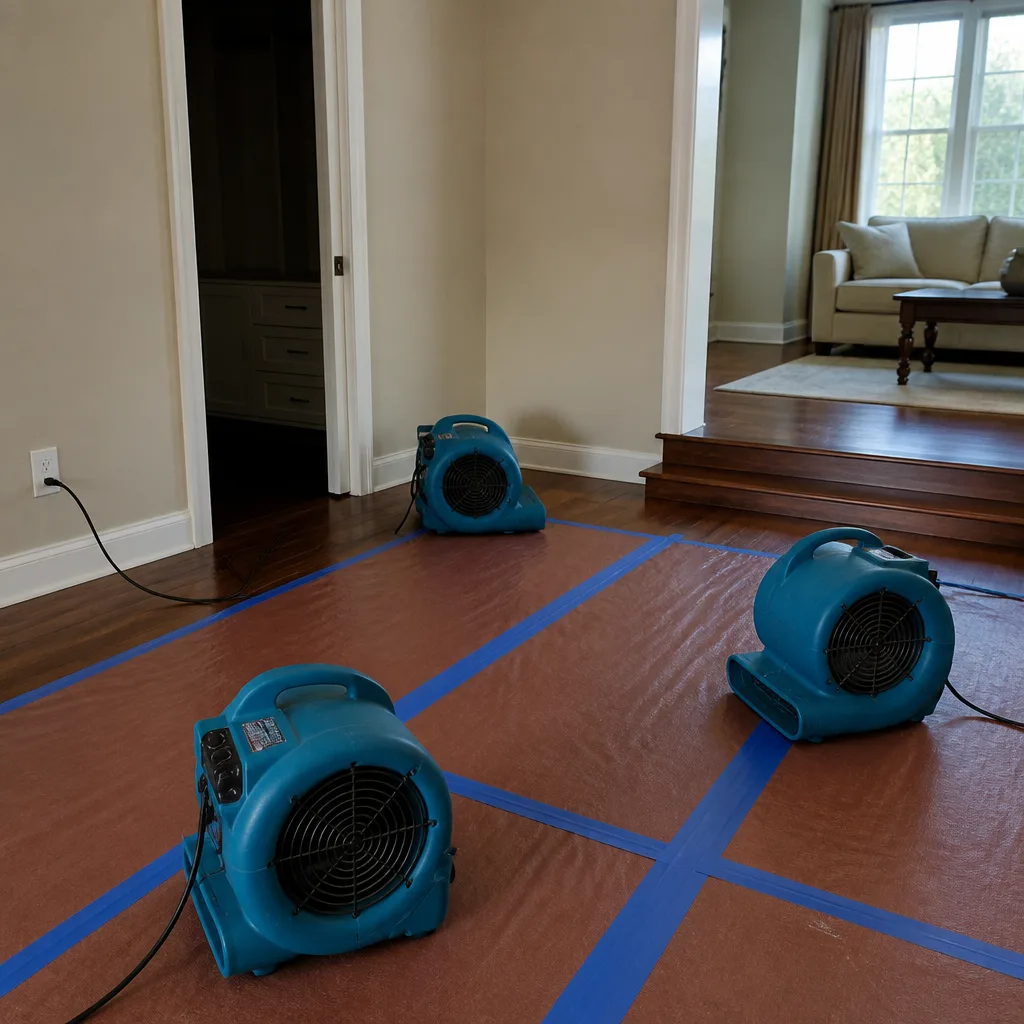
Low-grain refrigerant dehumidifiers from Dri-Eaz and Phoenix run alongside B-Air air movers. Injectidry systems pull water from wall cavities without tearing out original plaster unnecessarily.
Cleaning & Sanitization
We treat all affected surfaces with antimicrobials appropriate to the water category. Salt residue from tidal water gets rinsed, because it keeps pulling moisture from the air long after the flood recedes.
Containment & Mold Prevention
Where water wicked into horsehair plaster or lath, we set containment and run HEPA air scrubbers while drying completes. We’d rather prevent mold than remediate it.
Repairs & Restoration
We rebuild what needs rebuilding, from trim to flooring to wall systems, matching the character of your home. Daily moisture readings are logged and shared with you and your insurer.
Need Emergency Storm & Disaster Restoration in Sleepy Hollow Now?
Crews minutes away, answering live 24 hours a day. The sooner we start, the less it costs.
Working With Your Insurance Company
We’ve handled hundreds of storm claims in Westchester County, and we know what adjusters need to see. From the first hour, we document everything: photos room by room, moisture readings from day one through the final dry standard, and a line-item scope of work written in the language insurance carriers recognize. Curt Bowman built Floodline Restoration Co. around a dispatch board, not a sales desk, and that carries through to claims. We talk to your adjuster directly, so you’re not relaying messages between two parties who don’t share a vocabulary. Most Sleepy Hollow homeowners find that direct billing keeps the process calm, and our 90-Day Done Right Promise means the work is guaranteed in writing.
What We Provide Your Insurer
- Thorough documentation of the loss
- Photos of all damage, room by room
- Moisture readings and drying logs
- A detailed, line-item scope of work
- Direct coordination with your carrier
Built for Sleepy Hollow’s Loss Calendar
Sleepy Hollow’s storm season isn’t a season. It’s a rotating set of threats that shift month to month. January and February bring freeze-thaw cycles that burst aging supply lines in uninsulated stone foundations. March and April mean snowmelt and heavy rain saturating the ground around older homes on Pocantico Street and Riverside Drive, where basement seepage pushes through fieldstone walls. Summer thunderstorms in July and August dump fast rain that overwhelms local drainage and sends the Pocantico over its banks. Then come September nor’easters and late-season tropical remnants, the events that produce the worst compound flooding: river surge from below, watershed runoff from above, and Hudson backflow at the mouth. We staff and stage for all of it, because in Sleepy Hollow, the next storm event is never more than a few weeks out.
Storm & Disaster Restoration Across Sleepy Hollow’s Neighborhoods
Sleepy Hollow’s neighborhoods each have their own relationship with water. The historic core around Beekman Avenue and North Broadway sits low, close to the Pocantico’s outflow, and those Queen Annes and Colonial Revivals take the brunt of both river overflow and tidal backflow during a nor’easter. On the riverside, properties along Riverside Drive and near Philipse Manor station contend with Hudson River storm surge that pushes brackish water into basements through floor drains and foundation cracks. The higher streets around Webber Avenue and around the Sleepy Hollow Middle School see more wind damage and roof issues than flooding, with old-growth trees sending limbs through slate and asphalt shingle roofs during high-wind events. And down near Edge-on-Hudson, the newer construction on the former GM site has modern drainage and waterproofing, but still takes stormwater runoff from the hillside above. We know the routes, the building types, and the failure patterns for each part of the village.
Specialized Storm & Disaster Restoration Services We Offer in Sleepy Hollow
Flood Damage Restoration
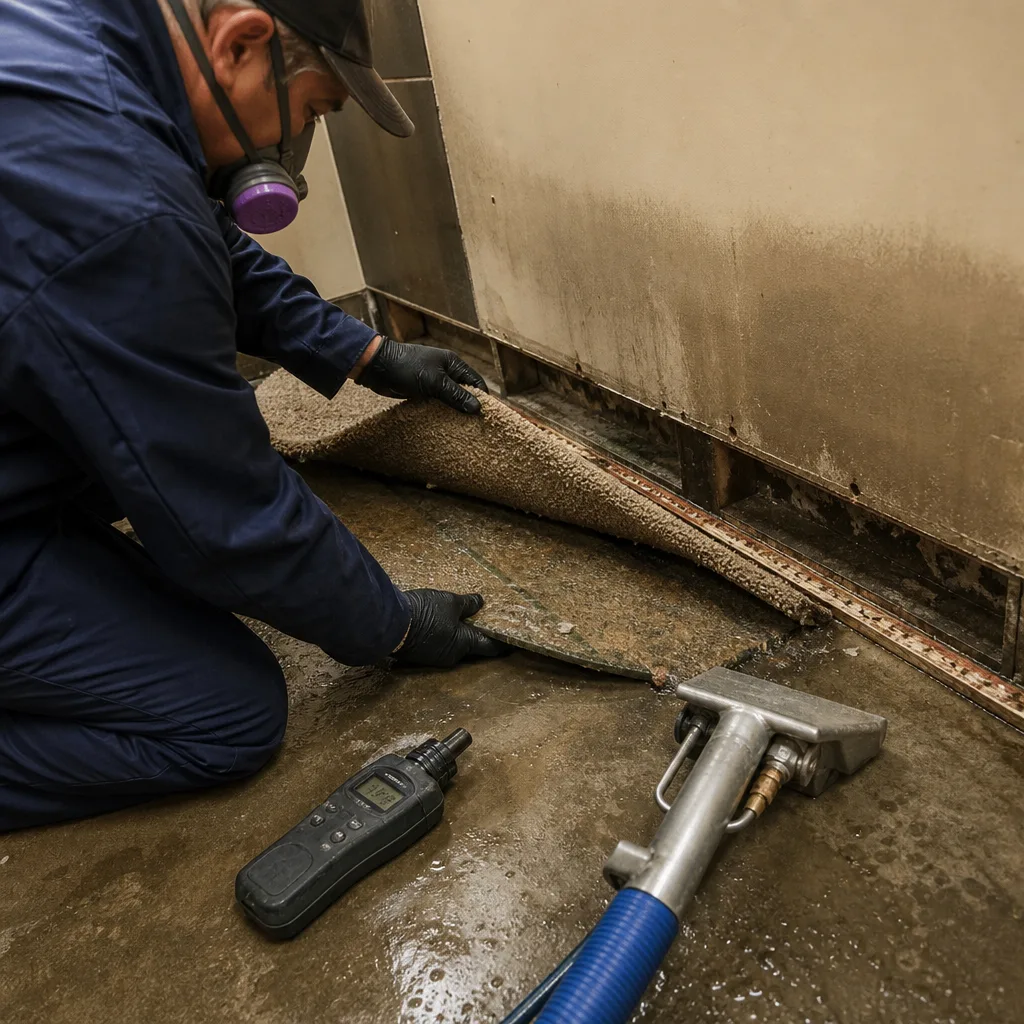
This is the work Sleepy Hollow calls us for most, and the dual-source flooding dynamic here makes it unique. Freshwater from the Pocantico requires one treatment protocol. Brackish Hudson water requires another, and when both hit the same basement, you need a crew that can distinguish between them and act accordingly. We extract, dry, sanitize, and rebuild, with daily moisture logs until your structure hits the dry standard.
Storm Damage Cleanup
Downed trees, wind-driven debris, and soaked insulation all become hazards within hours. We clear the damage safely, haul what can’t be salvaged, and stabilize what can. If water is involved, cleanup and drying happen together, not as separate visits.
Emergency Board-Up
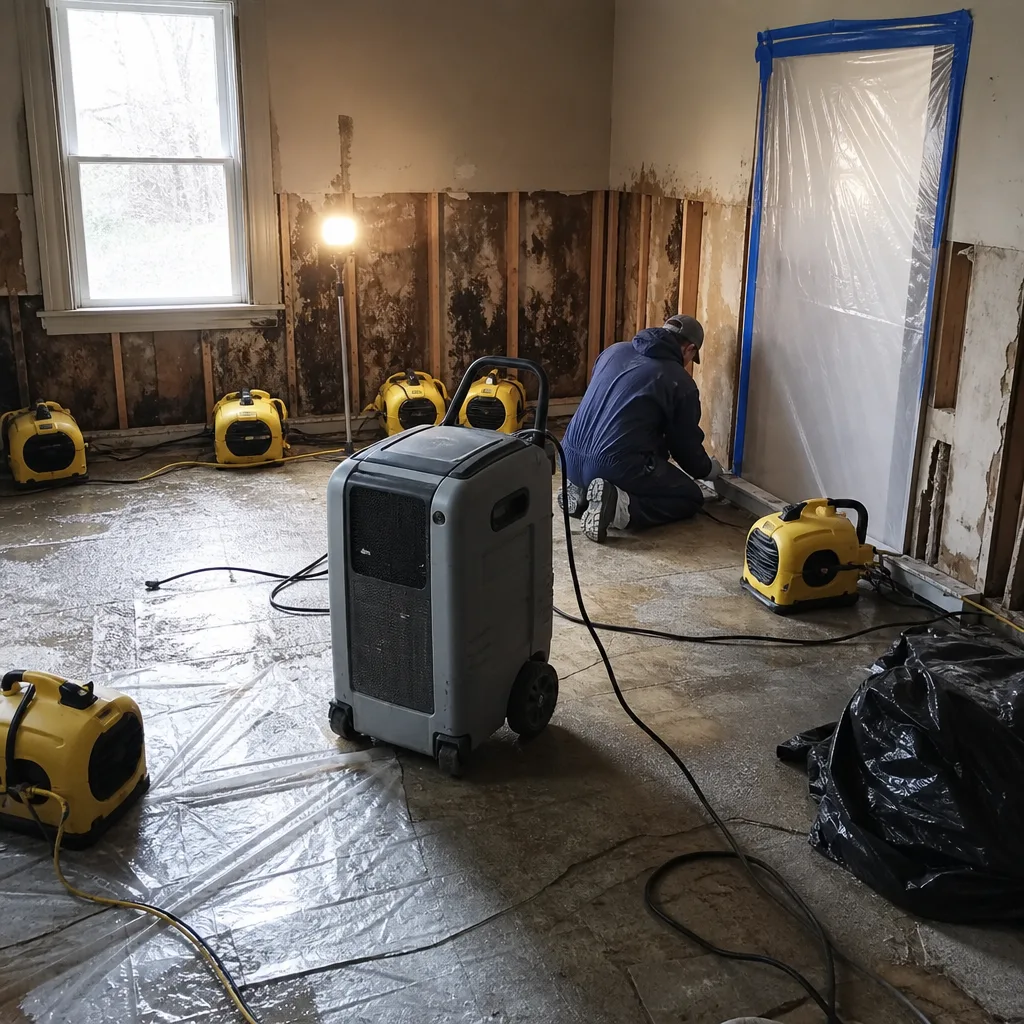
When a nor’easter blows out a window or a fallen limb opens a roof, your home is exposed to rain, animals, and intruders. We board up and tarp immediately, using materials rated for Westchester winter conditions, so the damage stops where it is and doesn’t spread by morning.
Roof Tarping
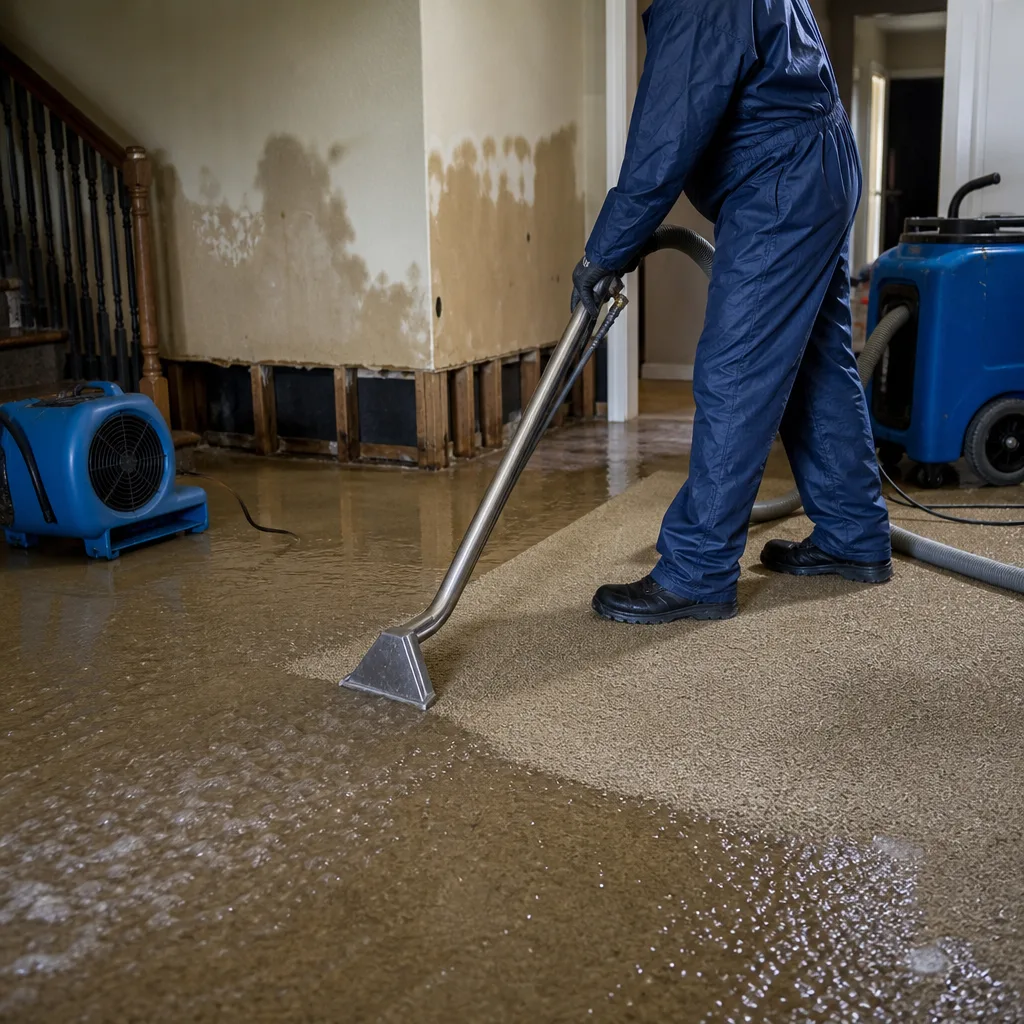
Sleepy Hollow’s older homes take wind damage differently than modern builds. Slate roofs lose individual slates, which means you can’t just throw a tarp over one spot and call it fixed. We assess what’s damaged, tarp it securely against the next rain, and document everything for your insurer so the permanent repair gets scoped correctly.
Debris Removal
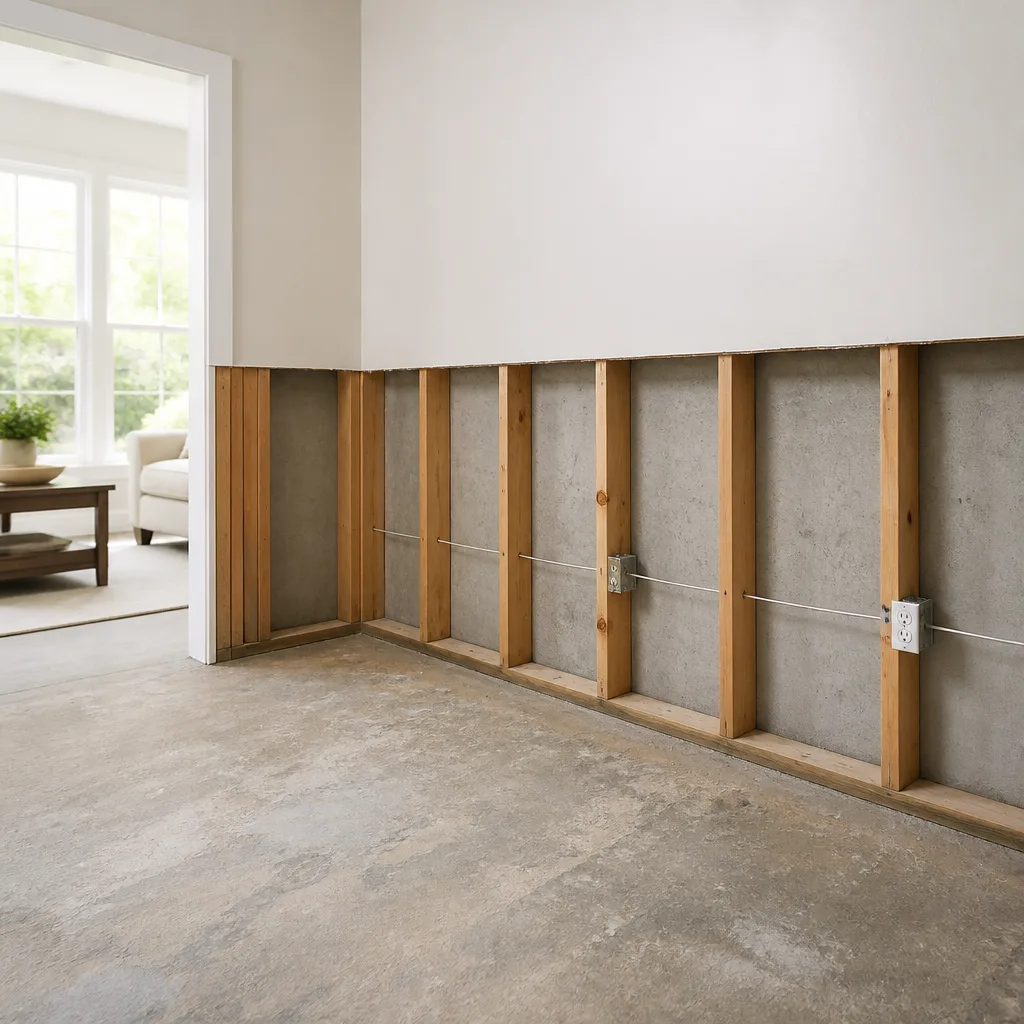
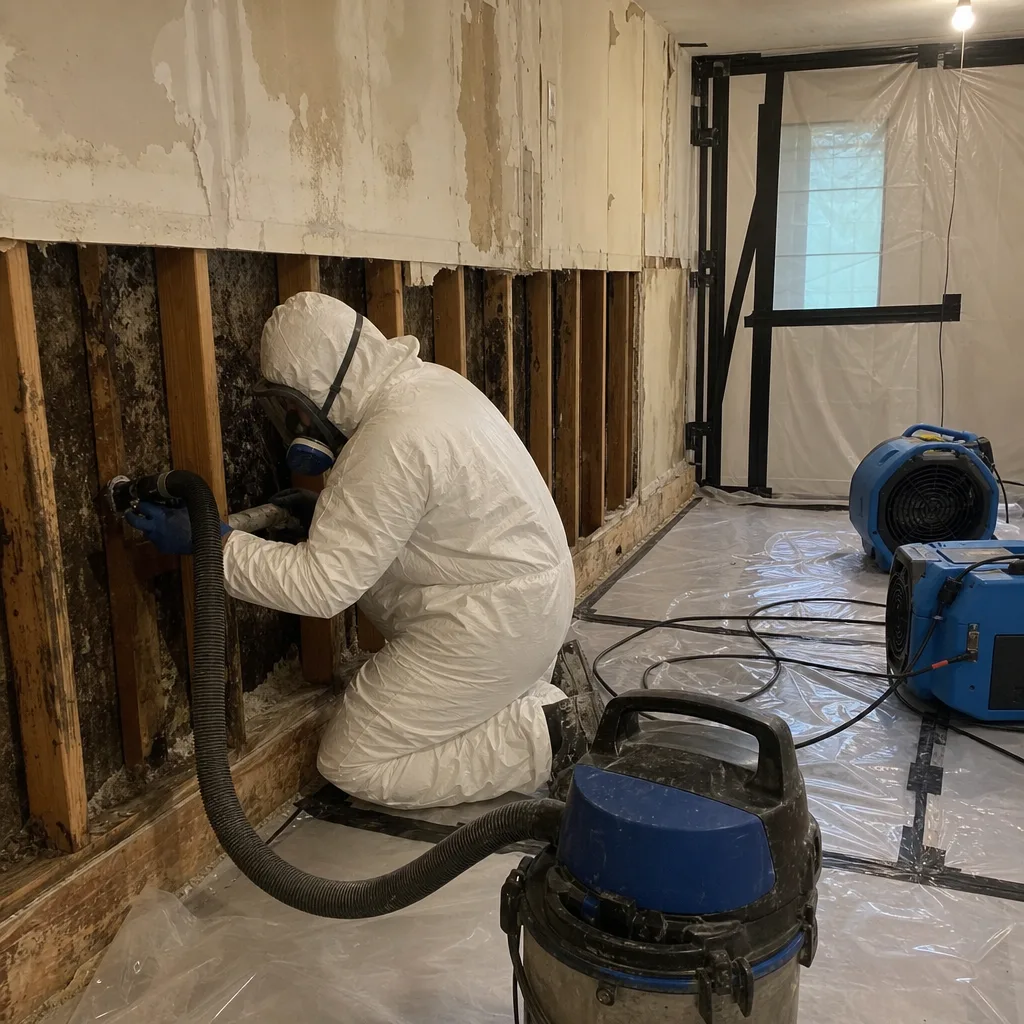
Storm debris isn’t just a nuisance; it’s a mold source and a hazard. We remove saturated insulation, plaster, and carpeting, along with outdoor debris that’s blocking drainage or leaning against your foundation. Everything gets packed out and disposed of according to Westchester County environmental standards.
What happens when you call
- 1
A real person answersNo phone trees - you reach a local pro.
- 2
You get an upfront price rangeHonest numbers before anyone is dispatched.
- 3
A background-checked tech heads outLicensed & insured, dispatched right away.
- 4
You approve before work beginsNothing starts until you say go.
Storm & Disaster Restoration Costs in Sleepy Hollow, NY
A straightforward freshwater extraction and drying job in Sleepy Hollow for a 500 to 800 square foot basement typically runs $2,800 to $5,500. Tidal water intrusion with Category 3 contamination pushes that into the $6,000 to $12,000 range, because you’re adding antimicrobial treatment, containment, and often content pack-out. Emergency board-up runs $450 to $1,200 depending on materials and size. Roof tarping typically costs $800 to $2,500. Full restoration on a historic Queen Anne with plaster remediation can land between $20,000 and $60,000 if the water sat long enough to require complete wall removal. Most of these costs fall under insurance coverage, and we bill your carrier directly. A free visual inspection is the fastest way to get a firm scope and a real number, not a range.
We Also Serve Cities Near Sleepy Hollow
Our crews work throughout the lower Hudson Valley, including Bardonia, Ossining, Croton-on-Hudson, and New City. If you’re near Sleepy Hollow and dealing with storm damage, call us at (914) 809-9936 and we’ll get a crew moving toward you.
Serving Sleepy Hollow, NY - Our Local Coverage Area
We’re based in the Sleepy Hollow area and know this community well. Use the map below to see our service coverage - if you’re nearby, we can almost certainly help.
Sleepy Hollow Storm & Disaster Restoration Questions, Answered
How do we know if the water in our Sleepy Hollow basement is from river overflow or tidal backflow, and why does it matter?
River overflow from the Pocantico is freshwater with mud, leaves, and surface runoff contaminants. Tidal backflow from the Hudson is brackish water that carries salt, silt, and often sewage cross-contamination. The protocols differ: salt water keeps pulling moisture from the air and requires rinsing and different drying targets. A crew that treats both the same will under-dry your walls and leave hidden mold in plaster. Call (914) 809-9936 and we’ll assess the water source as part of the free inspection.
Do older Sleepy Hollow homes with horsehair plaster and lath need different drying equipment after a flood?
Yes. Horsehair plaster and lath hold moisture far longer than drywall, and standard axial fans will not get the job done before mold sets in. We use low-grain refrigerant dehumidifiers from Dri-Eaz and Phoenix, plus Injectidry systems that pull water from inside wall cavities without tearing out original plaster unnecessarily. Daily moisture readings confirm the structure reached the dry standard, and you get the log.
What triggers preservation review for storm damage restoration in Sleepy Hollow?
Many properties in Sleepy Hollow fall within historic districts or are individually listed on the National Register. Exterior changes, structural repairs, and sometimes even window replacement can trigger review by the village’s Historic Preservation Commission. We handle the restoration work and coordinate documentation accordingly, so the repair scope accounts for preservation requirements from the start, not as a surprise mid-job.
How quickly can mold start in a flooded Sleepy Hollow basement with original horsehair plaster?
Mold can begin colonizing wet horsehair plaster and lath within 24 to 48 hours in warm weather, faster if the water is Category 3 or the heating system is running. That’s why we prioritize extraction and dehumidification in the first visit. If you’ve had water sitting overnight, call (914) 809-9936 and we’ll assess whether drying is still viable or if remediation is needed.
Can we save original hardwood floors in a Victorian home after a storm surge from the Hudson?
Often yes, if we get to them quickly. Salt water is harder on floors than freshwater because the salt keeps drawing moisture and causes warping. We use floor-specific drying mats and controlled dehumidification to pull water from wood without forcing it, which saves cupping. The furniture and contents need to come out fast too, because wet items sitting on hardwood transfer moisture downward. Speed matters more than anything here.
How fast can someone actually get to our house in Sleepy Hollow after we call?
We commit to a 45-minute response time for emergency calls in Sleepy Hollow. A live dispatcher answers immediately, and a crew is dispatched right then. During major storm events, response windows can stretch because we’re handling multiple emergencies across the village, but we’ll tell you honestly when you call what the wait looks like.
Will our insurance cover storm and flood damage in Sleepy Hollow?
Most homeowner’s policies cover storm damage from wind, rain, and pipe bursts. Flood damage from rising river water or tidal backflow requires a separate flood policy through the National Flood Insurance Program or a private carrier. We document everything and coordinate directly with your adjuster, regardless of which policy applies. For a clear picture of your coverage, call us at (914) 809-9936 and we’ll walk you through what we see.
What should I do in the first 30 minutes after I discover storm water in my Sleepy Hollow home?
First, shut off the electricity to the affected area if you can reach the panel safely and the water is anywhere near outlets or wiring. Then call us at (914) 809-9936. Don’t wade into standing water if you suspect it’s tidal backflow or sewage cross-contamination. Don’t use a household fan or shop vac. Those make things worse by blowing contaminated air into dry spaces. Get us moving, and start documenting what’s wet for your insurer.
Written by Curt Bowman, Owner at Floodline Restoration Co., serving Sleepy Hollow and the lower Hudson Valley.