
Free visual inspection and a written scope of work before any mitigation begins - photos, moisture readings, and drying logs go in your claim file
The scope we write is the scope we bill. Anything new gets shown to you, in writing, before we touch it.
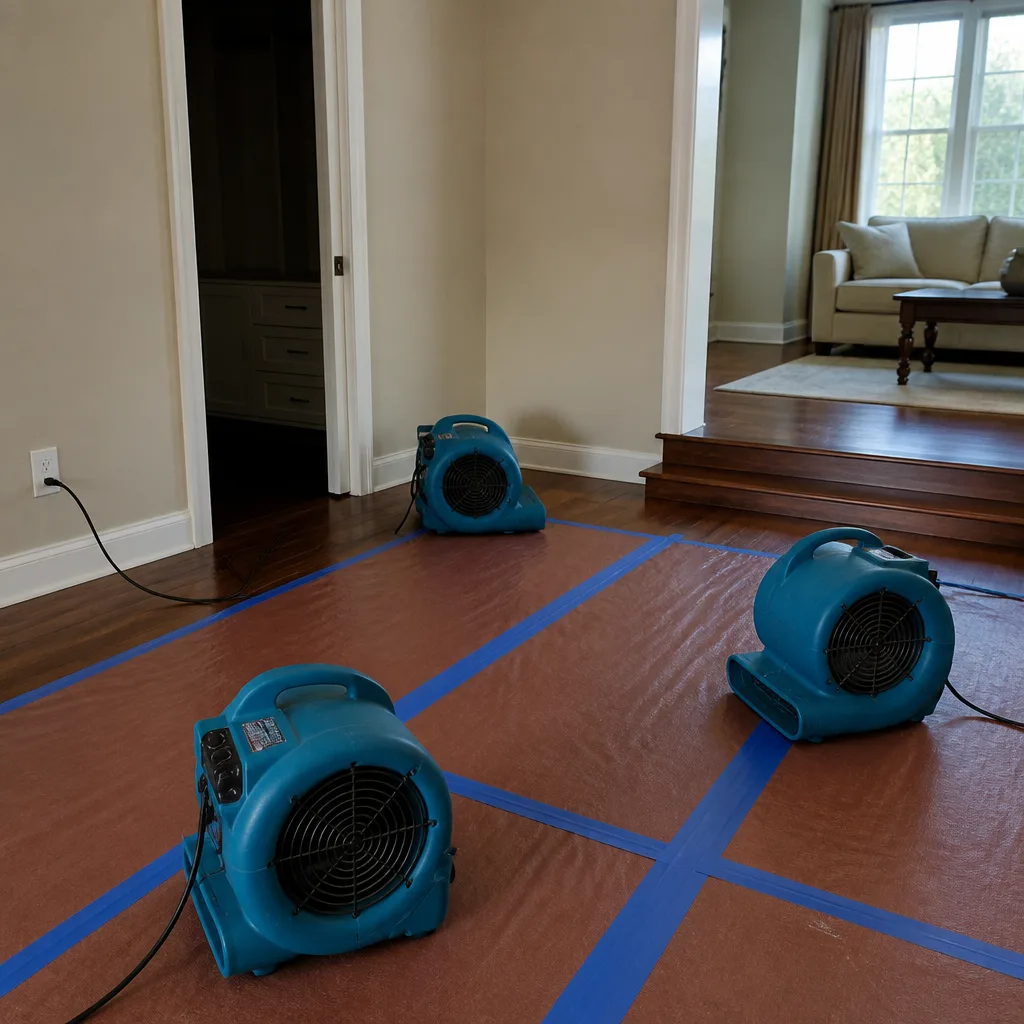

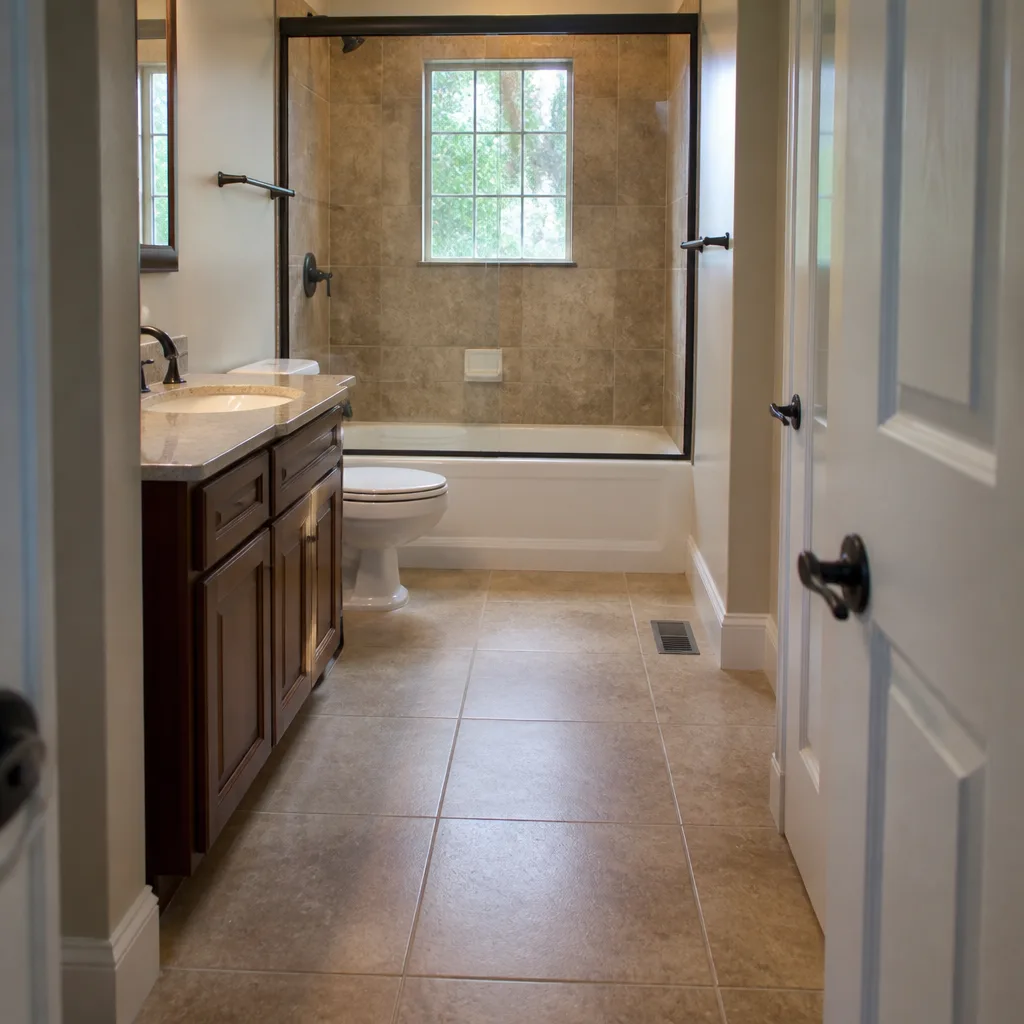
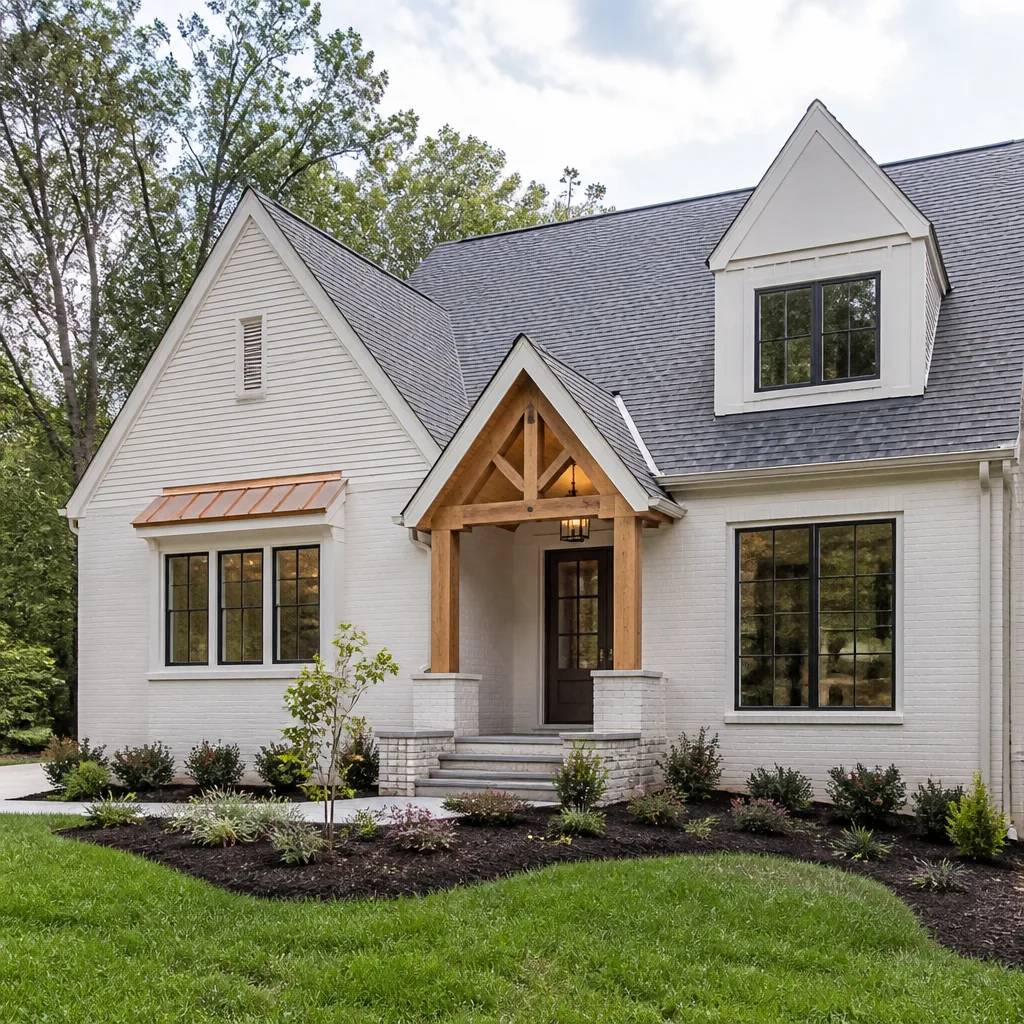
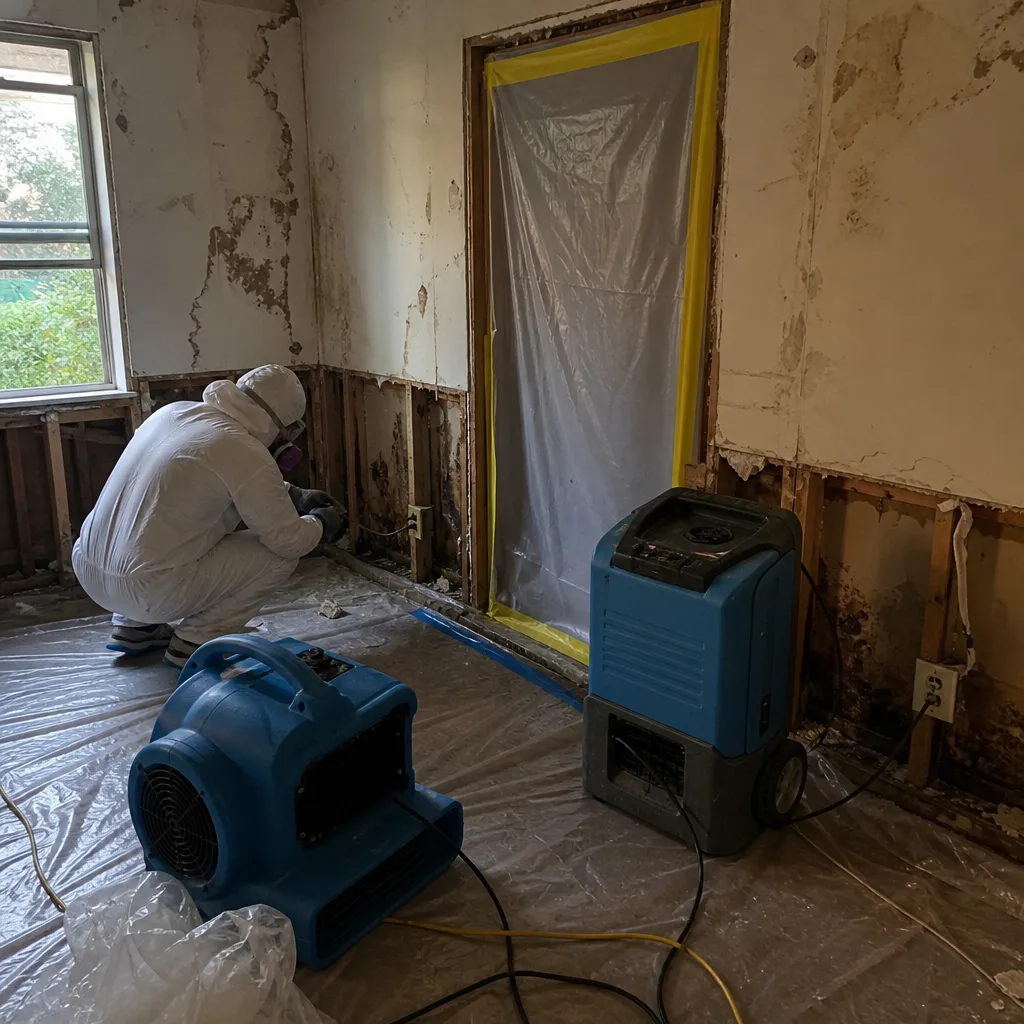 Before
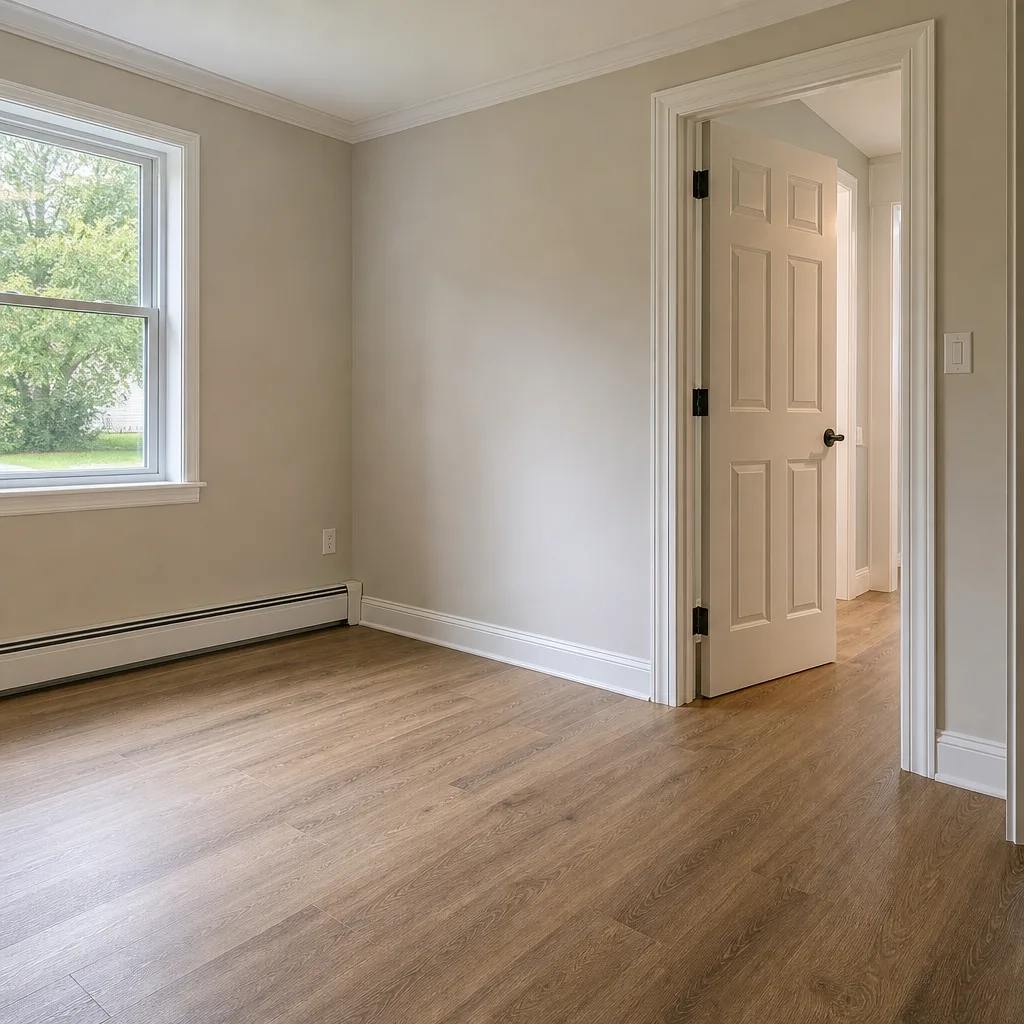 After
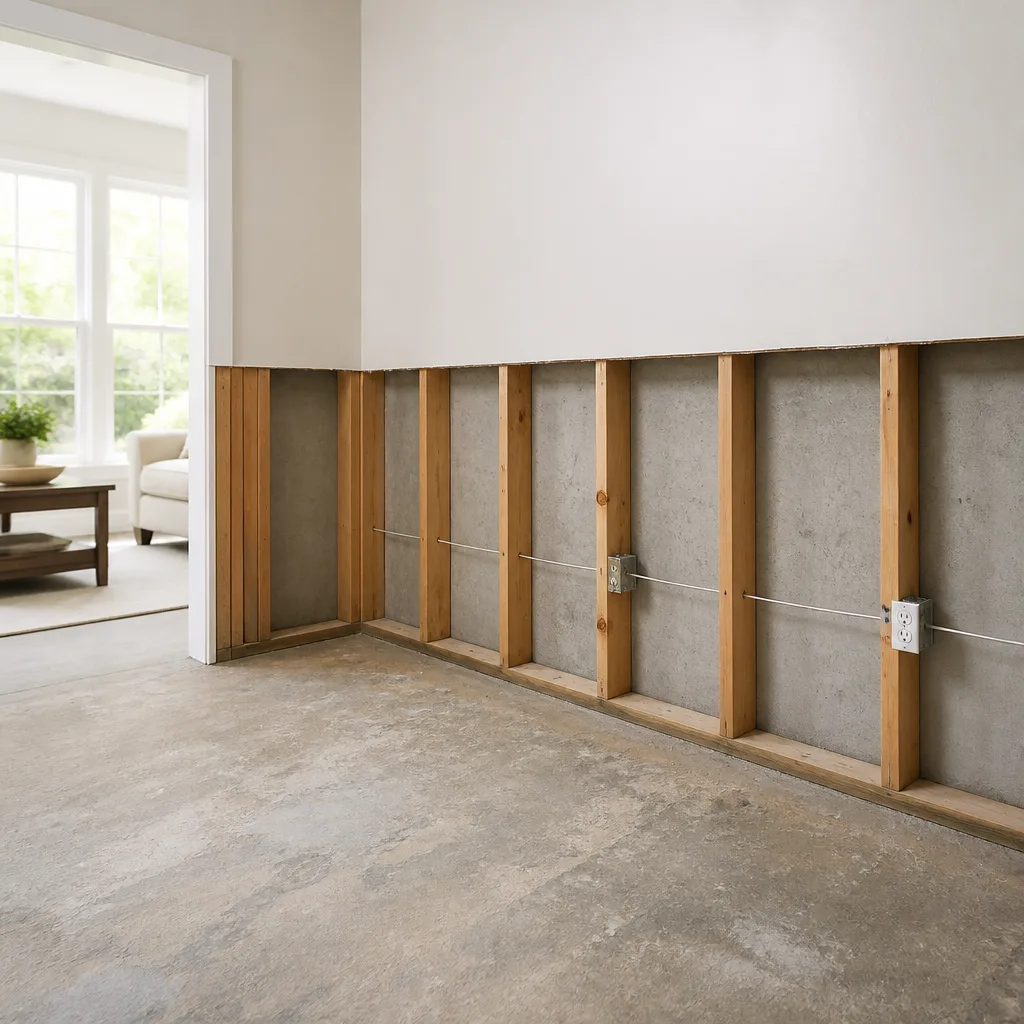
After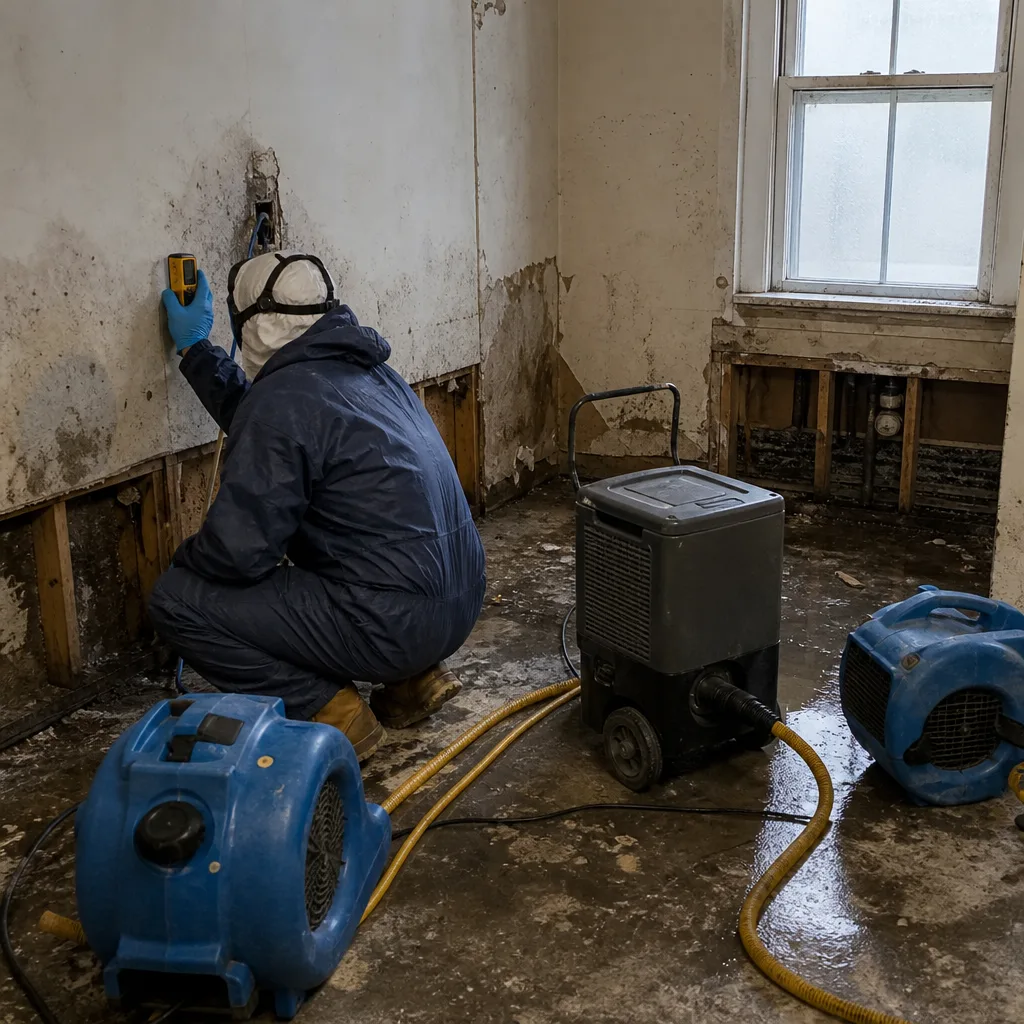 Before
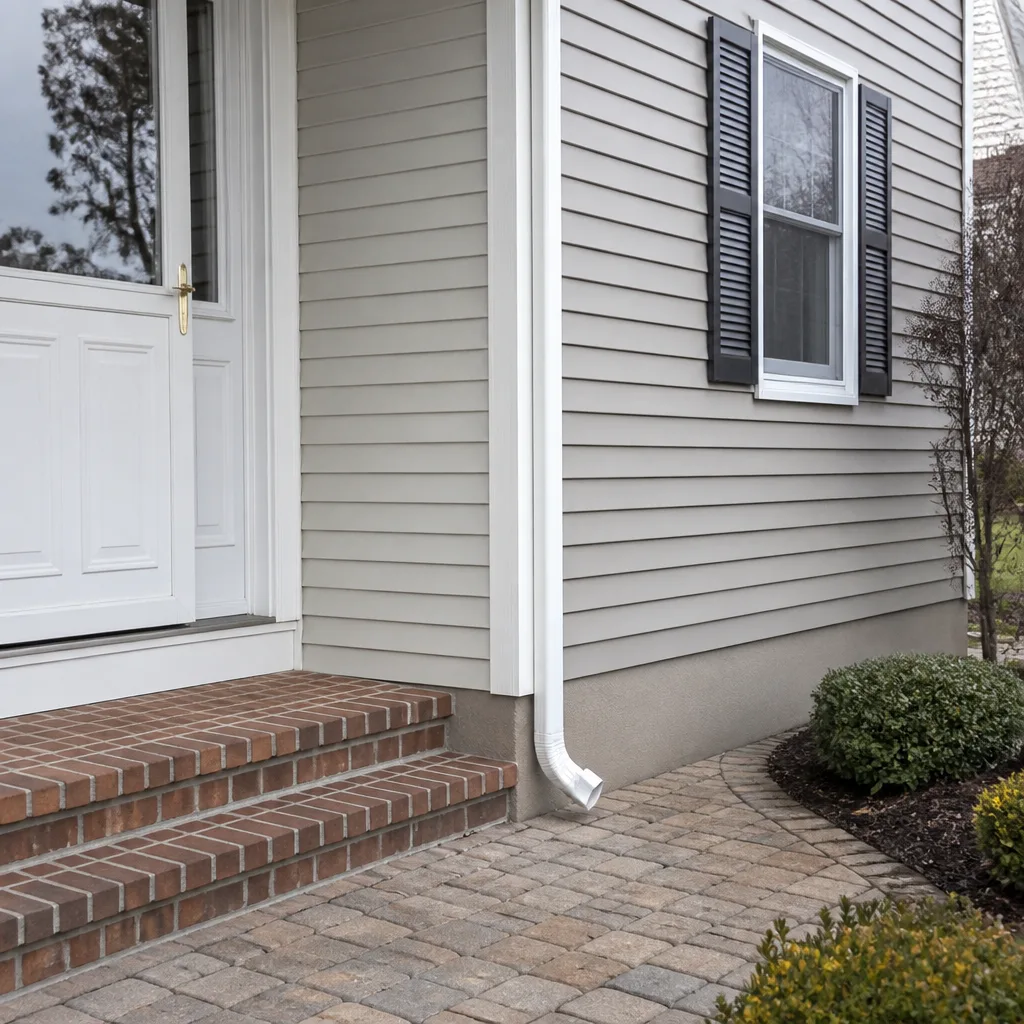 After
After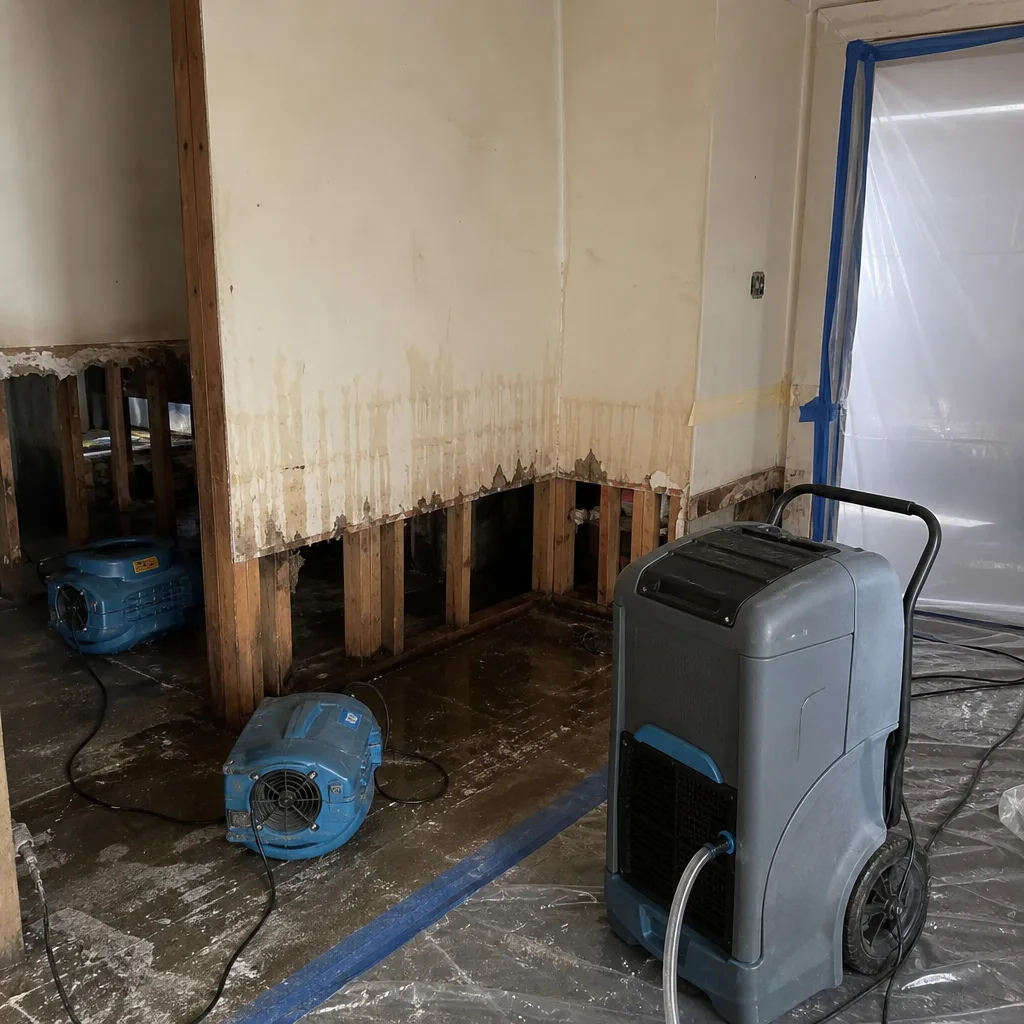 Before
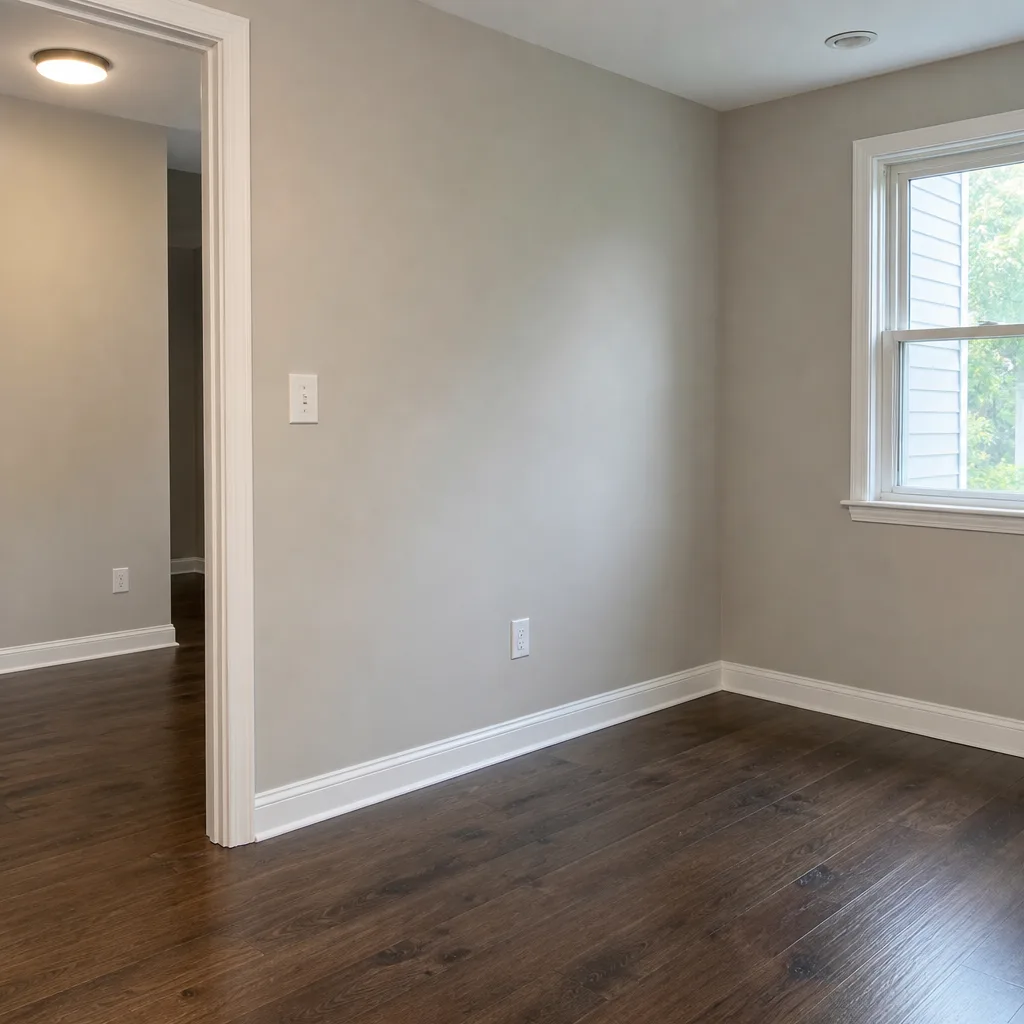 After
After24/7 Emergency Reconstruction & Cleanup in Sleepy Hollow
Reconstruction and cleanup after a flood, fire, or sewage loss in Sleepy Hollow starts with one call: (914) 809-9936. A live dispatcher answers at any hour, and a certified crew gets to your door fast, because the first hours after water or smoke damage determine how much of your home’s original plaster, flooring, and framing can be saved. Sleepy Hollow’s older homes don’t forgive delay, and neither do we. We show up, assess the full scope, and hand you a written plan before any work begins.
Understanding Reconstruction & Cleanup Severity in Sleepy Hollow Properties
Sleepy Hollow’s housing stock runs heavily to late-Victorian and early-20th-century builds: balloon-frame walls, original plaster on wood lath, and stone or brick foundations that hold moisture long after a modern framed house would be dry. That changes how severity gets classed. A Category 2 loss, gray water from a washing machine or a failed supply line, soaks into horsehair plaster and climbs wall cavities through the balloon chase. A Category 3 loss, brackish Hudson River backflow or sewage, carries salt, bacteria, and contaminants that demand containment, antimicrobial treatment, and a longer drying protocol. On our Reconstruction & Cleanup jobs we moisture-map the full wall cavity, not just the visible wet line. A tech who clears a first-floor leak without mapping the chase leaves hidden mold behind original plaster, and that mistake in a Sleepy Hollow Victorian means the preservation review panel gets dragged back in a second time.
Freeze-thaw cycling through Westchester winters adds another layer. Uninsulated stone foundations seep, cast-iron supply lines crack, and a single burst pipe can wick water up two stories through the wall cavities. We’ve seen a first-floor pipe break in a Queen Anne require drywall removal on the second floor because the water traveled the balloon framing behind the lath. The severity isn’t about how much water hit the floor. It’s about where that water went after it landed.
Why Sleepy Hollow Property Owners Choose Floodline Restoration Co.
- 45-minute response commitment. We dispatch from our New York City office and crews reach Sleepy Hollow neighborhoods fast. When you call, the clock starts.
- 24/7 live answer, never a recording. A real person picks up at two in the morning and starts a real dispatch. No menus, no voicemail.
- IICRC-certified crews. Our technicians hold WRT, FSRT, and AMRT certifications and train to RIA and IFA standards. The initials mean they know what they’re walking into.
- Free visual inspection. You get our eyes on the damage, a straight read on severity, and a written scope before you commit to anything.
- Direct insurance billing. We bill your carrier directly and keep the adjuster loop closed. You’re not the messenger.
- One team from extraction to rebuild. The same certified crew that runs the first moisture reading handles the drying, the rebuild, and the final walkthrough. No mid-job handoff.
Our Reconstruction & Cleanup Process
Inspection & Assessment
We map moisture in every affected cavity using thermal imaging and hygrometers, classify the water category, and check the preservation status of the property. On National Register-listed homes we note what exterior work may require village review before we write the scope.
Extraction & Stabilization
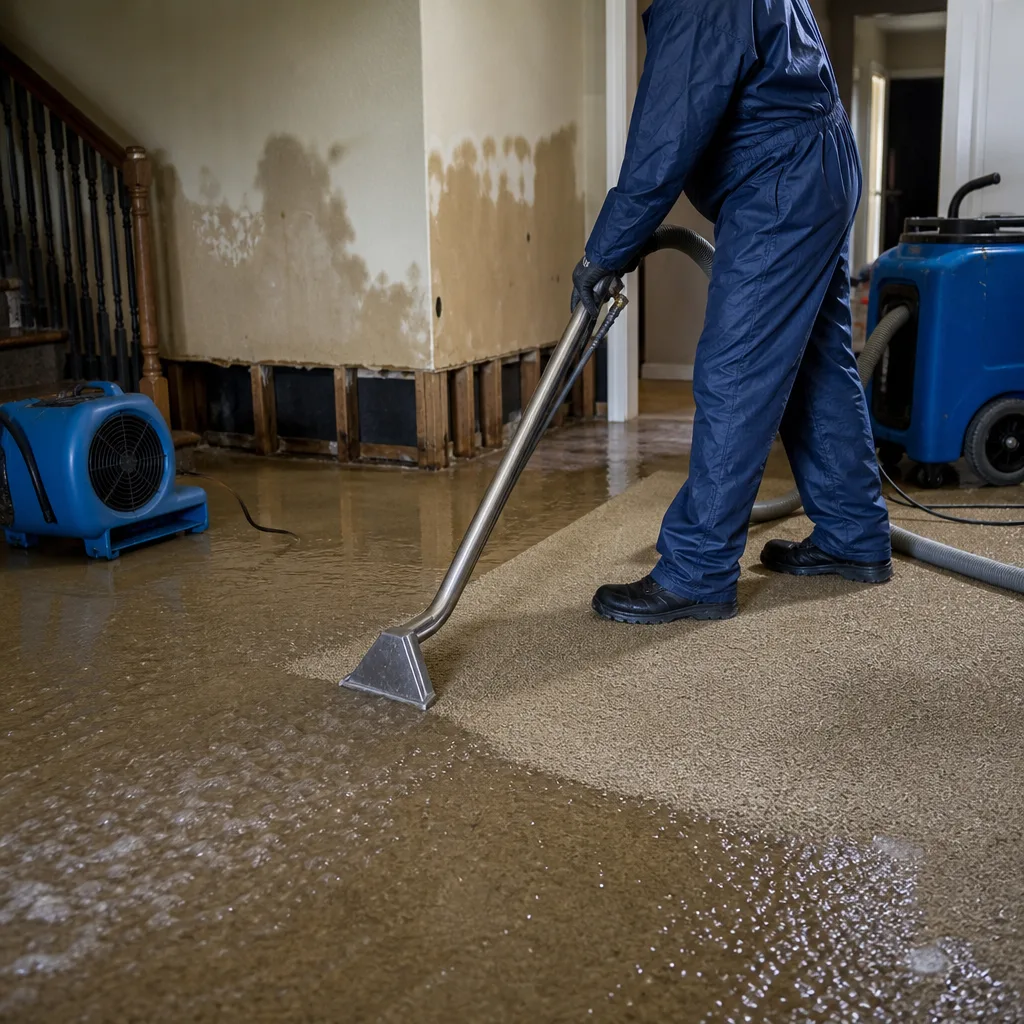
Standing water comes out with truck-mounted extraction equipment. We isolate contamination zones, separate freshwater from brackish tidal backflow, and stabilize damaged framing or flooring so the structure stays sound during drying.
Drying & Dehumidification
Professional-grade air movers, dehumidifiers, and Injectidry systems run continuously, with daily moisture readings logged against the dry standard. We keep the log and hand it to you and your adjuster.
Cleaning & Sanitization
Every affected surface gets cleaned with the right agent for the water class. Brackish tidal water and sewage get different antimicrobial treatment than freshwater runoff. HEPA air scrubbers run during any mold-impacted work.
Contents Restoration & Pack-Out
We inventory, pack, and restore salvageable contents, photographing everything before it moves. Historic trim, original doors, and period hardware get documented and handled with the care the village’s character demands.
Repairs & Restoration
Drywall, flooring, trim, and finishes go back to pre-loss condition. If preservation review applies, we sequence the work so the rebuild doesn’t outrun the permit. The same crew that started the drying is there for the final coat.
Need Emergency Reconstruction & Cleanup in Sleepy Hollow Now?
Crews minutes away, answering live 24 hours a day. The sooner we start, the less it costs.
Working With Your Insurance Company
Insurance claims after a Sleepy Hollow flood or fire live or die on documentation. We document from the first hour: photos of every affected room before anything moves, moisture readings taken daily until the dry standard is met, a line-item scope of work, and direct communication with your adjuster. You should never have to translate between a restoration crew and a carrier. The homeowner holds one conversation, with us, and the carrier gets the full file delivered in industry-standard format. Curt Bowman built Floodline Restoration Co. around this: a square deal, no surprises on the bill, and the carrier billed directly so you aren’t fronting money while paperwork crawls. For homes in Sleepy Hollow’s historic core, we also document preservation-related repair scope so the claim reflects what the village actually requires.
What We Provide Your Insurer
- Thorough documentation of the loss
- Photos of all damage, room by room
- Moisture readings and drying logs
- A detailed, line-item scope of work
- Direct coordination with your carrier
Built for Sleepy Hollow’s Loss Calendar
Sleepy Hollow’s loss calendar follows the Hudson Valley’s weather, and it repeats. January deep freezes crack cast-iron supply lines in uninsulated Victorian basements, and a single burst pipe wicks up balloon-frame wall chases into original plaster. Spring thaw saturates the ground around stone foundations, and seepage finds every old mortar joint. Summer thunderstorms flash through the Pocantico River valley, overwhelming the village’s storm drains and sending runoff into lower-lying streets. Fall nor’easters are the ones we brace for most: Hudson River tidal backflow and Pocantico overflow can hit the same basement in the same night, two different water sources with two different contamination profiles. We know the pattern because we’ve worked this village long enough to see it repeat. The calendar doesn’t change. The preparation does.
Reconstruction & Cleanup Across Sleepy Hollow’s Neighborhoods
Response from our New York City office routes through Sleepy Hollow in minutes, and the neighborhoods each have their own rhythm. The historic residential core around Beekman Avenue and the streets east of Route 9 holds the village’s densest concentration of Queen Annes and Colonial Revivals, where balloon framing and original plaster mean every Category 2 loss demands full-cavity moisture mapping. Down in the lower village near the Pocantico’s mouth, riverside basements face tidal backflow through aging check valves, and brackish water changes the drying protocol entirely. The streets above the Pine Woods, where runoff from the slopes pushes into older foundations, get a different pattern: repeated freshwater seepage that homeowners often dismiss until the mold is already behind the lath. The Edge-on-Hudson development along the old GM assembly plant waterfront is newer construction with modern drainage, and it handles water differently than the village’s original homes. The zip code matters less than the building itself, but the building stock tells you what you’re walking into.
Specialized Reconstruction & Cleanup Services We Offer in Sleepy Hollow
Full-Service Reconstruction
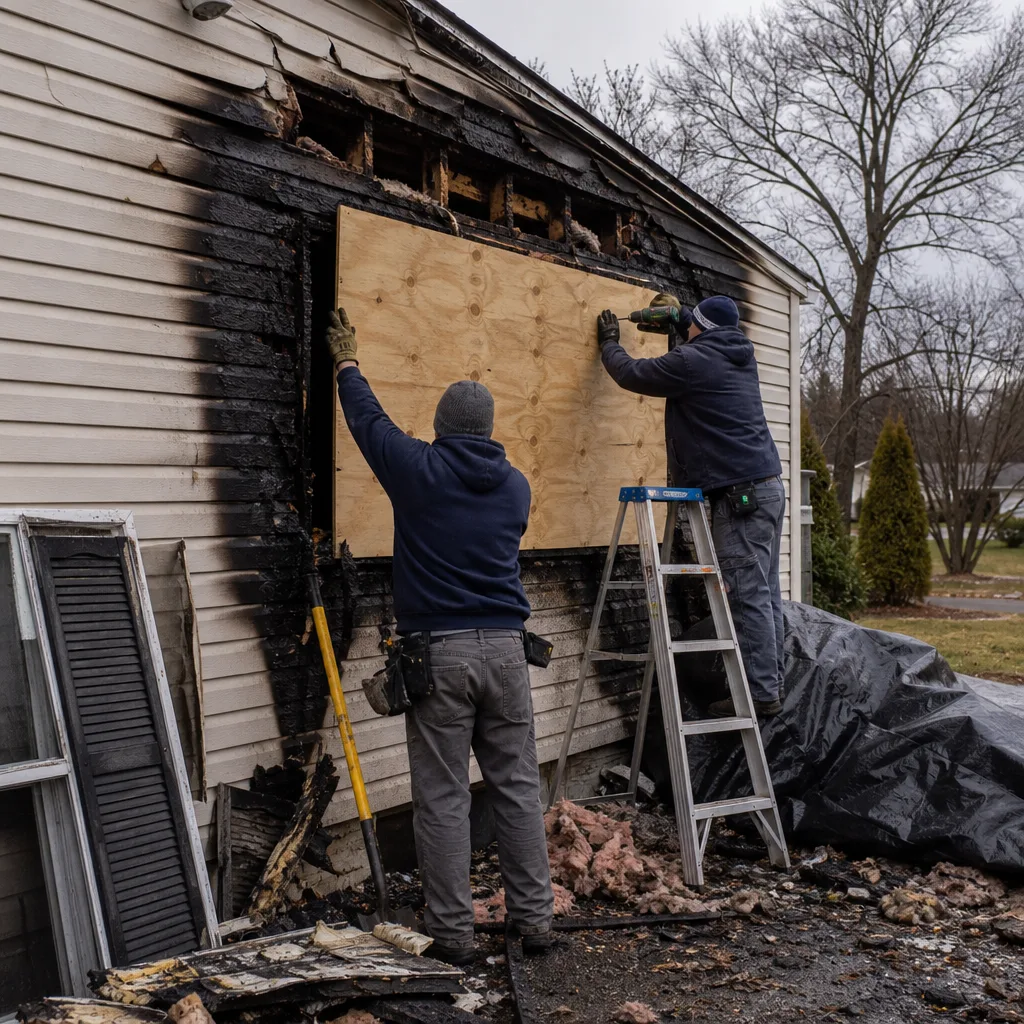
When the drying is done, the rebuild starts, and in Sleepy Hollow that rebuild carries a preservation layer most villages don’t. National Register-listed exteriors, original trim, and period materials mean reconstruction work can trigger village review, and we sequence the job so the rebuild doesn’t stall behind a permit. Drywall, plaster repair, flooring, and structural work all come from the same crew that ran the mitigation, so the moisture log and the rebuild stay in one set of hands.
Drywall & Flooring Repair
Plaster-on-lath walls in Sleepy Hollow’s older homes can’t be swapped out for modern drywall without changing the character, and they don’t dry like drywall either. We match repair methods to the wall system: traditional lime plaster where the house calls for it, modern drywall where the home has already been updated. Original hardwood floors get documented, dried, and refinished rather than ripped out whenever salvage is possible.
Contents Restoration & Pack-Out
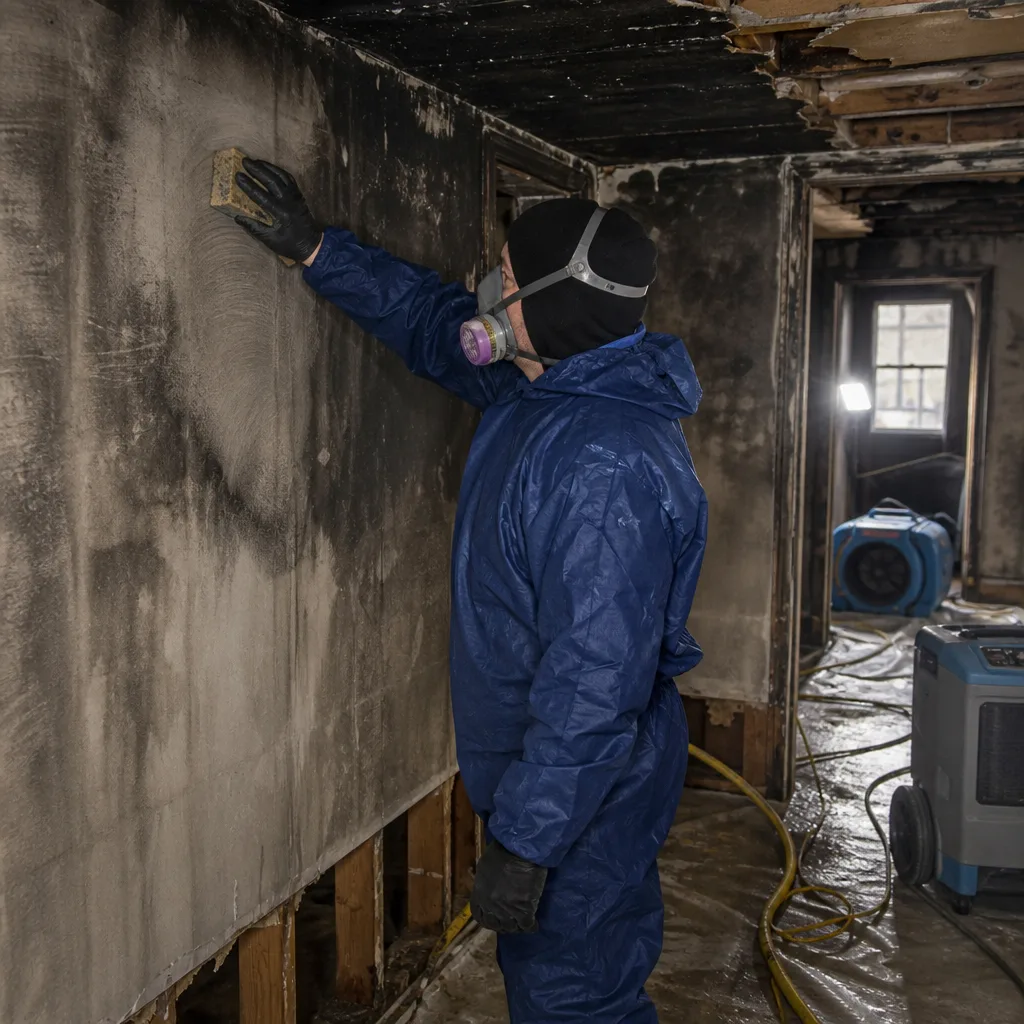
Contents pack-out here requires someone who respects old things. Original doors, period hardware, and heirloom furniture from a Victorian on Beekman Avenue need more than a moving crew; they need inventory photos, careful handling, and restoration that preserves the finish. We pack, restore, and return contents with a full documentation trail your adjuster can use.
Carpet & Upholstery Cleaning
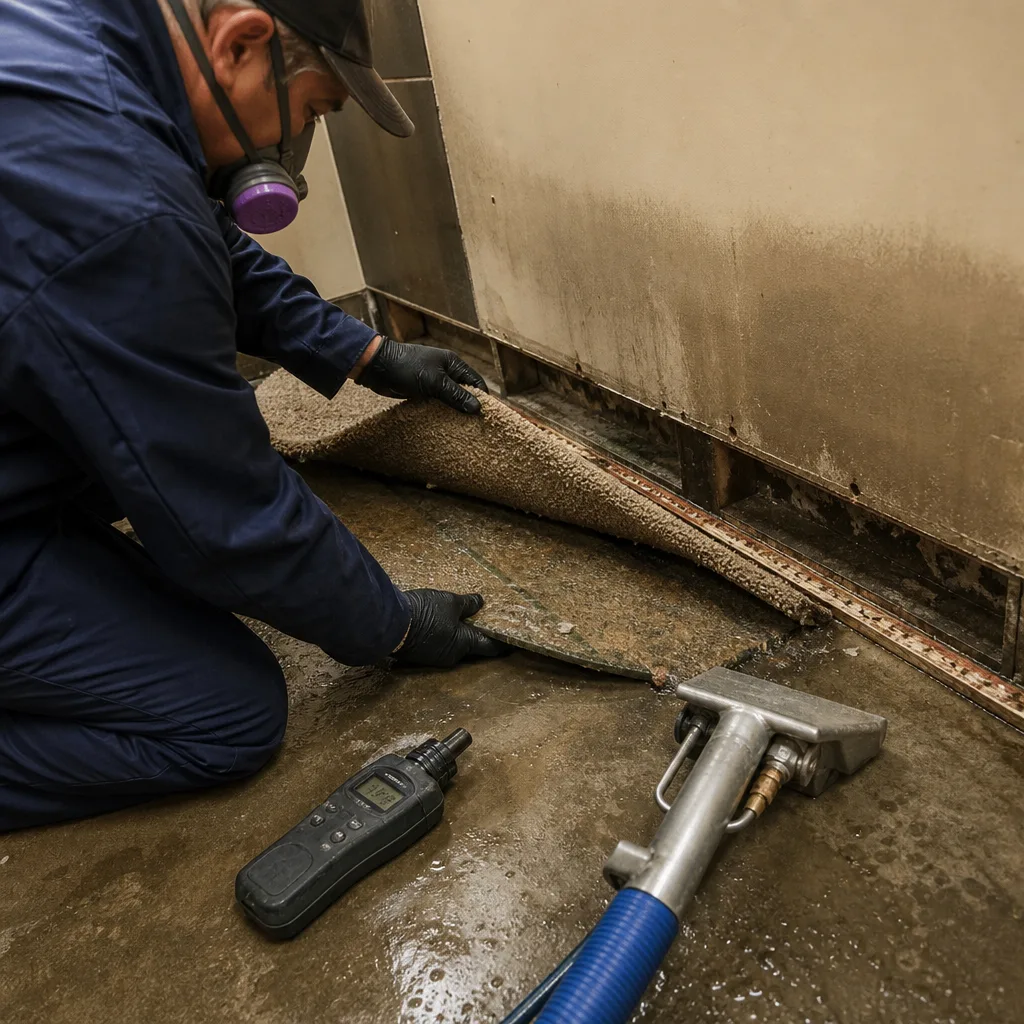
After a Category 1 or 2 water loss, carpet and upholstery can often be saved with professional-grade extraction and antimicrobial cleaning rather than disposal. We run high-heat extraction and drying equipment, log the results, and tell you straight when an item is salvageable and when it isn’t. No padding decisions without a moisture reading.
Post-Construction Cleanup
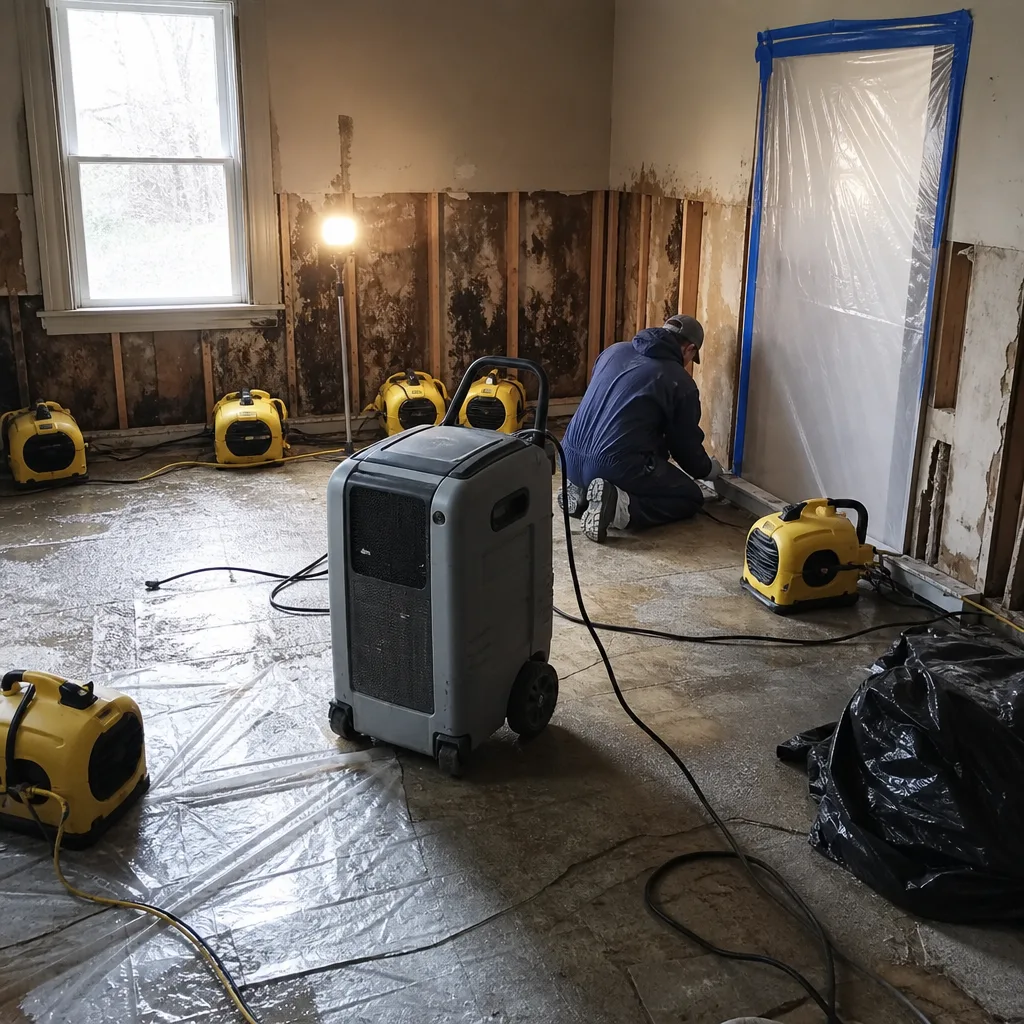
After the rebuild in a Sleepy Hollow older home, fine plaster dust settles into every original surface. We handle post-construction cleaning with HEPA filtration and careful attention to period finishes, leaving the house ready to live in rather than ready to dust for a month.
What happens when you call
- 1
A real person answersNo phone trees - you reach a local pro.
- 2
You get an upfront price rangeHonest numbers before anyone is dispatched.
- 3
A background-checked tech heads outLicensed & insured, dispatched right away.
- 4
You approve before work beginsNothing starts until you say go.
Reconstruction & Cleanup Costs in Sleepy Hollow, NY
Honest numbers for Sleepy Hollow’s market. A standard Category 1 water cleanup with structural drying in a finished basement typically runs $2,500-$5,500. Category 2 losses involving plaster wall cavities and full drying of original lath run $5,000-$12,000, depending on how far the water traveled. Category 3 brackish or sewage losses with containment, antimicrobial treatment, and rebuild of affected wall sections run $12,000-$30,000 and up, especially when preservation review extends the scope on a historic home. Drywall and flooring repair after drying runs $1,800-$7,000 depending on material matching. Contents restoration and pack-out for a typical Sleepy Hollow Victorian starts around $2,000-$8,000. Post-construction cleanup runs $800-$2,500 for a post-rebuild deep clean. The free visual inspection is the only way to get a firm number, because the water’s path, not the standing puddle, sets the price. Call (914) 809-9936 and we’ll put eyes on it, write a scope, and agree on the number before work starts.
We Also Serve Cities Near Sleepy Hollow
Our crews cover Sleepy Hollow and the surrounding Westchester communities, including Reconstruction & Cleanup in Sleepy Hollow, Bardonia, Ossining, Croton-on-Hudson, and New City. The same certified team, the same written guarantee, and the same live person on the phone at any hour.
Serving Sleepy Hollow, NY - Our Local Coverage Area
We’re based in the Sleepy Hollow area and know this community well. Use the map below to see our service coverage - if you’re nearby, we can almost certainly help.
Sleepy Hollow Reconstruction & Cleanup Questions, Answered
How does Sleepy Hollow’s historic district review change the order of reconstruction and cleanup after a flood?
Historic district review doesn’t stop mitigation, but it does change the rebuild sequence. We extract, dry, and stabilize first, then work through the village review requirements for any exterior or structural work on National Register-listed properties before ordering materials or scheduling that phase. Starting reconstruction in the wrong order means redoing work after the village halts the permit.
Why did the crew separate water into two containment zones in my Sleepy Hollow basement?
Because there were two different water sources: brackish Hudson River tidal backflow and freshwater Pocantico River runoff. They carry different contaminant profiles and need different antimicrobial treatments and separate drying zones. Mixing them in one containment area spreads salt and contaminants where the freshwater alone wouldn’t have placed them.
How long does a plaster-on-lath wall actually take to dry after a Category 2 loss in a Sleepy Hollow Victorian?
Typically five to ten days with professional-grade air movers and dehumidifiers running continuously, sometimes longer in balloon-frame cavities where moisture traveled upward. Daily moisture readings against the dry standard tell us when it’s actually dry; we never guess by touch. The plaster’s thickness and the lath’s absorbency set the pace.
Can contents restoration and pack-out be done without triggering a historic-preservation review?
Yes. Moving contents, cleaning, and restoring furniture and fixtures inside the home doesn’t trigger exterior preservation review. The review applies to structural and exterior work on listed properties. We document everything before it moves so the contents claim stays clean regardless of what the rebuild scope requires.
Does Sleepy Hollow’s flood zone affect what category of water we should assume in a first-floor cleanup?
Yes, and it’s the most important local question. If the water came from Hudson River tidal backflow or sewage, assume Category 3: brackish, contaminated, and requiring separate containment and antimicrobial treatment. If it came from Pocantico runoff or a burst pipe, it’s likely Category 2 or Category 1. We classify based on source and testing, not by looking at the puddle.
How fast can someone actually get here?
We commit to a 45-minute response for Sleepy Hollow properties. A live dispatcher answers day or night, and the crew is on the road immediately. The first hour matters because mold starts its 24-48 hour clock when the water lands.
Will insurance cover this?
Most homeowner policies cover sudden and accidental water damage, fire, and sewage backup, though each policy differs. We document the loss from the first hour and bill your carrier directly, so you’re not fronting the full cost while the claim processes. Your adjuster gets the complete file, and you get a straight answer at the free inspection.
What should I do in the first 30 minutes?
Call (914) 809-9936. Then shut off the water source if you can do so safely, and don’t walk through standing water you haven’t classified. Don’t run fans from the hardware store. Don’t open walls. The first 30 minutes decide what’s salvageable, and we’d rather start from the scene as it is than from a homeowner’s well-meaning work.
If you’re facing reconstruction and cleanup in Sleepy Hollow, call (914) 809-9936 now. A live person answers, a certified crew is on the way, and you get a written scope before any work begins. Floodline Restoration Co. has been doing this work in Westchester and the Hudson Valley for over 42 years, and we’re the ones the waterline points to when the job has to be done right.
Written by Curt Bowman, Owner at Floodline Restoration Co., serving Sleepy Hollow and the Hudson Valley with full-cycle reconstruction and cleanup.