
Free visual inspection and a written scope of work before any mitigation begins - photos, moisture readings, and drying logs go in your claim file
The scope we write is the scope we bill. Anything new gets shown to you, in writing, before we touch it.



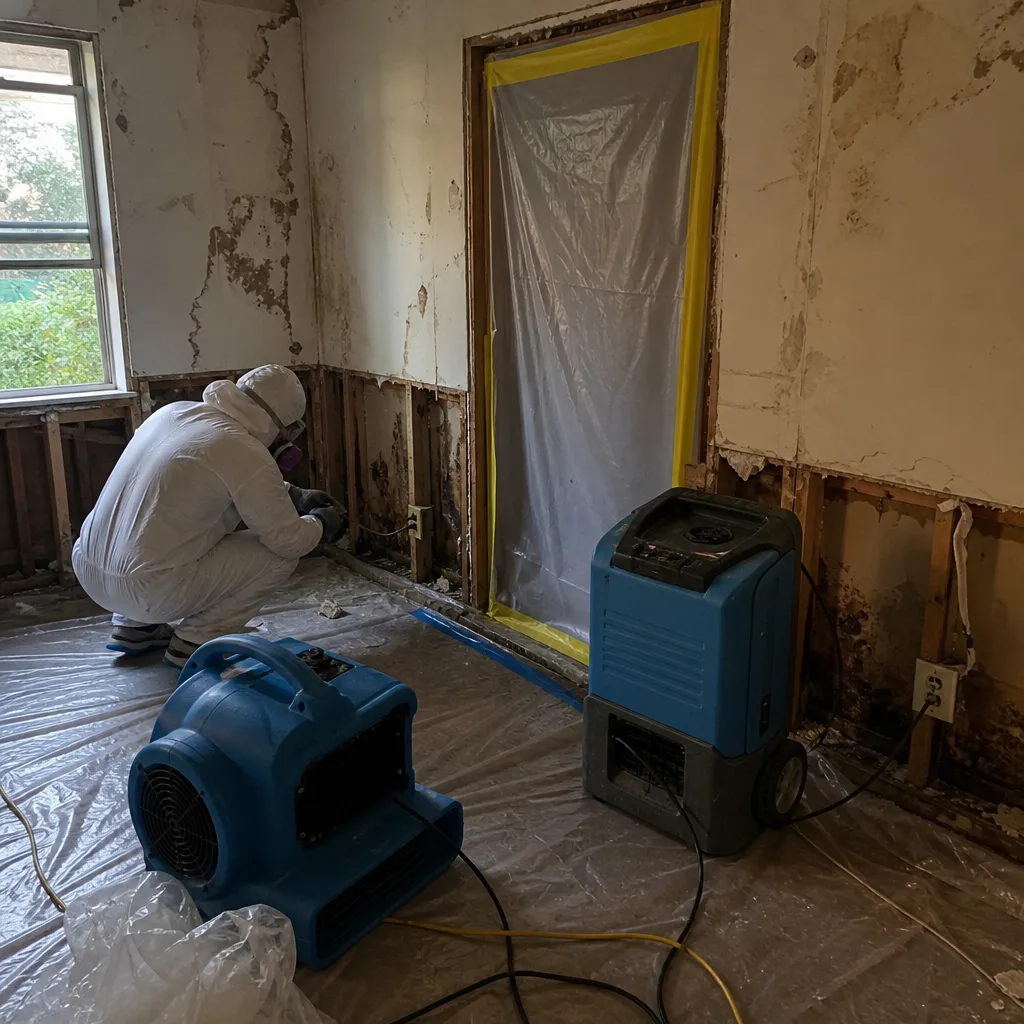 Before
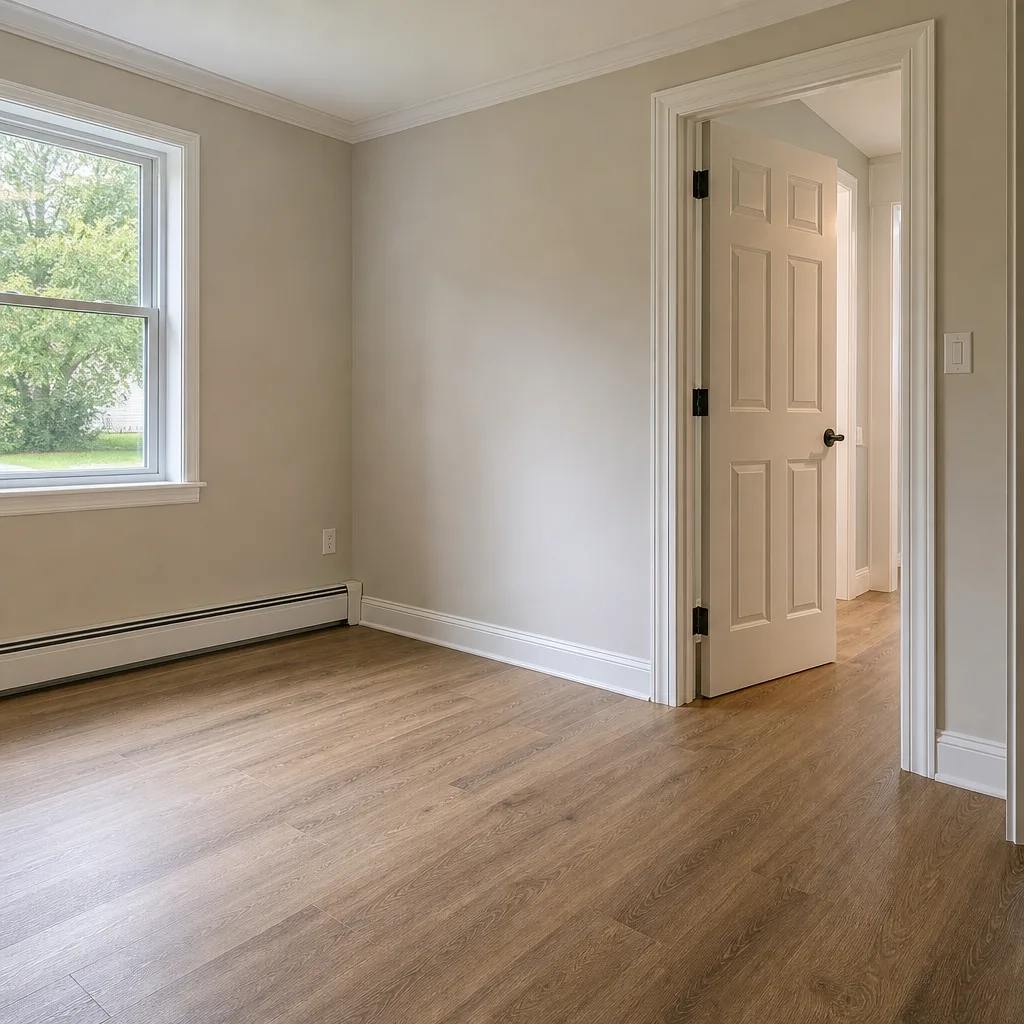 After
After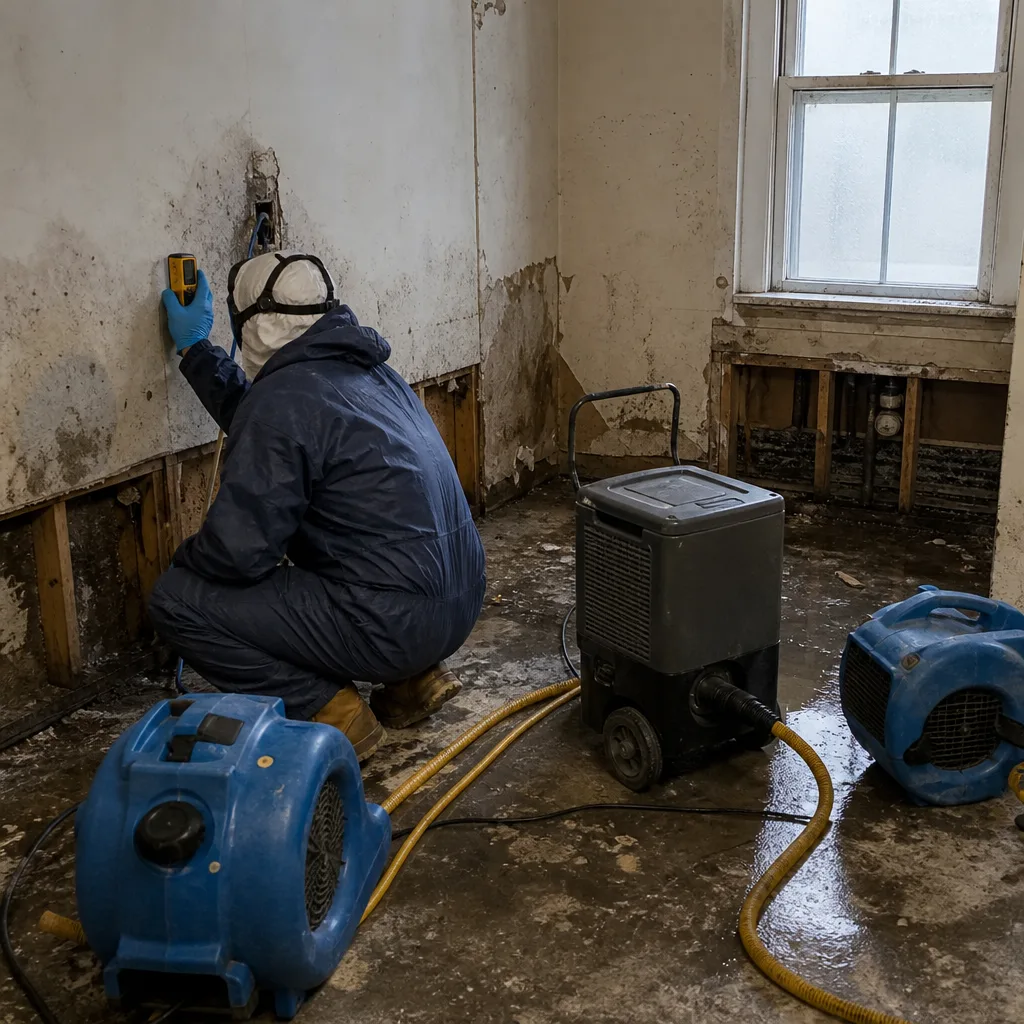 Before
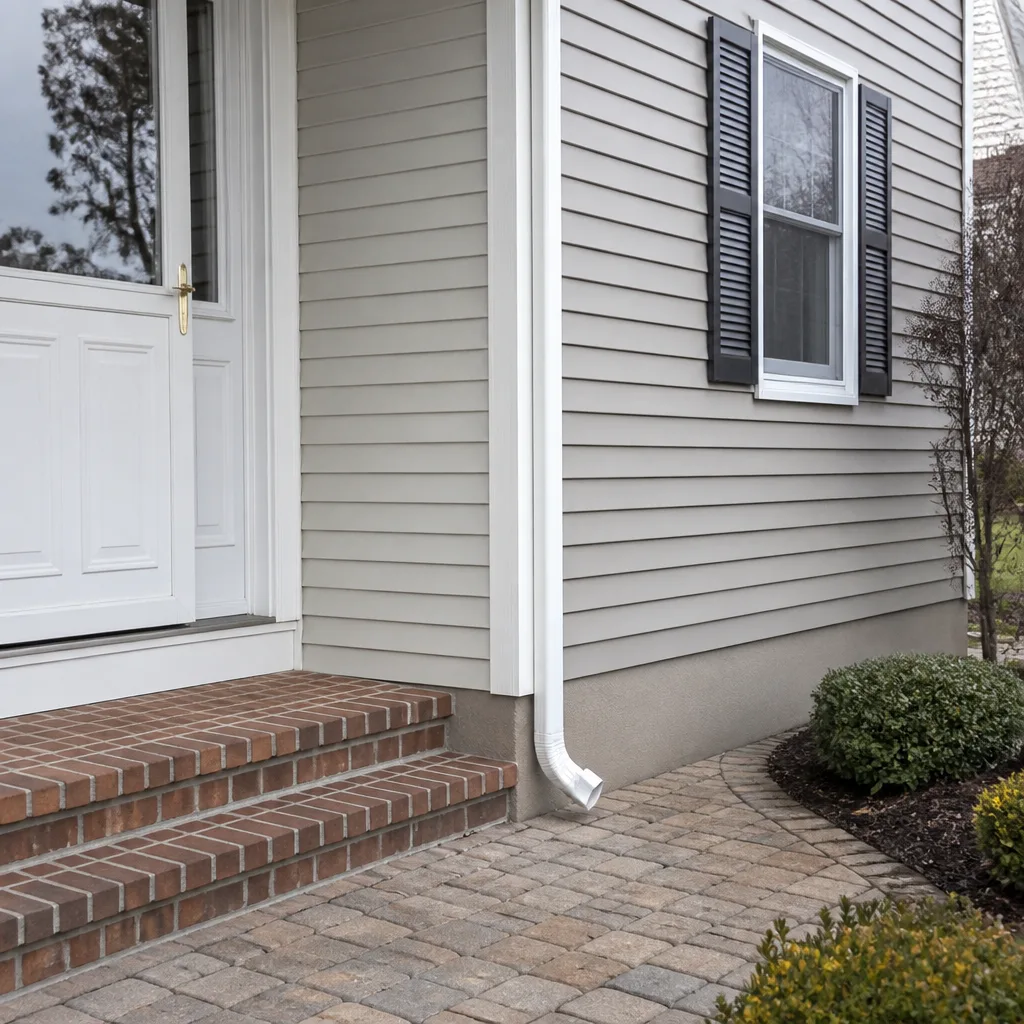 After
After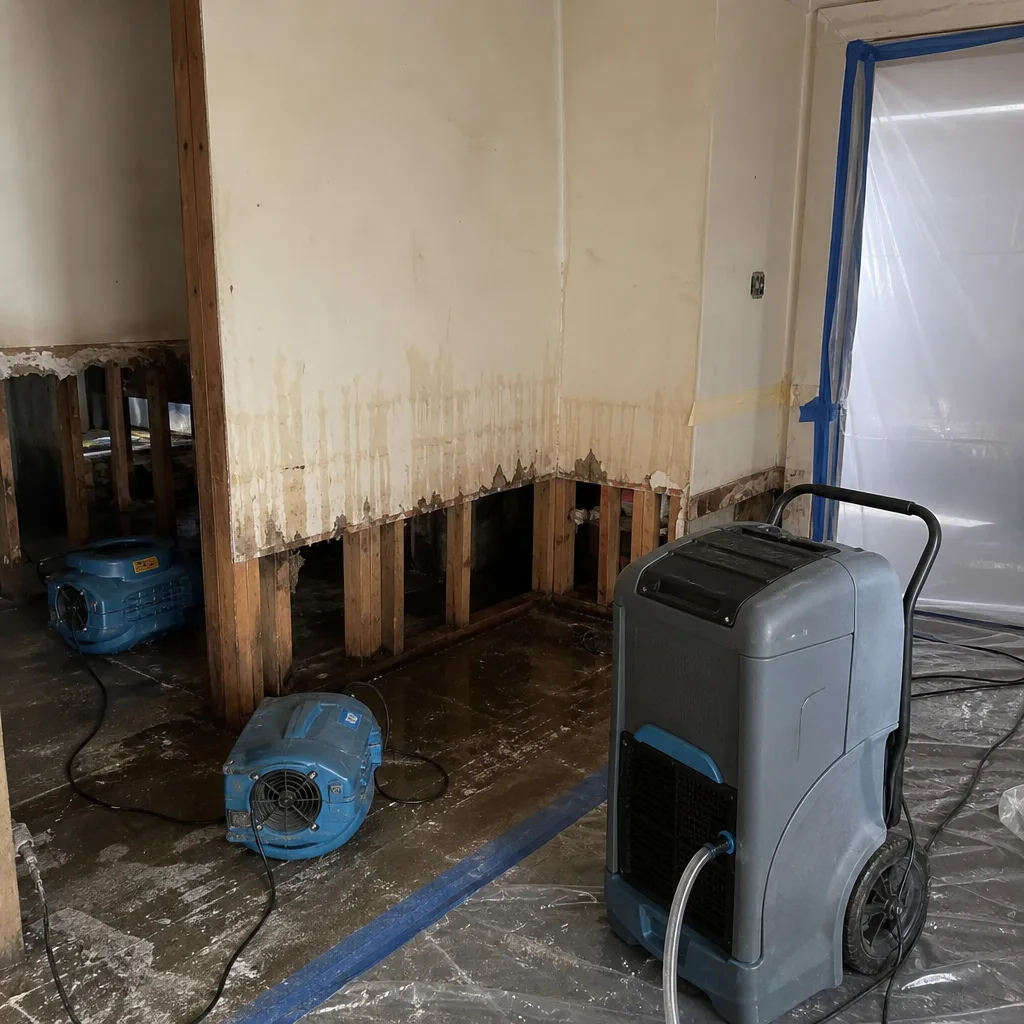 Before
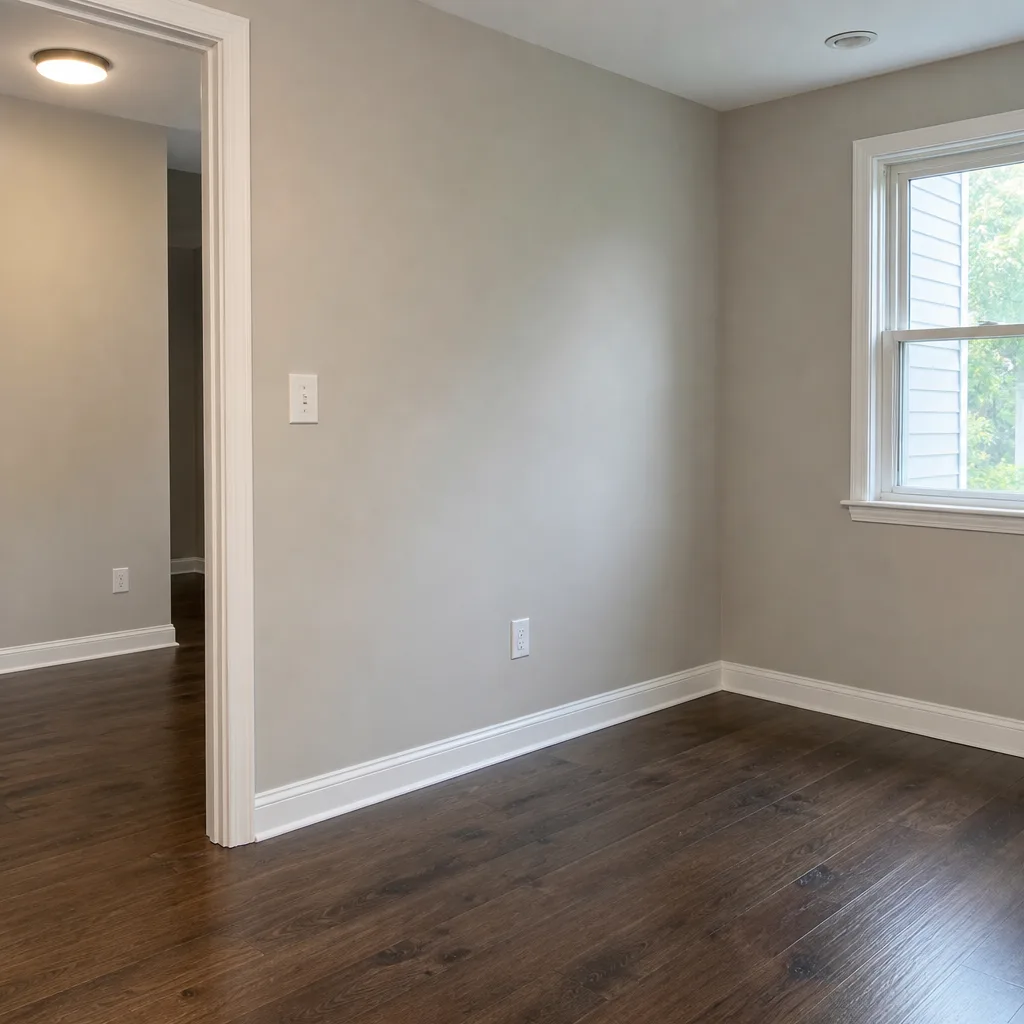 After
After24/7 Emergency Storm & Disaster Restoration in Ossining
When a storm tears through Ossining, the damage doesn’t wait for business hours and neither do we. Storm damage in this village moves fast: water finds the below-grade foundation walls within minutes, wind-driven rain works into old plaster and lathe, and every hour of delay adds cost to the eventual repair. Call (914) 809-9936 and you’ll reach a live dispatcher, not a recording, no matter the hour. We dispatch certified crews into Ossining’s neighborhoods immediately, and a free visual inspection tells you exactly what you’re facing before any work begins. The first hour after a storm is when extraction, tarping, and board-up can still prevent the damage from spreading into your walls and framing. After that, the problem compounds.
Understanding Storm & Disaster Restoration Severity in Ossining Properties
Storm water is not all the same. Restoration crews classify it in three categories: Category 1 is clean water from a supply line or rainwater before it touches building materials. Category 2 carries significant contamination. Category 3 water, the kind that backed up from the Hudson or rose through floor drains during Ida, contains sewage, pathogens, and chemical runoff. That distinction changes everything about how we dry, clean, and rebuild your home. Ossining’s housing stock makes this classification work harder than it does in newer subdivisions. Late-Victorian homes with horsehair plaster and rubble-stone foundations hold moisture in cavities that modern gypsum and poured concrete shed quickly. When we moisture-map a mid-slope home on Snowden Avenue or Revolutionary Road, we’re reading wall-cavity saturation levels that flat-site homes on filled lots simply don’t have. Thermal imaging shows us where water has wicked up through plaster keys. Hygrometers placed in wall cavities, not just rooms, tell us when the structure has actually reached dry standard. That’s not optional here. It’s the difference between a dry home and a mold reservoir.
Why Ossining Property Owners Choose Floodline Restoration Co.
- 45-minute response commitment: When you call with storm damage in Ossining, our crews are dispatched immediately and typically reach village addresses within 45 minutes. Extraction equipment rolls the same visit.
- 24/7 live answer, every time: A real person picks up at two in the morning. Not a recording. Not a callback service. A dispatcher who knows restoration and can send a crew now.
- IICRC-certified crews: Our technicians hold WRT, FSRT, and AMRT certifications. They know what a three-sided below-grade foundation does to a drying plan, and they adjust accordingly.
- Free visual inspection: Before any invoice exists, we walk the damage with you and tell you what we found, what it means, and what the scope of work looks like.
- Direct insurance billing: We handle the adjuster communication, send the documentation, and bill the carrier directly. You don’t play messenger.
- One team from extraction to reconstruction: The same certified crew that runs extraction on day one handles daily moisture readings, rebuilds the framing, and hands you the finished room. No mid-job handoff to a different company.
Our Storm & Disaster Restoration Process
Inspection & Assessment
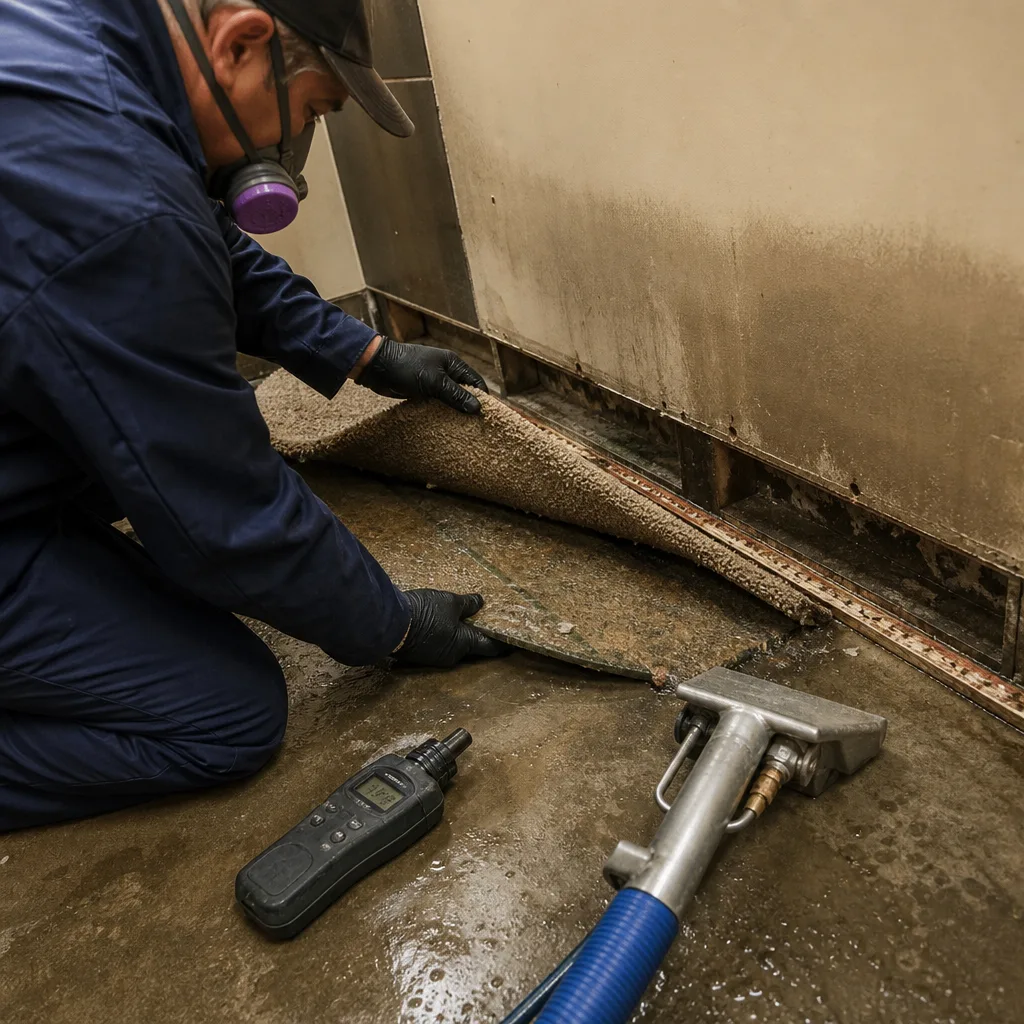
We arrive, walk the property, and document everything. Thermal imaging maps moisture behind walls and under floors. We classify the water, mark the waterline, and photograph every affected area before we move a single piece of equipment.
Extraction & Stabilization
Standing water comes out first with truck-mounted extraction units and XPOWER submersible pumps. For storm damage, stabilization also means emergency board-up on broken windows and roof tarping to stop active water intrusion.
Drying & Dehumidification
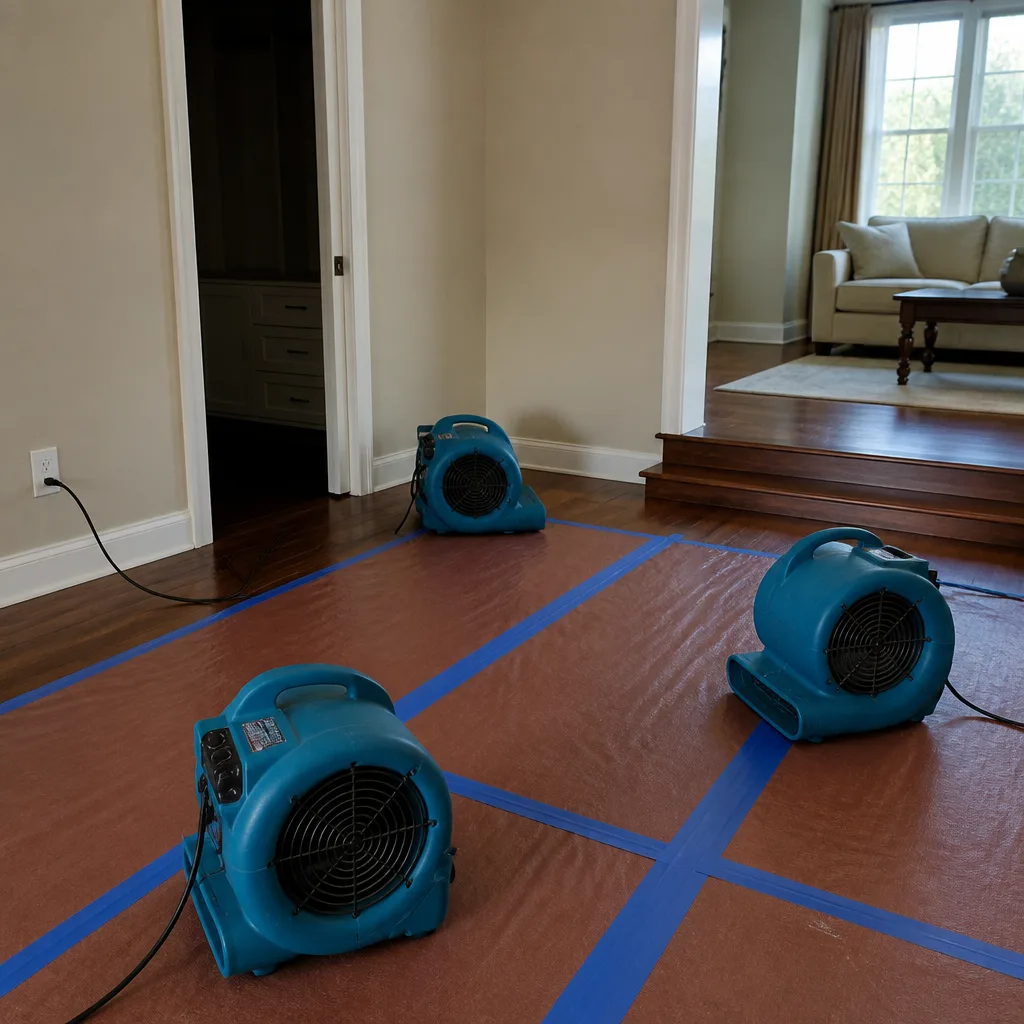
We size dehumidifiers to the wall-cavity moisture load, not just the room volume. On Ossining’s hillside homes that typically means more LGR dehumidifiers and air movers than a flat-site job of equivalent square footage. Daily readings are logged and shared with your insurer.
Cleaning & Sanitization
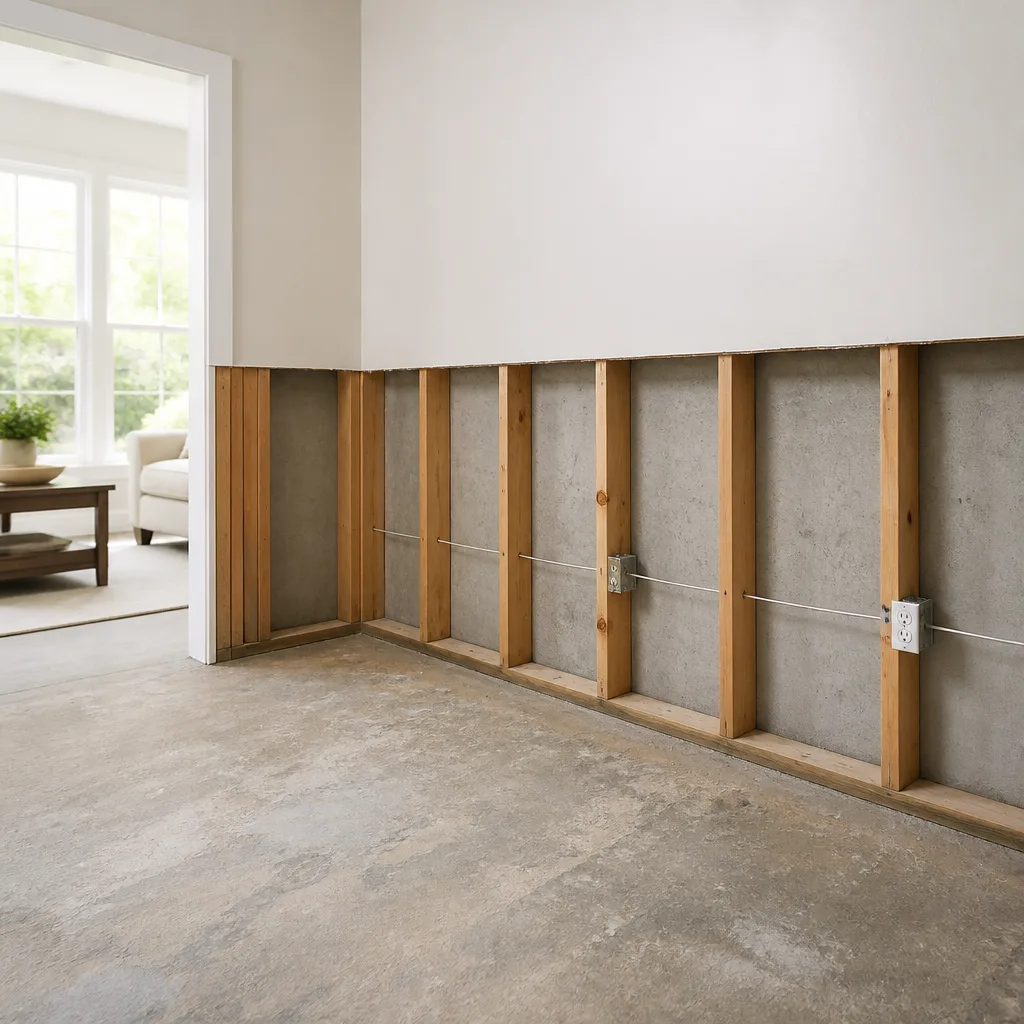
Category 2 and 3 water events require antimicrobial treatment and, in many cases, removal of saturated plaster and insulation. We follow IICRC standards for every cleaning stage, and we treat stone and plaster surfaces specifically for Ossining’s older building stock.
Storm-Specific Specialty Treatment
Debris removal, structural reinforcement, and drainage assessment are part of the storm restoration scope here. We evaluate downspouts, grading, and hillside runoff paths so your repair doesn’t become a repeat event.
Repairs & Restoration
The same crew that ran extraction rebuilds what needs rebuilding. Framing, drywall, flooring, trim. The moisture log proves the structure is dry before we close a wall. The 90-Day Done Right Promise covers the work in writing.
Need Emergency Storm & Disaster Restoration in Ossining Now?
Crews minutes away, answering live 24 hours a day. The sooner we start, the less it costs.
Working With Your Insurance Company
Storm damage claims in Ossining move faster when the documentation is solid from the first hour. We photograph every room before and during mitigation. We log moisture readings daily. We provide a line-item scope of work that your adjuster can verify against IICRC standards. And we talk to your carrier directly, so you’re not relaying questions between a claims department and a restoration crew. Most storm restoration work in Ossining is covered under standard homeowners policies, though flood damage from the Hudson typically requires a separate flood policy. We’ll help you figure that out on the first call.
What We Provide Your Insurer
- Thorough documentation of the loss
- Photos of all damage, room by room
- Moisture readings and drying logs
- A detailed, line-item scope of work
- Direct coordination with your carrier
Built for Ossining’s Loss Calendar
Ossining’s storm losses follow a predictable rhythm, and we’ve built our dispatch around it. January and February bring freeze-thaw cycles that split supply lines in unheated basements and crawlspaces, then ice damming on steep Victorian rooflines sends water into attics and top-floor ceilings. March and April thaw saturates the ground on those hillside lots, and basement seepage ticks up across the village as snowmelt sheets down the slopes. Summer thunderstorms hit fast and hard, overwhelming the storm drains near the Metro-North corridor and sending flash flood water into the low-lying blocks along the Hudson. Autumn nor’easters bring wind-driven rain that finds every loose flashing and worn roof valley in the denser pre-war neighborhoods near the village core. And the persistent humidity off the Hudson means that any water intrusion event, in any season, accelerates mold growth faster than a homeowner expects. That’s the calendar we staff for.
Storm & Disaster Restoration Across Ossining’s Neighborhoods
The response route matters in Ossining. When a call comes from the low-lying blocks near the Metro-North station, we’re likely looking at river-originated flood water, Category 3, and the priority is contamination control and extraction. When the call comes from the hillside streets off Croton Avenue or the mid-slope homes along Snowden Avenue, the issue is usually runoff-driven basement intrusion through below-grade foundation walls, and the priority is structural drying sized for wall-cavity moisture. Up in the neighborhoods radiating from Ryder Park, wind damage to older roofs and siding is the common call. The commercial buildings along Main Street and the historic district fight a different battle: flat or low-slope roofs over masonry structures, where pooled storm water finds its way through decades of patching. Each area has a typical loss pattern, and dispatching the right equipment for the right pattern is half the job.
Specialized Storm & Disaster Restoration Services We Offer in Ossining
Storm Damage Cleanup
Wind, rain, and falling branches leave debris, broken glass, and scattered building materials. We clear the site, document everything, and begin mitigation immediately. On Ossining’s narrow hillside streets, we’re careful to keep the roadway clear for neighbors and emergency vehicles while we work.
Flood Damage Restoration
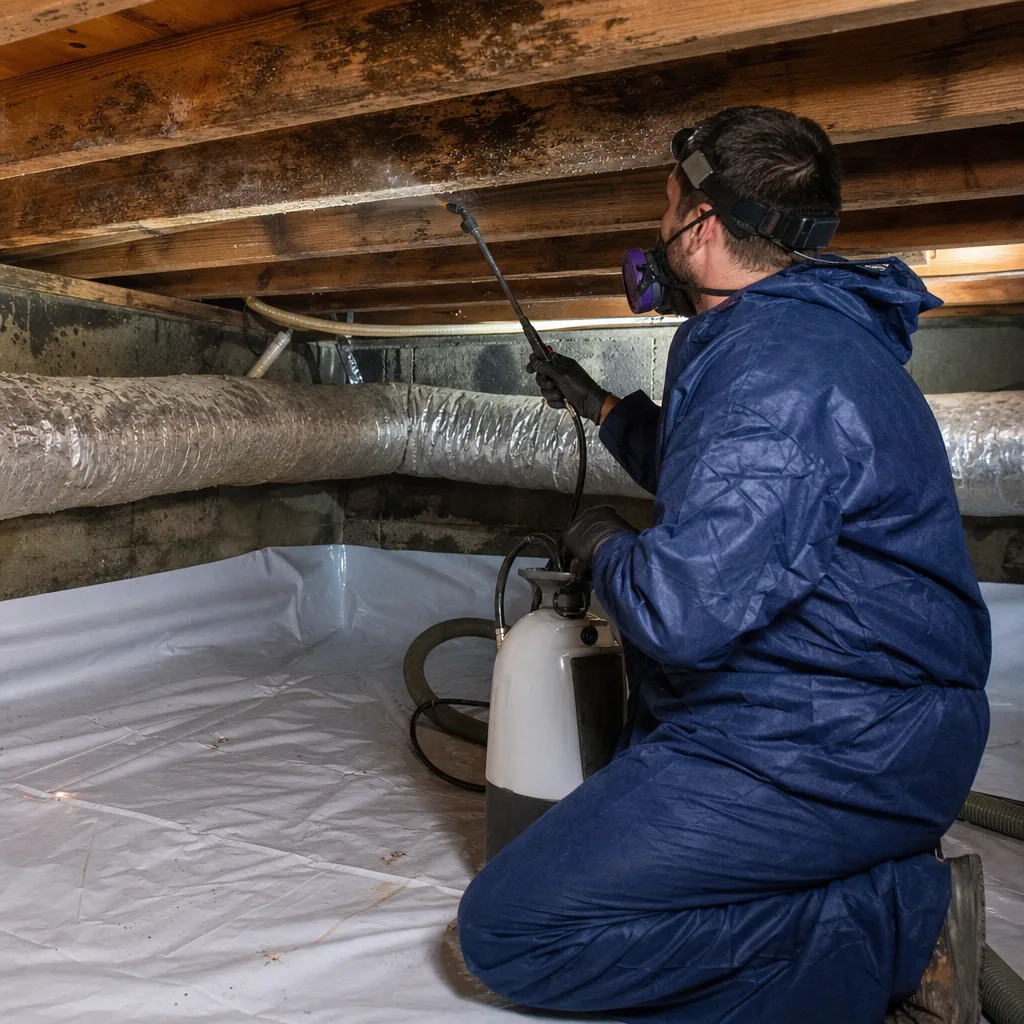
Flood water in Ossining means groundwater and Hudson overflow, not just rainwater. That’s Category 3 water with contaminants. We extract, contain, remove saturated materials, and dry to a moisture standard your insurer can verify. On below-grade foundation walls, the drying plan accounts for earth-side moisture that keeps wicking back into the structure.
Emergency Board-Up
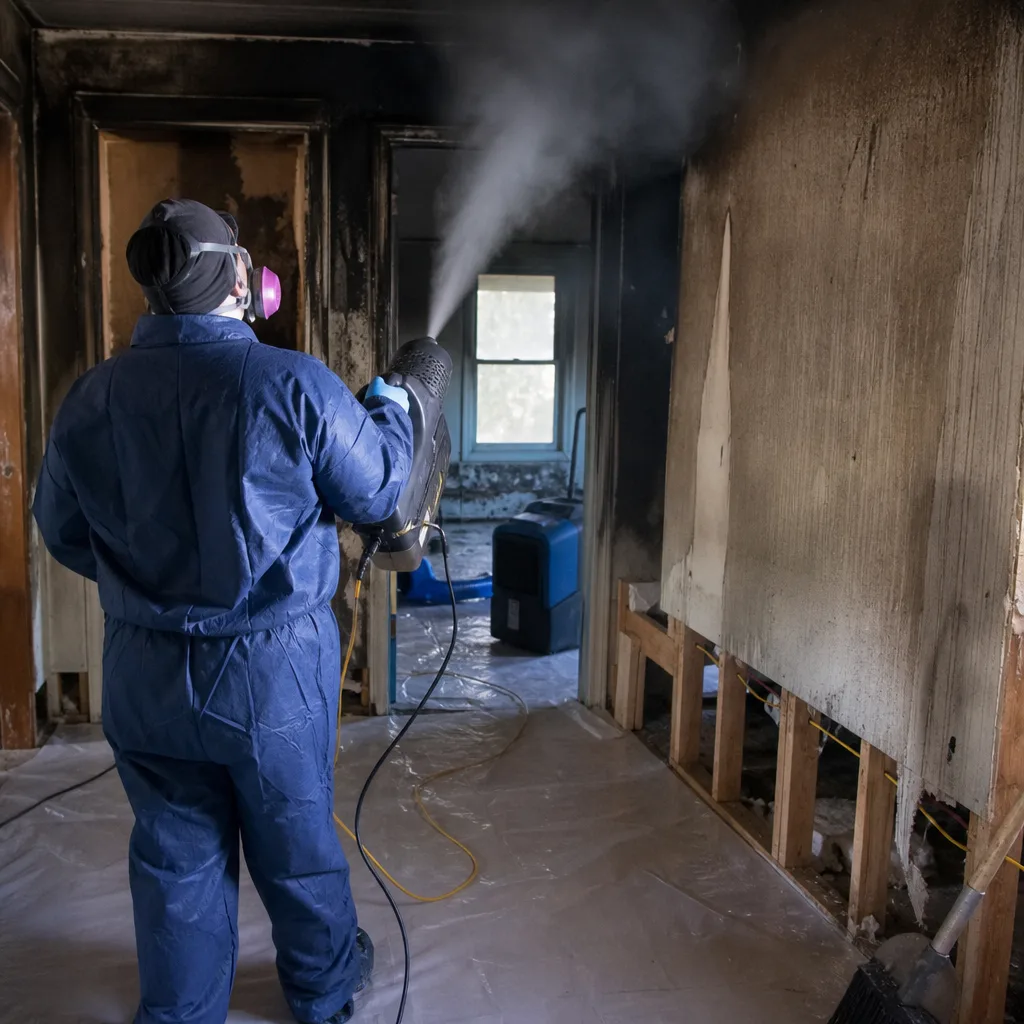
Broken windows and storm-damaged doors leave your home open to weather and intrusion. Our crews board up with plywood cut to fit, secured properly, and documented for your claim. We’ll be there the same day the storm hits.
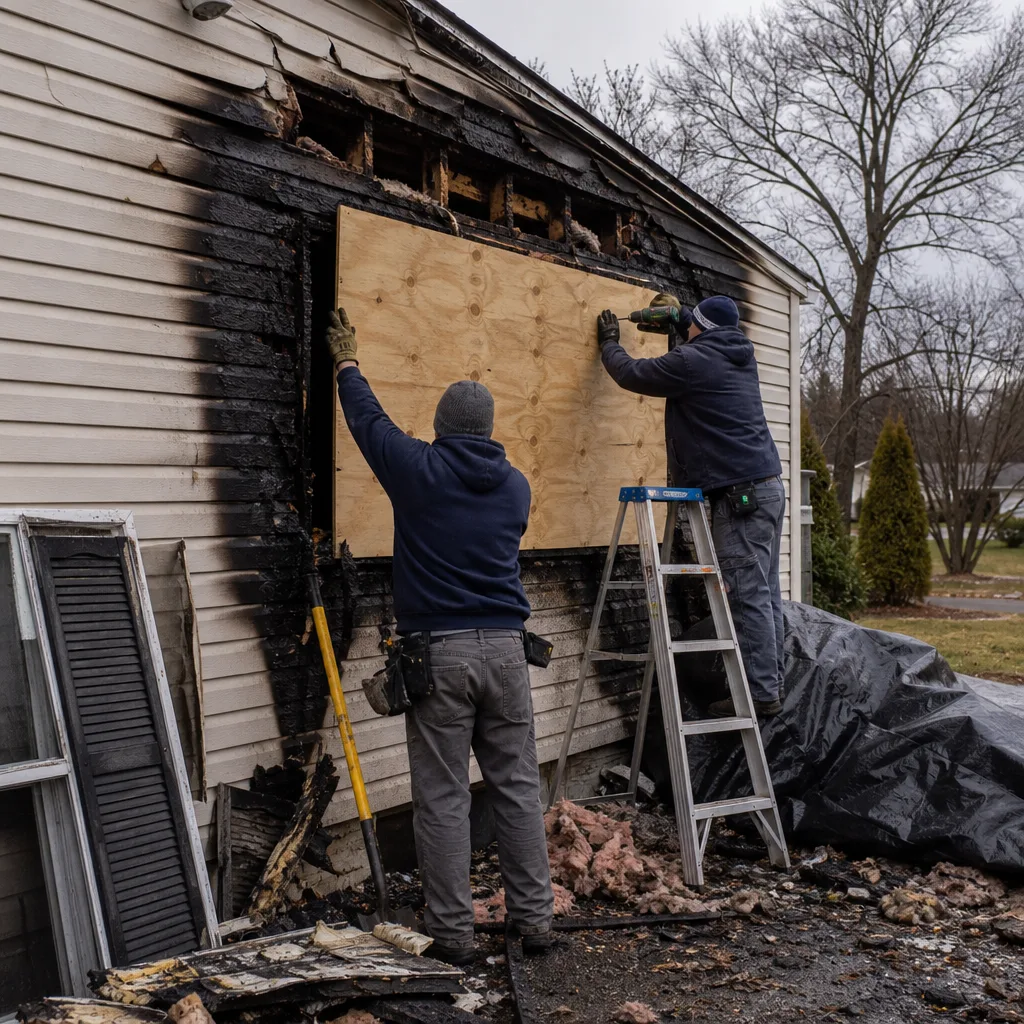
Roof Tarping
A tarp on a steep Ossining Victorian roof has to be anchored to hold through the next nor’easter. We don’t just throw plastic over the ridge. We secure it, batten it, and photograph it for the adjuster. The tarp is temporary. The workmanship shouldn’t be.
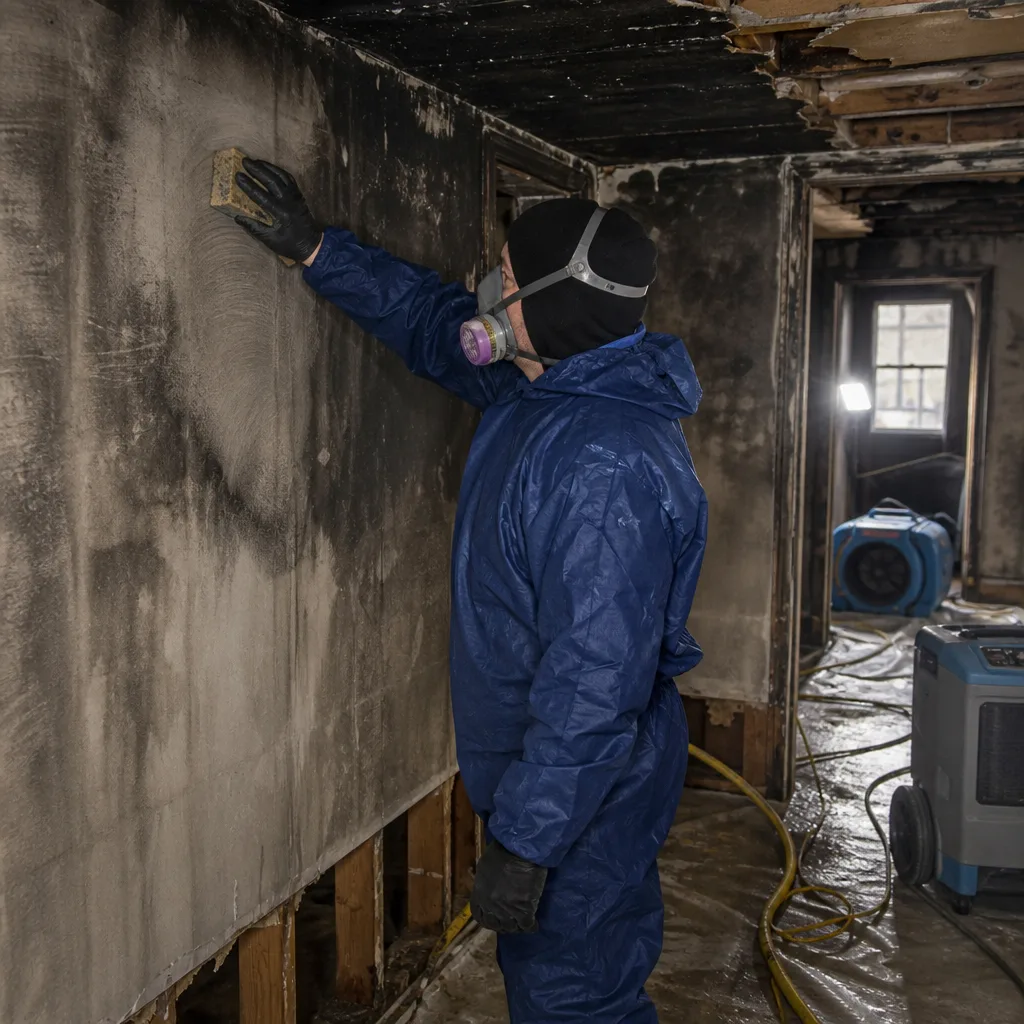
Debris Removal
Storm debris on Ossining lots ranges from tree limbs to construction materials to household items contaminated by floodwater. We haul it out, separate what’s salvageable from what’s hazardous, and leave the site ready for assessment and repair.
What happens when you call
- 1
A real person answersNo phone trees - you reach a local pro.
- 2
You get an upfront price rangeHonest numbers before anyone is dispatched.
- 3
A background-checked tech heads outLicensed & insured, dispatched right away.
- 4
You approve before work beginsNothing starts until you say go.
Storm & Disaster Restoration Costs in Ossining, NY
What does storm restoration actually cost in Ossining? Here are working ranges based on the village’s typical housing stock and damage patterns. Emergency board-up and roof tarping on a village home runs $650 to $1,800 depending on the number of openings and roof complexity. Basement flood extraction with structural drying on a hillside home with below-grade walls runs $3,200 to $9,500, with the higher end for Category 3 water requiring wall-cavity opening and plaster removal. Debris removal runs $450 to $1,200 for a standard residential lot. Full storm damage cleanup plus reconstruction on a significant event, think Ida-scale basement flooding with finish work, runs $15,000 to $40,000 on Ossining’s older homes. Your policy likely covers most of this, minus your deductible. The free inspection gives you a firm, written scope before any work begins, so there’s no guesswork on the bill.
We Also Serve Cities Near Ossining
Our storm restoration crews serve Ossining and the surrounding Hudson River communities. We respond to calls in Ossining, Briarcliff Manor, Congers, Haverstraw, and Nyack. If you’re in one of these nearby towns and a storm just came through, call us and a live dispatcher will get a crew moving.
Ossining Storm & Disaster Restoration Questions, Answered
How fast can someone actually get to my Ossining home after a storm?
Our crews typically reach Ossining addresses within 45 minutes of your call, any time of day. A live dispatcher answers at (914) 809-9936, and extraction or tarping equipment is dispatched on the same visit.
Why does my Ossining basement leak after every heavy rain even though the water never reaches the Hudson?
Ossining’s steep hillsides channel rainfall downslope fast, and shallow bedrock forces that water sideways into below-grade foundation walls. The drainage problem is the hillside itself, which is why a proper storm restoration scope here includes downspout and grading evaluation, not just drying the basement.
How fast does mold grow in an Ossining basement after Ida-style flooding?
Mold can establish in 24 to 48 hours in the persistently humid conditions off the Hudson. That’s why our crews begin extraction and start air movement on the first visit, and why we treat stone and plaster surfaces with antimicrobial agents as part of the standard flood scope.
Do I need to worry about my garage door after a coastal storm if my house stayed dry?
Yes. Salt-laden Hudson air corrodes standard garage door springs, hinges, and rollers in two to three years. A storm repair that doesn’t upgrade to galvanized springs and stainless hardware becomes a snapped-spring callback. We inspect the door on every storm call, even when the house itself is untouched.
My Ossining home has a foundation wall below grade on three sides. How does that change storm drying?
It doubles the drying time. Dehumidifiers sized for room volume won’t handle the wall-cavity moisture load. We size equipment for the earth-contact surface area and log moisture readings daily until the structure reaches dry standard. A flat-site plan on a three-sided below-grade foundation is a guaranteed mold callback.
What makes Floodline Restoration Co. different for storm cleanup in Ossining versus a generic restoration company?
We know Ossining’s specific building stock and failure patterns. We’ve dried rubble-stone foundations below grade on three sides. We’ve tarpped steep Victorian rooflines that other crews wouldn’t walk. We carry the equipment and the certifications to do this village right, and we back the work with the 90-Day Done Right Promise in writing.
Will my insurance cover storm and flood damage in Ossining?
Storm damage from wind, rain, and falling trees is typically covered under standard homeowners policies. Flood damage from Hudson overflow or groundwater rising through floor drains usually requires a separate flood policy. We’ll review your policy with you on the first call and document the loss to match your coverage.
What should I do in the first 30 minutes after storm water gets into my Ossining home?
Shut off power to affected areas if you can do so safely from a dry location. Don’t enter standing water in a basement, it may be electrically charged. Call (914) 809-9936 while the water is still flowing. The photos you take now help your claim. The call you make now saves your structure.
Storm Restoration That Actually Fits Ossining
A storm restoration plan that works in flat, inland Westchester towns will fail on Ossining’s steep hillside homes and salt-air waterfront garages. That’s the core of what we do differently. The same neglect of below-grade walls that a flat-site home shrugs off becomes a six-month mold reinfestation here. The same daylight basement that dries in four days in Pleasantville takes eleven days on a Snowden Avenue hillside lot. And the same standard garage door hardware that lasts a decade inland corrodes in three years near the river. Storm & Disaster Restoration in this village means understanding those differences and dispatching crews, equipment, and drying plans built around them. This is the full-cycle restoration work our crews do every day in Ossining, from the first extraction to the final coat of paint, with the moisture log and the 90-Day Done Right Promise in your hands.
Serving Ossining, NY - Our Local Coverage Area
We’re based in the Ossining area and know this community well. Use the map below to see our service coverage - if you’re nearby, we can almost certainly help.
Call Floodline Restoration Co. in Ossining
Storm damage doesn’t improve with time. It compounds. Call (914) 809-9936 now for a free, no-pressure assessment. A live person answers. A certified crew gets moving. And the work is done right, documented, and backed in writing. We’ve been standing behind that promise for over 42 years, and we plan to keep standing behind it in Ossining for decades more.
Written by Curt Bowman, Owner at Floodline Restoration Co., serving Ossining and the Hudson River communities.