
Free visual inspection and a written scope of work before any mitigation begins - photos, moisture readings, and drying logs go in your claim file
The scope we write is the scope we bill. Anything new gets shown to you, in writing, before we touch it.
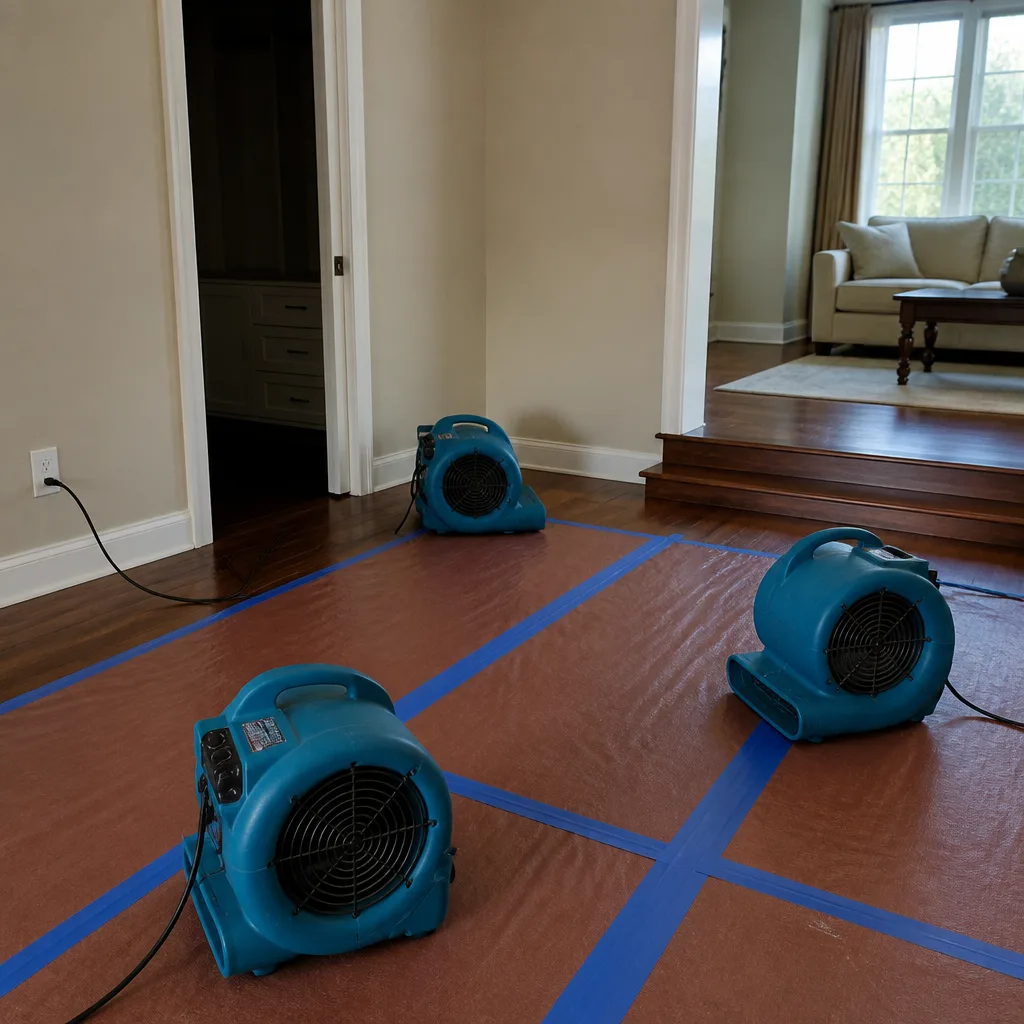
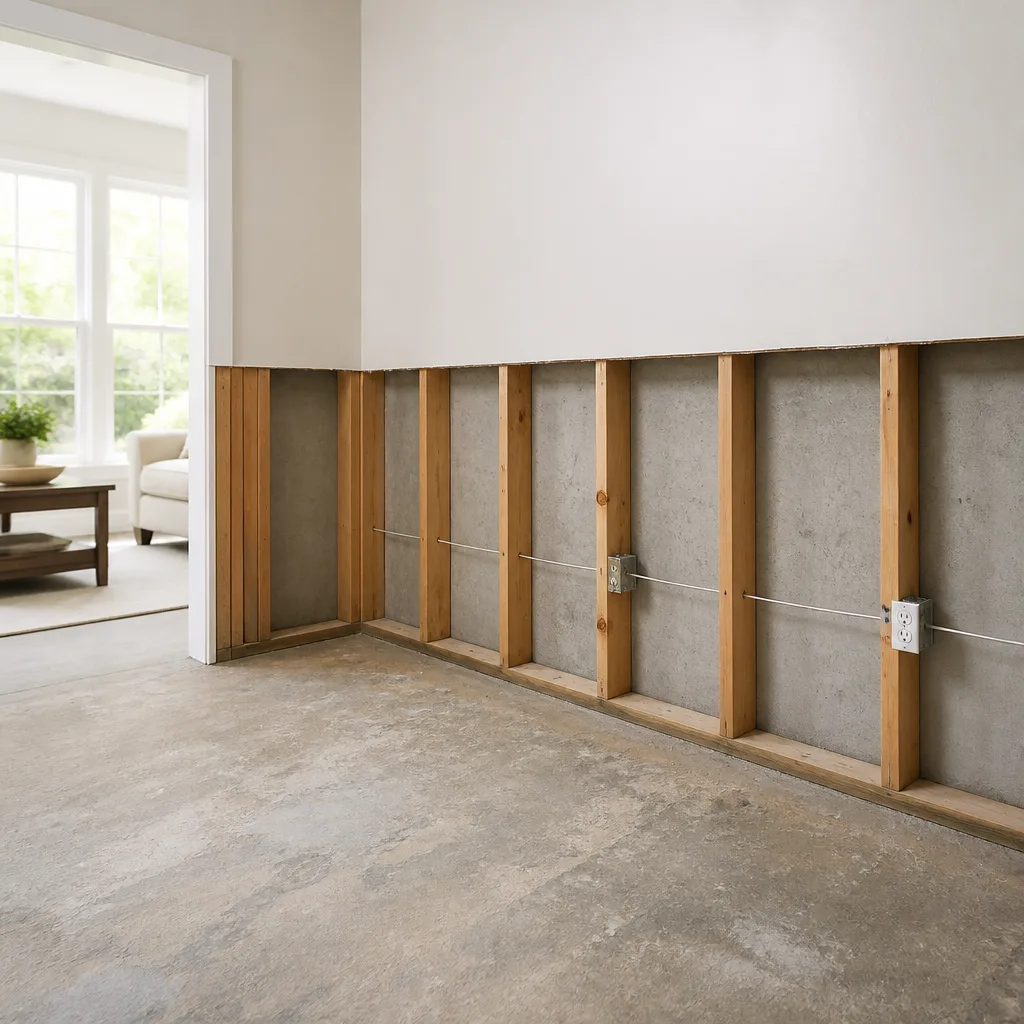

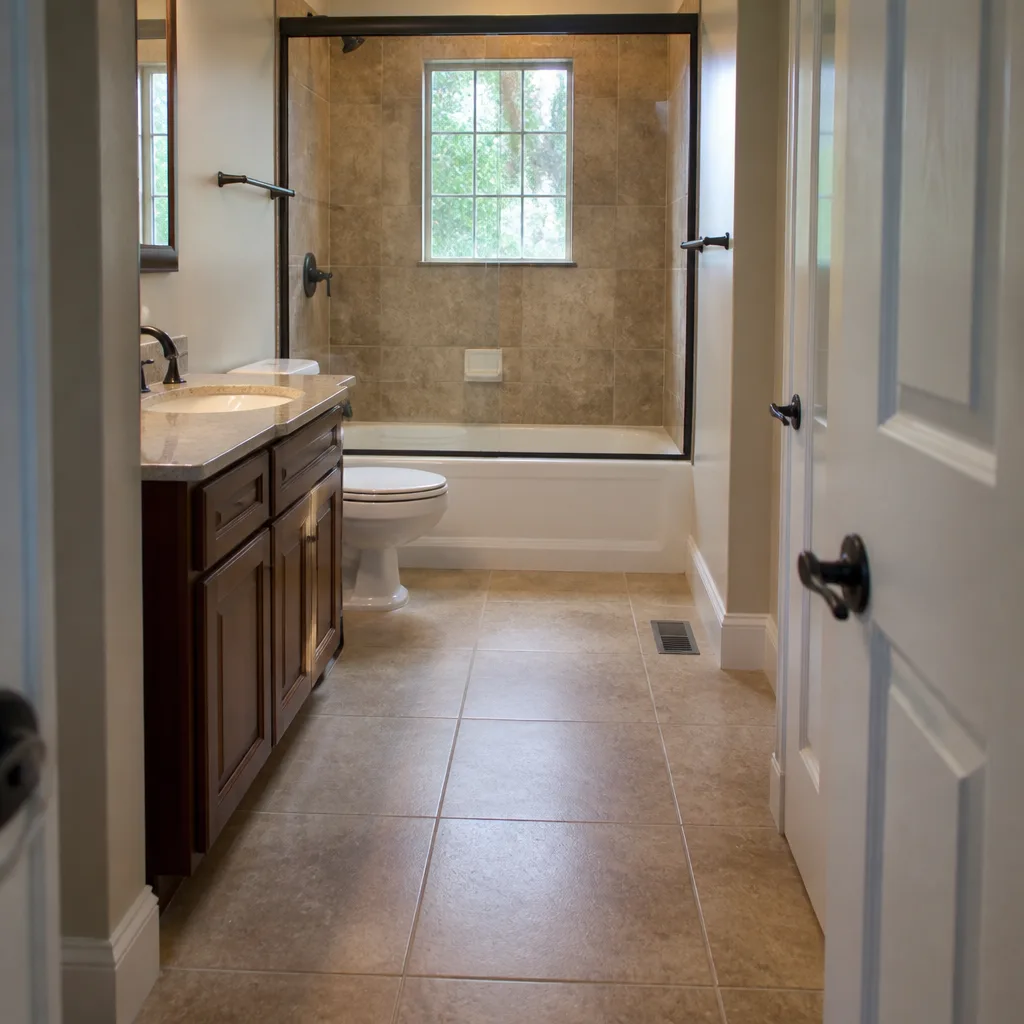
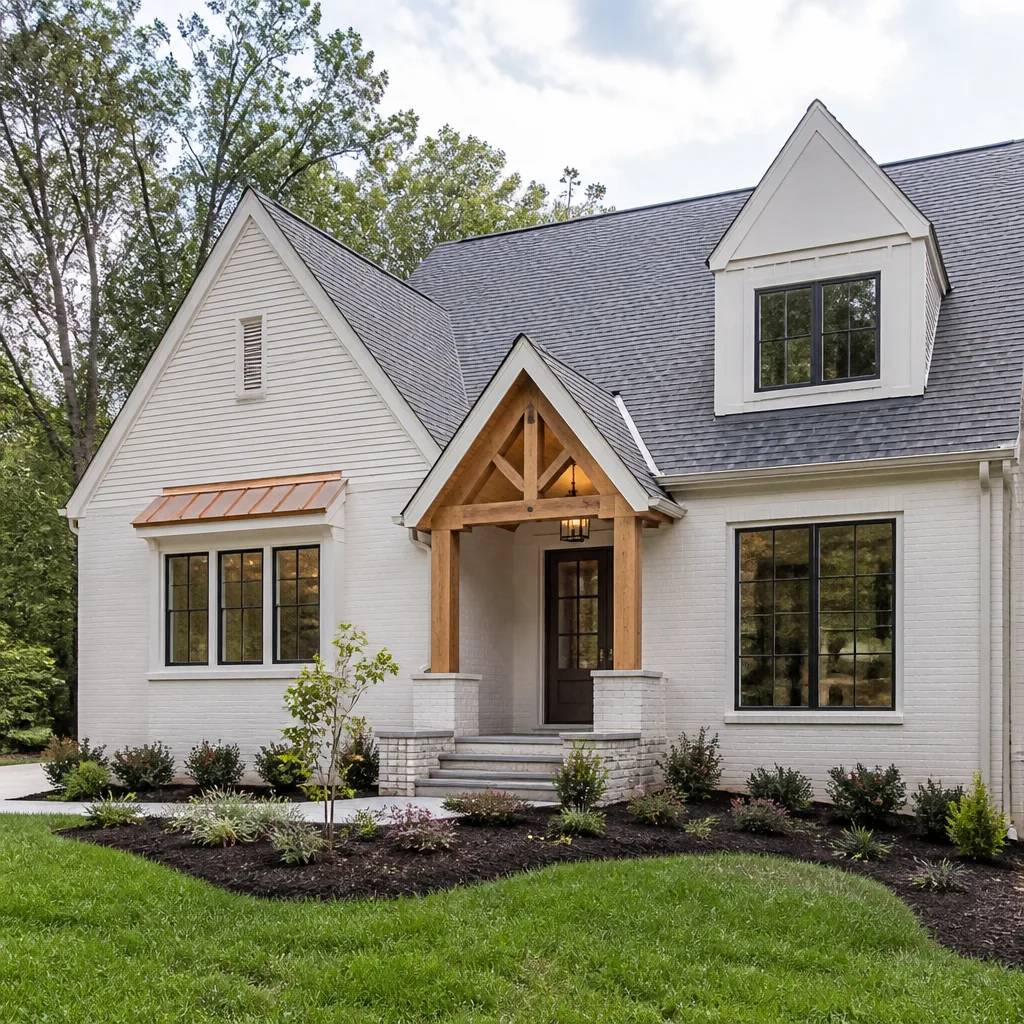
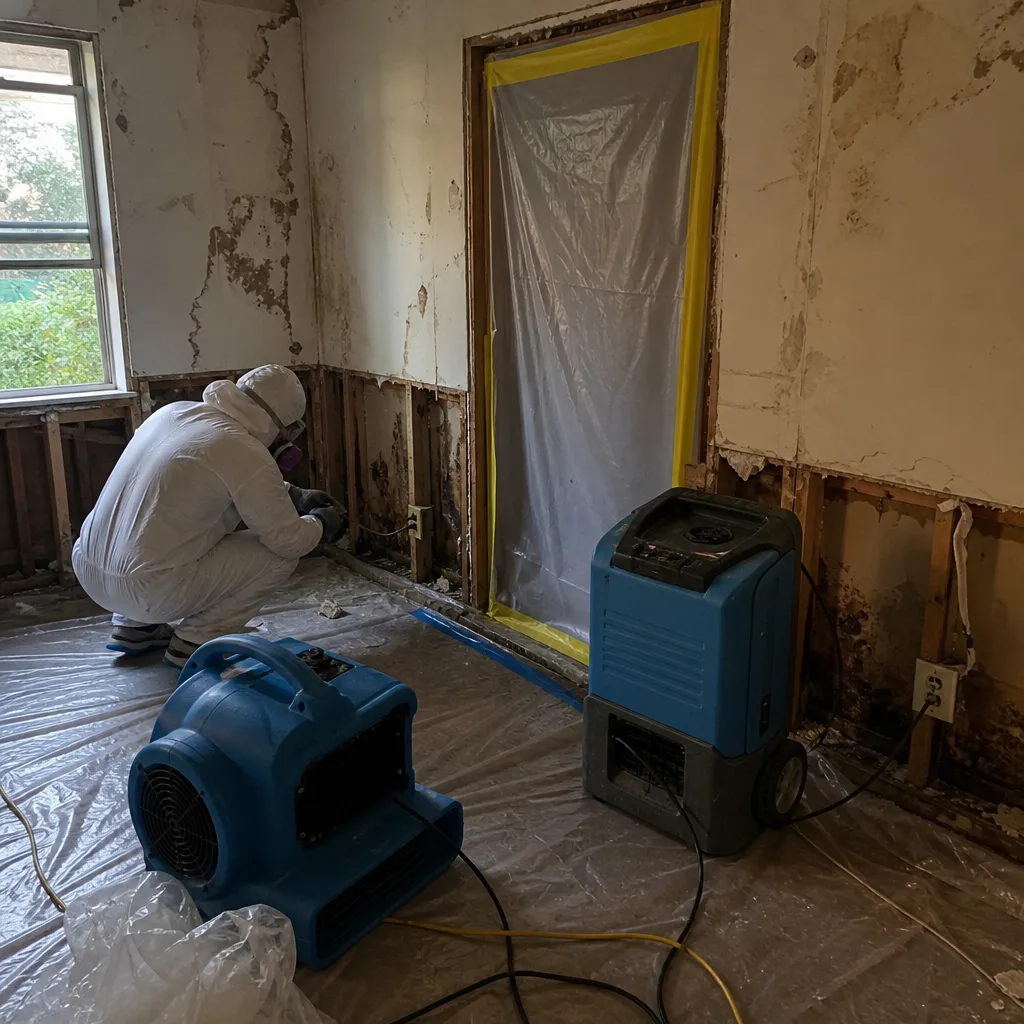 Before
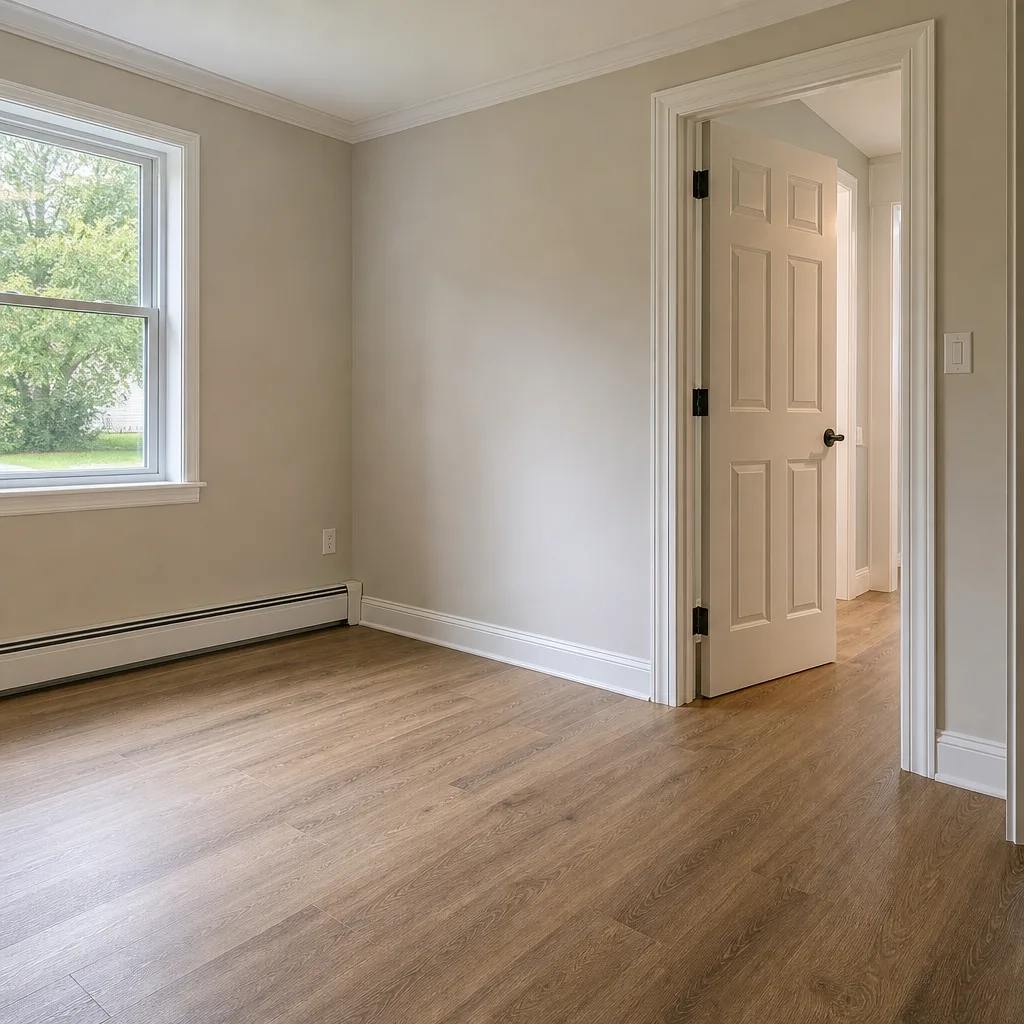 After
After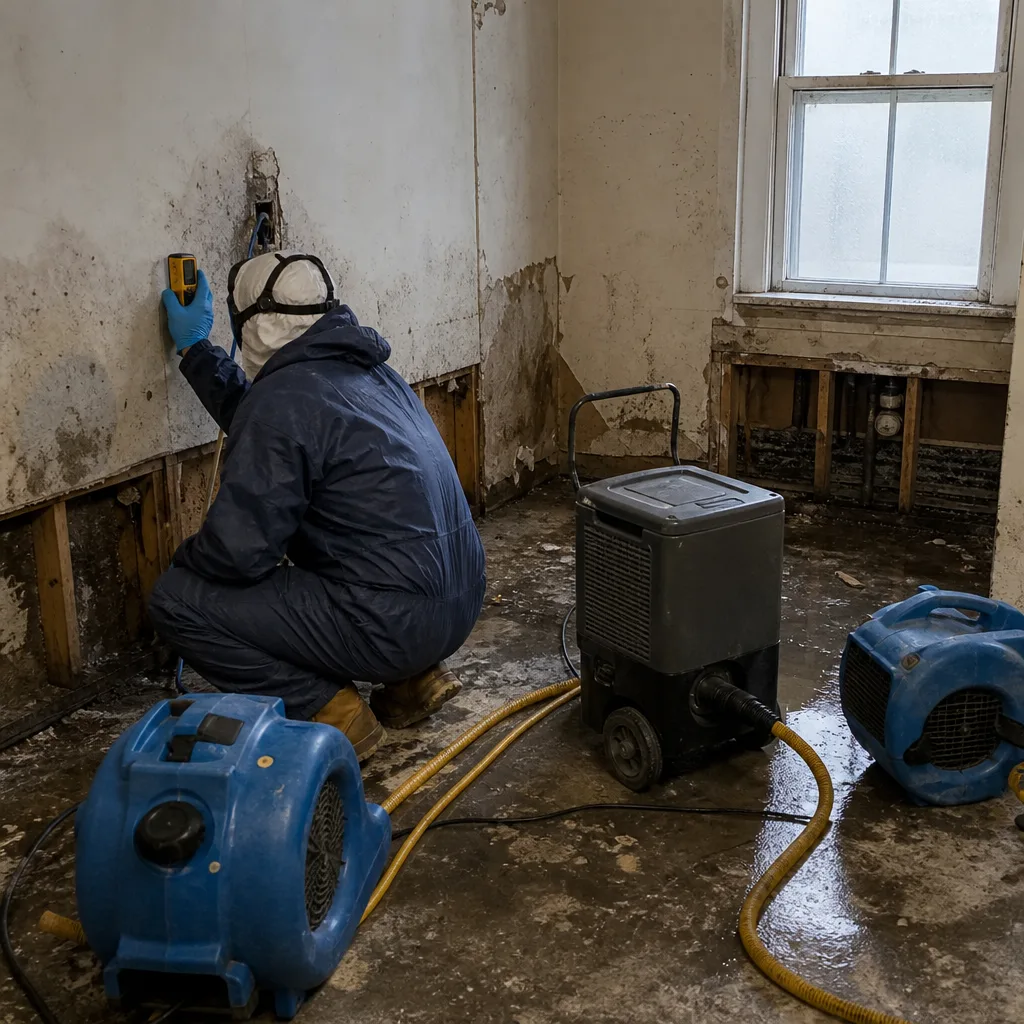 Before
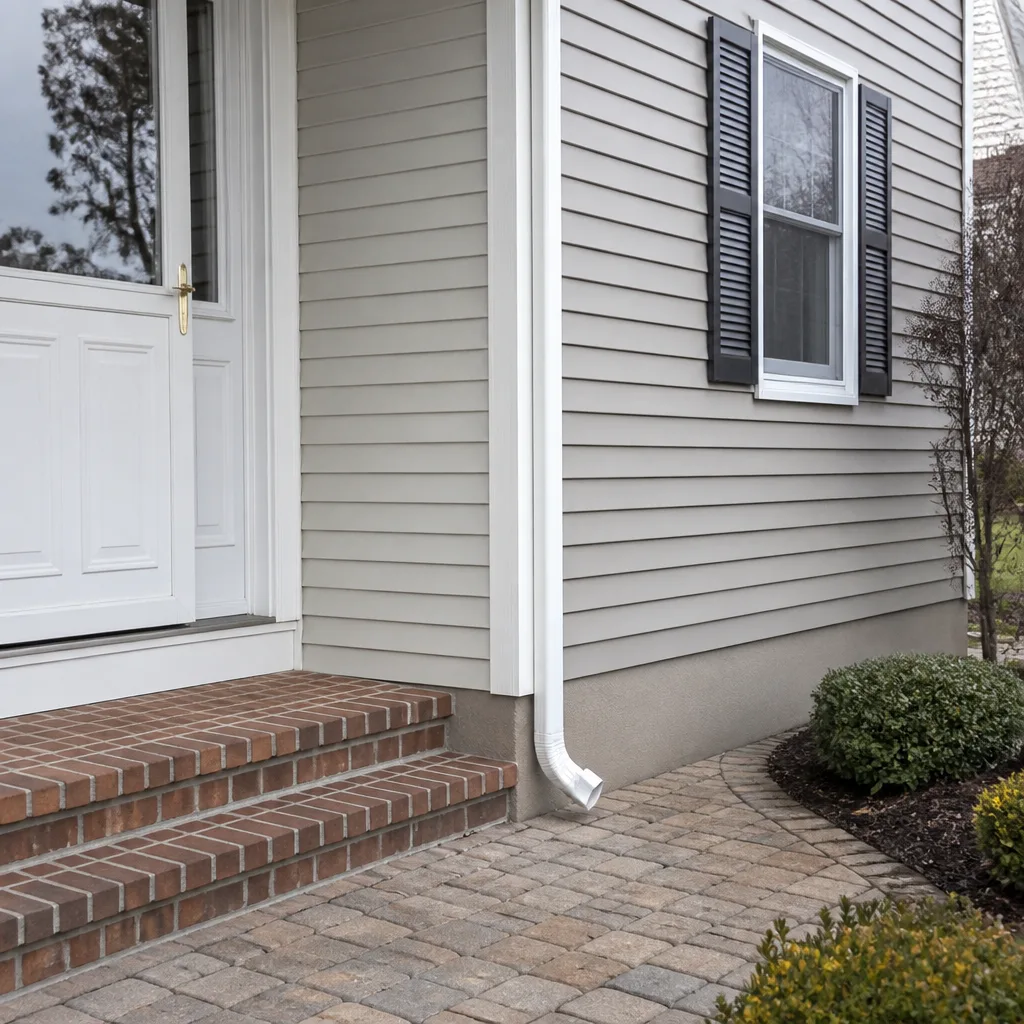 After
After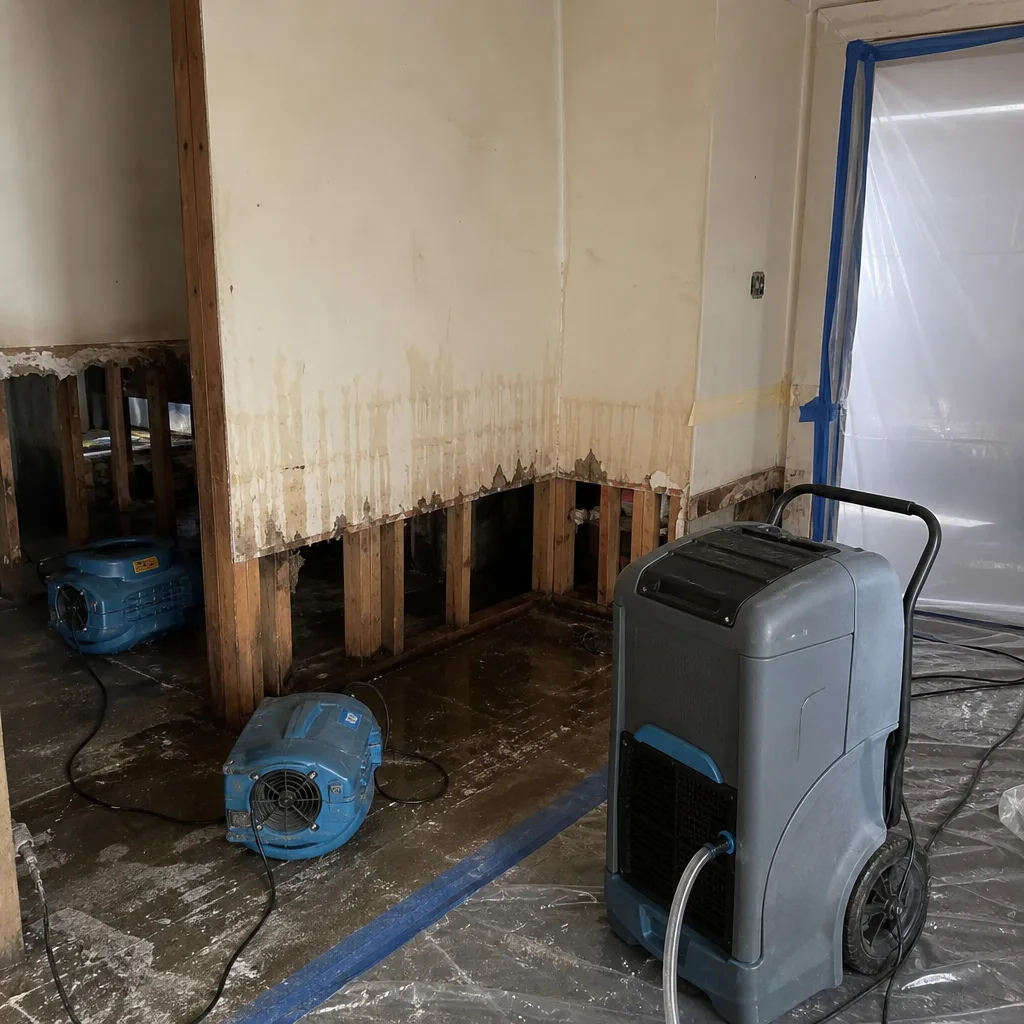 Before
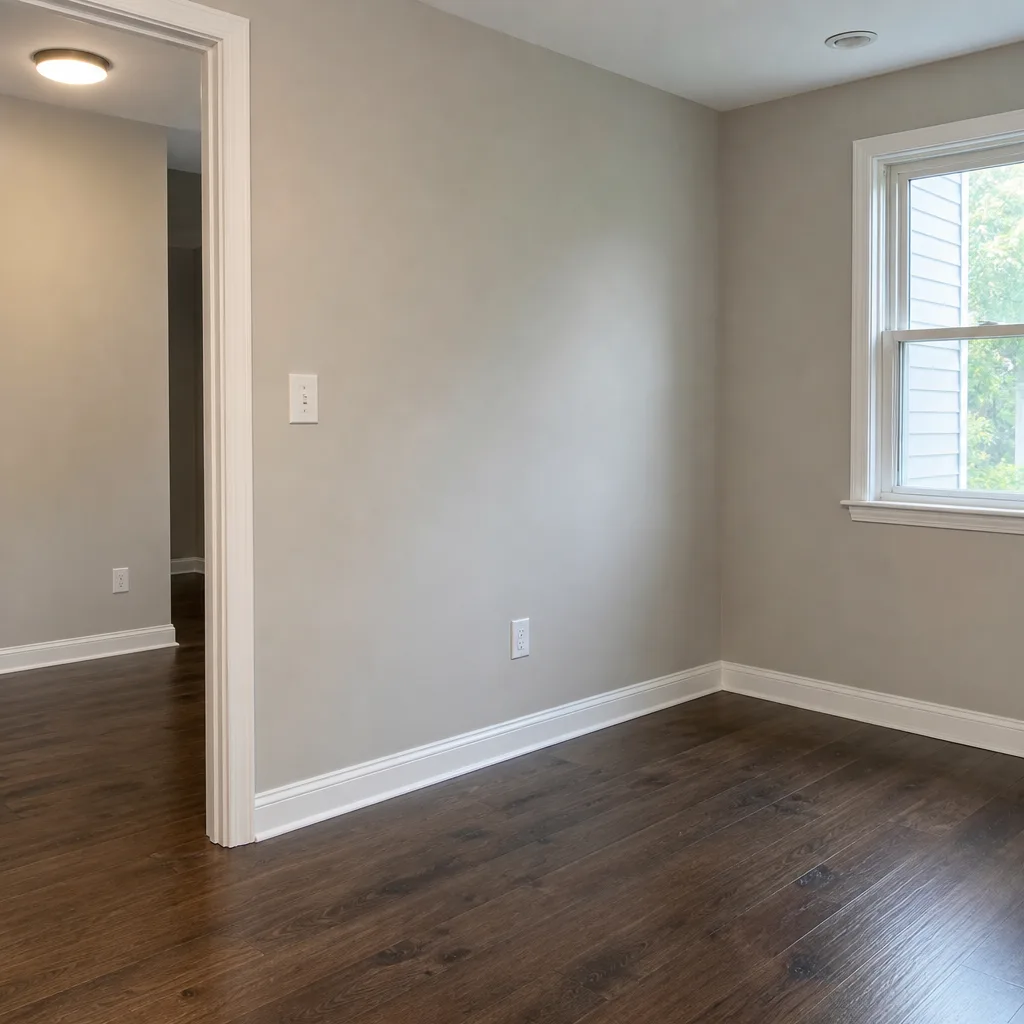 After
After24/7 Emergency Storm & Disaster Restoration in Mount Ivy
Storm damage in Mount Ivy moves fast, and so do we. When a nor’easter tears through the Ramapo foothills or a summer thunderstorm pushes runoff down the grade into your basement, every hour of delay means more water in the framing, more moisture in the insulation, and a bigger claim to manage. Our crews answer live around the clock and dispatch to Mount Ivy homes within 45 minutes of your call to (914) 809-9936. The first visit includes a free visual inspection, immediate stabilization if the damage is active, and a written scope of work before anything else happens.
We built Storm & Disaster Restoration at Floodline Restoration Co. around a simple rule: the line the water left is where we start. Not where we stop. For Mount Ivy homeowners, that means one certified crew handles extraction, drying, and rebuild, with no mid-job handoff and no arguing about the 90-Day Done Right Promise when we’re finished.
Understanding Storm & Disaster Restoration Severity in Mount Ivy Properties
Most Mount Ivy homes were built between the 1950s and 1970s. Ranch homes, raised ranches, and split-levels cut into the hillside grade share a common weakness: their block foundation walls were designed for flat terrain drainage, not the lateral water pressure that comes from sitting flush against backfilled uphill soil. When heavy rain saturates that backfill, the water doesn’t just collect at the footing, it pushes sideways against the wall. The result is hydrostatic intrusion, which presents differently than the sump-pit overflow common in flatter Rockland County towns like Nanuet or Spring Valley.
Water from a broken sump pump is usually Category 1 or 2, clean enough to manage with extraction and structural drying. Water forced through a cracked uphill foundation wall after a storm is often Category 3, carrying soil, fertilizers, and whatever else the runoff picked up coming down the Ramapo foothills. That distinction changes everything: containment, material removal, sanitization, and a longer drying timeline. Our IICRC-certified technicians moisture-map from day one, including readings from the backfilled side of the foundation, because that’s where Mount Ivy water actually originates.
Why Mount Ivy Property Owners Choose Floodline Restoration Co.
- 45-minute response commitment. When you call with active water intrusion, a crew is dispatched immediately, not scheduled for tomorrow. Most Mount Ivy jobs have extraction running the same visit.
- 24/7 live answer, always a person. No recordings, no answering service, no “leave a message.” A live dispatcher picks up at 2 a.m. during a nor’easter and knows which Mount Ivy crew is closest.
- IICRC-certified crews. Our technicians carry WRT, FSRT, and AMRT certifications and train to RIA and IFA standards. Background-checked and uniformed on every job.
- Free visual inspection. Before any work starts, we walk the property, trace the water path, and explain what we found in plain English, not industry jargon.
- Direct insurance billing. We document everything, bill your carrier directly, and coordinate with your adjuster so you never play messenger.
- One team from extraction to rebuild. The same crew that reads the moisture map on day one handles the daily readings, the drying logs, and the final reconstruction.
Our Storm & Disaster Restoration Process
Inspection & Assessment
We start with thermal imaging and moisture mapping across every affected surface, including the uphill foundation wall most Mount Ivy homes share. You get a written scope of work with clear pricing before any equipment comes off the truck.
Extraction & Stabilization
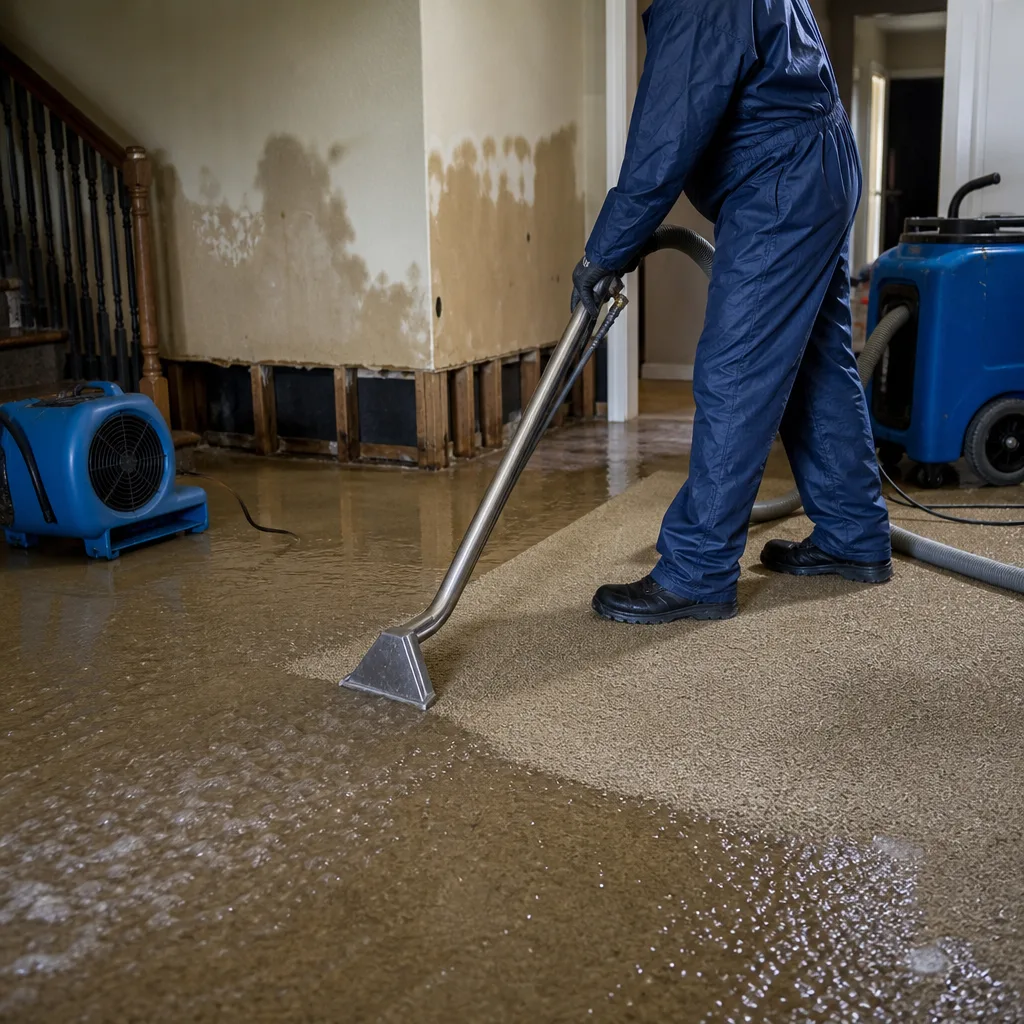
Standing water comes out first. For hillside intrusion jobs, that means addressing the exterior grade and backfill drainage so water stops entering while we work inside. Emergency board-up and roof tarping happen here if the storm opened the envelope.
Drying & Dehumidification
Dri-Eaz dehumidifiers and air movers run on a calculated drying plan, not a guess. We log daily moisture readings from the backfilled side and the interior until materials reach the dry standard. Mount Ivy’s older fiberglass and rock-wool insulation extends this timeline, so we plan for it from day one.
Cleaning & Sanitization
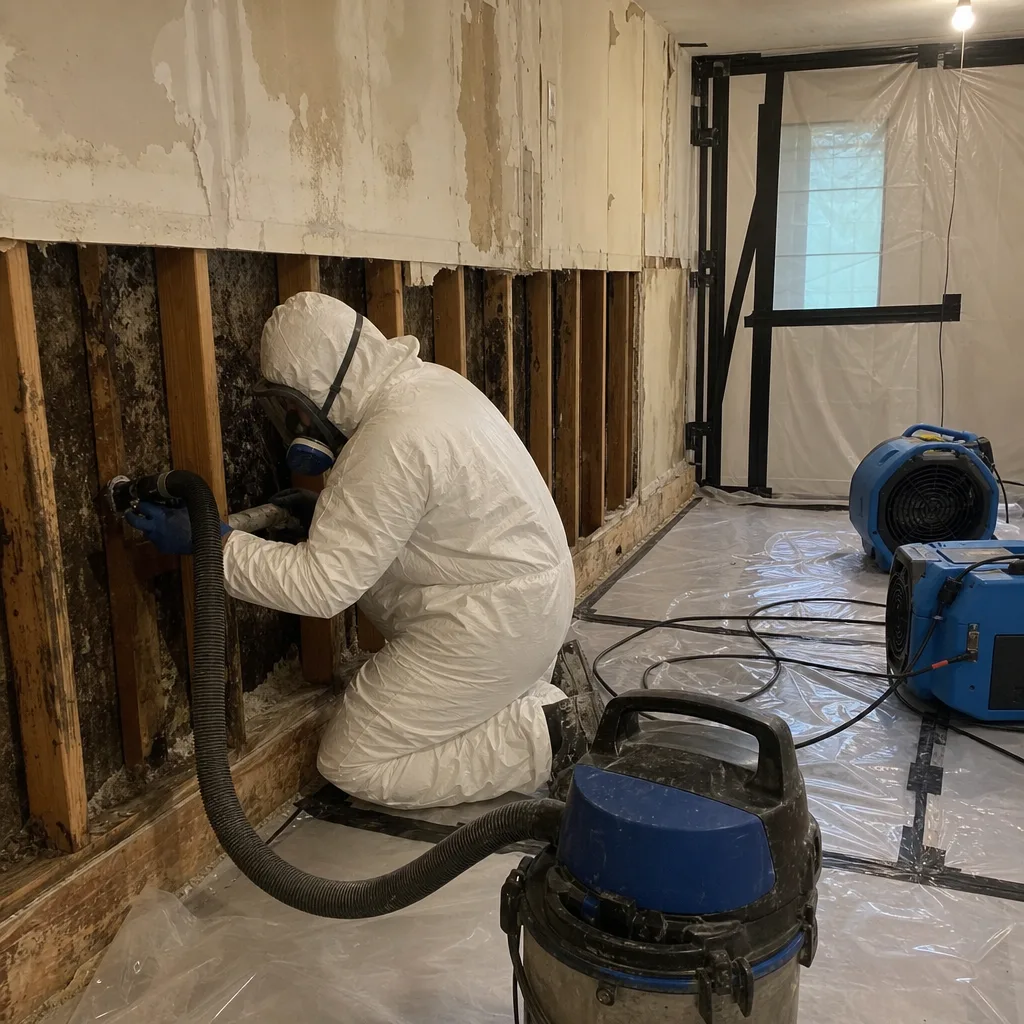
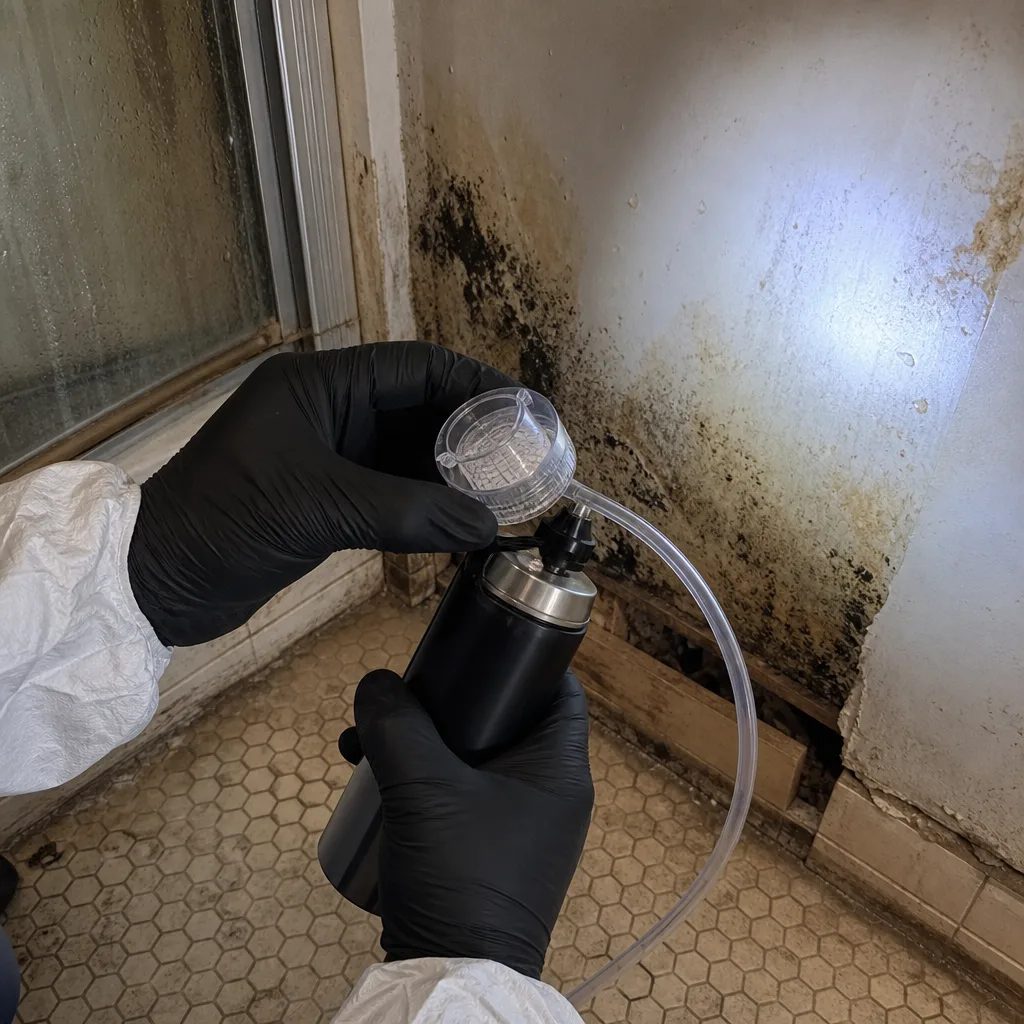
Category 3 water from hillside runoff requires containment and antimicrobial treatment before rebuild. HEPA air scrubbers run during material removal to keep contaminated dust from migrating through the home.
Foundation-Side Specialty Treatment
This is where Mount Ivy jobs differ from the rest of Rockland County. After drying, we address the intrusion path itself: crack injection, exterior waterproofing, or drainage correction on the uphill grade, depending on what the moisture data shows.
Repairs & Restoration
The same crew rebuilds what was removed. Drywall, insulation, flooring, trim. We don’t hand the job off to a subcontractor who never saw the water. The 90-Day Done Right Promise goes in writing before we leave.
Need Emergency Storm & Disaster Restoration in Mount Ivy Now?
Crews minutes away, answering live 24 hours a day. The sooner we start, the less it costs.
Working With Your Insurance Company
Most storm and flood restoration in Mount Ivy is covered under standard homeowners policies, but the way the claim is documented from the first hour determines what gets approved. We photograph everything, room by room, before extraction begins and again after. Moisture readings are logged daily and handed to your carrier with the scope of work. Our estimators write industry-standard line-item scopes that adjusters recognize, and we talk to them directly, so the homeowner doesn’t carry paperwork back and forth. If your adjuster has questions about why a wall that faces uphill is wet when the roof is intact, our documentation answers it with data.
What We Provide Your Insurer
- Thorough documentation of the loss
- Photos of all damage, room by room
- Moisture readings and drying logs
- A detailed, line-item scope of work
- Direct coordination with your carrier
Built for Mount Ivy’s Loss Calendar
Mount Ivy’s position at the base of the Ramapo foothills shapes the storm damage calendar differently than the rest of Rockland County. Nor’easters from November through March push heavy precipitation against the hillside, and the slightly higher elevation intensifies freeze-thaw cycling. That means foundation cracks open further each winter, setting up the spring thaw as the real flooding season. March and April snowmelt drains directly into the hamlet’s low-lying streets and basements, carrying the winter’s accumulated damage with it. Summer thunderstorms hit fast and drop hard. The hillside grade funnels that water into basements within minutes. Remnant tropical systems in late summer and early fall bring the deepest flooding. For families living near Route 202 or along the lower streets of the hamlet, a heavy rain event is not an inconvenience, it’s the start of a race against mold that begins within 48 hours.
Storm & Disaster Restoration Across Mount Ivy’s Neighborhoods
The homes along Call Hollow Road and the streets climbing toward the Ramapo foothills take the brunt of hillside runoff. These raised ranches and split-levels, built into the grade, are where we most often find the uphill wall intrusion that flat-terrain contractors miss. Over near the Mount Ivy Park area, the post-WWII ranch homes with full basements see more sump-pit flooding and drain-tile failure, but the original block foundations there still crack under freeze-thaw pressure. The lower streets near the hamlet’s center, where runoff collects before it reaches drainage, flood faster during heavy rain and need immediate extraction to protect finished basement spaces. Each section of Mount Ivy has its own failure pattern, and our crews know which one they’re walking into before the truck parks.
What ties them all together is the age of the stock. These homes were built with fiberglass batt and rock-wool insulation in the cavity walls. When hillside water pushes through, that insulation absorbs and holds moisture far longer than modern closed-cell foam would. The drying timeline stretches, and if the original rock-wool is left in place behind drywall, hidden moisture becomes mold within two days. That’s a fact of the housing stock here, and it’s why our daily moisture readings continue until the numbers prove the wall is dry, not until the surface feels dry.
Specialized Storm & Disaster Restoration Services We Offer in Mount Ivy
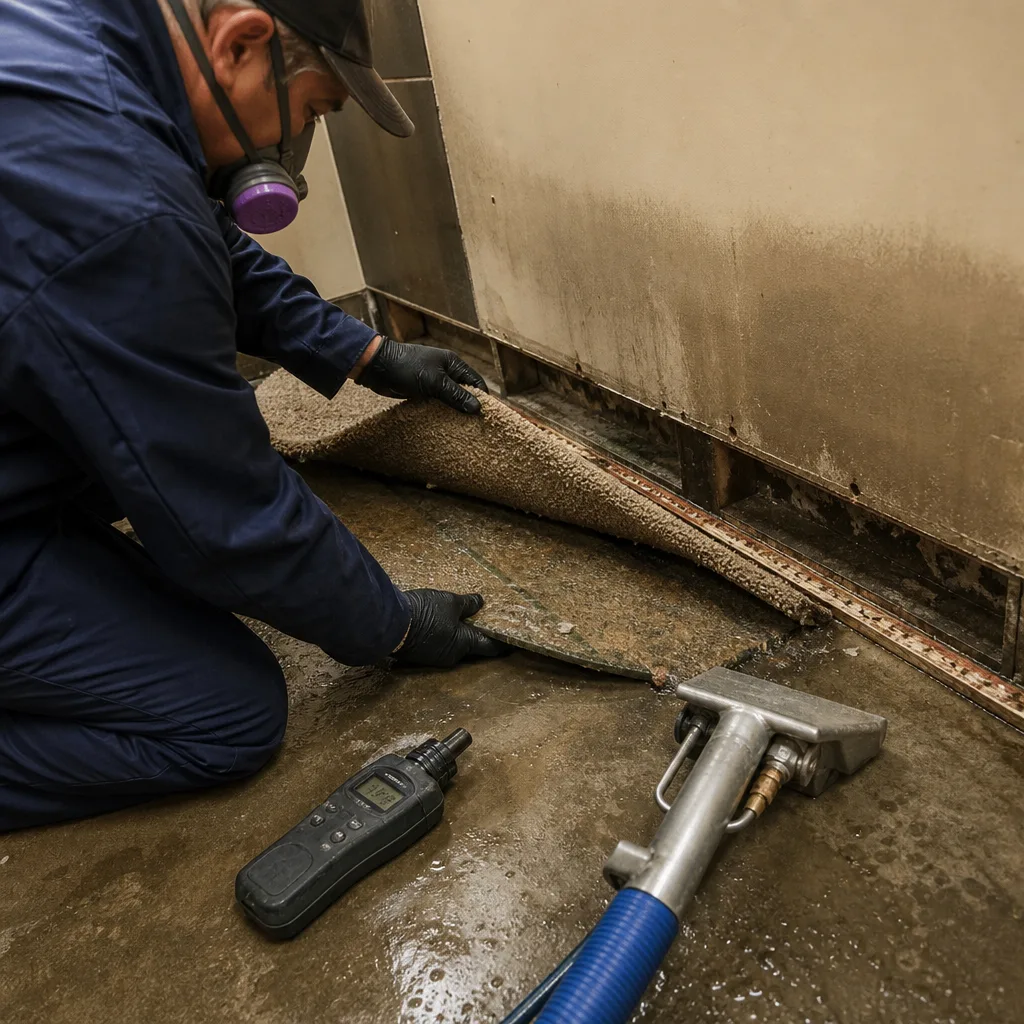
Flood Damage Restoration
Hillside runoff flooding in Mount Ivy is different from the sump overflow common in flatter parts of Rockland County. Water forces through the uphill foundation wall, bringing Category 3 contamination into the basement. We set up containment, extract, and run structural drying with Dri-Eaz equipment until the moisture map shows the full wall profile is dry, including the backfilled side.
Storm Damage Cleanup
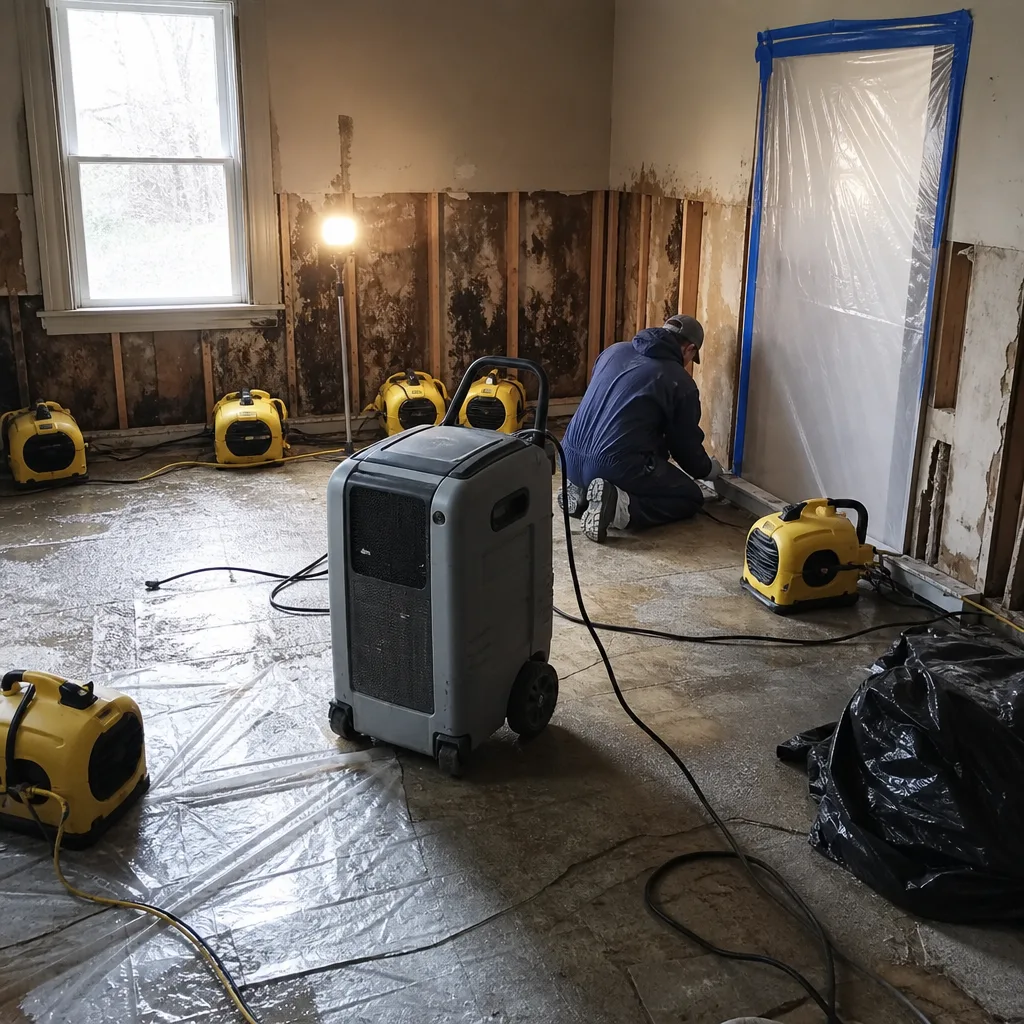
Wind-driven debris, downed trees, and water intrusion after a nor’easter leave Mount Ivy basements and crawl spaces saturated. We remove standing water, clear storm debris, and stabilize the envelope so secondary damage stops while the drying plan runs.
Emergency Board-Up
When a storm opens a window, door, or section of wall, we board up the opening immediately with weather-secure materials. This prevents further water entry, keeps animals out, and satisfies your insurer’s mitigation requirement while permanent repairs are scheduled.
Roof Tarping
Wind damage to the older ranch and split-level roofs of Mount Ivy exposes the interior to water during the next rain event. We tarp the damaged section, secure the perimeter, and document the condition for your claim. The tarp is a temporary fix; the rebuild comes later, scoped in writing.
Foundation-Side Water Extraction
This is the service that matters most in Mount Ivy. Water that enters through the uphill foundation wall requires a different approach than a sump-pit overflow. We extract from the exterior grade, address the backfill drainage path, and dry the foundation from both sides. Misdiagnosing this as a roof leak or window leak is the most common reason Mount Ivy homeowners end up with repeat flooding and untreated cracks.
What happens when you call
- 1
A real person answersNo phone trees - you reach a local pro.
- 2
You get an upfront price rangeHonest numbers before anyone is dispatched.
- 3
A background-checked tech heads outLicensed & insured, dispatched right away.
- 4
You approve before work beginsNothing starts until you say go.
Storm & Disaster Restoration Costs in Mount Ivy, NY
Storm damage restoration costs in Mount Ivy depend on where the water came from and how far it traveled. A straightforward sump-pit overflow in a ranch home near Route 202 typically runs $1,200 to $2,800 for extraction, drying, and sanitization. Flood damage from hillside runoff pushing through an uphill foundation wall is a different scope: $3,500 to $8,500 when the foundation crack requires injection, exterior drainage correction, and full structural drying of the affected wall assembly. Roof tarping after wind damage runs $350 to $900 as a temporary measure, with the roof repair scoped separately. Emergency board-up typically runs $250 to $600 per opening. If Category 3 water sat for more than a day before we arrive, add material removal and rebuild. Most Mount Ivy storm claims are covered by homeowners insurance, subject to your deductible. The free visual inspection gives you a firm scope and a number you can hold in your hand before anything is committed.
We Also Serve Cities Near Mount Ivy
Our crews regularly respond to storm damage in Mount Ivy and the surrounding Rockland County communities. We’re on call for homes in Bardonia, Ossining, Croton-on-Hudson, and New City, bringing the same 45-minute response commitment and the same written guarantee to every job. Same team, same standards, same live answer at 2 a.m.
Mount Ivy Storm & Disaster Restoration Questions, Answered
Why does my Mount Ivy basement leak on the wall that faces uphill, even when it hasn’t rained for days?
That’s hydrostatic pressure, and it’s the signature failure mode for Mount Ivy homes cut into the hillside grade. When the backfill soil against your foundation stays saturated, the water pushes laterally through cracks and gaps even after the rain stops. The ground drains slowly, so the pressure persists for days or weeks. Flat-terrain contractors often misread this as a roof or window leak because the wall faces “outside” and looks above grade. The fix is foundation-side work, not gutter repair.
Can you dry out my 1960s split-level basement without removing the original rock-wool insulation?
Usually not. Rock-wool and fiberglass batt insulation from the 1960s absorbs water and holds it. Even with structural drying running, that material stays wet behind the drywall long after the surface feels dry, which is where hidden mold starts within 48 hours. In most Mount Ivy flood jobs, the affected insulation comes out, the cavity is dried and sanitized, and new insulation goes in during rebuild. Your insurance typically covers this when the water was Category 3.
How fast does mold start in a Mount Ivy basement after a nor’easter floods it?
Mold spores activate within 24 to 48 hours on wet organic material like drywall, wood framing, and fiberglass insulation. In Mount Ivy’s older homes, the rock-wool cavity insulation accelerates this because it holds moisture against the studs. If water sat overnight before extraction began, we typically recommend containment and antimicrobial treatment as part of the scope, not just drying. Call (914) 809-9936 as soon as water appears. The clock is already running.
What’s the difference between water from a sump overflow and water coming through my uphill foundation wall?
The water source determines the contamination level and the repair scope. Sump overflow is usually clean groundwater, Category 1 or 2, that can be extracted and dried without major material removal. Water forced through the uphill wall has traveled through soil, fertilizer, and surface runoff, making it Category 3. That requires containment, sanitation, and often removal of affected porous materials. The foundation crack or gap also needs to be addressed, or the water returns with the next heavy rain.
Do I need to tarp my roof after a windstorm if water is only in the basement?
Possibly. If wind lifted shingles or opened a seam on your 1960s split-level, water can travel down through wall cavities and present days later at the foundation, looking for all the world like groundwater. Before we assume the basement moisture is hillside intrusion, we check the roof and the wall path above the wet area. If wind damage is the source, tarping stops the water at the top while the drying plan runs below. Ruling out one failure mode doesn’t excuse us from checking the others.
How fast can someone actually get to my Mount Ivy house during a storm?
Our commitment is 45 minutes from your call. We keep crews stationed throughout Rockland County, including the Mount Ivy response area, so we’re not driving from across the Hudson during a nor’easter. A live dispatcher answers at (914) 809-9936 and sends the closest available certified crew. Extraction equipment runs the same visit in most cases.
Will my insurance cover storm and flood damage in Mount Ivy?
Most standard homeowners policies cover storm damage, wind-driven rain, and water that enters through a storm-created opening. Hillside runoff flooding is usually covered when it’s tied to a covered peril like a nor’easter or heavy rain event. We document everything from the first hour, photograph before and after, and communicate directly with your adjuster. Our line-item scopes use the same format carriers expect, which moves claims through with fewer questions.
What should I do in the first 30 minutes after I find water in my Mount Ivy basement?
Call Floodline Restoration Co. at (914) 809-9936 first. Then, if it’s safe, shut off power to the affected area at the breaker, move valuables up off the floor, and photograph everything before anything is disturbed. Don’t try to extract the water yourself with a shop vac; you’ll only remove what’s visible, and the real damage is in the walls and under the flooring. Don’t remove drywall or insulation on your own, especially in a Mount Ivy hillside home where the water may be Category 3. The first 30 minutes determine how much material can be dried versus replaced.
Serving Mount Ivy, NY - Our Local Coverage Area
We’re based in the Mount Ivy area and know this community well. Use the map below to see our service coverage - if you’re nearby, we can almost certainly help.
Storm & Disaster Restoration You Can Hold Us To
Mount Ivy’s older housing stock and hillside grade mean storm damage here is rarely simple. The water that reaches your basement is usually not just water. It’s the product of forty years of freeze-thaw cracking, saturated backfill pushing against a block wall, and insulation that holds moisture like a sponge. The wrong diagnosis means repeat flooding and a claim that never gets fully settled.
Floodline Restoration Co. was founded by Curt Bowman in 2010, and we’ve spent the years since building a crew that reads moisture maps, not sales scripts. Every job ends with the 90-Day Done Right Promise in writing. If it isn’t done right, we make it right. No arguing, no paperwork battles. The Keystone Standard applies to every Mount Ivy job we take.
Call (914) 809-9936 for a free estimate. A live person answers, any hour, any storm. We’ll be there when we say.
Written by Curt Bowman, Owner at Floodline Restoration Co., serving Mount Ivy and Rockland County with storm and disaster restoration.