
Free visual inspection and a written scope of work before any mitigation begins - photos, moisture readings, and drying logs go in your claim file
The scope we write is the scope we bill. Anything new gets shown to you, in writing, before we touch it.
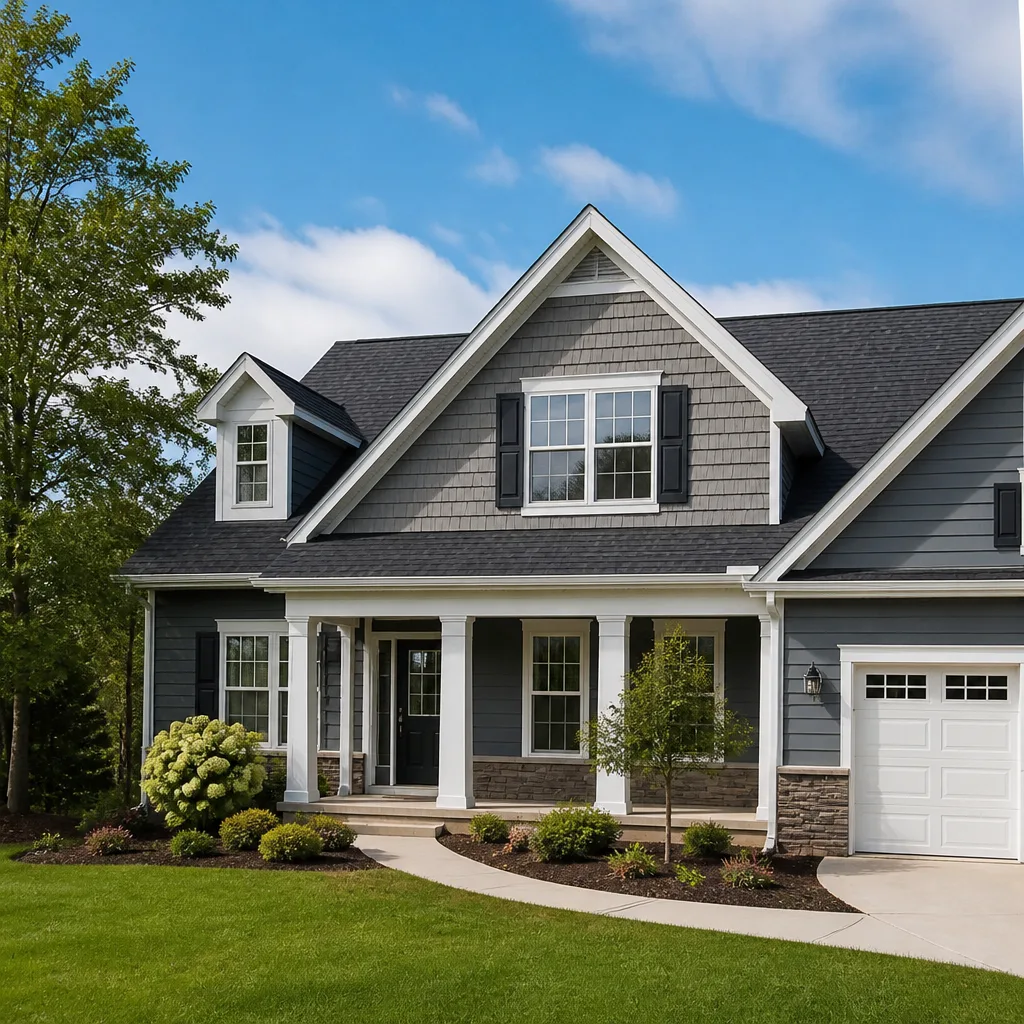
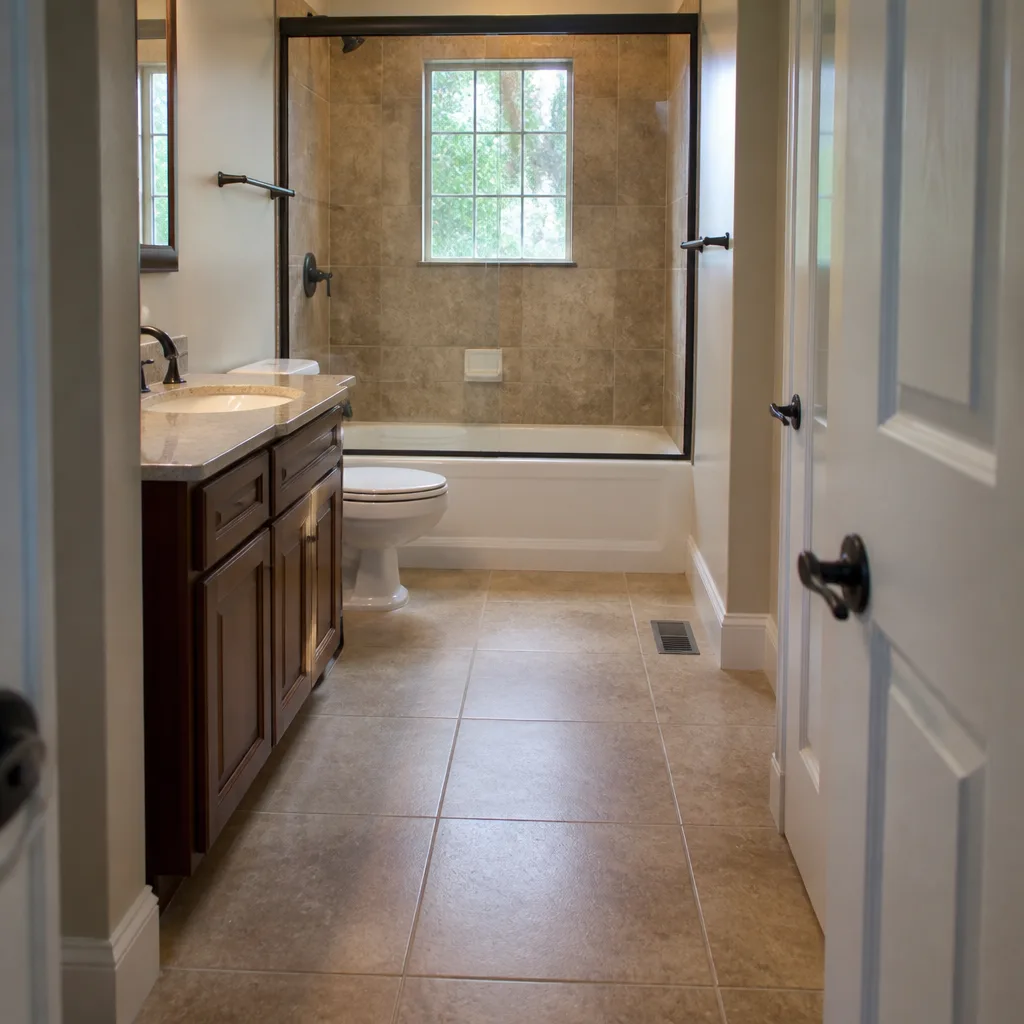
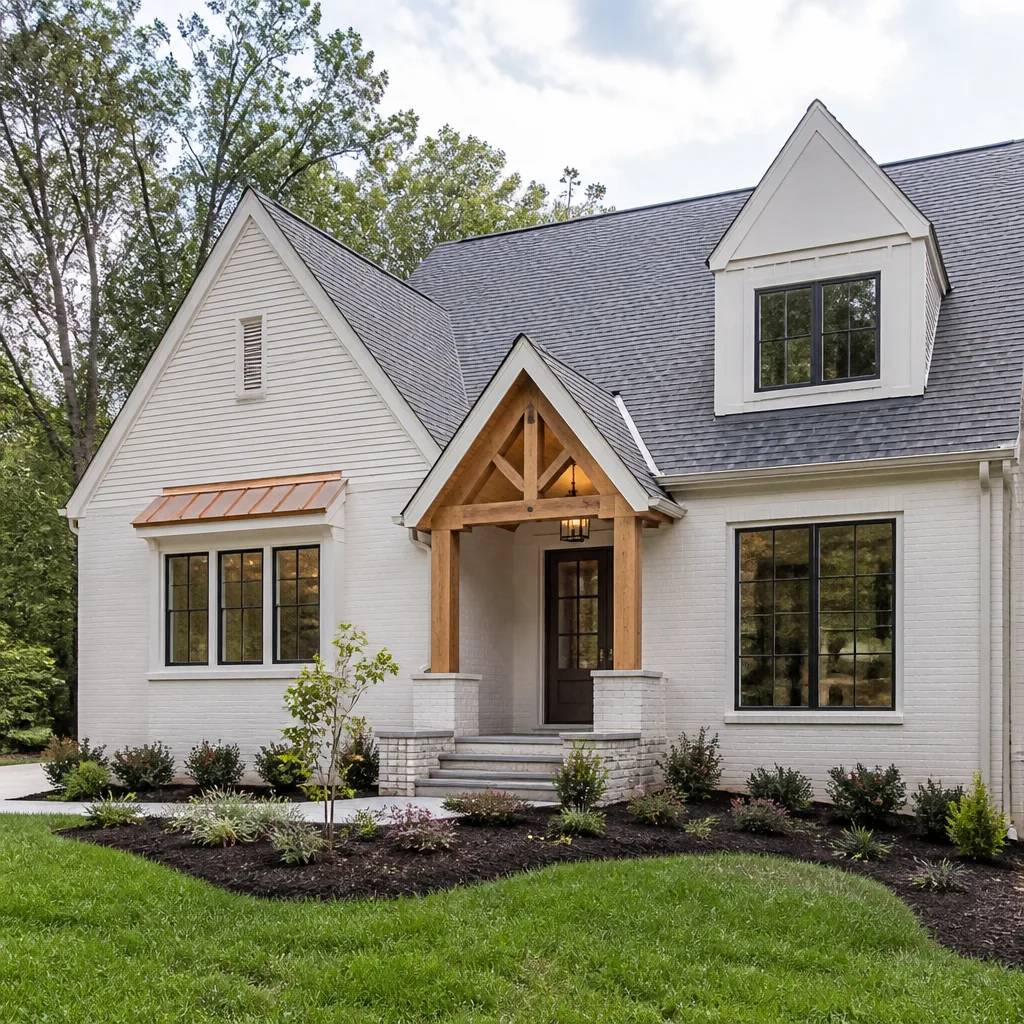
 Before
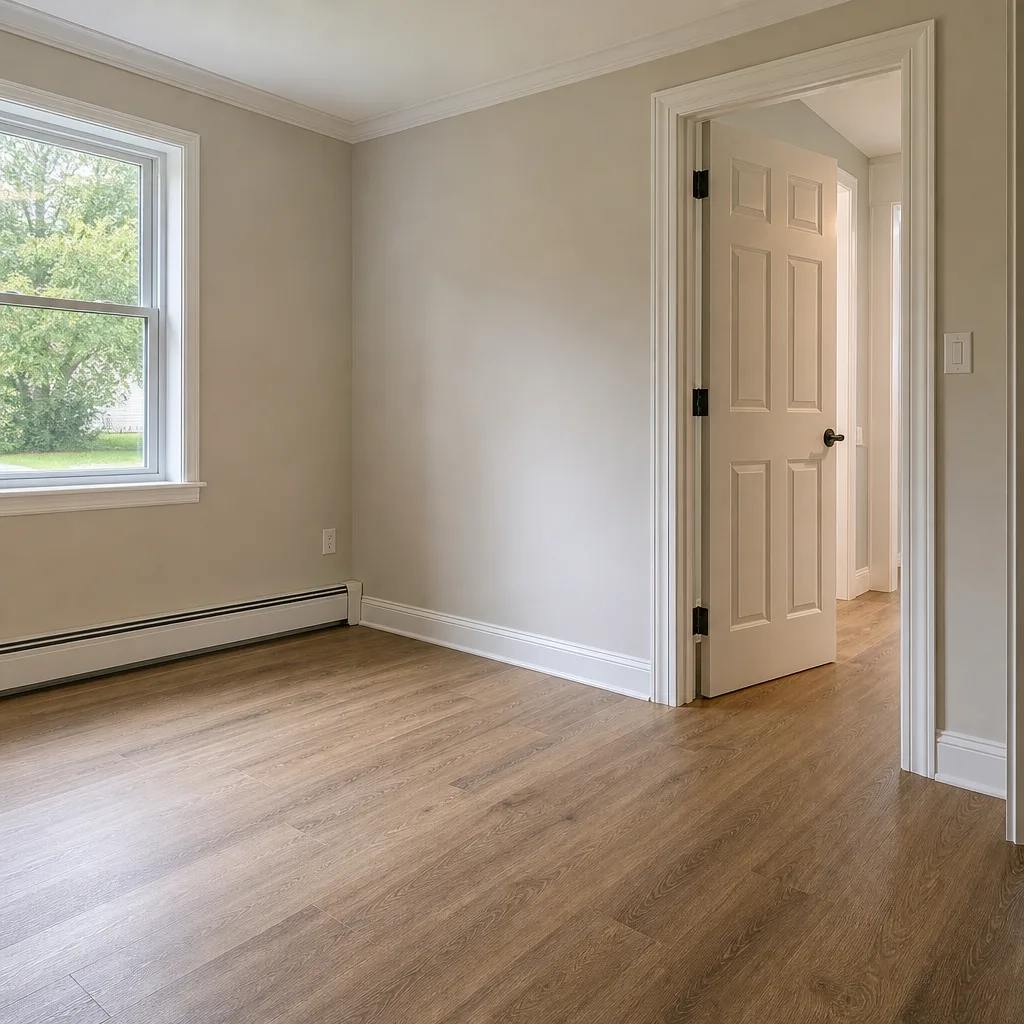 After
After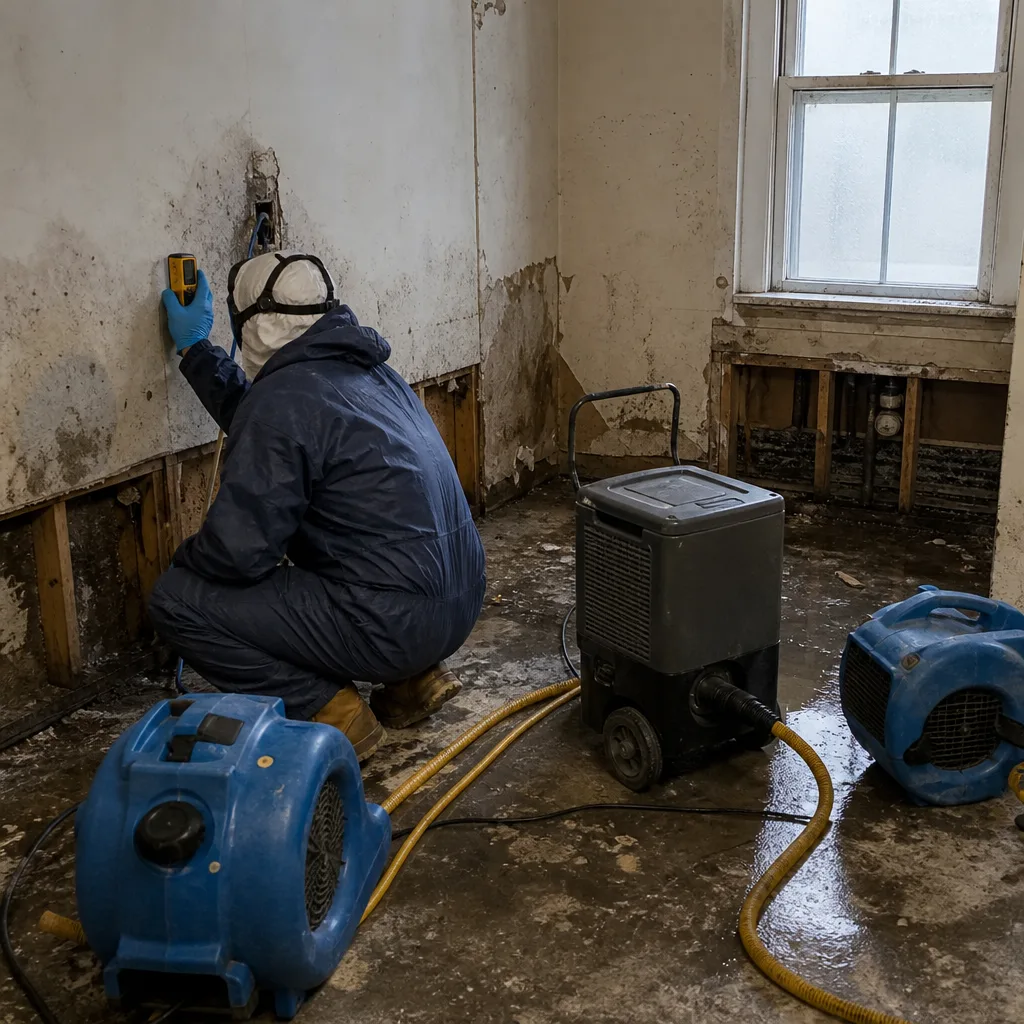 Before
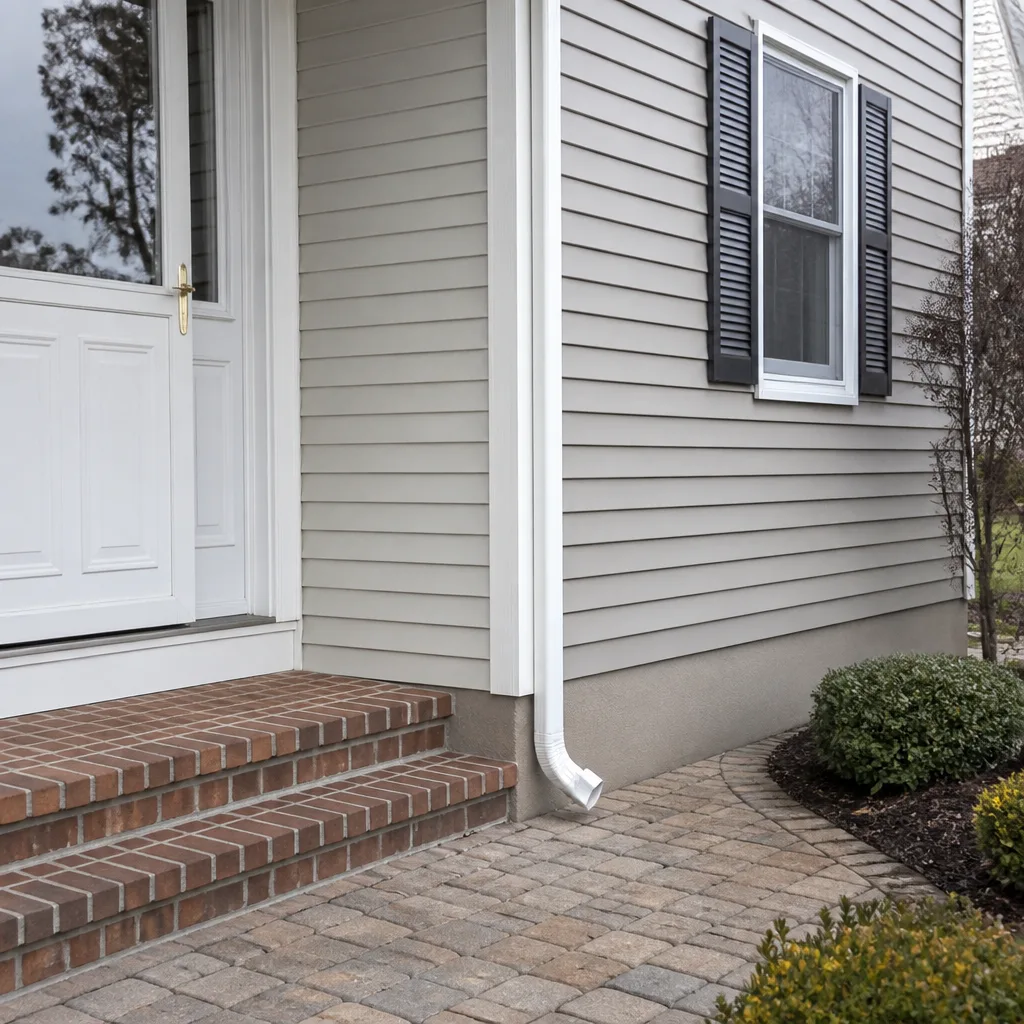 After
After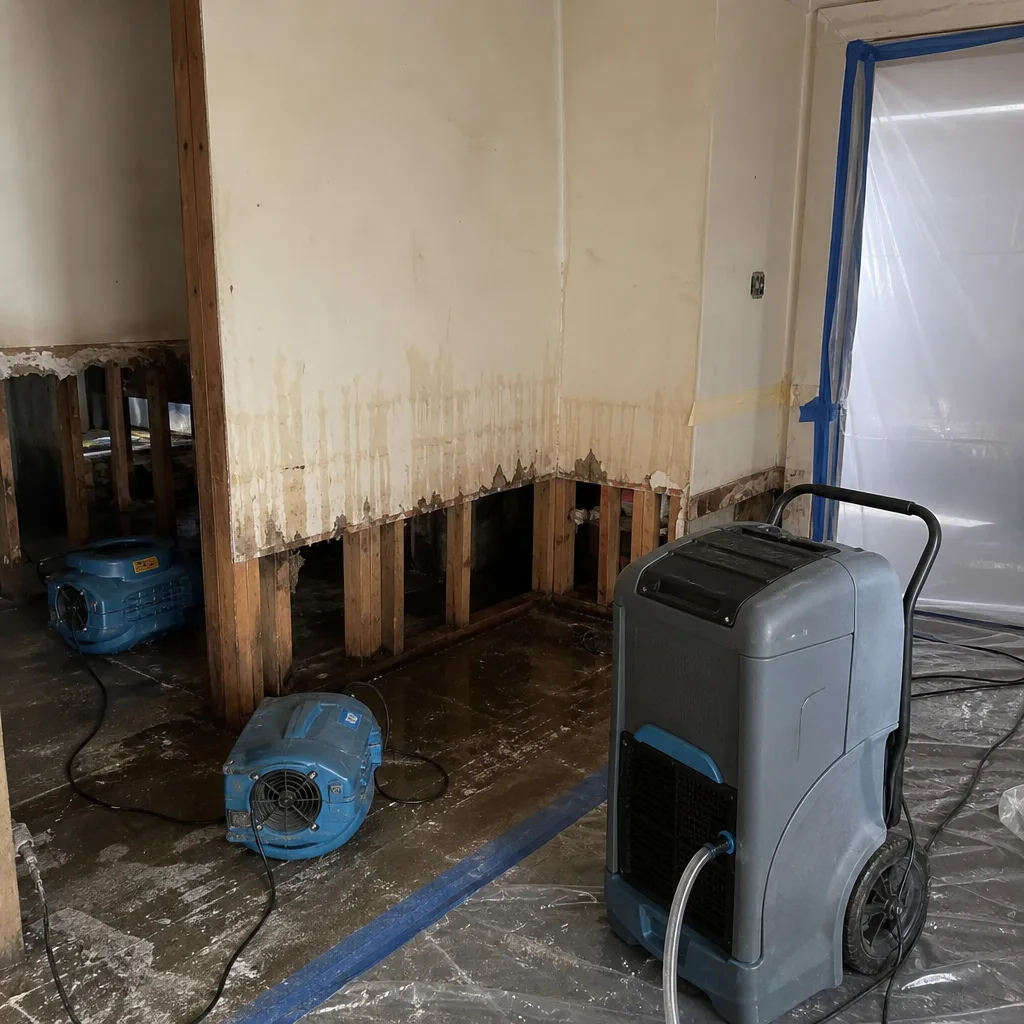 Before
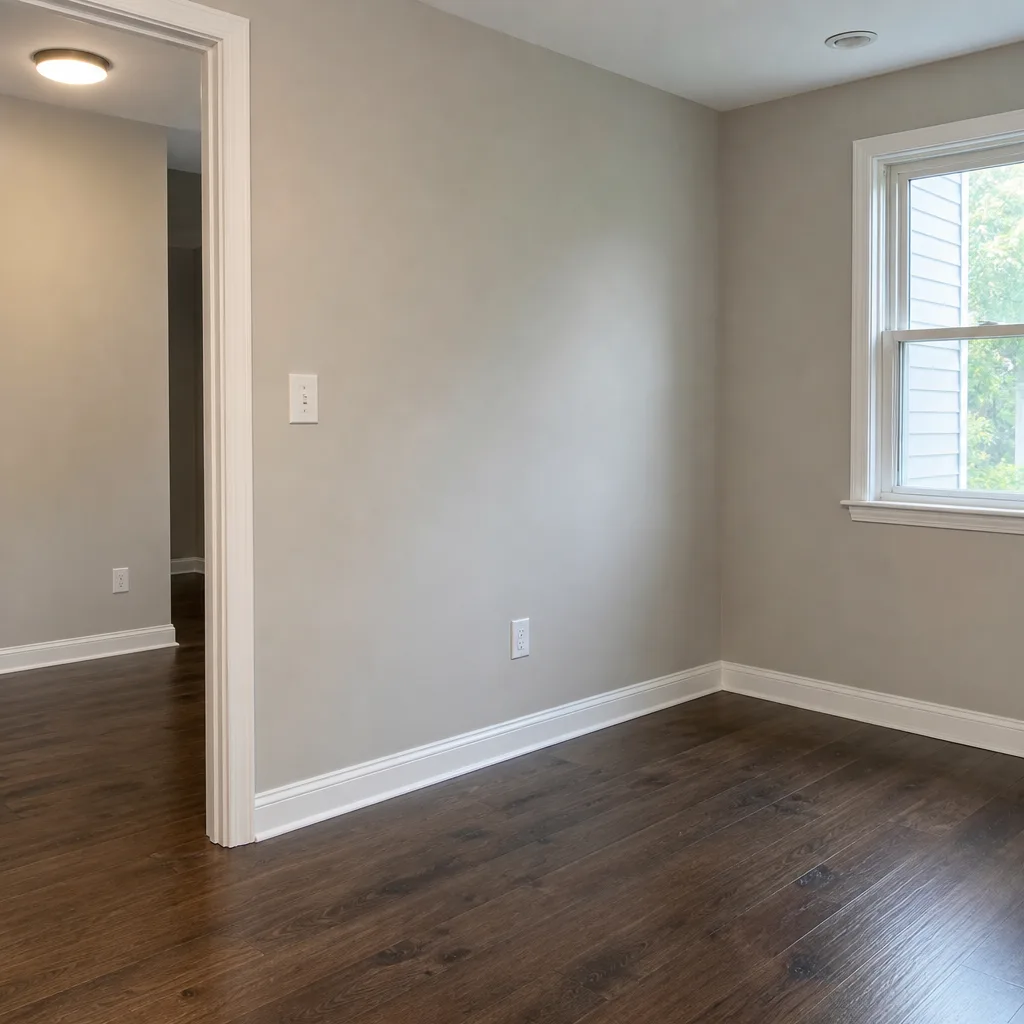 After
After24/7 Emergency Reconstruction & Cleanup in Mount Ivy
When a hillside basement floods in Mount Ivy or a nor’easter tears a door off its track, you need a crew that answers the phone at 2 a.m. and arrives with a plan, not just a pump. Floodline Restoration Co. dispatches reconstruction and cleanup crews throughout Mount Ivy around the clock. Call (914) 809-9936 for a free visual inspection. The first hour after a water event or structural failure matters because hydrostatic pressure against those uphill foundation walls doesn’t pause while you wait for a callback.
Understanding Reconstruction & Cleanup Severity in Mount Ivy Properties
Mount Ivy’s housing stock sits at the base of the Ramapo foothills, and that means damage here follows a different pattern than in flatter Rockland County communities. Homes built in the 1950s through 1970s, mostly raised ranches and split-levels, were cut into the hillside grade. Many uphill foundation walls act like retaining walls, holding back saturated backfill soil after every heavy rain. When that water pushes through, it’s Category 3 water: contaminated with soil bacteria, fertilizer runoff, and whatever else the hillside carries down. We moisture-map the entire wall, not just the visible wet spot, because readings often climb well above 30% behind drywall that looks only damp on the surface. Those older fiberglass and rock-wool insulation batts hold that moisture for weeks, which means structural drying timelines run longer here than in a flat-terrain basement with a simple sump-pit overflow.
Why Mount Ivy Property Owners Choose Floodline Restoration Co.
- 45-minute response commitment: When you call with an active intrusion, a crew is dispatched to Mount Ivy immediately, not after a sales call.
- 24/7 live answer: A real dispatcher picks up. No automated trees, no voicemail at midnight. You speak to a person who can send help.
- IICRC-certified crews: Our technicians hold WRT, FSRT, and AMRT certifications, so the work is done to an actual standard, not a guess.
- Free visual inspection: We assess the damage and the uphill grade conditions before any work is authorized. You see what we see.
- Direct insurance billing: We bill your carrier directly and handle adjuster communication. You are not the messenger.
- One team, start to finish: Extraction, structural drying, rebuild. No mid-job handoff to an unfamiliar crew.
Our Reconstruction & Cleanup Process
Inspection & Assessment
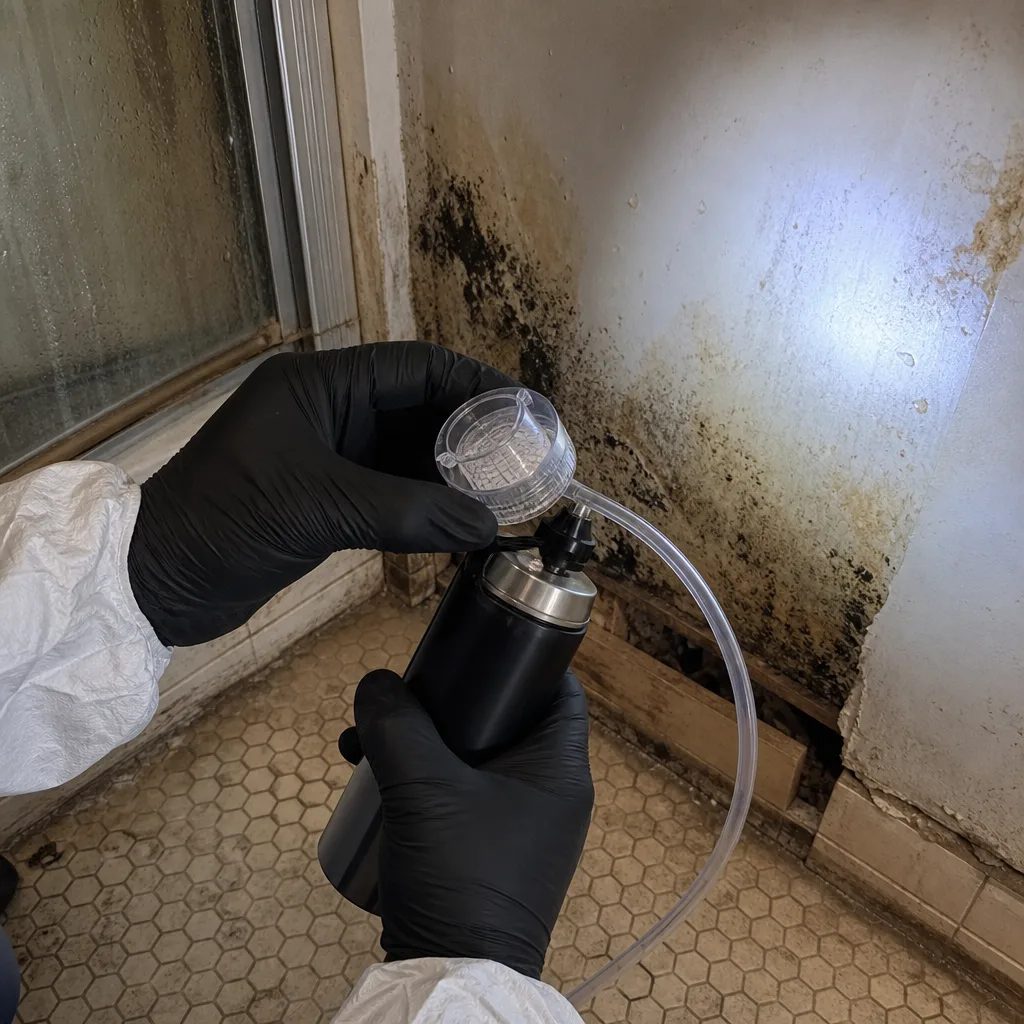
We start with thermal imaging and moisture meters to find every wet cavity, including the uphill wall faces that flat-terrain crews miss. We document the loss with photos and written notes for your carrier.
Extraction & Stabilization
Standing water is removed with truck-mounted extraction. We stabilize the structure by relieving the hydrostatic load where possible and shoring any compromised framing.
Drying & Dehumidification
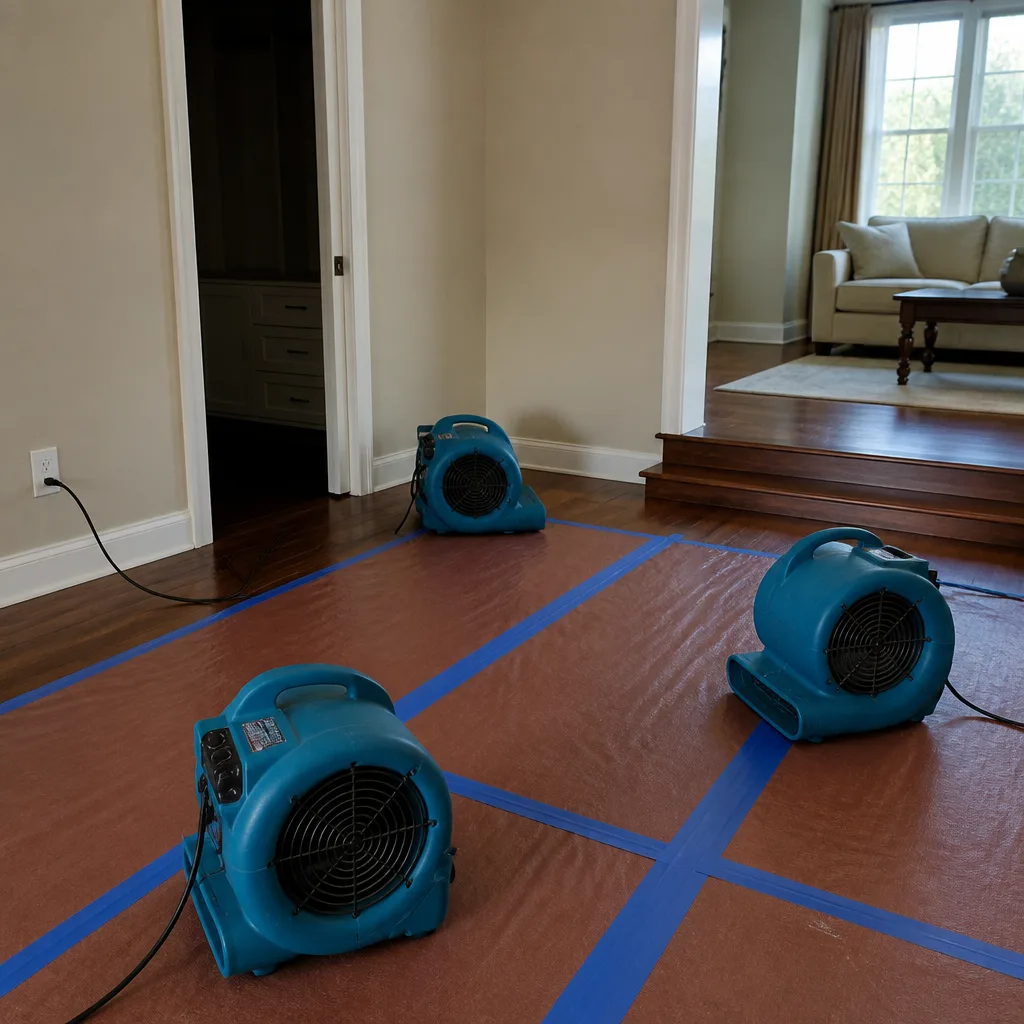
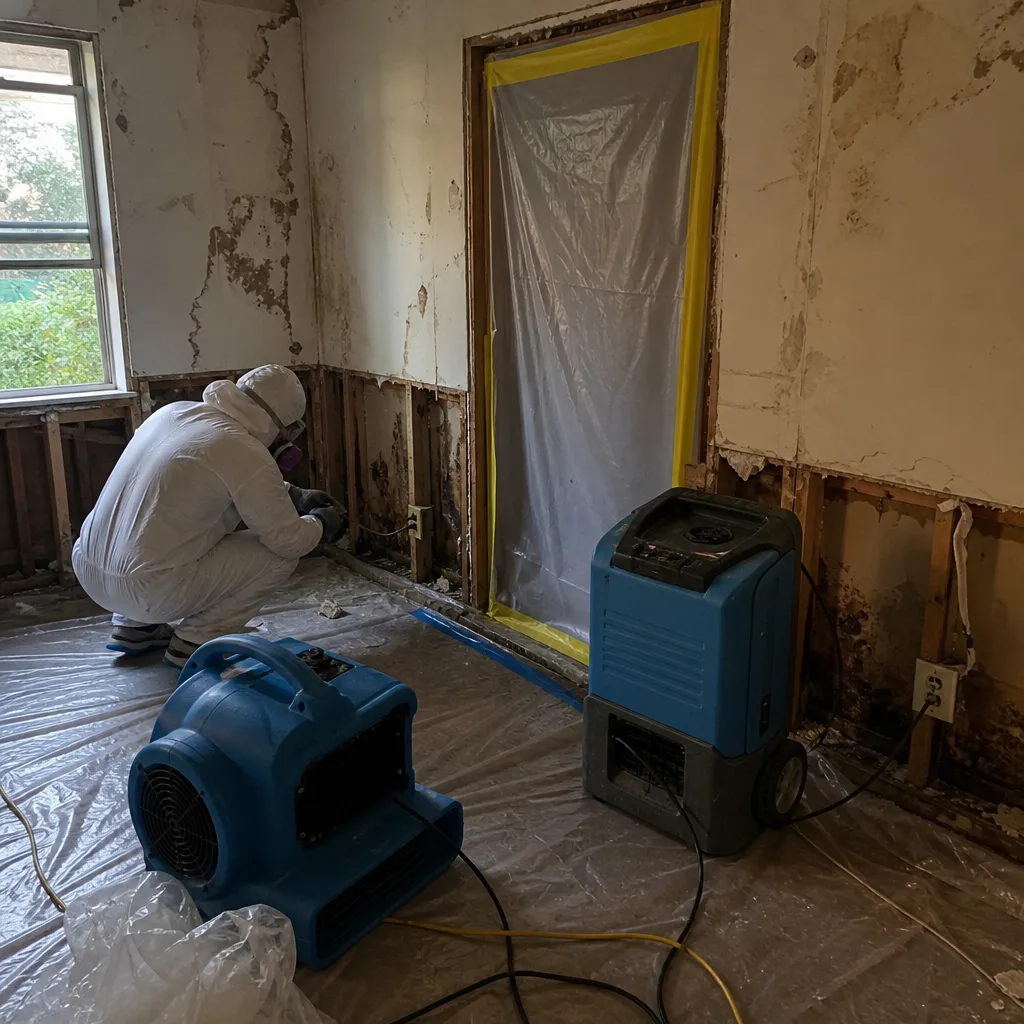
Professional-grade XPOWER air movers and B-Air dehumidifiers are placed according to a moisture map, not scattered randomly. Daily readings are logged until the dry standard is reached.
Cleaning & Sanitization
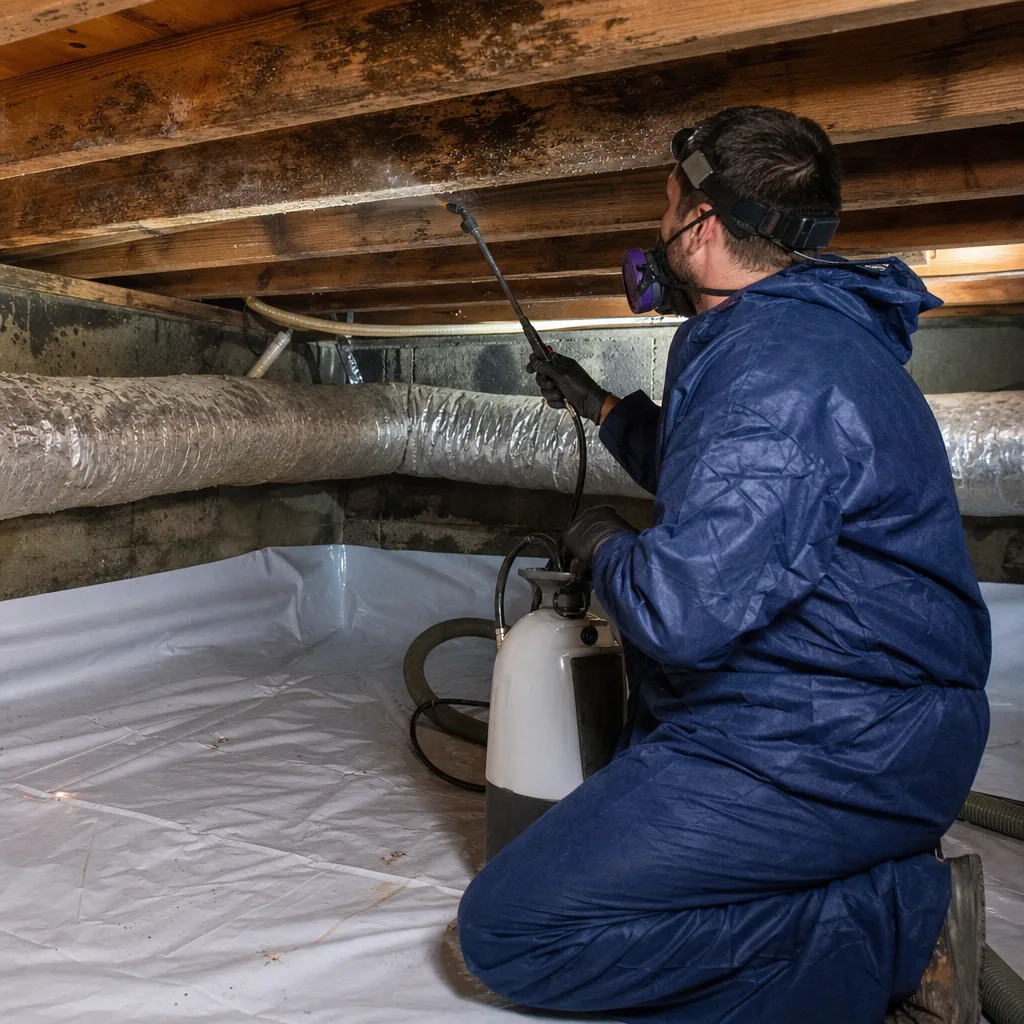
Contaminated surfaces are treated with appropriate antimicrobials. We HEPA-vacuum and scrub affected areas. Containment stays in place until the air clears.
Structural Drying Verification
We confirm the block foundation and framing have returned to pre-loss moisture levels using hygrometers and penetrating meters. Nothing gets closed up wet.
Reconstruction & Repairs
Walls are rebuilt with moisture-resistant drywall. Doors and windows are reset plumb and level in their rough openings. The finished job is walked with you and documented.
Need Emergency Reconstruction & Cleanup in Mount Ivy Now?
Crews minutes away, answering live 24 hours a day. The sooner we start, the less it costs.
Working With Your Insurance Company
Insurance claims for Mount Ivy hillside water intrusion can get complicated because the damage source is not always obvious to an adjuster who has never seen a hydrostatic wall failure. We provide documentation from the first hour: photos of the uphill grade, moisture readings from the wet wall, and a written explanation of the hydrostatic mechanism. That kind of evidence changes the conversation from “vague water damage” to a covered sudden event. Our line-item scopes are written to industry-standard estimating software, which your carrier recognizes. We coordinate directly with your adjuster, so you are not stuck explaining technical details you should not have to understand.
What We Provide Your Insurer
- Thorough documentation of the loss
- Photos of all damage, room by room
- Moisture readings and drying logs
- A detailed, line-item scope of work
- Direct coordination with your carrier
Built for Mount Ivy’s Loss Calendar
Mount Ivy’s damage season runs year-round, but the causes shift with the weather. January and February bring deep freezes that split supply lines in those 1960s and 1970s homes, and the freeze-thaw cycling at this elevation is harder on concrete block foundations than in lower-lying towns. March and April deliver saturated ground from snowmelt, pushing water against those uphill foundation walls for weeks at a time. Summer thunderstorms drop sudden volume that the hillside can’t absorb, sending runoff directly into low-lying streets and basements. Nor’easters in late summer and fall peel doors off their tracks and drive rain into the uphill wall faces. Each season has a signature failure mode here, and crews who work Mount Ivy year-round recognize them immediately.
Reconstruction & Cleanup Across Mount Ivy’s Neighborhoods
The hillside streets off Mount Ivy Road and Thiells-Mount Ivy Road see the most severe hydrostatic intrusion because the grade rises directly behind the homes. Response routes along Route 202 and Call Hollow Road put us at a door within minutes, but the real advantage is knowing that the ranch on a back-slope lot needs a different drying plan than the split-level on a corner parcel with grade falling away on three sides. Homes backing up to the wooded slopes near the Ramapo foothills edge collect leaf-litter runoff that clogs foundation drains. The lower-lying streets near the Town of Haverstraw’s eastern edge flood from concentrated storm runoff, not groundwater. Each area of Mount Ivy has a predictable loss pattern, and we dispatch with that in mind.
Specialized Reconstruction & Cleanup Services We Offer in Mount Ivy
Full-Service Reconstruction
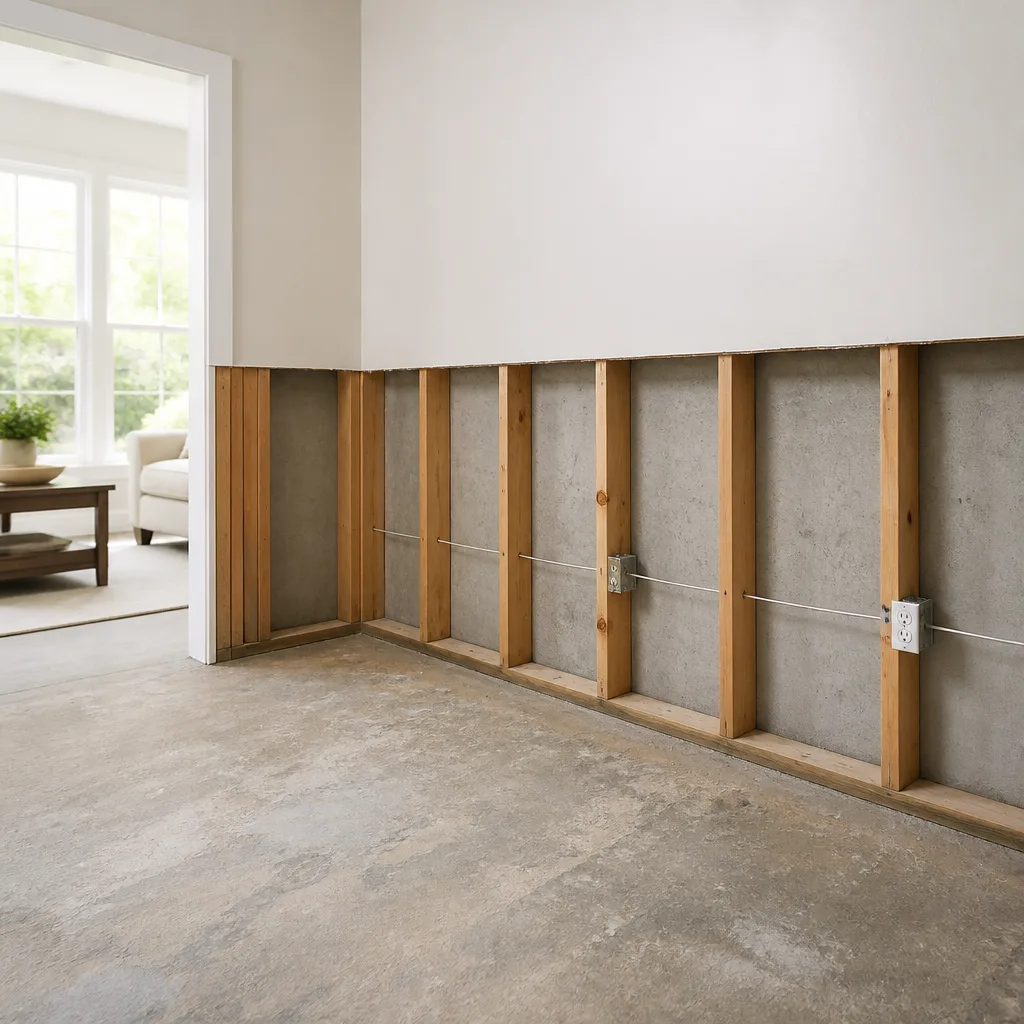
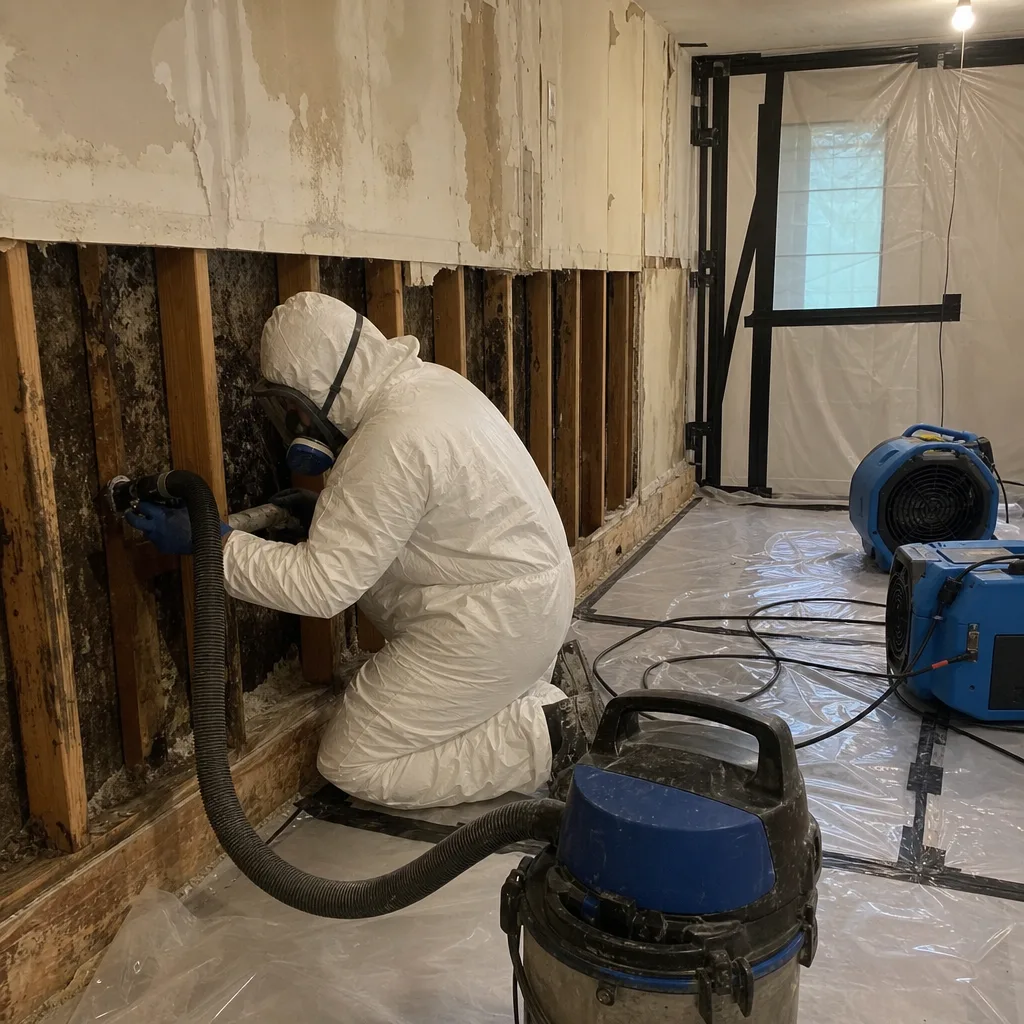
We rebuild the wall, not just the surface. When hydrostatic pressure has compromised a block foundation wall in Mount Ivy, we remove the wet drywall and insulation, treat the block, and reconstruct with moisture-resistant materials rated for below-grade exposure. The rebuild includes structural repairs to any framing that has wicked water, and we pull the required permits.
Drywall & Flooring Repair
Hillside homes in Mount Ivy frequently need drywall replacement on the uphill wall face, which flat-terrain crews misdiagnose as a roof or window leak. We cut out the wet material, dry the cavity, and install new drywall that won’t buckle during the next rain event. Flooring near those walls often wicks moisture from the slab, so we assess subfloor conditions before installing new flooring.
Contents Restoration & Pack-Out
When a Mount Ivy basement floods from hydrostatic intrusion, the contents are usually Category 3 contaminated. We pack out salvageable items, clean and decontaminate them off-site, and store them until the structure is ready. Items that cannot be restored are documented for your insurance claim.
Carpet & Upholstery Cleaning
Post-flood carpet in a Mount Ivy basement is a judgment call. If the water was Category 3, carpet and padding typically cannot be restored to a sanitary condition. We give you an honest assessment, not a upsell. Upholstered furniture on the affected level gets the same treatment: cleaned if salvageable, documented if not.
Post-Construction Cleanup
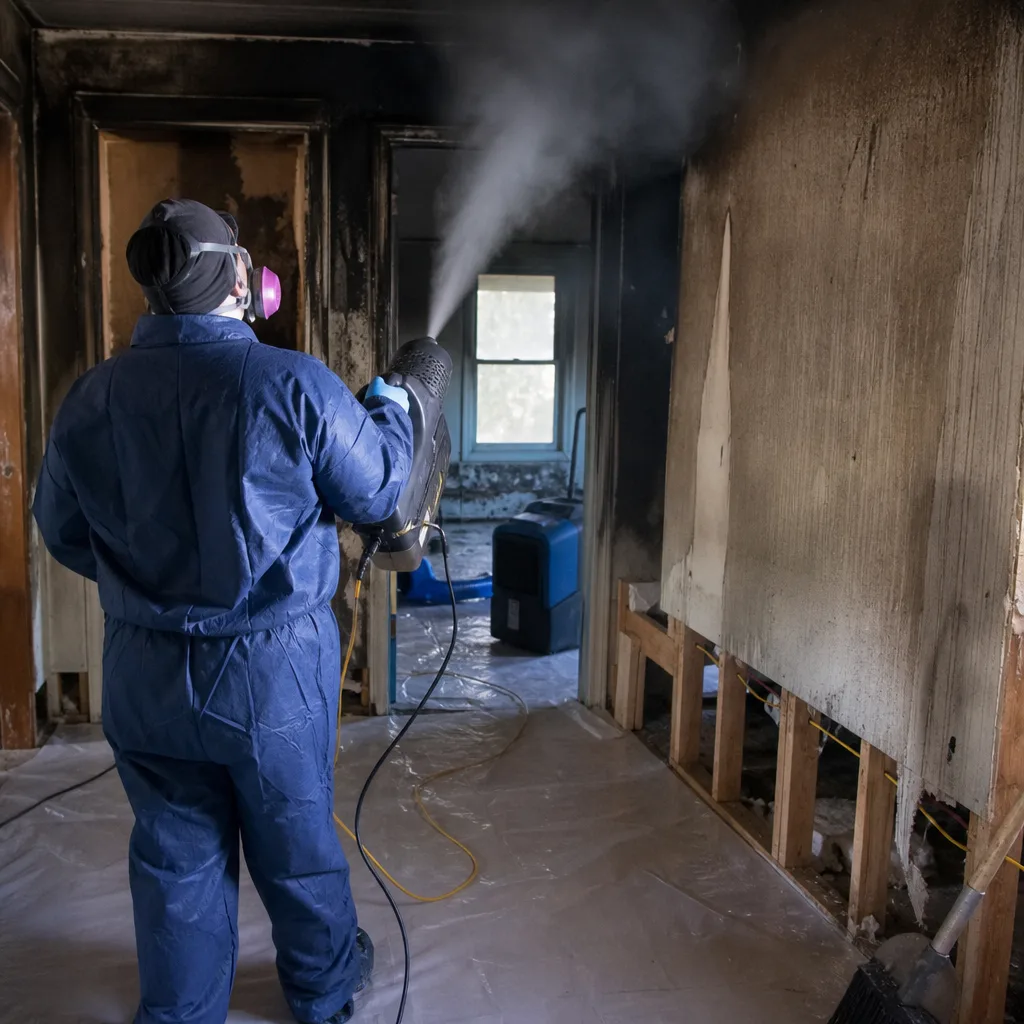
After the rebuild is done, we clean the job site to a livable standard. Drywall dust, debris, and construction residue are removed. We HEPA-vacuum surfaces and leave the space ready for your furniture, not for a follow-up cleaning crew.
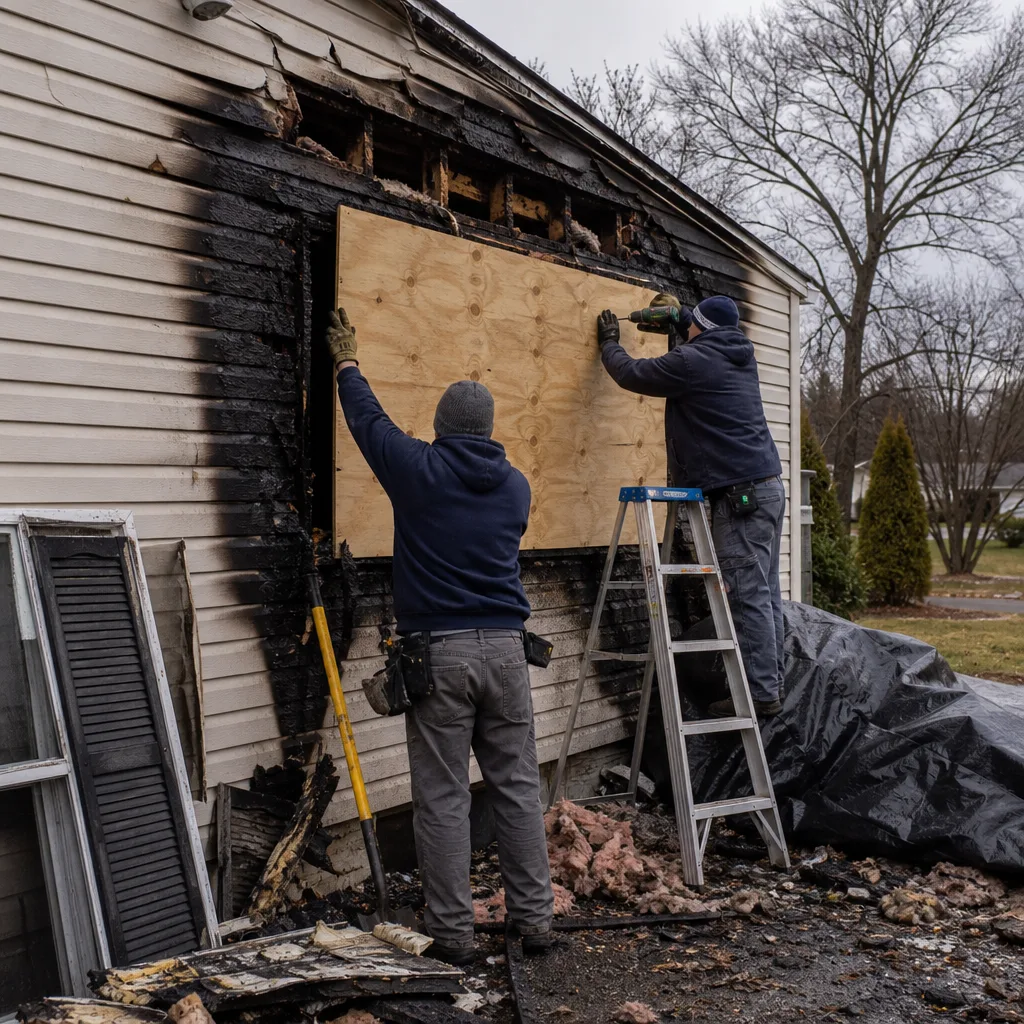
What happens when you call
- 1
A real person answersNo phone trees - you reach a local pro.
- 2
You get an upfront price rangeHonest numbers before anyone is dispatched.
- 3
A background-checked tech heads outLicensed & insured, dispatched right away.
- 4
You approve before work beginsNothing starts until you say go.
Reconstruction & Cleanup Costs in Mount Ivy, NY
A typical drywall and flooring repair after hillside flooding in Mount Ivy runs $1,800 to $4,500 for a single room, depending on wall length and flooring type. Full basement reconstruction after a significant hydrostatic event ranges from $8,000 to $25,000, with the higher end involving structural repair to the block foundation and replacement of finished basement areas. Carpet and upholstery cleaning runs $200 to $600 per room when the materials are salvageable. Insurance typically covers sudden water intrusion from storms, but coverage depends on your policy’s specific language about hydrostatic pressure. We offer a free visual inspection so you have a firm scope and an honest number before any work begins.
We Also Serve Cities Near Mount Ivy
Our Mount Ivy crews regularly work in Mount Ivy and the surrounding communities, including Bardonia, Ossining, Croton-on-Hudson, and New City. If you’re in a nearby town and dealing with water or storm damage, call us. We know the terrain.
Serving Mount Ivy, NY - Our Local Coverage Area
We’re based in the Mount Ivy area and know this community well. Use the map below to see our service coverage - if you’re nearby, we can almost certainly help.
Mount Ivy Reconstruction & Cleanup Questions, Answered
Why does Mount Ivy require different reconstruction after basement flooding than Nanuet or Spring Valley?
Mount Ivy’s hillside grade means water enters basements as hydrostatic pressure through the uphill foundation wall, not as a sump-pit overflow. Flat-terrain towns like Nanuet and Spring Valley see groundwater rise from below. The reconstruction difference is significant: we are rebuilding an above-grade interior wall that has been pushed by soil water, which requires structural drying behind the drywall and often block foundation treatment, not just extraction and drying of a floor. Call (914) 809-9936 to have your specific wall assessed.
Can my 1960s Mount Ivy block foundation be rebuilt to handle repeated hydrostatic pressure?
Yes, but it requires more than a coat of waterproofing paint. We excavate where necessary, repair or replace deteriorated block, install or repair drainage, and rebuild the interior wall assembly with moisture-resistant materials. Some Mount Ivy homes also benefit from interior drain tile to relieve ongoing pressure. The work is scoped in writing before we start, and we pull permits. Call (914) 809-9936 for a free inspection.
How fast do you start mold prevention after a Mount Ivy water event?
Mold prevention starts the same visit. As soon as extraction is running, we set containment on the affected area and begin treating surfaces with antimicrobials. In Mount Ivy’s older fiberglass-insulated walls, the clock matters: mold can begin colonizing in 24 to 48 hours in warm temperatures. We do not wait for the adjuster to approve drying.
Does Mount Ivy’s freeze-thaw cycle affect reconstruction timing?
It does. Mount Ivy’s elevation intensifies freeze-thaw cycling, which means concrete and block work may need warmer temperatures to cure properly. We schedule structural repairs to the foundation when conditions allow, and we protect exposed work during cold snaps. Interior reconstruction like drywall and flooring is less temperature-sensitive and can proceed year-round.
What does insurance claim documentation include for a Mount Ivy hillside water intrusion?
We document the uphill grade, the moisture readings from the affected wall, photos of the intrusion, and a written explanation of the hydrostatic mechanism. This last piece matters: many adjusters do not understand why water appears high on an above-grade wall. Our documentation gives your carrier the technical basis to process the claim correctly. We bill the carrier directly.
How fast can a crew actually get to my Mount Ivy home?
We commit to a 45-minute dispatch response for active water intrusion or storm damage in Mount Ivy. In practice, crews working in the area often arrive sooner. You call (914) 809-9936, a live dispatcher answers, and a crew is sent immediately. No callback wait.
Do I need full reconstruction or just a cleanup?
That depends on the moisture readings and the extent of contamination. If the water was Category 3 and the wall cavities show readings above 20% behind the drywall, you need removal and reconstruction, not just surface cleaning. We give you an honest assessment after the inspection and show you the numbers. No overselling.
What should I do in the first 30 minutes after discovering water in my Mount Ivy basement?
Shut off electricity to the affected area if you can do so safely. Do not enter standing water if the electrical panel is in the basement. Call (914) 809-9936. We will talk you through immediate steps and dispatch a crew. Do not attempt to remove wet drywall yourself, especially if the water came from the uphill wall: that cavity is likely contaminated.
Written by Curt Bowman, Owner at Floodline Restoration Co., serving Mount Ivy and the surrounding Rockland County communities.