
Free visual inspection and a written scope of work before any mitigation begins - photos, moisture readings, and drying logs go in your claim file
The scope we write is the scope we bill. Anything new gets shown to you, in writing, before we touch it.
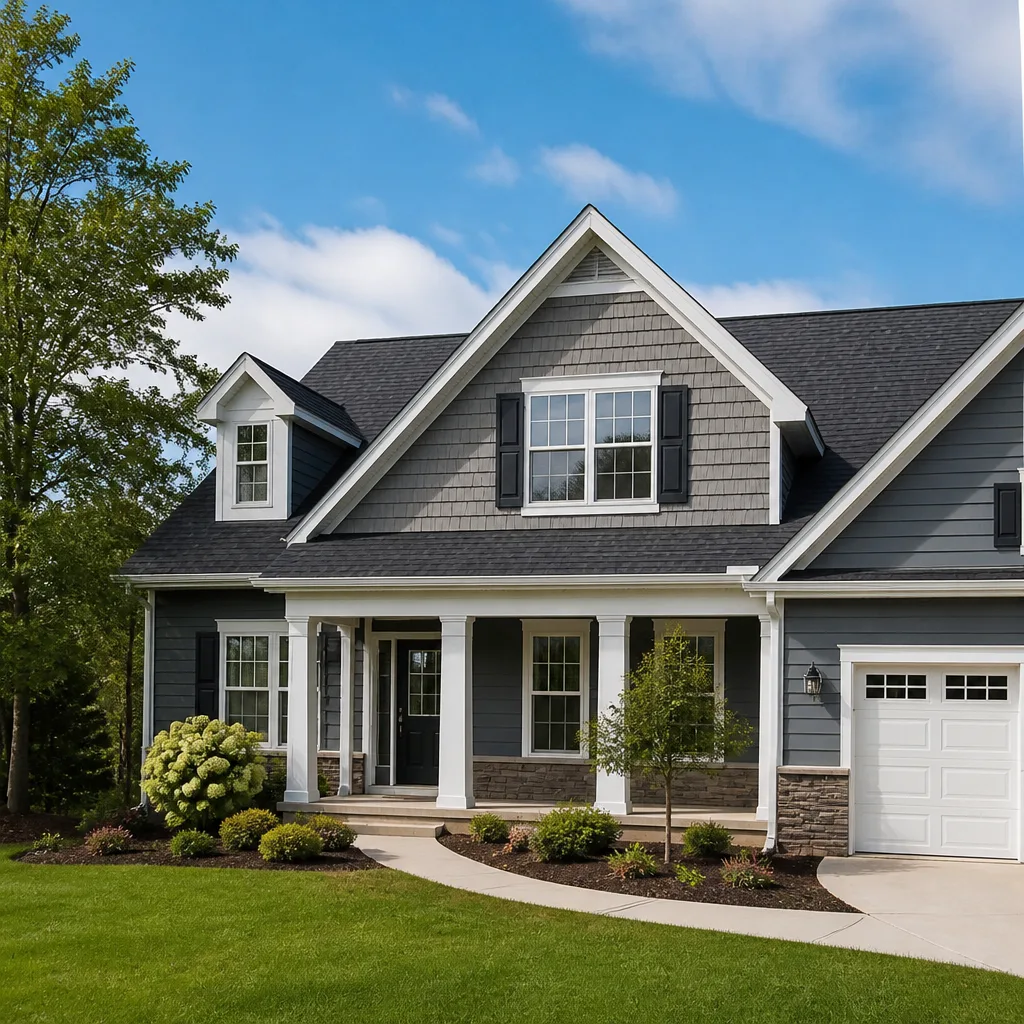
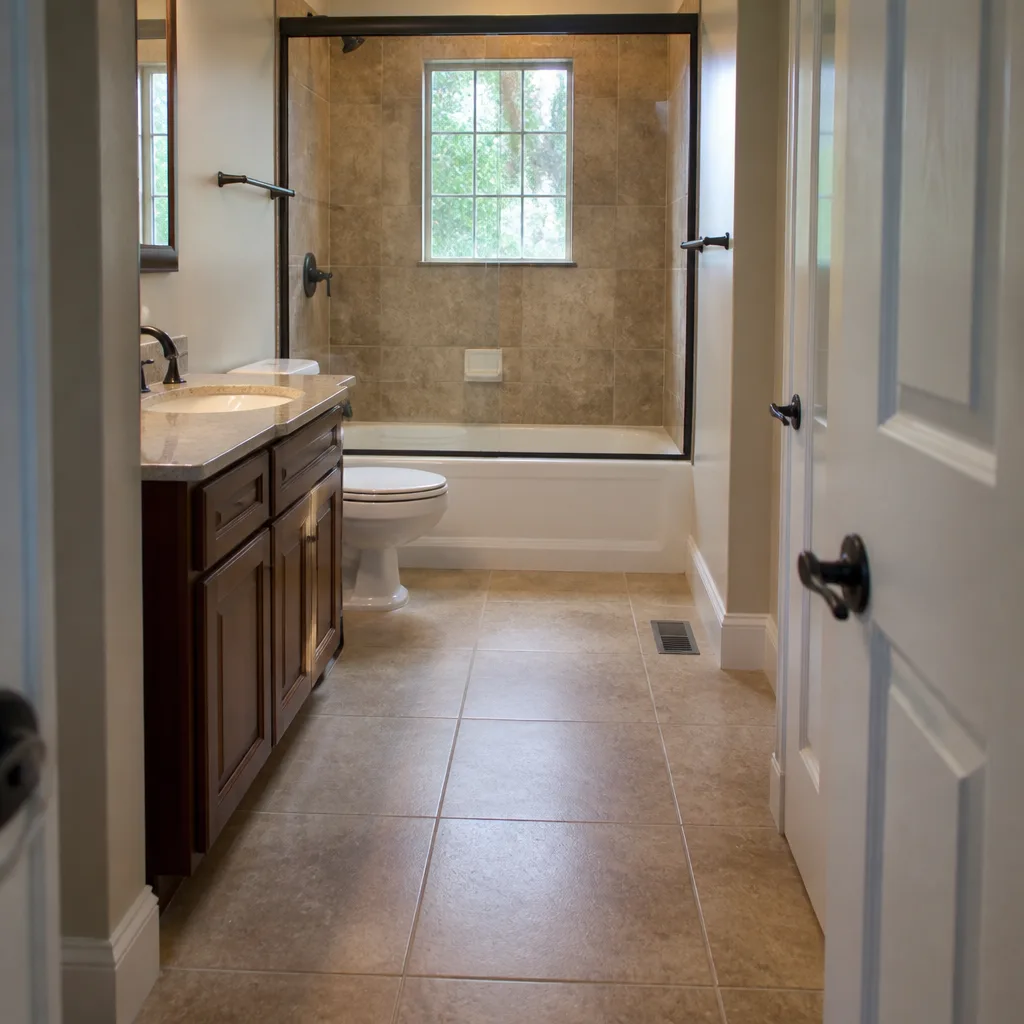
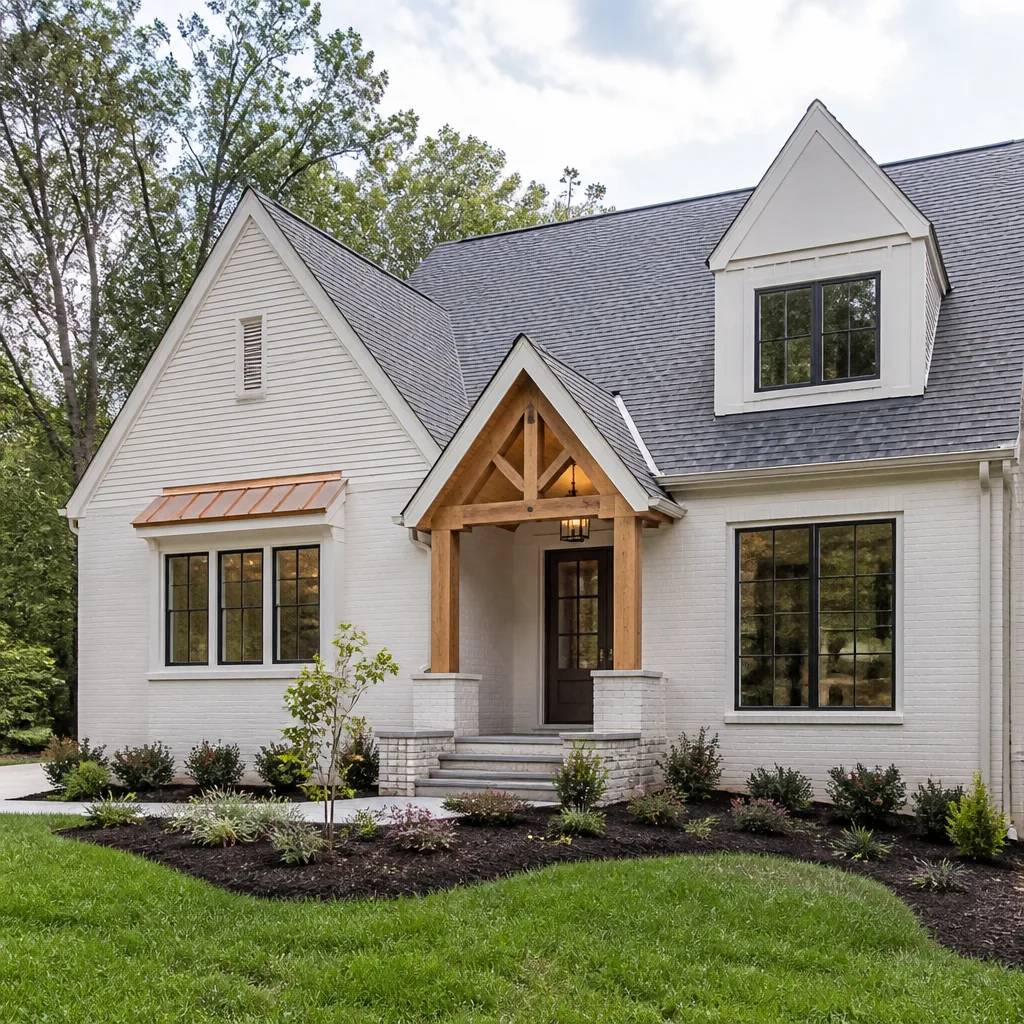
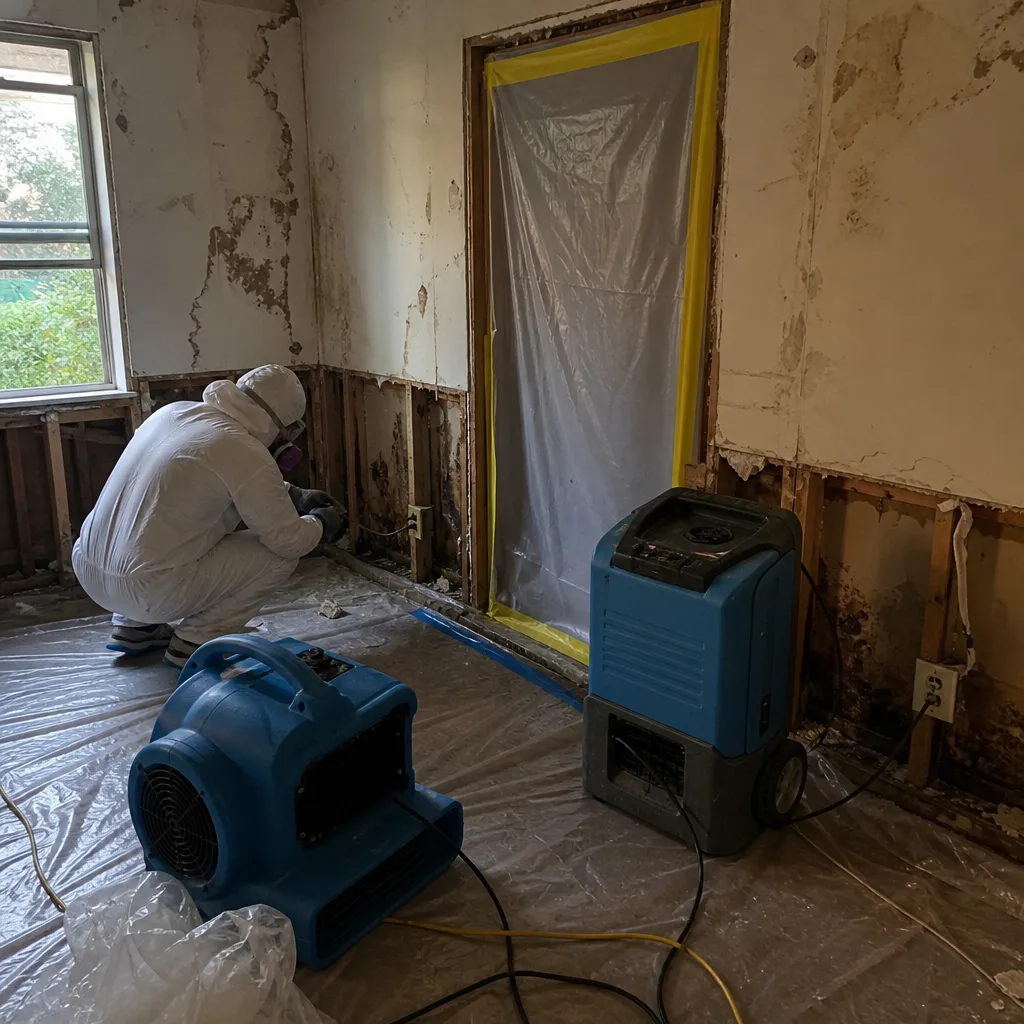 Before
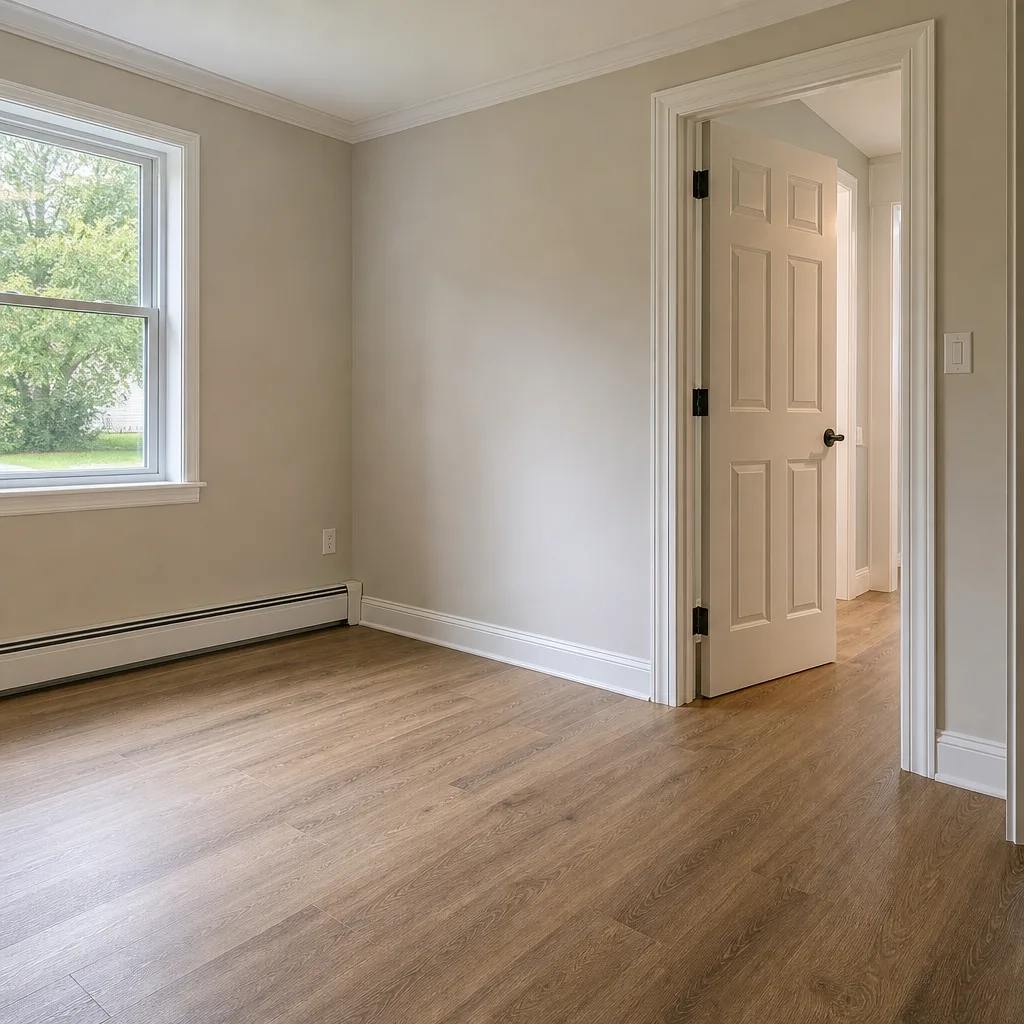 After
After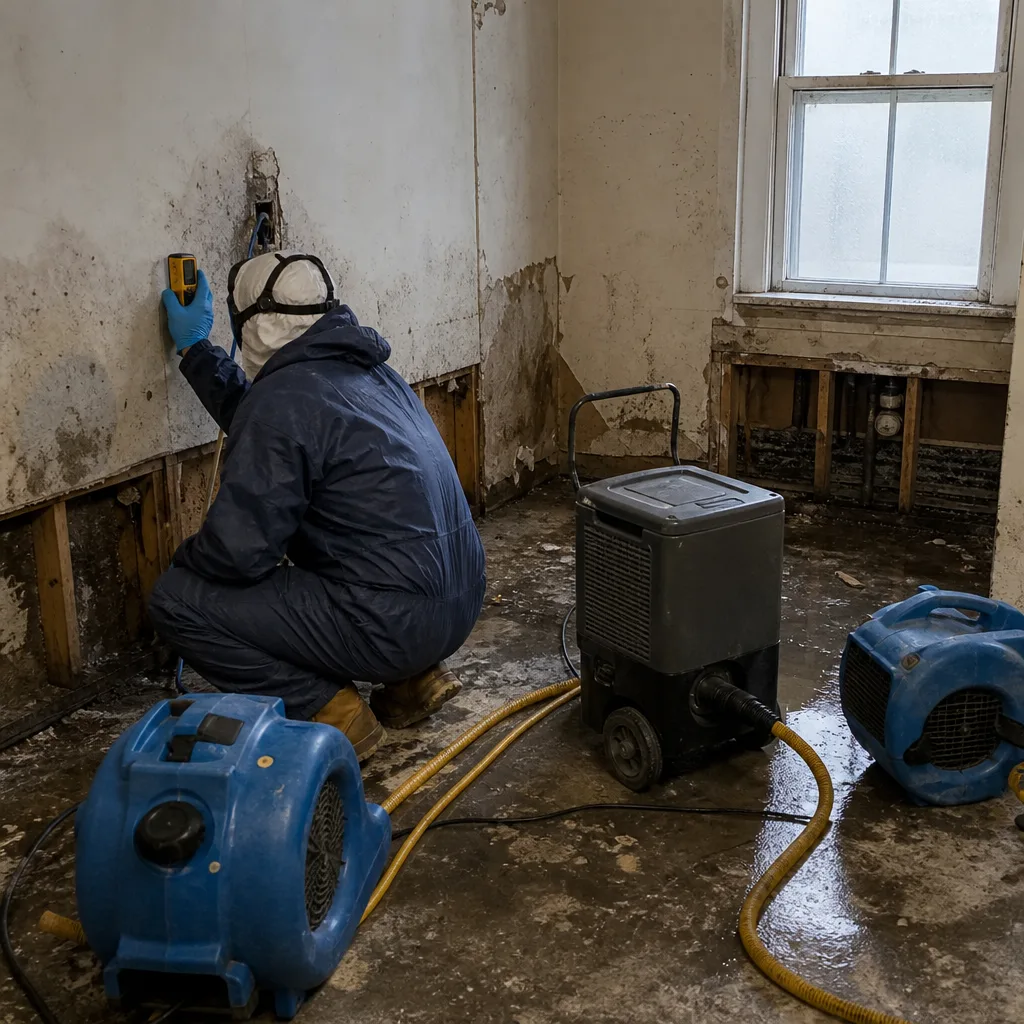 Before
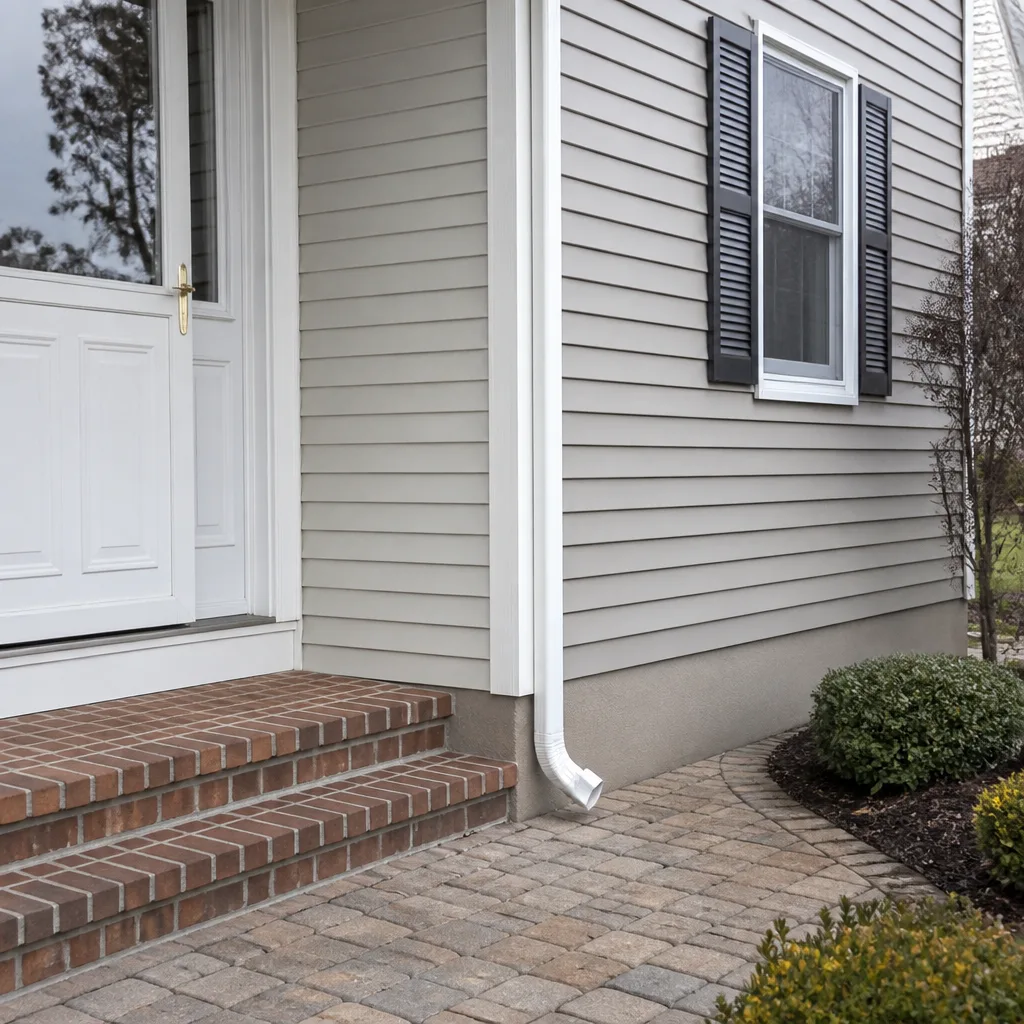 After
After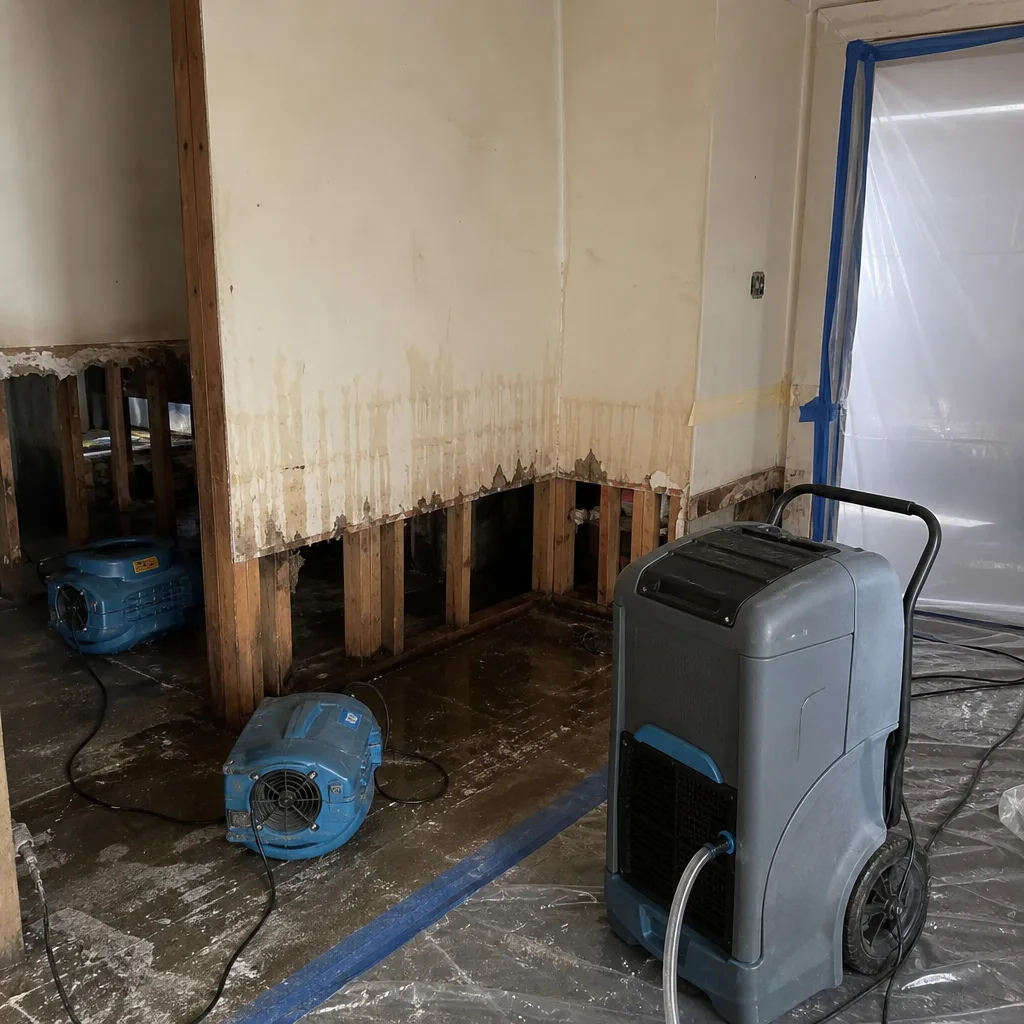 Before
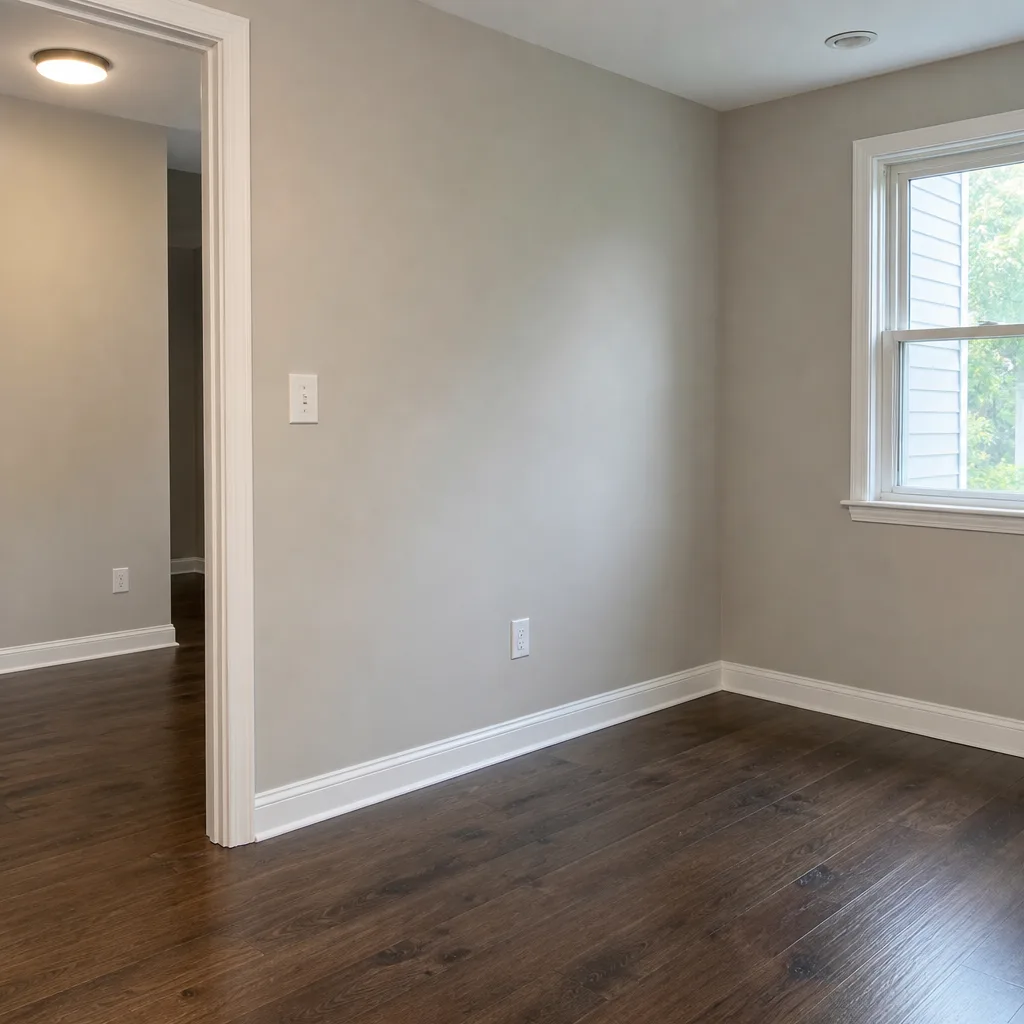 After
After24/7 Emergency Storm & Disaster Restoration in West Nyack
Storm damage in West Nyack moves fast, and so do we. Floodline Restoration Co. answers live at (914) 809-9936 every hour of every day, and a crew can be at your door within 45 minutes of your call. A flooded basement on a cinder-block foundation starts wicking water into the wall cores immediately. A breached roof keeps letting rain in until someone tarped over it. The first hour sets the cost of the whole job, and that is not an exaggeration. We do a free visual inspection, map the moisture, and get extraction running the same visit.
Understanding Storm & Disaster Restoration Severity in West Nyack Properties
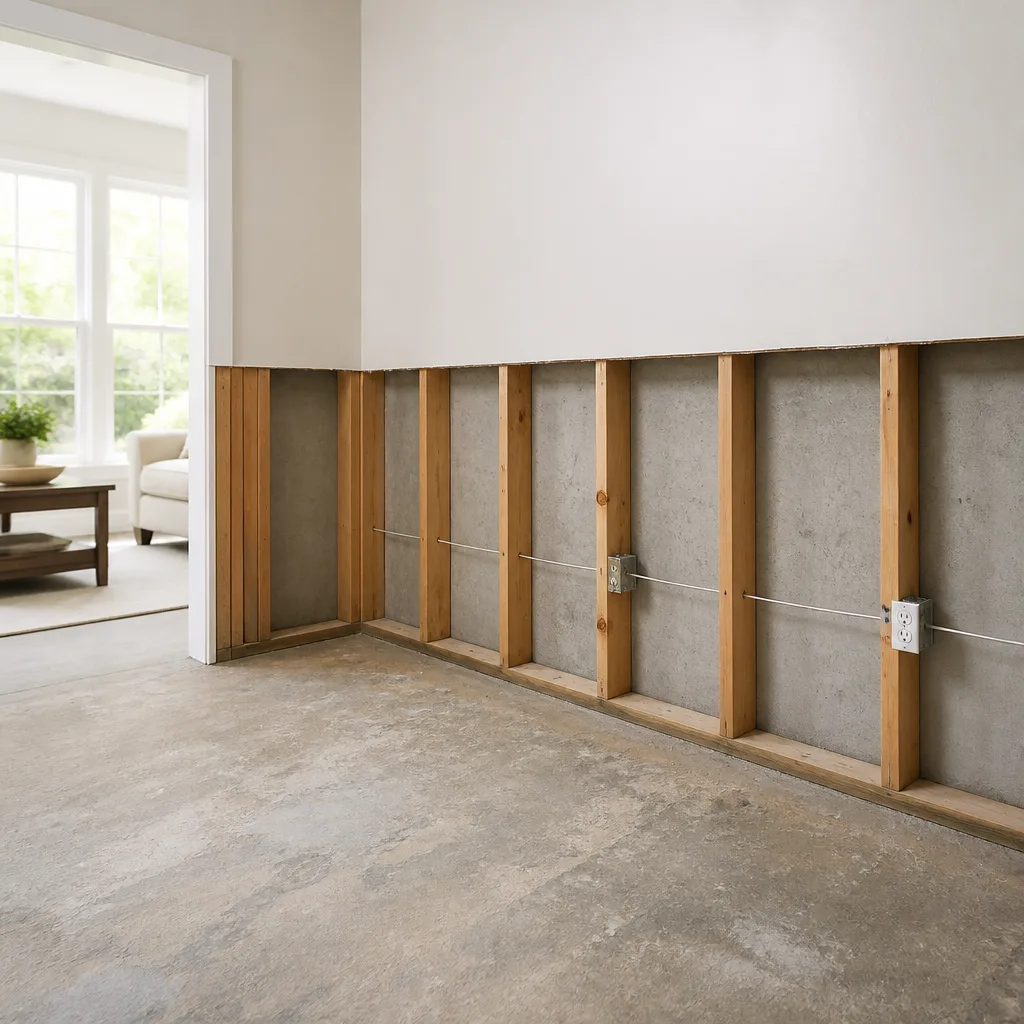
Water is never just water. The IICRC classifies floodwater in three categories, and West Nyack’s storm events routinely deliver all three. Category 1 is clean supply water from a broken line. Category 2, what most nor’easter floods bring into a finished basement, carries biological and chemical contaminants but no raw sewage. Category 3 water is the worst: floodwater from an overburdened sewer or storm drain, full of pathogens, that demands full containment and antimicrobial treatment. In West Nyack’s 1950s-1970s ranch and split-level homes, there is a second problem most property owners never hear about. The cinder-block foundations those houses sit on have hollow cores, and those cores wick water upward once the footer is submerged. The visible floor can test dry while the block cavities stay wet for weeks, feeding mold colonies inside the wall assembly. Moisture mapping with thermal imaging and penetrating moisture meters is the only way to see it without opening the wall.
Why West Nyack Property Owners Choose Floodline Restoration Co.
- 45-minute response commitment. We dispatch a local crew the moment you call, not a callback list. You’ll know who is coming and when.
- Live answer at 2 a.m., every day. A human being picks up, every time. No answering service, no voicemail tree.
- IICRC-certified technicians. Our crews hold WRT and FSRT certifications and work to IICRC, RIA, and IFA standards.
- Free visual inspection. We assess the damage and give you a written scope before any work begins. No obligation.
- Direct insurance billing. We photograph, document, and communicate with your adjuster directly. You do not play messenger.
- One team from extraction to reconstruction. The same certified crew that pulls the water will hang the new drywall. No mid-job handoff, no inherited strangers.
Our Storm & Disaster Restoration Process
Inspection & Assessment
We arrive, document the damage, and use moisture meters and thermal imaging to map water migration through flooring, drywall, and block cores. You get a written scope before work begins.
Extraction & Stabilization
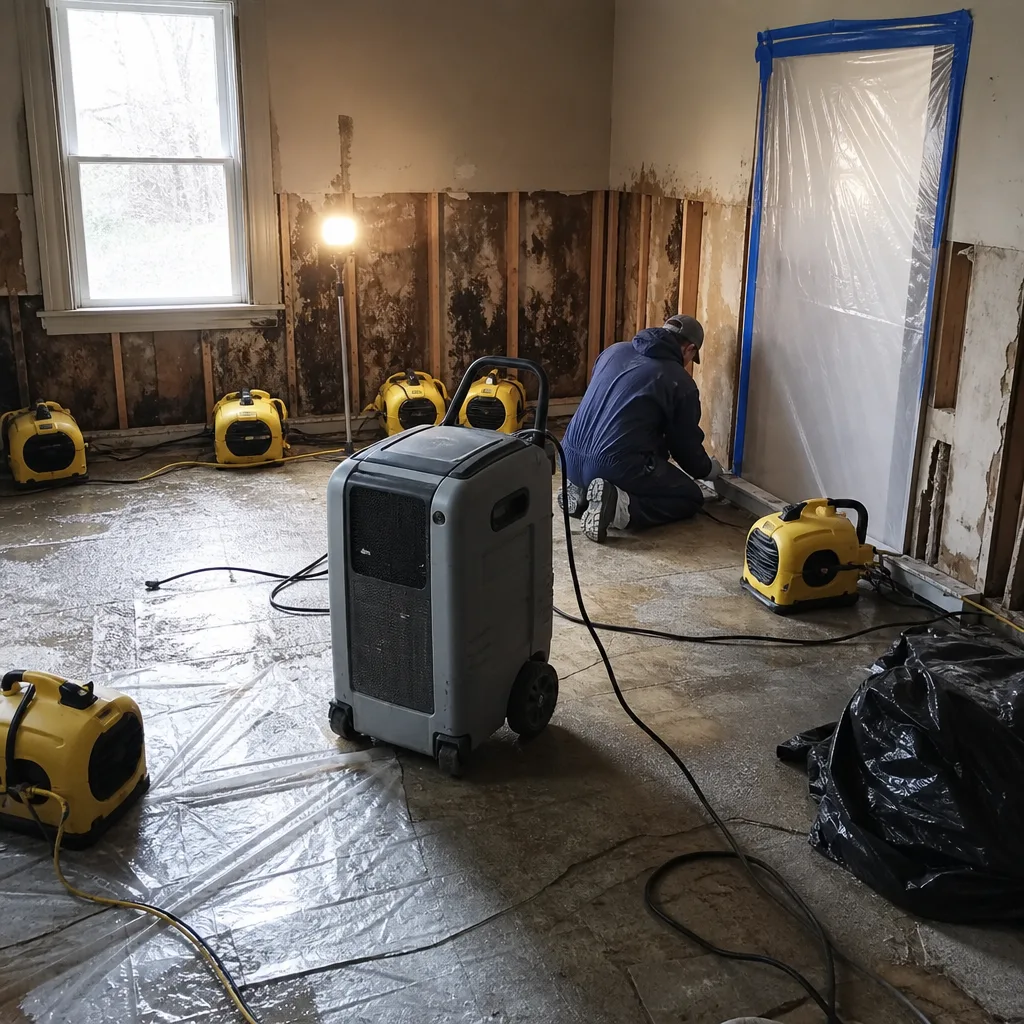
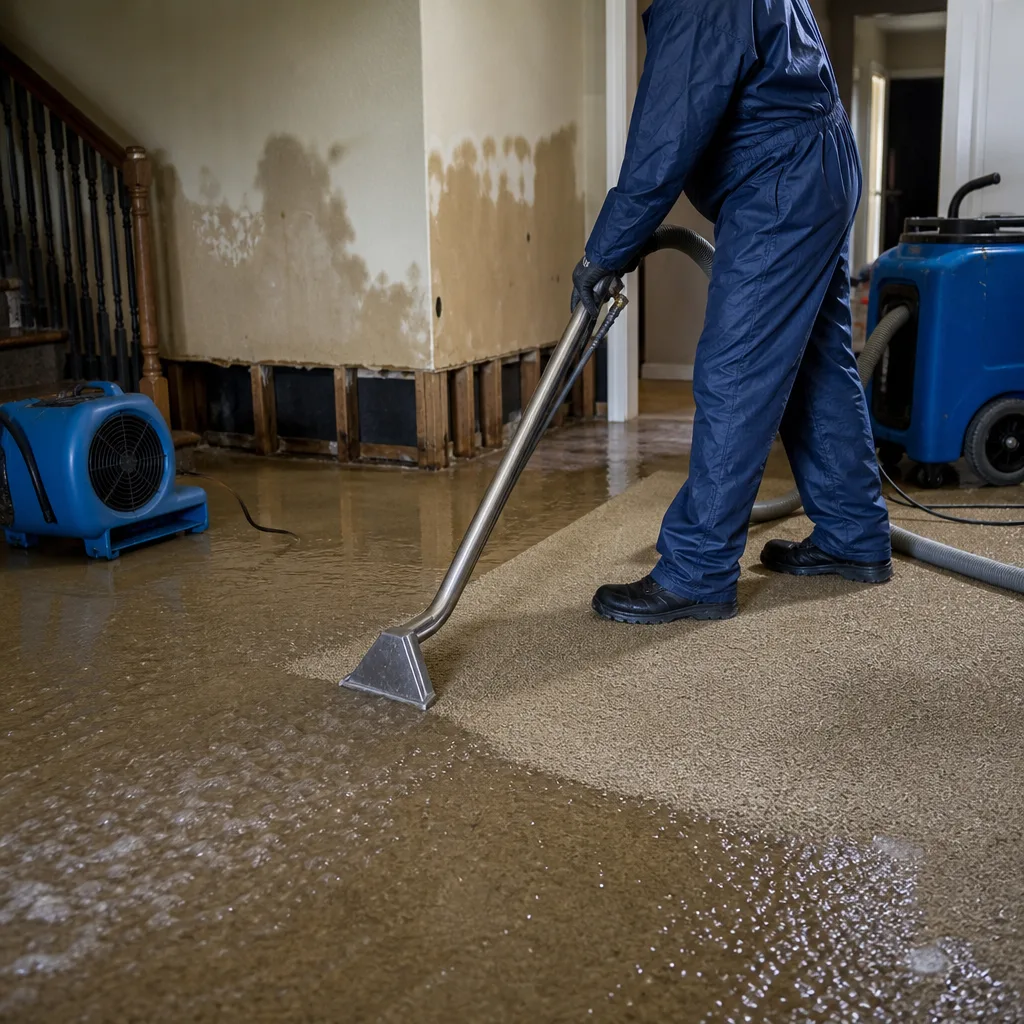
Standing water is removed with truck-mounted extraction units and XPOWER submersibles. Emergency board-up and roof tarping happen immediately so the opening stops letting weather in.
Drying & Dehumidification
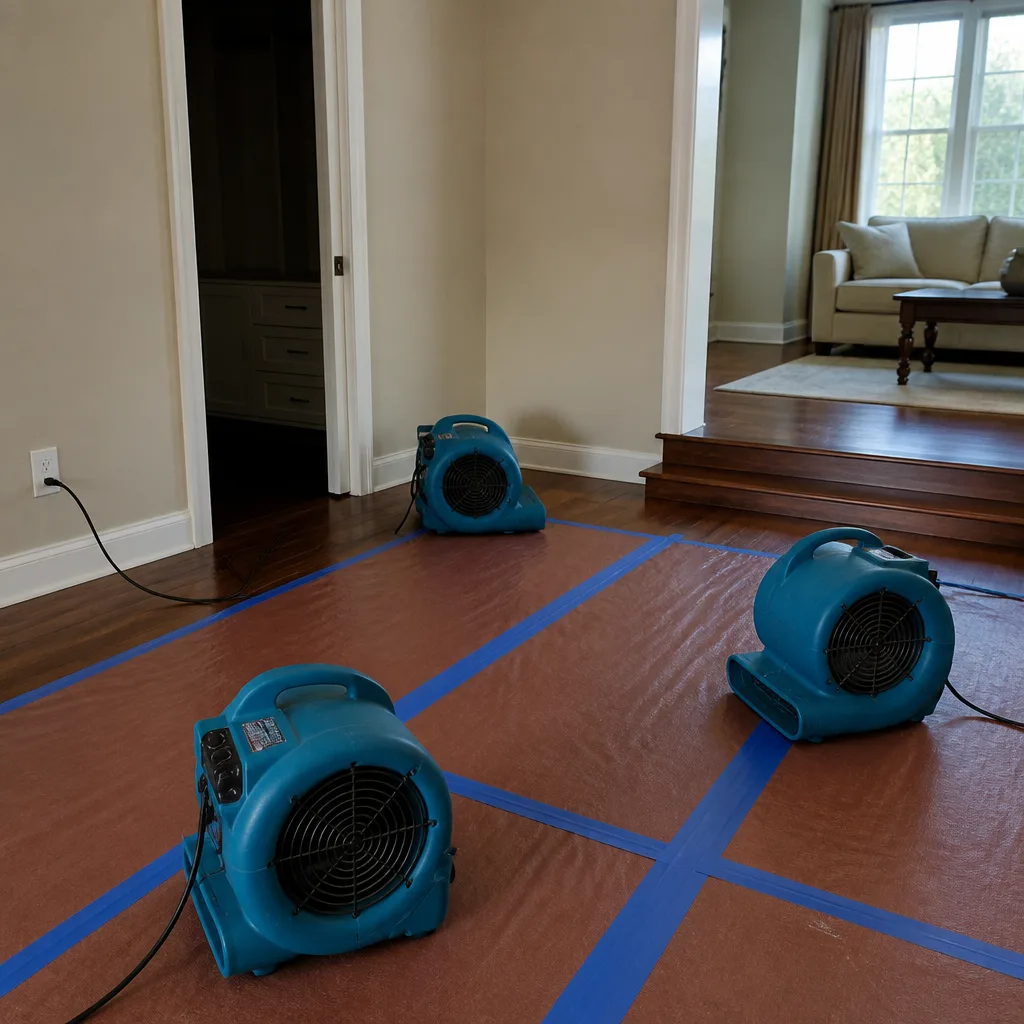
Air movers and Dri-Eaz dehumidifiers create the engineered airflow and low-vapor-pressure environment needed to pull moisture from wall cavities, flooring, and block cores.
Cleaning & Sanitization
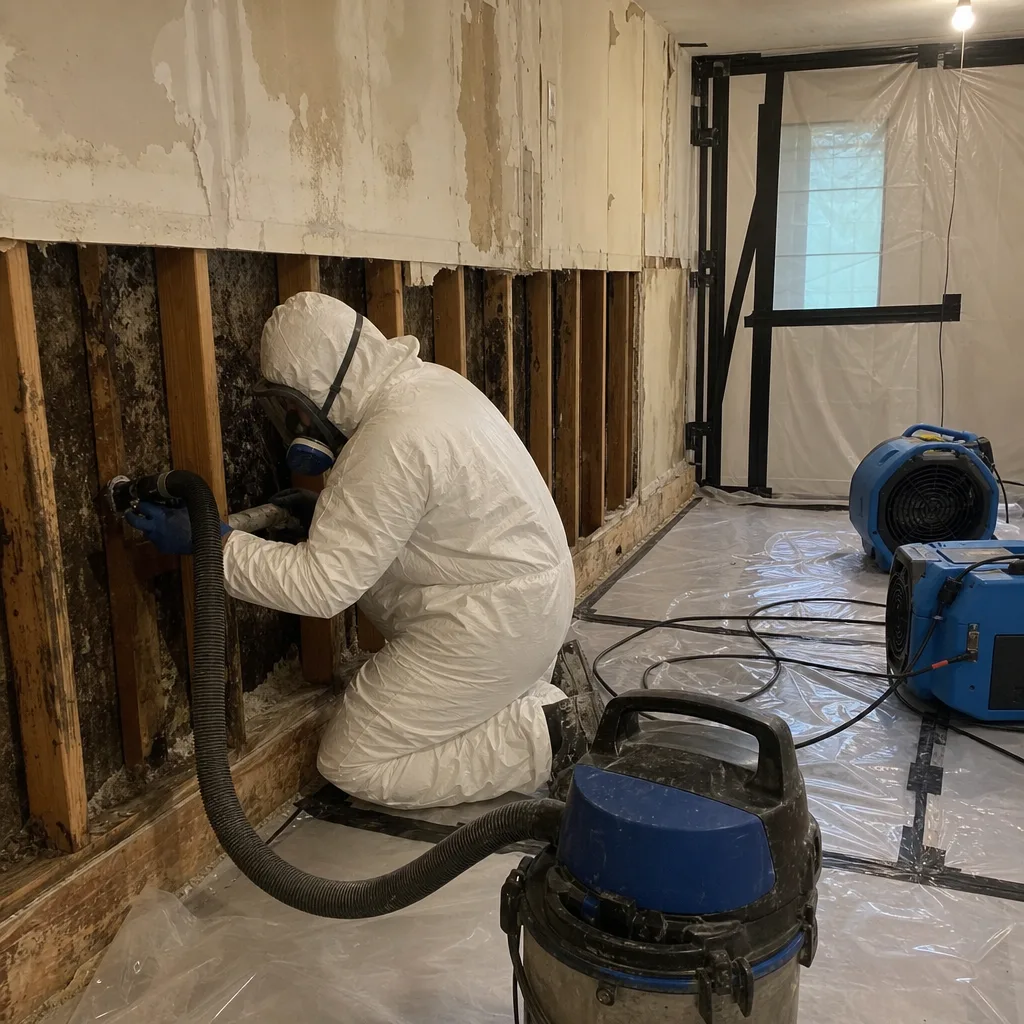
Category 2 and 3 water demands antimicrobial application and HEPA air scrubbing. We flush block cores and treat affected surfaces, then verify with post-remediation moisture readings.
Mold Prevention & Specialty Treatment
West Nyack’s summer humidity runs above 80%, so we apply preventive antimicrobial treatments to surfaces that were wet and monitor daily until the dry standard is met. No mold gets a head start.
Repairs & Restoration
Drywall, trim, insulation, paint, flooring, and even finished basement build-back are handled by the same crew. We leave the home at pre-loss condition and stand behind it in writing.
Need Emergency Storm & Disaster Restoration in West Nyack Now?
Crews minutes away, answering live 24 hours a day. The sooner we start, the less it costs.
Working With Your Insurance Company
A storm claim in West Nyack lives or dies on documentation. Adjusters are stretched thin after a nor’easter, and the homeowner who cannot show exactly what was wet, when, and how it was dried is the homeowner who gets paid last. We build your claim file from the first hour: photos of standing water, moisture readings from every affected room, a line-item scope of work, and daily drying logs until the structure meets the dry standard. We communicate directly with your adjuster, send them the documentation, and bill your carrier directly. You do not carry papers back and forth. If your 1960s ranch shows water in the block cores, the adjuster needs to see the readings and the photos. We provide what matters.
What We Provide Your Insurer
- Thorough documentation of the loss
- Photos of all damage, room by room
- Moisture readings and drying logs
- A detailed, line-item scope of work
- Direct coordination with your carrier
Built for West Nyack’s Loss Calendar
January and February in West Nyack bring deep freezes that burst supply lines in unheated basements and crawl spaces. Cold air pools in the valleys around the hamlet, and freeze-thaw cycling stresses copper, PVC, and older galvanized piping alike. By March, the thaw saturates the ground and the water table rises under West Nyack’s low-lying residential streets. April nor’easters deliver the worst combination: heavy rain, wind-driven water against foundation walls, and storm drains already at capacity. Summer thunderstorms flash-flood the same low points, and humidity over 80% means a damp basement turns actively moldy within 48 hours. Fall remnants of hurricanes drop six inches of rain in a day. The pattern is consistent. The two things every West Nyack homeowner should know: the hollow cores of cinder-block walls hold water long after the surface looks dry, and a finished basement means the scope of a flood includes drywall, carpet, drop ceilings, and everything stored on the floor.
Storm & Disaster Restoration Across West Nyack’s Neighborhoods
West Nyack’s streets share a common problem but not always a common response route. Homes along West Nyack Road and Sickletown Road sit low relative to the surrounding ridgelines, and during heavy rain the streets themselves channel water toward foundation walls. The residential blocks off Strawtown Road, with their mix of 1950s ranches and 1960s split-levels, are some of the most challenging for hidden water: finished basements, cinder-block foundations, and long narrow lots that hold water against the house. Properties around Lake Nanuet face a different exposure, with saturated ground and a shallow water table pushing hydrostatic pressure up through basement slabs after any prolonged rain. On the commercial corridor of Route 59, flat roofs and signage take the brunt of wind events. Every neighborhood has its own failure pattern. Our crews know which streets pool first, which blocks hold water in the cores, and which homes need pack-out before extraction even starts.
Specialized Storm & Disaster Restoration Services We Offer in West Nyack
Flood Damage Restoration
Our Storm & Disaster Restoration team handles the full cycle for West Nyack flood events. Category 2 water from a nor’easter basement flood needs extraction, antimicrobial treatment, and structural drying with Dri-Eaz and Phoenix equipment. Category 3 water calls for full containment and disposal of saturated porous materials. Either way, the block cores get checked. That is the difference between a dry floor and a mold claim six months later.
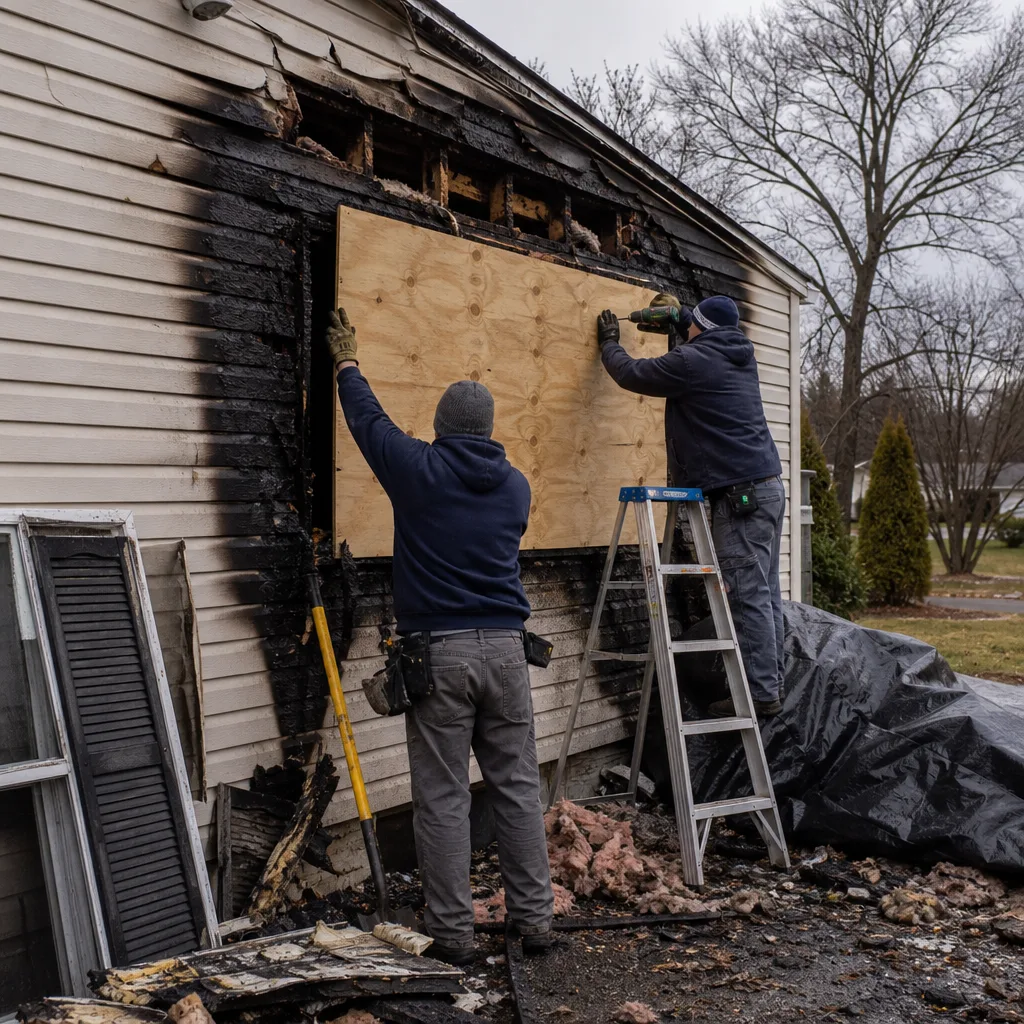
Storm Damage Cleanup
Wind-driven rain, downed limbs, and flying debris all create entry points. We secure openings, remove saturated insulation, and dry the structure. In West Nyack’s ranches and split-levels, we check the attic and knee-wall spaces where wind-driven rain sneaks past roof vents and soaks insulation before it ever shows on a ceiling.
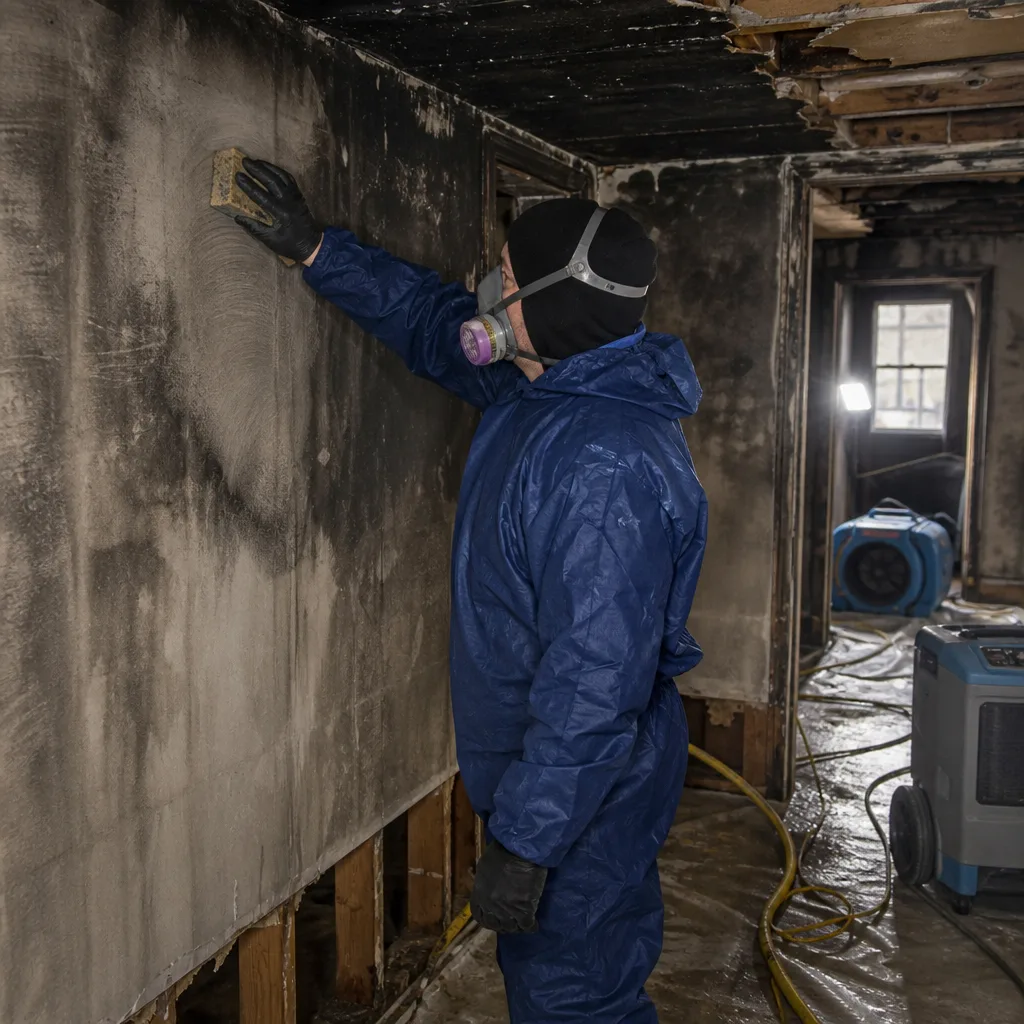
Water Extraction
Standing water in a finished basement gets extracted with truck-mounted units and XPOWER submersible pumps within the first hour. But extraction is only the first step. We use penetrating moisture meters to measure the block walls and thermal imaging to find water behind drywall before we ever talk about rebuild.
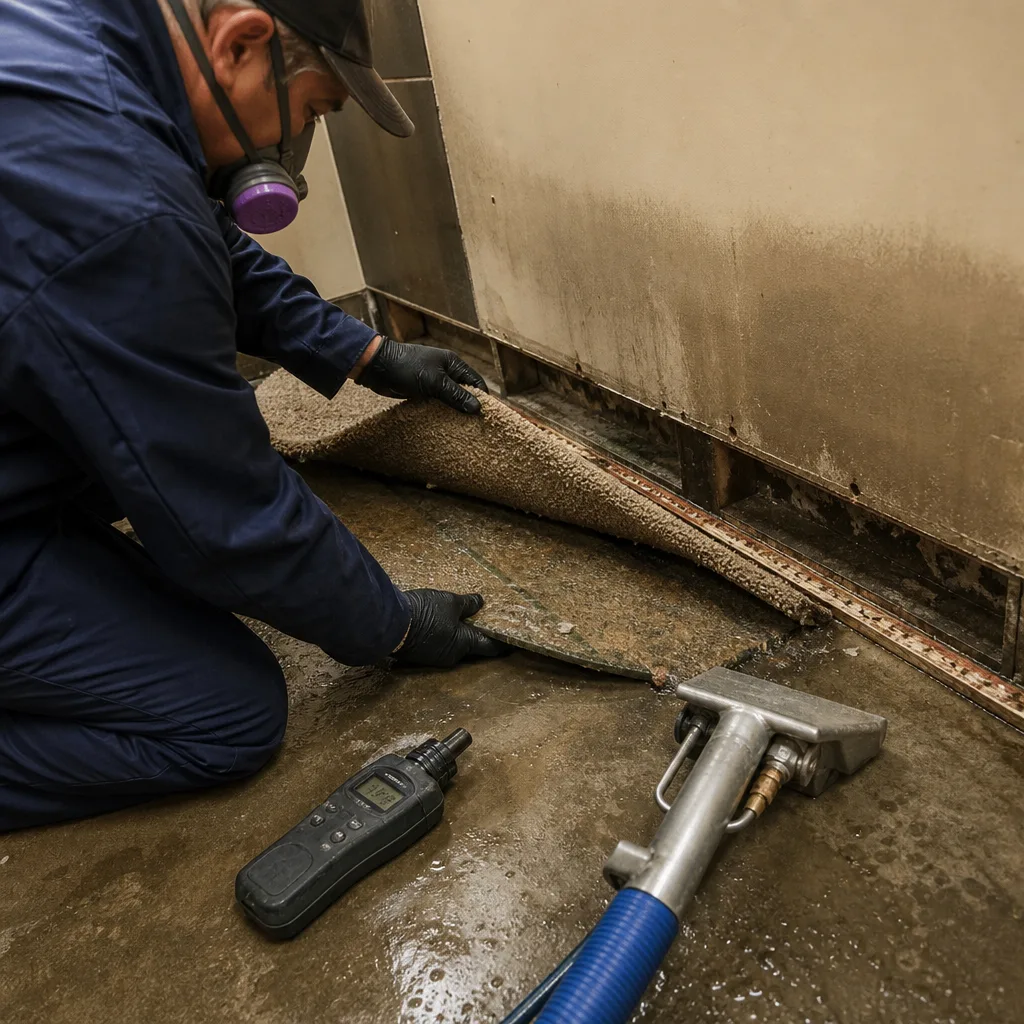
Emergency Board-Up
A shattered window or a breached door means more water, more debris, and more liability. We board up openings with plywood within hours, not days, and make the structure weather-tight until permanent repairs are scoped and scheduled.
Roof Tarping
A peeling shingle or a tree limb through the deck needs a tarp now, not after the next storm. We secure tarps that survive Rockland County wind and keep the interior dry while the insurance scope plays out. Our crews work on steep-pitch ranch roofs and low-slope additions alike.
Debris Removal
After a storm, West Nyack yards are full of tree limbs, shingles, insulation, and worse. We remove storm debris as part of the restoration scope, document what was damaged versus what was storm-thrown, and dispose of everything properly. If the debris is against the house, it gets moved before it traps moisture.
What happens when you call
- 1
A real person answersNo phone trees - you reach a local pro.
- 2
You get an upfront price rangeHonest numbers before anyone is dispatched.
- 3
A background-checked tech heads outLicensed & insured, dispatched right away.
- 4
You approve before work beginsNothing starts until you say go.
Storm & Disaster Restoration Costs in West Nyack, NY
What you pay depends on what the water touched, and how long until we get there. A straightforward basement extraction and drying in a West Nyack ranch with a partially finished basement typically runs $2,500-$5,200. Once Category 2 or 3 water saturates carpet, drywall, and the block cores, the scope climbs to $8,000-$18,000, with full finished-basement rebuilds and pack-out ranging from $15,000 up to $45,000 or more. Board-up and tarping work typically runs $400-$1,200 on the emergency call. Most storm damage is an insurance-covered loss; your policy dictates the deductible and coverage limits, and we bill the carrier directly. The wildcard in West Nyack is always the same: water that got inside the cinder-block cores and sat there. That is why we write a detailed scope before work starts, and why the free visual inspection is the path to a firm number. Call (914) 809-9936 and we’ll give you a number you can plan around, not a guess.
We Also Serve Cities Near West Nyack
Floodline Restoration Co. runs crews through West Nyack daily, and we serve the surrounding Rockland County communities as well. If you’re in Nanuet, Nyack, New City, or Spring Valley, the same 45-minute response commitment and live 24/7 dispatch apply.
Serving West Nyack, NY - Our Local Coverage Area
We’re based in the West Nyack area and know this community well. Use the map below to see our service coverage - if you’re nearby, we can almost certainly help.
West Nyack Storm & Disaster Restoration Questions, Answered
After a storm, how quickly can I expect mold to start in my West Nyack basement?
In West Nyack’s summer humidity levels above 80%, mold spores that land on wet drywall or carpet can begin colonizing within 24 to 48 hours, and inside the hollow cores of cinder-block walls it can establish even faster because the environment is dark, warm, and consistently damp. Drying the visible surfaces is not enough. The block cores need to be checked with penetrating moisture meters, and any saturated material needs professional drying or removal. Call (914) 809-9936 the day the water appears, not the day you see staining.
Does my 1960s cinder-block foundation need special attention after a flood?
Yes. The hollow cores of mid-century cinder block wick water upward once the footer is submerged, and block walls can stay saturated inside their cores for weeks after the surface reads dry. Our crew responded to a nor’easter flood on Strawtown Road where a 1960s split-level had three feet of category 2 water in the finished basement. Extraction pulled the standing water, but moisture mapping revealed the cinder-block walls were saturated inside their hollow cores, with no surface moisture readings even after 36 hours of structural drying. We opened wall cavities, flushed them with antimicrobial treatment, and ran air movers and dehumidification for five days before rebuilding. Ignoring the cores means mold inside the wall.
What does category 2 or 3 water mean for my flooded basement?
Category 2 water carries significant contamination and can cause illness on contact or ingestion. Category 3 water is grossly contaminated, often from sewage or storm-drain backflow, and requires full containment, antimicrobial treatment, and disposal of saturated porous materials. In a West Nyack storm basement flood, the water is almost always category 2 or 3, not clean rainwater. The remediation standard is stricter, the personal protective equipment is mandatory, and the documentation for your insurer has to show the category and the treatment.
Why is a scope of work critical for my insurance claim after a West Nyack storm?
Because your adjuster needs to see exactly what was wet, what category the water was, what got treated, and what got replaced. A detailed line-item scope, with photos and moisture readings from the first hour through the final dry standard, is what turns a contested claim into an approved one. Floodline Restoration Co. writes that scope before work starts and updates it as drying progresses. We send it directly to your carrier, along with the daily drying log, and we bill them directly. You never play messenger.
How do you handle pack-out and contents when my entire finished basement is wet?
Everything wet gets documented, photographed, and moved out. Furniture goes to a contents-holding area on site or off, textiles and soft goods get evaluated for cleaning versus disposal, and hard goods get cleaned and dried. The pack-out inventory becomes part of your insurance documentation. In a finished West Nyack basement with carpet, drop ceilings, and drywall, the pack-out is usually a full-day operation, and it is non-negotiable if you want a proper structural dry-out.
How fast can someone actually get to West Nyack?
Within 45 minutes from your call, in most cases. We are not a national franchise routing a van from another county. Our crews are already working in and around West Nyack, Nanuet, and Nyack, and a live dispatcher at (914) 809-9936 tells you exactly who is coming and when they will arrive, even at 2 a.m.
Will insurance cover storm damage restoration?
Most homeowners policies cover sudden and accidental storm damage, including wind-driven rain, falling limbs, and roof breaches. Flooding from rising groundwater or storm-drain backflow is typically excluded unless you carry a separate flood policy. We photograph everything, document the cause of loss accurately, and work directly with your adjuster to get the claim paid. Your deductible is your only out-of-pocket on a covered loss.
What should I do in the first 30 minutes after storm water enters my West Nyack home?
Call (914) 809-9936 first. Then, if you can do it safely, cut power to the affected area and move electronics and documents upstairs. Do not walk through standing water if there is any chance it is touching electrical outlets or appliances. Do not try to extract the water yourself with a shop vac; block-core saturation is invisible and it will not fix the problem. Take photos of what is wet before anything is moved. Then let our crew do what we do.
If storm water has found its way into your West Nyack home, do not wait for the mold to make the decision for you. Call Floodline Restoration Co. at (914) 809-9936 for a free estimate and a live dispatcher who answers now. We offer a 90-Day Done Right Promise in writing, senior and veteran 5% discounts always, and crews that stay from first extraction to final rebuild.
Written by Curt Bowman, Owner at Floodline Restoration Co., serving West Nyack and all of Rockland County.