

Free visual inspection and a written scope of work before any mitigation begins - photos, moisture readings, and drying logs go in your claim file
The scope we write is the scope we bill. Anything new gets shown to you, in writing, before we touch it.
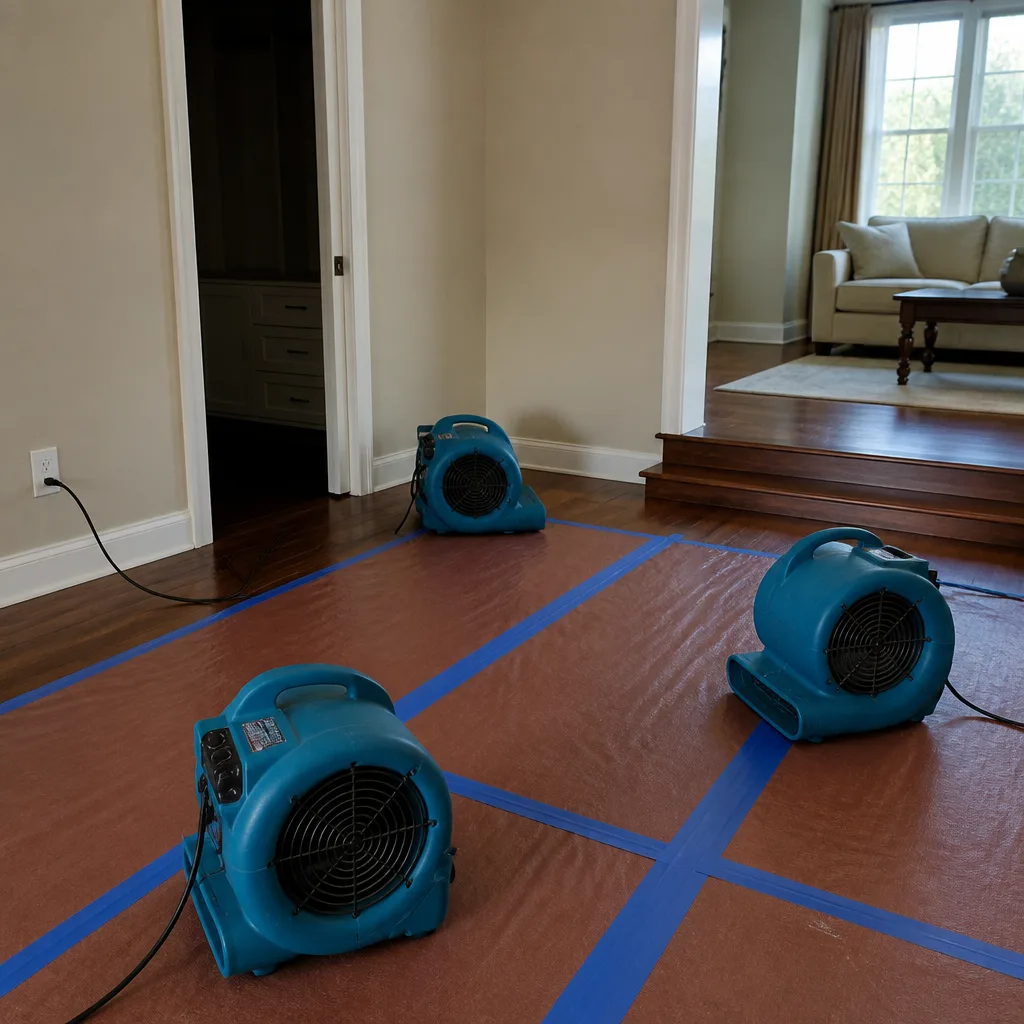
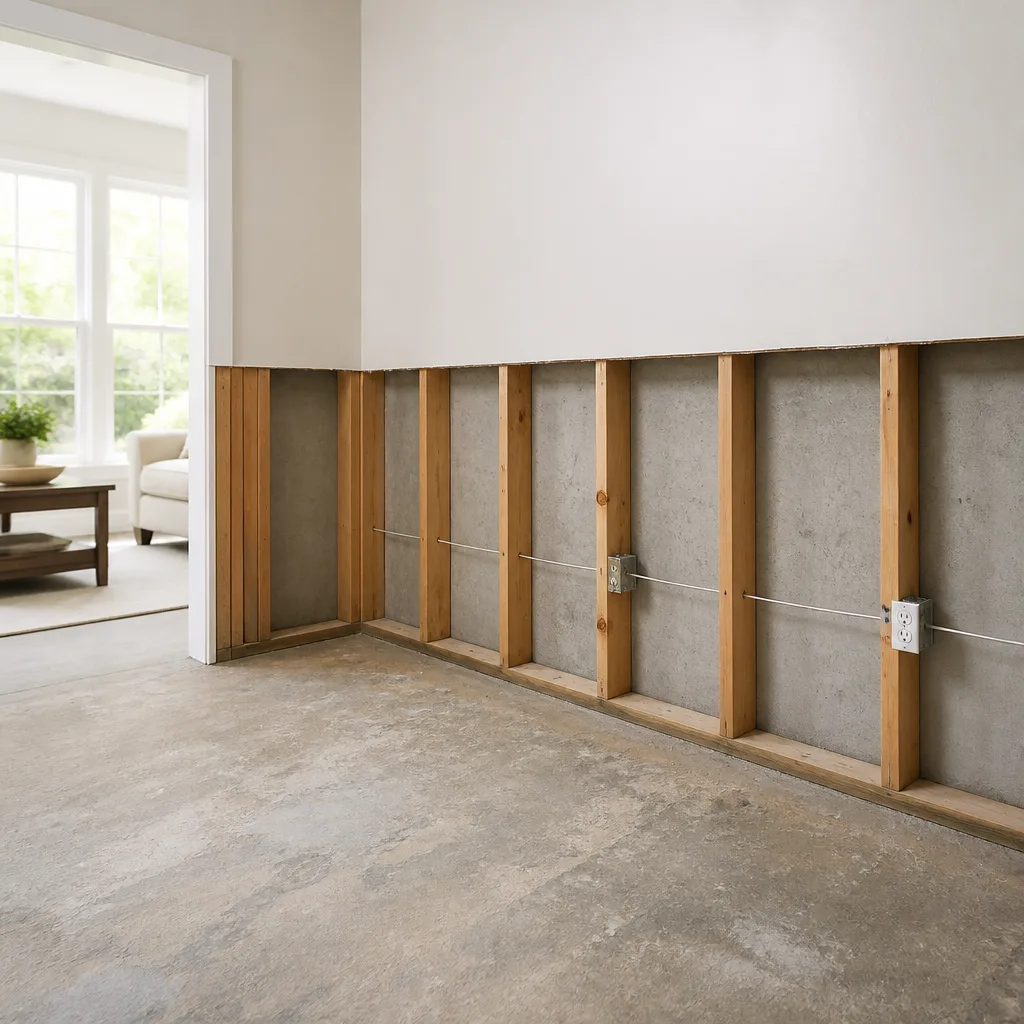



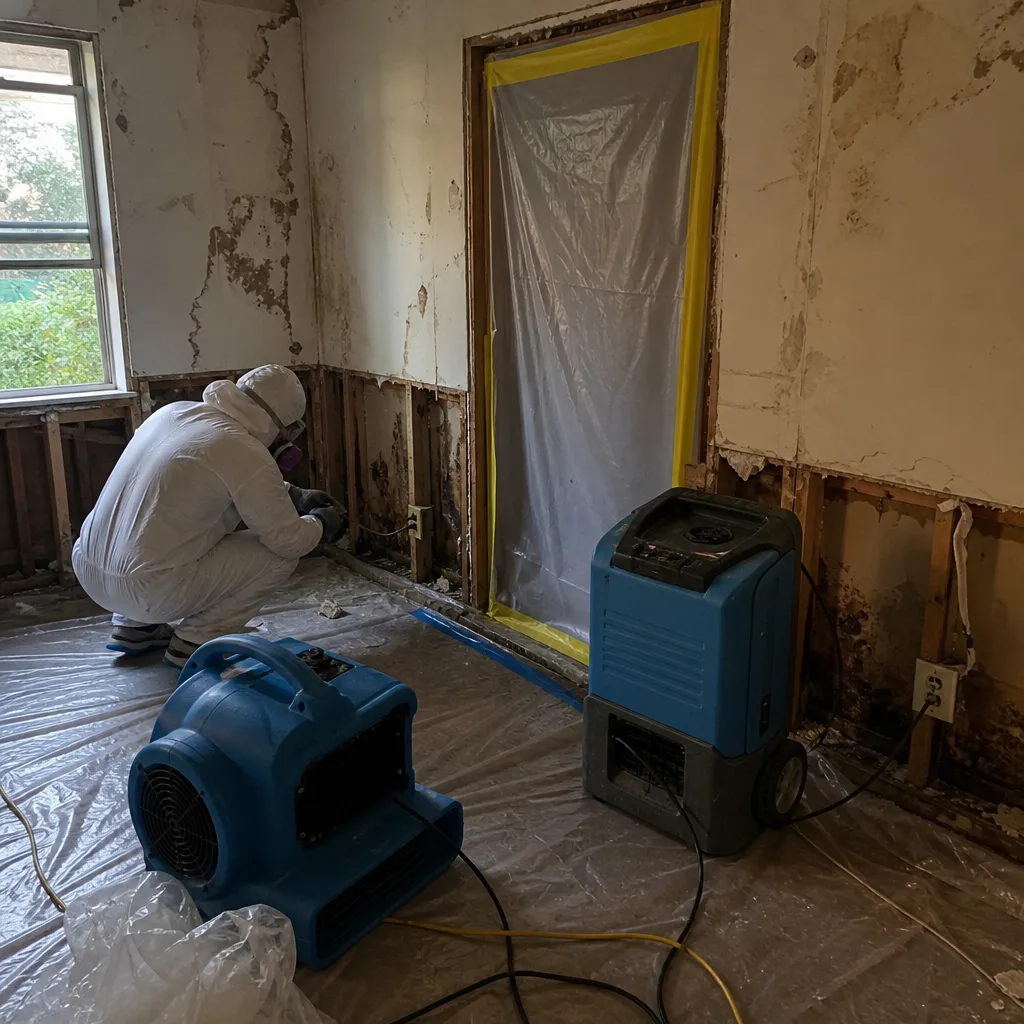 Before
 After
After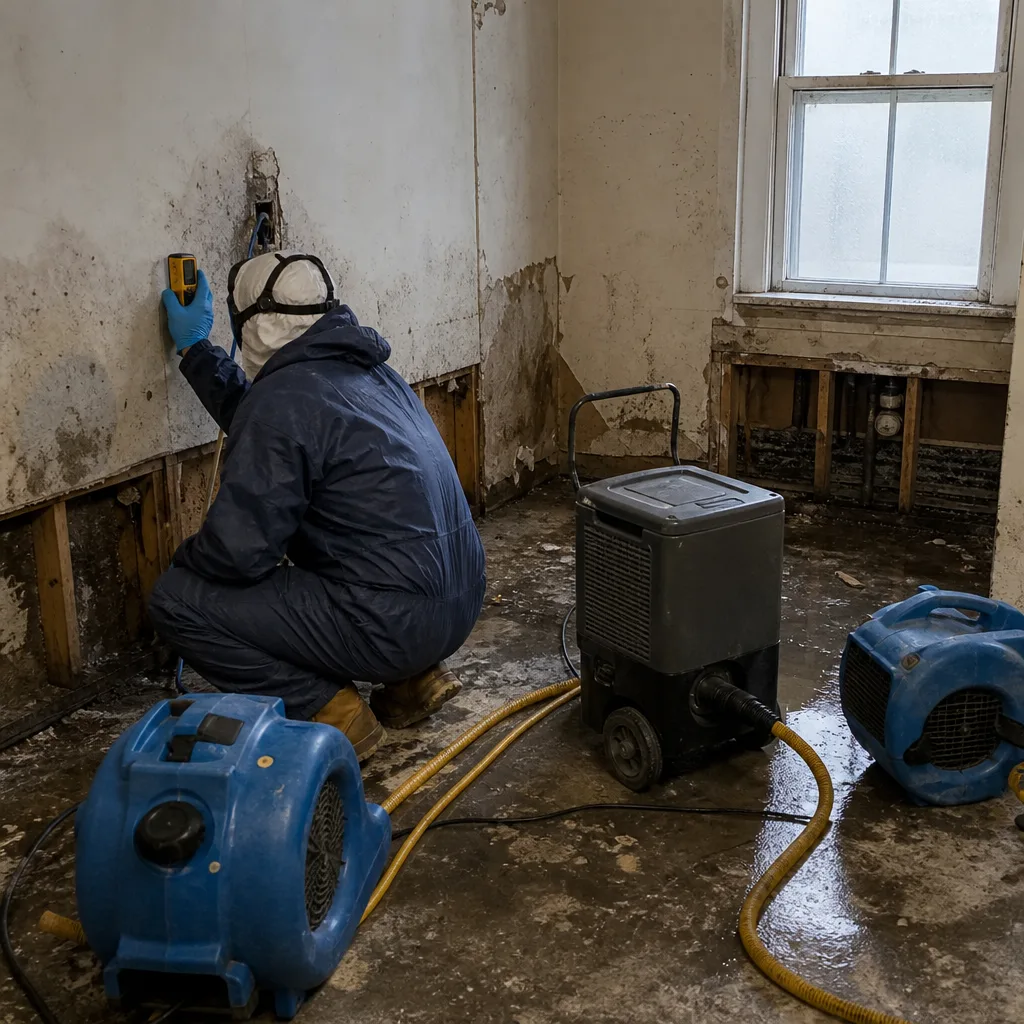 Before
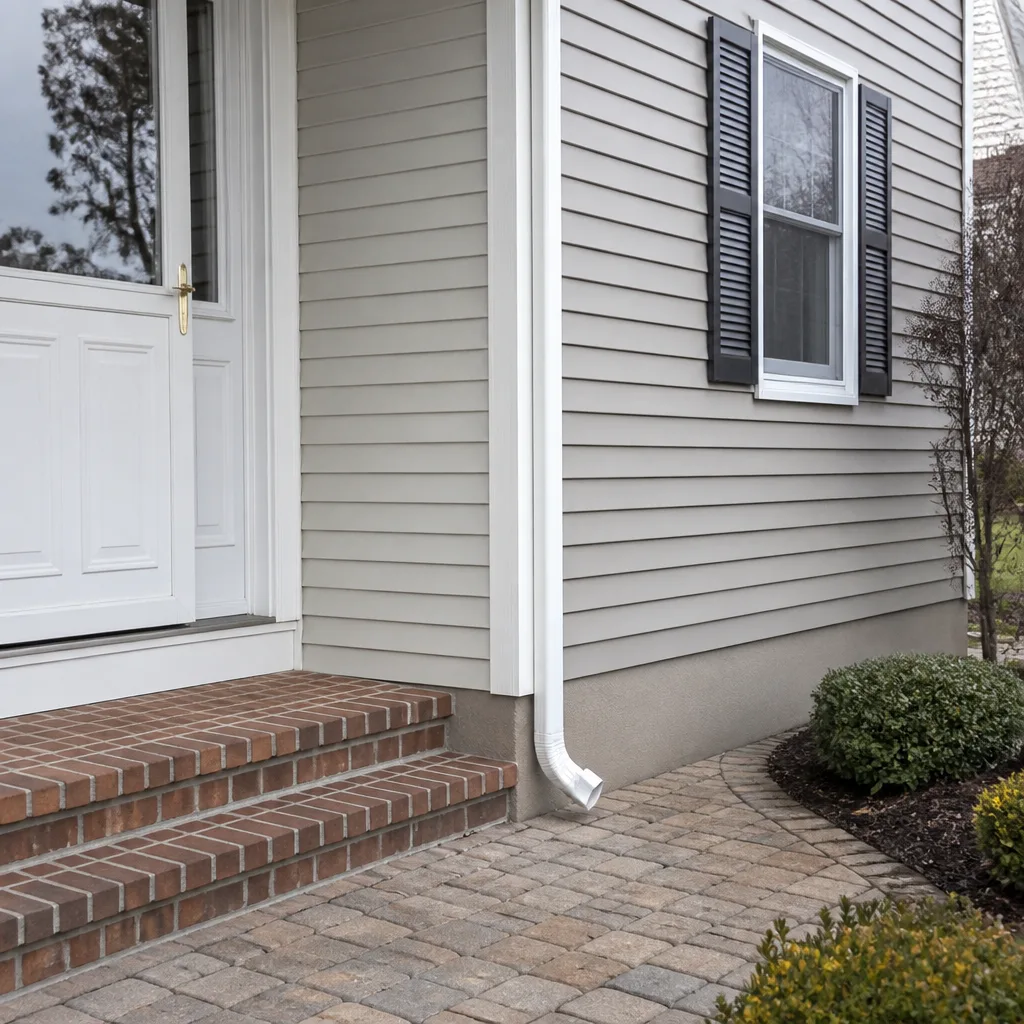 After
After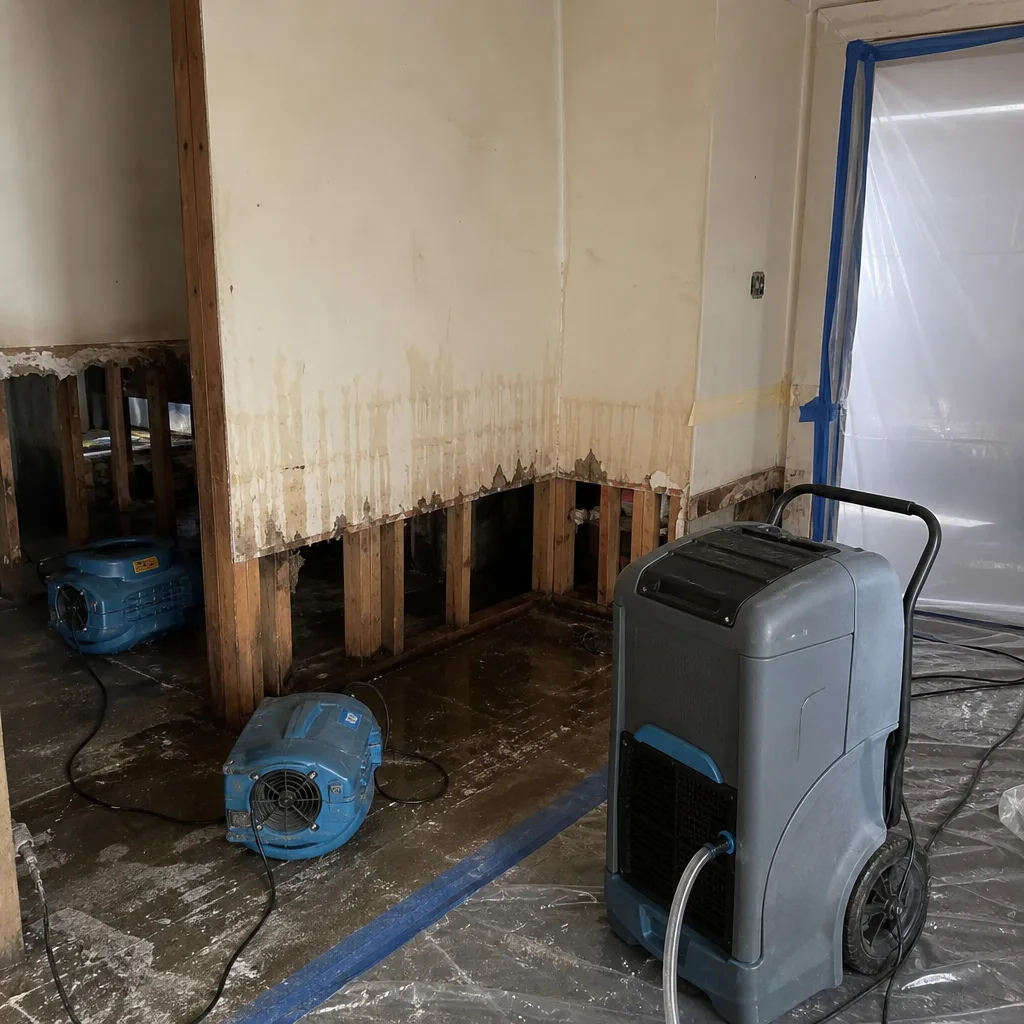 Before
 After
After24/7 Emergency Sewage Cleanup in Sleepy Hollow
Sewage backup in a Sleepy Hollow home isn’t a wait-until-morning problem. It’s a Category 3 water event, and the first hour determines how much of your Victorian plaster and original flooring we can save. Our crews reach most Sleepy Hollow addresses within 45 minutes and start extraction the same visit. If you’re standing in backed-up black water right now, call (914) 809-9936. A live dispatcher answers, not a recording, and we’ll have a certified crew rolling toward your street while you’re still on the line.
Understanding Sewage Cleanup Severity in Sleepy Hollow Properties
Sleepy Hollow’s housing stock makes sewage cleanup a different job than it is four blocks away in a modern development. Most of the village’s homes date between 1880 and 1920, built with balloon-frame construction, plaster-on-lath walls, and stone or brick foundations. Those materials absorb water aggressively. When a toilet overflow or septic failure sends Category 3 water into a basement, the plaster doesn’t just get wet on the surface. It wicks moisture upward through the lath keys and into wall cavities that no drying mat can see without proper moisture mapping. We use thermal imaging and hygrometers to read what’s hidden behind the original horsehair plaster, because the visible surface tells you maybe half the story.
The severity question comes down to water category. Category 1 is clean water. Category 2 carries significant contamination from sources like washing machine overflows or sump failures. Category 3 is sewage, and that’s what we’re usually dealing with after a nor’easter pushes the Pocantico River over its banks and into the combined storm-sewer system, or when a cast-iron waste line from 1915 finally gives out under Depeyster Street. In Sleepy Hollow, we frequently see Category 2 and Category 3 water in the same basement during a single storm event. Freshwater runoff from the Pocantico Valley entering through a bulkhead is a different contamination profile than brackish tidal backflow from the Hudson surging up through a floor drain. Treating both the same way spreads pathogens deeper into absorptive historic materials.
Why Sleepy Hollow Property Owners Choose Floodline Restoration Co.
- 45-minute response commitment: When you call us from Beekman Avenue or Pocantico Street, a crew is dispatched immediately, not after a sales callback. We know the village’s streets, and we move.
- Live answer, 24/7: No automated menus, no “leave a message and we’ll call you tomorrow.” A human being picks up at 2 a.m. and starts coordinating your job.
- IICRC-certified technicians: Our crews hold WRT and ASD certifications, with AMRT training for Category 3 water events. They’re background-checked, uniformed, and they know what a balloon-frame wall does when it floods.
- Free visual inspection: Before any work is scoped, we walk the damage with you and explain what we’re seeing. You get a written scope before equipment ever comes off the truck.
- Direct insurance billing: We send photos, moisture logs, and line-item estimates straight to your carrier. You’re not the messenger between us and your adjuster.
- One crew, start to finish: Floodline Restoration Co. handles Sewage Cleanup from extraction through dry-out, sanitization, and reconstruction. No mid-job handoff to a subcontractor you’ve never met.
Our Sewage Cleanup Process
Inspection & Assessment
We start with visual inspection, thermal imaging, and moisture mapping to locate every affected area, including hidden cavities in balloon-frame walls. For historic district properties, we identify any materials that may need preservation board sign-off before demo proceeds.
Extraction & Stabilization
Black water comes out with truck-mounted extraction units. We remove contaminated porous materials like saturated carpeting and upholstery, and set containment to stop sewage particulates from moving into unaffected rooms.
Drying & Dehumidification
Professional-grade dehumidifiers and air movers go in, sized to the cubic footage of the affected space, not the square footage. On lath-and-plaster walls, we use Injectidry mats to pull retained moisture from inside the wall system. Daily readings are logged until we hit the dry standard.
Cleaning & Sanitization
Antimicrobial treatments are applied to every surface that came within contact of Category 3 water, including structural framing. HEPA air scrubbers run during the process to capture airborne contaminants.
Crawl Space Sewage Removal
Sleepy Hollow’s older homes have crawl spaces with low clearance and dirt floors. We remove contaminated soil, treat the sub-floor framing above, and leave the space dry and sealed with documentation your insurer can review.
Repairs & Restoration
Rebuild follows the dry standard. We coordinate any preservation review requirements for historic structures, then repair or replace what was removed. The job isn’t done until the structure is sound and the space is clean.
Need Emergency Sewage Cleanup in Sleepy Hollow Now?
Crews minutes away, answering live 24 hours a day. The sooner we start, the less it costs.
Working With Your Insurance Company
Homeowners in Sleepy Hollow have been through enough without having to negotiate claim language with an adjuster who’s never seen a stone foundation. From the first hour, we document everything: photos of the loss, room by room, moisture readings from day one through the dry standard, and a line-item scope that tells your carrier exactly what happened and what it costs to fix it right. We talk to your adjuster directly. When a sleeper question about whether tidal backflow is flood or sewer line coverage comes up, we provide the documentation that gives your carrier something concrete to act on. You get a written guarantee behind the work from the Sleepy Hollow team, and a copy of every log we send your insurer.
What We Provide Your Insurer
- Thorough documentation of the loss
- Photos of all damage, room by room
- Moisture readings and drying logs
- A detailed, line-item scope of work
- Direct coordination with your carrier
Built for Sleepy Hollow’s Loss Calendar
Sleepy Hollow sits at the mouth of the Pocantico River where it meets the tidal Hudson. That geography writes our emergency calendar. Late January through early March brings deep freezes that rupture uninsulated cast-iron supply lines in the village’s older homes. When the thaw comes, snowmelt overloads the combined storm-sewer system, pushing backflow up through basement floor drains. Spring nor’easters drive Hudson River storm surge into riverside basements while the Pocantico simultaneously overflows from the valley side. In August and September, tropical remnant rains hit the same low-lying streets hard and fast. October’s late-season coastal storms close the same loop. Every season has a signature type of sewage event in Sleepy Hollow, and our crews have seen all of them.
What ties the calendar together is the village’s aging infrastructure. Many neighborhoods run on sewer lines installed before 1950, and the combined system means a heavy rain doesn’t just move rainwater. It pushes everything else back through floor drains and toilets at the lowest point of the system, which in Sleepy Hollow is usually the stone cellar of a pre-1920 home.
Sewage Cleanup Across Sleepy Hollow’s Neighborhoods
The historic residential core along Depeyster Street and around the Old Dutch Church sees the highest call volume, and for good reason. These are the village’s oldest homes, many with original stone foundations, buried cast-iron waste lines, and finished basements that hold decades of stored belongings. When a sewer line fails here, it’s rarely a small patch job. We’re pulling Category 3 water from rooms with horsehair plaster walls and wide-plank floors that predate indoor plumbing. The response route from Route 9 down to the river is one our trucks know well.
Closer to the waterfront and Webber Avenue, the pattern shifts. Hudson River tidal backflow is a repeat actor during nor’easters, and riverside basements take on brackish water that requires a different sanitization protocol. Homes along Pocantico Street and in the lower village get the compound hit: river surge from below and watershed runoff from above, sometimes in the same structure. The Edge-on-Hudson development on the former GM Tarrytown Assembly Plant site has newer construction and better drainage, but its below-grade parking and utility spaces aren’t immune when the river comes up. Every neighborhood in Sleepy Hollow has a specific risk signature, and a crew that treats them all identically will miss something.
Specialized Sewage Cleanup Services We Offer in Sleepy Hollow
Sewage Backup Cleanup
A backed-up main line sends black water up through floor drains and toilets at the lowest point of your house. In Sleepy Hollow’s older homes, that’s often a finished basement with original plaster walls. We extract, sanitize, and dry the affected space, then restore what was removed. A written scope goes in your hands before work begins.
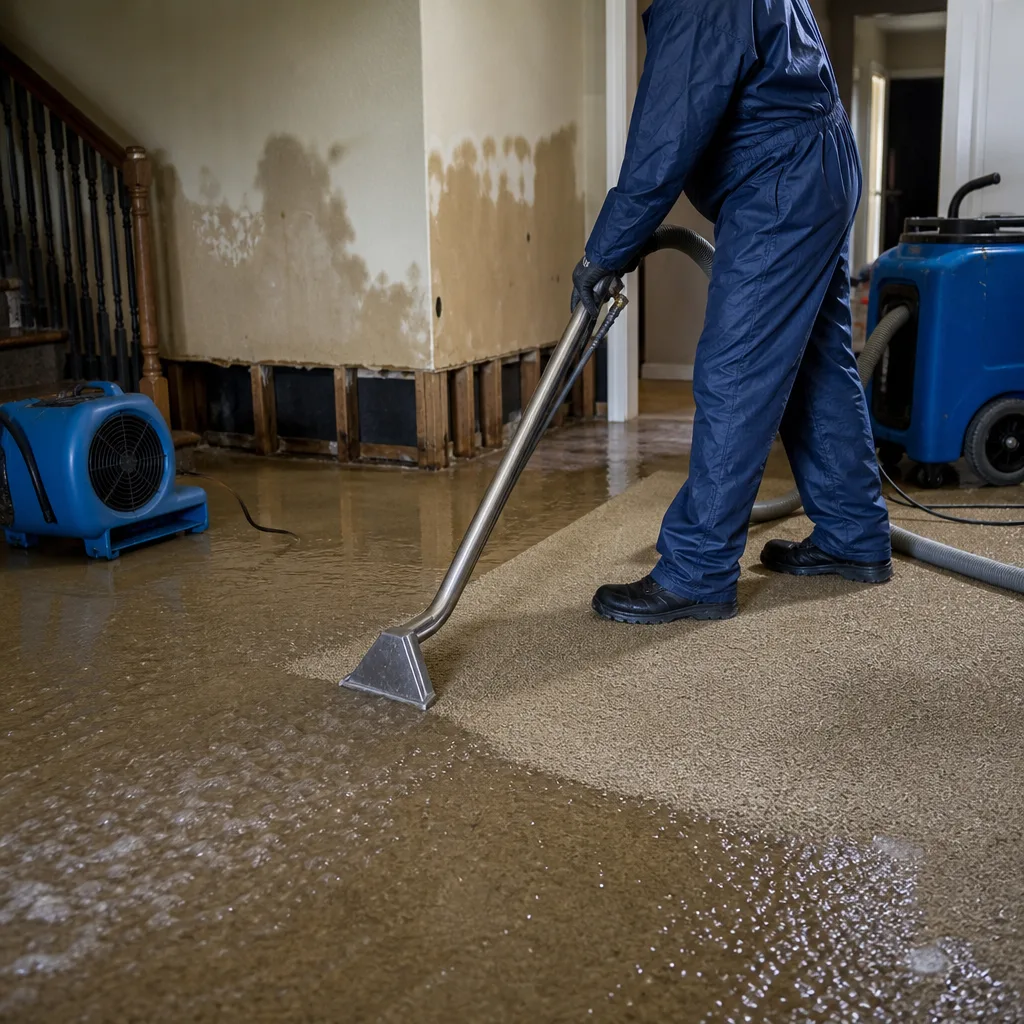
Toilet Overflow Cleanup
Toilet overflows are common in Sleepy Hollow’s Victorian homes, where bathroom additions were retrofitted into century-old framing with soil stacks that have seen better decades. A toilet that won’t stop running can put Category 2 water through the floor and into the ceiling below within 20 minutes. We extract, dry, and repair before the framing starts to rot.
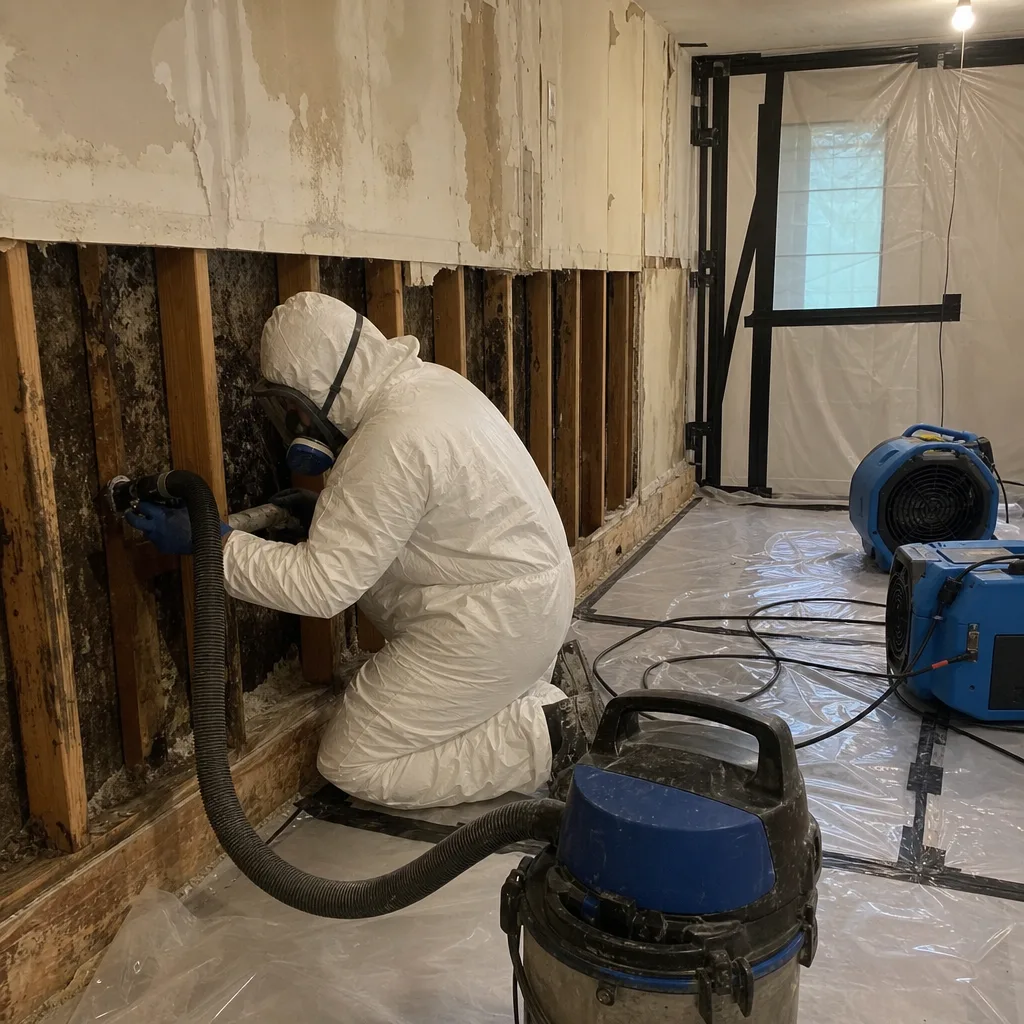
Septic Failure Cleanup
Many properties in Sleepy Hollow’s older sections still run on original septic systems. A failed leach field or collapsed tank sends sewage into the yard and sometimes into the crawl space. We handle the interior extraction and sanitization, coordinate pumping, and leave your crawl space dry and documented for the claim.
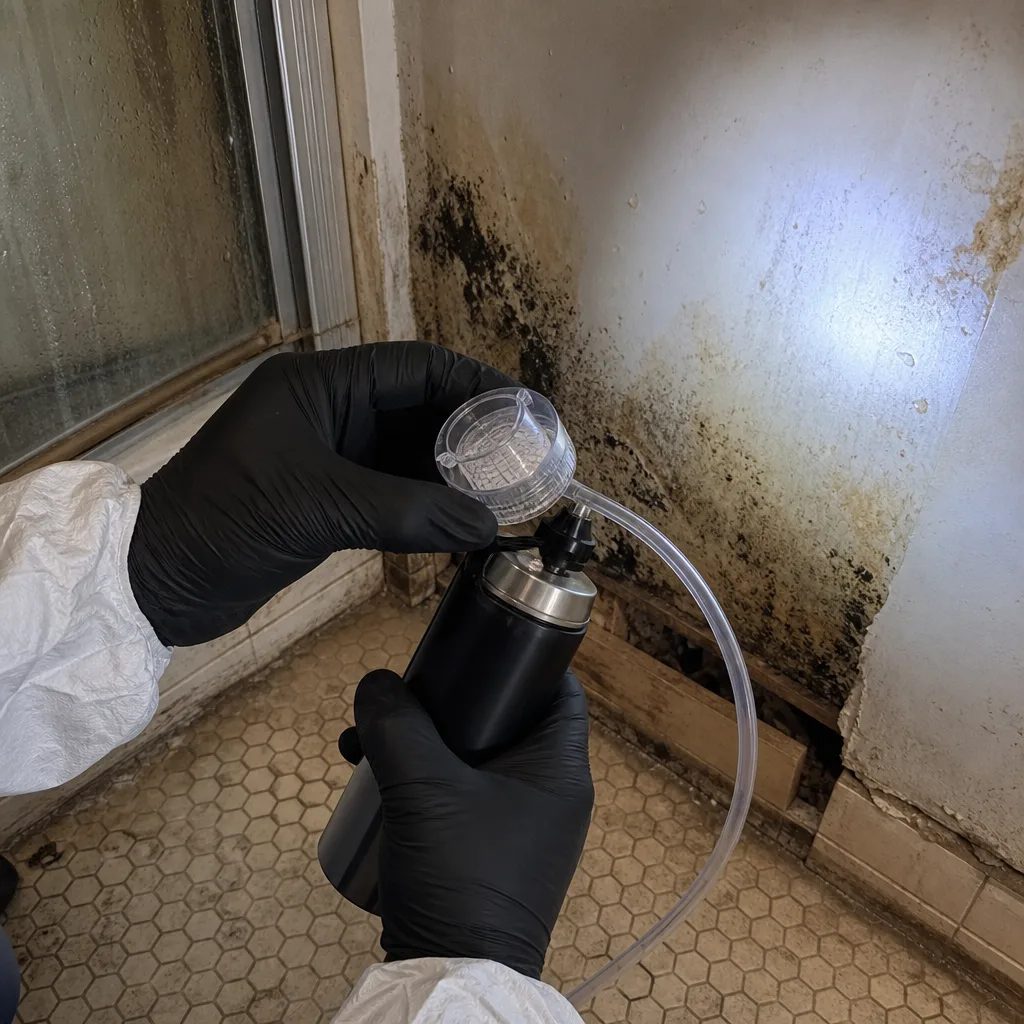
Black Water Extraction
Black water is Category 3: sewage, tidal backflow, river floodwater that has picked up waste. It’s a health hazard, and it moves fast through absorptive historic materials. Truck-mounted extraction pulls standing water within the first hour, then our drying and sanitization protocols handle what soaked into the structure.
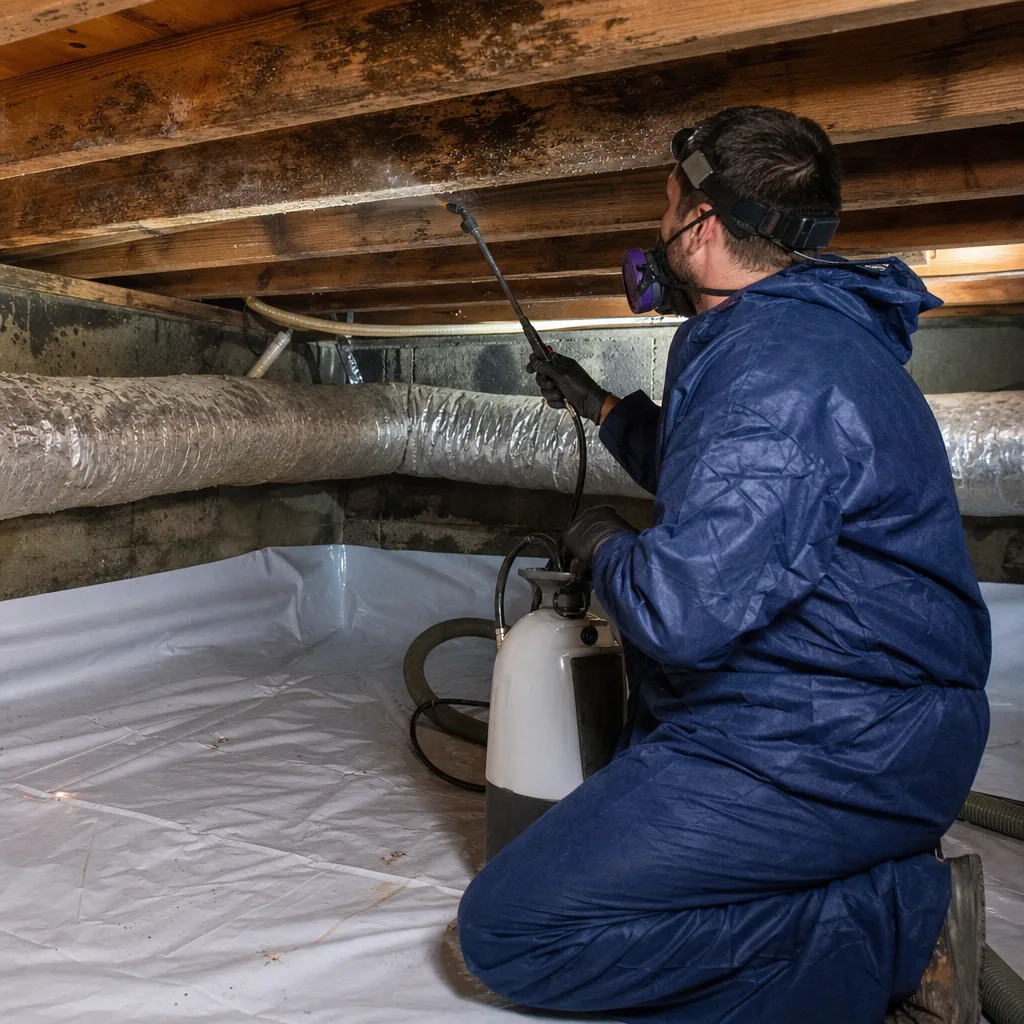
Sanitization & Disinfection
Every surface touched by Category 3 water gets antimicrobial treatment: studs, floor joists, foundation walls, any salvageable contents. HEPA air scrubbers run until air samples confirm the space is clean. This isn’t a spray-and-wipe. It’s a logged, documented sanitization process your adjuster can verify.
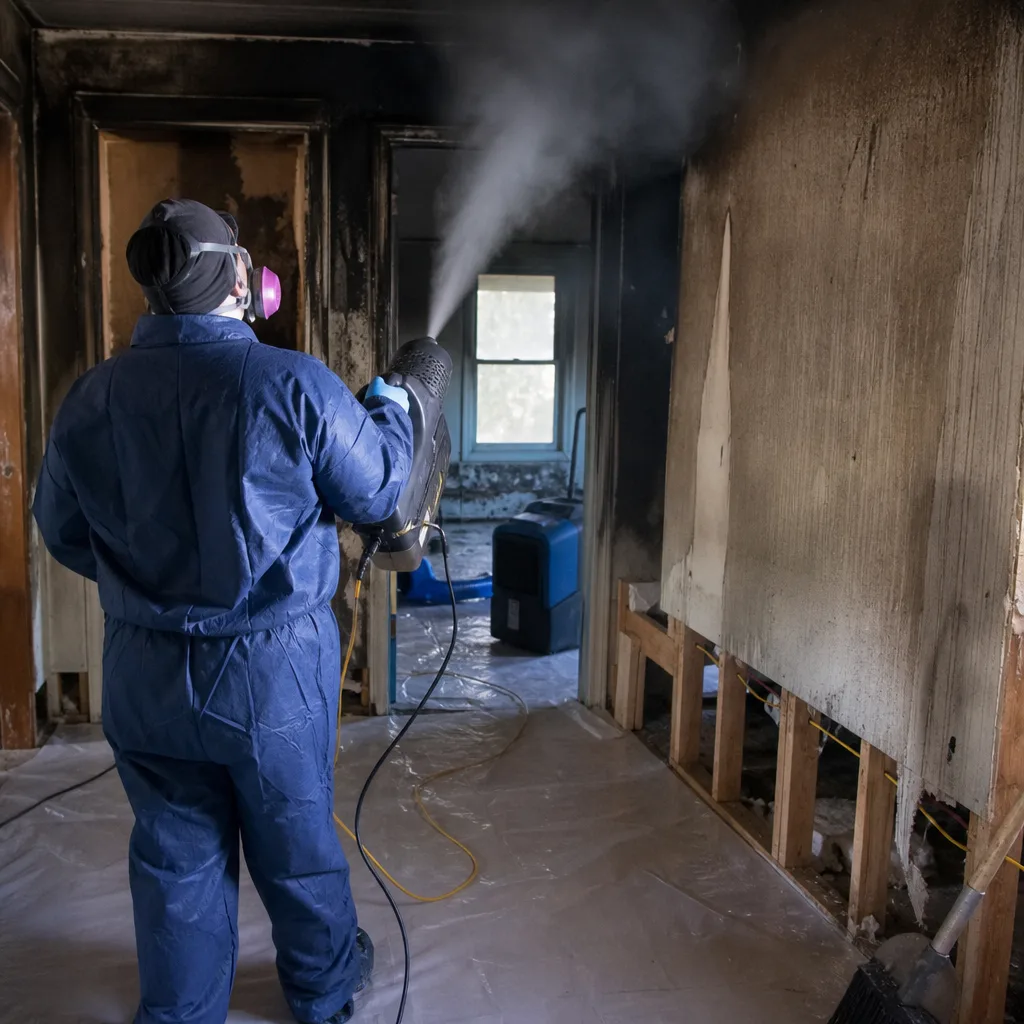
Crawl Space Sewage Removal
Sleepy Hollow’s stone-foundation homes often have dirt-floor crawl spaces with tight clearance and poor ventilation. When sewage enters a crawl space, contaminated soil must be removed and the framing above treated before it becomes a long-term mold source. We do that work with proper containment and moisture documentation, every time.
What happens when you call
- 1
A real person answersNo phone trees - you reach a local pro.
- 2
You get an upfront price rangeHonest numbers before anyone is dispatched.
- 3
A background-checked tech heads outLicensed & insured, dispatched right away.
- 4
You approve before work beginsNothing starts until you say go.
Sewage Cleanup Costs in Sleepy Hollow, NY
In Sleepy Hollow, a typical sewage backup cleanup runs $2,800-$6,500 when the water is contained to an unfinished basement or crawl space. Toilet overflow events on a single floor generally land between $1,200-$3,000. A full Category 3 event that saturates plaster walls, finished rooms, and requires demolition plus rebuild runs $7,000-$15,000+, depending on the square footage and whether preservation review delays the demo. Septic failure cleanup with crawl space soil removal typically falls in the $4,000-$8,500 range. What moves the price: the age of your wall construction, how long the water sat before we arrived, how many rooms the sewage reached, and whether your policy covers the event as sewer backup or flood. The free visual inspection gives you a firm scope before anything is torn out. Call (914) 809-9936 and we’ll walk you through what your specific situation looks like.
We Also Serve Cities Near Sleepy Hollow
Our crews regularly work in the communities around Sleepy Hollow: Bardonia, Ossining, Croton-on-Hudson, and New City. If you’re in one of those areas and have a sewage backup, call the same number: (914) 809-9936.
Serving Sleepy Hollow, NY - Our Local Coverage Area
We’re based in the Sleepy Hollow area and know this community well. Use the map below to see our service coverage - if you’re nearby, we can almost certainly help.
Sleepy Hollow Sewage Cleanup Questions, Answered
How do Sleepy Hollow’s historic district rules affect sewage cleanup in our Victorian home?
If your home is a National Register-listed property in the village’s historic district, any work that disturbs original plaster, framing, or exterior features can trigger preservation board review before demolition or structural repair proceeds. That review adds a timeline to the job that a Tarrytown or Ossining house won’t face. We work within that process: we extract and stabilize immediately, which doesn’t require approval, then coordinate the review while drying and sanitization continue. The right sequence keeps the compliance layer from making the damage worse while you wait.
Does Hudson River tidal backflow count as sewage water during a nor’easter?
Yes, and that’s a distinction your contractor needs to understand. Hudson River tidal water pushed into a basement by storm surge is brackish and carries waste, bacteria, and petroleum residue. It’s correctly treated as Category 3 water, not as clean floodwater. Freshwater runoff from the Pocantico River side of the valley is often Category 2. When a single home on Riverside Drive or lower Depeyster takes both at once, the two water sources need separate containment and sanitization protocols. A crew that treats them identically spreads contamination across absorbent plaster and framing.
Why do Sleepy Hollow homes with balloon-frame construction take longer to dry after a sewage backup?
Balloon-frame walls, common in Sleepy Hollow houses built before 1930, run stud cavities continuously from foundation to attic with no fire-blocking between floors. That means sewage water entering a basement can wick upward through the wall system and appear behind plaster on the second floor days later. Moisture mapping has to account for those hidden cavities, and drying with Injectidry mats on plaster walls takes longer than drying modern drywall. On a recent Depeyster Street job, the original plaster held saturation for 72 hours longer than a modern stud wall would have. Rushing the drying schedule leaves hidden moisture that becomes concealed mold.
My basement drains backed up from the combined storm-sewer system. What should we do before the crew arrives?
First, don’t walk through the water without rubber boots and gloves. Category 3 water carries bacteria, and you don’t want it tracked into dry rooms. Don’t use any plumbing fixtures. If your home’s electrical panel is in the basement and water is approaching it, don’t enter. Shut off power only if you can reach the breaker without stepping into water. Otherwise, wait for our crew, who will handle that safely. Document what you can from a distance, then call (914) 809-9936. Extraction will start the same visit.
Can you handle a septic failure in a Sleepy Hollow home with the original stone foundation without destroying the historic masonry?
Yes. A septic failure doesn’t require tearing out a stone foundation. We extract from the interior, remove contaminated soil from the crawl space, treat the sub-floor framing with antimicrobials, and dry the space to standard. The masonry itself is cleaned and sanitized without demolition. Any structural repair stays in the scope of coordination with the village: we talk to the preservation review when needed, but the actual masonry work is gentle and historically appropriate. The foundation you keep is the foundation you bought the house for.
How fast can a crew actually reach my house in Sleepy Hollow?
Most addresses in Sleepy Hollow are within a 45-minute response window from our local dispatch. That’s not a marketing number. That’s the actual drive time from our staging point to the streets we serve. Weather and river conditions can add a few minutes during a major nor’easter, but a live person answers your call and gives you a straight answer on ETA, not a recording. Call (914) 809-9936 and you’ll have a real answer in under a minute.
Will insurance cover sewage cleanup from tidal backflow?
Coverage depends on your policy language. Sewer backup coverage is typically an add-on endorsement, and tidal floodwater is often treated as flood, which most standard homeowner policies exclude without a separate flood policy. What we do is document every detail: which water source entered, where, and how much damage it caused. That documentation determines how your claim lands. We bill your carrier directly and talk to the adjuster so you’re not caught between policy language and a wet basement.
How long does sewage cleanup and drying take in an older Sleepy Hollow home?
A straightforward basement backup with rapid extraction typically starts drying within 4 to 6 hours of our arrival, with drying running 3 to 5 days before we hit the dry standard. In older Sleepy Hollow homes, especially those with plaster-on-lath walls and balloon framing, drying commonly adds 24 to 72 hours compared to a modern house. On a recent Depeyster Street Queen Anne, the plaster held moisture for three days longer than a drywall wall would have. We don’t cut the drying schedule short. We log daily readings and keep your insurer in the loop until the numbers say the structure is dry.
Written by Curt Bowman, Owner at Floodline Restoration Co., serving Sleepy Hollow, NY and Westchester County for over 42 years. Done right, and backed in writing.