
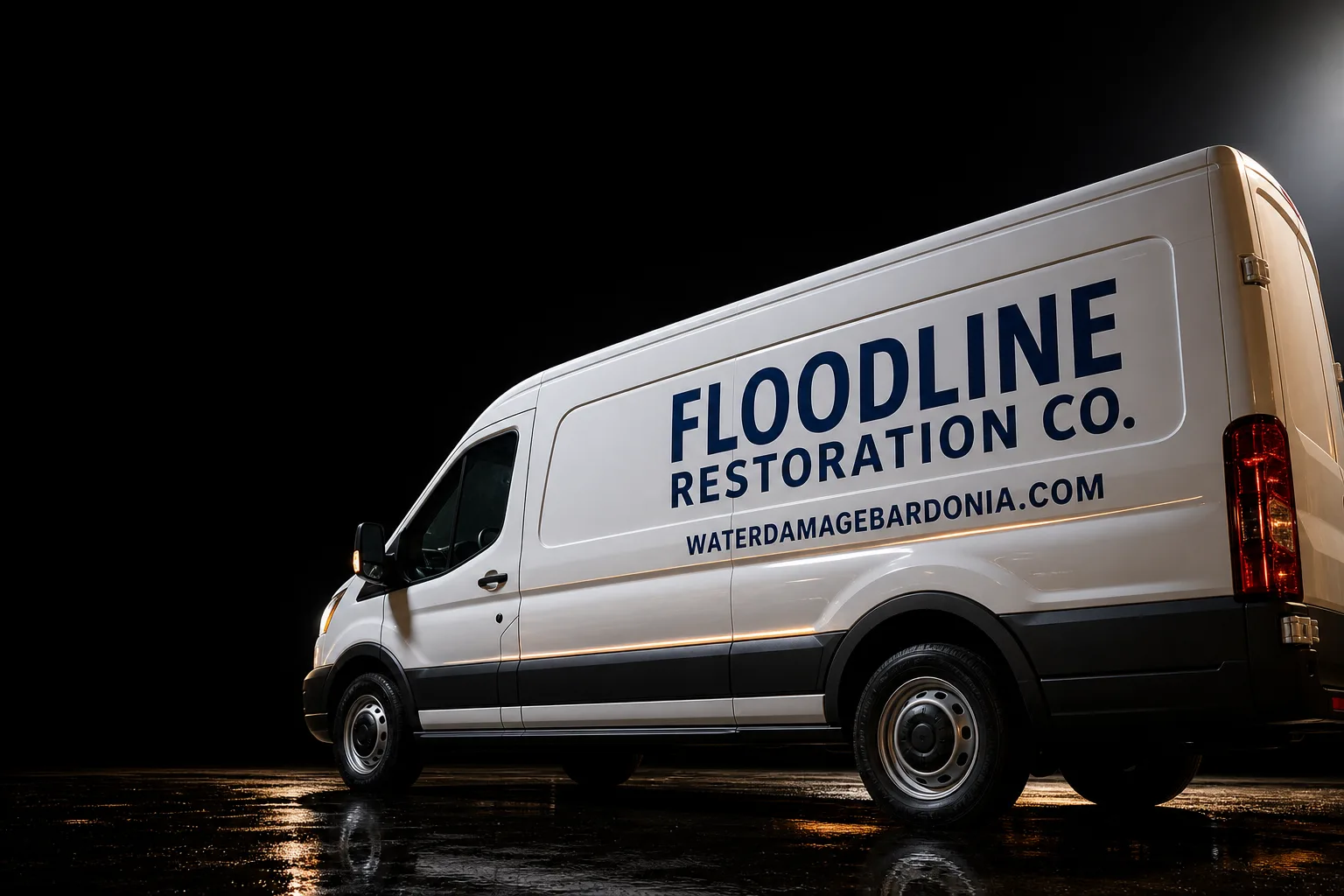
Free visual inspection and a written scope of work before any mitigation begins - photos, moisture readings, and drying logs go in your claim file
The scope we write is the scope we bill. Anything new gets shown to you, in writing, before we touch it.

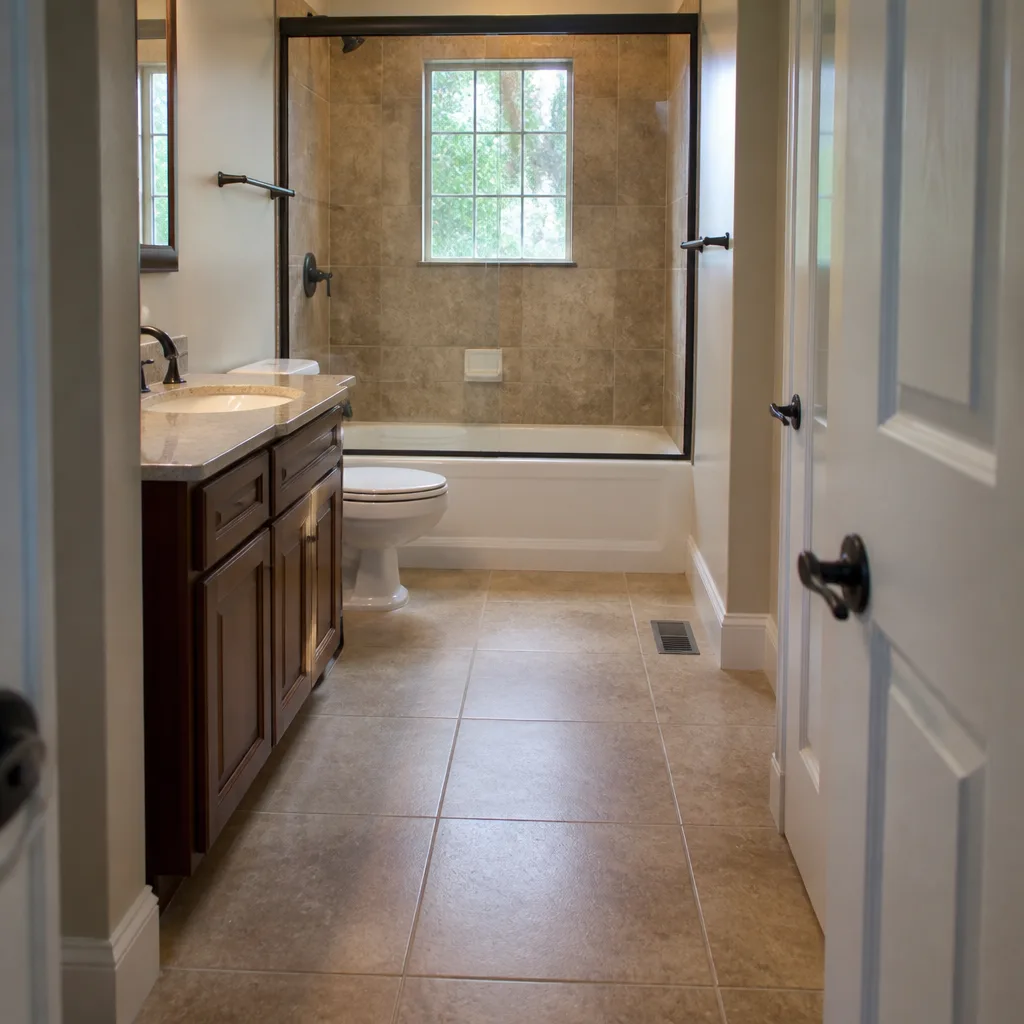

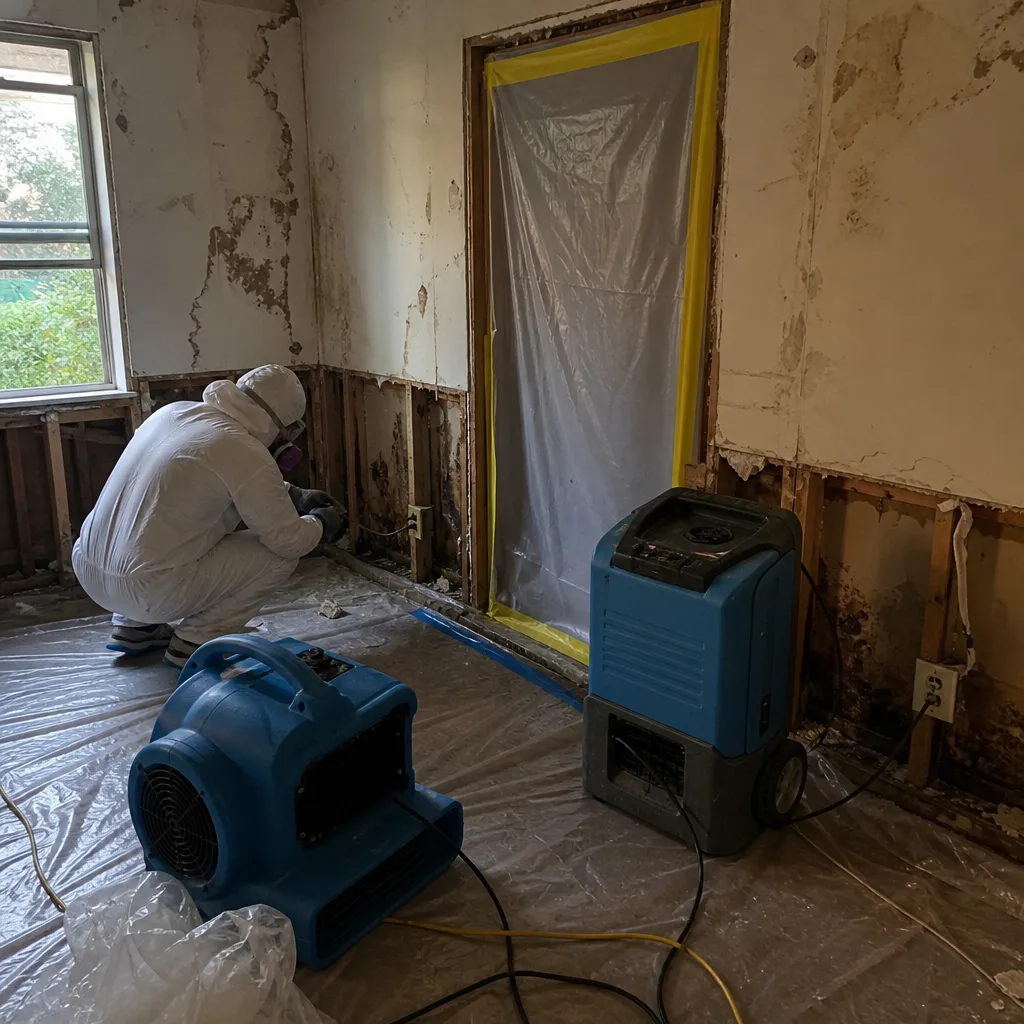 Before
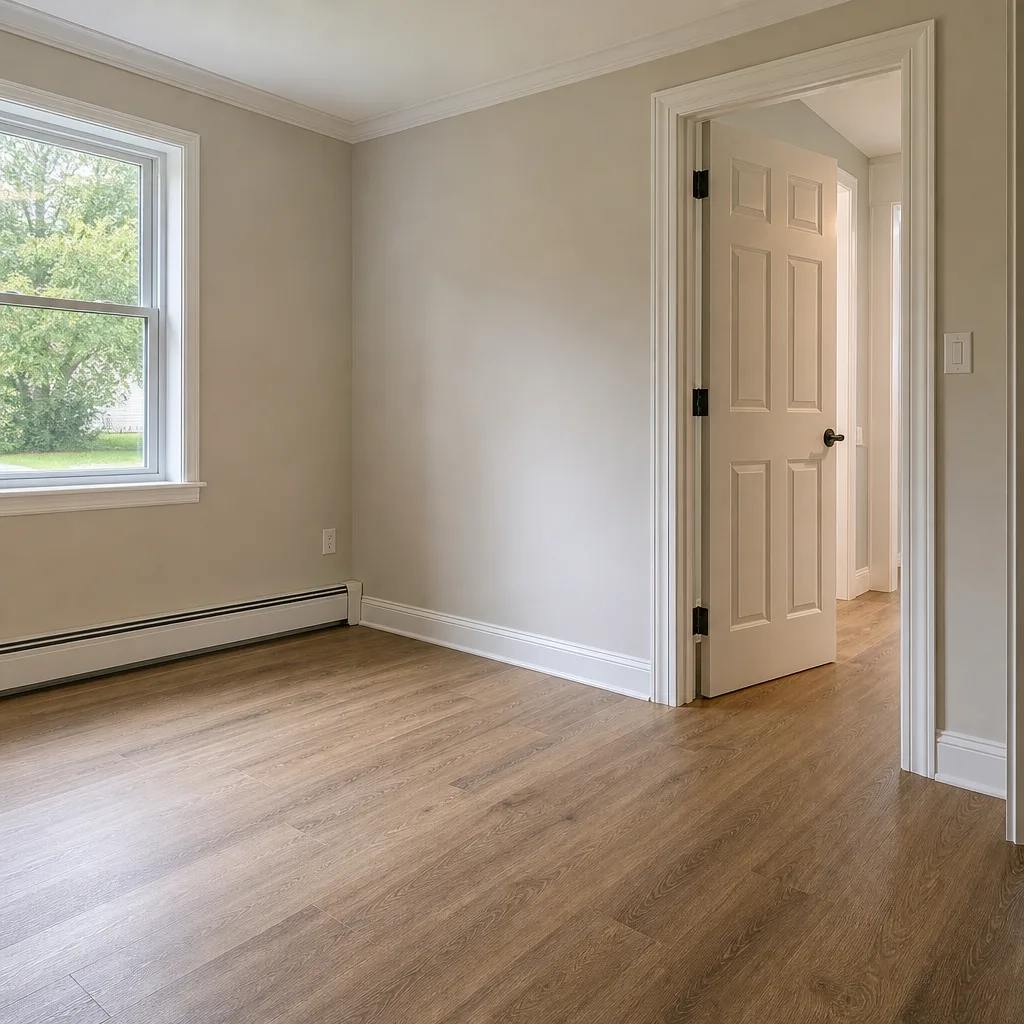 After
After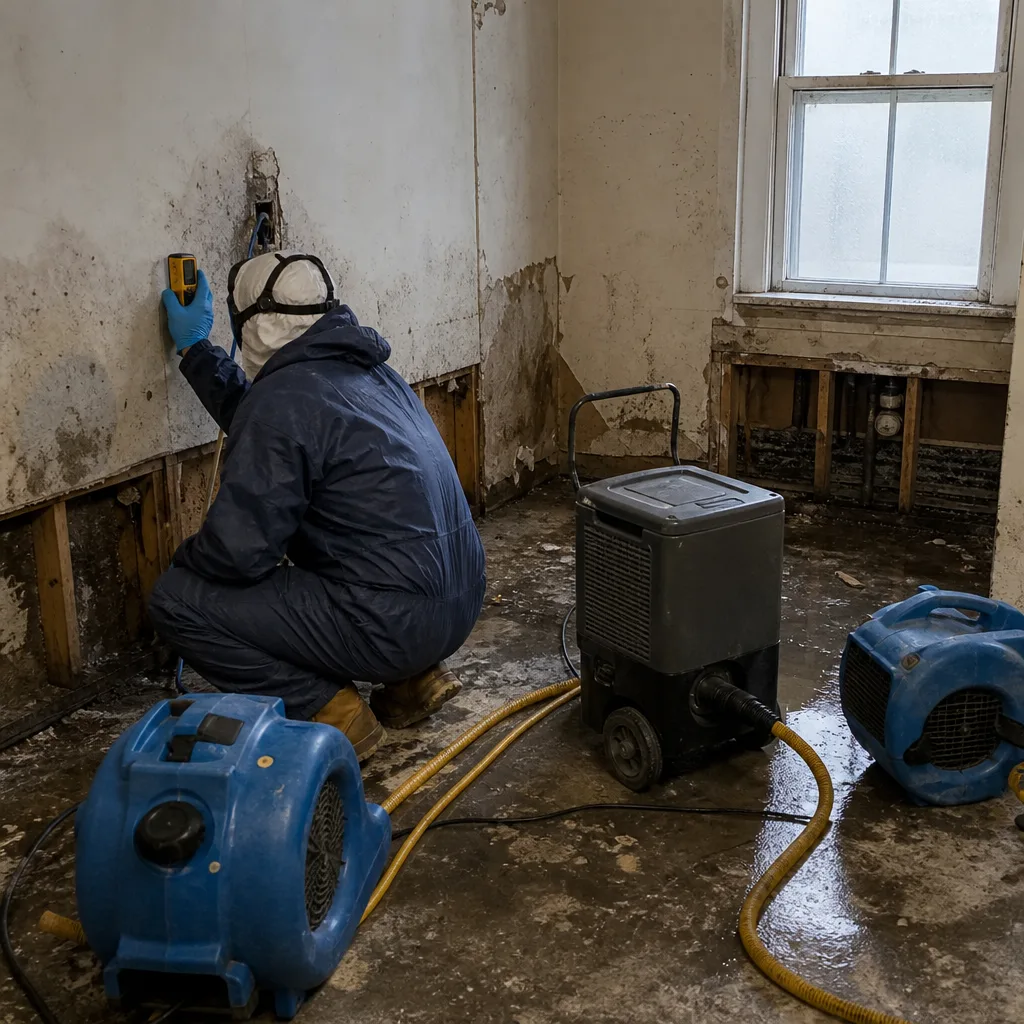 Before
 After
After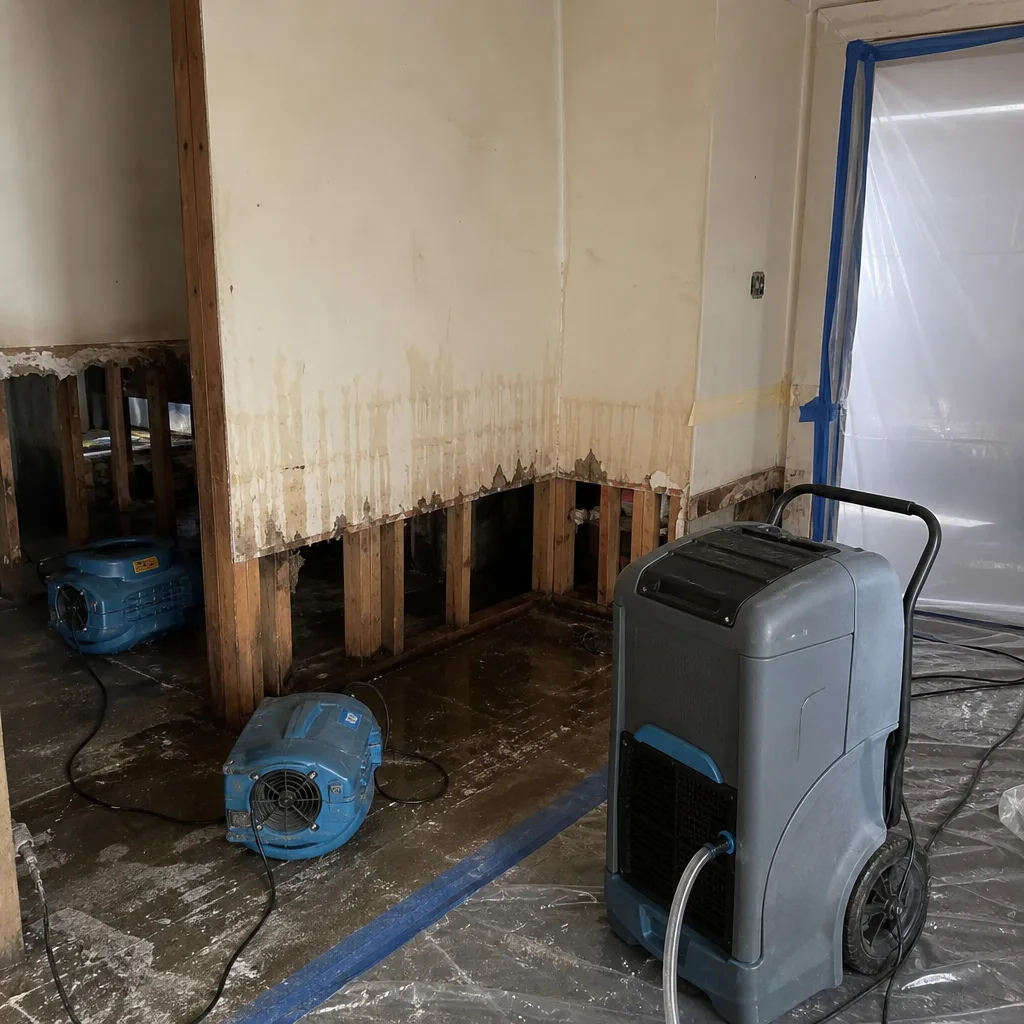 Before
 After
After24/7 Emergency Water Damage Restoration in Ossining
Water damage in Ossining moves fast, and the first hour usually decides whether you’re dealing with a cleanup or a rebuild. A ruptured supply line can release eight gallons a minute into a finished basement before you even locate the shutoff. Our crews are on call around the clock, with a live dispatcher answering the phone and a certified team dispatched to your Ossining address the same visit. Call (914) 809-9936 any hour, day or night. We arrive with moisture meters, thermal imaging, and professional-grade extraction equipment already on the truck, because the hillside homes and riverside basements here don’t give you time to wait for a callback.
Understanding Water Damage Restoration Severity in Ossining Properties
Not all water is the same, and in Ossining the distinction matters more than most places. We classify every job by the IICRC Category system: Category 1 is clean water from a supply line or faucet, Category 2 carries contaminants from appliances or sump failures, and Category 3 contains sewage, river water, or storm surge. The low-lying blocks near the Metro-North station see a lot of Category 3 intrusion when the Hudson backs up during major rain events. Meanwhile, the hillside neighborhoods deal with a slower Category 1 and 2 pattern: groundwater weeping through rubble-stone foundations and wicking into horsehair plaster. Both require containment, but they need different equipment, different drying strategies, and a different timeline. A crew that treats a riverfront storm surge like a hillside seepage job will miss contaminated materials that IICRC standards say should be removed, not dried.
Why Ossining Property Owners Choose Floodline Restoration Co.
- 45-minute response commitment - Our Ossining crews stage locally and typically arrive within 45 minutes of dispatch, with extraction running the same visit.
- 24/7 live answer, never an automated system - A real person picks up at 2 a.m., not a recording. You’ll know who’s coming and when.
- IICRC-certified technicians - Our crews hold WRT, FSRT, and AMRT certifications, and they’re background-checked and uniformed on every job.
- Free visual inspection - We’ll assess the damage, map the moisture, and hand you a written scope before any work begins.
- Direct insurance billing - We coordinate with your adjuster and bill the carrier directly. You don’t play messenger.
- One team from extraction to reconstruction - The same crew that reads the moisture map on day one handles daily readings and rebuilds what needs rebuilding.
Our Water Damage Restoration Process
Inspection & Assessment
We start with thermal imaging and moisture meters to map the full spread of water, including inside wall cavities and under flooring. In Ossining’s older homes, this means checking behind horsehair plaster and into below-grade foundation walls where hidden moisture collects. You get a written scope and a firm price before any equipment is unloaded.
Extraction & Stabilization
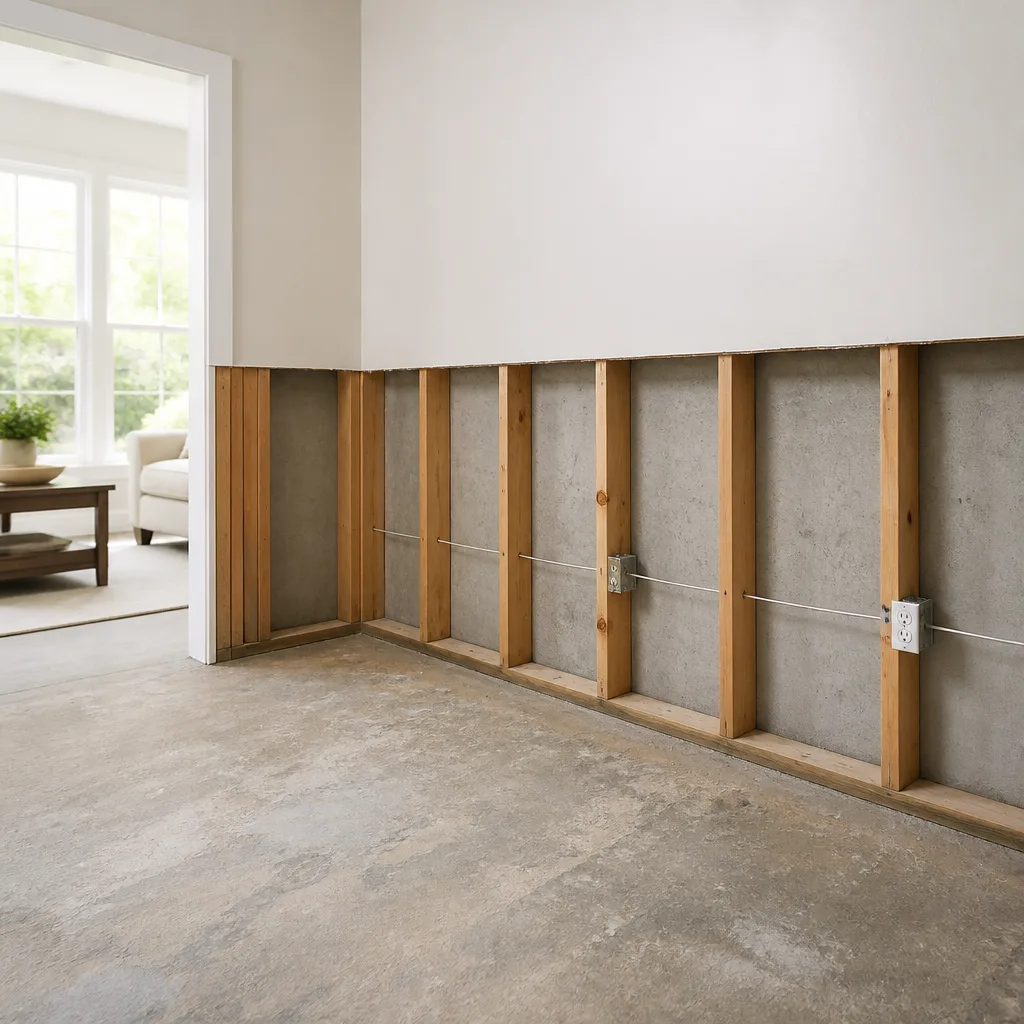
We remove standing water using truck-mounted and portable extraction systems, then set up containment if the water is Category 2 or 3. Injured building materials get cut out according to IICRC standards. The goal is to stop the spread within the first hour, not just pick up the puddle.
Drying & Dehumidification
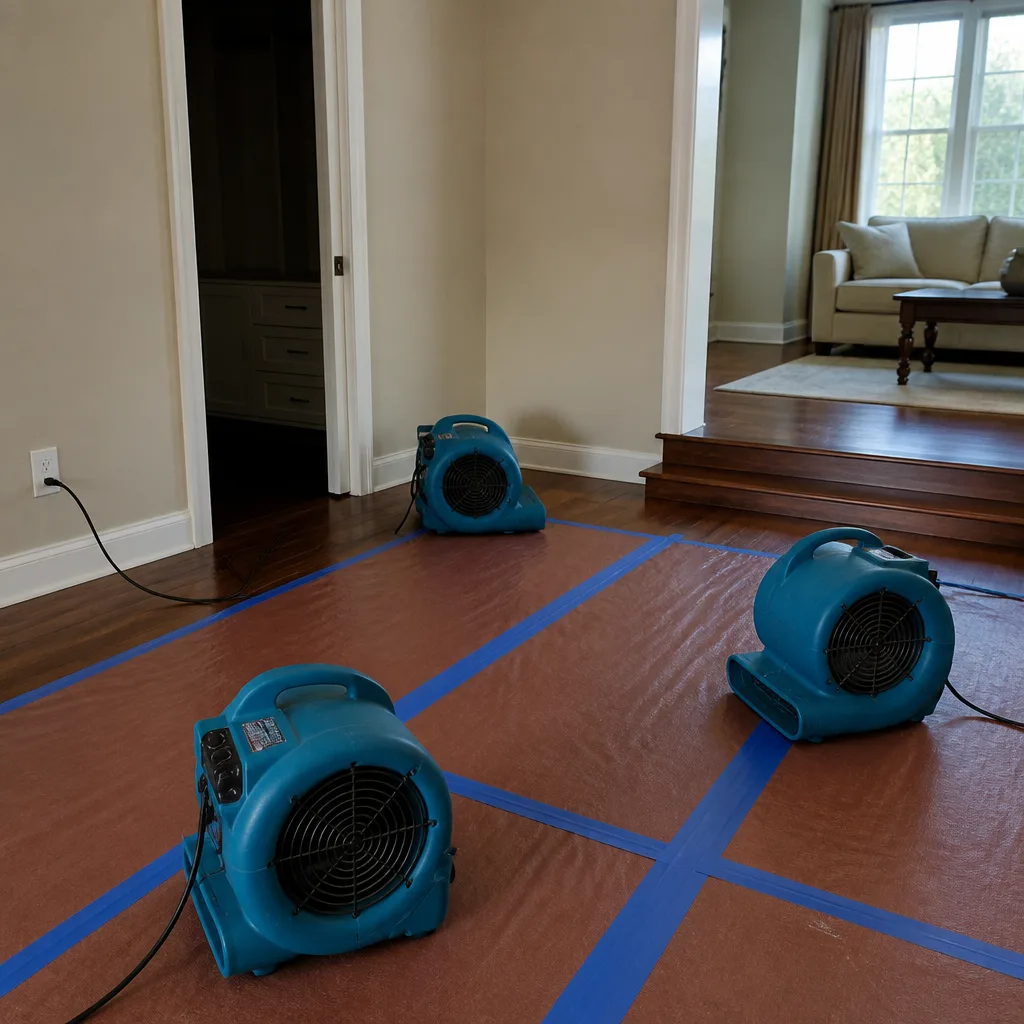
We position Dri-Eaz and Phoenix dehumidifiers alongside XPOWER air movers to create cross-airflow that pulls moisture from structural materials. Daily hygrometer readings track progress against the dry standard. Hillside homes with below-grade foundations on multiple sides get additional equipment and longer run times, because those wall cavities hold moisture like a sponge.
Cleaning & Sanitization
All affected surfaces get cleaned and treated with antimicrobial solutions appropriate to the water category. HEPA air scrubbers run during and after the work to capture airborne spores and particulates. We don’t skip this step on Category 2 or 3 jobs, and we don’t rush it on Category 1 either.
Structural Drying & Specialty Treatment
For Ossining homes with horsehair plaster and rubble-stone foundations, we use Injectidry floor mats and targeted wall-cavity drying systems to reach moisture that conventional equipment can’t. Knob-and-tube wiring gets isolated before dehumidifiers go in. This is where flat-site crews fail and why we stay until readings are pre-loss, not just “close enough.”
Repairs & Restoration
Once drying logs confirm the structure is stable, the same crew handles drywall, flooring, plaster repair, and any code-required upgrades. No handoff to a subcontractor you’ve never met. Everything is backed by the 90-Day Done Right Promise, in writing.
Need Emergency Water Damage Restoration in Ossining Now?
Crews minutes away, answering live 24 hours a day. The sooner we start, the less it costs.
Working With Your Insurance Company
We’ve handled hundreds of water damage claims in Ossining, and we know what adjusters need to see. From the first hour, we document everything: photos of the damage room by room, moisture readings from before and after drying, daily logs that show exactly what was done and when. Our estimates follow the same line-item format your carrier uses, which means fewer questions and faster approvals. We also talk directly with your adjuster, so you’re not stuck explaining technical drying standards over the phone. If your policy covers the loss, we bill the carrier directly. The 90-Day Done Right Promise stands behind every job we do, insurance claim or not.
What We Provide Your Insurer
- Thorough documentation of the loss
- Photos of all damage, room by room
- Moisture readings and drying logs
- A detailed, line-item scope of work
- Direct coordination with your carrier
Built for Ossining’s Loss Calendar
Ossining’s water damage season never really ends, but the cause shifts month to month. January and February bring deep freezes that split galvanized supply lines in uninsulated crawl spaces of pre-war cottages and Victorians on the hillside. Ice dams form on the steeply pitched roofs along Snowden Avenue and Croton Avenue, forcing meltwater under shingles and into attic insulation. March and April turn the thaw into groundwater pressure against rubble-stone foundations, and basement seepage becomes the most common call we answer. Summer thunderstorms dump flash rainfall that sheets down the bluffs and overwhelms the village’s older drainage infrastructure, flooding low-lying basements near the Metro-North corridor. And September’s tropical remnants, like Ida in 2021, bring the riverfront storm surge that turns Category 1 concerns into Category 3 emergencies. We plan our equipment staging around this calendar because we’ve lived it for years.
How Ossining’s Two-Zone Flood Pattern Changes the Work
Ossining is really two flood environments stacked on top of each other, and the difference matters for every water damage call we answer here. Down along the Hudson, the blocks near the Metro-North station and the riverside commercial district sit low enough that major rain events push the river into basements and ground floors. That water is Category 3: it carries river sediment, sewage from overwhelmed municipal lines, and whatever the storm picked up along the way. IICRC standards are clear about this. Carpet, pad, and porous building materials contaminated by Category 3 water get removed and disposed, not dried. There is no saving that carpet, and a contractor who tells you otherwise is setting you up for a mold problem and a denied claim.
Five minutes up the hill, the picture inverts. The densely packed blocks above the village core sit on shallow bedrock, and the mid-slope homes are built into the grade so that foundation walls are below grade on two or three sides at once. When rain sheets down the bluffs, groundwater builds up against those buried walls and finds its way inside through every crack and mortar joint. That water is usually Category 1 or 2, but the damage pattern is worse in one specific way: the structural drying takes far longer. A below-grade foundation on three sides means the wall cavity humidity stays elevated for days, sometimes weeks. Any crew that treats that like a standard flat-lot basement will get callbacks for mold within six months. We’ve seen it happen repeatedly to homeowners who hired a franchise outfit that didn’t know Ossining’s topography.
We responded to a burst pipe in a worker cottage on Snowden Avenue near the hillside, where water had wicked through horsehair plaster and into a rubble-stone foundation below grade on three sides. Our techs used moisture mapping and Injectidry floor mats to chase readings into wall cavities, ran Phoenix dehumidifiers and XPOWER air movers for nine days, and documented drying logs until every wall section hit pre-loss condition. No mold regrowth at the 60-day reinspection.
Water Damage Restoration Across Ossining’s Neighborhoods
The village core around Main Street and the Ossining Metro-North station has some of the oldest building stock in Westchester. These pre-WWII multifamily buildings and storefronts have shared walls, ancient plumbing, and basements that sit nearly at river level. Water damage here tends to involve other units, which means containment and clear communication with multiple parties. Up on the hillside along Snowden Avenue, Cedar Lane, and Croton Avenue, the Victorians and worker cottages have steep roofs, horsehair plaster, and foundations cut into the bedrock. Those jobs are slower, drier, and more structurally involved. The mid-slope blocks around Spring Street and Dale Avenue see the worst of the below-grade foundation pattern, where two or three sides of the basement are underground. Riverfront properties near St. Paul’s and the Sing Sing waterfront face the storm surge exposure directly. Each corridor has its own loss pattern, and we route crews who know the difference.
Specialized Water Damage Restoration Services We Offer in Ossining
Emergency Water Extraction
Standing water doesn’t wait, and neither do we. Our extraction crews arrive with truck-mounted and portable units sized for both riverfront commercial basements and tight hillside cellar stairwells. The goal is to remove the bulk of the water before it wicks into plaster, hardwood, and structural framing. In Ossining’s older homes, that window is shorter because horsehair plaster acts like a wick.
Structural Drying & Dehumidification
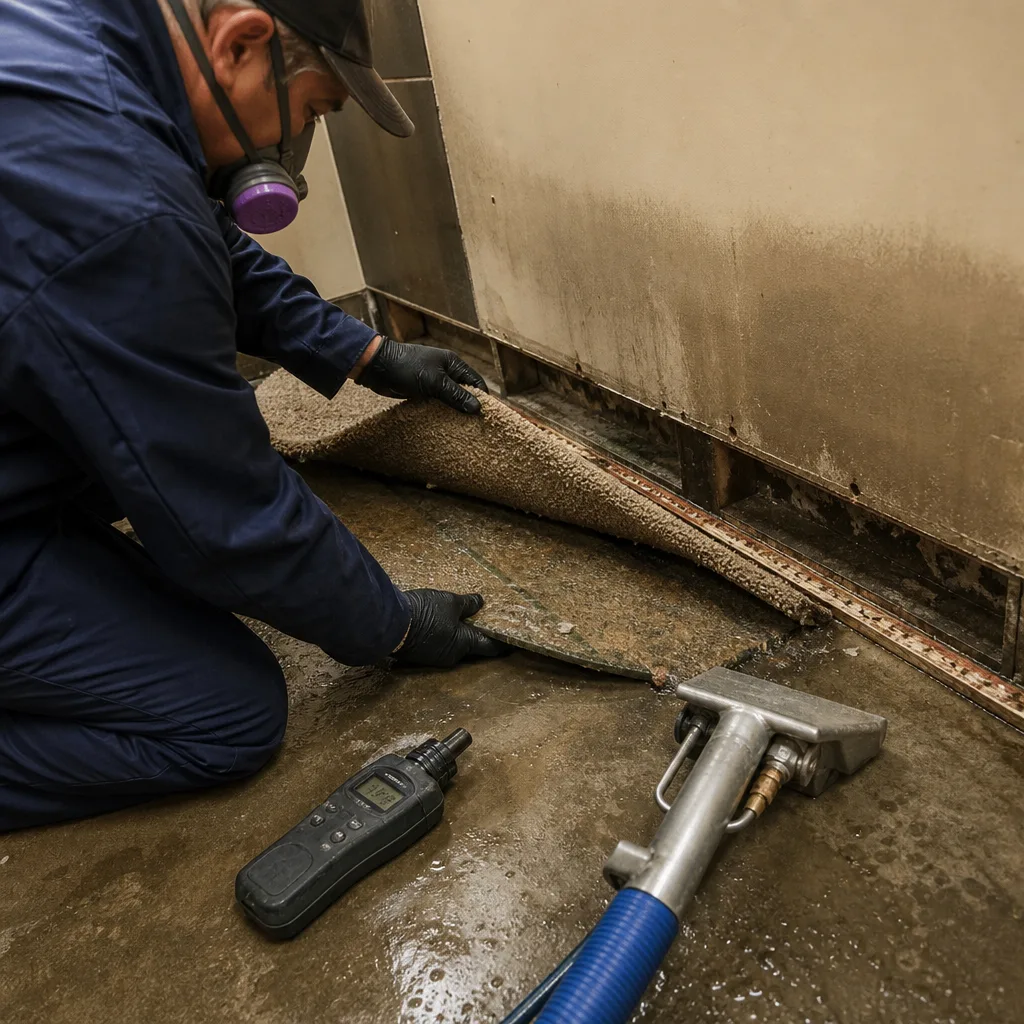
This is where Ossining’s hillside homes demand more than the standard setup. A flat-lot basement in a newer subdivision might dry in three or four days. A mid-slope foundation below grade on two or three sides can take nine to twelve days with the same equipment, not because the equipment is weak but because the wall cavities hold moisture and the groundwater keeps pressing in. We run Dri-Eaz and Phoenix dehumidifiers continuously, take daily hygrometer readings, and adjust the air mover layout as the moisture map shifts. We don’t call it done until the readings say it’s done.
Flood Cleanup
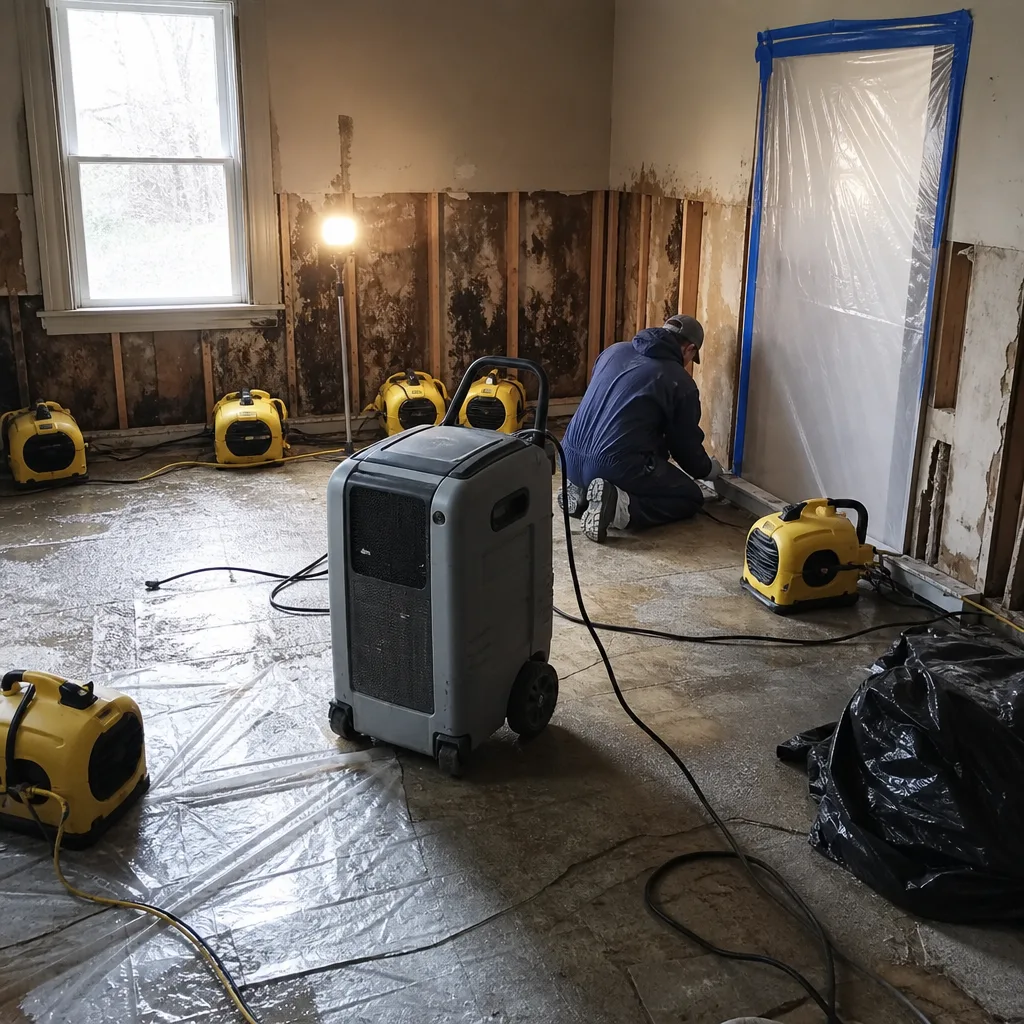
When the Hudson backs up or the village drainage system overflows, the cleanup involves more than water. Category 3 floodwater carries sediment, sewage, and biological contaminants that require proper disposal, not just drying. We set up containment, remove contaminated materials per IICRC standards, and sanitize everything that remains. For riverside commercial basements and ground floors, the priority is fast removal of porous materials before mold takes hold in the humid river air.
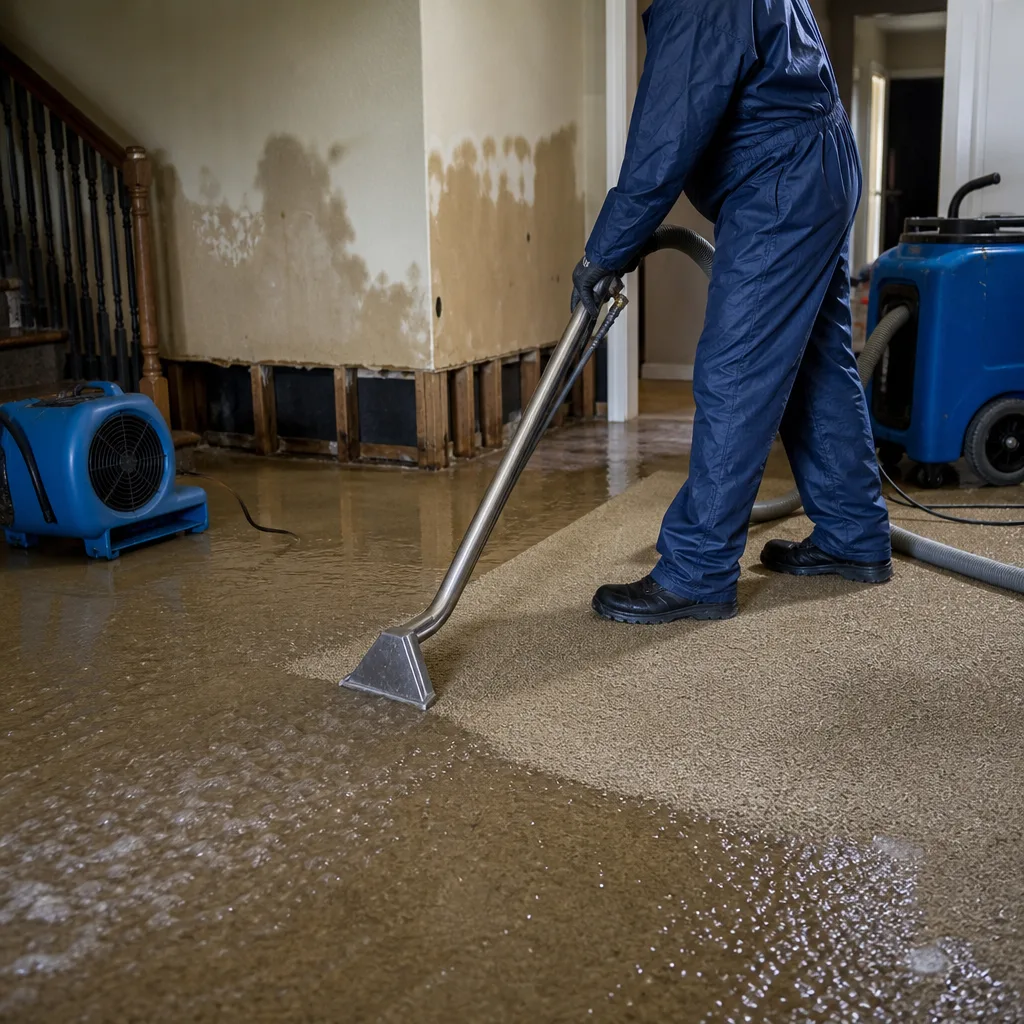
Burst Pipe Restoration
Winter freeze-thaw cycles in the Hudson Valley are hard on old supply lines. Galvanized pipe in uninsulated crawl spaces and exterior walls splits during deep freezes, and the leak often runs for hours before it’s noticed. We locate and stop the source, extract the water, and restore the affected areas. If code requires plumbing upgrades, we handle that in the repair phase so you’re not juggling two contractors.
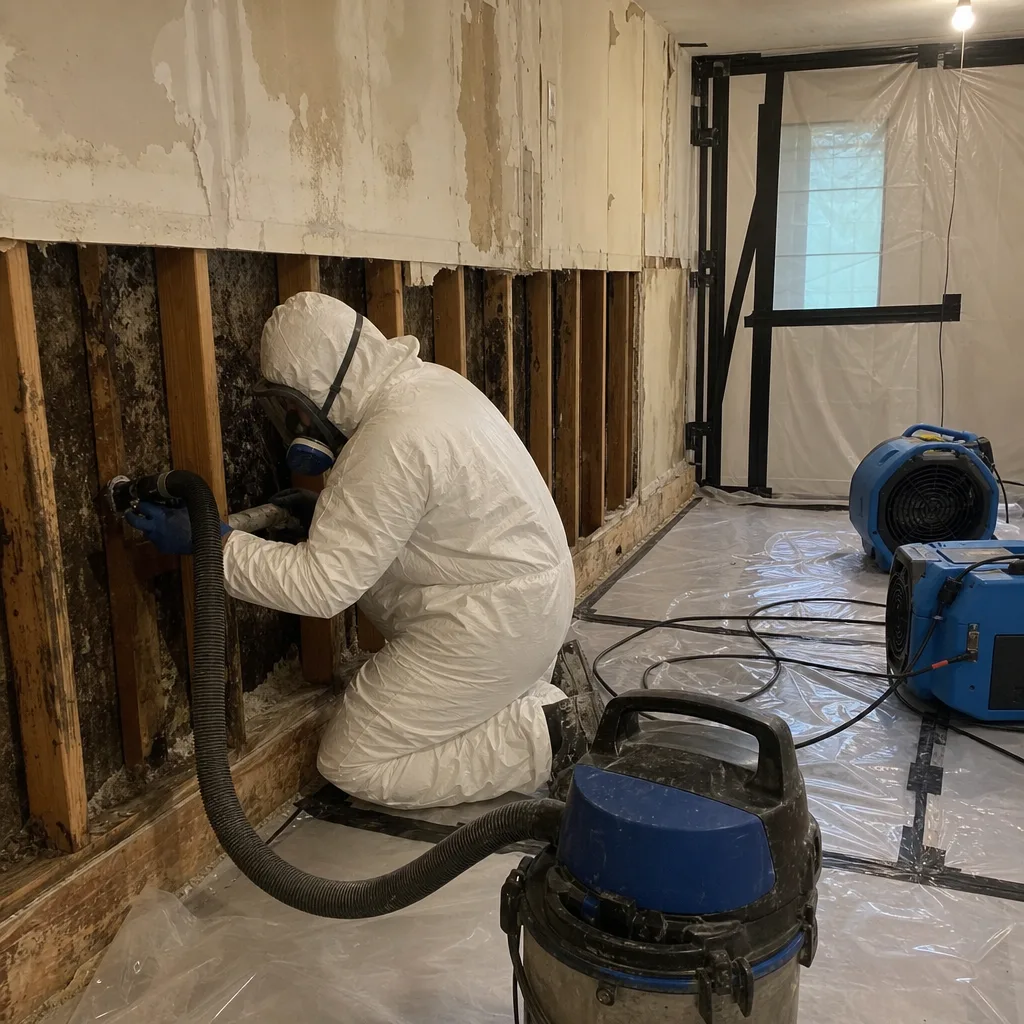
Basement Water Removal
Whether the source is a sump failure in a riverside cellar or groundwater intrusion through a hillside foundation, the extraction comes first and the drying strategy follows. We’ve removed standing water from nearly every basement type in Ossining, from rubble-stone cellars under 1890s Victorians to poured-concrete basements in 1950s split-levels. The building’s age and foundation type determine the equipment and timeline, and we’ll tell you that upfront.
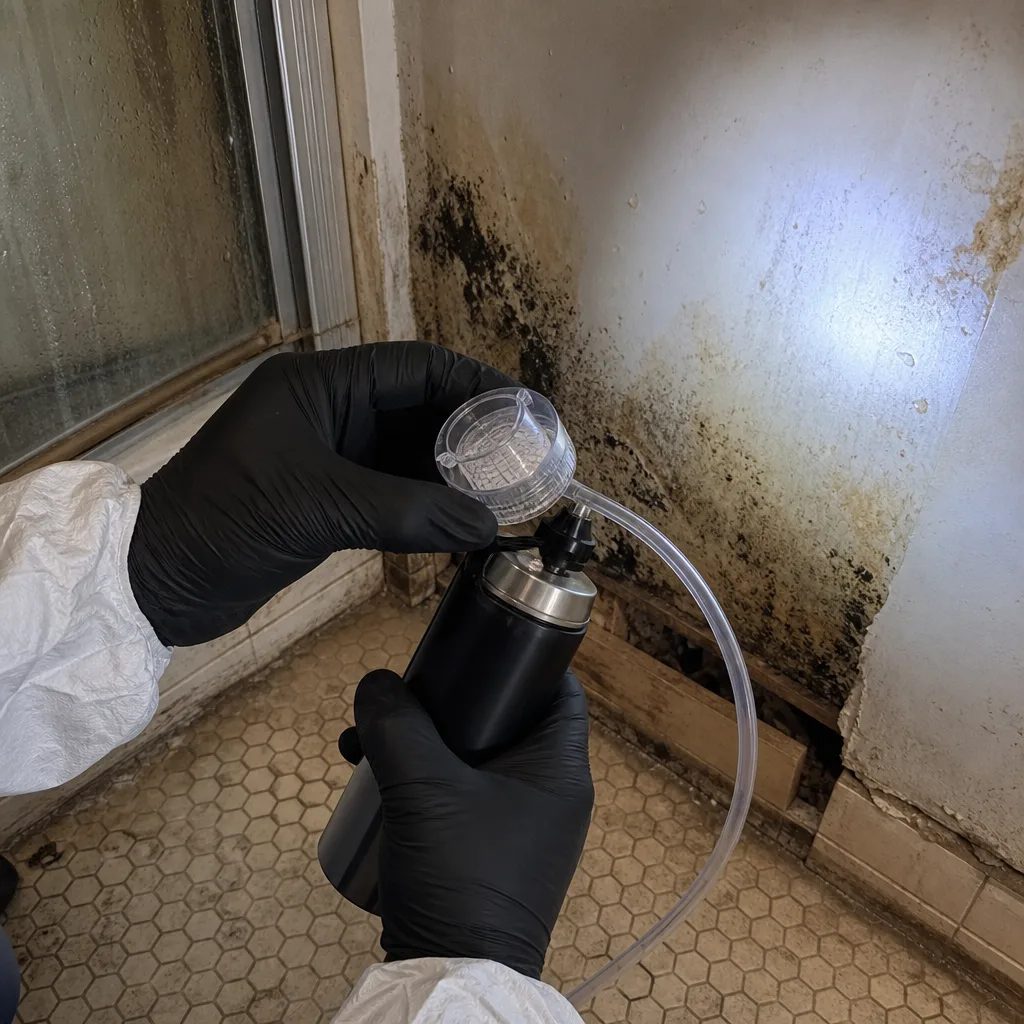
What happens when you call
- 1
A real person answersNo phone trees - you reach a local pro.
- 2
You get an upfront price rangeHonest numbers before anyone is dispatched.
- 3
A background-checked tech heads outLicensed & insured, dispatched right away.
- 4
You approve before work beginsNothing starts until you say go.
Water Damage Restoration Costs in Ossining, NY
Honest numbers are hard to come by in this trade, so here’s what we actually see in Ossining. Emergency water extraction alone runs $450 to $900 for a typical single-room basement job. Structural drying and dehumidification adds $900 to $2,200 depending on square footage, wall-cavity complexity, and whether we’re fighting a below-grade foundation on multiple sides. Full Category 1 basement restoration, including extraction, drying, drywall and flooring repair, typically lands between $2,400 and $5,800. Category 3 flood cleanup near the riverfront runs higher, often $6,000 to $14,000, because of contaminated material removal and sanitation. What moves the price: the age of the home, whether horsehair plaster needs repair or replacement, code upgrades on knob-and-tube wiring, and how long the water sat before extraction. We’ll walk through your specific damage, give you a written line-item scope, and explain what your policy should cover before you spend a dollar. Call (914) 809-9936 for a free assessment.
We Also Serve Cities Near Ossining
Our crews cover the surrounding communities, including Water Damage Restoration in Ossining and the nearby areas of Briarcliff Manor, Congers, Haverstraw, and Nyack. If you’re in one of these towns and dealing with water intrusion, the same live dispatcher answers the phone and the same certified technicians arrive at your door.
Serving Ossining, NY - Our Local Coverage Area
We’re based in the Ossining area and know this community well. Use the map below to see our service coverage - if you’re nearby, we can almost certainly help.
Ossining Water Damage Restoration Questions, Answered
How does Ossining’s two-zone flood pattern change your water extraction approach near the Metro-North station versus the hillside?
Down near the station, we treat the water as Category 3, which means removing and disposing carpet, pad, and other porous materials rather than drying them. Up on the hillside, the water is usually Category 1 or 2, so we focus on extraction and structural drying, but with more equipment and longer run times because the below-grade foundations hold moisture in wall cavities.
Why do mid-slope Ossining homes with below-grade foundations on multiple sides take so long to dry?
When a foundation wall is below grade on two or three sides, groundwater keeps pressing against the outside of the wall while we’re drying the inside. That continuous moisture source slows evaporation and keeps wall-cavity humidity elevated for days. A flat-lot basement might dry in three days; a hillside job can take nine to twelve days, and cutting that short guarantees mold regrowth.
Do I need a mold inspection after every water damage event in Ossining, even small leaks?
In Ossining’s river-humid climate, the answer is usually yes. The elevated humidity off the Hudson accelerates secondary mold growth, and horseshoe hill moisture can hide inside plaster walls for weeks before it becomes visible. We recommend a moisture reading and a visual inspection after any event that wetted structural materials, even if the visible drying appeared quick.
What happens with knob-and-tube wiring when you dry out a pre-WWII Ossining home?
Before we set up dehumidifiers or run high-amperage equipment, we check for knob-and-tube wiring in the affected areas. That older wiring degrades over time, and running sustained loads near damaged insulation risks shorts or fires. If we find it, we isolate those circuits and coordinate electrical upgrades with the drying schedule so you’re not left without power.
Can you save the horsehair plaster in my Ossining cottage after a water event, or does it have to come out?
In many cases, we can save it. Horsehair plaster wicks moisture, but it also dries reasonably well if we get to it before it swells and delaminates. We use targeted wall-cavity drying and controlled dehumidification to pull moisture out gradually. If the plaster has already lost its key to the lath, we’ll tell you honestly, and we’ll match the texture and profile on any repair.
How fast can someone actually get to my Ossining home?
Our crews stage locally in the Ossining area, so the typical dispatch window is 45 minutes or less from when you call. A live dispatcher confirms your address and the nature of the damage, and the crew arrives with extraction equipment already loaded. Call (914) 809-9936 and we’ll be there when we say.
Will insurance cover water damage in Ossining, and who deals with my adjuster?
Most homeowner policies cover sudden and accidental water damage, like a burst pipe or storm intrusion, but not gradual seepage or neglected maintenance. We document everything from the first hour, provide line-item estimates, and coordinate directly with your adjuster. We bill the carrier directly for covered losses.
What should I do in the first 30 minutes after discovering water damage in my Ossining home?
Shut off the water source if you can safely reach it, kill the power to the affected area, move valuables up and out, and call us. Don’t run electrical appliances in wet areas, don’t try to vacuum standing water with a shop vac, and don’t open walls looking for damage. The sooner extraction starts, the more of your home’s original materials can be saved.
Written by Curt Bowman, Owner at Floodline Restoration Co., serving Ossining since 2010.