
Free visual inspection and a written scope of work before any mitigation begins - photos, moisture readings, and drying logs go in your claim file
The scope we write is the scope we bill. Anything new gets shown to you, in writing, before we touch it.

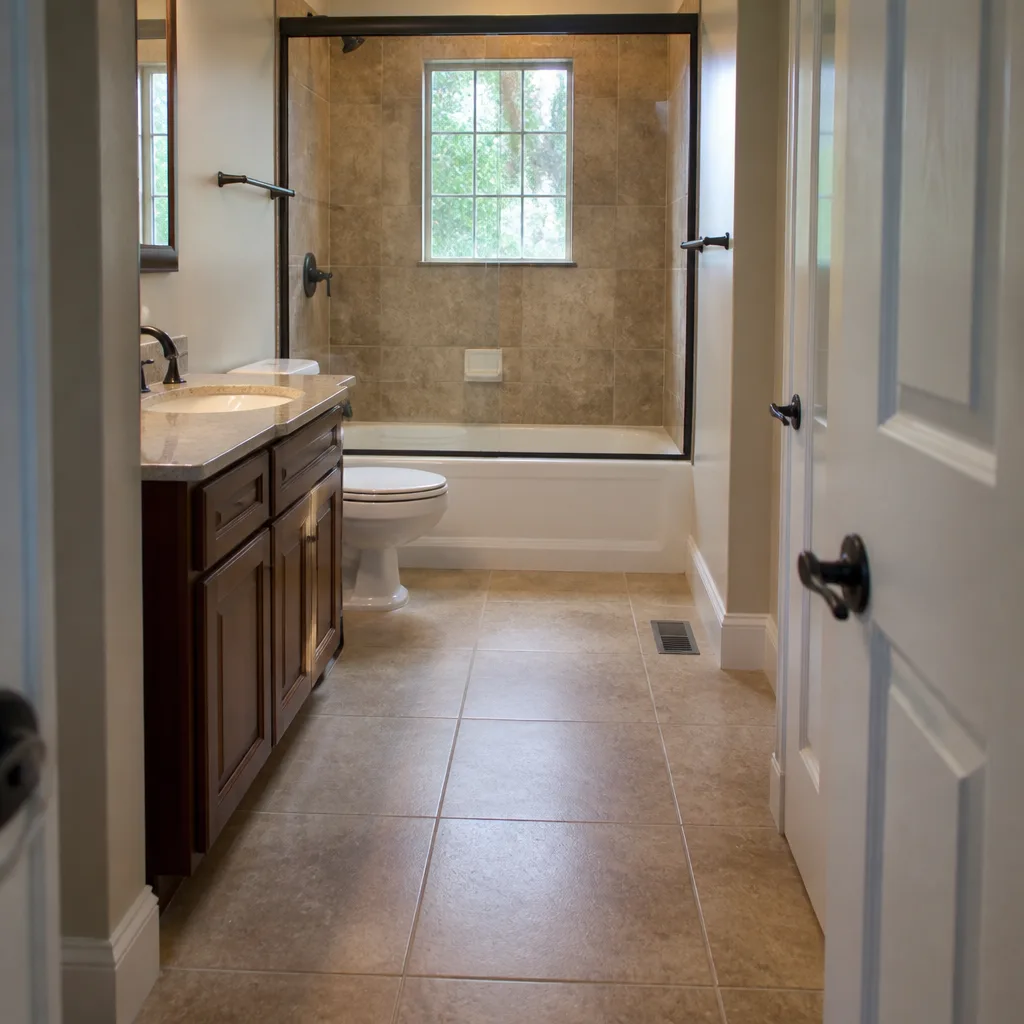
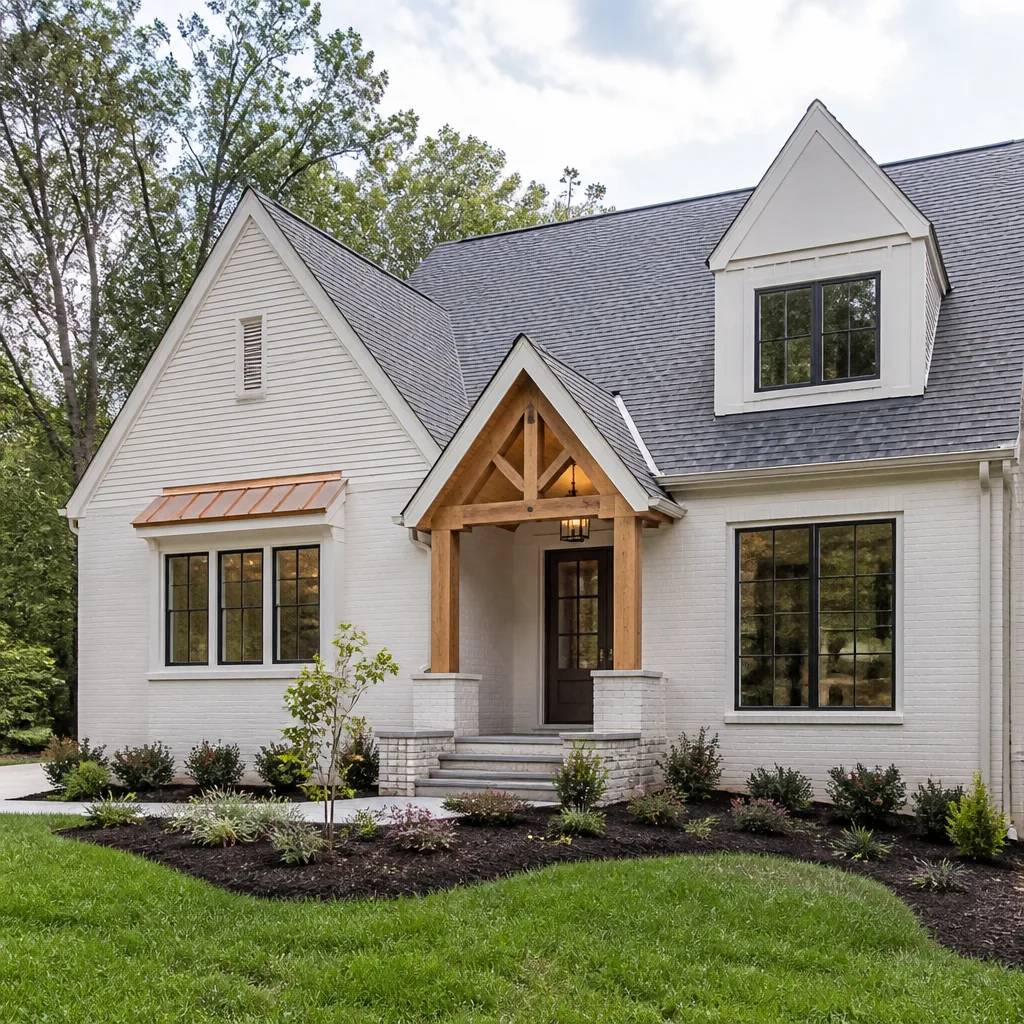
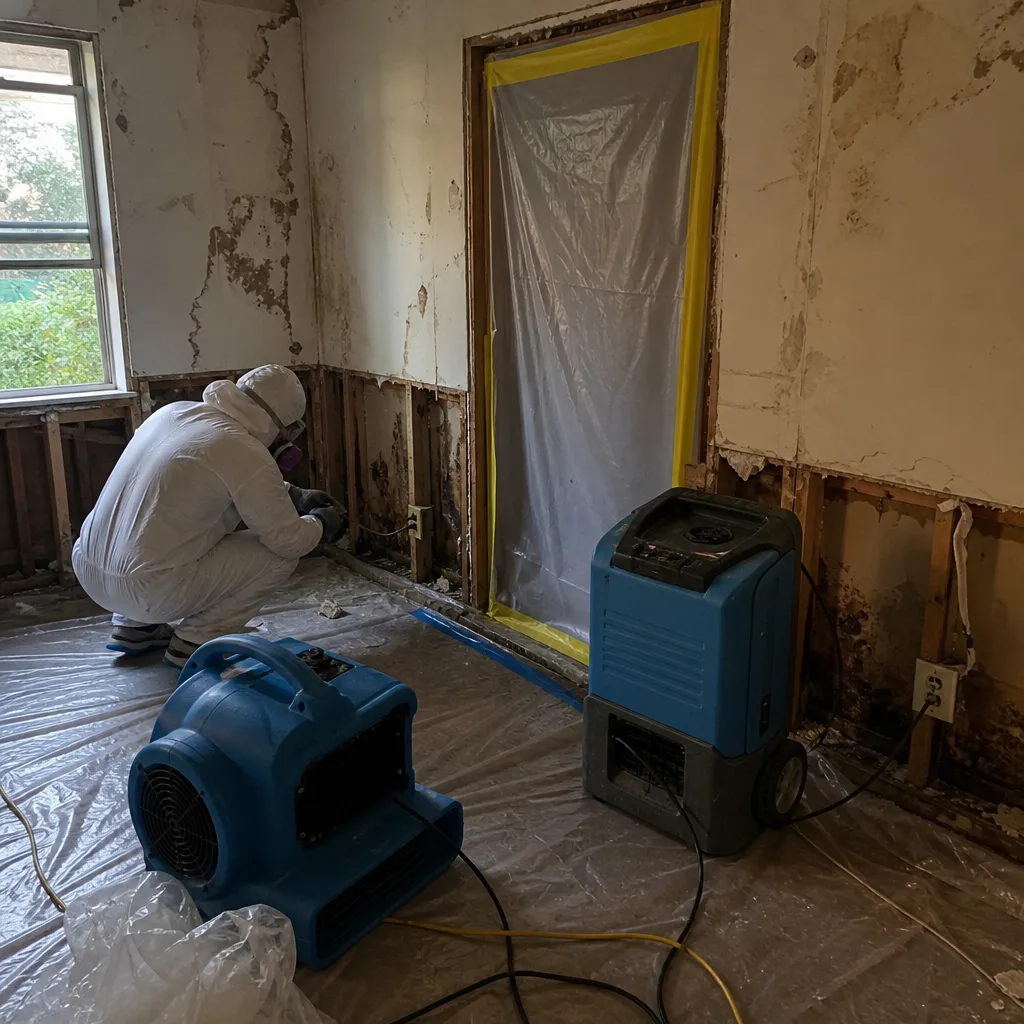 Before
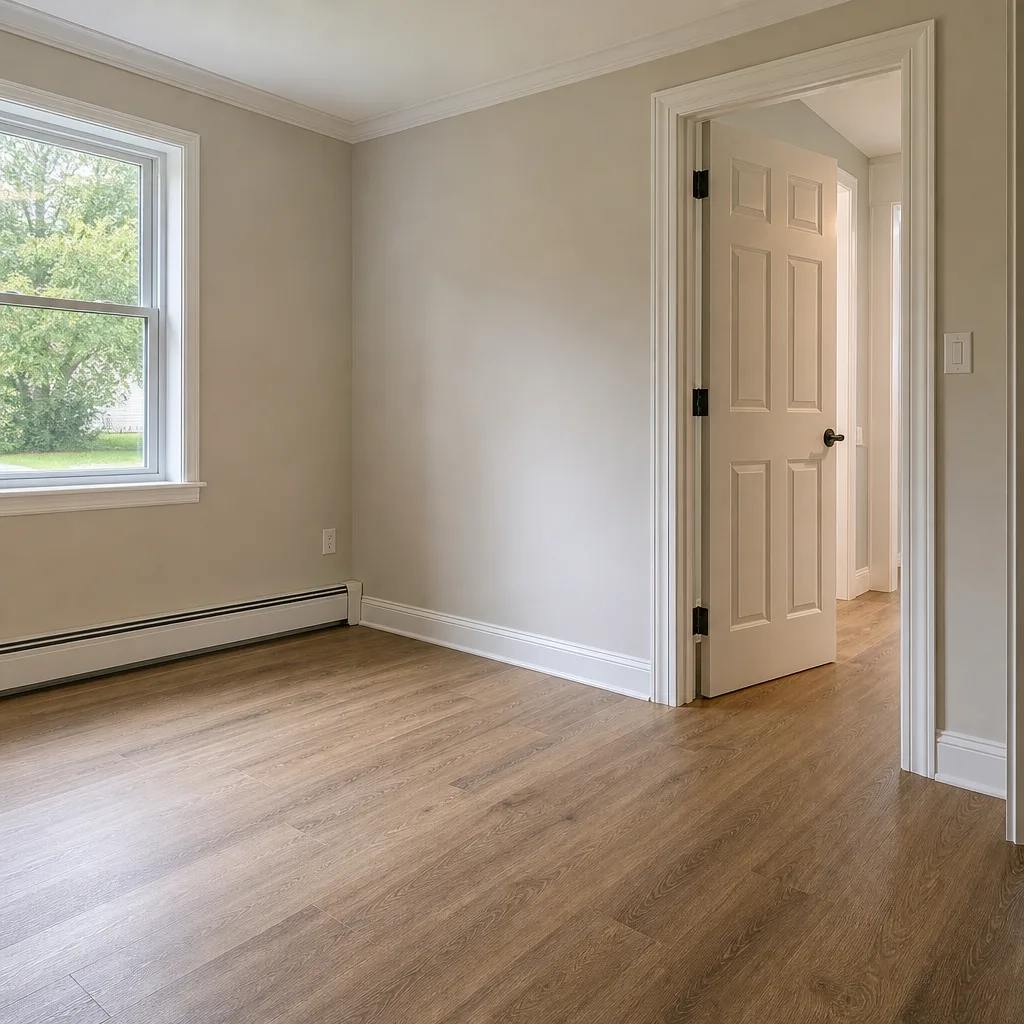 After
After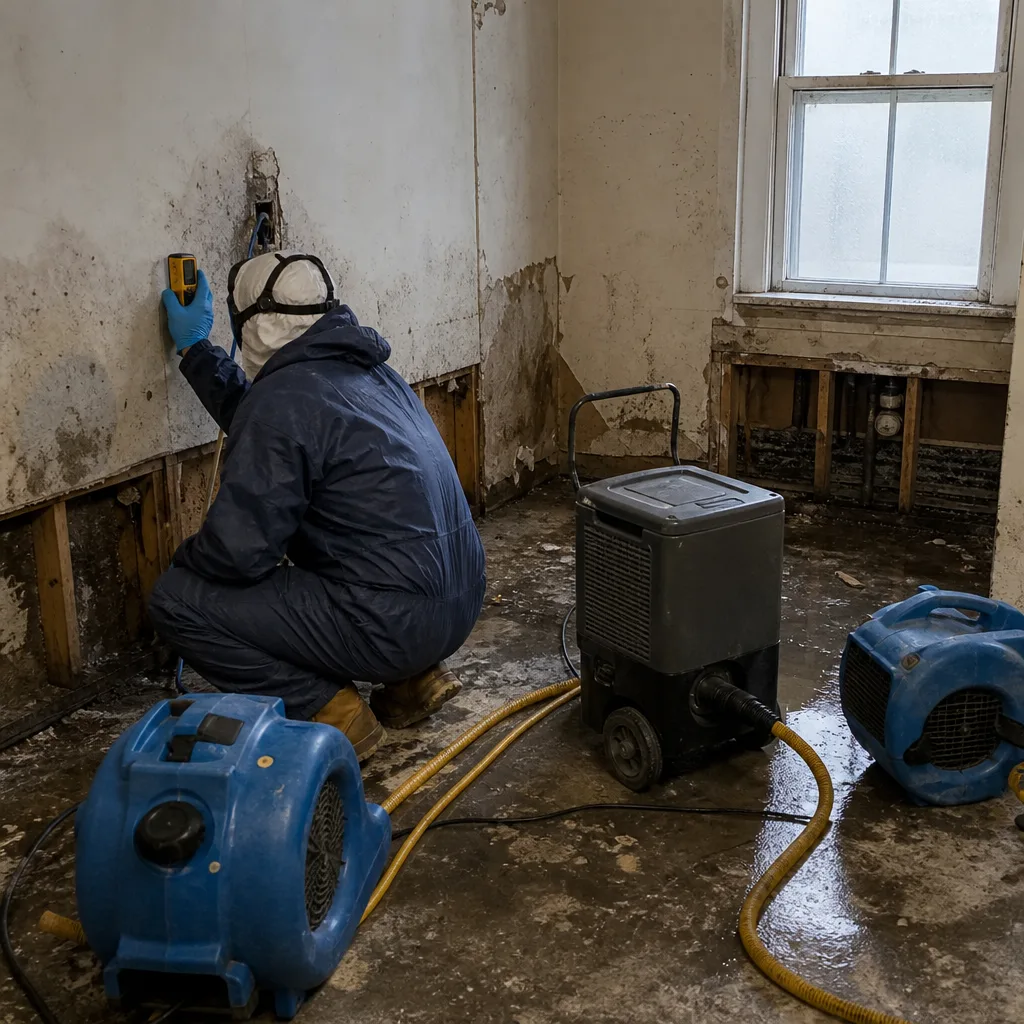 Before
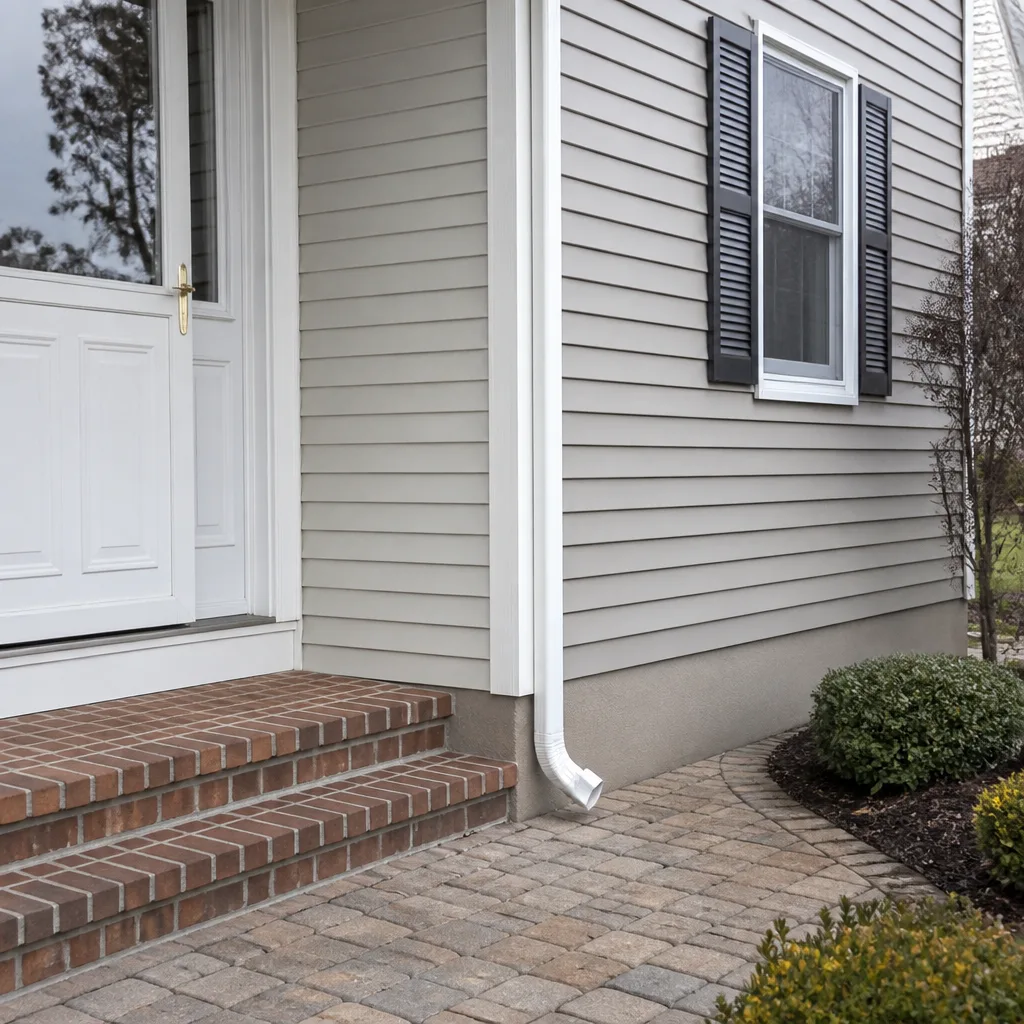 After
After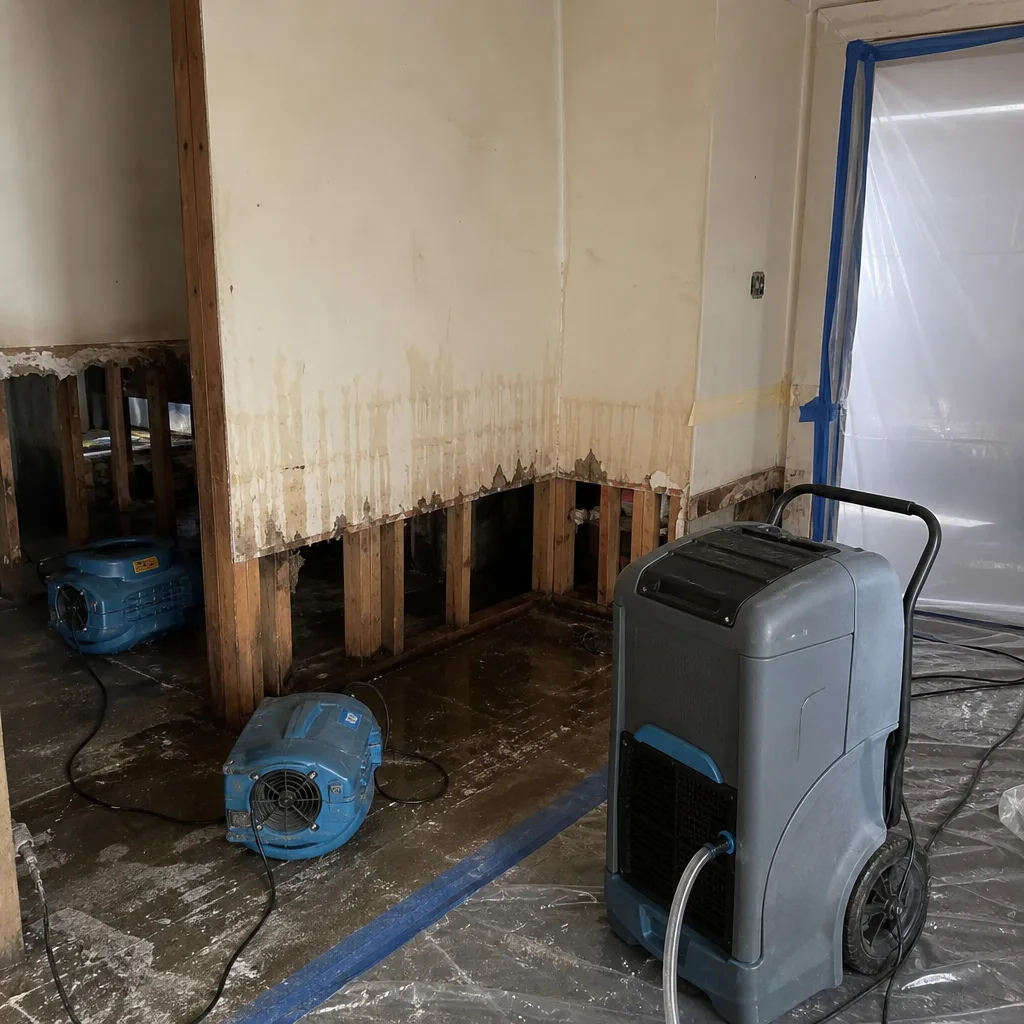 Before
 After
After24/7 Emergency Water Damage Restoration in Haverstraw
Water damage restoration in Haverstraw typically runs $2,800-$9,500 for a full basement mitigation and dry-out, and emergency extraction alone usually lands between $850 and $2,400 depending on square footage and water category. Standing water in a Haverstraw basement doesn’t wait, so neither do we. We answer live at (914) 809-9936 at 2 a.m., at 4 p.m. on a holiday, and every hour in between. A certified crew reaches most Haverstraw streets within 45 minutes of your call, and extraction equipment starts running that same visit. The first hour matters because Category 1 water from a burst supply line can degrade to Category 2 within 48 hours, and Category 3 river water from Haverstraw Bay is already contaminated the moment it enters. Every minute it sits, water wicks up drywall, saturates the fieldstone and Haverstraw brick foundations common in the village core, and sets the stage for mold that can begin within 24 to 48 hours. Call now. We’ll walk you through the first steps over the phone and have a crew rolling before you hang up.
Understanding Water Damage Restoration Severity in Haverstraw Properties
Water damage gets classified by source, and in Haverstraw that classification is shaped by geography. Category 1 is clean water from a burst supply line or an overflowing tub. Category 2 carries some contamination, like washing machine discharge or sump pump overflow. Category 3 is grossly contaminated: sewage backups, or river water from Haverstraw Bay pushed over Beach Road during a nor’easter. Most of the village’s late 19th- and early 20th-century worker housing sits on wood-frame or brick-block foundations with fieldstone basements that were never waterproofed to modern standards. Those basements are permeable. Water moves through them fast, and it moves into materials that older construction methods leave exposed: lime mortar joints, unsealed brick, joist ends pocketed directly into masonry. Moisture mapping with thermal imaging and hygrometers tells us where water actually went, not just where it pooled. Structural drying in these older Haverstraw homes often takes longer than in newer construction because we’re pulling moisture from materials that have been absorbing and releasing Hudson Valley humidity for a century. We read moisture daily and we don’t stop until we hit the dry standard, not just a surface that feels dry.
Why Haverstraw Property Owners Choose Floodline Restoration Co.
- 45-minute response commitment to Haverstraw. We dispatch locally, and a uniformed, background-checked technician is on the road the moment you hang up.
- A live person answers, 24/7. No phone tree, no answering service that takes a message. A dispatcher picks up at 3 a.m. and stays on the line with you.
- IICRC-certified crews. Our technicians hold WRT (Water Damage Restoration Technician) and ASD (Applied Structural Drying) certifications, trained to RIA and IFA standards.
- Free visual inspection. We assess the damage before any work begins, and you get a written scope of work with line-item pricing first.
- Direct insurance billing. We document the loss, photograph everything, and communicate directly with your adjuster. You’re not the messenger.
- One team from extraction to reconstruction. The same certified crew that pumps the water out is the crew that rebuilds the wall. No mid-job handoff to a stranger.
Our Water Damage Restoration Process
Inspection & Assessment
We arrive, identify the water category, and map moisture penetration with thermal imaging and penetrating meters. In Haverstraw’s older basements, that means checking fieldstone walls and brick-block foundations behind finished surfaces, not just the visible puddle.
Extraction & Stabilization
Standing water comes out first. We use truck-mounted Dri-Eaz extraction and XPOWER submersible pumps for deep water, then stabilize the space to stop further wicking into drywall, insulation, and framing.
Drying & Dehumidification
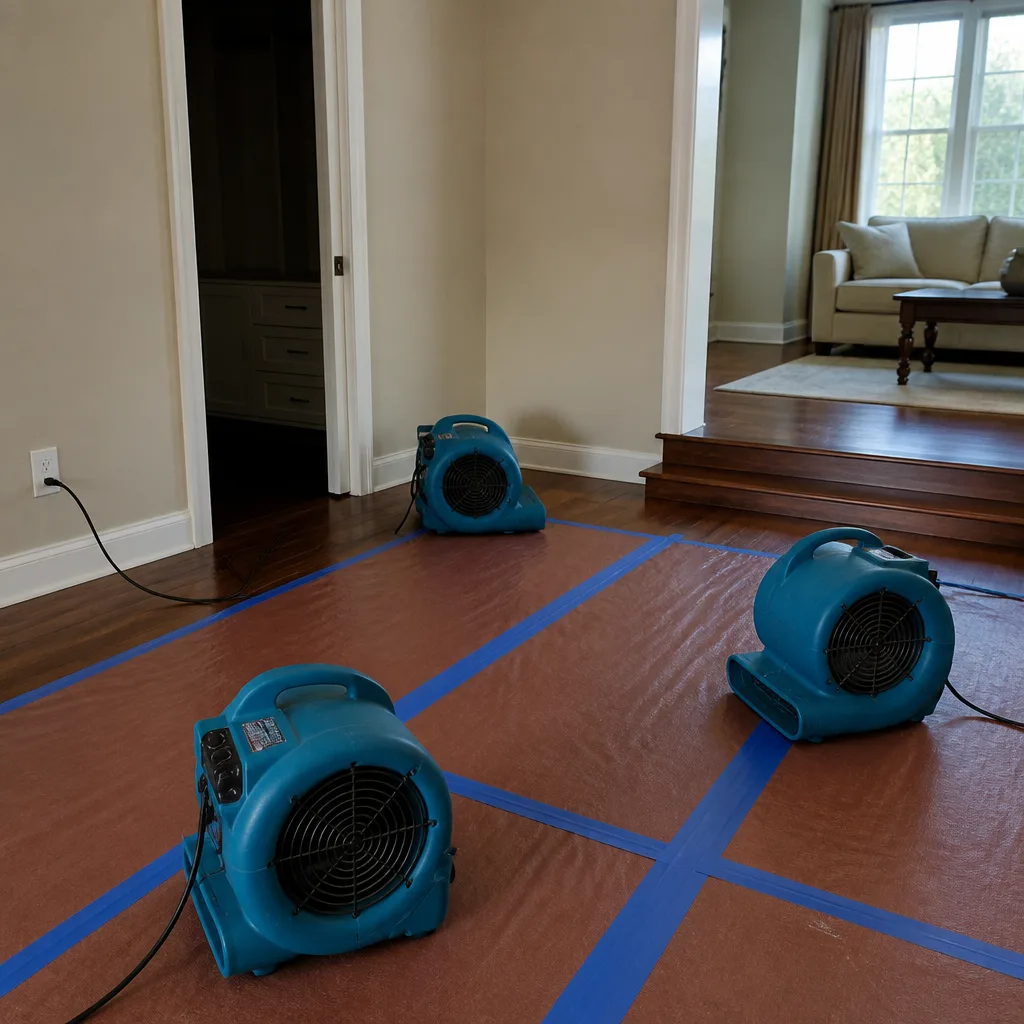
Phoenix air movers and B-Air dehumidifiers go in immediately, placed according to the moisture map, not scattered randomly. We take daily readings and log every number until the structure reaches the dry standard.
Cleaning & Sanitization
Category 2 and 3 water demand antimicrobial treatment. We clean and sanitize all affected surfaces, and we pay particular attention to porous materials that harbor bacteria in Haverstraw’s older brick and lime mortar basements.
Masonry & Foundation Stabilization
In Haverstraw, this step is critical. Locally-made Haverstraw brick spalls after repeated flood saturation and loses mortar integrity in patterns distinct from modern brick. We assess and stabilize before we close walls back up.
Repairs & Restoration
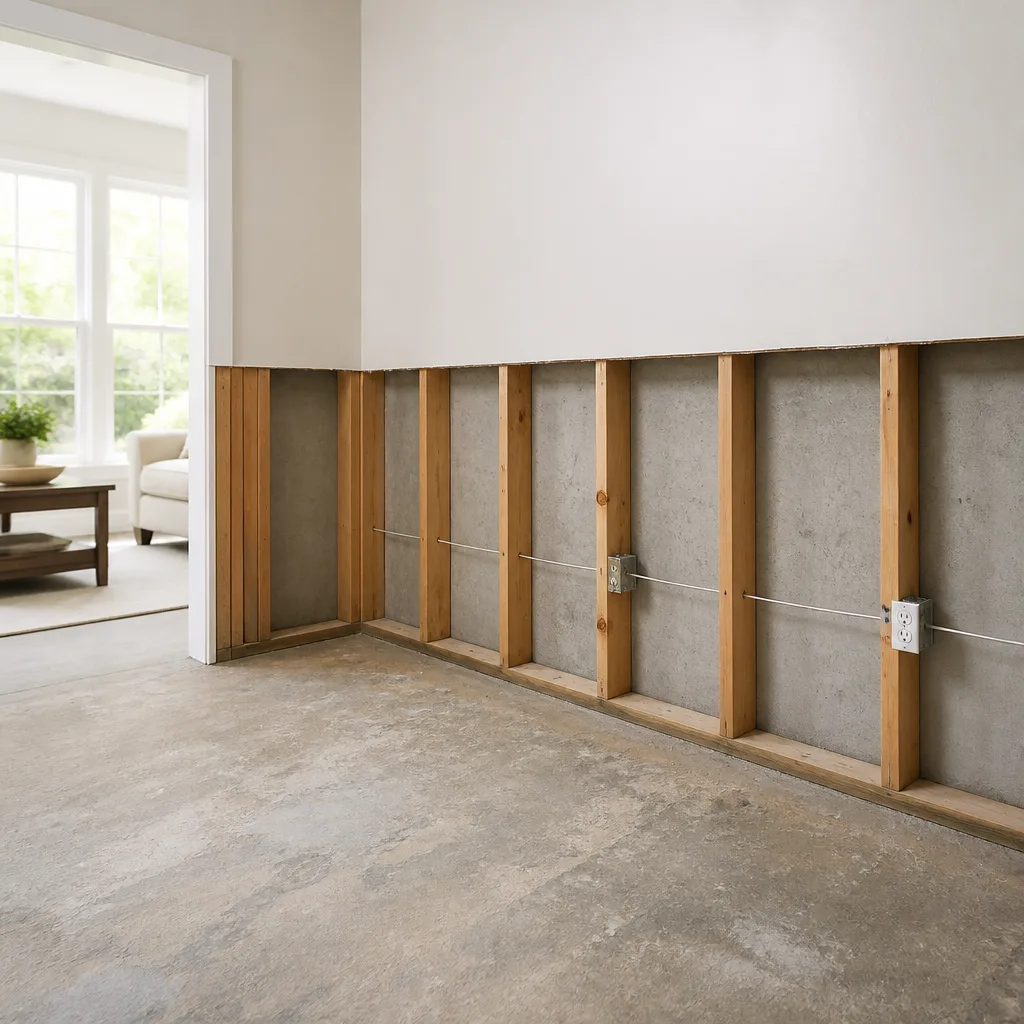
We rebuild what needed rebuilding: drywall, flooring, trim, baseboards, and any structural wood that was compromised. The same crew that started the job finishes it, and the 90-Day Done Right Promise covers the result in writing.
Need Emergency Water Damage Restoration in Haverstraw Now?
Crews minutes away, answering live 24 hours a day. The sooner we start, the less it costs.
Working With Your Insurance Company
We’ve handled thousands of water damage claims, and we know what adjusters look for. The first 24 hours of documentation make or break a claim. We photograph every room, every wet surface, and every piece of damaged material before we touch anything. Our moisture readings and drying logs get handed to your insurer along with a detailed, line-item scope of work. We don’t inflate scopes, and we don’t cut corners. When your carrier calls with questions, we answer them directly. You’re not writing emails, chasing calls, or interpreting adjuster language. That’s our job. The 90-Day Done Right Promise backs the work, and direct insurance billing keeps the homeowner out of the middle. A square deal: no surprises on the bill.
What We Provide Your Insurer
- Thorough documentation of the loss
- Photos of all damage, room by room
- Moisture readings and drying logs
- A detailed, line-item scope of work
- Direct coordination with your carrier
Built for Haverstraw’s Loss Calendar
Haverstraw’s water damage doesn’t follow one season. It follows the river and the weather. January and February bring deep freezes that burst supply lines in uninsulated crawl spaces and exterior-wall plumbing throughout the older village core. As thaw sets in, saturated ground pushes groundwater through permeable fieldstone foundations, and many homeowners discover their sump pumps have been running dry all winter. Summer brings thunderstorm flash flooding, when sudden downpours overwhelm drainage along Route 9W and the lower village streets, sending sheets of water toward basements that sit below grade. Then comes hurricane season and nor’easter season, when Haverstraw Bay pushes storm surge up over Beach Road and into the marina district with wave action that no other Rockland County town faces. Every season has a signature loss in Haverstraw. We know them all, and we’ve seen them repeat year after year.
Water Damage Restoration Across Haverstraw’s Neighborhoods
The village itself sits at the widest point of the Hudson, and the low-lying streets off Beach Road take the brunt of storm surge. Those homes get Category 3 water, and the damage is saturated, silty, and contaminated. Moving uphill, the blocks around the historic brickyard district and Maple Avenue are dense with late 19th-century wood-frame houses on fieldstone basements: water comes in through mortar joints and floor cracks, and it spreads horizontally through the foundation. The hillside homes above Broadway, below the steep glacial clay slopes, face a different problem entirely. After heavy rain, saturated clay expands, and foundation movement cracks waterproofing membranes, letting groundwater re-enter basements that extraction alone won’t fix. Along the Route 9W corridor and the streets east of it, we see a mix of mid-century homes with block foundations and older homes with converted coal cellars. Every neighborhood has a pattern. We read those patterns fast because we’ve worked them for over 42 years.
Specialized Water Damage Restoration Services We Offer in Haverstraw
Emergency Water Extraction
Standing water in a Haverstraw basement gets truck-mounted extraction equipment on scene fast. A typical emergency extraction in the village runs $850-$2,400 depending on water depth and square footage. For river water on Beach Road, we treat the job as Category 3 from the first minute, which means containment and antimicrobial treatment start immediately, not after the water is gone.
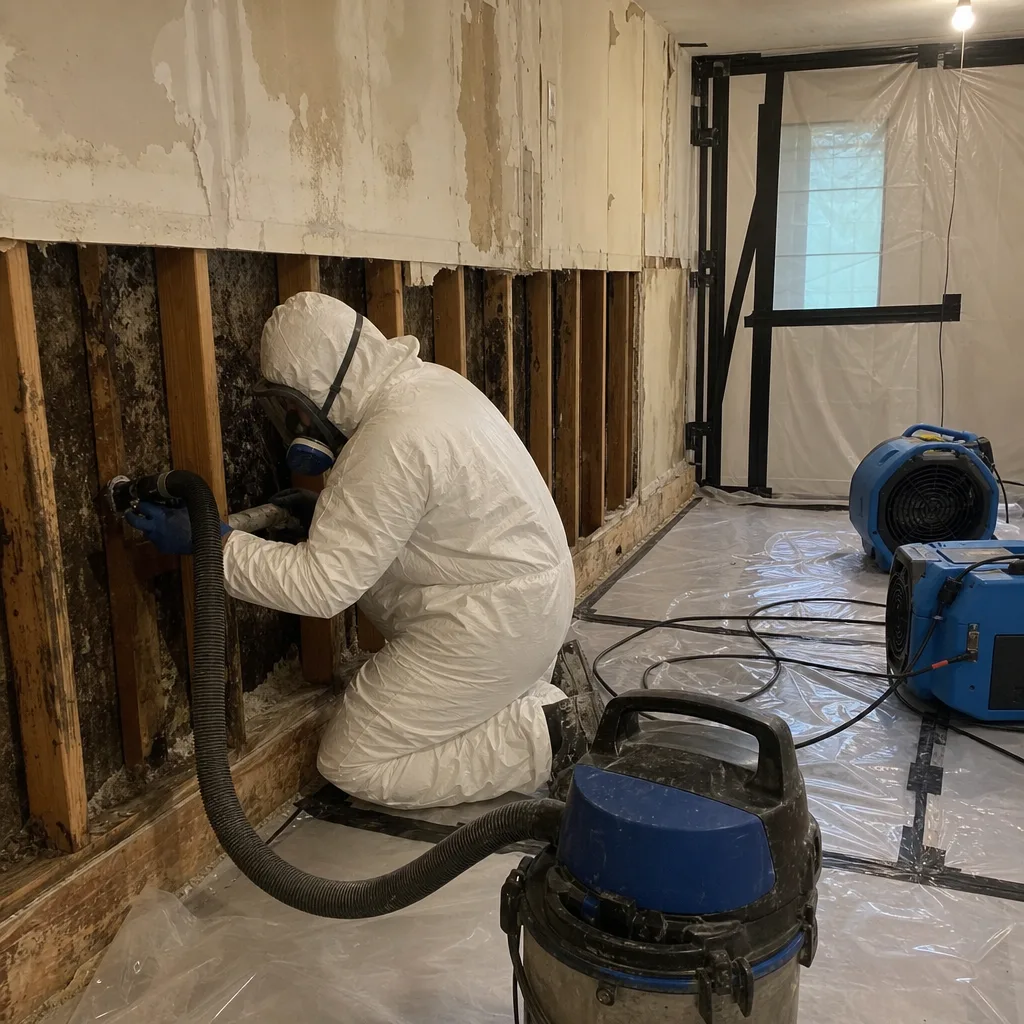
Structural Drying & Dehumidification
Drying a Haverstraw basement means drying century-old materials, not just new drywall. We use Phoenix air movers and B-Air dehumidifiers placed according to thermal imaging and moisture mapping. Daily readings get logged and shared with you and your carrier. Drying in dense, older construction typically runs 3-6 days. We don’t guess. We meter.
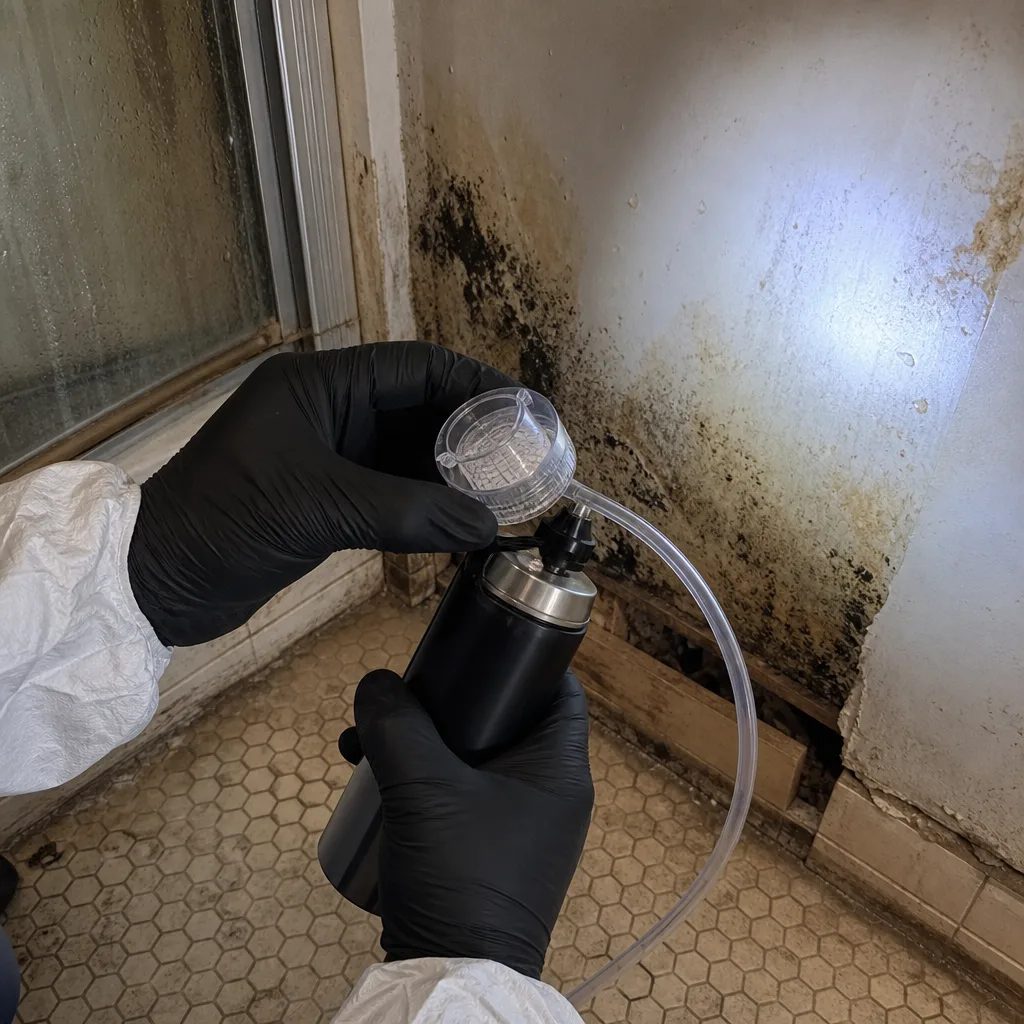
Flood Cleanup
Flood water from Haverstraw Bay carries silt, salt, and whatever the Hudson was carrying that day. Cleanup involves extraction, debris removal, antimicrobial application, and sanitization of every surface the water touched. Where Haverstraw brick has spalled behind drywall, we coordinate masonry stabilization as part of the same job, not as an extra you discover weeks later.
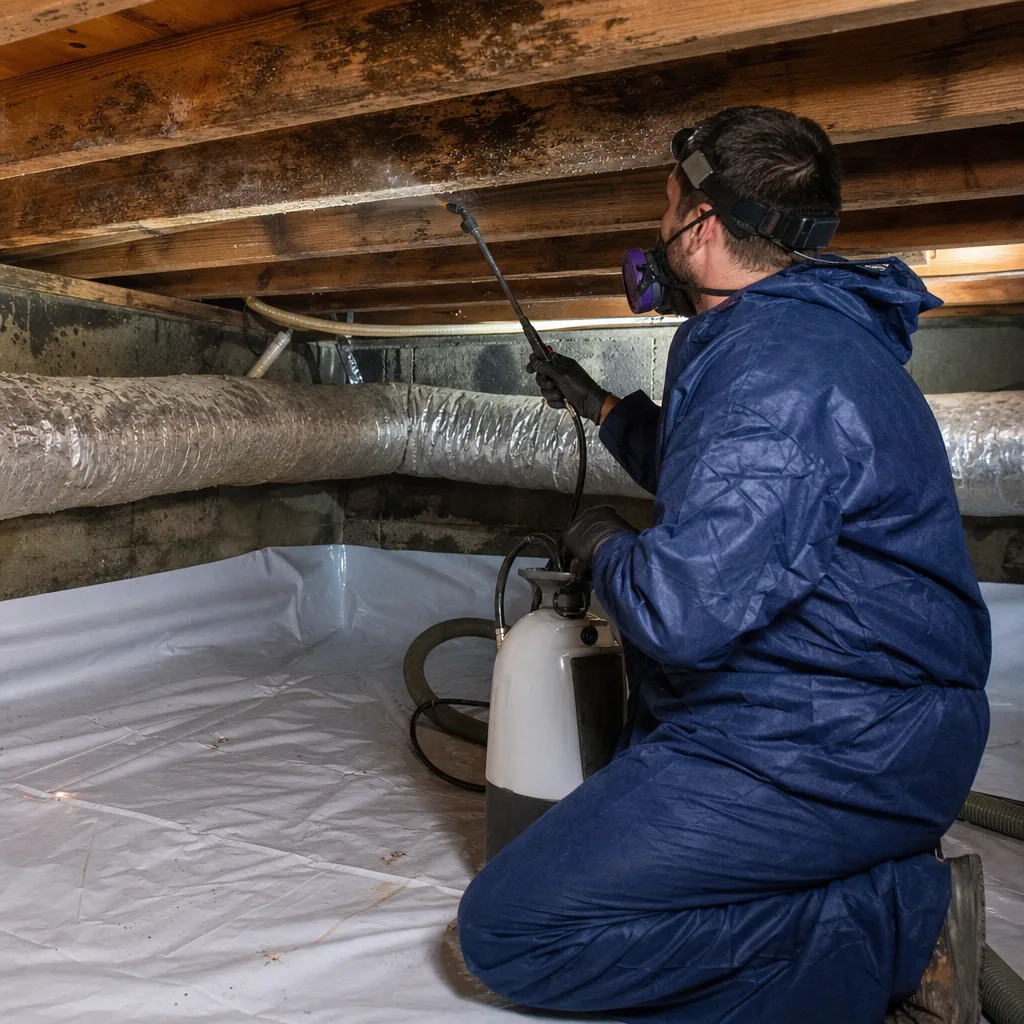
Burst Pipe Restoration
January freezes hit Haverstraw’s older supply lines hard. When a pipe lets go in an empty bungalow or in a kitchen wall, the water chases the path of least resistance. We find where it traveled, not just where it pooled. Burst pipe restoration in Haverstraw homes typically runs $1,800-$6,000 depending on whether walls, floors, or ceiling cavities are involved.
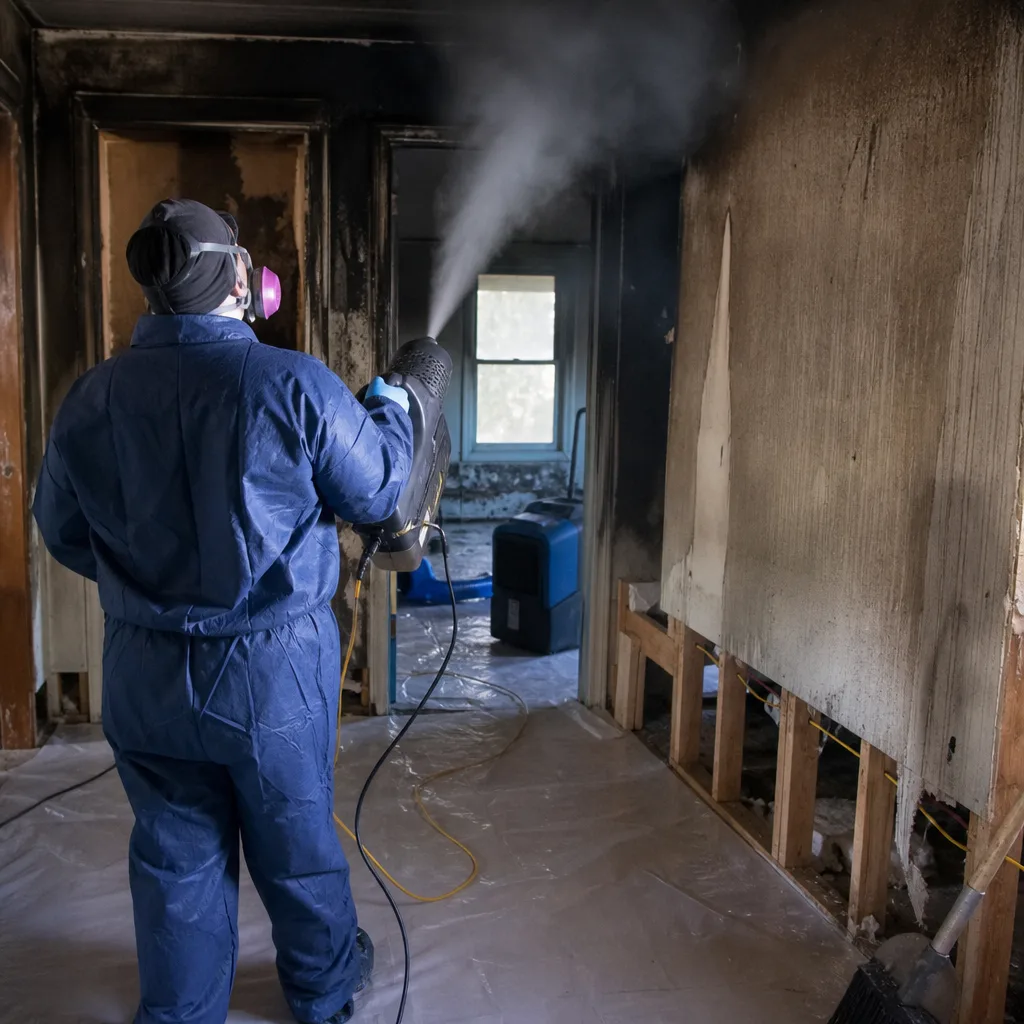
Basement Water Removal
Basement water removal is the most common call we take from Haverstraw homeowners, and the reason is usually one of three: river surge on the low streets, groundwater intrusion through fieldstone, or plumbing failure. We extract, dry, and treat, then tell you honestly what needs to be rebuilt. The line the water left is where we start.
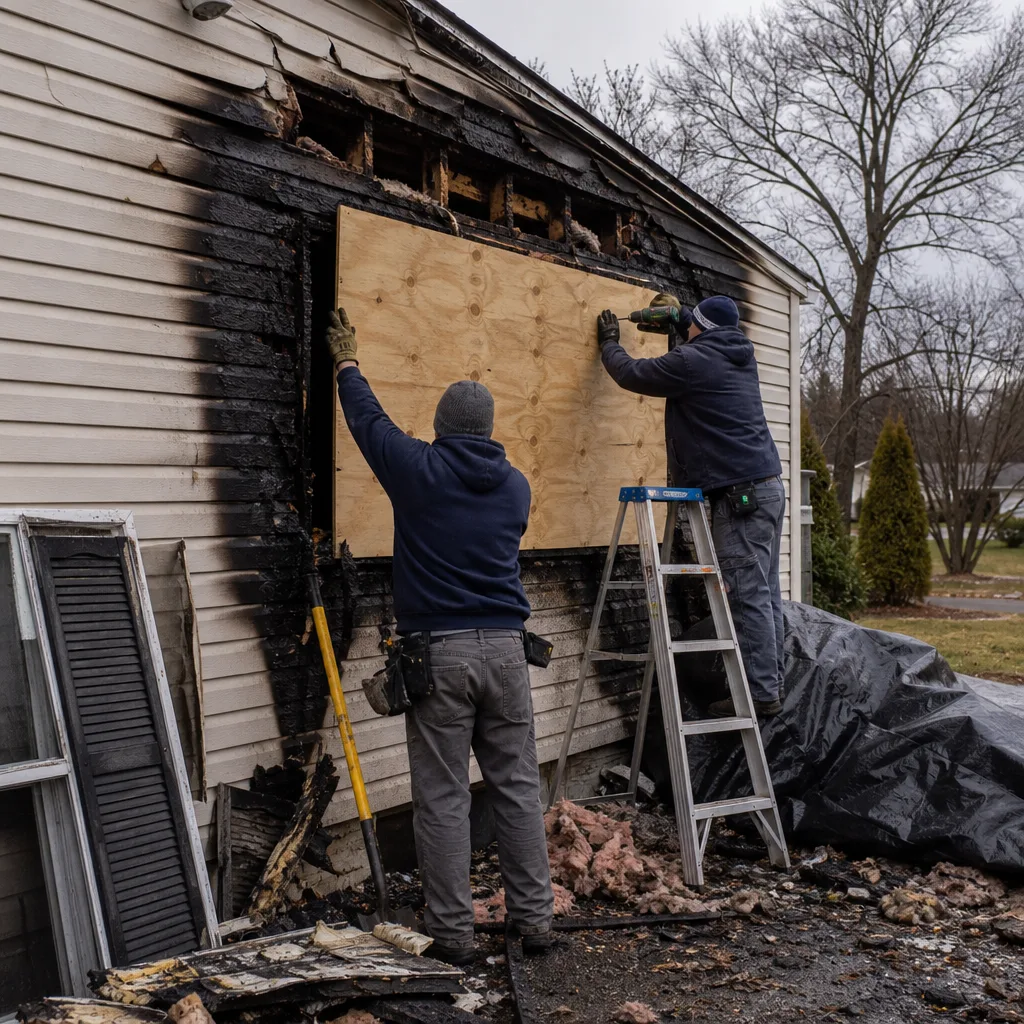
What happens when you call
- 1
A real person answersNo phone trees - you reach a local pro.
- 2
You get an upfront price rangeHonest numbers before anyone is dispatched.
- 3
A background-checked tech heads outLicensed & insured, dispatched right away.
- 4
You approve before work beginsNothing starts until you say go.
Water Damage Restoration Costs in Haverstraw, NY
Honest numbers help you plan. Emergency water extraction in Haverstraw runs $850-$2,400. Full basement mitigation with structural drying lands between $2,800 and $9,500 depending on size, water category, and how far the water wicked into finished materials. Flood cleanup with Category 3 water adds containment and antimicrobial treatment, typically pushing the total to $5,000-$12,000. Burst pipe restoration varies wildly: a small supply line leak behind a vanity might cost $1,800, while a second-floor pipe that soaked ceilings, wall cavities, and flooring can reach $15,000. Insurance covers most sudden and accidental water damage, including burst pipes and storm surge, minus your deductible. Gradual seepage through a fieldstone foundation often isn’t covered, which is why we give you a written scope with honest pricing before work begins. The free visual inspection is how you get a firm number instead of a guess.
We Also Serve Cities Near Haverstraw
Floodline Restoration Co. also serves Thiells, Stony Point, Congers, and New City. If you’re calling from one of those communities, the same live dispatcher answers at (914) 809-9936 and the same certified crews respond around the clock.
Serving Haverstraw, NY - Our Local Coverage Area
We’re based in the Haverstraw area and know this community well. Use the map below to see our service coverage - if you’re nearby, we can almost certainly help.
Haverstraw Water Damage Restoration Questions, Answered
How does Haverstraw’s bayfront location change the water category I’m dealing with in my basement?
Haverstraw Bay’s wide, open fetch amplifies storm surge and wave action during nor’easters, pushing river water far beyond the shoreline into low-lying basements along Beach Road and the marina district. That water is Category 3 by definition: it carries sewage, fuel residue, silt, and whatever else was in the Hudson. It requires containment, full antimicrobial treatment, and disposal of porous materials that absorbed it. Call (914) 809-9936 and we’ll let you know what you’re dealing with before we touch anything.
Why does my Haverstraw brick basement keep spalling after every flood even though we dry it out?
Locally-made Haverstraw brick from the village’s brickyard era responds differently to flood saturation than modern brick. After repeated cycles of soaking and drying, the brick face spalls and the lime mortar losses integrity in distinct patterns. Surface drying doesn’t reverse subsurface damage. The bricks keep degrading behind supposedly dried walls. We inspect for that specific pattern and coordinate masonry stabilization as part of the water damage job rather than treating it as a separate, later discovery.
How quickly can mold start on wet drywall in a Haverstraw basement after a nor’easter?
Mold can begin growing on wet drywall within 24 to 48 hours, and Haverstraw’s humid river air in late summer and fall pushes that window to the short end. The older basements in the village core, with permeable fieldstone and limited airflow, are especially prone. If water sat for more than a day, assume mold is present or imminent. A free visual inspection confirms it. Call (914) 809-9936 and we’ll assess it now.
Do I need a special permit for water damage restoration in Haverstraw’s flood zone?
Restoration and mitigation work on an existing structure generally doesn’t require a permit, but reconstruction and any structural or masonry work on a home inside Haverstraw’s FEMA-designated flood zones may trigger local permit requirements and elevation considerations. We handle that process for you and work with the village on the paperwork. The written scope we provide before work starts identifies what needs permit review and what doesn’t.
Why did my hillside home’s basement get water even though we didn’t have roof or plumbing leaks?
The steep slopes above Broadway in Haverstraw sit on glacial clay deposits that expand when saturated. After prolonged rain or snowmelt, saturated clay expands and shifts, cracking waterproofing membranes and foundation walls. Groundwater then re-enters basements through those new pathways, even if your roof and plumbing were untouched. The problem is soil movement, not a pipe. We inspect for foundation movement and waterproofing failure as part of our assessment.
How fast can someone actually get to my house in Haverstraw?
Our commitment is 45 minutes to most Haverstraw addresses. We have local crews, a live dispatcher answering at (914) 809-9936, and equipment staged for immediate dispatch. The clock starts when you call.
Will my insurance cover water damage restoration in Haverstraw?
Most homeowner policies cover sudden and accidental water damage, including burst pipes, appliance failures, and storm surge from a named weather event. Gradual groundwater seepage through a fieldstone foundation generally isn’t covered. We document everything, bill your carrier directly, and talk with your adjuster ourselves. That’s how we keep the process square and out of your hands.
What should I do in the first 30 minutes after discovering water damage?
Call (914) 809-9936 first. Then, if it’s safe, shut off the water source or the main valve. Don’t wade into standing water if it may be electrified. Don’t use a shop vac on Category 2 or 3 water. Move valuables to dry ground if you can do so safely. Take photos. Then let our crew take it from there. The first 30 minutes set the whole job.
Written by Curt Bowman, Owner at Floodline Restoration Co., serving Haverstraw, NY and the surrounding Rockland County communities.