
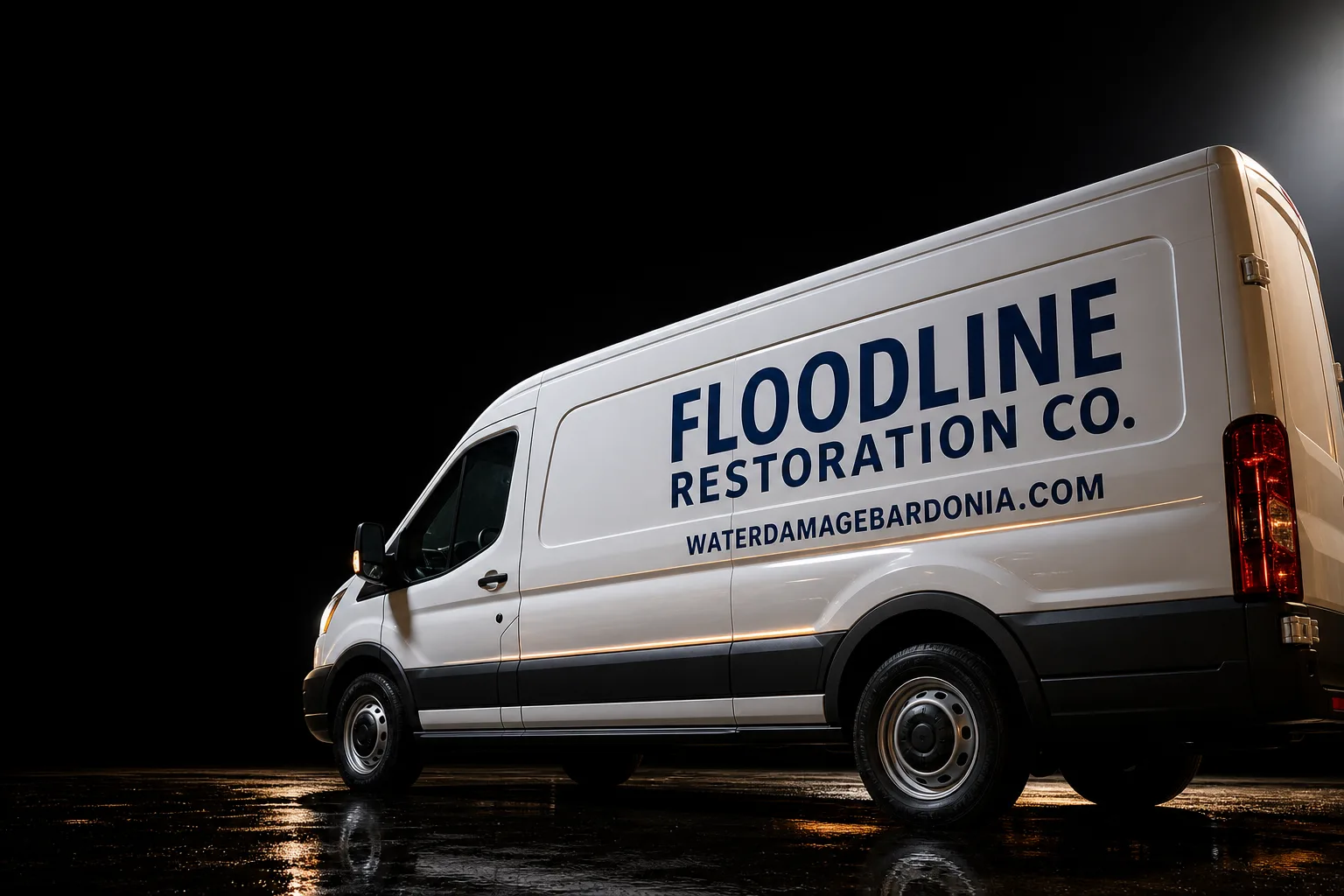
Free visual inspection and a written scope of work before any mitigation begins - photos, moisture readings, and drying logs go in your claim file
The scope we write is the scope we bill. Anything new gets shown to you, in writing, before we touch it.
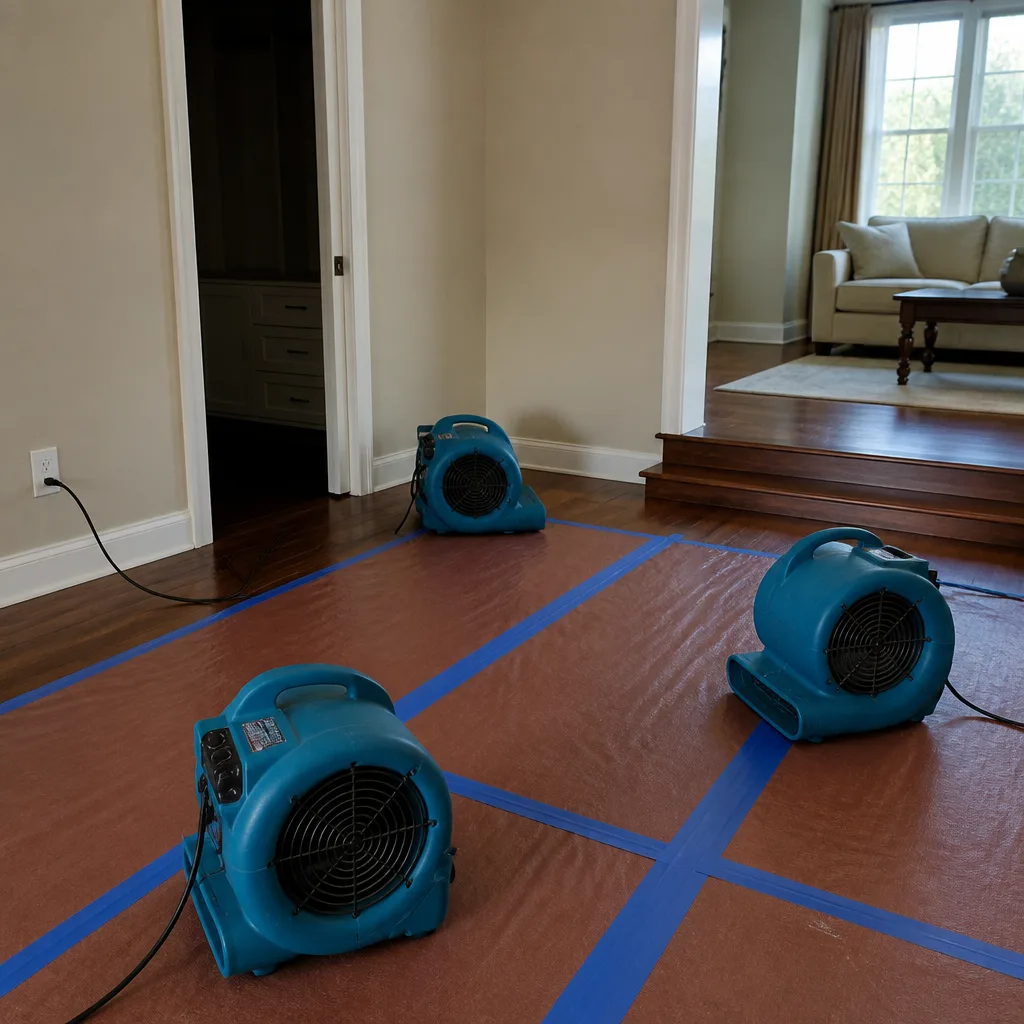

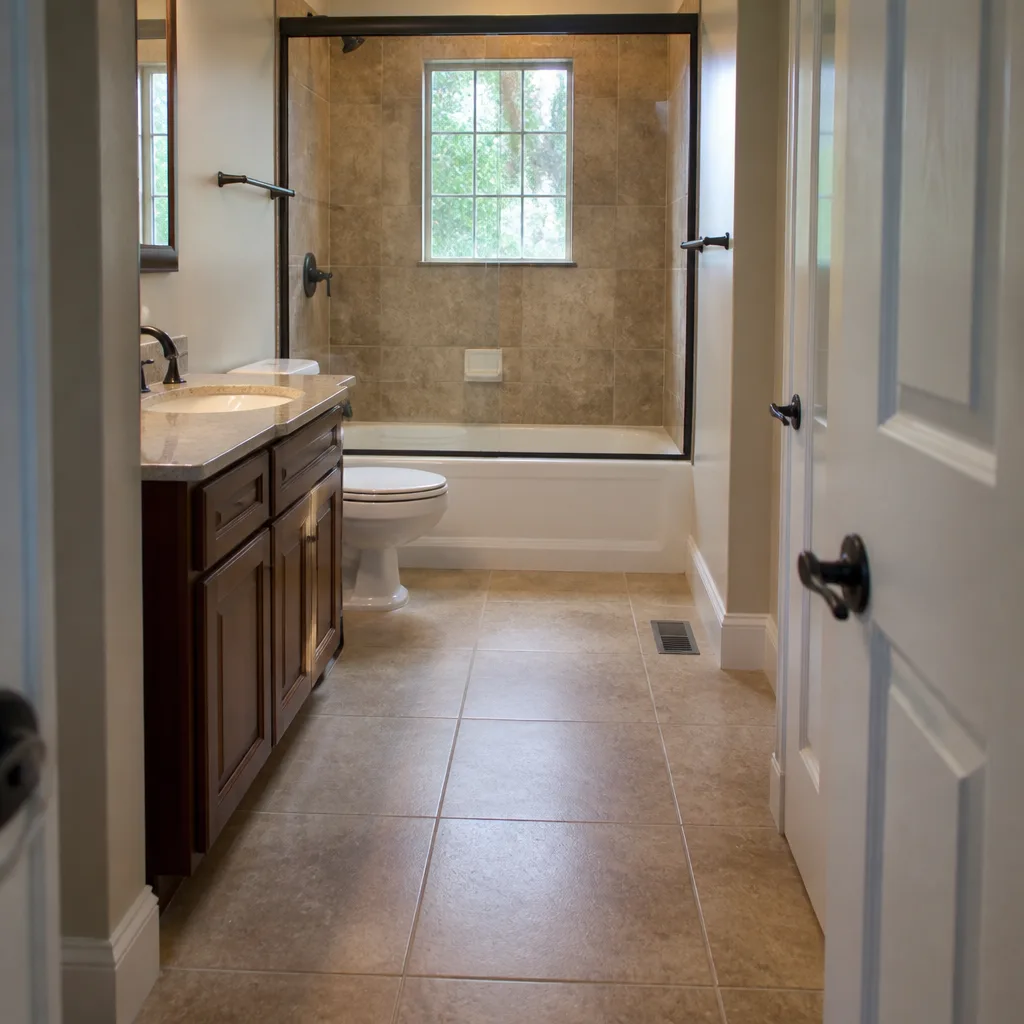
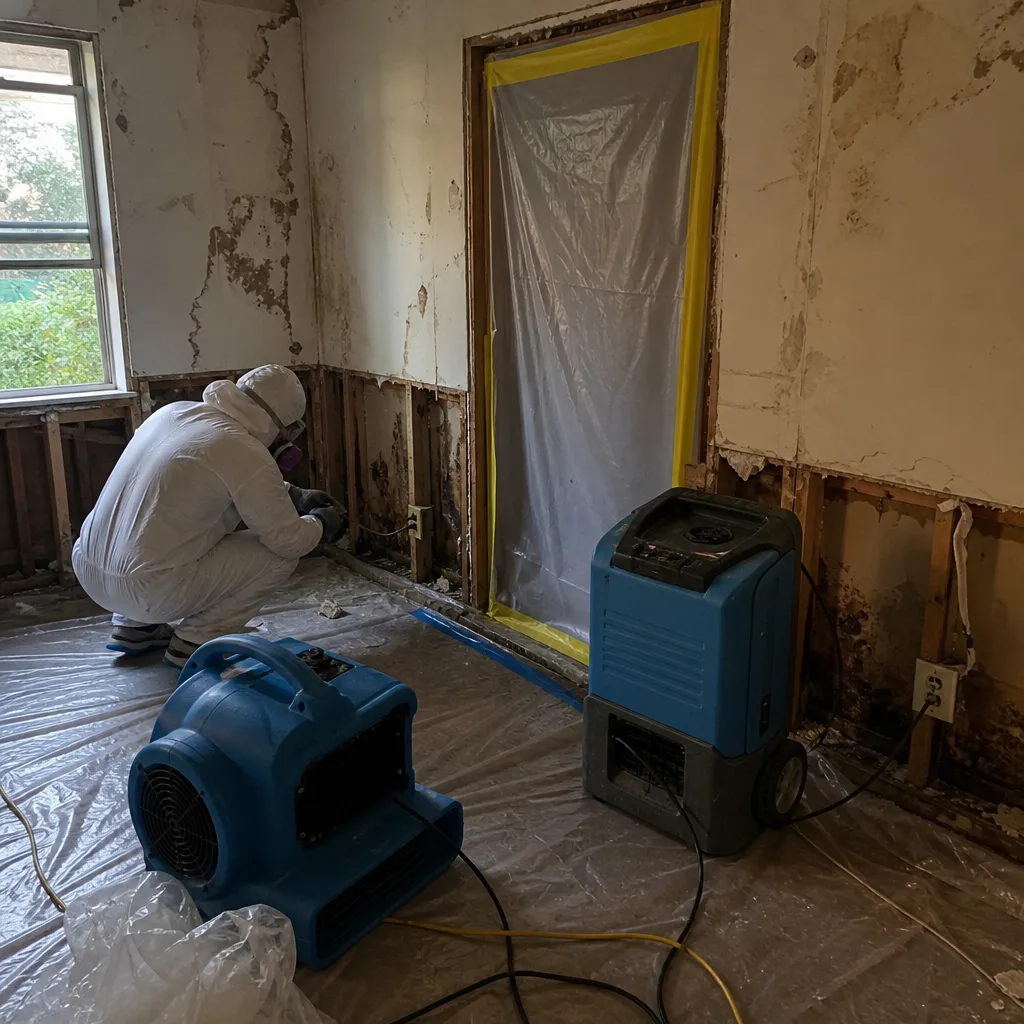 Before
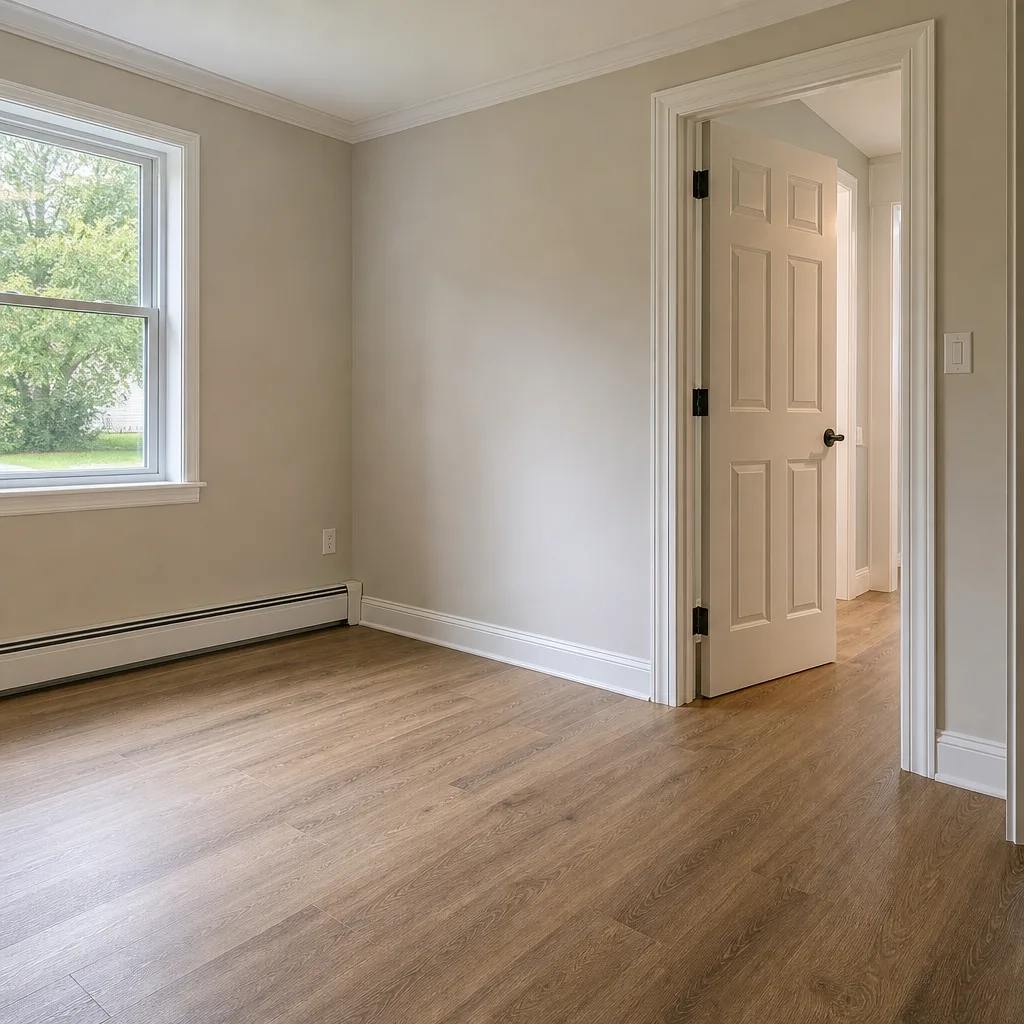 After
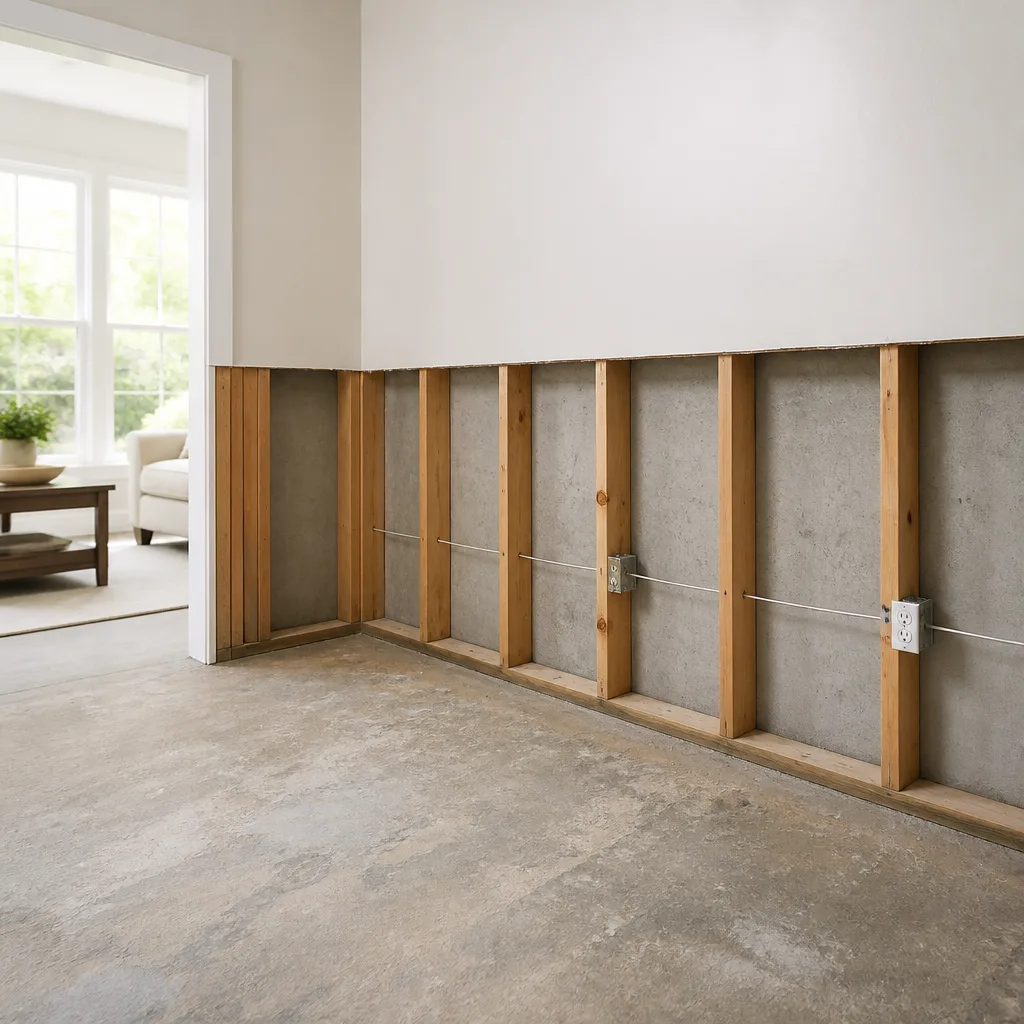
After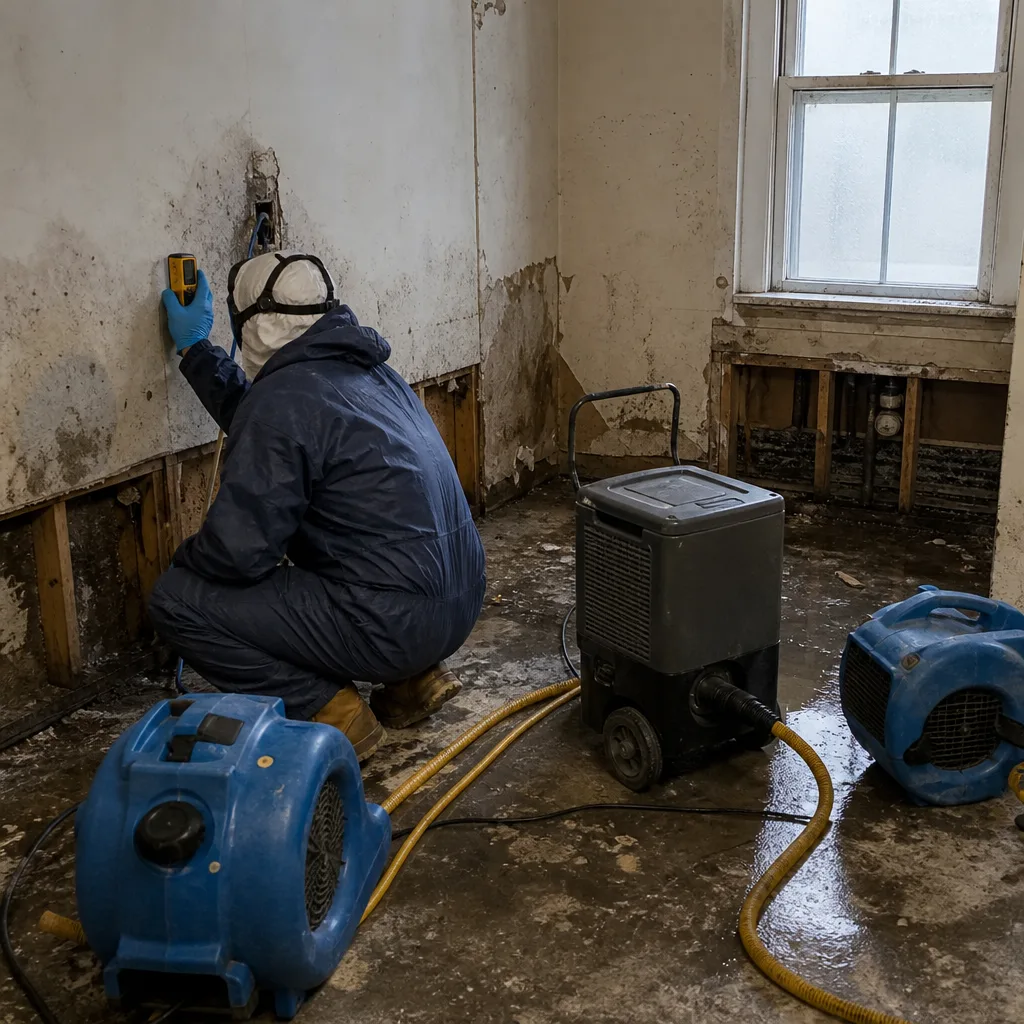 Before
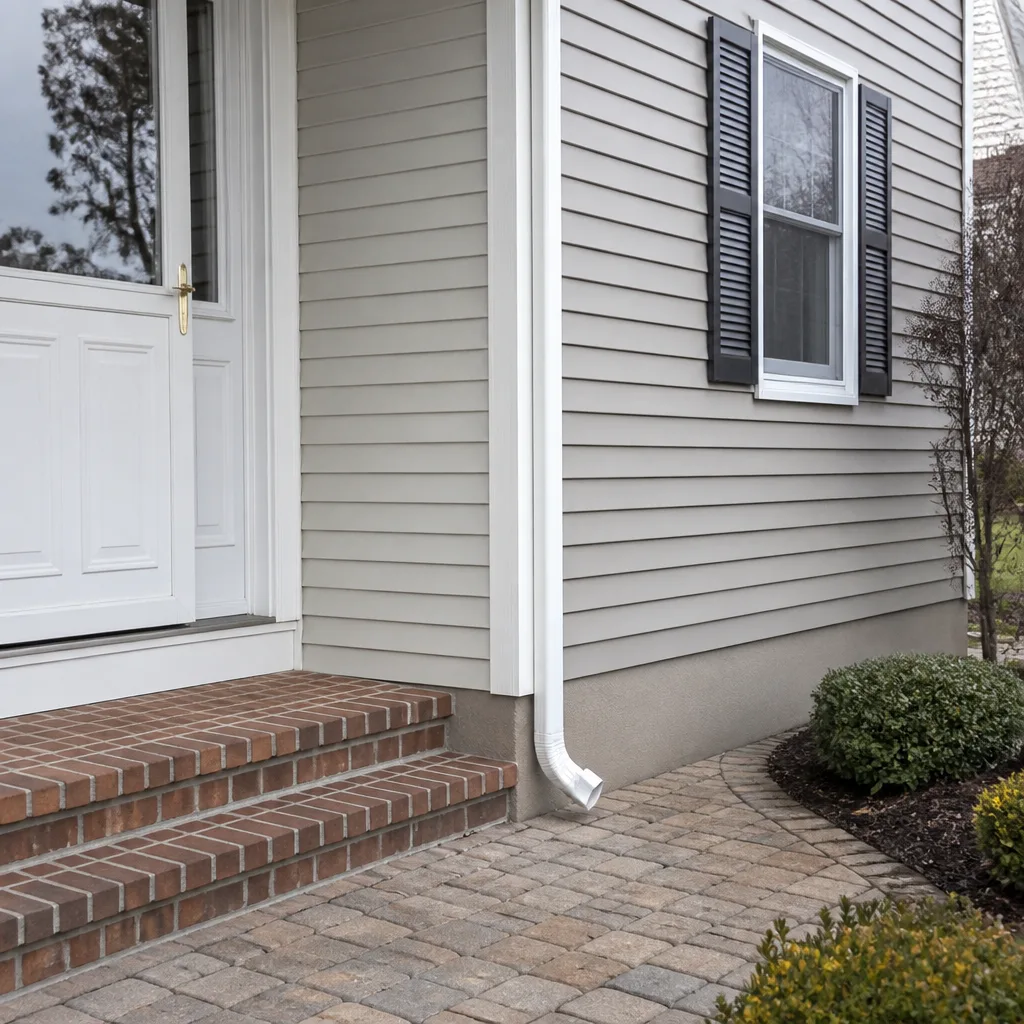 After
After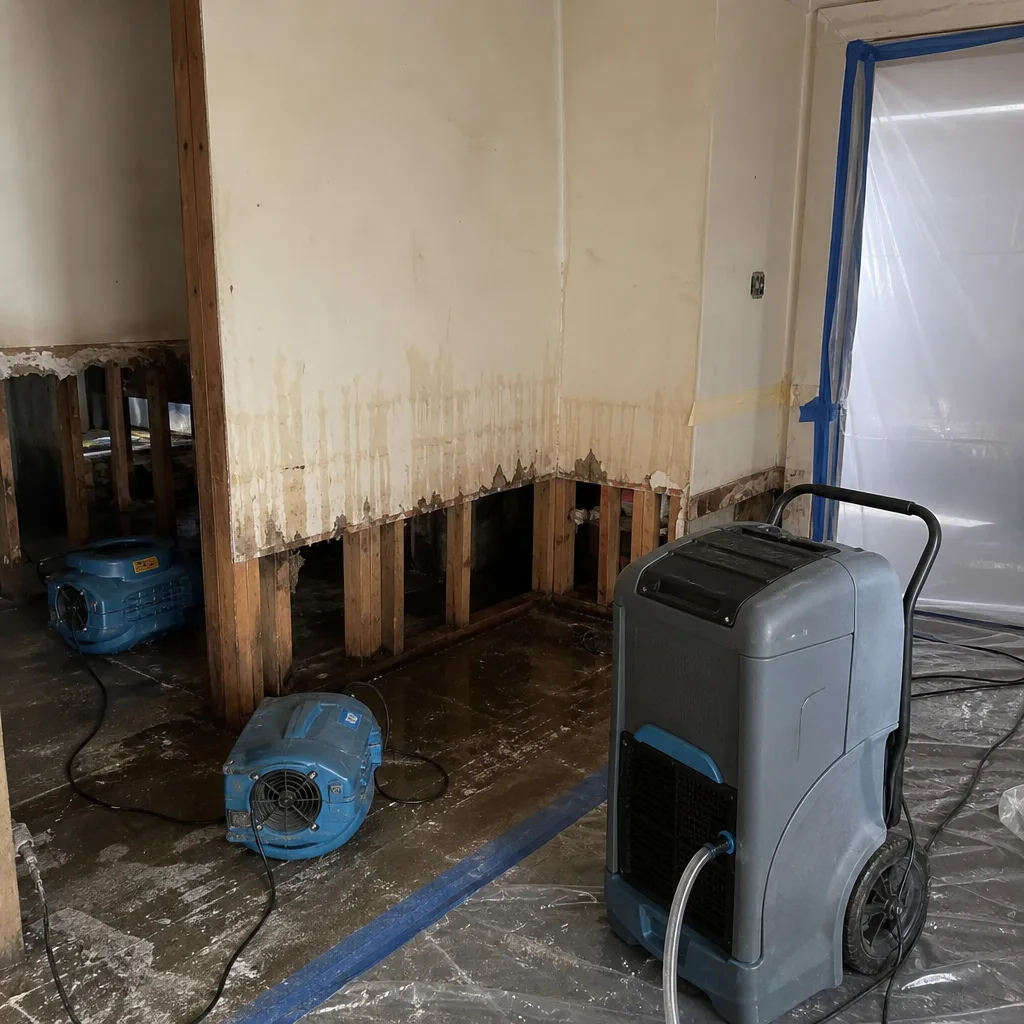 Before
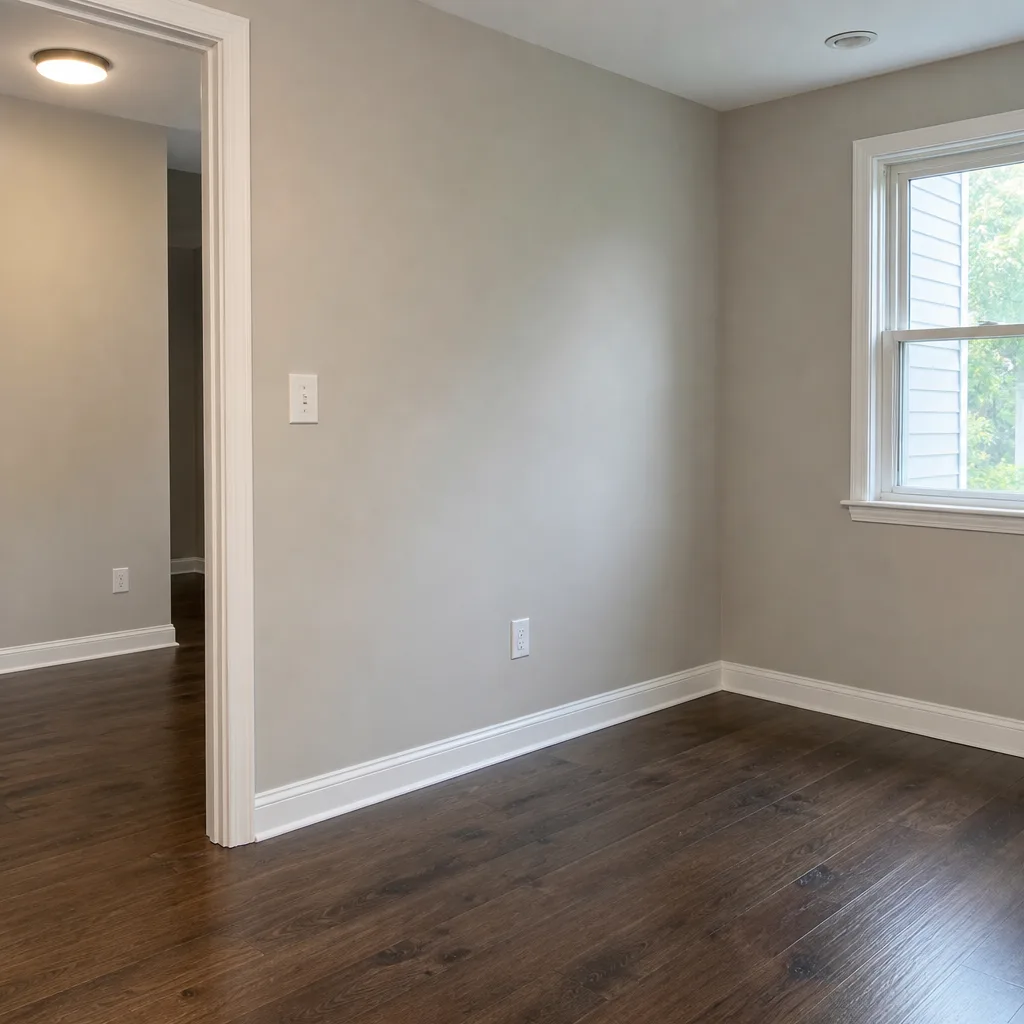 After
After24/7 Emergency Water Damage Restoration in Crugers
Water damage restoration in Crugers typically costs $2,800-$7,500 for a full basement extraction and structural drying job, with emergency extraction alone running $900-$1,800. When the Hudson River backs up over Travers Avenue or an ice jam sends water into a riverfront crawl space, you need a crew that knows Crugers foundations, not a dispatch center three states away. Call (914) 809-9936 any hour, any day. A live person answers, and a certified crew starts extraction the same visit. The first hour after river water enters a seasonal cottage or bungalow determines whether you’re drying framing or replacing it. That’s not sales talk. That’s the moisture map talking.
Floodline Restoration Co. has run Water Damage Restoration jobs in Crugers long enough to know the difference between a burst supply line in a converted year-round home and a surge event pushing Category 3 water into a rubble-stone foundation with no vapor barrier. We respond from our dispatch desk in New York City with crews positioned to reach Crugers quickly. The line the water left is where we start.
Understanding Water Damage Restoration Severity in Crugers Properties
Not all water is the same. Restoration techs classify it by category. Category 1 is clean water from a supply line or tub overflow. Category 2 carries significant contamination, like dishwasher discharge or sump overflow that sat too long. Category 3 is grossly contaminated: river surge, sewage backup, or storm water that picked up fuel, silt, and waste. In Crugers, the Hudson is not a Category 1 source. When a nor’easter pushes the river over the bank near the waterfront, or an ice jam forces water backward through storm drains, the water entering basements and crawl spaces is Category 3 without exception. That means extraction is only the start. The real work is moisture mapping every framing member, removing saturated insulation and drywall, and treating the space before drying even begins.
Crugers’s housing stock makes this harder than in newer Westchester subdivisions. Most homes along the river started as early 20th-century seasonal camps with rubble-stone or concrete block foundations, plaster-over-lath walls, and dirt-floored crawl spaces. Those materials hold water differently than modern poured concrete and drywall. Plaster can look dry on the surface and still be wet at 22% moisture content inside the lath. Sill plates on rubble-stone foundations wick water upward for weeks if not treated. And because many crawl spaces have drainage sloping toward the river rather than away, water doesn’t leave on its own. Structural drying here requires professional-grade equipment and daily moisture readings, not box fans from a hardware store.
Why Crugers Property Owners Choose Floodline Restoration Co.
- 45-minute response commitment. When you call from Crugers, the vehicle is already rolling. A live dispatcher logs the address, and a crew hits the road with extraction equipment loaded. Every minute with standing water costs you framing.
- 24/7 live answer, never a recording. At 2 a.m. on a February morning when an ice jam lets go, you get a person. Curt Bowman built this company around a dispatch board, not a sales desk. Someone picks up.
- IICRC-certified crews. Our field techs carry WRT, ASD, and AMRT certifications through the IICRC. That means they’re trained and tested on water damage restoration, applied structural drying, and applied microbial remediation. When we open a wet wall cavity in a Crugers cottage, we know what we’re looking at.
- Free visual inspection. We walk the loss with you, show you the readings, and explain what we found before any work is authorized. No pressure, no upsell.
- Direct insurance billing. We document everything, send the scope to your carrier, and talk to the adjuster ourselves. You shouldn’t have to play messenger between your insurer and your restoration crew.
- One team from extraction to reconstruction. The tech who reads your moisture map on day one is part of the crew that finishes the rebuild. No mid-job handoff, no inherited strangers in your home.
Our Water Damage Restoration Process
Inspection & Assessment
We walk every affected room with thermal imaging and moisture meters. The thermal camera shows us where water traveled inside walls and under flooring without opening anything. The hygrometer gives us baseline readings we’ll compare against daily. You get a written scope before any work starts.
Extraction & Stabilization
Standing water comes out first, using truck-mounted or portable extraction units depending on access. In Crugers basements with river backflow, we also check floor drains and foundation slopes, because pumping water out of a space that drains back toward the bank just cycles the same water. Extraction on a typical Crugers basement takes 2-4 hours.
Drying & Dehumidification
We deploy professional-grade air movers and dehumidifiers: Dri-Eaz, XPOWER, and B-Air units that move more air and pull more moisture than rental equipment. Structural drying targets framing, subfloor, and sill plates, not just the visible surface. Daily readings go into a log you and your carrier both see.
Cleaning & Sanitization
After drying reaches the dry standard, we clean and sanitize affected surfaces. For Category 3 water from Hudson surge, this includes antimicrobial treatment on framing and removal of saturated insulation that will never dry properly. Original plaster that can be saved is treated and kept; we don’t rip out character for the sake of speed.
Specialty Treatment for Crugers Foundations
Rubble-stone and dirt-floor crawl spaces need targeted work: vapor barrier installation where feasible, encapsulation where appropriate, and sill plate treatment after river water exposure. This step is what keeps a spring nor’easter from becoming a fall mold problem.
Repairs & Restoration
We rebuild what needs rebuilding: drywall, flooring, trim, and structural members if water compromised them. The same crew that did the extraction does the finish work. You get a moisture log, a written guarantee, and the 90-Day Done Right Promise in your hands before we leave.
Need Emergency Water Damage Restoration in Crugers Now?
Crews minutes away, answering live 24 hours a day. The sooner we start, the less it costs.
Working With Your Insurance Company
Insurance is in the room on almost every Crugers water loss, whether it’s a burst pipe or Hudson River surge. Your carrier needs specific documentation to process the claim correctly. We build that file from the first hour: photos of every affected room before we move anything, moisture readings mapped to floor plans, daily drying logs, and a line-item scope with equipment and labor broken out. When your adjuster calls, we talk to them directly and walk the loss together. You’re copied on everything. Direct billing means your carrier pays us for covered work per the policy terms; you’re not floating thousands while paperwork crawls through the system.
What We Provide Your Insurer
- Thorough documentation of the loss
- Photos of all damage, room by room
- Moisture readings and drying logs
- A detailed, line-item scope of work
- Direct coordination with your carrier
Built for Crugers’s Loss Calendar
Crugers doesn’t have the same water damage calendar as Cortlandt proper or Croton-on-Hudson. January and February bring deep freezes that burst supply lines in older cottages with exterior walls never insulated for year-round living. When a pipe lets go in a wall cavity at 2 a.m., water runs for hours before anyone notices, and in a plaster-over-lath cottage, that means wet insulation and wet framing behind material that hides the problem. Spring is when the Hudson does what it does. Ice jams form upstream, break loose, and push water backward into riverfront properties. March and April basement seepage isn’t just groundwater: it’s river backflow through storm drains sloped toward the bank. Summer thunderstorms drop flash flood volumes on homes that sit at river grade with nowhere to drain. And September through November, nor’easter remnants push surge upstream past Croton Point, testing every foundation that wasn’t engineered for year-round flooding. We plan our Crugers response around this calendar. So should you.
Water Damage Restoration Across Crugers’s Neighborhoods
Crugers is small enough that every street matters. The riverfront homes along Travers Avenue and the surrounding blocks sit closest to Hudson River grade. When a nor’easter drives surge up the river, those properties take the first water and the most of it. We pumped out a basement on Travers Avenue after a nor’easter pushed the Hudson over its bank, running structural drying with Dri-Eaz dehumidifiers and air movers for six days. Because the rubble-stone foundation had no vapor barrier, moisture readings stayed above 20% in the sill plates until we removed wet insulation and applied antimicrobial treatment, restoring the space to pre-loss condition without ripping out original plaster.
Homes along the western edge near the CSX tracks tend to be slightly higher, but surface runoff from the rail embankment adds a different problem: storm water sheets across yards and pools against foundation walls. The smaller blocks off Furnace Dock Road and points east toward the Croton border have more converted seasonal camps, the ones with dirt crawl spaces and drainage sloping the wrong way. We’ve found multi-season mold colonies in subfloor framing under cottages that owners assumed were dry because the space was “just the seasonal house.” It’s a pattern we see more in Crugers than anywhere else in Westchester. ZIP 10520 property owners call for one problem and we often find the one hiding beneath it.
Specialized Water Damage Restoration Services We Offer in Crugers
Emergency Water Extraction
Standing water in a Crugers basement needs to come out immediately, but extraction here means more than dropping a pump. We check where the water came from, whether floor drains slope toward the river, and whether the foundation is letting more water in than we’re pulling out. In a Category 3 surge event, extraction includes removing contaminated soil and silt that came in with the water.
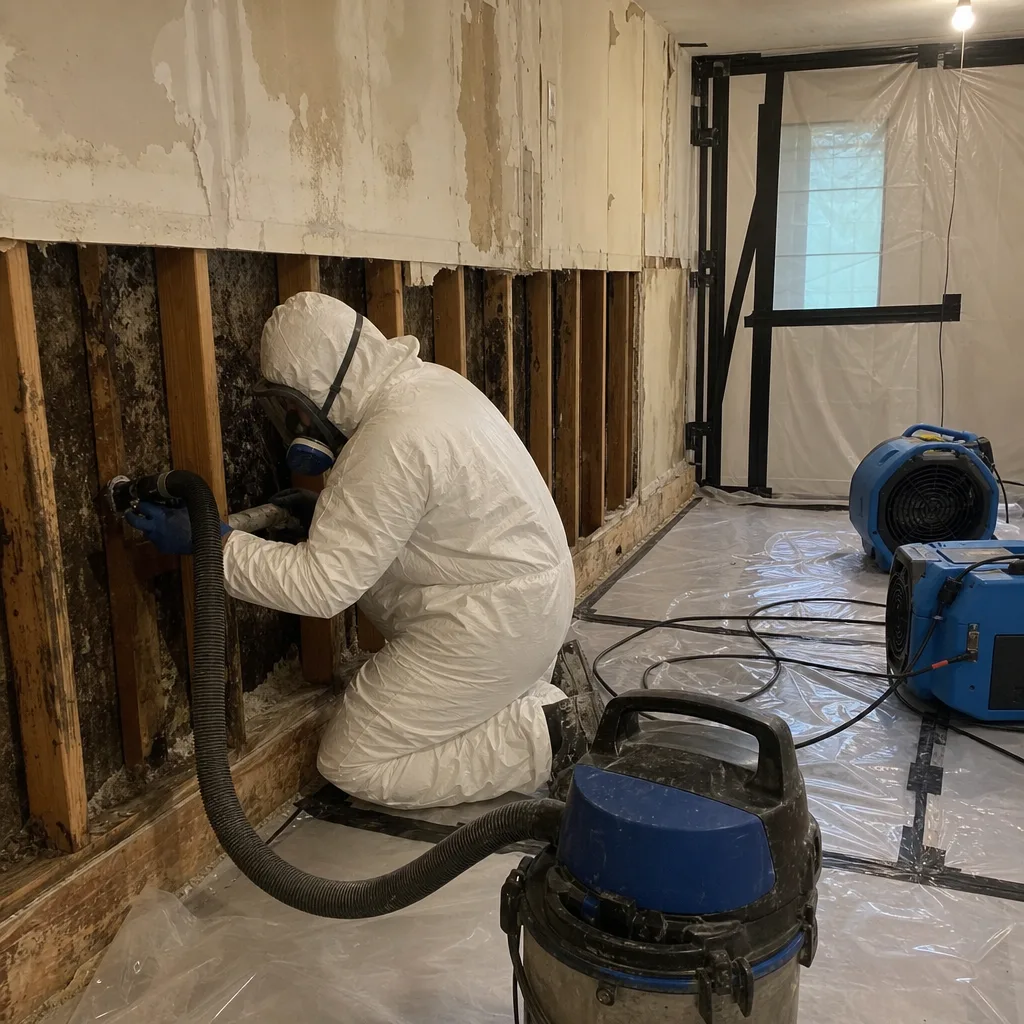
Structural Drying & Dehumidification
This is where Crugers’s housing stock changes the playbook. Plaster-over-lath walls, rubble-stone foundations, and no vapor barriers mean moisture hides deep and dries slow. We set professional-grade air movers and dehumidifiers, map moisture daily with hygrometers and thermal imaging, and keep drying until framing, subfloor, and sill plates hit the dry standard. We don’t call it done because the surface feels dry.
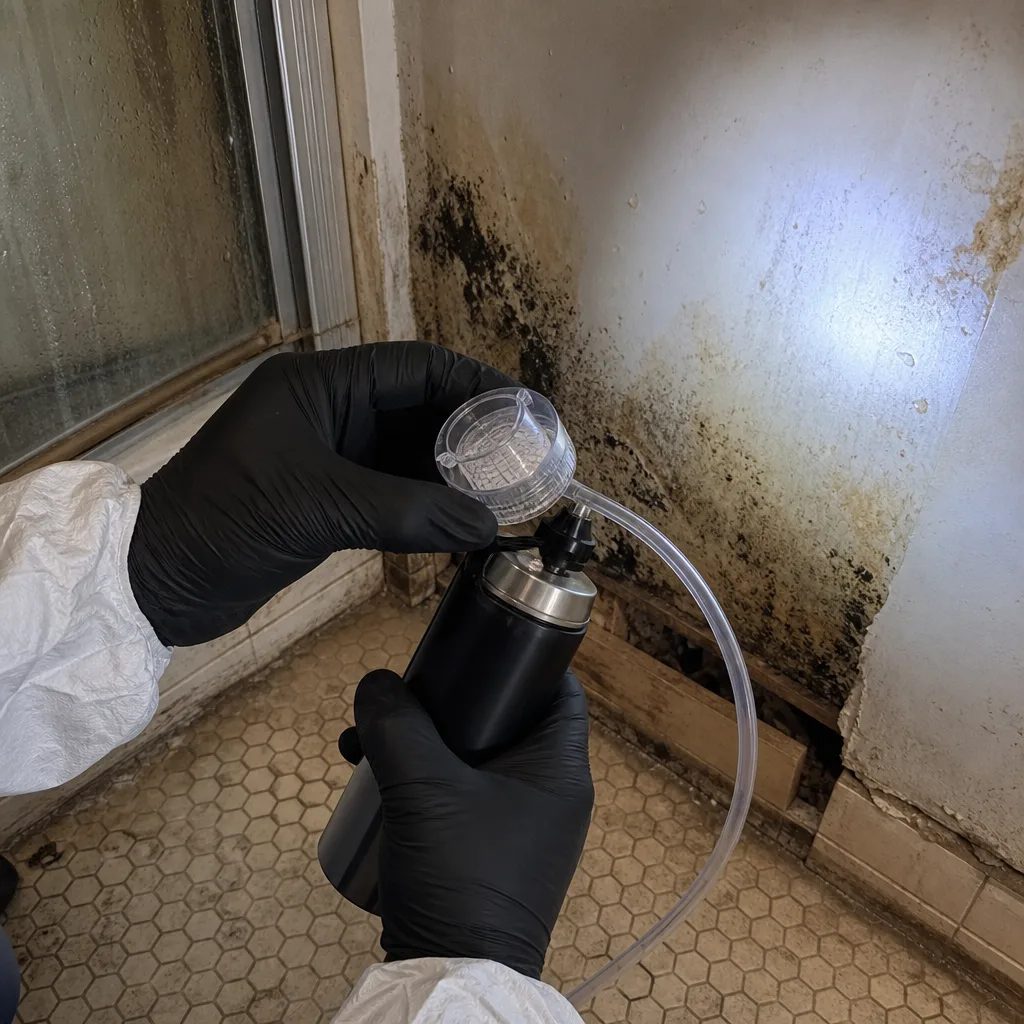
Flood Cleanup
Hudson River floodwater is Category 3. It carries sewage, fuel, silt, and whatever upstream runoff brought downstream. Flood cleanup in Crugers means full containment, material removal where necessary, antimicrobial treatment, and air scrubbing during the entire process. Setting air movers before checking drainage or failing to contain affected areas pushes contaminants through the whole house.
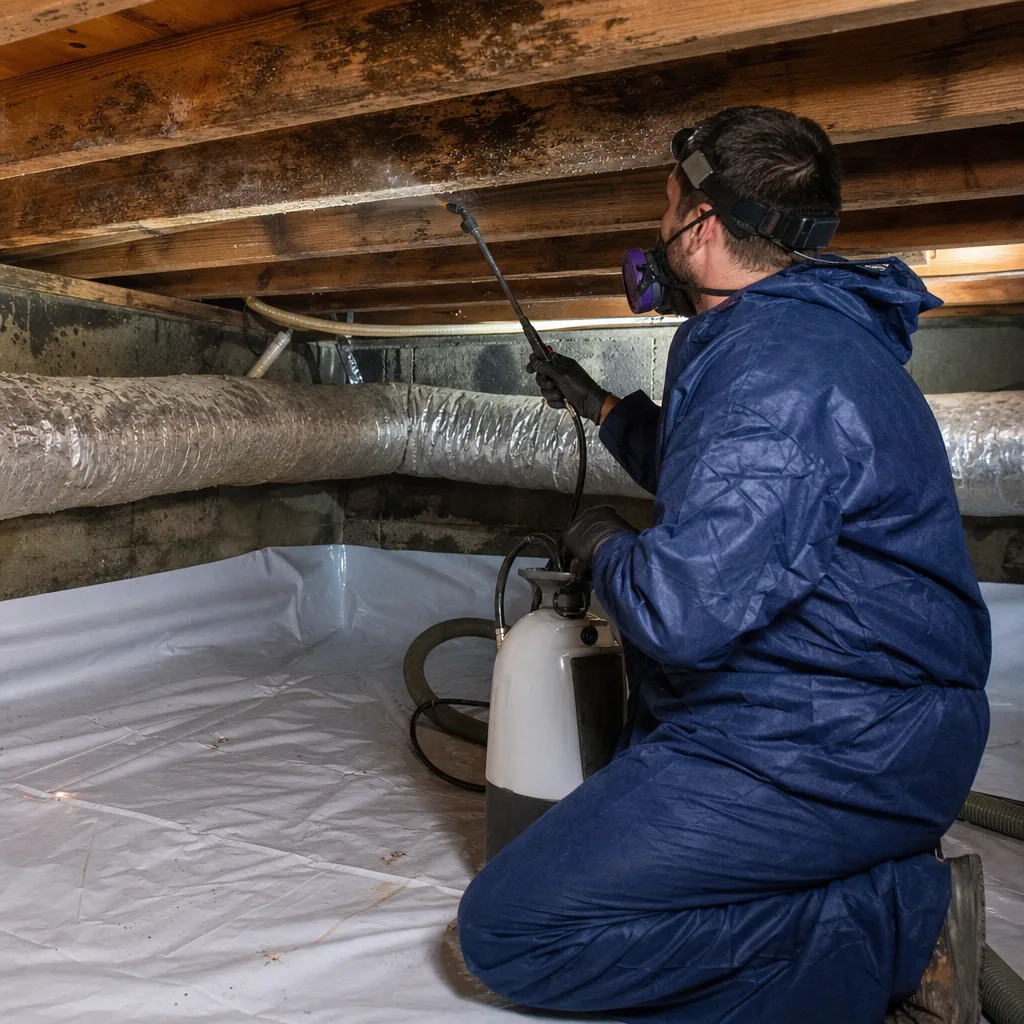
Burst Pipe Restoration
Deep winter freezes hit Crugers hard because so many homes were built as summer cottages. Supply lines run through exterior walls with minimal insulation. When a pipe freezes and bursts, the water usually runs inside a wall cavity for hours before it shows. We find the full extent with thermal imaging, cut only what needs cutting, and dry the cavity before mold takes hold.
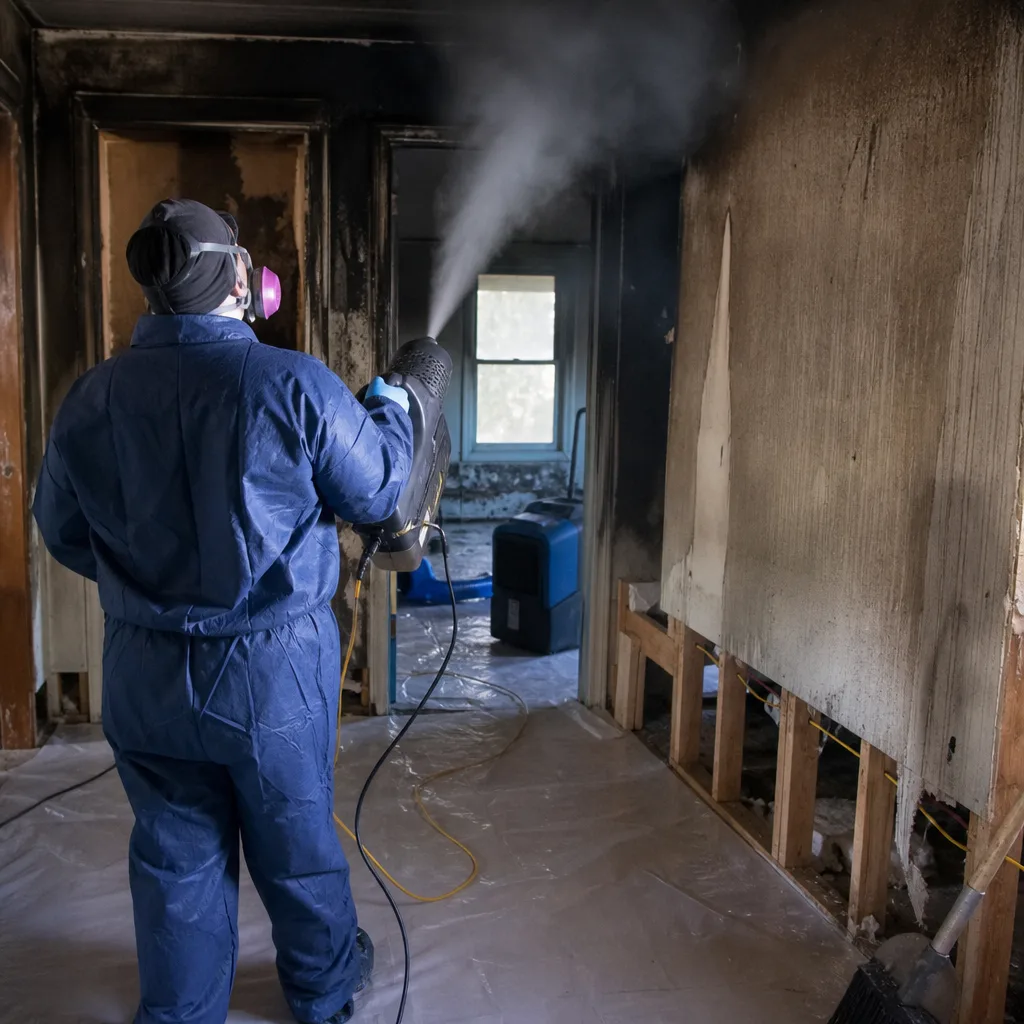
Basement Water Removal
In Crugers, basement water removal starts with understanding the foundation. Rubble-stone foundations absorb and release water slowly. Concrete block foundations can hide water inside the block cavities. Dirt-floored crawl spaces evaporate moisture upward into floor framing for months. We treat each foundation type differently because they fail differently.
What happens when you call
- 1
A real person answersNo phone trees - you reach a local pro.
- 2
You get an upfront price rangeHonest numbers before anyone is dispatched.
- 3
A background-checked tech heads outLicensed & insured, dispatched right away.
- 4
You approve before work beginsNothing starts until you say go.
Water Damage Restoration Costs in Crugers, NY
Honest numbers for Crugers’s market. Emergency water extraction alone: $900-$1,800 depending on square footage and water depth. Structural drying with equipment and daily monitoring: $1,500-$4,000 depending on how many rooms and what materials are involved. Full flood cleanup after Hudson surge or an ice jam: $3,500-$8,500, because Category 3 water means material removal, containment, and antimicrobial treatment, not just drying. A burst pipe in a wall cavity with plaster repair and insulation replacement: $2,000-$5,000 depending on how far the water traveled and whether framing is salvageable. These are ranges, not quotes. The free visual inspection gives you a written scope with firm numbers before any work begins. Insurance typically covers most or all of a covered loss, and we bill your carrier directly. The $50 Off Any Repair Over $250 offer applies to repair portions, and our Senior & Veteran 5% discount is always available. Call (914) 809-9936 for an exact quote. Estimates are free.
We Also Serve Cities Near Crugers
Floodline Restoration Co. runs crews to Bardonia, Crugers, Ossining, Croton-on-Hudson, and New City. If you’re a few minutes up Route 9A or across the Croton River, the same live dispatch and the same 90-Day Done Right Promise apply. The line the water left is where we start, wherever that line sits.
Crugers Water Damage Restoration Questions, Answered
What makes Category 3 floodwater from the Hudson River different from a standard basement leak in Crugers?
Category 3 floodwater carries sewage, fuel, silt, and biological contaminants, so it can’t simply be dried in place. Standard basement leaks from groundwater or a burst supply line are usually Category 1 or 2 and can often be dried without removing materials. Hudson surge water requires full containment, removal of saturated porous materials, antimicrobial treatment, and air scrubbing during restoration. Skipping containment on a Category 3 loss spreads contaminants through the rest of the house. Call (914) 809-9936 and we’ll classify the water correctly before we touch anything.
How fast can mold start in a Crugers cottage crawl space after a nor’easter flood?
Mold can begin in 24-48 hours in a dirt-floored Crugers crawl space after floodwater recedes. The combination of river water, organic soil, and trapped humidity under floor framing creates ideal conditions. In older cottages converted from seasonal use, we commonly find active mold colonies within three days when owners delayed calling because they assumed the space would dry on its own. The free inspection includes a crawl space check even if you think the water only hit the basement floor.
Can you dry out a rubble-stone foundation after the Hudson backs up, or does it need to be replaced?
Almost always, you dry it; you don’t replace it. Rubble-stone foundations absorb water slowly and release it slower, but they dry fine with professional equipment and time. The key is removing wet insulation and treating sill plates, because moisture wicks upward and stays. We’ve restored Travers Avenue basements with foundations from the 1920s without touching the original stone. If mortar is failing or the wall is structurally compromised, we bring in a mason, but that’s rare.
Why do you use containment and air movers differently in Crugers than in Croton-on-Hudson?
Because Crugers sits at river grade with drainage sloping toward the Hudson, so floodwater lingers longer and carries more river contamination than the same storm produces a mile inland in Croton-on-Hudson. We use full containment on Crugers Category 3 losses because the water sits longer and penetrates deeper into plaster and framing. Air movers get positioned only after we confirm floor drains aren’t pushing water back under the foundation. It’s a foundational difference, and it changes the whole drying plan.
What should I do the morning after an ice jam floods my Travers Avenue basement?
Call us before you wade in. If the water came from the Hudson, treat it as contaminated. Don’t run a shop vac or box fans, because that aerosolizes whatever the river brought in. Don’t plug floor drains without knowing where they slope. Take photos from the stairs for your carrier, then call (914) 809-9936. We’ll be there within 45 minutes, classify the water, start extraction the same visit, and begin the documentation file your insurer needs.
How fast can a crew actually get to Crugers?
Our response commitment is 45 minutes to a Crugers address, day or night. Live dispatch takes the call, logs the address, and rolls a crew. If the river is actively rising or an ice jam just broke, our crews are already staged in the Hudson corridor. The same visit includes extraction equipment and begins water removal immediately.
Will my insurance cover Hudson River flood damage in Crugers?
It depends on your policy. Standard homeowners policies typically cover burst pipes and internal water losses but often exclude flood damage unless you carry a separate flood policy through the National Flood Insurance Program or a private carrier. Surge from a nor’easter may be classified differently than river overflow. We’ve handled both, and we document the loss exactly as it occurred so your adjuster can make the call. We’ll talk to your carrier directly, and you’ll never be the messenger.
How long does structural drying take in a Crugers cottage?
Three to seven days for most Crugers properties, longer for plaster-over-lath walls and rubble-stone foundations that hold moisture deep. We run daily readings and share a moisture log with you and your carrier. We don’t pull equipment until framing and subfloor hit the dry standard, because stopping early on a river-grade foundation just means the mold shows up in October. The 90-Day Done Right Promise stays on the file after we leave.
Serving Crugers, NY - Our Local Coverage Area
We’re based in the Crugers area and know this community well. Use the map below to see our service coverage - if you’re nearby, we can almost certainly help.
Call Floodline Restoration Co. When the Water Wins
Water in Crugers doesn’t wait for business hours. Neither do we. Call (914) 809-9936 and a live person answers, 24 hours a day, 7 days a week. The crew that arrives at your door will be background-checked, uniformed, and certified to IICRC standards. They’ll show you the readings, give you a written scope, and start work the same visit. You’ll get the 90-Day Done Right Promise in writing before they leave. Curt Bowman built this company on a square deal, and we stand behind it. The line the water left is where we start. Done right, and backed in writing.
Written by Curt Bowman, Owner at Floodline Restoration Co., serving Crugers, NY.