
Free visual inspection and a written scope of work before any mitigation begins - photos, moisture readings, and drying logs go in your claim file
The scope we write is the scope we bill. Anything new gets shown to you, in writing, before we touch it.

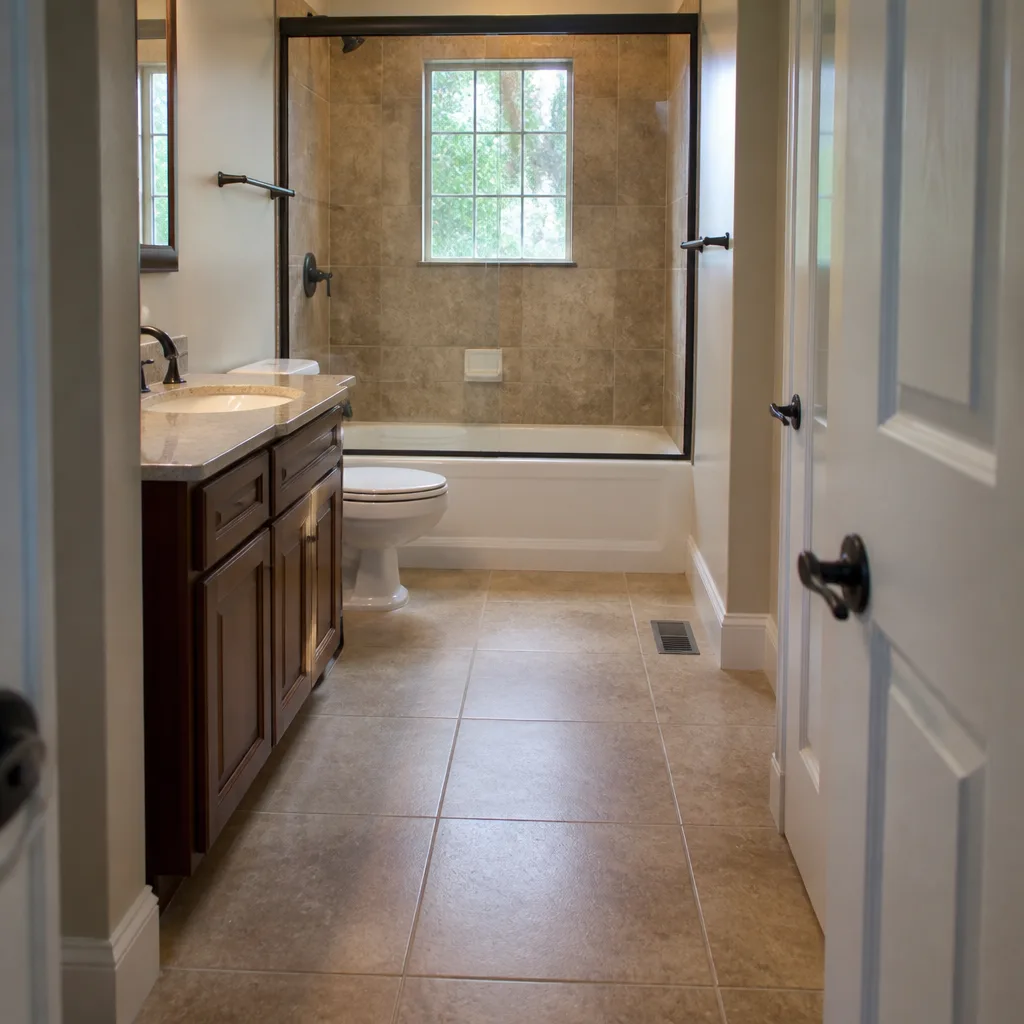
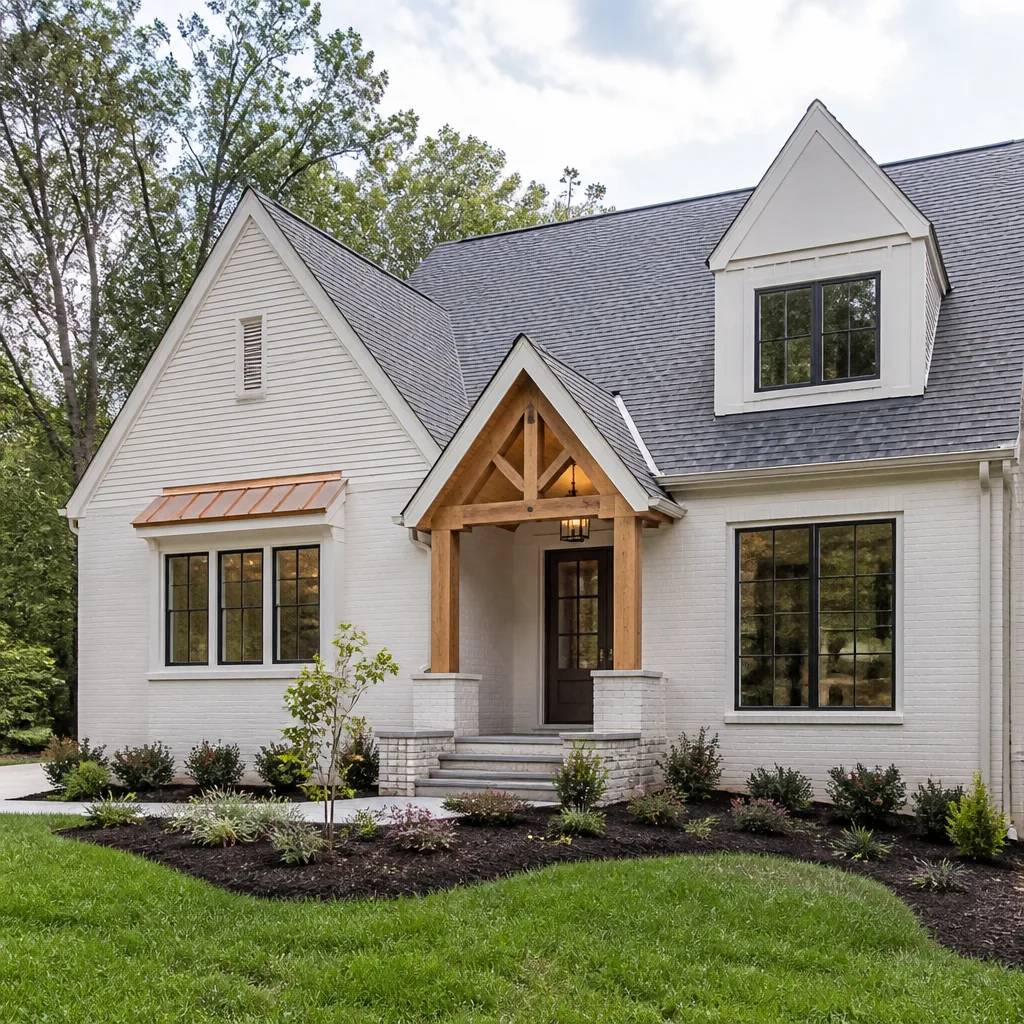
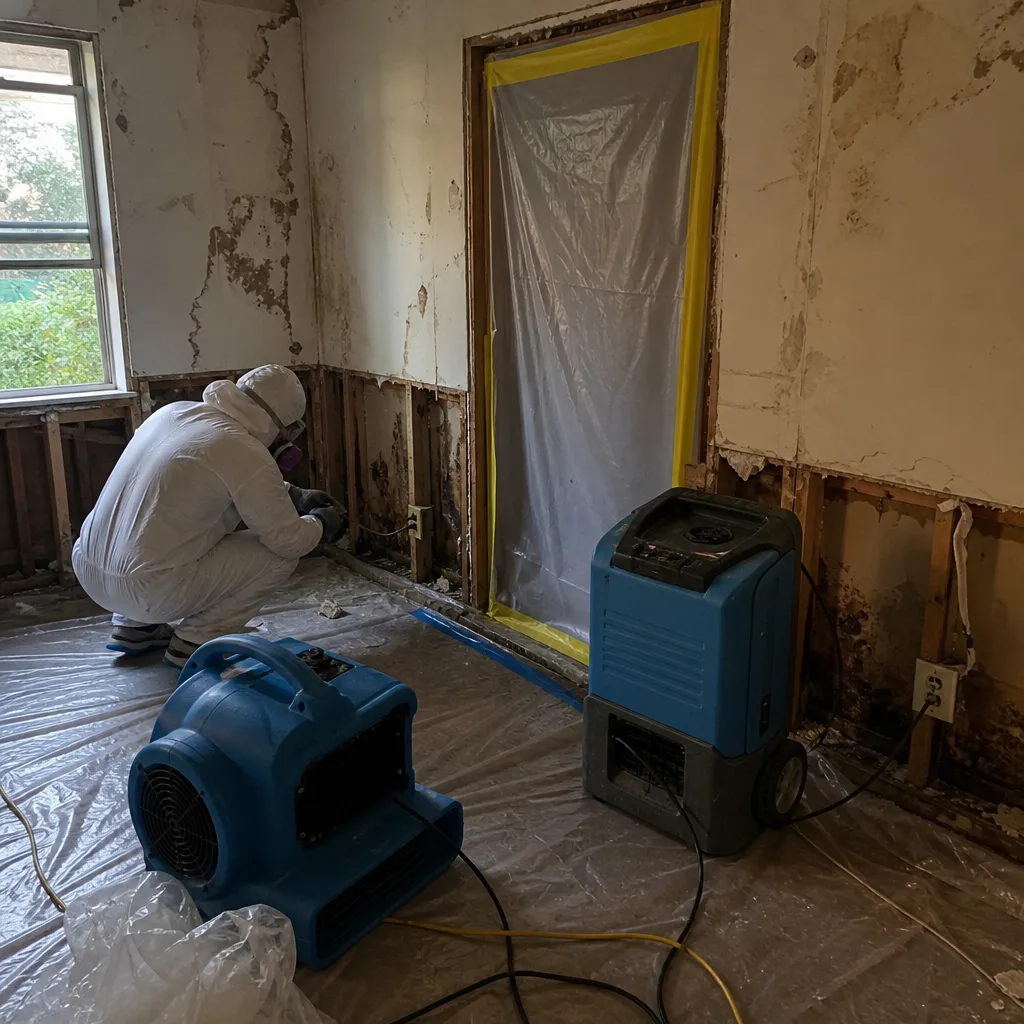 Before
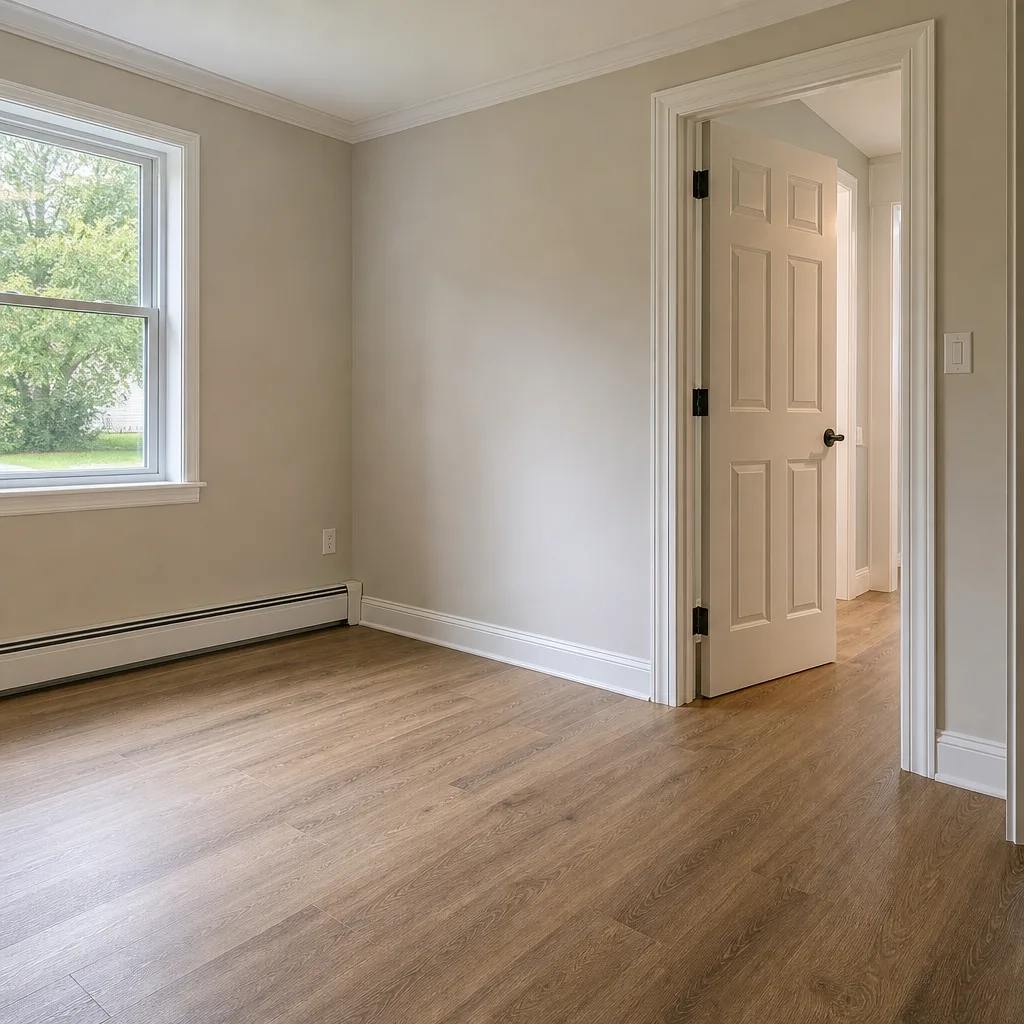 After
After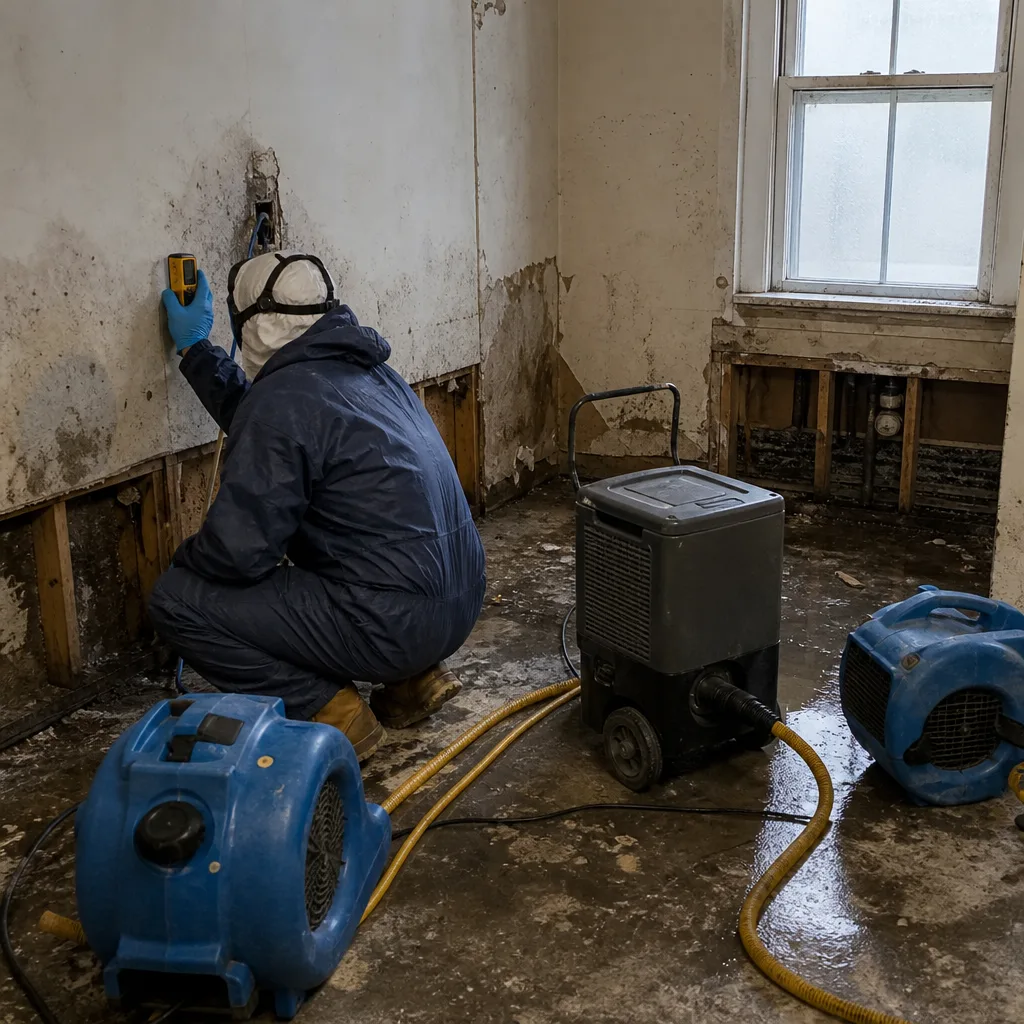 Before
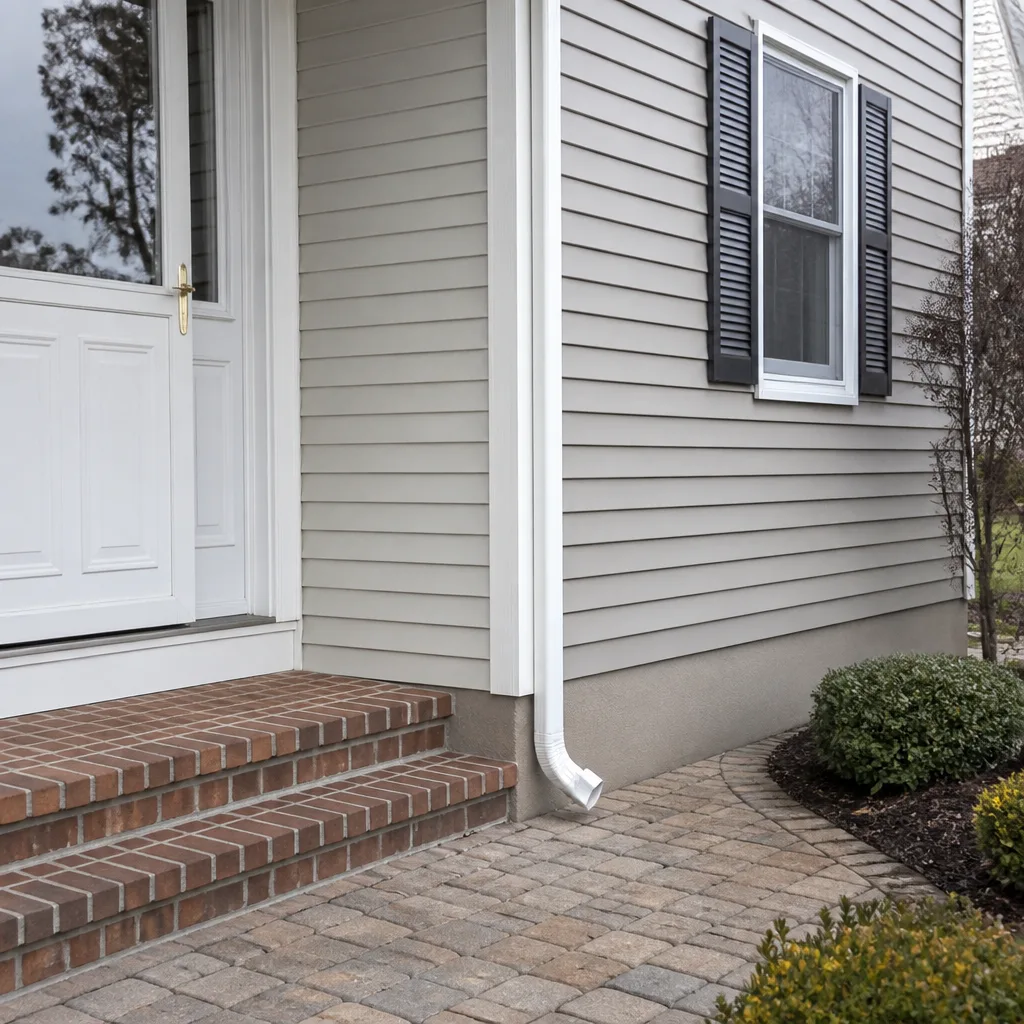 After
After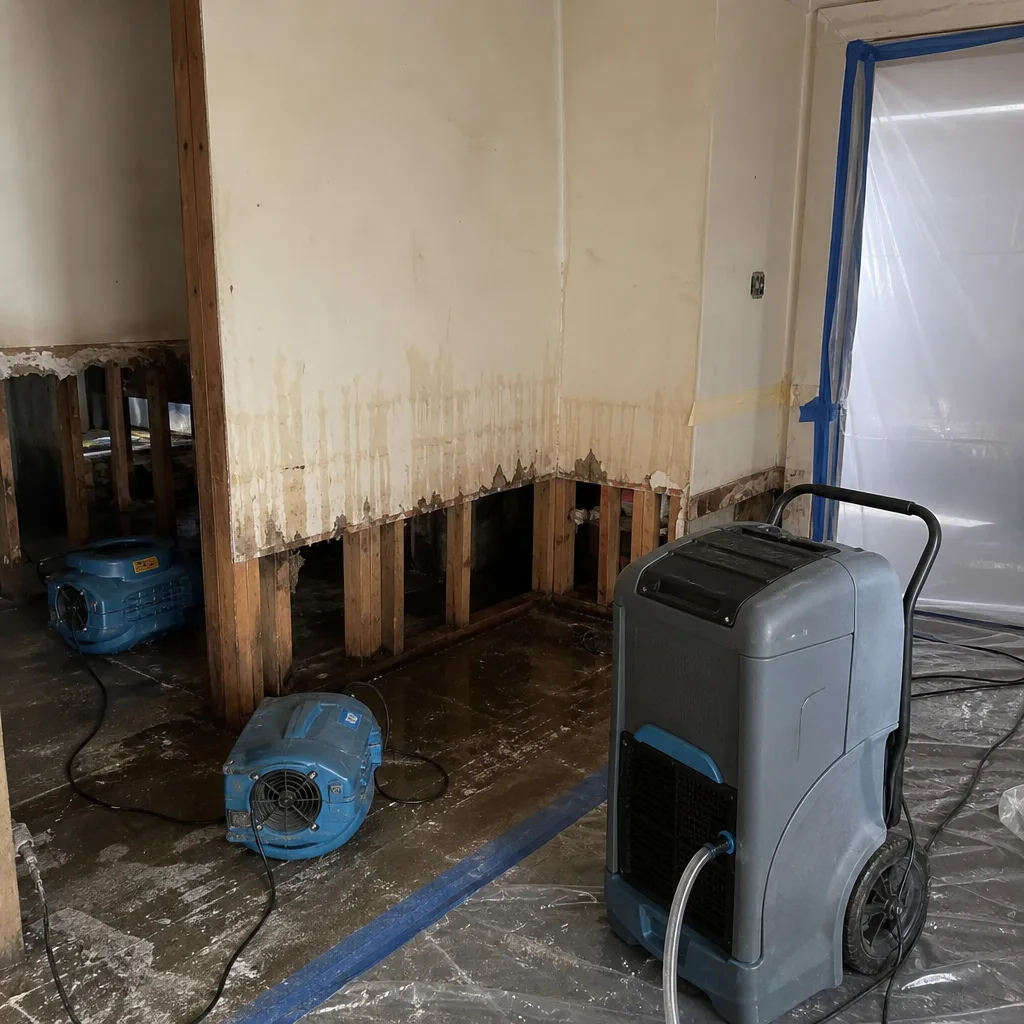 Before
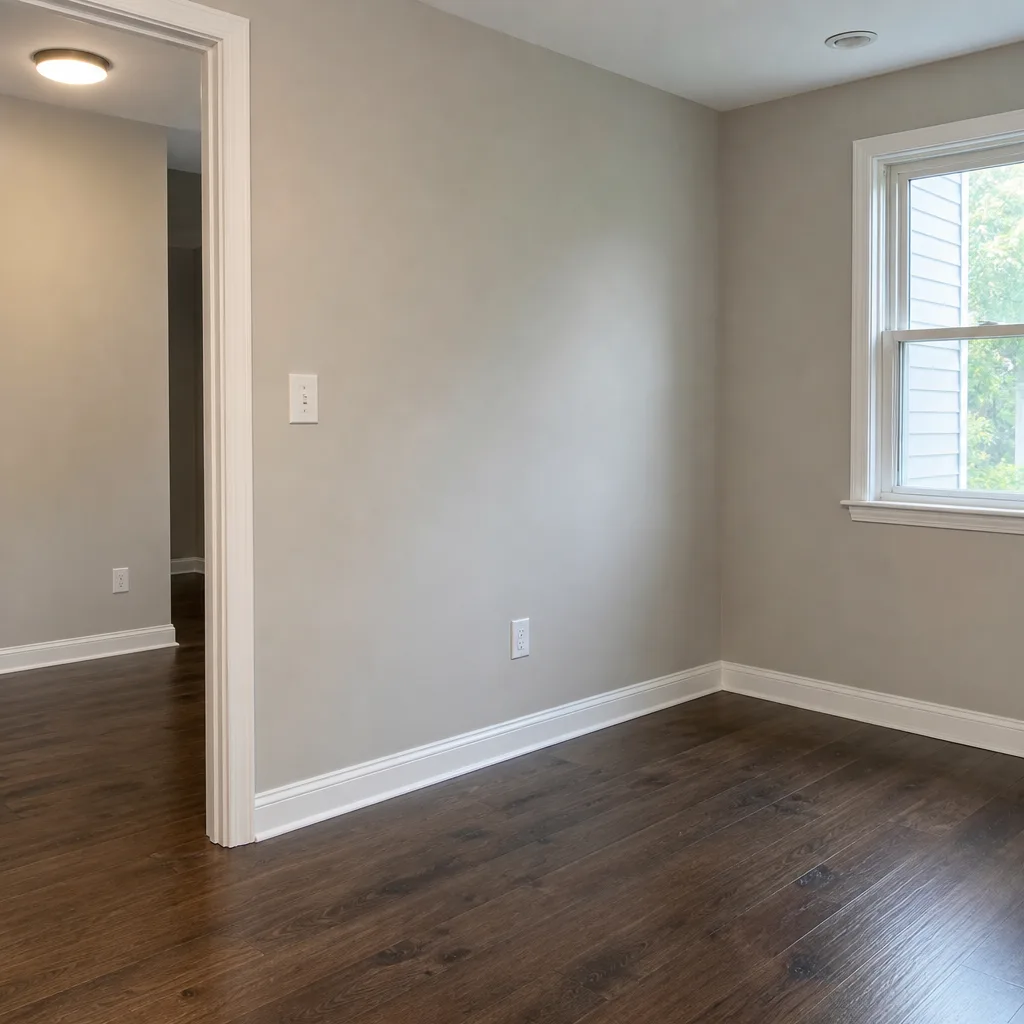 After
After24/7 Emergency Sewage Cleanup in New Square
Sewage cleanup in New Square typically costs $900-$2,400 for a basement backup and $350-$900 for a contained toilet overflow. Most jobs in the village are completed the same day we’re called, with drying continuing over the following 48-72 hours. If you’re dealing with black water right now, call (914) 809-9936 and a real person picks up immediately, day or night.
We run a live dispatch desk around the clock. When a row house on Hayes Court or a converted two-family on Jefferson Avenue has sewage pushing up through a floor drain at midnight, our crew is rolling toward New Square within the hour, not calling you back in the morning. The first hour after a sewage release determines how much drywall, flooring, and personal property can be saved. Category 3 water wicks through sheetrock and porous concrete fast. Extraction started early keeps a $900 cleanup from becoming a $6,000 reconstruction. We’ll be there when we say.
Understanding Sewage Cleanup Severity in New Square Properties
Not all water in a basement is the same. The restoration industry classifies water damage in three categories. Category 1 is clean water from a supply line. Category 2 carries significant contamination, what we call grey water from washing machines or sump pit overflows. Category 3 is black water: raw sewage, toilet backflow, anything that has passed through the waste system. You do not save materials that absorbed category 3 water unless they are non-porous and can be thoroughly decontaminated. Porous materials like drywall, carpet pad, and particle board get removed and bagged for disposal. This is not about being thorough for its own sake. It’s about pathogens. E. coli, hepatitis, norovirus, and parasitic organisms live in sewage water, and they do not die just because the visible water is gone.
New Square’s housing stock makes category 3 events more common and more complicated than in newer single-family subdivisions. The village’s compact attached row houses and 1960s-1980s multi-family conversions were built around cast-iron drain lines that were never sized for the household loads they currently carry. Eight to twelve people per unit means every drain line, every toilet, every kitchen sink sees twice the daily volume a standard American home produces. When a 55-year-old cast-iron lateral collapses under that sustained load, the result is black water in a finished or semi-finished basement, not a slow leak you catch next week. Our Sewage Cleanup team finds the spread through moisture mapping, because sewage travels along block walls and under vinyl flooring in ways that are not visible from the standing water alone.
Why New Square Property Owners Choose Floodline Restoration Co.
- 45-minute response commitment. From the time you hang up, a certified crew is dispatched toward New Square. We know the side streets, the school zones, and the fastest route across Route 45 when it matters.
- 24/7 live answer. A real person picks up the phone at 2 a.m. on a Saturday. Not a recording. Not a callback service. When Shabbat ends and the first call comes in from a row house basement on Jefferson Avenue, we’re already moving.
- IICRC-certified crews. Our technicians hold IICRC certifications in Water Damage Restoration (WRT) and Applied Microbial Remediation (AMRT), with additional training through RIA and IFA standards. We know the difference between a category 2 mess and a category 3 hazard, and we act accordingly.
- Free visual inspection. We assess the scope before any work is authorized. You get a clear written plan and a firm price before we put tools on the job. No pressure, no upselling into work you don’t need.
- Direct insurance billing. We document everything from the first hour, bill your carrier directly, and talk to the adjuster so you don’t have to play messenger. The paperwork is our job.
- One team from extraction to reconstruction. The same Floodline Restoration Co. crew that extracts the sewage and dries the structure is the crew that rebuilds the walls and reinstalls the flooring. No mid-job handoff to a subcontractor you’ve never met.
Our Sewage Cleanup Process
Inspection & Assessment
We arrive, walk the affected area, and classify the water: category 1, 2, or 3. In New Square’s attached housing, we check shared walls and crawl spaces, because sewage does not respect property lines. Thermal imaging and moisture meters map the full spread before we touch anything.
Extraction & Stabilization
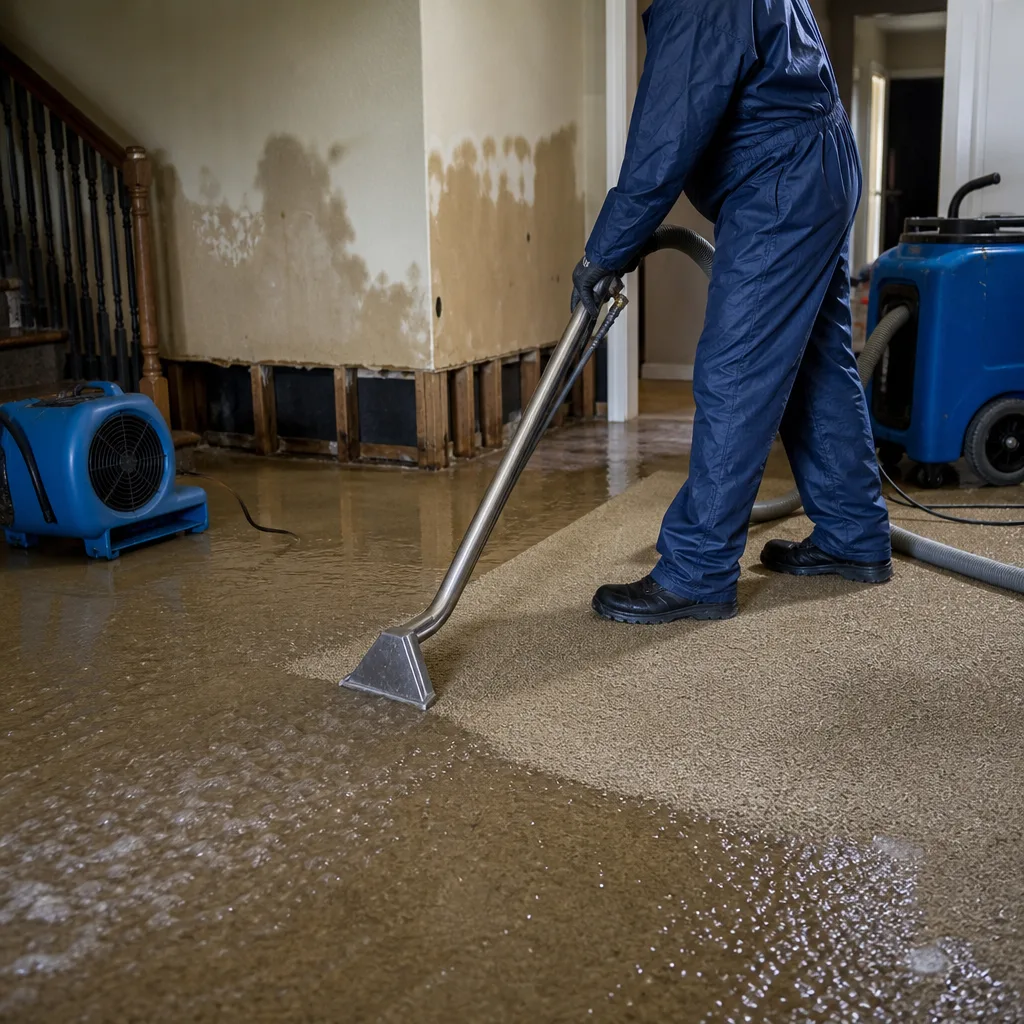
Truck-mounted extraction units remove standing sewage within minutes of arrival. For tight New Square side yards and narrow basement stairwells, we run portable extractors and submersible pumps. The goal is to stop absorption into porous materials immediately.
Drying & Dehumidification
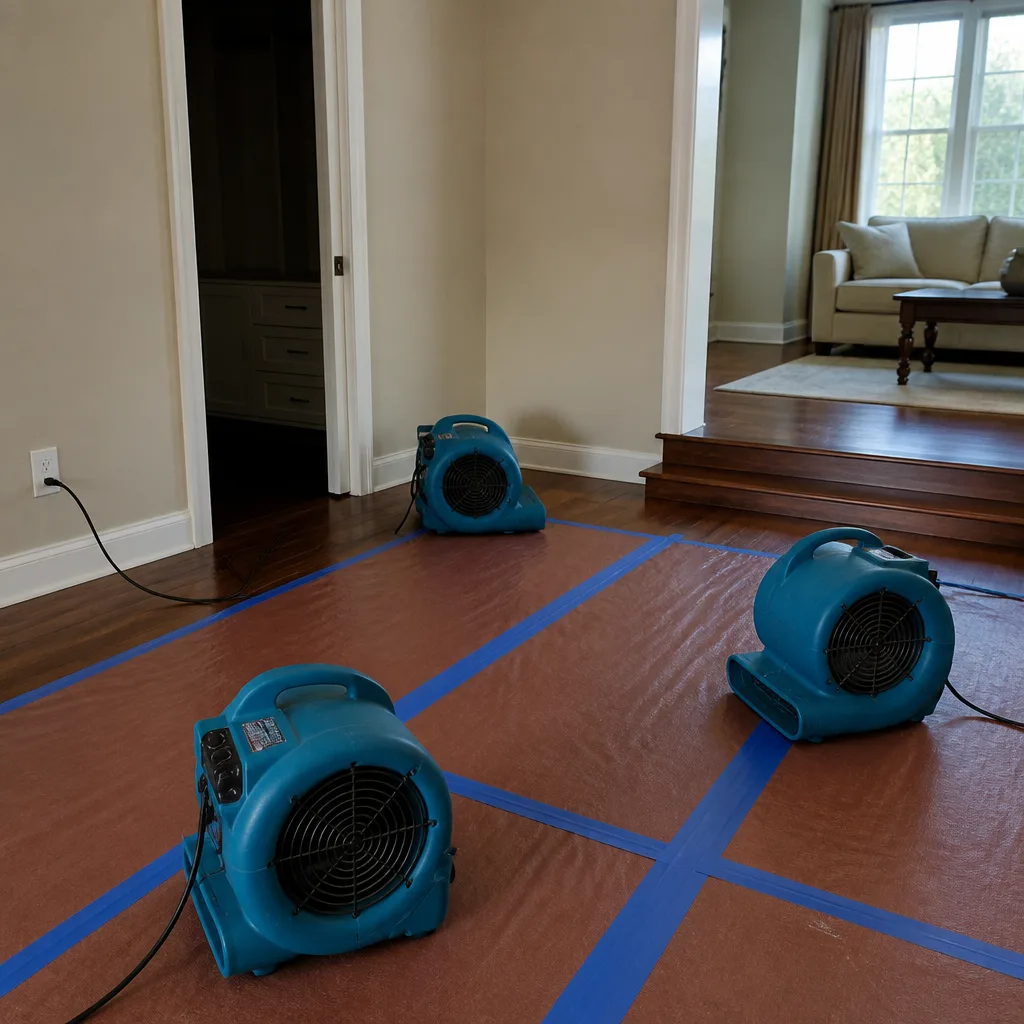
Dri-Eaz and Phoenix air movers paired with low-grain refrigerant dehumidifiers pull moisture from concrete, framing, and block walls. Daily readings are logged until we hit the dry standard. In New Square’s shared-wall construction, we monitor adjacent units because moisture wicks through party walls.
Cleaning & Sanitization
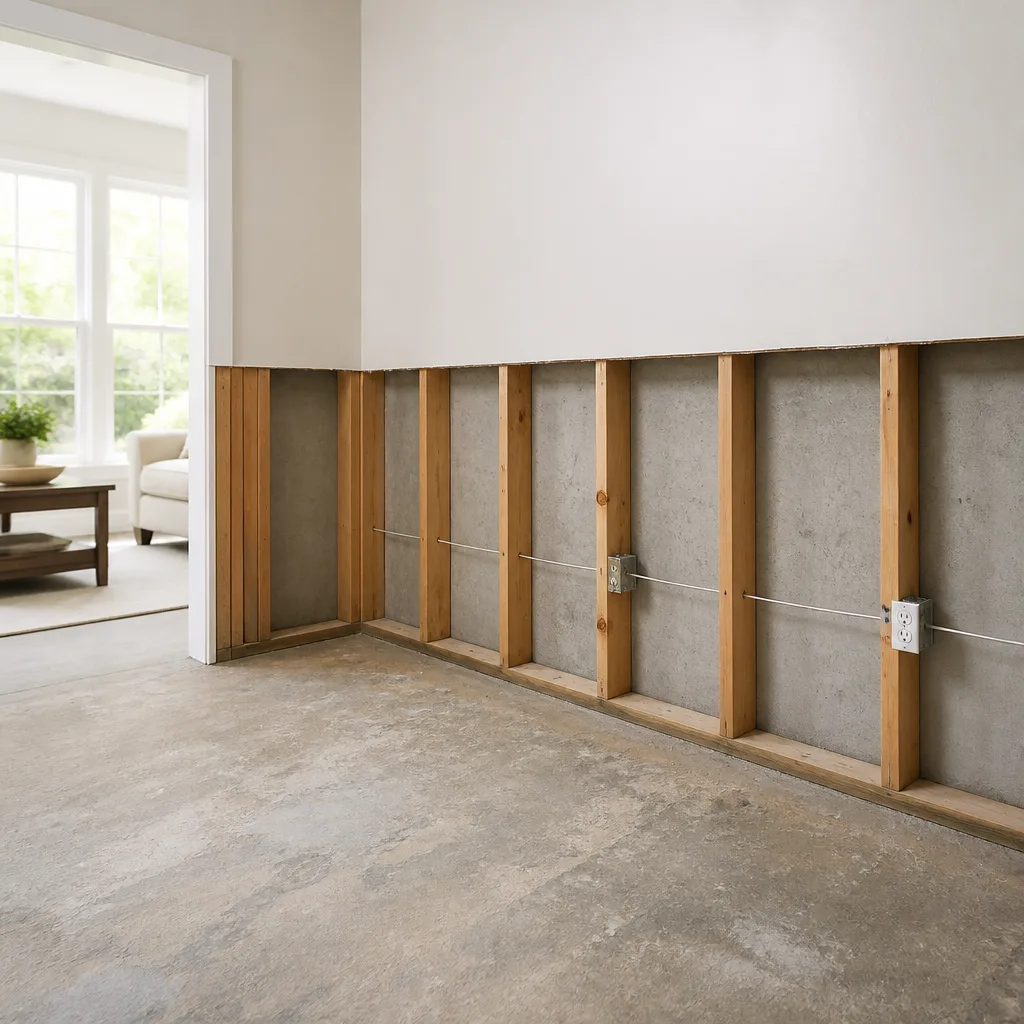
Every surface touched by category 3 water gets cleaned with professional-grade antimicrobials. HEPA air scrubbers run throughout active work to capture airborne contaminants. We take no shortcuts on porous material removal: contaminated drywall and carpet pad come out, full stop.
Crawl Space Sewage Removal
New Square’s converted homes almost always have shallow, difficult-access crawl spaces. We use Injectidry and remote extraction tools to pull sewage from under floor joists, then dry and sanitize the space. No corner of the foundation stays wet and festering.
Repairs & Restoration
Once the structure is dry and clean, our reconstruction team takes over. We replace studs, rehang drywall, relay flooring, and repaint. Your house goes back better than before, and the whole job carries the 90-Day Done Right Promise in writing.
Need Emergency Sewage Cleanup in New Square Now?
Crews minutes away, answering live 24 hours a day. The sooner we start, the less it costs.
Working With Your Insurance Company
Sewage backups are covered under most New York homeowners policies, typically through a water backup endorsement or as a covered peril under the dwelling coverage. What matters is how the loss is documented. Insurance adjusters look for a complete narrative: when the backup happened, what caused it, what was wet, what was removed, what was dried, and what needs rebuilding. We build that file for you from the first hour we’re on site. Our team photographs every affected room, logs moisture readings daily, and writes line-item scopes that match industry-standard estimating software your carrier already uses. We talk to the adjuster directly, so you never have to explain to a claims office why a category 3 backup in a converted basement required more than a mop and a fan. The claim moves faster when a restoration company that knows Rockland County’s adjusters is driving the paperwork.
What We Provide Your Insurer
- Thorough documentation of the loss
- Photos of all damage, room by room
- Moisture readings and drying logs
- A detailed, line-item scope of work
- Direct coordination with your carrier
Built for New Square’s Loss Calendar
Sewage and water damage in New Square follows a seasonal rhythm, and anyone who has lived in the village for a decade or more knows the pattern. January and February are the pipe-freeze months. Cast-iron lines and copper supply runs in unheated crawl spaces under 1960s-era additions split when temperatures drop below zero for sustained stretches. Spring is worse. The humid continental climate of Rockland County means heavy winter snowpack that melts rapidly in March, sending meltwater toward foundations. New Square’s tightly built-out, low-permeability streetscape funnels that water directly against foundation walls, and the village’s 1960s-era combined sewer laterals get overwhelmed by the sudden inflow. The result is sewage backflow into basements every March and April, starting as category 2 grey water and turning category 3 within 48 hours if not extracted. Summer brings fast thunderstorm flash flooding, and fall brings nor’easter rains. Our crews stay busy year-round, but the spring melt is the season we schedule extra hands for New Square specifically.
Sewage Cleanup Across New Square’s Neighborhoods
New Square is a small village, about a square mile in total, but the building patterns shift enough that our response plan differs block by block. The core streets around Truman Avenue and Jefferson Avenue are dense attached row houses sharing party walls and, in many cases, shared sewer laterals. A backup in one unit frequently migrates through crawl spaces into the adjoining home before anyone realizes what happened. Our crews always check both sides of a shared wall when black water is present.
Near Hayes Court and the eastern edge of the village, we see more converted two-family dwellings with expanded kitchens and added bathrooms, often on slab additions where drain lines run under concrete floors. These are tough extractions: the slab retains moisture, and weep holes along the bottom course of block walls become secondary damage zones. Around Union Road and the village perimeter, larger multi-family structures built in the 1970s and 1980s carry aging galvanized supply risers and cast-iron stacks that simply wear out. Our field notes from this area show a recurring pattern: toilets on upper floors overflowing through ceiling assemblies into the kitchen below, with sewage damage spreading through joist bays before anyone catches it.
The ZIP code for New Square is 10977, and our dispatch map covers every street in it, from the village center outward. When you call (914) 809-9936, the dispatcher already knows whether you’re on a shared-lateral block or a slab-addition lot.
Specialized Sewage Cleanup Services We Offer in New Square
Sewage Backup Cleanup
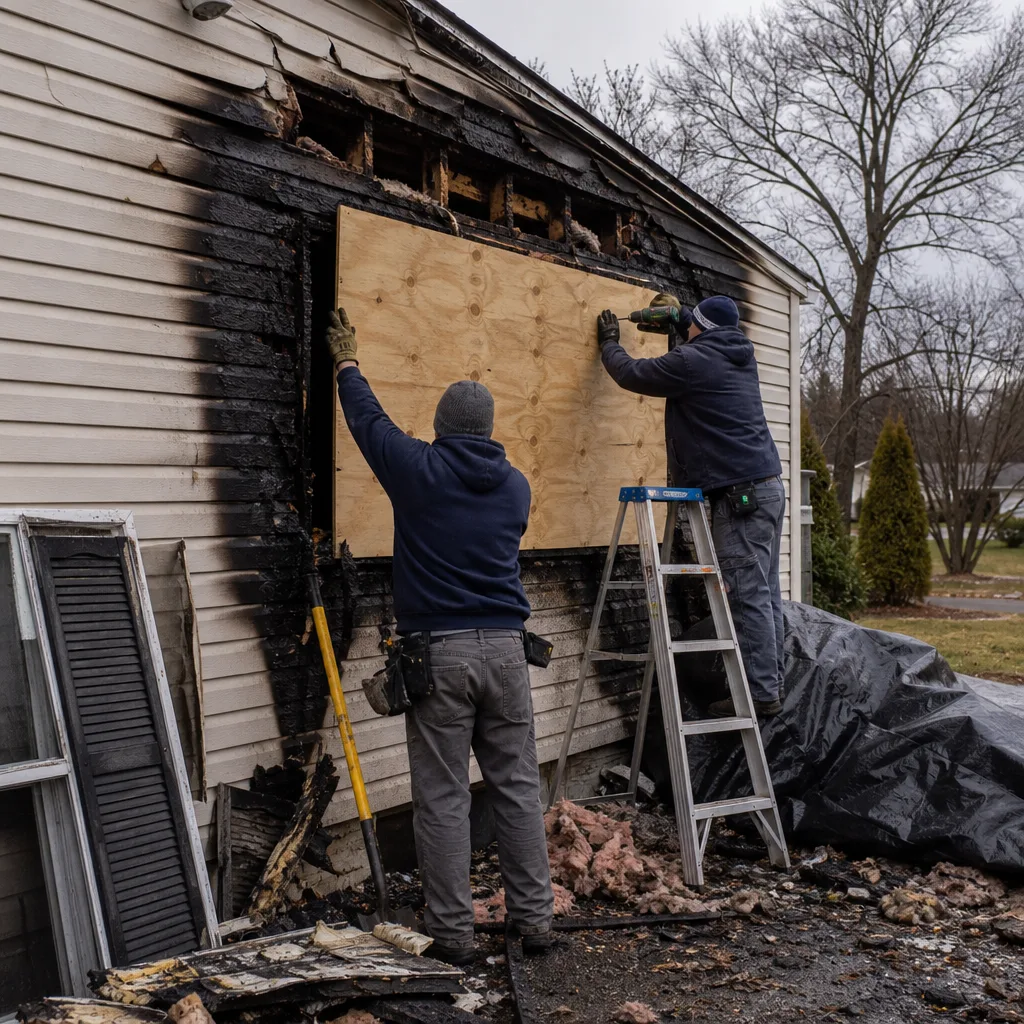
A floor drain that starts gurgling, then spits up black water, is the signature of a collapsed or blocked lateral line. In New Square, where cast-iron laterals from the 1960s and 1970s are still in service under heavy daily loads, this is one of the most common calls we take. We extract the standing sewage, remove contaminated materials, sanitize the area, and identify the failure point so you know whether the lateral needs a spot repair or full replacement. The cleanup is separate from the pipe work; we do the cleanup and can bring in the right excavator for the line repair.
Black Water Extraction
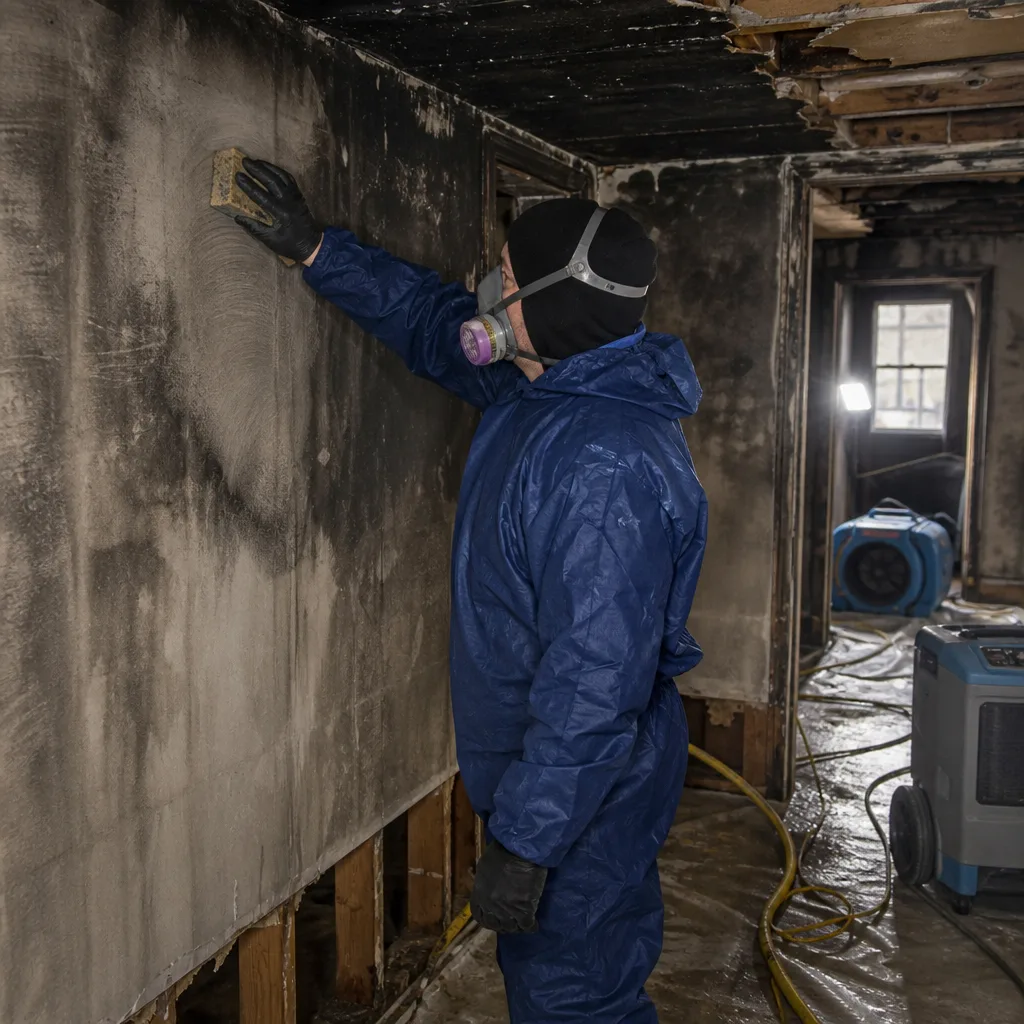
Category 3 water requires equipment that moves a lot of volume fast. Our truck-mounted extraction units pull up to 4,000 gallons per hour, which matters when a New Square basement has 18 inches of sewage across a 900-square-foot footprint. For deeper or harder-to-reach areas, including crawl spaces under converted additions, we run submersible trash pumps and remote extraction wands. All extracted sewage is disposed of at approved Rockland County facilities. Nothing gets dumped where it should not be.
Toilet Overflow Cleanup
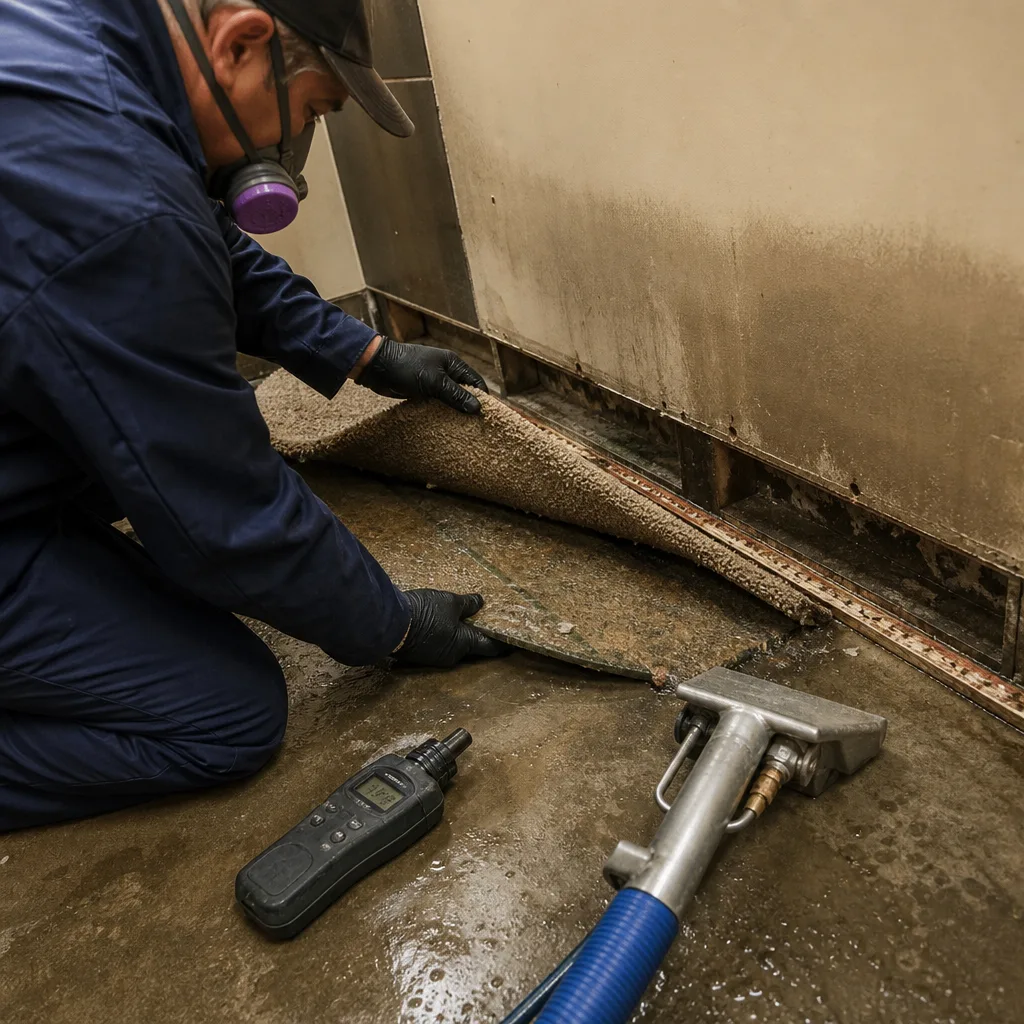
A single toilet overflow on a tiled bathroom floor is typically the smallest job we do, and also the one where people most often make the mistake of waiting. Sewage water that soaks into subfloor or runs under a vanity spreads silently. We pull the toilet, remove contaminated flooring and drywall as needed, sanitize the bowl and the line, and dry the structure to the dry standard before anything is reinstalled. Toilet overflows in upper-floor bathrooms of New Square’s converted homes often involve ceiling damage below, which we address in the same scope.
Septic Failure Cleanup
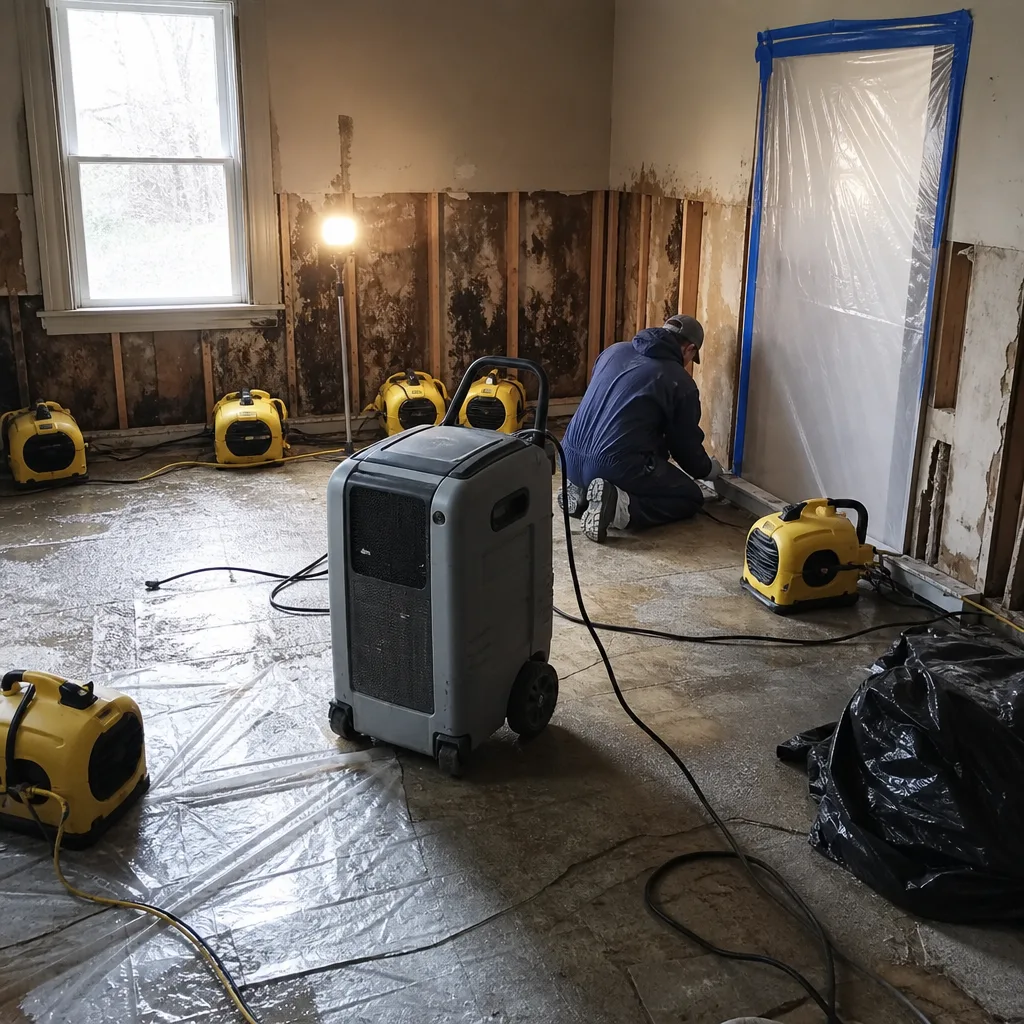
While New Square’s core is on municipal sewer, some expanded properties and perimeter lots rely on aging septic systems from the mid-20th century. When a septic field saturates during spring thaw or after heavy rain, the result is sewage surfacing in the yard or backing into the house through the lowest drain. We coordinate with a licensed septic contractor for the system repair while our team handles the interior extraction, sanitization, and structural drying. The key is acting before the standing sewage causes health issues or permanent floor and wall damage.
Crawl Space Sewage Removal
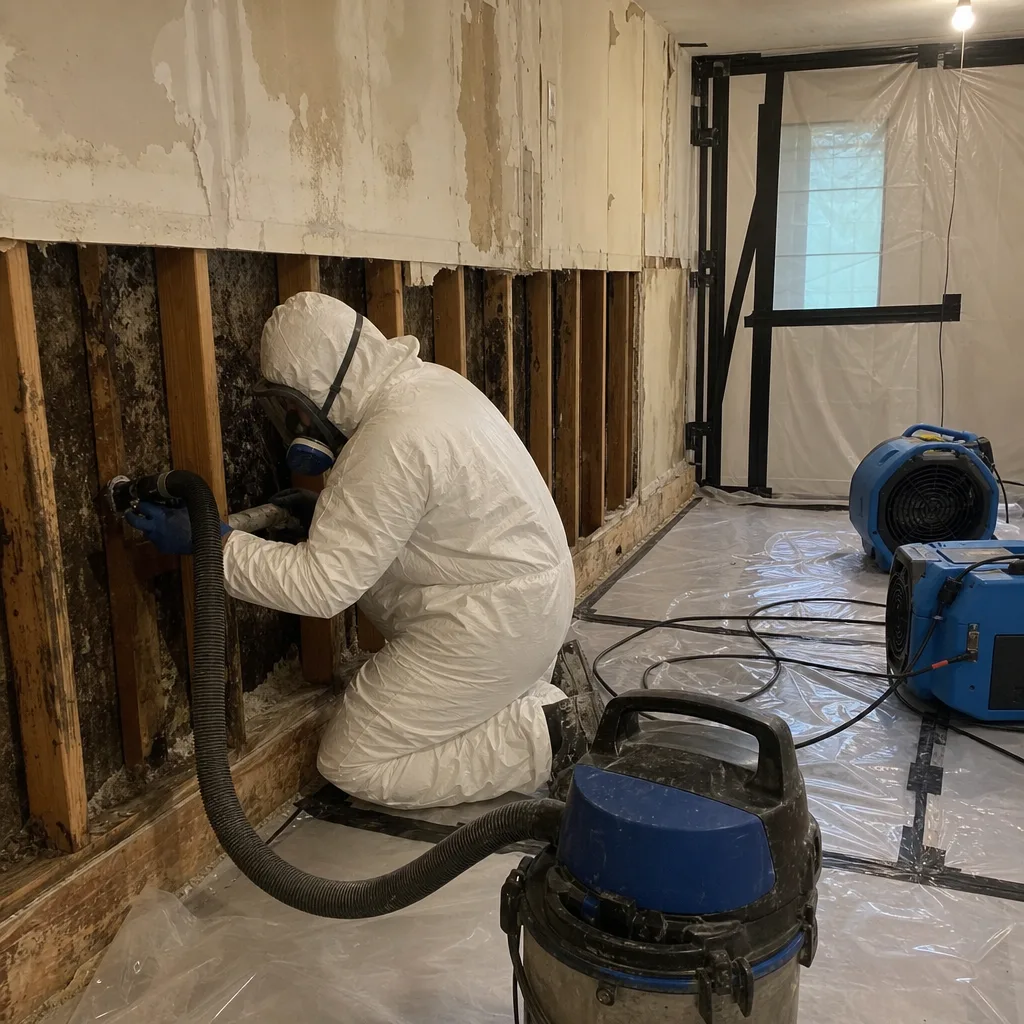
New Square’s converted homes and added-on row houses almost always have shallow, tight crawl spaces under the original structure. When a drain line cracks or a shared lateral backs up, sewage pools under the floor joists. It’s the worst place for it: dark, low-ventilation, and hidden from view. We use Injectidry systems and remote extraction tools to pull liquid from dirt floors and joist bays, then dry the space with targeted air movement and dehumidification. If the sewage sat long enough to create mold growth, our remediation protocol includes containment and air scrubbing before we call the space dry.
Sanitization & Disinfection
After any category 3 event, every affected surface gets a professional-grade antimicrobial application. We do not rely on household bleach. The products we use are EPA-registered for sewage decontamination and applied by technicians who know dwell times and coverage rates. We also run HEPA air scrubbers during active work to capture airborne contaminants stirred up by demolition and extraction. When we hand you the completion packet, it includes the sanitization log showing what was treated and when.
What happens when you call
- 1
A real person answersNo phone trees - you reach a local pro.
- 2
You get an upfront price rangeHonest numbers before anyone is dispatched.
- 3
A background-checked tech heads outLicensed & insured, dispatched right away.
- 4
You approve before work beginsNothing starts until you say go.
Sewage Cleanup Costs in New Square, NY
A contained toilet overflow in a New Square bathroom typically runs $350-$900. A basement sewage backup from a cracked lateral or floor-drain overflow runs $900-$2,400 depending on how far the water traveled and what materials require removal. A crawl space sewage event under an expanded row house, where we are extracting from a dirt-floor space and sanitizing floor joists, runs $1,200-$3,000. If the backup sat unreported through Shabbat and contaminated multiple rooms or a finished basement, full remediation and rebuild costs can reach $5,000-$9,000 in the village. The variables are square footage, material types, whether shared walls are involved, and how quickly extraction starts. Every Floodline Restoration Co. job begins with a free visual inspection and a written scope before any work is authorized. Call (914) 809-9936 and we’ll give you a real number, not a bait-and-switch.
We Also Serve Cities Near New Square
Our crews cover New Square and the surrounding Rockland County communities, including New Square itself, plus Bardonia, Ossining, Croton-on-Hudson, and New City. If you’re a property owner in any of these towns and you’re seeing water where it should not be, the same live dispatcher answers day or night, and the same certified crew comes out with professional-grade equipment and a written plan.
Serving New Square, NY - Our Local Coverage Area
We’re based in the New Square area and know this community well. Use the map below to see our service coverage - if you’re nearby, we can almost certainly help.
New Square Sewage Cleanup Questions, Answered
How quickly can Floodline Restoration Co. respond to a sewage backup in New Square on a Saturday night after Shabbat?
We respond within 45 minutes to calls anywhere in New Square, including calls that come in right after Shabbat ends on Saturday night. Our dispatch desk is live 24 hours a day, and we anticipate the Saturday evening surge in New Square. A crew is staged and ready when sundown hits.
What Shabbat considerations affect sewage cleanup work inside a New Square home?
We schedule all non-emergency work around the Shabbat calendar, and we never schedule work Friday sundown through Saturday night unless the family asks us to complete an emergency mitigation that cannot wait. Our technicians are briefed on modesty and access protocols before entering any home in the village, and we work with the homeowner to determine which spaces we can enter and when.
Do row-house sewage backups in New Square require opening walls in attached neighboring units?
Frequently, yes. New Square’s row houses share block or masonry party walls, and category 3 water wicks through those walls into the adjoining home. We use moisture mapping to determine if the neighbor’s side is wet, and we coordinate with both homeowners before opening any shared wall. Leaving contaminated moisture inside a party wall invites mold growth in two homes instead of one.
How do you handle sewage cleanup under expanded crawl spaces typical of New Square’s converted homes?
Our crawl space protocol uses remote extraction tools and Injectidry systems designed for tight, low-clearance spaces. We remove standing sewage, remove contaminated insulation or debris, dry the dirt floor and joists to the dry standard, and apply antimicrobial treatment. We also check for mold growth that may have started before the sewage was even noticed, and we document everything for your insurance file.
Can you dry and salvage drywall and flooring contaminated by a toilet overflow in New Square, or must it all be removed?
If the water is category 3, which includes toilet overflows, any porous material it touches gets removed. Drywall, carpet pad, and laminate flooring cannot be reliably sanitized once sewage water has soaked into them. Tile and hardwood can sometimes be saved depending on how long they sat wet and how far the water traveled underneath. We give you an honest answer based on moisture readings, not on what’s cheapest to demo.
Will my homeowners insurance cover sewage cleanup in New Square?
Most New York homeowners policies cover sewage backup either through a specific water backup endorsement or as a covered loss under dwelling coverage. The key variable is how the loss is documented. We photograph everything, log daily moisture readings, and provide your carrier with a line-item scope that matches industry-standard estimating software. Call (914) 809-9936 and we’ll walk you through what your specific policy likely covers.
What should I do in the first 30 minutes after discovering a sewage backup in my New Square home?
Do not flush toilets or run water, do not walk through the sewage, and do not try to wet-vac it yourself with a household vacuum. Shut off the water to the affected fixture if you can do so safely, keep children and pets away, and call (914) 809-9936. A live person will answer, give you immediate instructions, and dispatch a crew. The first hour is when professional extraction saves real money.
What certifications do Floodline Restoration Co. technicians hold?
Our technicians are certified through IICRC in Water Damage Restoration (WRT) and Applied Microbial Remediation (AMRT), with additional training to RIA and IFA standards. They are background-checked and uniformed, and they arrive with the equipment and the experience to handle category 3 events in New Square’s specific housing stock.
Written by Curt Bowman, Owner at Floodline Restoration Co., providing sewage cleanup and full-cycle restoration across Rockland County since 2010.