
Free visual inspection and a written scope of work before any mitigation begins - photos, moisture readings, and drying logs go in your claim file
The scope we write is the scope we bill. Anything new gets shown to you, in writing, before we touch it.
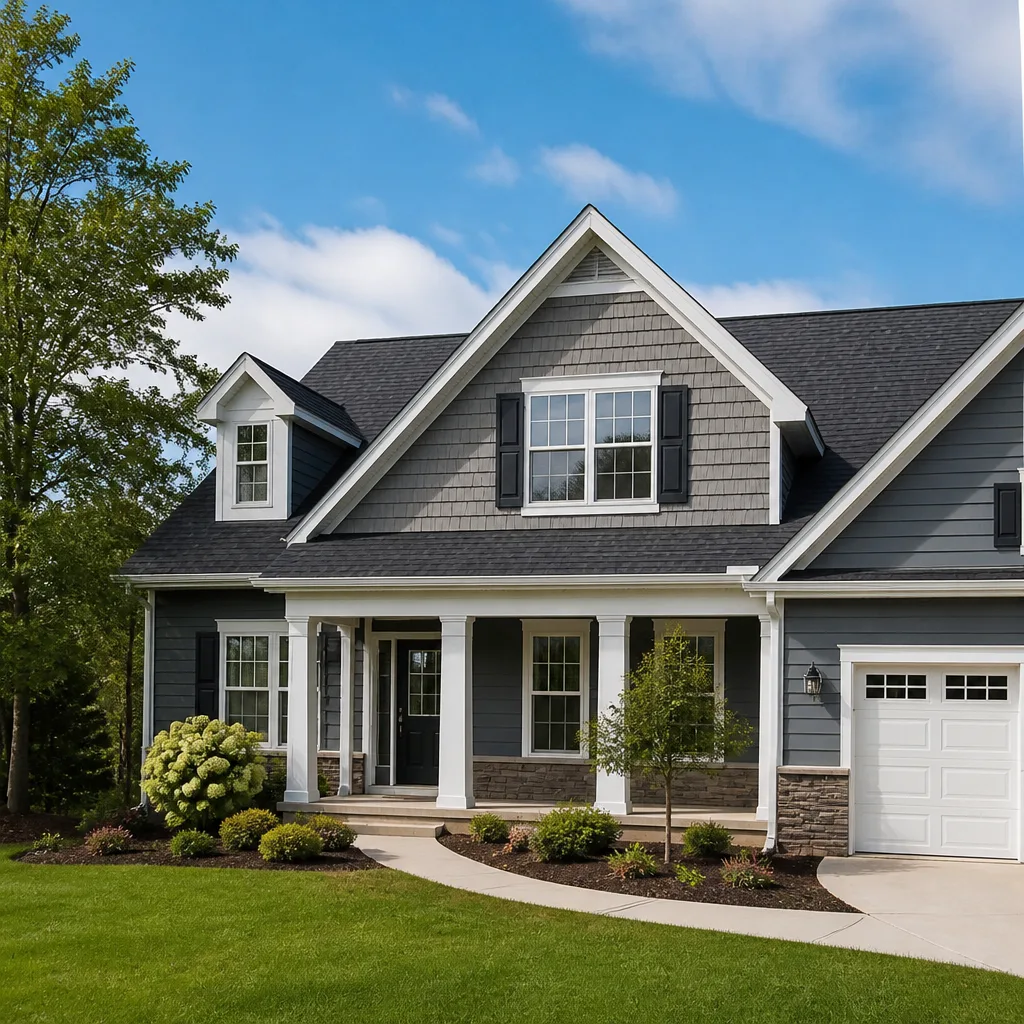
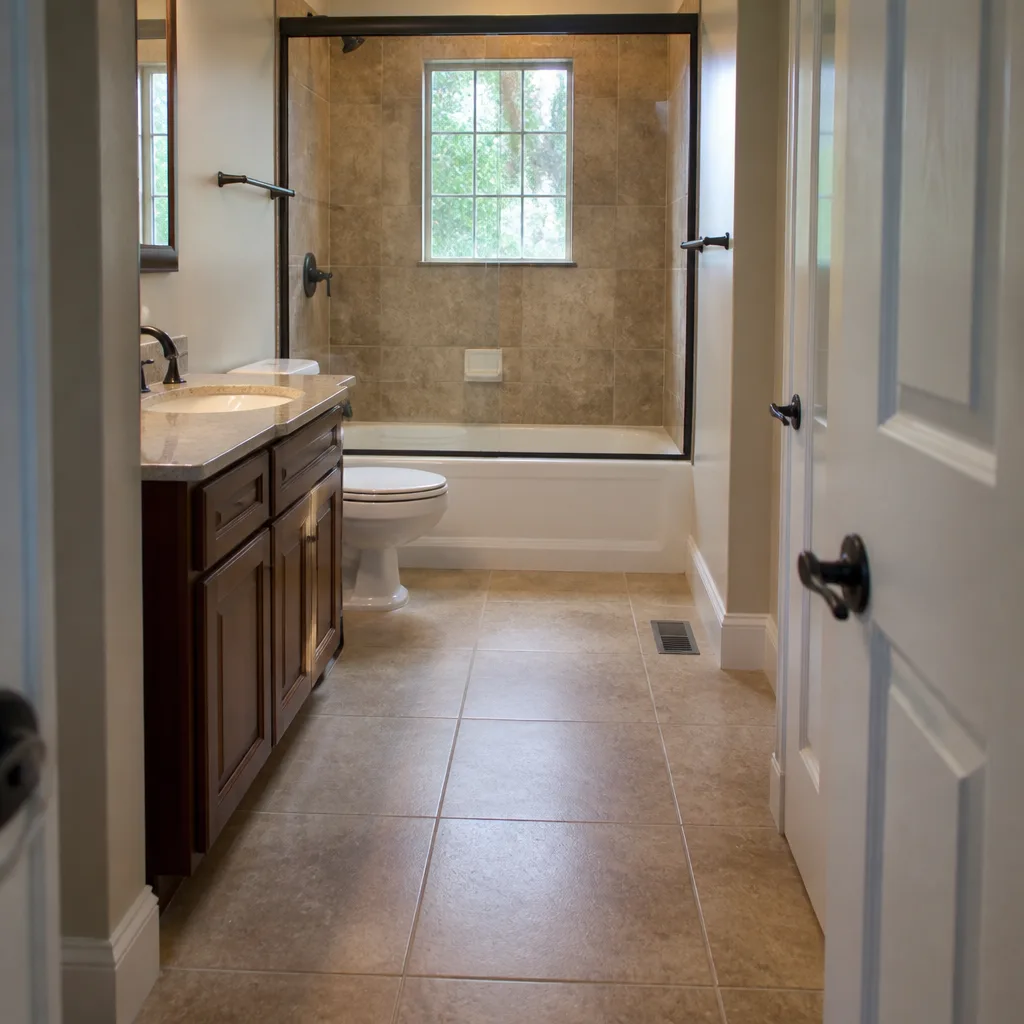
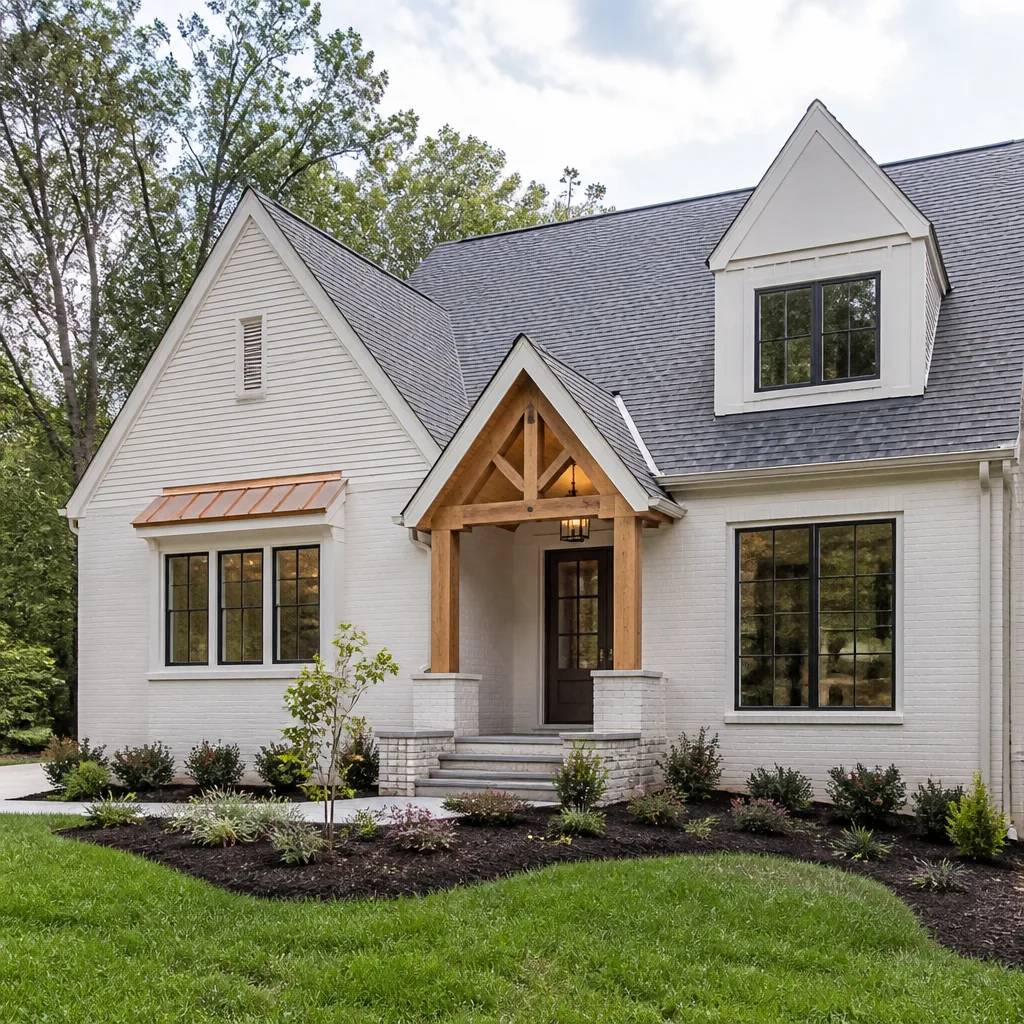
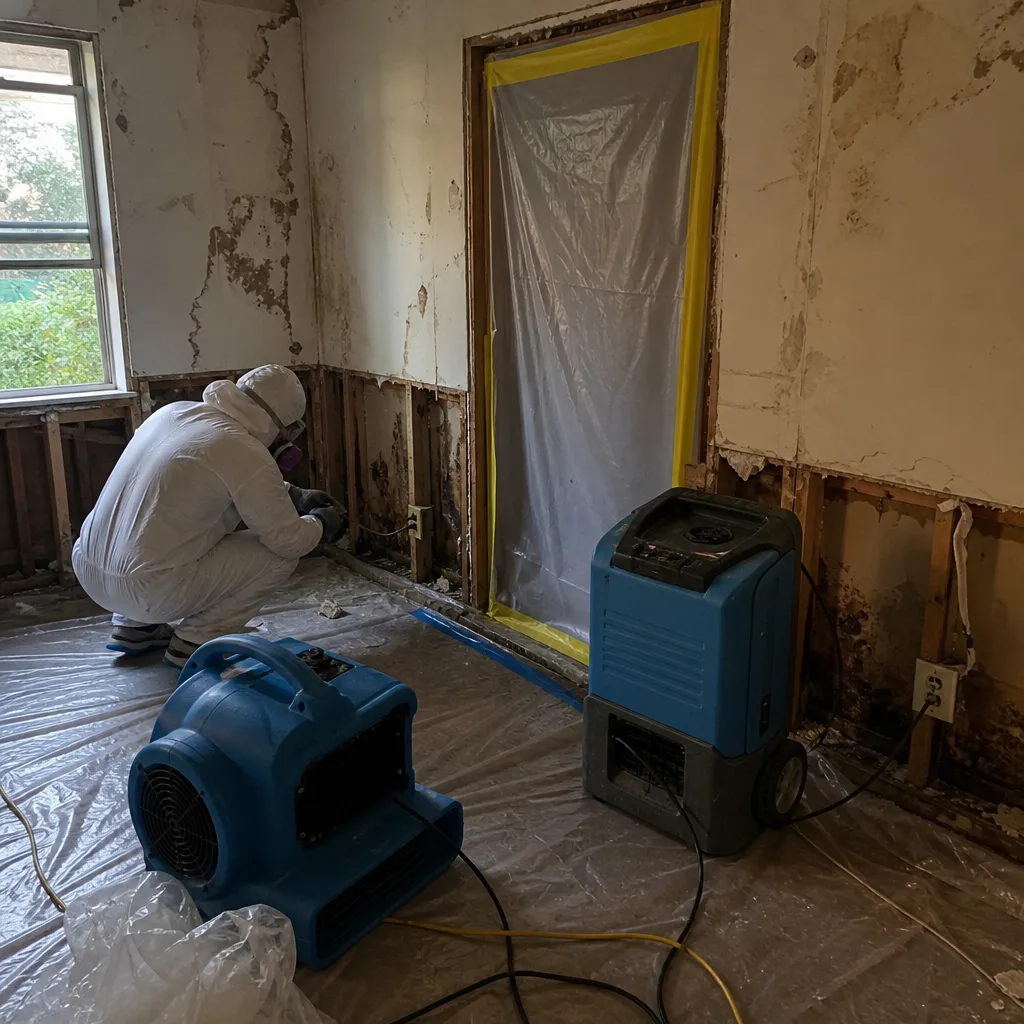 Before
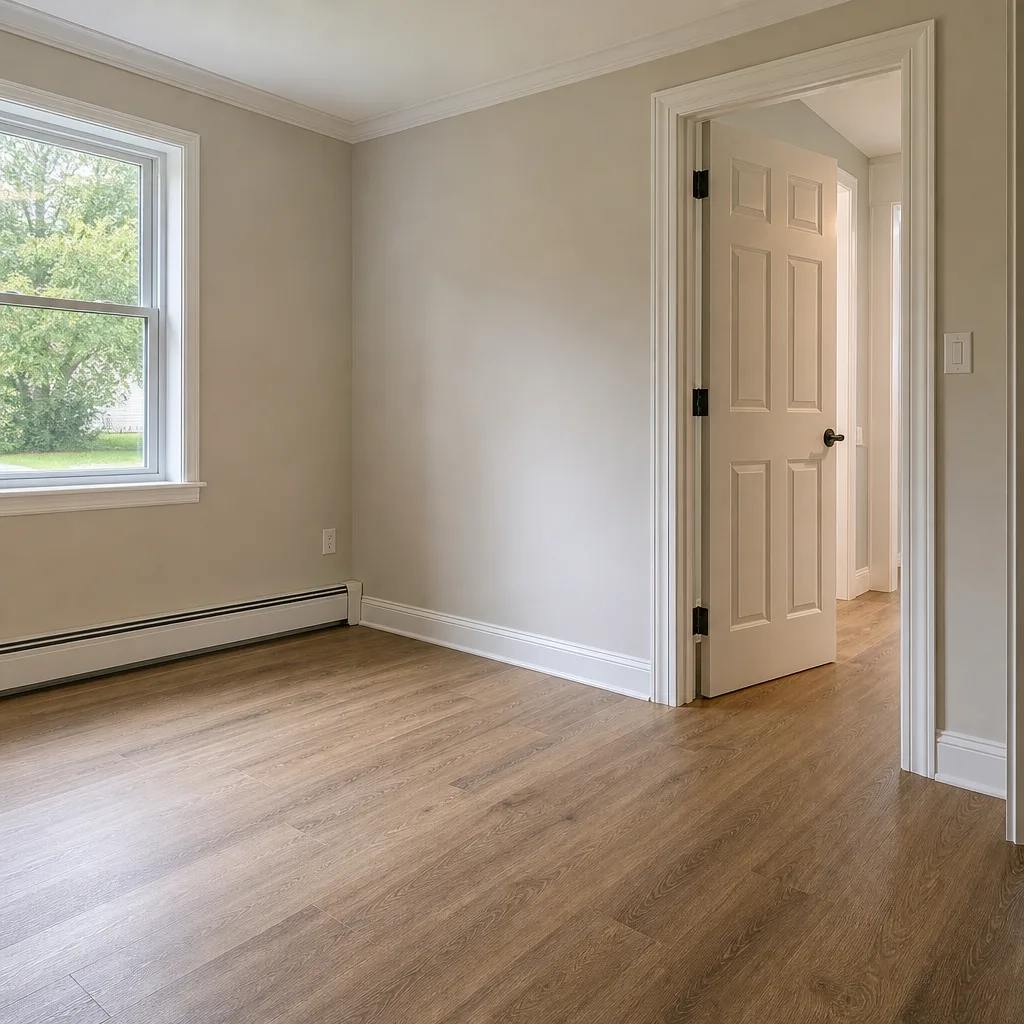 After
After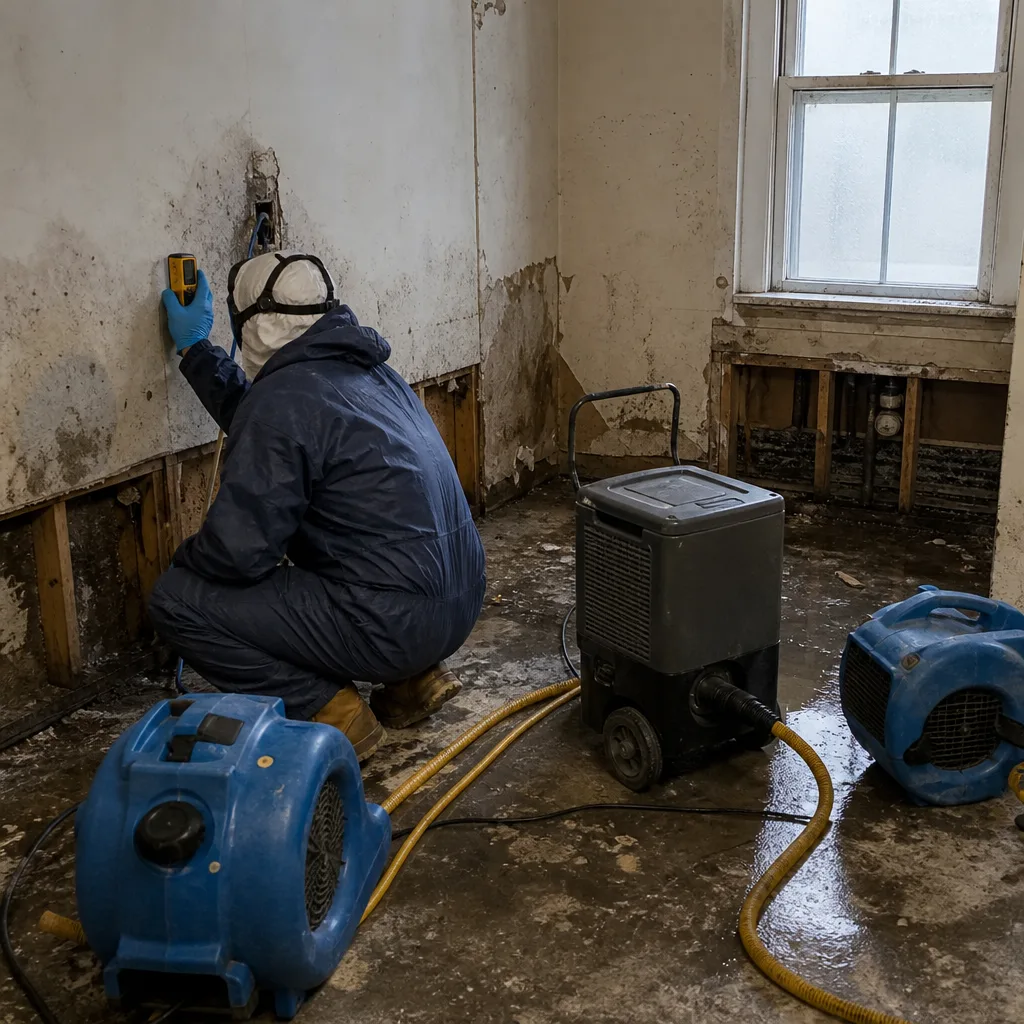 Before
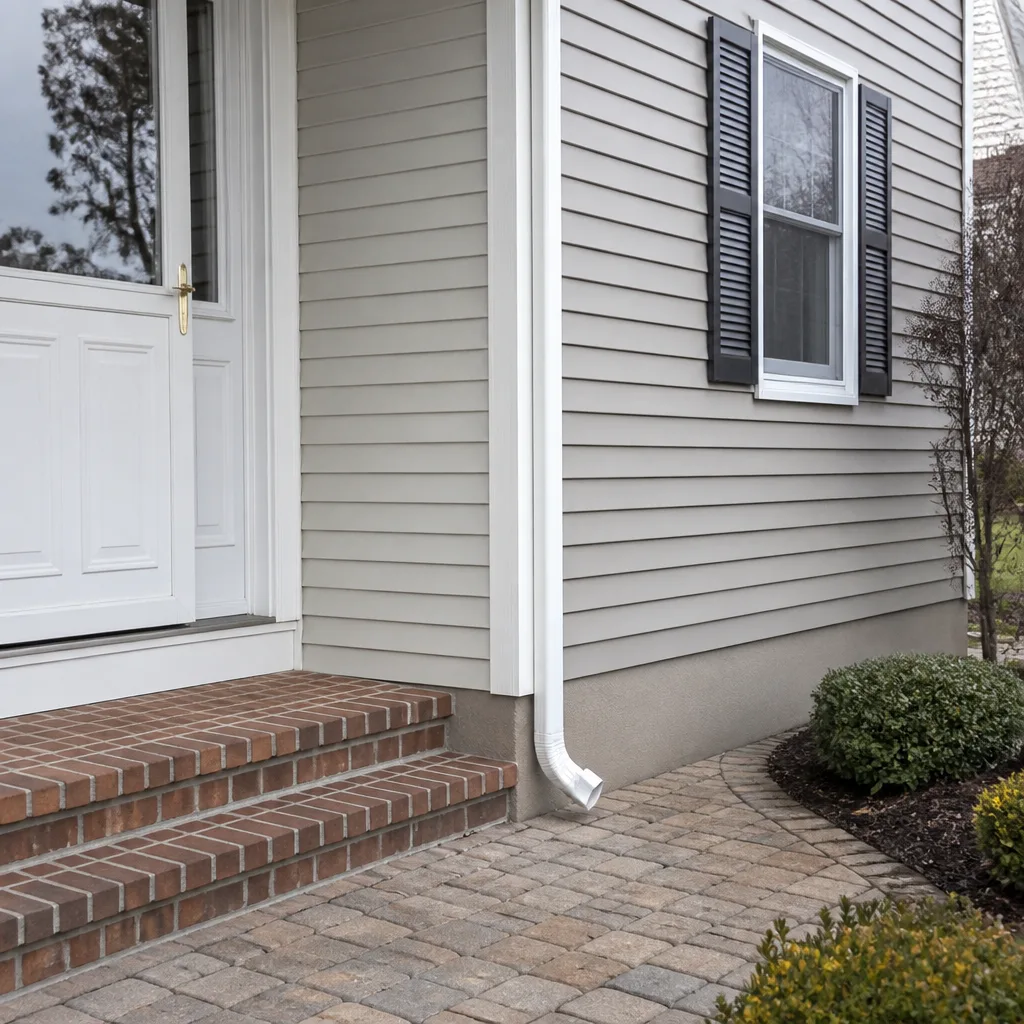 After
After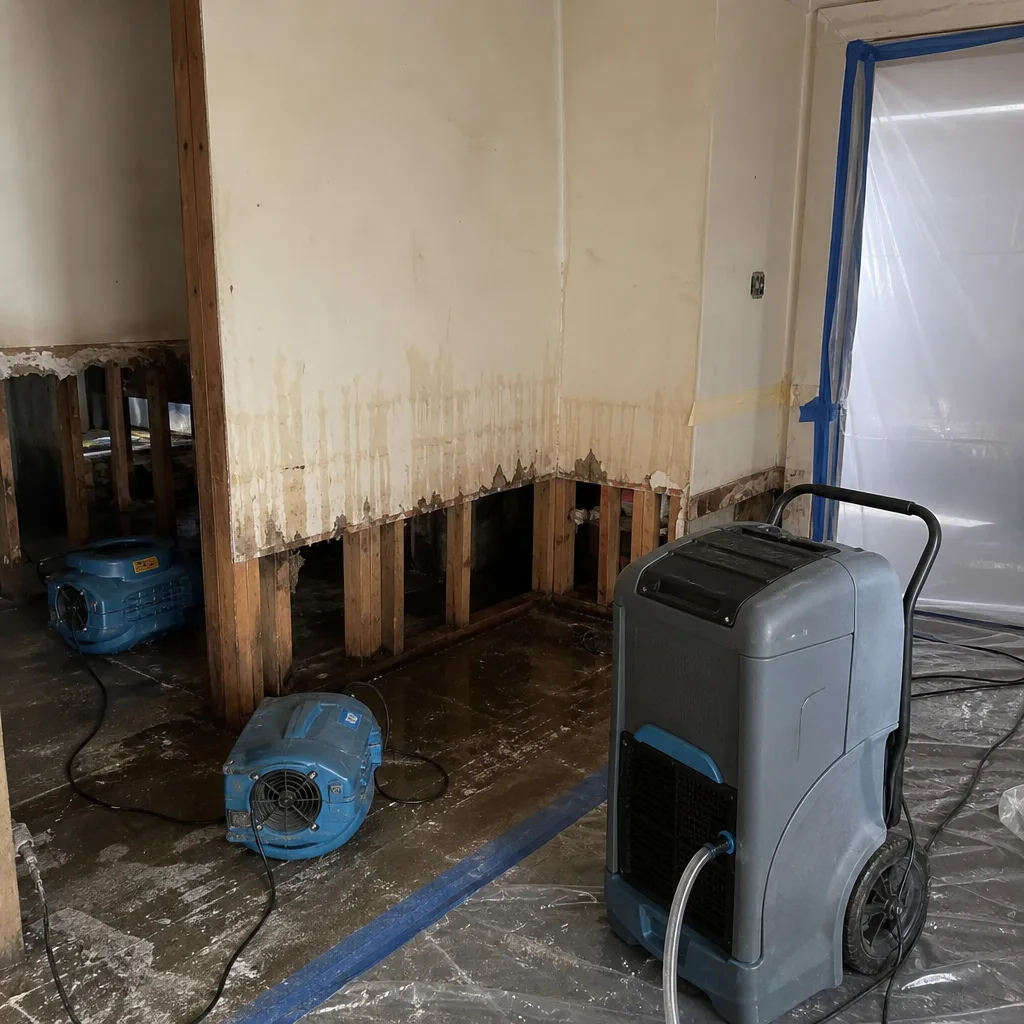 Before
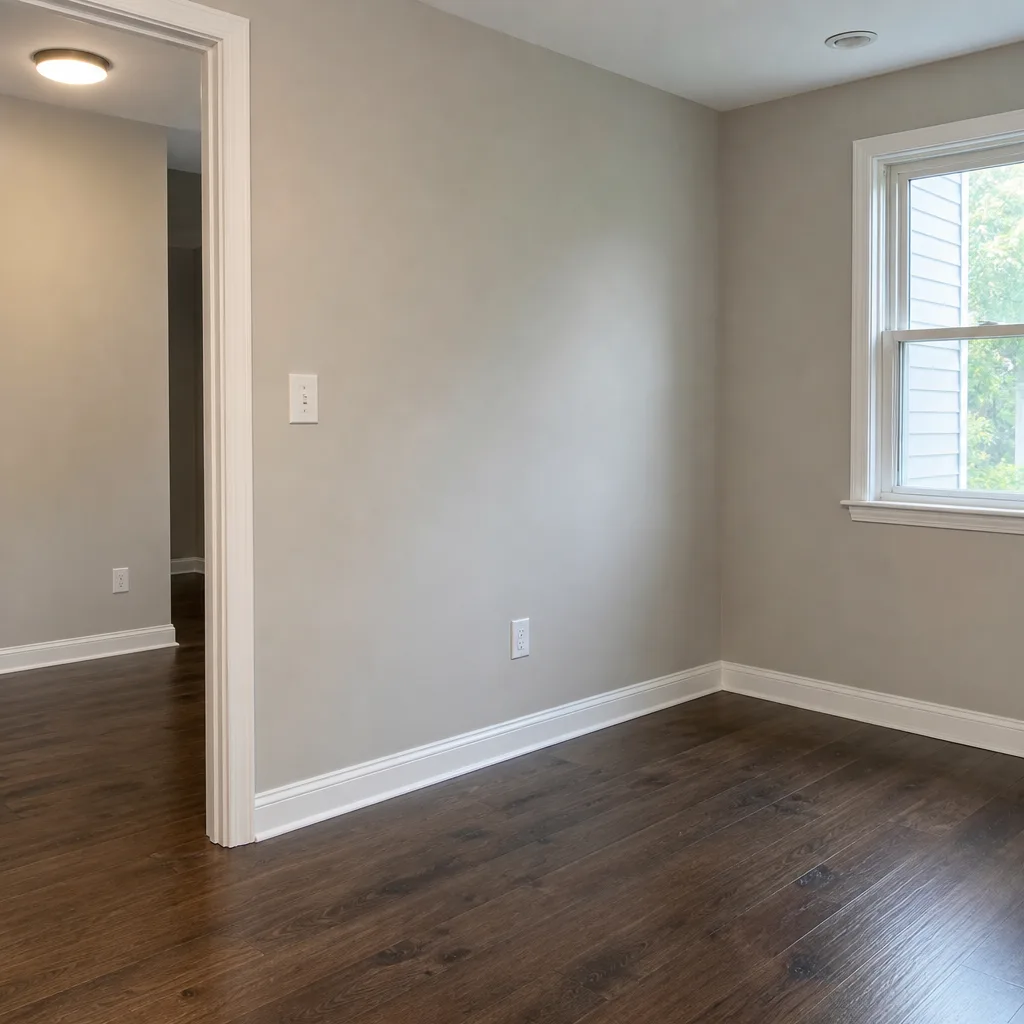 After
After24/7 Emergency Fire & Smoke Damage Restoration in Congers
Fire damage in Congers doesn’t wait for business hours, and neither do we. A live dispatcher answers at (914) 809-9936 around the clock, every day of the year, and a crew from Floodline Restoration Co. can be rolling into your neighborhood within 45 minutes. The first hour after a fire matters more than most homeowners realize: soot is corrosive and keeps working its way into drywall, carpet, and framing the longer it sits. We start with a free visual inspection, explain exactly what we’re seeing, and get containment and extraction running on the same visit. No answering service, no call-back wait, no middleman. Just a certified crew on the way while you’re still on the phone.
Understanding Fire & Smoke Damage Restoration Severity in Congers Properties
Not every fire loss in Congers is the same, and the age of your home has a lot to do with what we find behind the walls. Soot residue falls into three basic categories: dry soot from fast-burning paper and wood, oily soot from kitchen grease or plastics, and protein-based residue from food fires that leaves a nearly invisible but aggressively smelly film. Smoke migrates into wall cavities, ductwork, and cold-air returns within minutes, which is why a small stovetop fire can leave odor embedded in a finished basement two floors down. Congers’s dominant housing stock works against you here: homes built from the late 1950s through the mid-1970s, after Tappan Zee Bridge access opened, tend to be ranches and Cape Cods with shared HVAC chases and concrete-block foundations that wick smoke and moisture into places you can’t see. Finished basements, a signature feature of 1960s Rockland County spec construction, concentrate soot in drywall, drop ceilings, and subpanels. We map that migration with thermal imaging before we touch a single wall.
Why Congers Property Owners Choose Floodline Restoration Co.
- 45-minute response commitment: Our Congers-area crews are dispatched locally and aim to be on-site within 45 minutes of your call, because soot damage compounds hourly.
- 24/7 live answer, always a person: You call (914) 809-9936 at 2 a.m., a real dispatcher picks up. Not a recording, not a menu tree. A person who can send a crew.
- IICRC-certified technicians: Our crews hold IICRC fire and smoke restoration certifications, including FSRT and WRT where the loss involves firefighting water, plus RIA and IFA training.
- Free visual inspection: We walk the damage with you, show you what we’re seeing, and explain the scope before any work is approved. No obligation, no pressure.
- Direct insurance billing: We bill your carrier directly and handle adjuster communication, so you’re never the messenger between us and the claim.
- One team, start to finish: The same crew that boards up and extracts handles drying, cleaning, and structural repair. No mid-job handoff to a subcontractor you’ve never met.
Our Fire & Smoke Damage Restoration Process
Inspection & Assessment
We start with a room-by-room walkthrough using thermal imaging and moisture meters to find smoke migration and hidden water from firefighting. You get a written scope and a clear explanation of what’s urgent now versus what can be scheduled. Estimates are free.
Stabilization & Board-Up
If the fire opened the envelope, we board up windows and doors and tarp exposed roof sections the same day. In Congers’s tight alley-load and townhome situations, proper containment is what keeps soot from migrating into adjacent units.
Water Extraction & Structural Drying
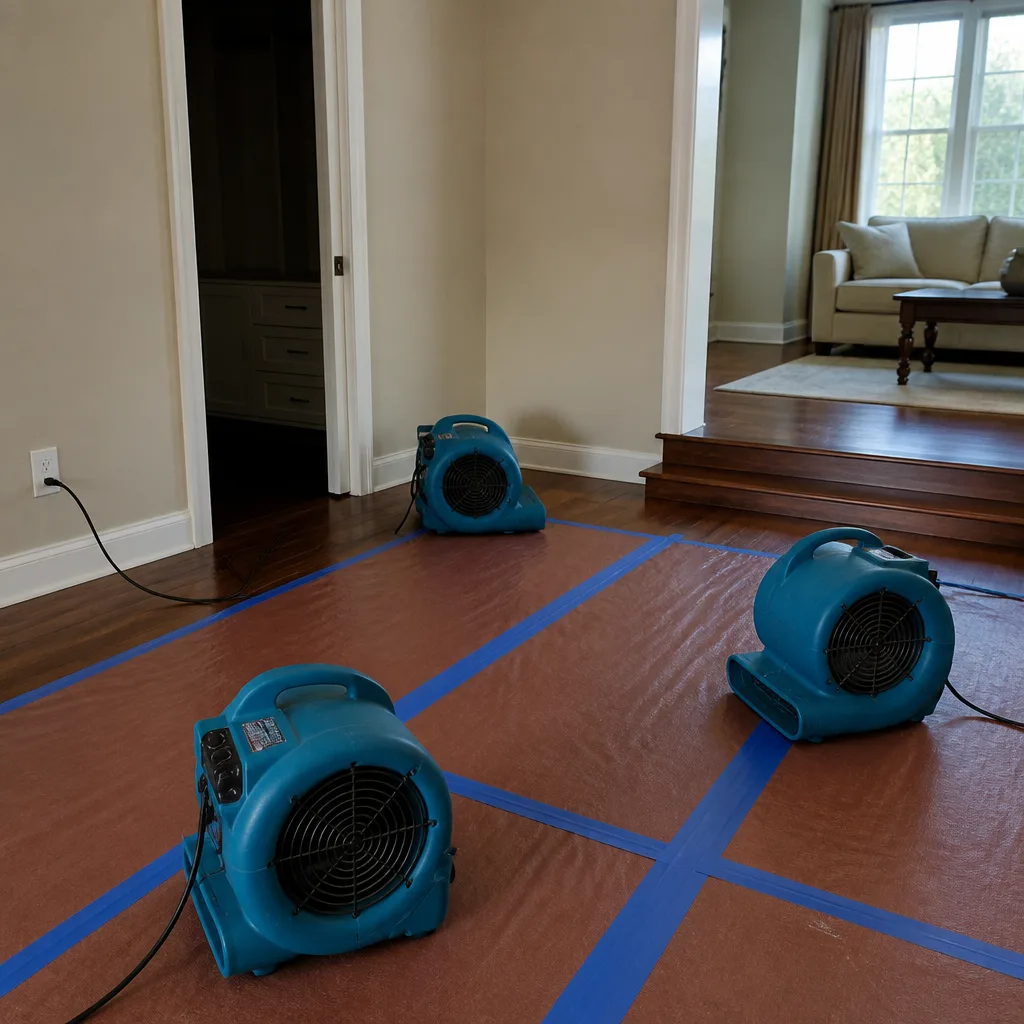
Firefighting water is Category 2 or 3, and it seeps into concrete block foundations fast. We extract standing water and run Dri-Eaz dehumidifiers with XPOWER air movers, logging daily moisture readings until the dry standard is met.
Soot & Smoke Removal
We remove charred materials and use HEPA scrubbing, chemical sponges, and containment barriers to capture soot before it spreads. This is where the finished basements of Congers’s 1960s homes require extra care around subpanels and drop ceilings.
Odor Removal & Deodorization
Surface cleaning doesn’t kill smoke odor. We use thermal fogging and hydroxyl or ozone treatment where appropriate, plus Injectidry systems to reach smoke trapped in wall cavities and framing behind finished surfaces.
Repairs & Restoration
From patching drywall to replacing structural framing and rebuilding finished basements, our crews handle the full reconstruction. The 90-Day Done Right Promise covers the work in writing, and we don’t sign off until you’re satisfied.
Need Emergency Fire & Smoke Damage Restoration in Congers Now?
Crews minutes away, answering live 24 hours a day. The sooner we start, the less it costs.
Working With Your Insurance Company
We’ve handled thousands of fire claims in Rockland County, and we know what carriers need to approve a scope without delays. From the first hour on-site, we document the loss with photos, written notes, and moisture readings that your adjuster can verify. We prepare an industry-standard, line-item estimate that matches your policy’s coverage, and we bill directly so you’re not paying out of pocket and waiting for reimbursement. Our project manager communicates with your adjuster throughout the job, sends updated drying logs and photos, and flags any code issues or hidden damage the original scope missed. One less thing for you to manage while you’re dealing with everything else.
What We Provide Your Insurer
- Thorough documentation of the loss
- Photos of all damage, room by room
- Moisture readings and drying logs
- A detailed, line-item scope of work
- Direct coordination with your carrier
Built for Congers’s Loss Calendar
Fire losses in Congers follow real seasonal patterns, and so does our readiness. Winter is the busiest for house fires tied to space heaters, overloaded circuits, and chimney fires in the older Cape Cods and ranches that dominate the hamlet’s housing stock. Those same months bring freeze-thaw cycling that stresses concrete-block foundations, and a fire that compromises a mortar joint can let groundwater in through the same pathway firefighters used to put the fire out. Spring and summer shift the risk profile: Hudson Valley storm remnants, like the systems that caused flooding around Congers Lake during Hurricane Ida in 2021, push water against foundations already weakened by age, and wet conditions after a fire can accelerate mold growth inside smoke-damaged wall cavities if drying isn’t handled within 48 hours. Fall brings kitchen fires around the holidays and the first heating-system startups, which often fail in homes where utility lines run through uninsulated crawl spaces. The pattern matters because it changes where we look for smoke migration and secondary damage, and how we sequence drying versus structural repair. Congers isn’t a generic suburb. The losses here follow the water table, the building age, and the weather, and our response plan accounts for all three.
Fire & Smoke Damage Restoration Across Congers’s Neighborhoods
Congers is small but not uniform, and response routes and building types change block by block. The neighborhoods lining Congers Lake and the adjacent wetlands, including the streets off Lake Road and the homes near Congers Lake Park, sit lowest in the hamlet’s bowl, and finished basements there are under constant hydrostatic pressure. A fire in one of those homes doubles the risk: smoke travels down into the living space, and the water used to fight the fire has nowhere to drain, so it pools against the block foundation and wicks upward. Homes along Route 303 and the commercial corridor near Lake Road East tend to be mixed-use or closely spaced, which means containment and odor control have to be aggressive from the first day so neighbors aren’t affected. The residential streets off Gilchrest Road and the northern end of the hamlet, closer to the New City line, sit slightly higher and tend to have more crawl spaces and split-level layouts, where smoke migration into ductwork demands a different inspection sequence. And the older, tightly packed Cape Cods around the hamlet’s center, built in the 1950s and 1960s, share walls or sit close enough that exterior boarding and tarping have to account for property lines and narrow side yards. We know these routes because we run them every week. When you call for fire restoration in Congers, the crew that shows up already knows whether you’re in a lakeside ranch with a finished basement or a center-hamlet Cape with a crawl space.
Specialized Fire & Smoke Damage Restoration Services We Offer in Congers
Fire Damage Cleanup
Full removal of charred building materials, debris hauling, and structural assessment of framing, sheathing, and subfloors. In Congers’s older concrete-block homes, we pay particular attention to mortar joints and foundation walls that may have been exposed to intense heat or firefighting water.
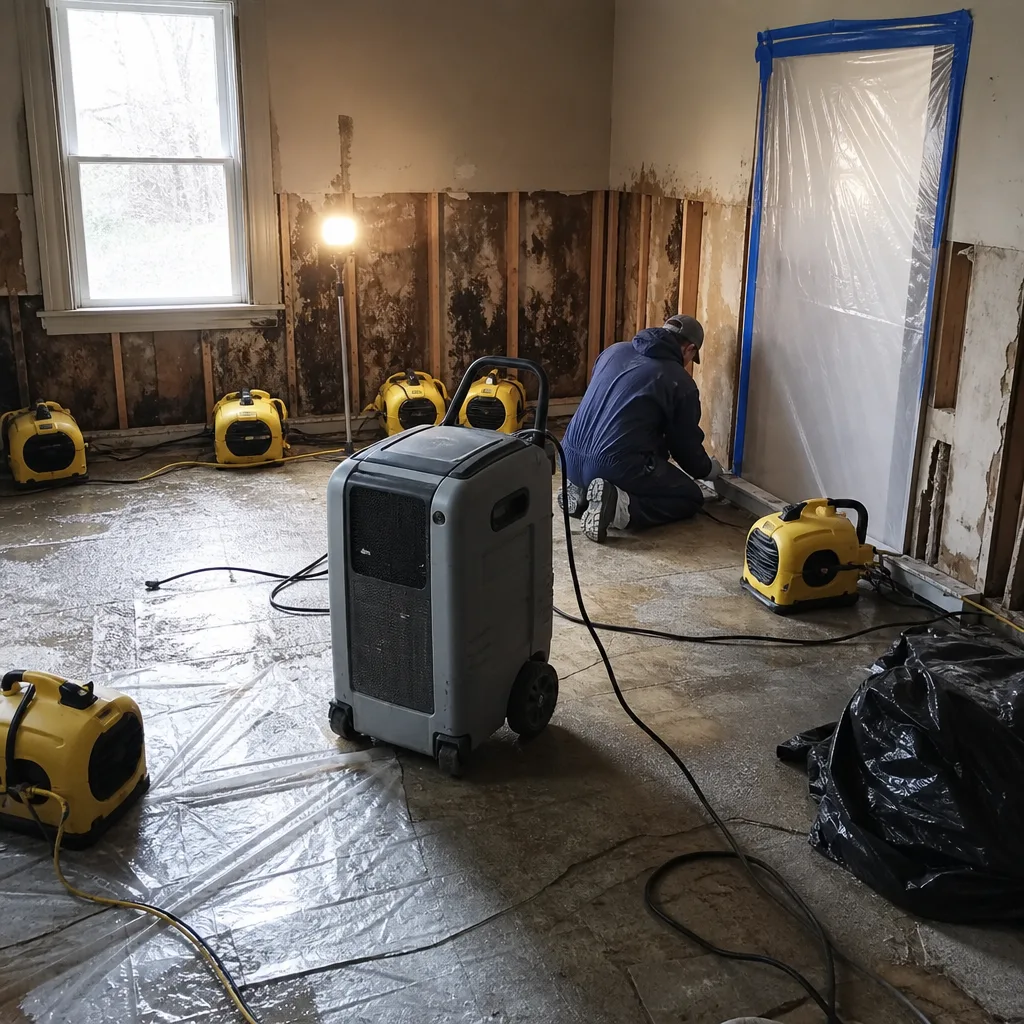
Smoke & Soot Removal
Soot is corrosive and it doesn’t stop spreading on its own. We use HEPA vacuuming, chemical sponge cleaning, and surface-specific techniques for drywall, hardwoods, tile, and subpanels. The finished basements common in Congers’s 1960s homes mean drop ceilings and wall cavities get extra attention so hidden soot doesn’t resurface months later.
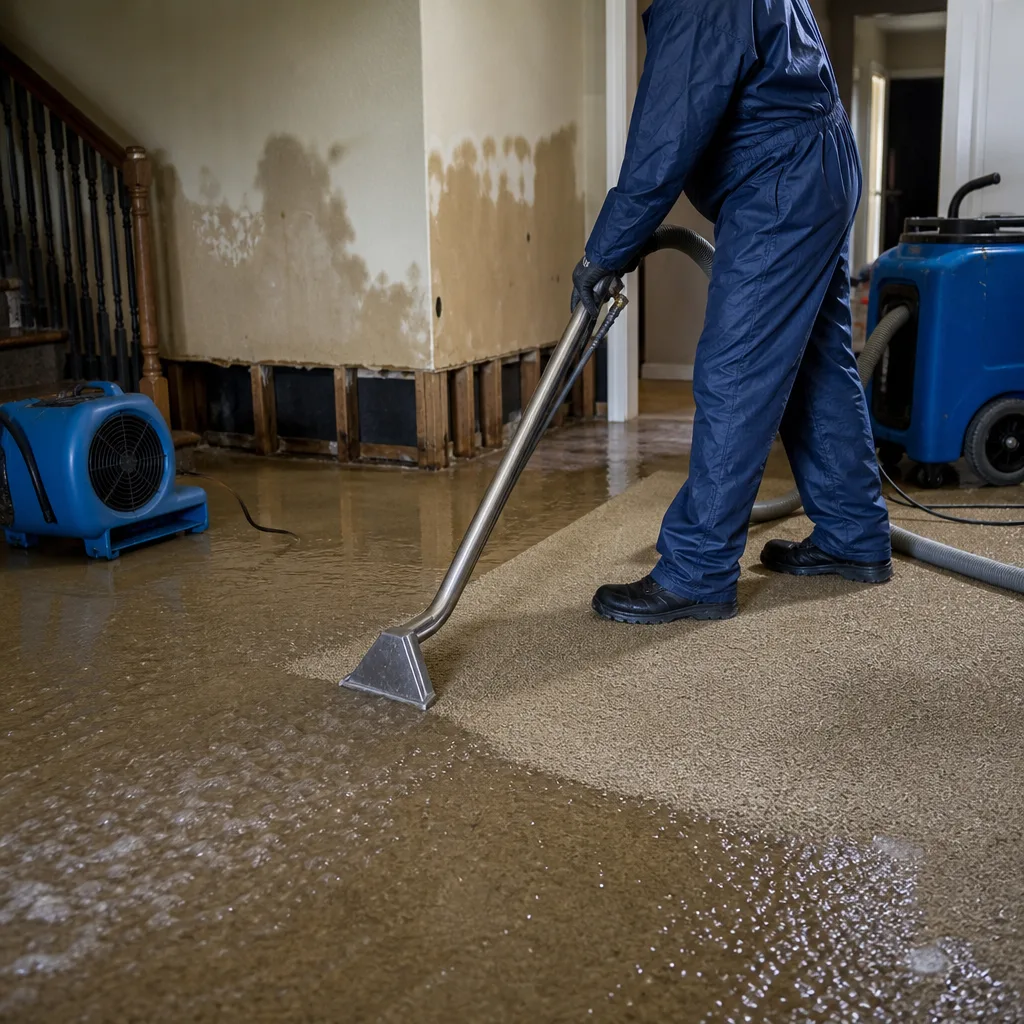
Odor Removal & Deodorization
Smoke odor embeds in porous surfaces and wall cavities, and a surface wipe-down won’t stop it. We pair thermal fogging with hydroxyl generation and targeted Injectidry injection into wall cavities where smoke has traveled through framing. Ranches with open floor plans respond well to fogging; closed-off Cape Cod rooms need the cavity treatment.
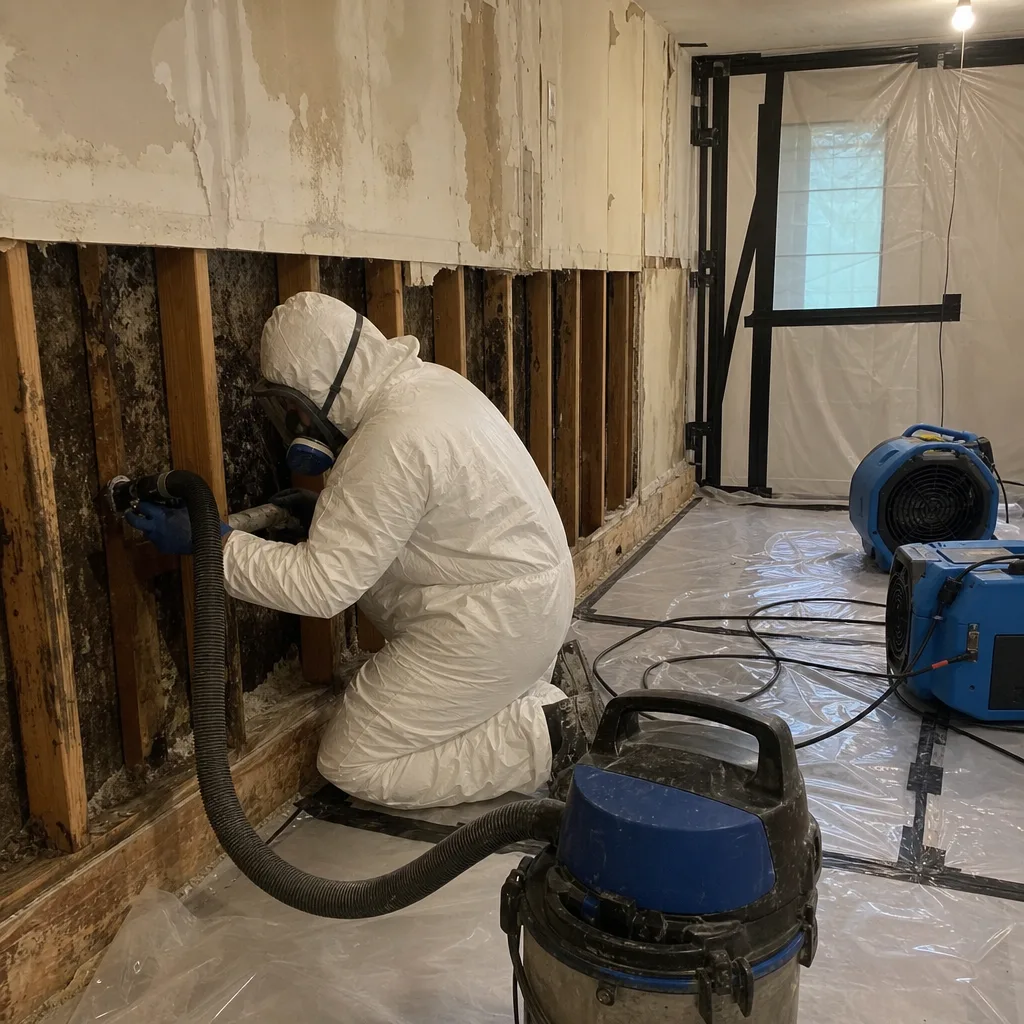
Contents Cleaning & Pack-Out
When smoke has contaminated furniture, clothing, and personal items, we inventory, pack, and transport contents to our cleaning facility where they’re restored room by room. This keeps contaminated items out of the way during structural repairs and prevents cross-contamination of clean areas in your Congers home.
Emergency Board-Up & Tarping
After a fire, your home is exposed to weather, trespass, and further soot spread. We board up broken windows and doors, tarp damaged roof sections, and secure the perimeter the same day. In Congers’s tightly spaced neighborhoods, proper board-up also protects adjacent homes from drifting soot and debris.
What happens when you call
- 1
A real person answersNo phone trees - you reach a local pro.
- 2
You get an upfront price rangeHonest numbers before anyone is dispatched.
- 3
A background-checked tech heads outLicensed & insured, dispatched right away.
- 4
You approve before work beginsNothing starts until you say go.
Fire & Smoke Damage Restoration Costs in Congers, NY
Most fire and smoke restoration jobs in Congers fall between $3,500 and $25,000, with the spread driven by square footage, extent of structural damage, and whether contents need pack-out. Smoke and soot removal alone, without major structural work, typically runs $2,800 to $7,500 for a standard 1,500 to 2,500 square foot ranch. Odor removal with thermal fogging and cavity injection adds $1,200 to $4,000 depending on how far the smoke migrated. Contents cleaning and pack-out usually lands between $2,000 and $8,000. Full structural fire repair, including framing replacement and finished basement rebuild, starts around $15,000 and goes up from there in Congers, where finished basements are common and often serve as the primary family living space. If your policy covers the loss, we bill your carrier directly and you pay your deductible only. The free inspection gives you a firm, written scope so there’s no guesswork and no surprise line items. Call (914) 809-9936 to schedule one, and we’ll walk the property with you before you commit to anything.
We Also Serve Cities Near Congers
Floodline Restoration Co. crews serve the full Rockland County area, including Congers and the neighboring communities of New City, Haverstraw, West Nyack, and Nyack. Same 45-minute response commitment, same certified crews, same direct insurance billing, whether your home is a lakeside ranch or a townhome off Route 303.
Serving Congers, NY - Our Local Coverage Area
We’re based in the Congers area and know this community well. Use the map below to see our service coverage - if you’re nearby, we can almost certainly help.
Congers Fire & Smoke Damage Restoration Questions, Answered
How does Congers’s high water table affect fire and smoke damage restoration in my basement after a blaze?
The high water table near Congers Lake means the water used to fight your fire doesn’t drain away from the foundation, it sits against it and wicks upward through the concrete block. That turns a smoke cleanup into a water restoration job too, which is why we run structural drying immediately after extraction rather than waiting to see how things settle. If we skip that step, hidden wet pockets inside your finished basement walls will mold within 48 hours and compromise the entire restoration. Call (914) 809-9936 and we’ll inspect the moisture profile before any demolition starts.
My 1960s Congers Cape Cod has a finished basement with subpanels and drop ceilings. Can you dry it after a fire instead of gutting it?
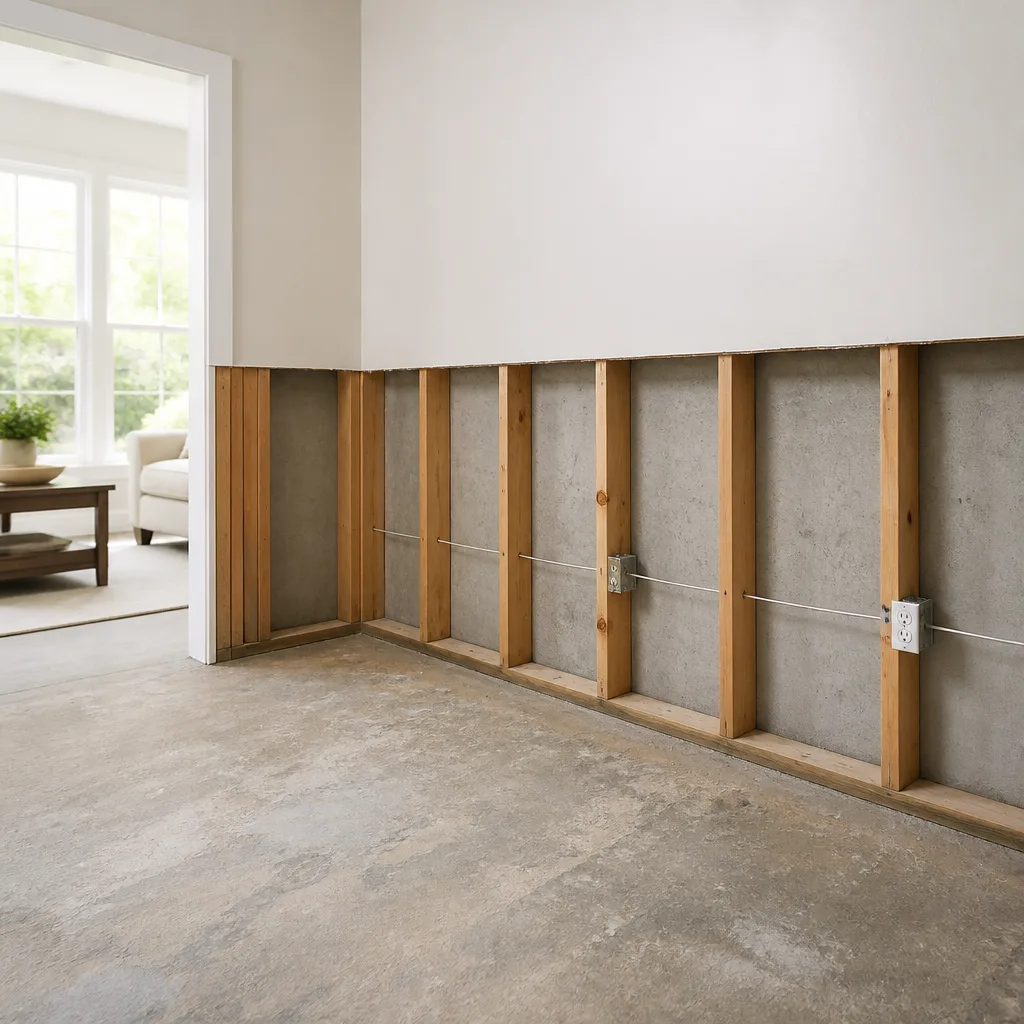
Sometimes yes, sometimes no, and the difference is what our moisture mapping shows. Drop ceilings and framed drywall hold smoke and water in layers, and subpanels that were exposed to firefighting water need an electrician’s assessment before we’ll re-energize them. In many Congers Capes we can save the framing by injecting dry air into cavities with Injectidry and running Dri-Eaz dehumidifiers, but if the block foundation itself is saturated with Category 2 or 3 water, cut-and-replace on the lower walls is the honest answer. We’ll show you the readings and let you decide with real information.
Will board-up and tarping on my Congers townhome hold against Hudson Valley storms that hit Rockland County?
Yes, properly installed board-up and tarping hold through the nor’easters and storm remnants that roll into Rockland County. We use heavy-gauge plywood secured to framing, not just nailed to trim, and we tarp roof openings with overlap that sheds water rather than trapping it. The key in Congers’s tightly spaced townhomes is securing the edges so high winds off Congers Lake don’t lift the tarp, which we re-check after every significant storm while your restoration is underway.
How do you handle pack-out of contents from a Congers home with severe smoke damage without causing more contamination?
We inventory and photograph everything before it moves, then pack items in sealed, labeled containers that travel directly to our cleaning facility. Nothing goes back into your home until it’s cleaned and the structural restoration is complete. This prevents the common mistake of shuffling smoky furniture into a clean room and re-contaminating the entire space, a real risk in Congers’s open-plan ranches where one large living area connects to the kitchen and hallway.
What’s the difference between ordinary smoke odor removal and thermal fogging in a Congers ranch with open floor plan?
Ordinary odor removal cleans surfaces; thermal fogging penetrates them. The fog is a fine aerosol that travels into the same wall cavities, duct runs, and porous framing that the smoke reached, chemically neutralizing the odor at its source. In a ranch with a shared airspace running from living room to kitchen to hall, fogging reaches places that scrubbing can’t, which is why it’s the standard for post-fire deodorization in Congers homes built in this style.
How fast can a crew actually reach my home in Congers after I call?
Our commitment is 45 minutes or less for emergency fire response anywhere in the Congers area, whether you’re near the lake, off Lake Road, or closer to Route 303. A live dispatcher answers at (914) 809-9936 and puts a local crew in motion while you’re still on the phone, so board-up and extraction can start the same visit.
Do you really bill my insurance company directly, or do I have to pay and wait?
We bill your carrier directly for covered losses. You pay your deductible, and we handle the rest of the claim paperwork, including adjuster communication, documentation, and any supplemental scope that becomes necessary during the restoration. Our 42 years in local communities have taught us that homeowners shouldn’t be the messenger, so we take that role off your plate entirely.
What should I do in the first 30 minutes after a fire in my Congers home?
Get everyone out and call 911 first if you haven’t already. Then, once the fire is out and the structure is cleared for entry, call (914) 809-9936. Don’t touch or wipe any soot, because you’ll embed it permanently into surfaces. Don’t turn on your HVAC system, which will spread smoke through the ductwork. Don’t plug in or use any electronics that were in the fire area. The faster we get containment and assessment started, the more of your home we can save, and the less the restoration costs.
Fire and smoke damage in Congers is never a one-size-fits-all job. The hamlet’s low-lying bowl, its finished basements, its 1960s housing stock, and its tight residential streets all shape how restoration has to be done. Our Fire & Smoke Damage Restoration team knows these conditions because we work in them every week, and we stand behind every job with the 90-Day Done Right Promise in writing. If you’re dealing with fire or smoke damage, call (914) 809-9936 now for a free inspection and a straight answer about what needs to happen next. We’ll be there when we say.
Written by Curt Bowman, Owner at Floodline Restoration Co., serving Congers, NY and surrounding communities since 2010.