
Last updated August 25, 2026
Free visual inspection and a written scope of work before any mitigation begins - photos, moisture readings, and drying logs go in your claim file
The scope we write is the scope we bill. Anything new gets shown to you, in writing, before we touch it.
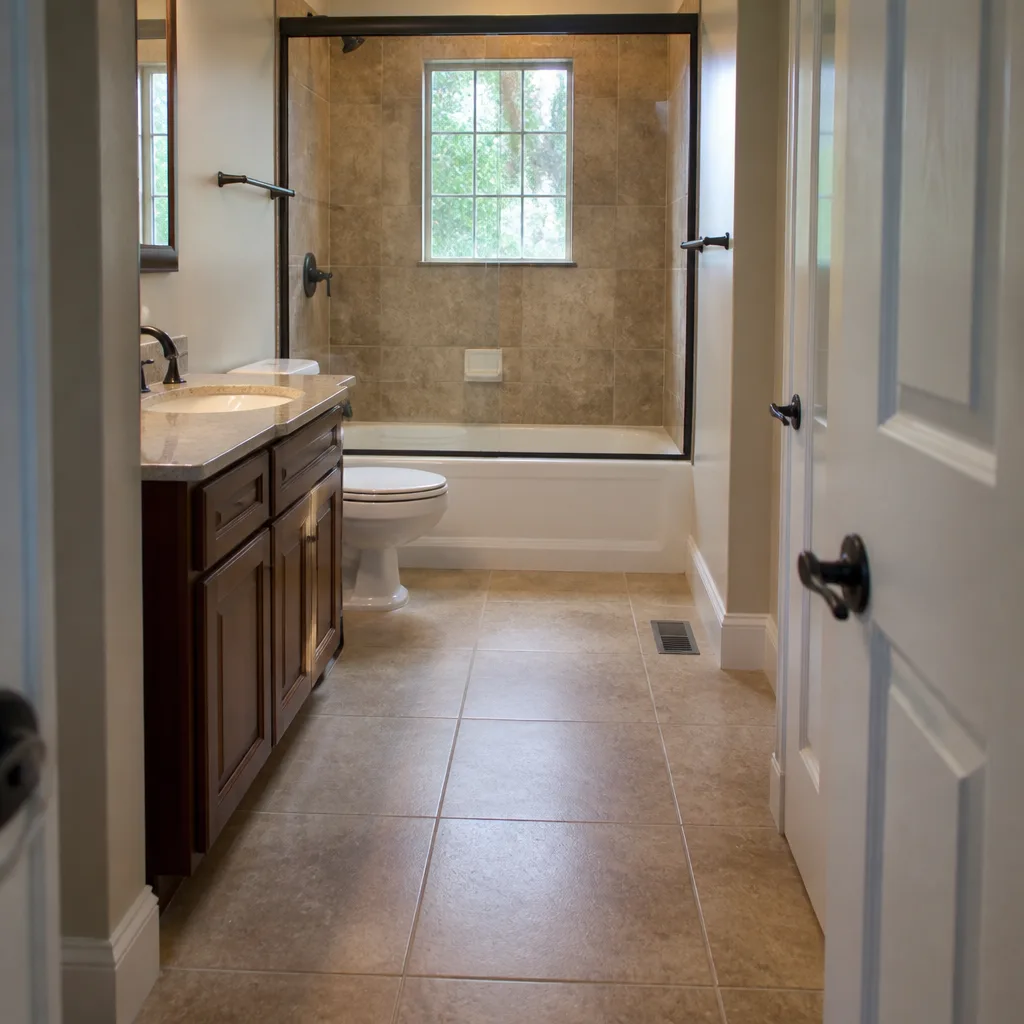
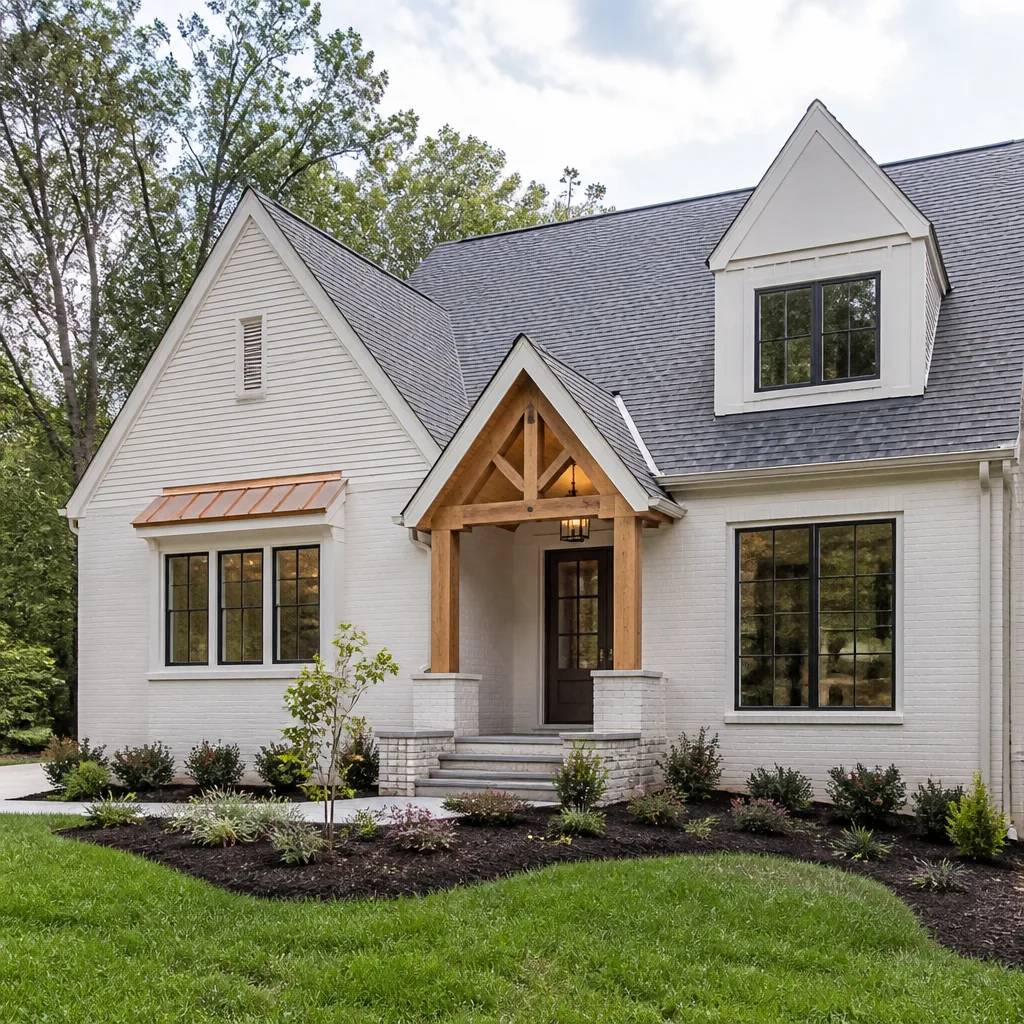
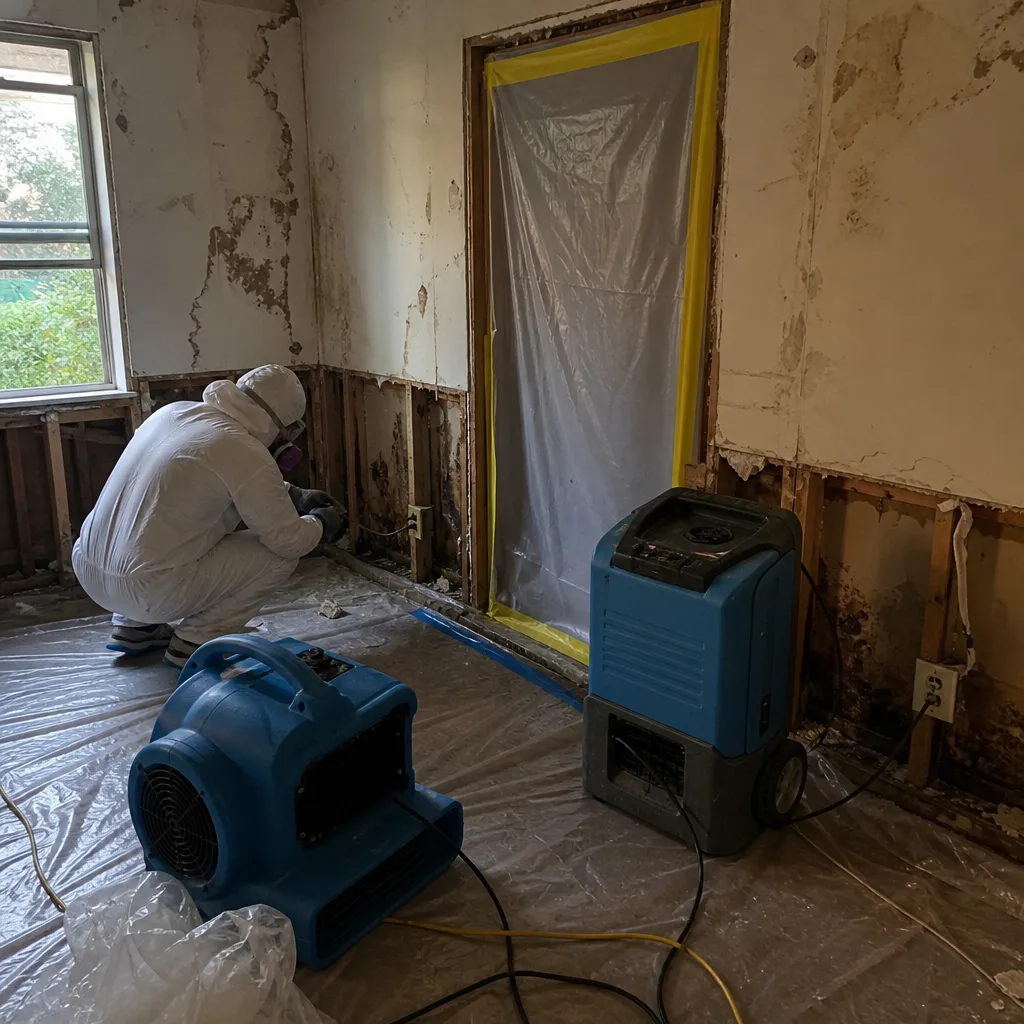 Before
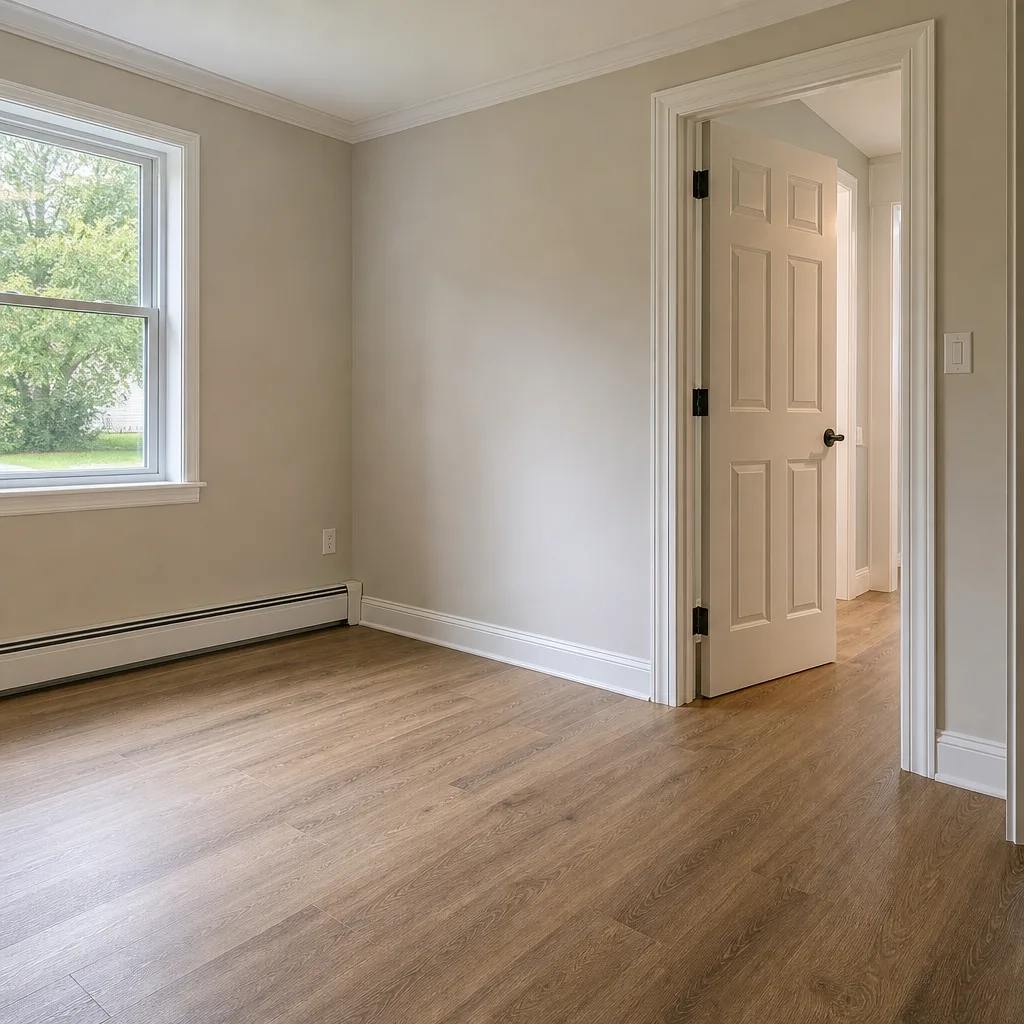 After
After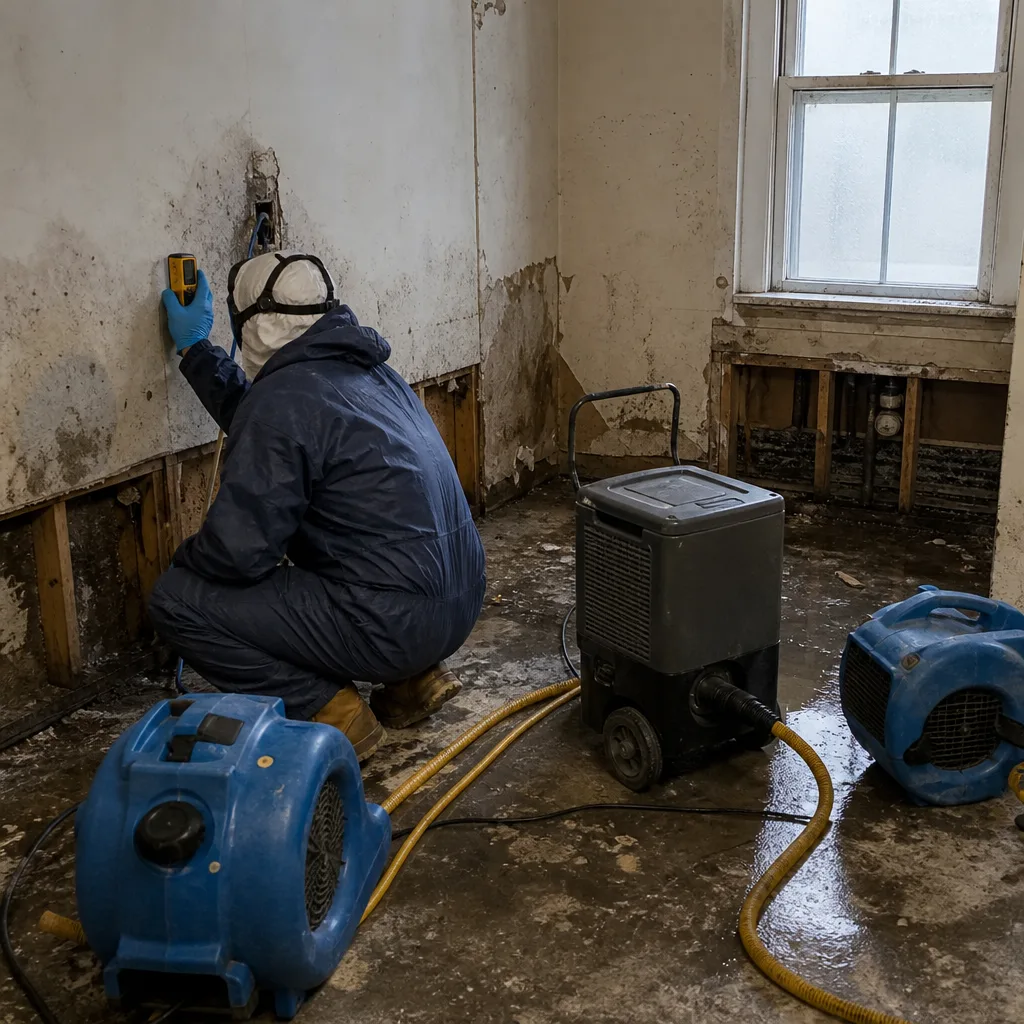 Before
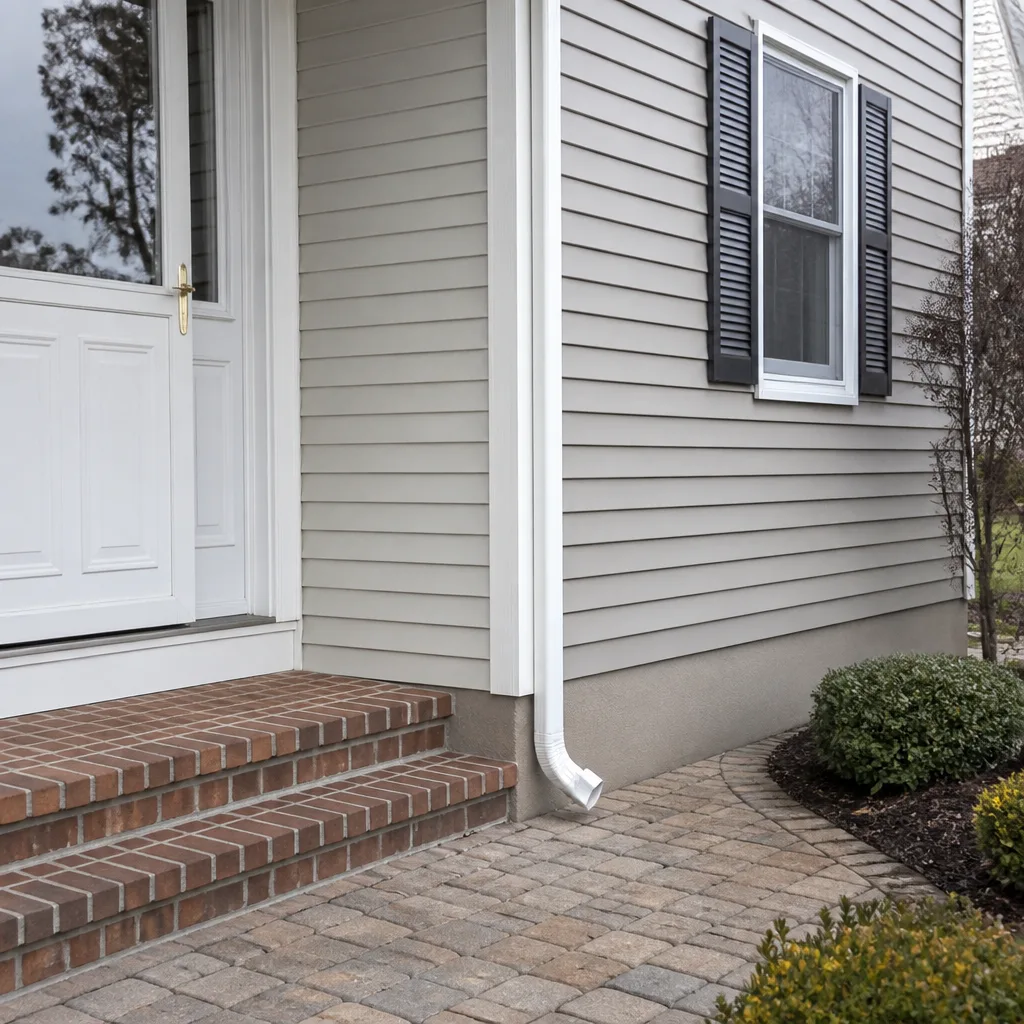 After
After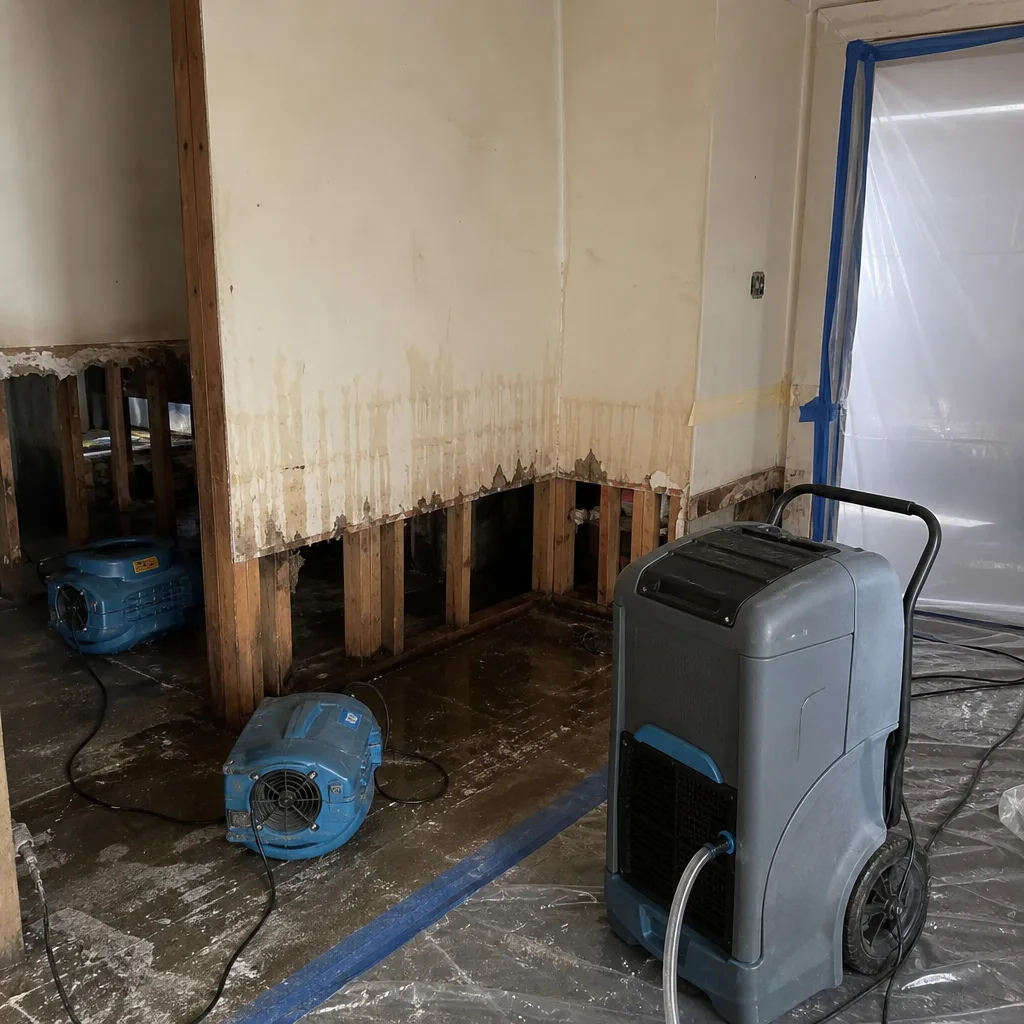 Before
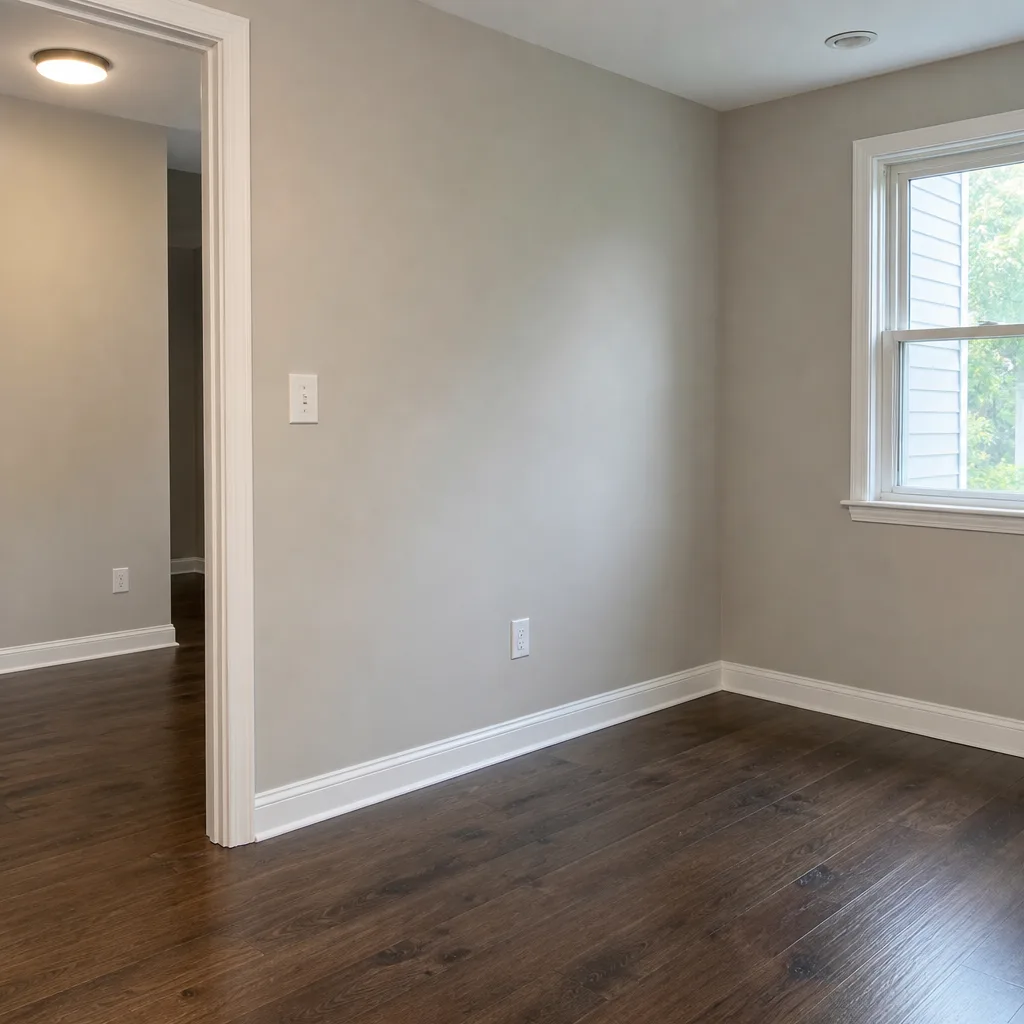 After
AfterWater Damage Restoration Maintenance Checklist for Bardonia Homeowners
Most Bardonia homeowners don’t lose a finished basement to the Ramapo River overflowing. They lose it to a slow drip behind the water heater, a gutter that’s been quietly dumping rainwater against the foundation since the Clinton administration, or a sump pump that gave out during a March nor’easter. This guide gives you a working maintenance checklist, built around the specific ways water gets into houses in Rockland County. You’ll learn what to check monthly, what to check seasonally, what you can handle yourself, and what needs a trained eye before a $400 fix becomes a $14,000 restoration.
Quick Answer
A water damage restoration maintenance checklist for Bardonia homeowners should cover monthly visual inspections of leak-prone areas, seasonal gutter and sump pump service, freeze protection for pipes each fall, quick response to humidity spikes, and an annual professional assessment of the basement and crawlspace. Catch these issues early and you avoid most of the damage we at Floodline Restoration Co. get called out for at 2 a.m.
Table of Contents
- Monthly Checks That Catch Problems Early
- Seasonal Maintenance for Bardonia’s Climate
- Basement and Crawlspace Moisture Control
- Plumbing and Appliance Leak Prevention
- Roof, Gutter, and Drainage Maintenance
- Your 72-Hour Emergency Response Plan
- Common Mistakes to Avoid
- When to Call a Professional
- Frequently Asked Questions
- The Bottom Line
Monthly Checks That Catch Problems Early
Water damage in Bardonia rarely announces itself. It starts as a faint musty smell near the laundry room, a warped baseboard behind the toilet, or a water bill that’s $20 higher than it should be. The monthly checks below take about twenty minutes total and catch most problems while they’re still in the “tighten a fitting” phase rather than the “tear out drywall” phase.
We’ve worked in houses on Germonds Road, along Route 304, and in the developments off Bardonia Road. The houses differ. The failure points don’t.
- Check every visible pipe, valve, and fitting in the basement and under sinks. Look for greenish corrosion on copper, rust on steel, mineral deposits, or any bead of water. Run a dry paper towel along joints and valve stems. If it comes away damp, you’ve found a slow leak.
- Inspect the water heater. Look at the floor around the base, the pressure relief valve, and the cold water inlet. Rust flakes on the floor mean the tank is rusting from the inside out. A water heater in Bardonia typically lasts 8 to 12 years. If yours is older than that, plan to replace it before it fails.
- Check under every sink and around every toilet. Push on the floor with your heel. If it feels spongy, water has already gotten into the subfloor. Check for loose toilet bolts, which let water seep past the wax ring every time someone sits down.
- Check the washing machine hoses. Rubber hoses under pressure fail suddenly. Look for bulges, cracks, or weeping at the crimped ends. If your hoses are more than five years old, replace them with braided stainless steel.
- Note the humidity level in the basement. If you don’t have a hygrometer, get one. Anything consistently above 60% relative humidity in a Bardonia basement invites mold and condensation damage, even with no active leak.
None of this requires special tools or training. It requires consistency. The homeowner who checks once a month catches the slow drip. The homeowner who checks once a year catches the finished basement that has to be torn out. The Floodline Restoration Co. home team keeps seeing the same pattern: by the time you can smell it, it’s been leaking for weeks.
Seasonal Maintenance for Bardonia’s Climate
Bardonia gets every kind of weather. Freeze-thaw cycles in February, heavy spring rain in April, humid summers that push moisture against cool basement walls, and autumn leaves that clog gutters just before the November storms. Each season has its own maintenance rhythm.
Fall (October through November)
- Clean gutters and downspouts twice: once after the bulk of leaves have fallen, once before the first hard freeze. Clogged gutters overflow and dump thousands of gallons against the foundation over a single winter.
- Disconnect and drain garden hoses. A hose left attached to an outdoor spigot can freeze back into the wall and split the copper pipe inside the house.
- Install insulating covers on outdoor spigots.
- Check the sump pump. Pour a bucket of water into the pit and confirm the pump kicks on and discharges outside. If it doesn’t, deal with it now, not during the first big storm.
- Test the back-up sump pump or battery system if you have one. Bardonia’s power grid is reliable until a hundred-year storm rolls through and it isn’t.
Winter (December through February)
- Keep the house at 55°F or warmer even if you’re away. Pipes in exterior walls and crawlspaces freeze surprisingly fast when a house is left cold during a Bardonia cold snap.
- Open cabinet doors under kitchen and bathroom sinks on especially cold nights so warm room air reaches the pipes.
- Check for ice dams after heavy snow. Icicles hanging off the roofline mean warm air is escaping the attic and melting snow that re-freezes at the eave, forcing water back under the shingles.
Spring (March through May)
- Check the foundation for cracks that opened during the winter. Freeze-thaw cycles move concrete. A crack that appears small in March can channel significant groundwater during a spring downpour.
- Re-attach hoses only after the last hard freeze. Check the outdoor spigot itself for drips before you do.
- Inspect the roof for missing, cracked, or lifted shingles from winter wind. Flashing around chimneys and vents loosens over time.
Summer (June through August)
- Run a dehumidifier in the basement. Bardonia summers produce humidity high enough to condense on uninsulated pipes and concrete walls. A good dehumidifier set to 50% prevents most seasonal basement dampness.
- Check condensate lines on the air conditioner. A clogged condensate drain overflows slowly, usually into a spot nobody looks at until the ceiling below it stains.
- Walk the yard after a heavy rain. Look for standing water near the foundation or gutters overflowing at seams. Grading settles over time; if water runs toward the house now, it’ll keep running toward the house until you regrade.
In our experience, most preventable water damage in Bardonia traces back to one skipped seasonal task. The fall gutter cleaning that didn’t happen. The hose left on the spigot. The sump pump that wasn’t tested. These are cheap to do and expensive to ignore.
Basement and Crawlspace Moisture Control
The basement is the most common place water shows up in Bardonia homes, and the most common place it does damage silently. Concrete is porous. Groundwater presses against foundation walls constantly, and any crack or weak point becomes a path for moisture, even when there’s no visible standing water.
Here’s the framework we use when we assess a basement or crawlspace:
- Keep gutters extended at least 6 feet from the foundation. The standard 3-foot splash block is not enough. That water soaks into the backfill right next to the wall and finds its way through the frost line.
- Grade the ground to slope away from the house. A slope of 6 inches over 10 feet is the target. If the ground is flat or sloping back toward the house, every rain event is loading water against the foundation.
- Seal foundation cracks with professional-grade epoxy or polyurethane injection. Surface caulk fails. A proper injection fills the crack through the entire wall thickness and stops water from wicking through.
- Vapor barrier in the crawlspace. Exposed dirt in a crawlspace releases constant moisture, which rises into the floor framing. A 6-mil or thicker polyethylene sheet over the dirt, overlapped and sealed at the seams, cuts that moisture source dramatically.
- Monitor with a humidity meter. Keep the basement below 60% relative humidity. Between 30% and 50% is ideal. Above 60%, mold spores start reproducing on any organic surface: drywall paper, wood studs, cardboard boxes, stored furniture.
Some Bardonia houses have older stone foundations, common in the pre-war homes around town. Stone foundations are not waterproof and were never intended to be. They breathe. For those houses, managing exterior drainage and running a dehumidifier is more effective than trying to seal the interior, which can trap moisture in the wall and cause spalling.
Plumbing and Appliance Leak Prevention
Appliances and plumbing supply lines cause a large share of the water damage claims we see in Rockland County. The pattern repeats: a braided supply line that was fine for fifteen years lets go one afternoon, a dishwasher drain hose gets brittle, a water heater tank rusts through. The house doesn’t care that the part looked fine last week.
Here’s the prevention checklist:
- Replace washing machine hoses every 5 years, no exceptions. Braided stainless steel hoses are the standard. Write the install date on the hose with a permanent marker so you know when it’s due.
- Install a water alarm near the water heater, washing machine, dishwasher, and sump pit. These are battery-powered pucks that shriek when they touch water. They cost under $20 and they tell you about a leak while it’s still a puddle, not a flood.
- Know where your main water shutoff is, and make sure it works. If you can’t turn the valve by hand, have it replaced. When a supply line burst, the minutes you save knowing exactly how to stop the water are the difference between a mop-up and a restoration job.
- Inspect refrigerator ice maker supply lines. The thin plastic tubing behind the fridge is a notorious failure point. Replace plastic with copper or braided stainless, and check the connection every time you pull the fridge out to clean.
- Check water pressure. Municipal water pressure in Bardonia runs high enough in some areas to stress fittings and appliance hoses. A pressure gauge on an outdoor spigot should read between 40 and 60 psi. Above 80 needs a pressure reducing valve.
When we walk into a Bardonia basement after a plumbing failure, the homeowner usually tells us the same thing: “It came out of nowhere.” It didn’t. Most of these failures leave hints for weeks or months. The hints are just easy to miss if nobody’s looking.
Roof, Gutter, and Drainage Maintenance
Water damage doesn’t always start at eye level. A surprising amount of it starts at the roofline and works its way down. The roof, gutters, downspouts, and perimeter drainage are one continuous system. When one part fails, the failure travels downward until it reaches the foundation or the interior walls.
Here’s what to check and maintain:
- Clean gutters at least twice a year, more if you have large trees near the house. Bardonia’s older neighborhoods have mature oaks and maples that drop a serious leaf load. Clogged gutters overflow backward into the fascia, soffit, and wall cavities. They also overflow at the outer edge and soak the ground right against the foundation.
- Check downspouts for clogs. Tap the side of the downspout. If it sounds solid instead of hollow, it’s packed with debris. Run a hose from the top down to flush it, or take it apart if it’s sectional.
- Inspect the attic for stains on the roof sheathing. Go up on a dry day with a flashlight. Dark stains on the underside of the roof deck mean water has gotten in at some point. If the stain is active, you need a roofer. If it’s old and dry, you still need to know why it happened and whether the decking was weakened.
- Check the roof flashing. Flashing is the sheet metal around chimneys, vents, skylights, and wherever a roof plane changes. It’s the most common point of roof leaks, not the shingles themselves. Look for lifted, rusted, or missing flashing.
- Keep an eye on the roof valleys. The V-shaped channels where two roof planes meet carry more water than any other part of the roof. Debris that accumulates there holds water against the shingles and accelerates wear.
One thing specific to Bardonia and much of Rockland County: ice dams are a real concern in winter. If your attic is poorly insulated or ventilated, heat escapes through the ceiling, warms the roof deck, and melts snow from the bottom up. The meltwater runs to the cold eave and re-freezes, building a dam that backs water up under the shingles. The fix is attic insulation and ventilation, not pounding ice off the roof with a hammer, which makes the problem worse.
Your 72-Hour Emergency Response Plan
No maintenance plan prevents everything. A pipe bursts, a sump pump fails during a storm, a water heater gives out on a Sunday night. What you do in the first 72 hours determines whether you’re dealing with a cleanup or a full restoration. It also determines whether mold takes hold, because mold colonies start forming on wet drywall and carpet within 24 to 48 hours in typical Bardonia indoor conditions.
Here’s the plan every homeowner should have written down somewhere accessible:
- Stop the water. Shut off the main water valve if the source is a burst pipe or failed appliance. If the water is coming from outside, that won’t help, but it’s always the first move when it applies.
- Kill the power only if water is near electrical outlets or appliances. Do not stand in water to reach the panel. If the breaker panel is wet, call the utility company or an electrician.
- Call your insurance company. Report the loss. Ask what’s covered. Many Bardonia homeowners have standard policies that cover sudden and accidental water damage, but not slow leaks that happened over time. Know where you stand before you agree to anything.
- Call a restoration company that handles both extraction and rebuild. The fewer companies involved, the fewer finger-pointing matches later. At Floodline Restoration Co., the same crew that reads the moisture map on day one handles the daily readings, hands the log to you and the carrier, and rebuilds what needs rebuilding. No mid-job handoff, no inherited crew.
- Document everything. Photograph the damage before anything is moved. Photograph the wet materials, the water level, the serial numbers on damaged appliances. Your carrier needs this, and so do you.
- Move valuables only if safe. Furniture, rugs, photo boxes, anything porous that’s sitting in water should be removed to a dry area if you can do it without risk. Don’t walk through standing water that might be contaminated. Sewage backups and exterior floodwater carry bacteria.
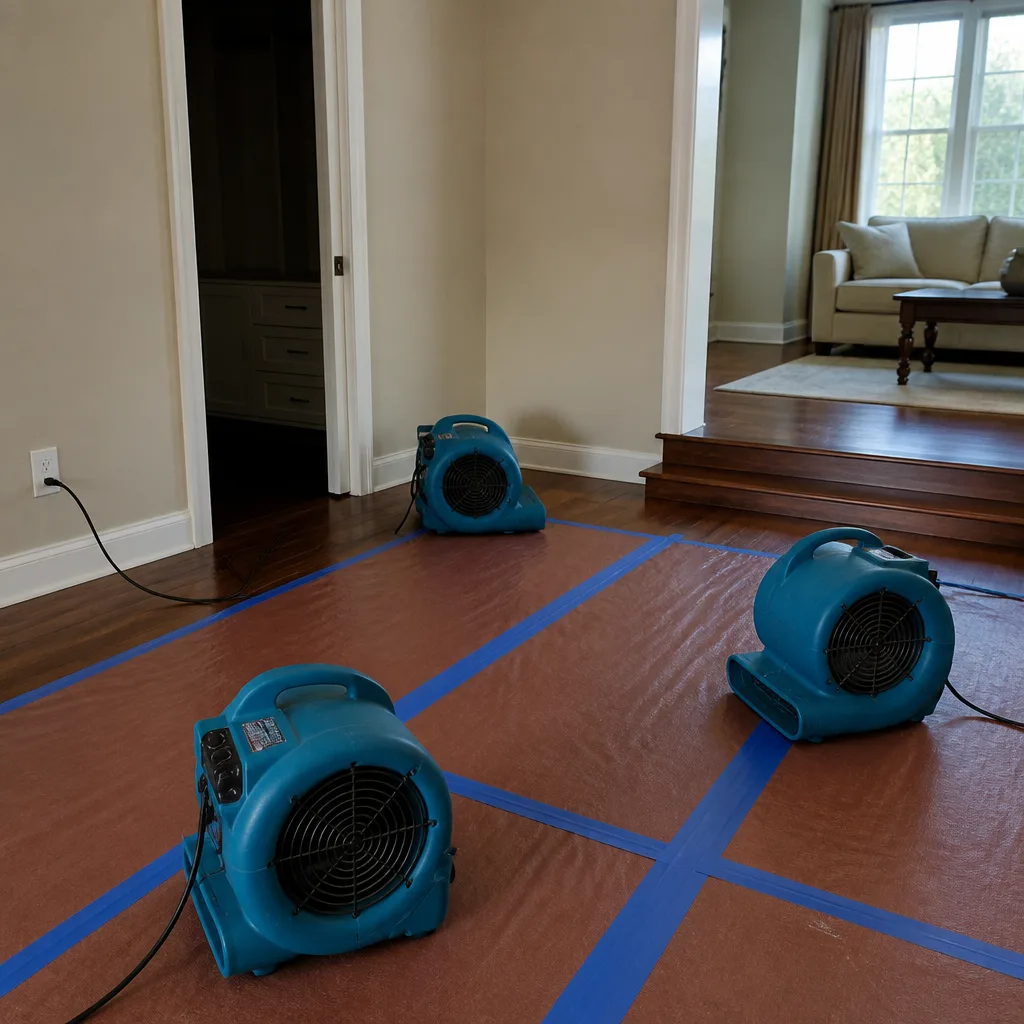
The single most important factor in whether a water damage event becomes a whole-house problem is time. Drying needs to start the same day. Professional-grade air movers and dehumidifiers, the Dri-Eaz and Phoenix equipment our certified technicians run, extract moisture from the air and structural materials far faster than any rental unit from a big-box store. The longer water sits in drywall, insulation, and subfloor, the more gets torn out and the more the rebuild costs.
Common Mistakes to Avoid
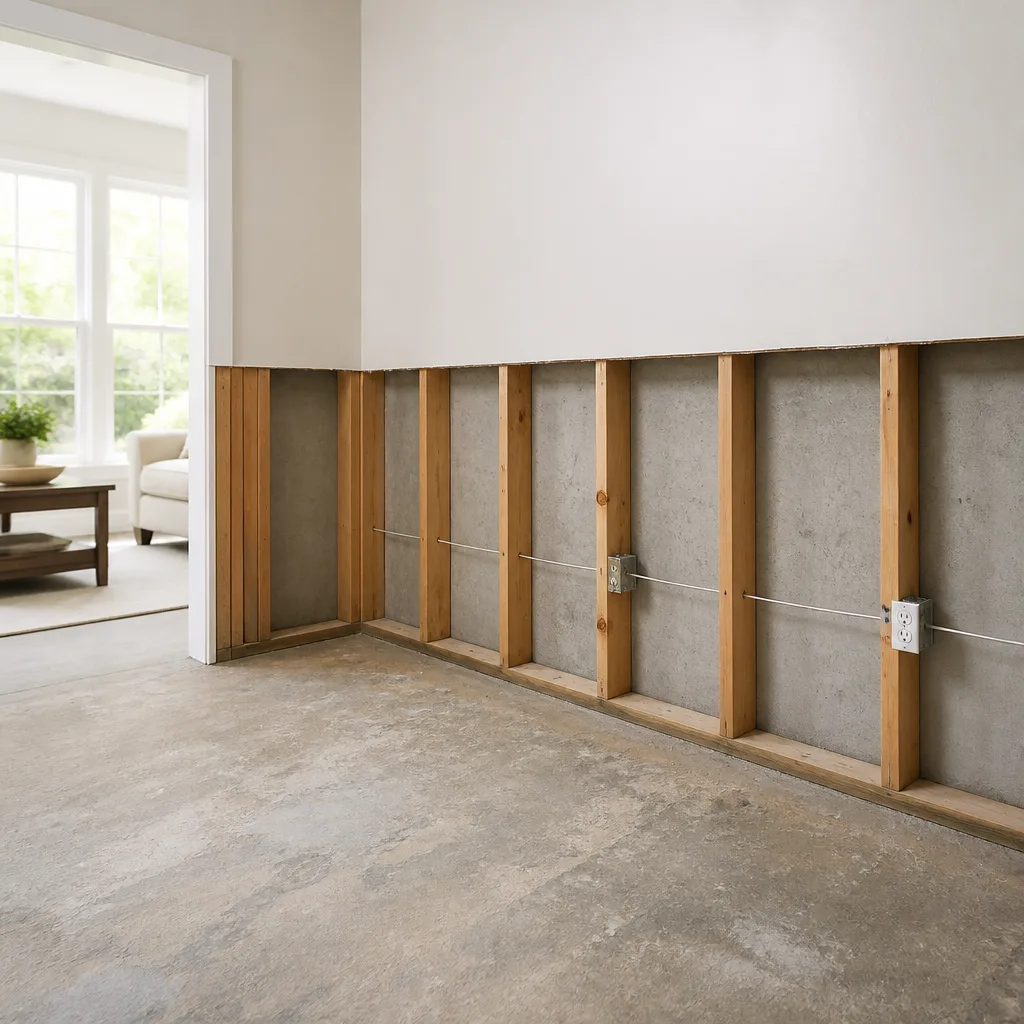
- Assuming a small leak is a small problem. A pinhole leak behind a wall can soak insulation, rot studs, and grow mold for months before anyone notices. By the time water is visible on the finished surface, the problem has been running silently behind the wall. We’ve opened walls in Bardonia homes where a tiny supply leak had soaked an entire stud bay.
- Going after ice dams with a hammer or rock salt. Pounding ice off the roofline chips shingles and tears flashing. Rock salt corrodes metal and kills landscaping. The right fix is attic insulation and ventilation, plus roof raking to remove snow before it melts and re-freezes.
- Running a box fan on a wet basement and calling it dry. A box fan moves air across the surface and dries the very top layer. It does not pull moisture out of drywall, wood flooring, or insulation. That takes commercial-grade dehumidification. The wall may feel dry to the touch while it’s still saturated beneath.
- Paying an insurance premium for years, then never calling the carrier because you’re afraid the rate will go up. That’s what the policy is for. A water damage claim that’s reported late, after mold has set in, is far harder to get covered than one reported on day one.
- Hiring a contractor who wants to tear everything out before taking moisture readings. A proper assessment starts with meters in the walls and floors, not a crowbar. The moisture map determines what gets dried and what gets removed. Any contractor who skips that step is guessing, and you’re paying for the guess.
- Waiting until spring to deal with a musty smell you noticed in February. If you can smell it, mold is already reproducing. The longer it goes, the worse the remediation and the bigger the crew. Call at the first smell, not the first visible bloom.
When to Call a Professional
Some jobs are weekend DIY. Some aren’t. Call a professional when water has touched drywall, insulation, flooring, or anything with a paper or fiber face, because those materials wick water upward and hold it. Call when the water came from a sewage backup, a dishwasher that had been running a dirty load, or any outside flood source, because that water qualifies as contaminated and needs proper sanitation, not just drying. Call when you can’t locate the source of the leak, because opening walls to hunt for it is how houses get torn apart unnecessarily. And call when a previous repair failed, because whatever was done didn’t fix the underlying problem. Floodline Restoration Co. offers free estimates in Bardonia. Call (914) 809-9936 and a live dispatcher picks up, any hour, every day of the year.
Frequently Asked Questions
Water damage restoration in Bardonia typically ranges from $1,500 to $8,000 depending on the extent of the damage. A small category 1 clean-water leak caught the same day might run $1,500 to $2,500 for extraction, drying, and minor repairs. A finished basement flood with sewage contamination or water that sat for days often exceeds $8,000 once demolition, sanitation, drying, and rebuild are included. Call (914) 809-9936 for an exact quote; estimates are free and there’s no pressure.
Most homeowners insurance policies in New York cover sudden and accidental water damage, such as burst pipes, overflowing washing machines, or water heater failures. They generally do not cover slow leaks that happened over months, groundwater seepage through foundation cracks, or flood damage from outside sources unless you carry separate flood insurance. Floodline Restoration Co. bills your carrier directly and provides photo documentation and daily moisture logs so your adjuster has what they need.
Floodline Restoration Co. answers every call with a live dispatcher, 24 hours a day, and works to get a certified crew on site the same day. In Bardonia, that typically means a crew arrives within hours of your call, not days. Extraction equipment usually runs the same visit. The goal is to stop the water and start drying before mold has time to establish, which takes 24 to 48 hours in typical indoor conditions.
If water has soaked into drywall, flooring, insulation, or wooden framing, a fan will not dry it. Air movement alone only dries the surface; moisture trapped inside building materials keeps wicking and keeps that damp, musty environment alive. Professional restoration uses commercial dehumidifiers and air movers from Dri-Eaz, XPOWER, and B-Air, placed according to a moisture map, with daily readings until the materials hit the dry standard. Skipping that step is how mold starts inside walls.
Ask for the moisture log. A professional restoration company in Bardonia should test walls, floors, and framing with moisture meters before, during, and after drying. The log shows the numbers trending down until they reach the dry standard for that material. Floodline Restoration Co. hands that log to the homeowner and the insurance carrier at the end of every job. If a contractor won’t show you moisture readings, that’s a sign the drying wasn’t done properly.
Based on our 15-plus years serving Bardonia and the surrounding area, the most common call we get is a finished basement flooded by a failed sump pump or a water heater that rusted through. Bardonia’s high water table in certain areas and the number of homes with finished basements make basements the primary battleground. The second most common is ice dam damage in winter. The third is washing machine supply line bursts, which happen with almost no warning when rubber hoses age out.
The Bottom Line
Water damage prevention in Bardonia is a habit, not a project. Check the leak-prone areas every month. Do the seasonal gutter, sump pump, and pipe-freeze tasks before the weather forces you to. Manage basement humidity year-round. And when water does get in despite all of it, move fast: stop the source, document the damage, call your carrier, and get a certified crew started on extraction and drying the same day. If the work isn’t done right, the 90-Day Done Right Promise from Floodline Restoration Co. means you call us back and we make it right. No paperwork battles, no arguing. That’s the Keystone Standard, and it’s in writing. Call (914) 809-9936 any time.
Written by Curt Bowman, Owner at Floodline Restoration Co., serving Bardonia since 2010.