
Last updated August 25, 2026
Free visual inspection and a written scope of work before any mitigation begins - photos, moisture readings, and drying logs go in your claim file
The scope we write is the scope we bill. Anything new gets shown to you, in writing, before we touch it.


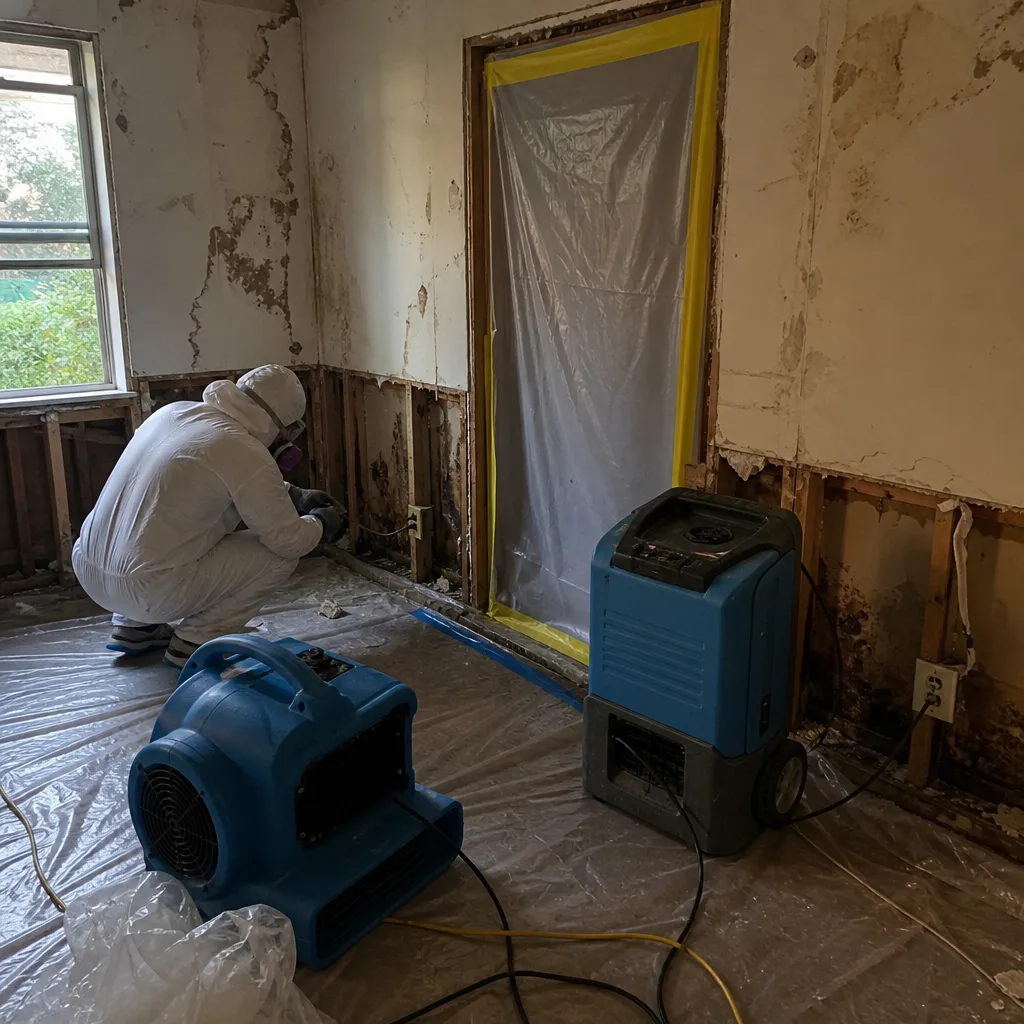 Before
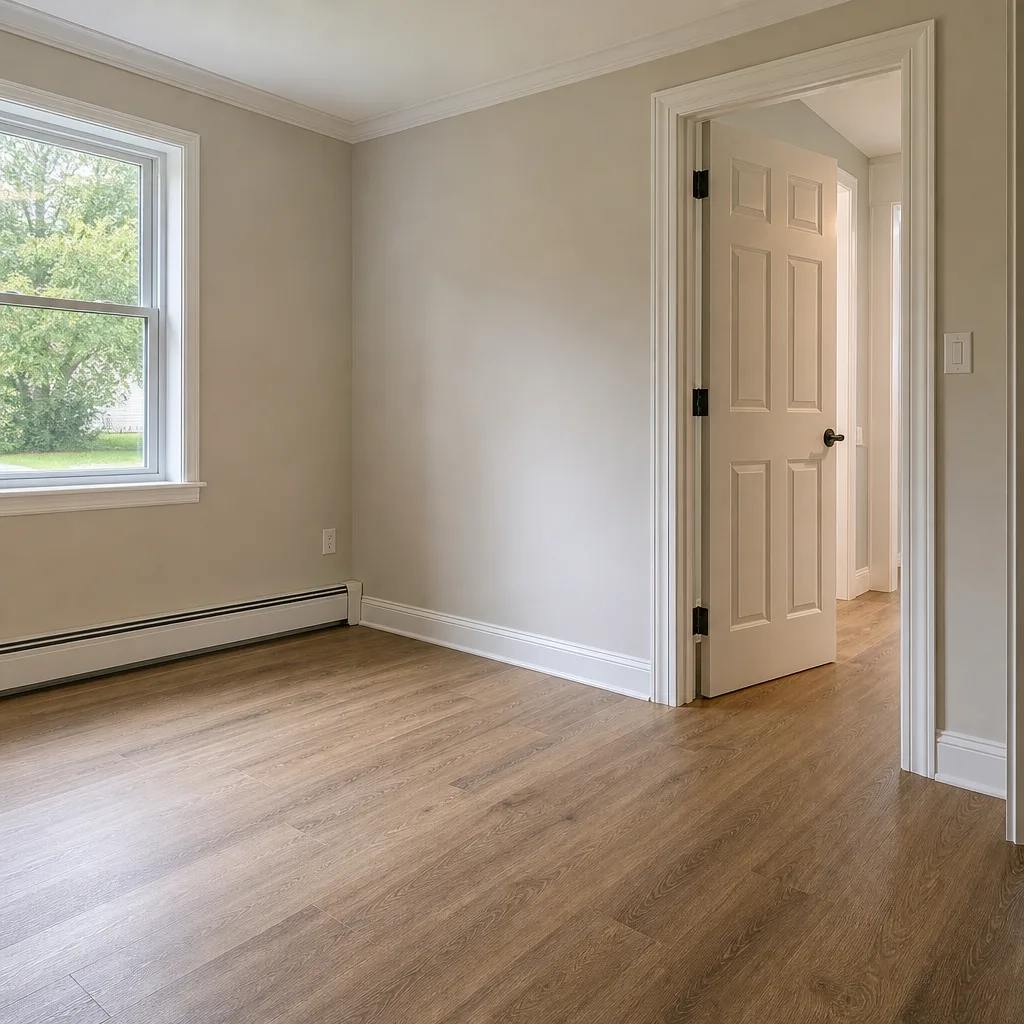 After
After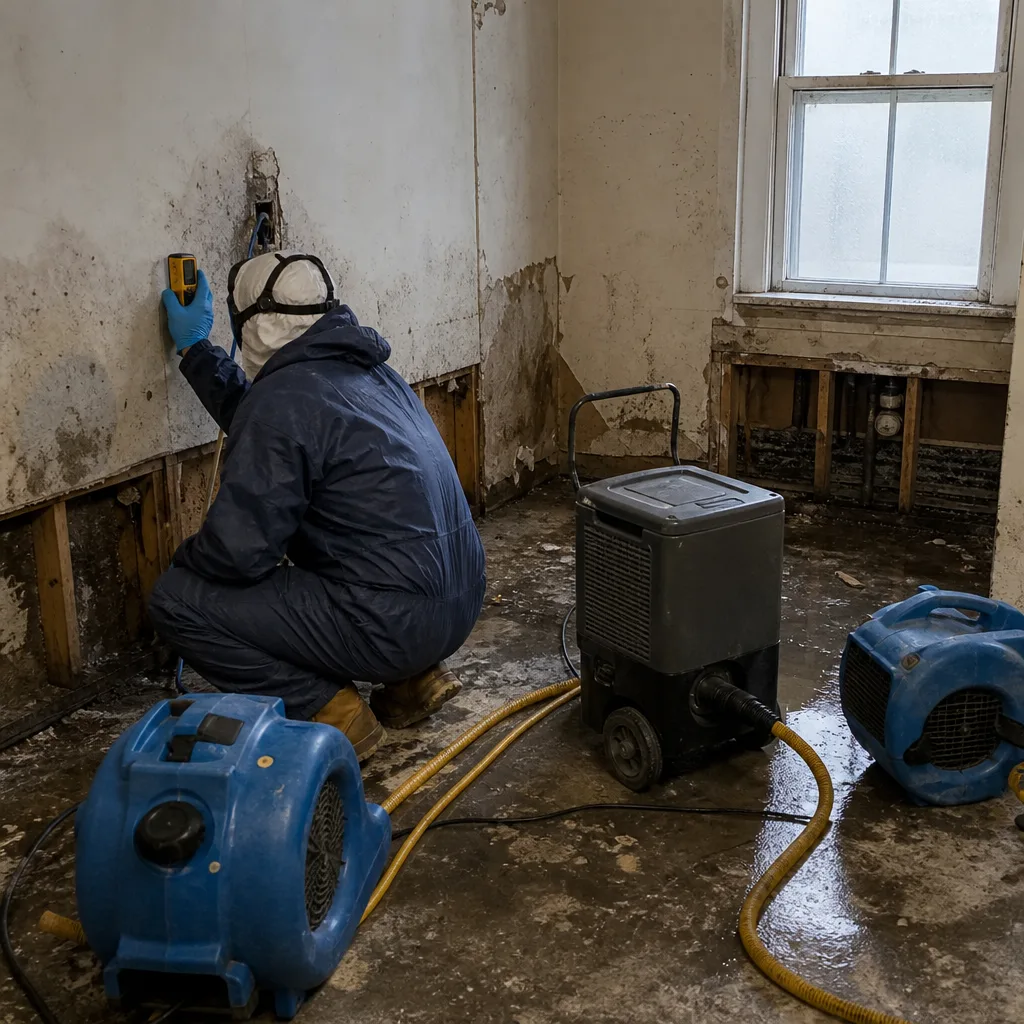 Before
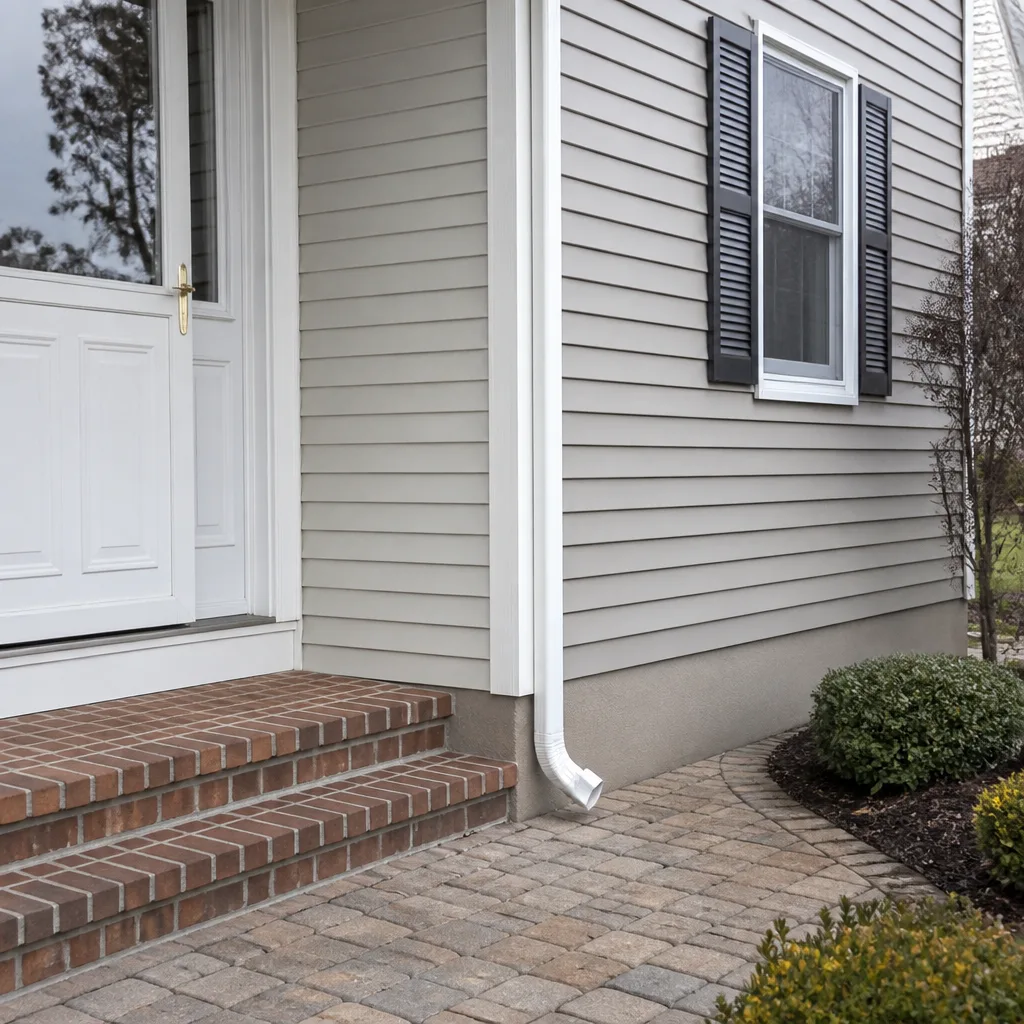 After
After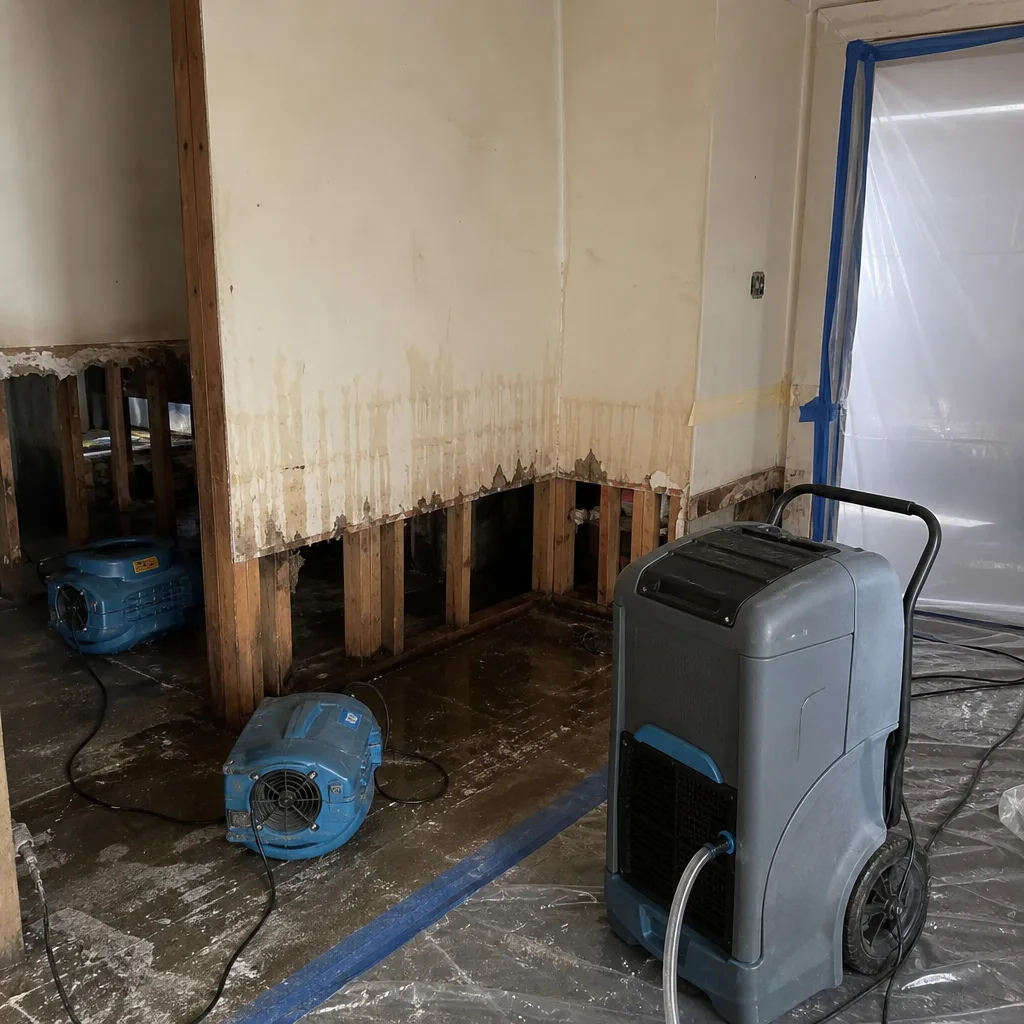 Before
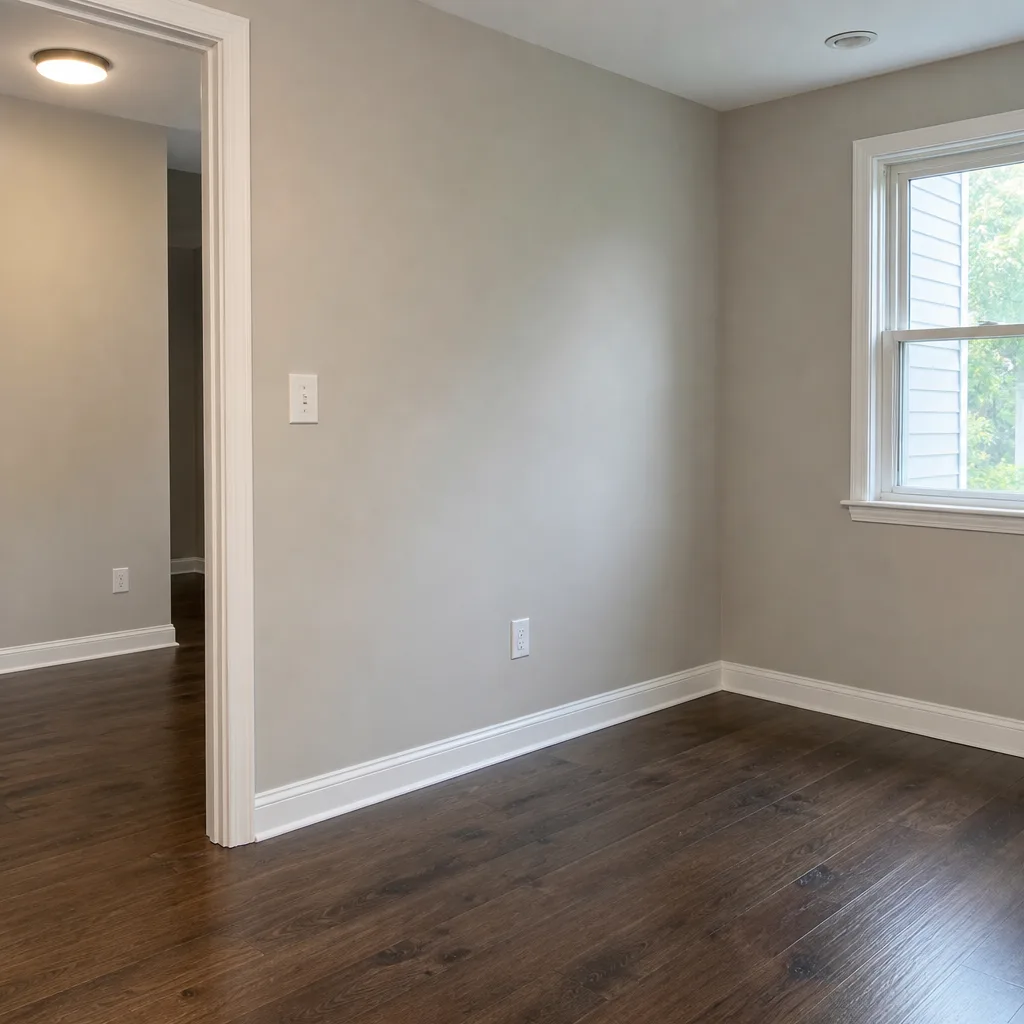 After
AfterSeasonal Damage Restoration Care for Bardonia: Year-Round Homeowner’s Guide
Most Bardonia homeowners don’t think about water damage until the water is already inside the house. That’s the uncomfortable truth, and it’s why restoration companies exist in the first place. By the time a finished basement in Bardonia has two inches of standing water, the clock has been running for hours, not minutes. This guide walks through what actually happens to a Rockland County house across all four seasons, where the weak points are in the typical Bardonia home, what you can realistically handle yourself, and when the smart move is to pick up the phone. You’ll learn how our local freeze-thaw cycle punishes foundations, why spring snowmelt hits certain Bardonia streets harder than others, and what a proper seasonal inspection should actually catch before it becomes a five-figure repair.
Quick Answer
Seasonal damage in Bardonia follows a predictable rhythm: winter freeze-thaw cycles crack foundations and burst pipes, spring snowmelt and heavy rains test sump pumps and grading, summer humidity drives mold growth in basements and crawl spaces, and fall leaf litter clogs gutters that then dump water against foundation walls. The single most effective thing a Bardonia homeowner can do is a four-season inspection routine focused on water diversion, drainage, and humidity control. The second most effective thing is knowing which problems need a professional immediately, because water damage doubles in cost roughly every 24 to 48 hours it’s left untreated.
Table of Contents
- Winter Freeze-Thaw Cycles and Pipe Bursts in Bardonia
- Spring Snowmelt, Sump Pumps, and Basement Flooding
- Summer Humidity, Mold Growth, and Crawl Space Problems
- Fall Leaf Litter, Clogged Gutters, and Foundation Saturation
- The Four-Season Inspection Checklist for Bardonia Homes
- What Your Homeowner’s Insurance Actually Covers Seasonally
- Common Mistakes to Avoid
- When to Call a Professional
- Frequently Asked Questions
- The Bottom Line
Winter Freeze-Thaw Cycles and Pipe Bursts in Bardonia
Bardonia sits in a climate that oscillates around the freezing point for weeks at a time between December and March. That oscillation is the real danger. When water freezes, it expands by roughly 9 percent, and when it thaws, it contracts. Repeated cycles work on concrete, mortar, and pipe fittings like a slow hammer. Homes in Bardonia built in the 1960s and 1970s, especially those along Germonds Road and the side streets off Route 304, often have copper supply lines running through uninsulated rim joists or along exterior walls in the garage. Those are the first pipes to go.
The pipe burst itself is bad, but the freeze-thaw cycle is also what turns a hairline foundation crack into a water intrusion point. A crack that lets in a trickle in January can be a steady seep by March because the ice has wedged it open wider each week. We’ve seen foundation cracks in Bardonia go from invisible to quarter-inch over a single winter. The water doesn’t care about the season. It just waits for the opening.
What to check in winter:
- Exposed pipes in garages, crawl spaces, and exterior walls. If you can see copper, it should be wrapped. Foam insulation sleeves cost a few dollars per six-foot length.
- Hose bibs and outdoor spigots. Every year, someone forgets to shut off the interior valve and drain the line. The split happens inside the wall, and the leak doesn’t show until spring.
- Foundation walls after a hard freeze. Walk the perimeter with a flashlight. Look for new vertical or stair-step cracks. Mark them with chalk and measure again in spring.
- Attic insulation and ventilation. Ice dams form when heat escapes through the attic, melts snow on the roof, and the meltwater refreezes at the eaves. The water then backs up under shingles and into the house.
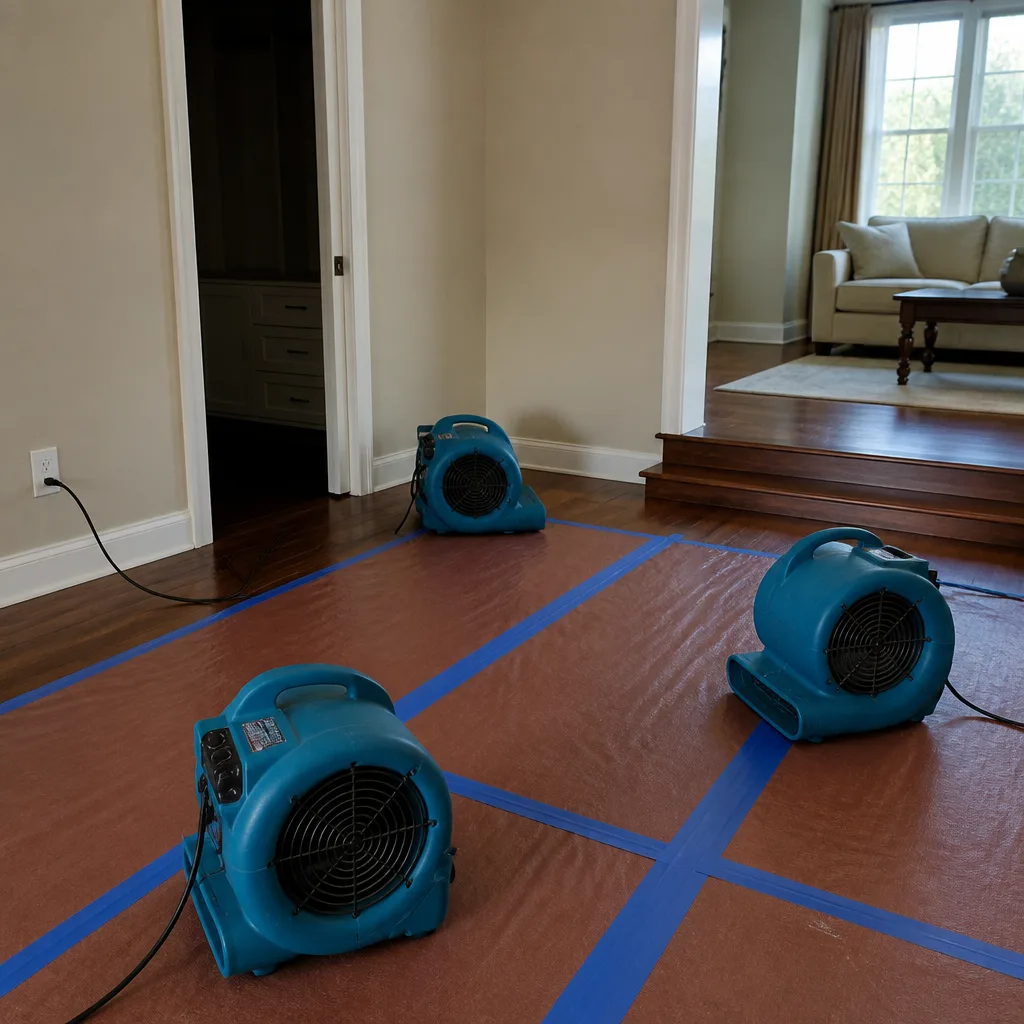
When a pipe does burst in Bardonia, the water is rarely clean by the time it’s discovered. If the burst happens in a supply line behind drywall, it can run for hours or days before anyone notices. The water picks up drywall dust, insulation fibers, and whatever else sits in the wall cavity. That’s a Category 2 or Category 3 water loss by IICRC definitions, and it requires more than a shop vac and a fan. The right equipment matters: high-volume extractors, air movers like XPOWER units, and commercial dehumidifiers from Dri-Eaz or Phoenix. A homeowner with a box fan and a dehumidifier from the hardware store is fighting a structure fire with a garden hose. It looks like the right idea, but it’s not built for the job.
Spring Snowmelt, Sump Pumps, and Basement Flooding
March and April are the busiest months for water damage calls in Bardonia, and it’s not even close. The snowpack melts in waves, often accelerated by spring rain, and all that water has to go somewhere. In neighborhoods where the water table sits high, that somewhere is the basement.
Bardonia’s soil is a mix of clay and glacial till, and clay drains slowly. That means surface water doesn’t percolate away quickly after a storm. It pools, finds the path of least resistance, and seeps through foundation cove joints, floor cracks, and the seam where the wall meets the footer. Homes in lower-lying sections of Bardonia, particularly those near the Hackensack River watershed on the western edge of town, deal with this every March. The question isn’t whether the water will rise. It’s whether the sump pump will be working when it does.
Sump pump failure: the most common spring disaster
- The pump is old. Most pedestal and submersible sump pumps last 7 to 10 years. If yours is older than that and you’ve never tested it, assume it will fail during the first big melt.
- The float switch is stuck. Debris, mineral buildup, or simple wear can keep the float from rising. The pump never turns on, and the basin overflows.
- The discharge line is frozen or clogged. The line that carries water away from the foundation can freeze solid in early March, especially if the discharge point is close to the house. The pump runs, the water has nowhere to go, and the pump burns out.
- The power goes out. Spring storms knock out power in parts of Bardonia every year. A sump pump on a standard outlet does nothing during an outage. A battery backup or water-powered backup is not a luxury in a finished basement.
- The pump is undersized. A 1/3-horsepower pump might have been fine for the first twenty years of the house’s life. But if the water table has shifted, or if grading changes on neighboring properties have redirected runoff toward your foundation, that pump is now outmatched.
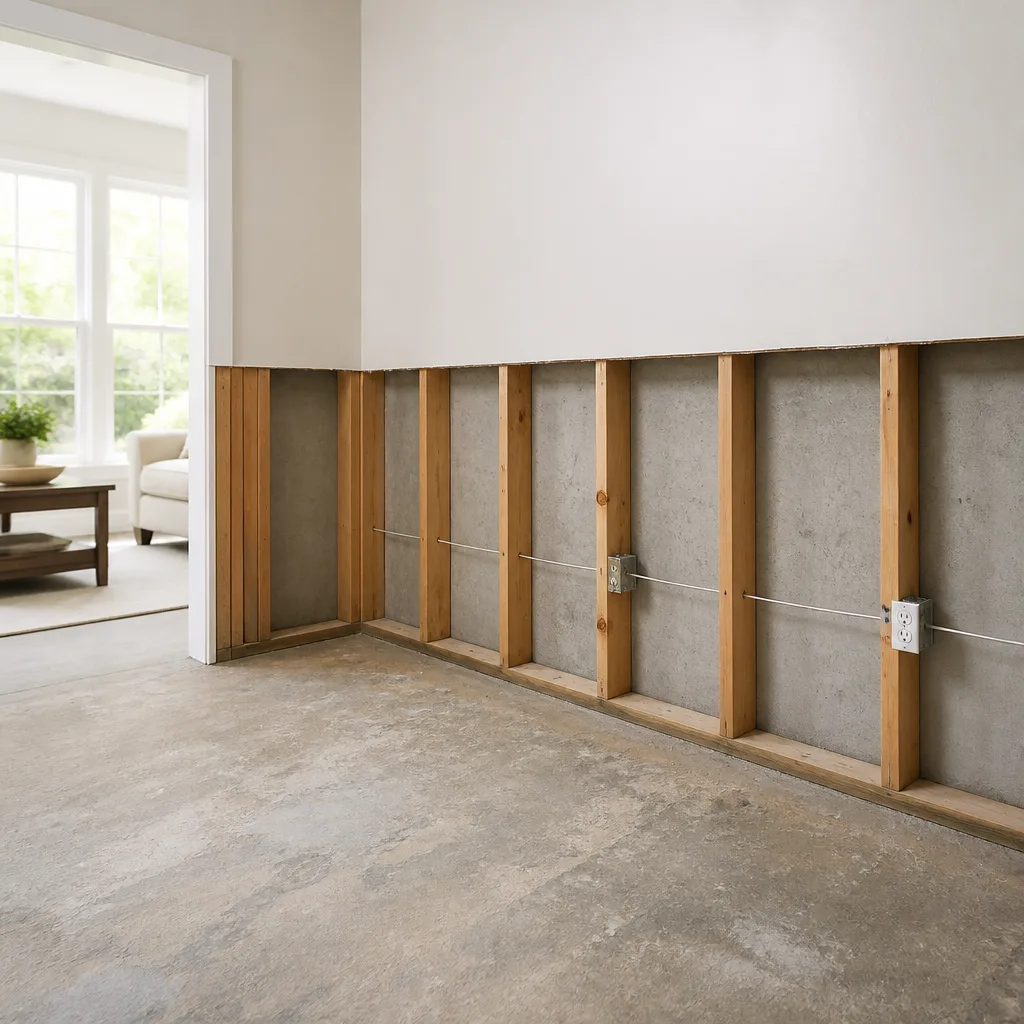
A finished basement in Bardonia that floods in March is a project measured in weeks, not days if the right steps are taken. The water has to be extracted, the carpet pad is almost always a loss, baseboards and lower drywall sections need to be cut out, and the structure needs commercial drying until moisture readings hit the dry standard. Cutting corners on any one of these phases means mold in July. That’s not a maybe. That’s the pattern.
Summer Humidity, Mold Growth, and Crawl Space Problems
Summer in Bardonia is humid. Not Florida humid, but consistently 60 to 80 percent relative humidity from late June through August. And the problem with humidity is that it doesn’t need a flood to do damage. It just needs time.
Mold needs three things: organic food (drywall, wood, carpet fibers, dust), moisture, and the right temperature. Summer in a Rockland County basement provides all three without any water intrusion event at all. Concrete basement walls in Bardonia sweat when warm, humid air hits cool surfaces. The dew point drives condensation, and that condensation feeds mold growth on the back of furniture, the base of wall framing, carpet tack strips, and anything stored directly on the floor. This is why homeowners who “never had a flood” still find black staining behind the couch in August.
Crawl spaces are worse. In older Bardonia homes with vented crawl spaces, the standard advice for decades was to open the vents in summer to “let the crawl space breathe.” That advice is exactly backwards for a humid climate. Opening vents in July lets humid outdoor air into a cool crawl space, and the moisture condenses on ducts, joists, and insulation. We’ve measured 90 percent relative humidity in vented Bardonia crawl spaces during the summer, and those are the houses with cupped hardwood floors upstairs and mold on the subfloor.
Summer-specific actions that actually work:
- Keep basement relative humidity below 60 percent. A standalone dehumidifier sized for the square footage, drained continuously, makes a measurable difference. In finished basements with persistent humidity, a ducted dehumidifier tied into the HVAC system works better.
- Keep furniture away from basement walls. A two-inch gap allows airflow and prevents the microclimate that mold loves.
- Store nothing directly on concrete floors. Cardboard boxes on a concrete slab wick moisture. Plastic bins on shelving solve the problem for a few dollars.
- Check the crawl space after a heat wave. If the subfloor insulation is sagging or damp, if the air smells musty, if there’s condensation on ductwork, call someone who knows what they’re looking at. A crawl space encapsulation or dehumidification plan is far cheaper than treating mold after it’s established.
Fall Leaf Litter, Clogged Gutters, and Foundation Saturation
Bardonia has a lot of mature trees. That’s part of what makes the town attractive. It’s also what makes October and November dangerous for foundations. Oak, maple, and birch leaves fill gutters quickly, and a clogged gutter isn’t just an eyesore. It’s a water delivery system aimed directly at the foundation.
Here’s the mechanism. A clogged gutter overflows during rain. The water spills over the edge, falls straight down from the roof line, and saturates the soil immediately adjacent to the foundation. That’s the worst possible place for water to be. It pools against the wall, seeps through cove joints and cracks, and saturates the soil enough that hydrostatic pressure builds against the foundation wall. Left unrepaired all fall, a clogged gutter can cause more basement seepage than a broken sump pump.
Gutter guards help, but they’re not a permanent fix. Pine needles and shingle grit still get through most guard designs, and even the best guards need occasional cleaning. The rule that works in Bardonia is simple: clean the gutters when the leaves are down, usually mid-November, and then check them again after a winter windstorm. Downspouts matter just as much. A downspout that ends three feet from the foundation is dumping water at the worst possible location. Extensions should carry water at least six feet, and in sloped yards, further.
Fall checklist before the ground freezes:
- Clean gutters and downspouts. If climbing a ladder isn’t safe, hire it out. A fall off a ladder costs more than a gutter cleaning.
- Walk the perimeter during a hard rain. Watch where water pools. If it ponds within three feet of the foundation, the grading needs work.
- Check window wells. Leaves fill window wells in the fall, and the debris holds water against the basement window frame all winter. Clear the debris and make sure the well drains properly.
- Disconnect and drain garden hoses. A hose left connected traps water in the spigot and the pipe behind it. That’s a classic freeze-split location.
- Shut off and drain exterior sillcocks. Find the interior shutoff valve, close it, open the exterior spigot, and let it drain. Leave the exterior spigot open through winter.
The Four-Season Inspection Checklist for Bardonia Homes
This is the checklist we wish every homeowner in Bardonia kept on their fridge. It takes about an hour per season, and it catches the large majority of issues before they become emergencies. You don’t need specialized tools. You need a flashlight, a notebook or phone camera, and the willingness to look at things that aren’t obviously broken.
Spring (March-April):
- Test the sump pump by lifting the float or pouring water into the basin. Confirm water discharges at least six feet from the foundation.
- Walk the foundation perimeter. Compare any cracks to photos from the previous fall. New or widening cracks need attention.
- Check the attic for water staining, especially under roof penetrations and at the eaves where ice dams form.
- Run the basement dehumidifier if you have one, and confirm the drain line is clear.
- Check window wells for debris accumulated over winter.
Summer (June-August):
- Measure basement relative humidity. A hygrometer costs under $20. If readings stay above 60 percent, add or upgrade dehumidification.
- Inspect crawl space vents, insulation, and ductwork for condensation. Look for rust on the bottom of ducts.
- Walk the yard after a heavy rain. Look for low spots that hold water, especially near the foundation.
- Check for musty smells in unfinished areas. Odor means mold is active somewhere, even if you can’t see it yet.
- Inspect plumbing under sinks and around toilets for slow drips. Summer is also air conditioning condensate season, and a clogged condensate line can dump water inside the house.
Fall (September-November):
- Clean gutters and downspouts after leaf drop. Confirm downspout extensions are in place and carry water away from the foundation.
- Shut off and drain exterior spigots. Disconnect all hoses. Store them indoors.
- Walk the roofline visually. Look for missing, curling, or cracked shingles. Look for flashing gaps around chimneys and vents.
- Clear window wells and confirm the well drains are not clogged with leaves.
- Check attic ventilation. Make sure soffit vents are not blocked by insulation and that the attic does not feel unusually warm for the season.
Winter (December-February):
- During a hard freeze, walk the foundation and look for new cracks or frost heave. Note them and re-check in spring.
- Check for ice dams after snowstorms. Icicles at the eaves are a warning sign of poor attic insulation and ventilation.
- Monitor exposed pipes during cold snaps. If a pipe is cold to the touch, wrap it or open a slow drip on the line.
- After a thaw, check the basement floor and walls for seepage. Early detection changes the scale of the fix.
- Test the sump pump once more in January. A pump that fails in a January thaw is a common and entirely preventable problem.
This routine works because it’s built around Bardonia’s actual seasonal risks, not a generic national template. The freeze-thaw cycle, the clay-heavy soil, the mature tree canopy, the summer humidity. These are the conditions your house actually lives with, and they change throughout the year. A house in Bardonia that gets this routine will still, sometimes, have problems. But those problems will be smaller, caught earlier, and far less expensive than they would have been otherwise.
What Your Homeowner’s Insurance Actually Covers Seasonally
Insurance is a confusing topic, and the confusion costs Bardonia homeowners real money every year. The short version: sudden and accidental water damage is generally covered. Gradual damage is generally not. The distinction between those two categories is where most disputes happen.
A pipe that bursts in February and floods the basement is sudden and accidental. That’s covered by standard homeowner’s insurance, minus your deductible. A slow leak behind the shower wall that’s been dripping since last summer is a maintenance failure, and most policies will deny the water damage portion while possibly covering whatever part of the structure was truly damaged by the covered peril. The mold that grows from that slow leak is almost never covered. Insurers treat mold as a long-term condition, not an event, and they exclude it aggressively.
Spring sump pump failures are a special case. Standard homeowner’s policies do not cover sump pump failure or sewer backup unless you carry a specific endorsement. In Rockland County, where sump pump failures and sewer backups are common enough to be statistically reliable, that endorsement matters. It’s usually a few hundred dollars a year. Ask your agent specifically about “water backup and sump discharge or overflow” coverage. If they don’t know what you’re asking about, find a better agent.
And here’s the part that matters for how you handle a water damage event: photo documentation is not optional. Before anything gets moved, before the water gets extracted, take photos. Wide shots of the room. Close shots of the water level. Photos of the source. Photos of the damage to contents. The carrier will ask for this, and the quality of the photo evidence directly affects the speed and size of the claim. Floodline Restoration Co. handles direct insurance billing and adjuster coordination for Bardonia homeowners, so you’re not playing messenger between us and your carrier. But your own photos, taken in the first hour, are the strongest evidence you can collect. You can read more about how our full-service approach works on the Floodline Restoration Co. home page.
Common Mistakes to Avoid
- Using household fans to dry a real water loss. A box fan moves air but does not remove moisture from the structure. Hidden cavities behind baseboards and under cabinets stay wet, and mold appears in weeks. Professional air movers and commercial dehumidifiers pull moisture from building materials, not just off the carpet surface.
- Waiting to see if it dries on its own. Every 24 hours of standing moisture compounds biological growth risk. By day three, you’re almost always looking at mold remediation costs on top of the original water damage.
- Replacing drywall without checking the insulation behind it. Wet fiberglass insulation loses its R-value and holds moisture against framing, and the paper backing on faced insulation is mold food. If the drywall is wet enough to cut out, the insulation behind it is almost certainly wet too.
- Assuming the sump pump works because it worked last spring. Float switches stick, impellers jam, discharge lines clog. Testing once in the spring is not enough. Test it quarterly.
- Cleaning gutters only when they look clogged. By the time a gutter looks full from the ground, it’s been overflowing for weeks. The damage is already doing damage.
- Ignoring a musty smell because there’s no visible water. Odor means active microbial growth. The source is often hidden: behind a wall, under flooring, inside a crawl space. The longer it waits, the more invasive the fix.
- Not knowing where the main water shutoff is. When a pipe bursts, knowing where the shutoff is can be the difference between a small room repair and a whole-house flood. Find it now. Label it. Show everyone in the house where it is.
When to Call a Professional
Some problems are obvious: a burst pipe, a flooded basement, sewage backing up through a floor drain. Those require immediate professional action, and the phone call should happen before you start moving furniture. But the less obvious call is the one that saves money. If you see recurring seepage in the same spot every spring. If the basement smells musty every August. If the hardwood floors are cupping in the hallway. If your sump pump runs constantly during normal weather. These are signs that something systematic is wrong, and the cost to diagnose and fix it now is a fraction of the cost to remediate and rebuild later. Floodline Restoration Co. offers free estimates in Bardonia. Call (914) 809-9936 before the problem compounds.
Frequently Asked Questions
The most common issue is spring basement seepage from snowmelt and saturated clay soil, usually worsened by a sump pump failure or clogged gutters that directed water at the foundation all fall. Most March and April water damage calls in Bardonia involve some combination of those two factors.
At least twice a year: once in mid-November after the leaf drop, and once in early spring after winter windstorms have deposited debris. Homes with heavy tree cover may need a third cleaning in early summer. The test is simple: after a rain, look at whether water is spilling over the gutter edges instead of flowing through the downspouts.
Standard homeowner’s policies do not cover sump pump failure or water backup unless you’ve added a specific “water backup and sump discharge or overflow” endorsement. If you have a finished basement in Bardonia, this endorsement is strongly recommended, and it typically costs a few hundred dollars per year. Call (914) 809-9936 if you need help documenting a sump pump loss for your carrier.
Mold can begin growing within 24 to 48 hours on wet organic materials in the right temperature range. The exact timeline depends on the material, but the 48-hour window is the standard threshold used by restoration professionals, including those trained to IICRC standards. This is why professional drying starts with extraction and air movement on day one, not the week after.
For very small clean-water spills on hard surfaces, yes, with the right equipment and quick action. For anything that soaked carpet, drywall, or insulation, no. Household fans and dehumidifiers don’t extract water from building cavities, and hidden moisture leads to mold and structural damage. Professional drying with equipment from brands like Injectidry and Dri-Eaz pulls moisture from inside the structure, which is the part you can’t see.
The 90-Day Done Right Promise is Floodline Restoration Co.’s written guarantee that the work will be done correctly the first time, and if it isn’t, we make it right within 90 days of completion. It’s backed by our K.E.Y.S. values code and given to every Bardonia homeowner in writing. No arguing, no paperwork battles, just the promise that the work stands.
The Bottom Line
Bardonia’s houses face a predictable set of seasonal threats: freeze-thaw cycles on foundations and pipes, spring snowmelt pushing into basements through failed sump pumps and poor drainage, summer humidity feeding mold in hidden spaces, and fall leaf litter redirecting water into the worst possible places. None of these threats surprise a homeowner who does a one-hour seasonal inspection four times a year. But when the water does get in, speed matters more than almost anything else, and so does doing the job right the first time. Whether you’re facing a burst pipe in February, a flooded basement in March, or a mold problem in August, the call is free. Floodline Restoration Co. is at (914) 809-9936, and a live person answers. We’ll be there when we say.
Written by Curt Bowman, Owner at Floodline Restoration Co., serving Bardonia since 2010.