
Last updated August 25, 2026
Free visual inspection and a written scope of work before any mitigation begins - photos, moisture readings, and drying logs go in your claim file
The scope we write is the scope we bill. Anything new gets shown to you, in writing, before we touch it.
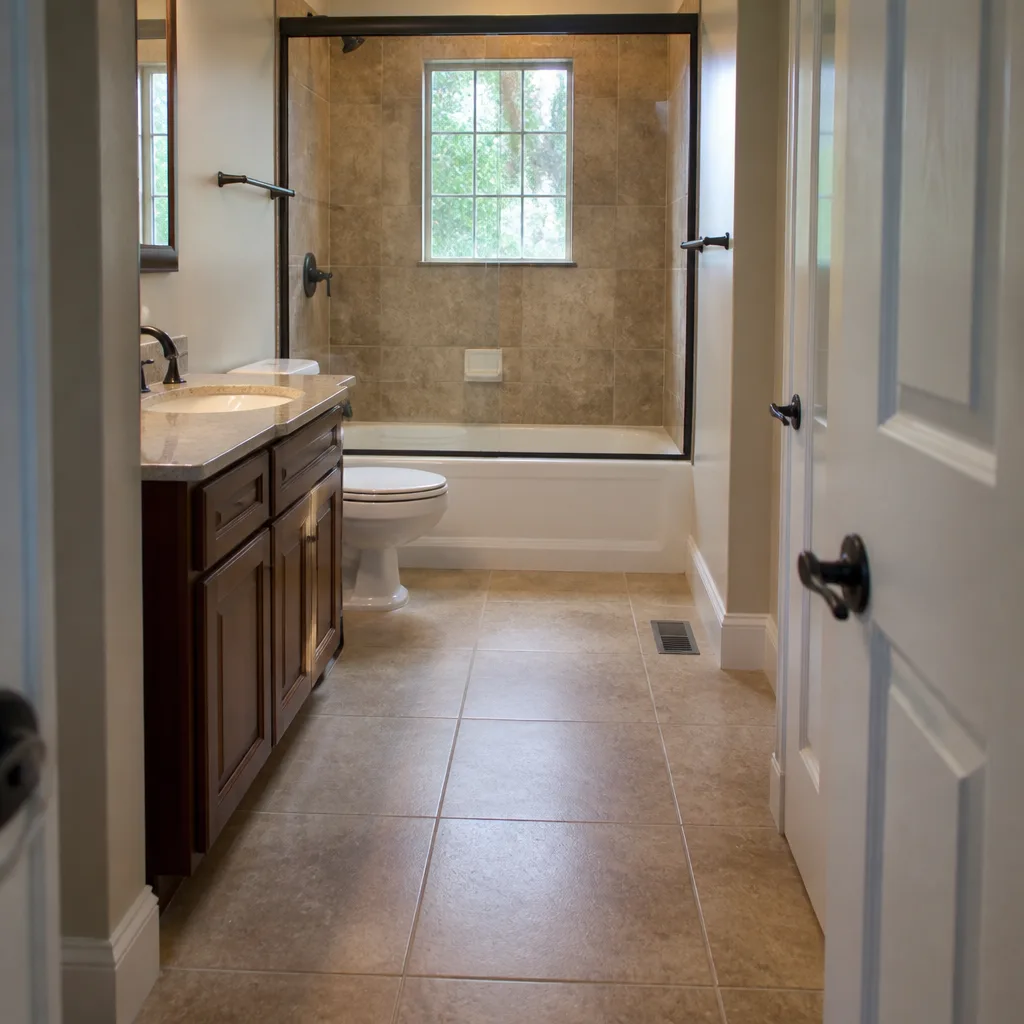
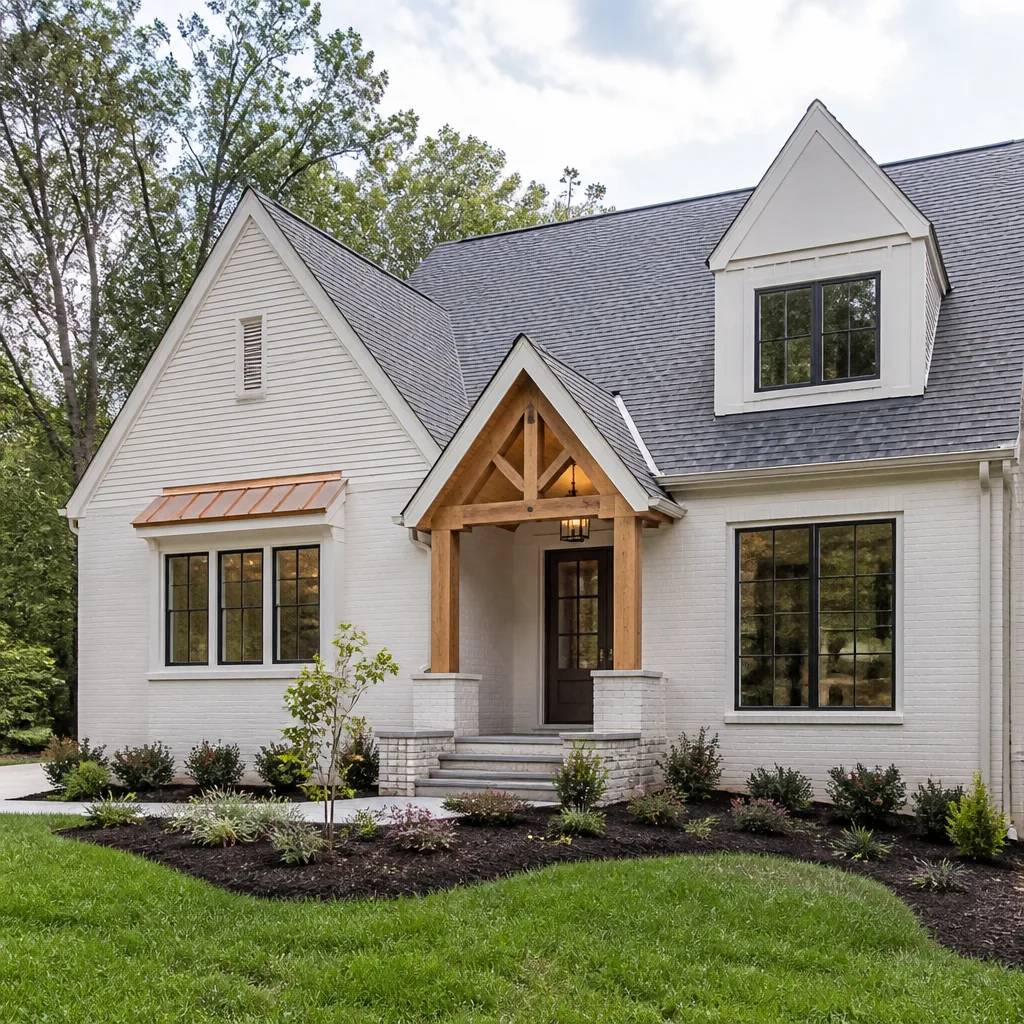
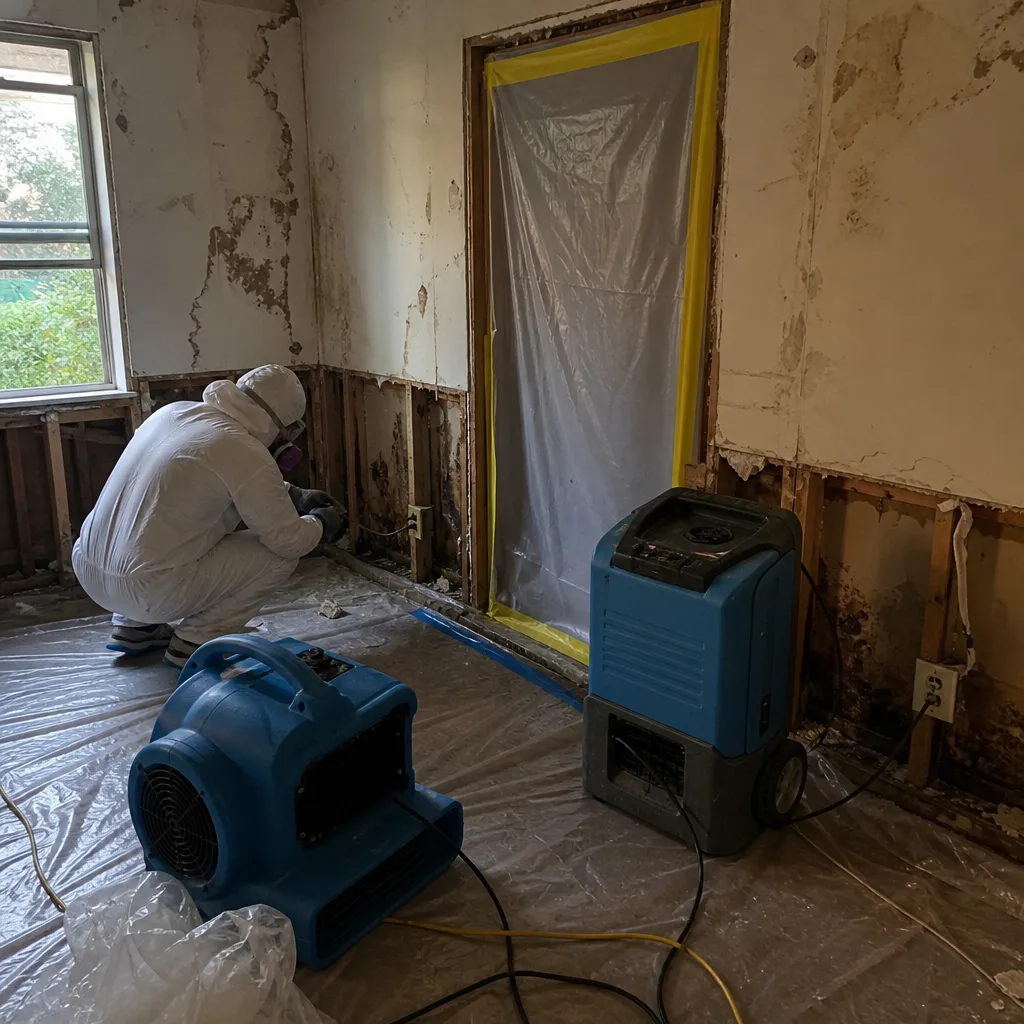 Before
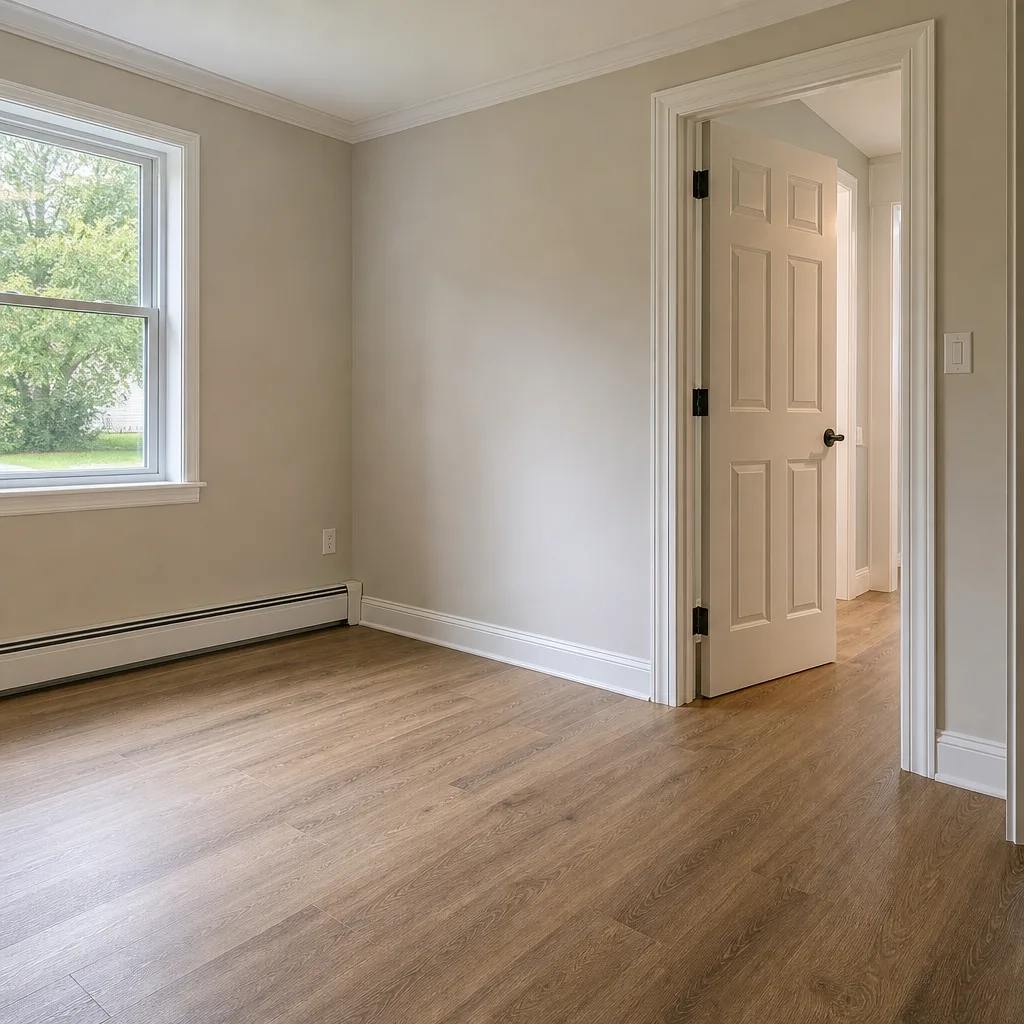 After
After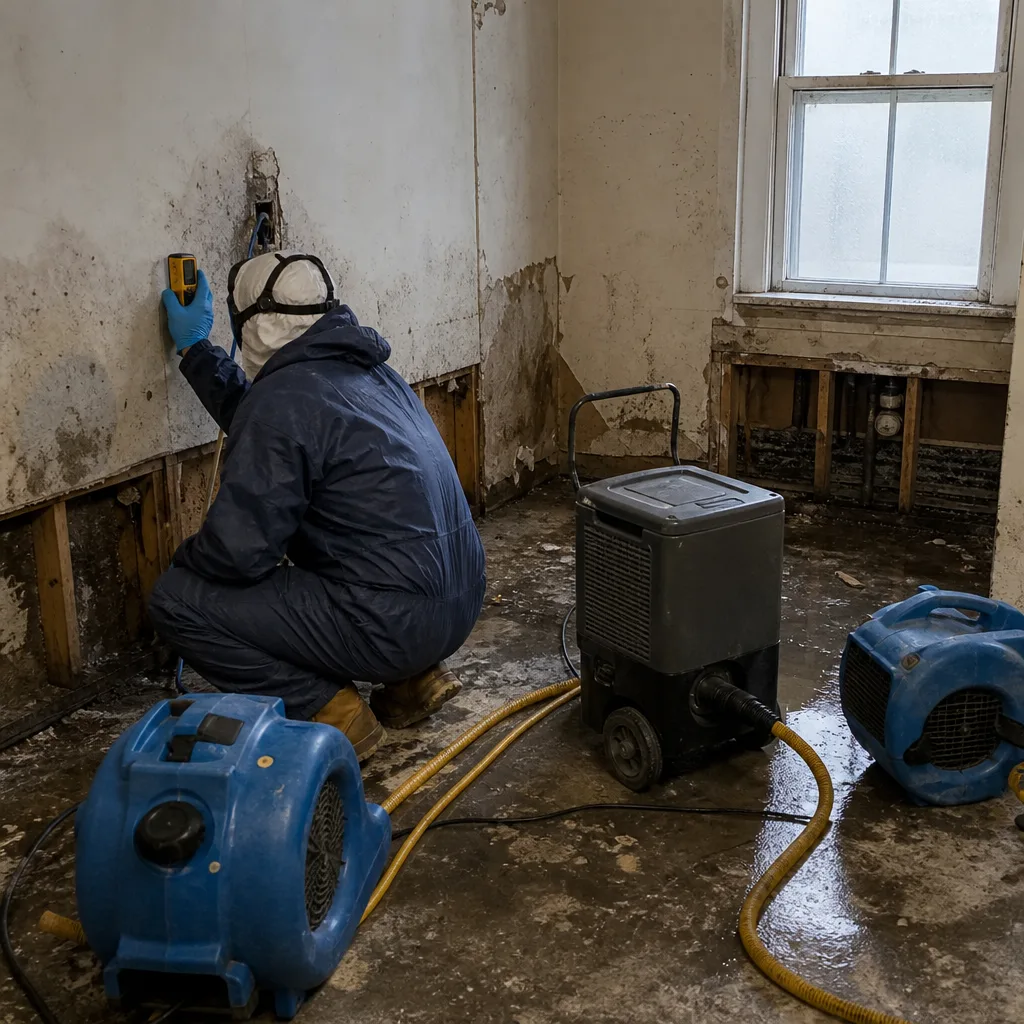 Before
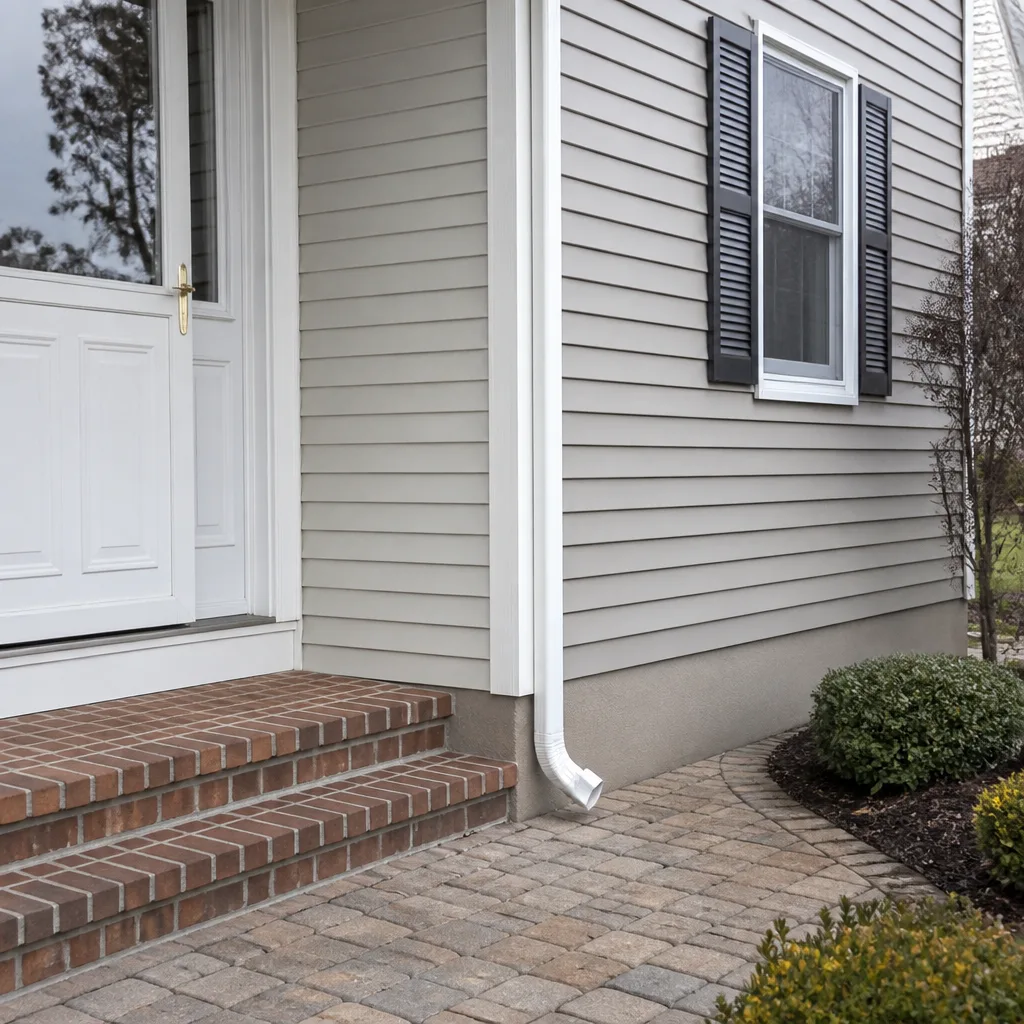 After
After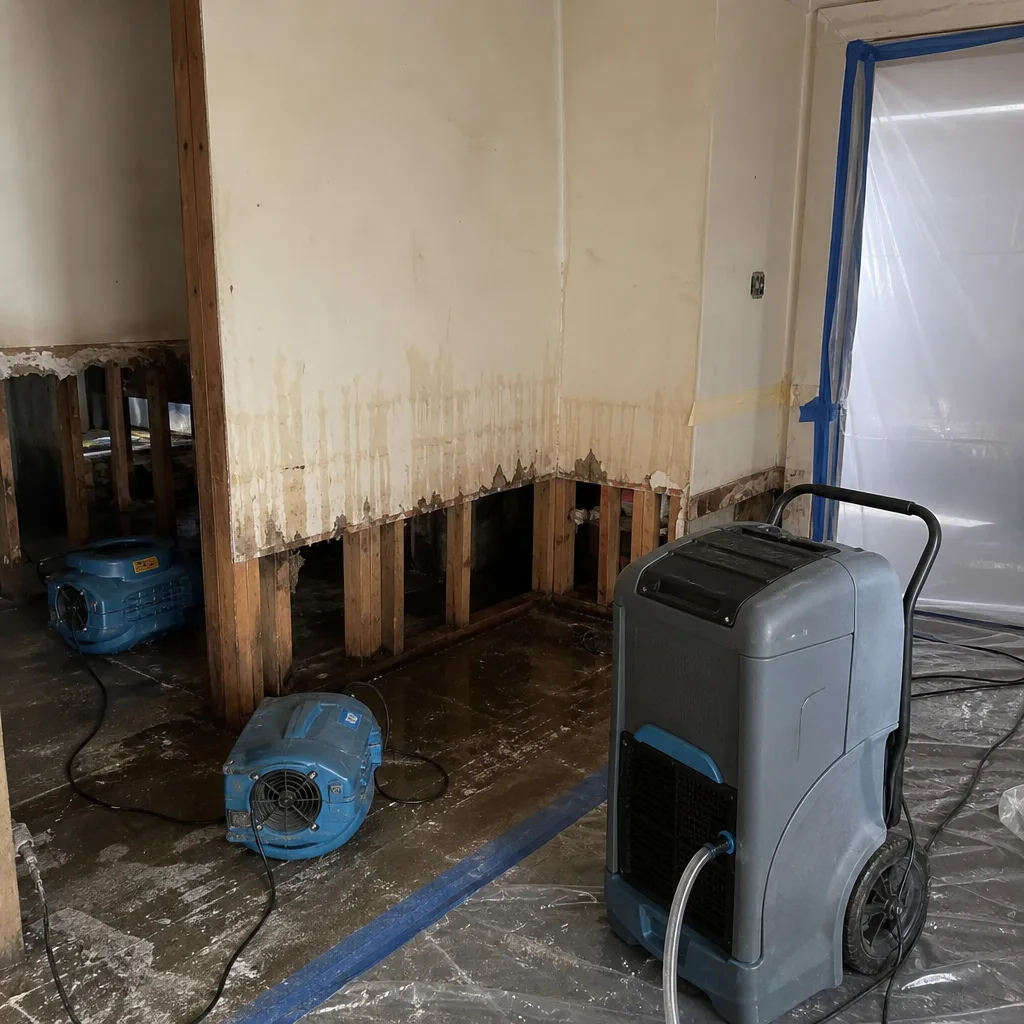 Before
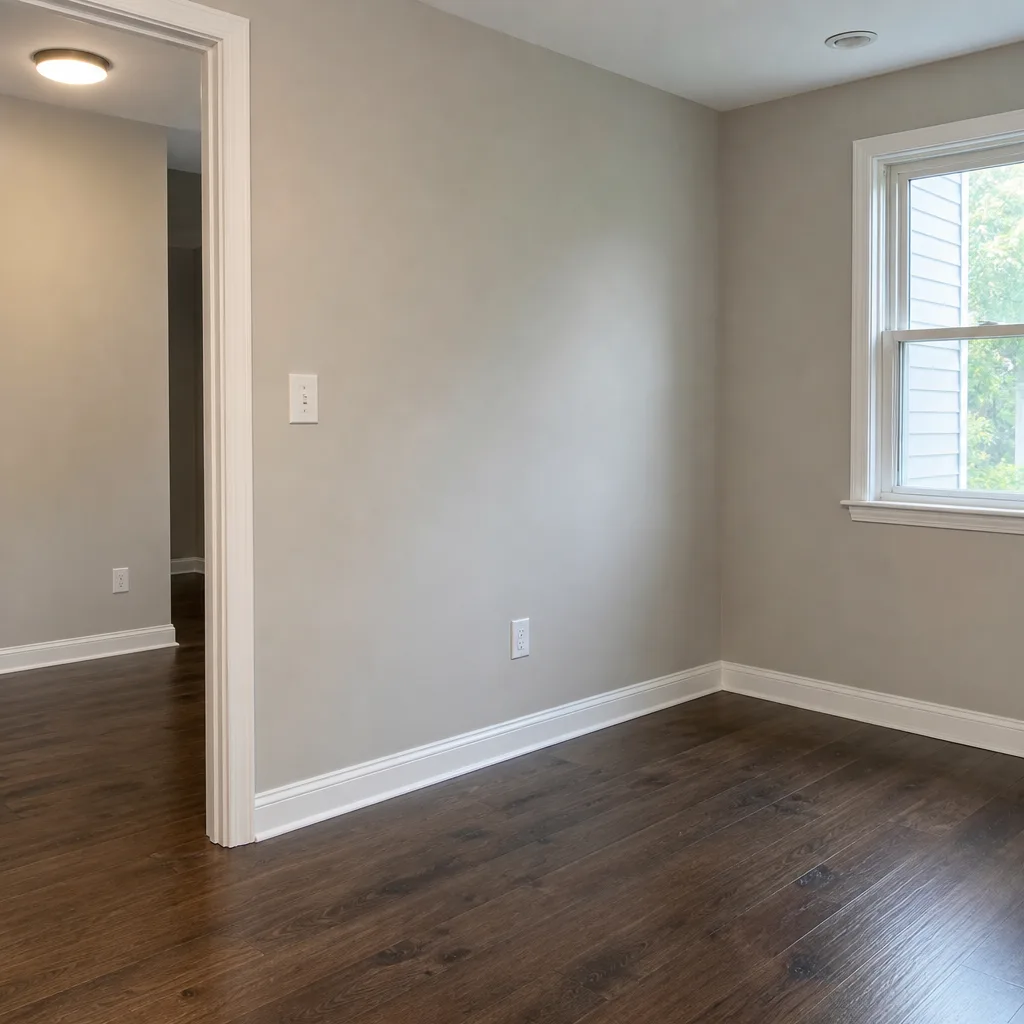 After
AfterDamage Restoration Permits, Codes & Inspections in NY: What You Need to Know
Most homeowners discover the permit problem at the worst possible moment: standing in a wet basement at midnight, on the phone with their insurance carrier, being told that the rebuild will need a building permit before the adjuster will release the final check. In New York, damage restoration is not a permit-free zone, and assuming otherwise has cost homeowners weeks of delay and thousands in out-of-pocket corrections. This guide explains exactly when you need a permit in New York, which codes govern restoration work, what inspectors actually look for, and how Bardonia homeowners can keep the process moving without getting tangled in municipal red tape. We’ll walk through emergency work, structural repairs, electrical and plumbing codes, insurance documentation, and the specific requirements that apply to homes in Rockland County and the surrounding Hudson Valley.
Quick Answer
In New York, emergency mitigation work like water extraction, drying, and board-up never requires a permit, but reconstruction work, including structural framing, electrical rewiring, plumbing replacement, and sometimes even drywall replacement, often does, depending on the municipality. The key distinction is between mitigation, which stops further damage, and restoration, which rebuilds what was lost. In Bardonia, which falls under the Town of Clarkstown building department, most restoration work beyond cosmetic finishes requires a building permit and may involve inspections by a code enforcement officer before walls are closed up.
Table of Contents
- The Basic Rule: Mitigation vs. Restoration
- New York Building Codes That Apply to Restoration
- When a Permit Is Required in NY
- Bardonia and Clarkstown-Specific Requirements
- What Inspectors Look For After a Fire or Flood
- How Permits and Inspections Affect Insurance Claims
- How Long Permits and Inspections Take in Rockland County
- Common Mistakes to Avoid
- When to Call a Professional
- Frequently Asked Questions
- The Bottom Line
The Basic Rule: Mitigation vs. Restoration
The single most useful distinction for a New York homeowner facing damage is between mitigation and restoration. Mitigation is the emergency work that stops water, fire, or mold from getting worse. Restoration is the work that puts the house back together. Permit requirements treat these two categories very differently, and knowing the line between them will save you from either pulling a permit you didn’t need or skipping one that will come back to bite you.
What counts as mitigation (no permit needed)
- Water extraction and pump-outs after a flood, burst pipe, or sewage backup. Removing standing water with professional-grade equipment, from truck-mounted extractors to XPOWER air movers, is considered an emergency service, not construction.
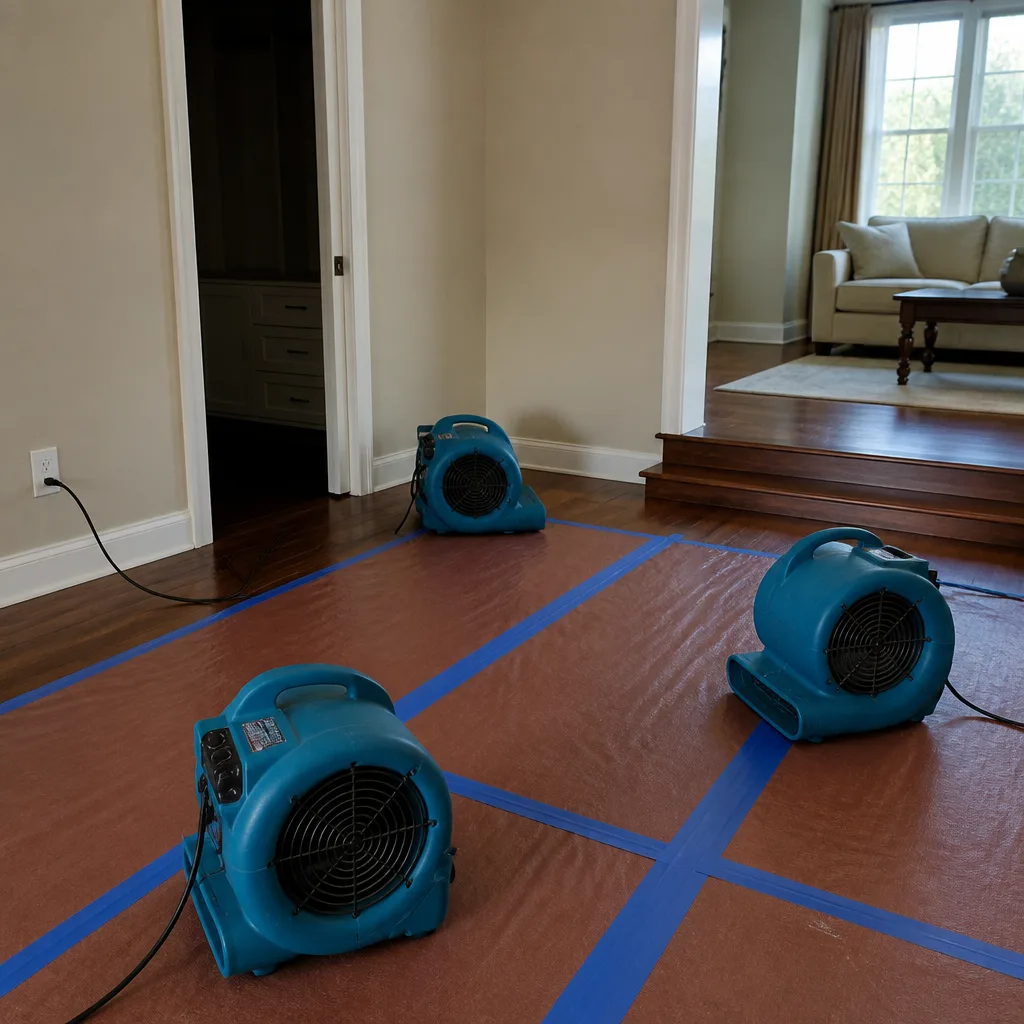
- Drying and dehumidification using commercial equipment like Dri-Eaz dehumidifiers and B-Air air movers. This is restoration work’s front line and never triggers a permit in New York.
- Board-up and tarping after a fire or storm. Securing a damaged roof or broken window against weather and intrusion is an emergency measure, not a structural repair.
- Mold remediation, in most cases. Removing mold growth and treating affected surfaces does not require a building permit in the vast majority of New York municipalities, though the underlying moisture source that caused the mold will often require a permitted repair.
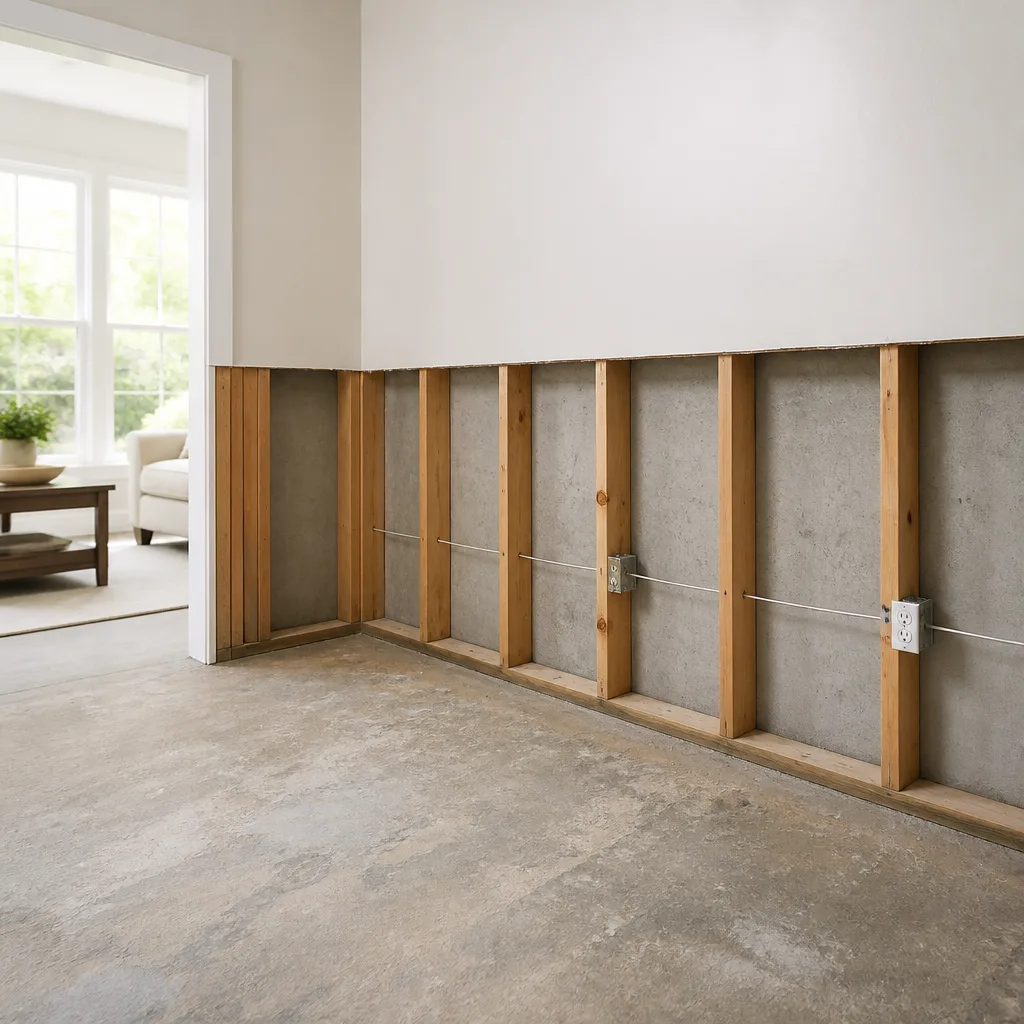
- Debris removal and demolition of unsalvageable materials to the extent needed to access the damage. Tearing out wet drywall or charred framing to assess the extent of the problem is part of mitigation.
What counts as restoration (permit often required)
- Structural repairs to framing, floor joists, roof trusses, or load-bearing walls. Any work that touches the structural integrity of your home requires a permit and typically an inspection before drywall goes back up.
- Electrical work beyond replacing outlets or light fixtures. Rewiring a fire-damaged room, replacing a flooded panel, or running new circuits all require an electrical permit and inspection in New York.
- Plumbing replacement, including replacing water supply lines, drain lines, or water heaters. A sewage backup that requires replacing part of a drain stack will involve a plumbing permit.
- HVAC replacement, including furnaces, boilers, and ductwork damaged by flood or fire.
- Major drywall replacement, depending on scope. Patching a single room typically doesn’t require a permit, but gutting and re-hanging multiple rooms often does in Clarkstown and many other New York towns because the building department wants to inspect insulation, fire-blocking, and framing before walls are sealed.
In Bardonia, we’ve seen the same pattern repeat for years: a homeowner handles the emergency extraction themselves or with a quick-response crew, then assumes the rebuild is just as straightforward. It isn’t. The good news is that a restoration company that handles both phases, extraction through reconstruction, can pull the permits as part of the job. The homeowner never has to figure out the Clarkstown permit application on their own.
New York Building Codes That Apply to Restoration
New York State uses the International Building Code family as its baseline, adopted and amended as the Uniform Code. The relevant codes for restoration work are the 2020 Residential Code of New York State (RCNYS), the 2020 Building Code of New York State (BCNYS), the 2020 Plumbing Code of New York State, and the 2020 Electrical Code. Every municipality in the state, including the Town of Clarkstown, enforces these codes, though local amendments and interpretations can vary.
Here’s what each code means for a homeowner recovering from a disaster:
- Residential Code of New York State (RCNYS): Governs one- and two-family homes. It sets the standard for structural framing, fire separation, insulation, and energy compliance. When you rebuild a fire-damaged wall or a flood-damaged floor, the new construction must meet current code, not the code that was in effect when your house was built.
- Building Code of New York State (BCNYS): Applies to multi-family buildings and commercial structures. If you live in a condominium or a co-op, your restoration work falls under this code.
- Plumbing Code of New York State: Governs water supply, drain, waste, and vent systems. Flood-damaged piping that needs replacement must meet current code for pipe materials, sizing, and venting.
- Energy Conservation Construction Code of New York State: Matters more than homeowners expect. When you replace enough wall, ceiling, or floor area, the repaired sections may be required to meet current insulation requirements. This often means adding rigid foam or spray foam where none existed before.
One thing most Bardonia homeowners don’t realize is that the code baseline has moved over time. A house built in 1985 and rebuilt in 2026 is rebuilt to 2026 standards. That can mean different stud spacing, additional fire-blocking, improved stair geometry, or updated electrical requirements. It can also mean the restoration project triggers additional work the homeowner didn’t anticipate. A reputable restoration contractor will identify these code upgrades early in the estimate, not discover them mid-project and present a surprise change order.
When a Permit Is Required in NY: Step-by-Step
If you’re trying to determine whether your specific restoration project needs a permit, here’s the practical framework we use when we assess a job in Bardonia. It follows the logic that Clarkstown and most New York building departments apply.
- Determine whether the work is structural. If the repair touches load-bearing walls, floor joists, roof rafters, foundation walls, or beams, it needs a building permit. Period. No exceptions in New York.
- Determine whether the work is electrical. If you’re replacing a panel, running new circuits, or rewiring more than a single fixture or outlet, it needs an electrical permit. In flood-damage situations, any outlet or switch that was submerged needs to be evaluated, and replacement work typically falls under a permit requirement.
- Determine whether the work is plumbing. Replacing a water heater, main water line, drain line, or any piping inside a wall or ceiling requires a plumbing permit. Cosmetic fixture swaps, like a new faucet, do not.
- Determine whether the work involves gas. Any gas line work, from relocating a range line to replacing a gas-fired boiler, requires a permit and inspection. Gas work also requires the technician to hold a specific qualification.
- Determine the scope of finish work. This is the gray area. Minor drywall patching after a small water stain doesn’t require a permit. Gutting a room to the studs and re-hanging drywall usually does in Clarkstown, because the inspector needs to verify fire-blocking, insulation, and vapor barrier details before the wall is closed.
- Determine whether asbestos or lead paint is involved. If the home was built before 1978 and the restoration disturbs painted surfaces, lead-safe work practices under EPA and New York State Department of Health rules apply. If the home has materials that may contain asbestos, including old floor tile, pipe insulation, or popcorn ceilings, abatement rules kick in. These are regulated under separate environmental requirements, not building permits, but they run parallel to the permit process and must be documented.
Here’s the honest truth, from someone who has stood in hundreds of damaged homes across Rockland County: if you’re not sure whether the work needs a permit, call the Clarkstown Building Department and ask. They’d rather field a ten-minute phone call than deal with a finished repair that was done without a permit and now needs to be opened up for inspection. A restoration contractor should do this legwork for you. At Floodline Restoration Co., pulling permits and scheduling inspections is part of the job, not an add-on.
Bardonia and Clarkstown-Specific Requirements
Bardonia is an unincorporated hamlet within the Town of Clarkstown, which means all building, plumbing, and electrical permits run through the Clarkstown Building Department in New City. This is the same department that handles nearby communities like Nanuet, New City, and West Nyack. The process is consistent: submit an application with a scope of work, provide drawings or a contractor’s statement where required, pay the permit fee, and schedule inspections at the appropriate stages.
What’s different about Clarkstown, compared to many New York municipalities, is a strong emphasis on floodplain awareness in certain neighborhoods. Homes near the Hackensack River corridor, in parts of Bardonia, Nanuet, and West Nyack, fall within FEMA-mapped flood zones. If your property is in a Special Flood Hazard Area and the restoration involves substantial structural work, you may be subject to FEMA’s substantial improvement rules: if the cost of repairs exceeds 50% of the home’s pre-damage market value, the entire structure may need to be brought into current floodplain compliance, including potential elevation. This is not a Clarkstown invention; it’s a federal requirement that the town enforces. It’s also a reason to have a restoration contractor who understands floodplain rules, because the difference between a $45,000 repair and a $48,000 repair could cross that 50% threshold and change the entire project scope.
Bardonia homes are also predominantly mid-century construction, with many houses built in the 1950s and 1960s. That means older wiring, older plumbing, and, in many cases, materials that require environmental review before work begins. Asbestos-containing floor tiles were extremely common in split-levels and ranches built in that era, as were lead-based paints. Any restoration project in a Bardonia home built before 1978 should include a materials review as a standard part of the scope, not an afterthought.
Working with the Clarkstown Building Department
- Plan for permit review time. Simple permits can be issued within a week; more complex restorations may take two to three weeks.
- Inspections are scheduled for specific windows, typically a morning or afternoon window. The inspector needs access to the work area, and the more complete the work is at inspection time, the smoother the process.
- Re-inspection fees apply in Clarkstown if the inspector arrives and finds the work not ready for review. A good restoration contractor schedules inspections only when the work is genuinely ready.
- Final inspection is required before the permit is closed. An open permit can create problems when you eventually sell your home. Don’t let a restoration contractor walk away without closing the permit.
What Inspectors Look For After a Fire or Flood
Once a permit is pulled and restoration work begins, inspections happen at defined stages. Understanding what a Clarkstown code enforcement officer will check helps homeowners know what a proper restoration looks like, whether or not they’re doing the work themselves.
After a fire
- Structural integrity of remaining framing. The inspector verifies that fire-damaged studs, joists, and rafters have been either replaced or properly sistered, with the correct fastening schedule and dimensional lumber matching the original.
- Electrical system integrity. Fire-damaged wiring must be replaced back to a junction box or panel, not just spliced in the damaged area. Arc-fault circuit interrupters (AFCIs) are typically required on bedroom circuits when replacements are made.
- Fire separation and fire-blocking. In multi-family buildings, fire-rated assemblies must be restored to their pre-fire rating. In single-family homes, fire-blocking between studs must be restored before insulation and drywall.
- Smoke and CO detection. New York requires smoke and carbon monoxide detectors on every level and in or near every sleeping area. A post-fire restoration is an enforcement moment for these requirements.
After a flood
- Mold risk addressed before enclosure. The inspector expects to see that affected framing has been dried to an acceptable moisture content or replaced. Wet wood sealed behind new drywall is a guaranteed mold problem, and a restoration company that logs daily moisture readings with professional equipment, as we do with Injectidry systems and IICRC-standard protocols, has the documentation to prove the dry standard was met.
- Electrical components replaced or evaluated. Outlets, switches, and wiring that were submerged need replacement. The inspector will look for evidence that this was done properly, not just that the item works when tested.
- Insulation and vapor barrier details. Flood-damaged insulation must be removed and replaced. In below-grade spaces like basements, the inspector checks that vapor barrier details are correct to prevent future moisture problems.
- Sump pump and drainage systems. If the flood was caused by a failed sump pump or exterior drainage problem, the inspector will want to see that the cause was addressed, not just the symptom.
In our experience in Bardonia, the inspections that go most smoothly are the ones where the restoration contractor has kept a clear record: photos of the damage, a drying log showing daily moisture readings, a list of materials replaced, and the permit number posted on site. That’s a standard we hold ourselves to because it makes the inspector’s job easier and the homeowner’s life simpler.
How Permits and Inspections Affect Insurance Claims
Insurance carriers care about permits for two reasons. First, they need to know the work was done legally, because an unpermitted repair can affect the home’s value and resale. Second, the permit record helps the adjuster verify that the scope of claimed damage matches the work actually performed. A final inspection signed off by Clarkstown is documentation that the carrier can rely on when closing the claim.
Here’s what homeowners need to understand about the insurance-permit intersection:
- The carrier may not pay the final installment until permits are closed. Many policies allow the insurer to hold back a portion of the claim until the work passes final inspection. This is especially common on large fire and flood claims.
- Code upgrades can be covered, but only if the policy includes code coverage. When a restoration project triggers current-code upgrades, those additional costs may be covered under the policy’s “Ordinance or Law” coverage, which is optional in New York and often carries a sub-limit. A restoration contractor who understands this coverage can help the homeowner document the code-required upgrades and advocate with the adjuster.
- Photo documentation matters. Before any demolition happens, the damage should be thoroughly photographed. The adjuster may never see the waterline on the wall or the charred ceiling joist in person; those photos are the evidentiary record. A restoration company that documents everything from first response through final inspection is doing its client a real service.
- Direct insurance billing removes the homeowner from the middle. When the restoration company bills the carrier directly and communicates with the adjuster, permits, inspections, and documentation become part of the contractor’s workflow rather than the homeowner’s second job.
In Bardonia, we’ve handled claims with every major carrier, and the pattern is consistent: the smoother the documentation, the faster the claim closes. A permit that was never pulled becomes an obstacle at the worst possible time, often when the homeowner is trying to sell the house and a title search reveals an open or missing permit for work done years earlier.
How Long Permits and Inspections Take in Rockland County
If you’re standing in a wet basement right now, the timeline question is urgent. Here’s the realistic picture in Clarkstown:
- Emergency mitigation: no permit, no wait. Water extraction, drying equipment installation, and board-up happen immediately. This is the same-visit emergency response that every restoration company should provide.
- Simple permit applications: one to two weeks. A straightforward bathroom rebuild or a single-room drywall replacement typically moves through the Clarkstown Building Department in a week or two, assuming the application is complete and the scope is clear.
- Complex permits: three to four weeks. Structural repairs, major electrical work, or anything requiring plan review takes longer.
- Inspection scheduling: three to seven days from request. Clarkstown typically schedules code enforcement inspections within a week of the request. The inspection itself takes less than an hour for most residential work.
- Full restoration timeline: depends on scope. A flooded basement with full remediation and rebuild in Bardonia typically runs three to six weeks from mitigation to final inspection, assuming no major structural surprises. A fire rebuild can run two to four months.
The thing that slows down restoration timelines more than anything else in our experience is not the building department. It’s discovery: opening a wall and finding a second problem that wasn’t visible from the outside. The right way to handle discovery is to price the known scope, document the unknowns, and agree in writing on how change orders will be handled. A written scope before work starts is the single best protection a homeowner has against a project that grows from a two-week drying job into a six-month rebuild with an ever-expanding price tag.
Common Mistakes to Avoid
- Assuming restoration doesn’t need a permit because the damage was “just” water. Water destroys structural framing and electrical systems as thoroughly as fire does in many cases, and the same permit and inspection requirements apply to the rebuild. We’ve seen Bardonia homeowners learn this the hard way when an insurance claim stalled because the rebuild was done without a permit.
- Letting the contractor start mitigation without documentation. If the damage isn’t photographed and logged before demo begins, the insurance carrier has room to dispute the scope. The before-demo photo record is the foundation of the claim.
- Closing walls before the inspection. A Clarkstown code enforcement officer will require the wall be opened up if they need to see framing, electrical, plumbing, or fire-blocking that’s already been covered. This is a costly do-over that a proper project schedule prevents.
- Hiring separate companies for mitigation and rebuild without coordinating permits. When the drying company hands off to a general contractor, the homeowner becomes the project manager, and the permit process can fall through the gap. A full-cycle restoration company handles the permit from first response to final inspection, with one name on the line.
- Overlooking the pre-1978 lead paint and asbestos rules. Most Bardonia homes were built before 1978. Restoration work that disturbs painted surfaces or old floor tiles may trigger environmental requirements that run parallel to the building permit. Ignoring them creates liability, not just inconvenience.
- Choosing the low bid without verifying permit handling. An unlicensed contractor won’t pull permits, and the resulting work may not pass inspection or satisfy the insurance carrier. The lowest bid often costs more in the end, especially when the work has to be redone.
When to Call a Professional
Permits and inspections are a burden a homeowner shouldn’t carry alone. If the restoration involves structural repair, electrical or plumbing work beyond a fixture swap, or any project where walls will be opened and closed, a licensed restoration contractor should be handling the permit process, scheduling the inspections, and answering the code enforcement officer’s questions. That’s the contractor’s job, and a good one does it without the homeowner ever touching a permit application. If you’re in Bardonia or anywhere in Rockland County and the scope of your damage is beyond a single room of cosmetic repair, Floodline Restoration Co. offers free estimates and handles permits and inspections as part of every rebuild. Call (914) 809-9936, day or night, and a live person will answer.
Frequently Asked Questions
You do not need a permit for emergency mitigation work like water extraction, drying, and dehumidification, but you likely do need a permit for the rebuilding phase: drywall replacement, electrical work, plumbing replacement, or any structural repair. A restoration contractor in Bardonia can tell you definitively after assessing the scope.
Clarkstown permit fees are based on the scope and estimated cost of the work, with minimum fees that apply to small projects. The fee is a modest part of a restoration budget and well worth the documentation it provides for insurance and future resale.
Most homeowner policies in New York will cover permit fees as part of the claim, and many include Ordinance or Law coverage that pays for code-required upgrades triggered by the restoration. Your restoration contractor should review the policy language and communicate with the adjuster about what’s covered.
The Clarkstown Building Department can require the work to be opened up for inspection, charge double or triple permit fees, and, in some cases, issue violations that become liens on the property. Open or missing permits also create problems at resale.
Emergency mitigation should begin the same day, ideally within hours. Restoration companies with live 24/7 dispatch, like Floodline Restoration Co., can have certified technicians on site the same visit, with extraction running before the homeowner has finished filing the claim.
Mold remediation itself typically doesn’t require a building permit, but repairing the underlying moisture source, whether it’s a leaking pipe, a failed sump pump, or a foundation crack, often does. A proper remediation job in Bardonia includes both the mold removal and the permitted repair that keeps the mold from returning.
The Bottom Line
New York damage restoration sits on a simple framework: emergency mitigation moves fast and needs no permit, while reconstruction follows the permit, inspection, and code-compliance path that any new construction would. In Bardonia, that means working within the Clarkstown building permit system, rebuilding to current code, and documenting everything for the insurance carrier and the permanent record of the home. The homeowners who navigate this smoothly have two things in common: they understand the mitigation-restoration distinction before damage happens, and they hire a restoration contractor who handles both phases, permits included, from first response to final inspection. Done right, and backed in writing.
Written by Curt Bowman, Owner at Floodline Restoration Co., serving Bardonia since 2010.