
Last updated August 25, 2026
Free visual inspection and a written scope of work before any mitigation begins - photos, moisture readings, and drying logs go in your claim file
The scope we write is the scope we bill. Anything new gets shown to you, in writing, before we touch it.
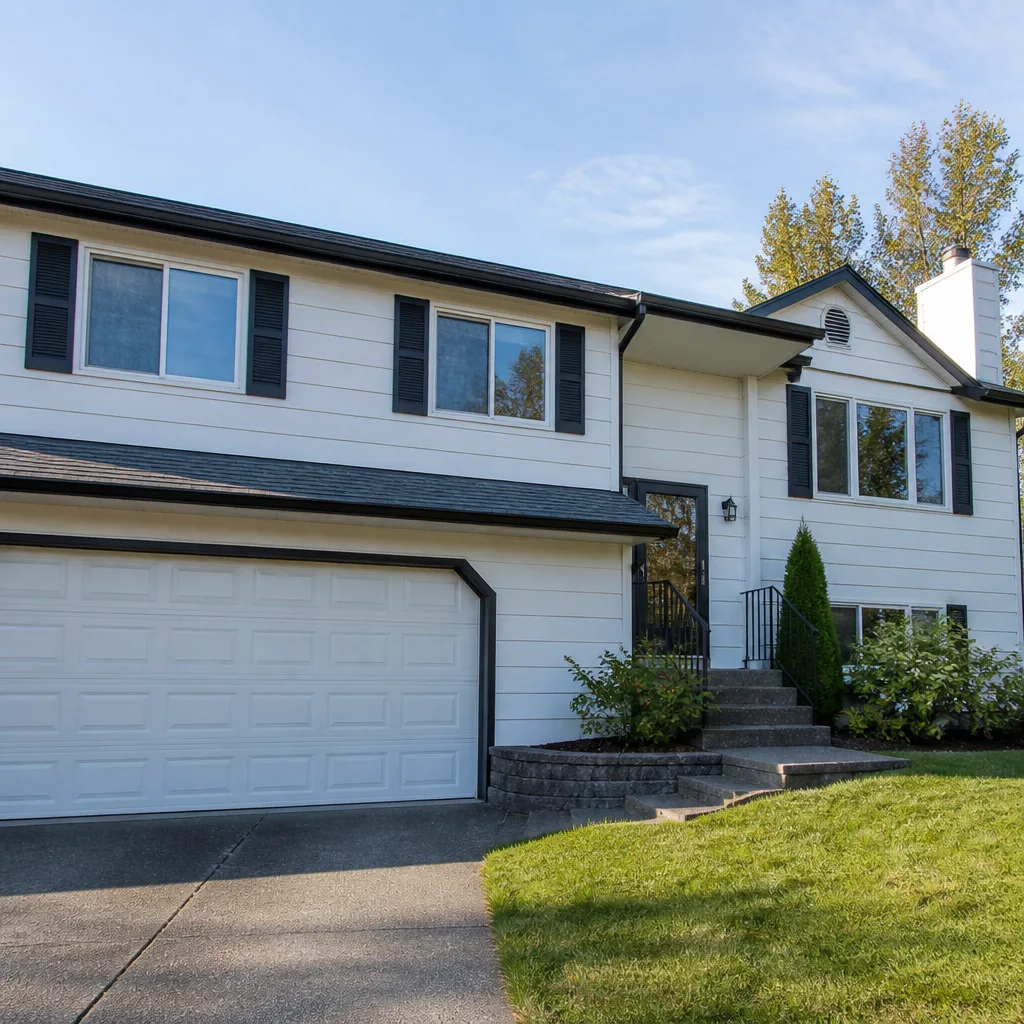
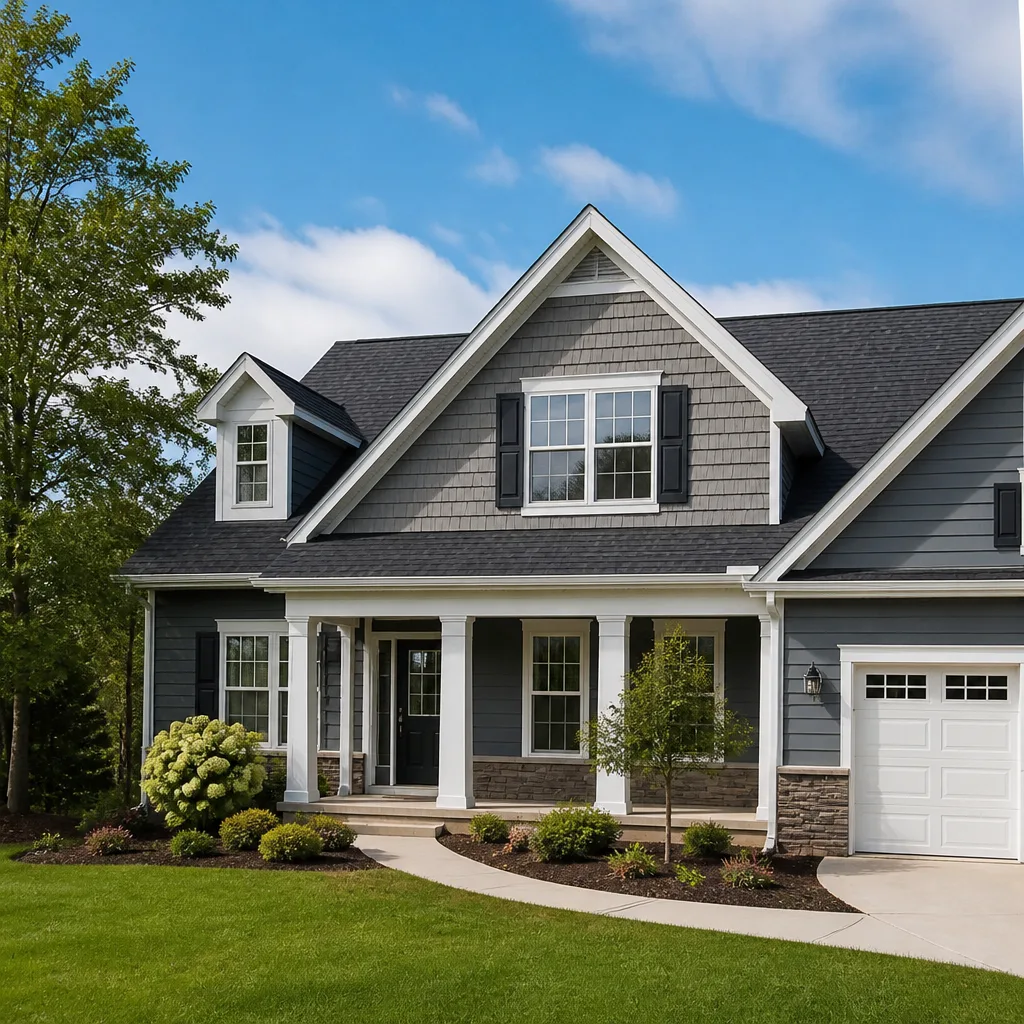
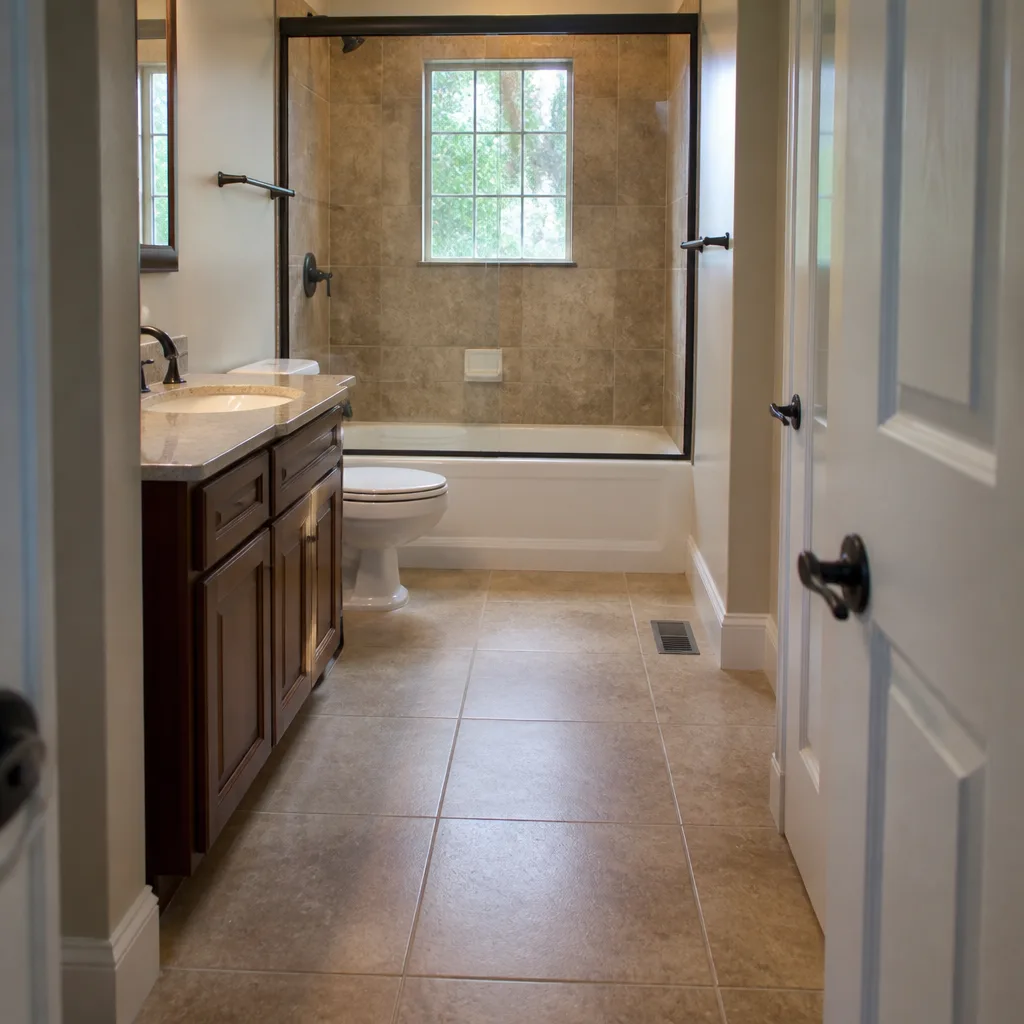
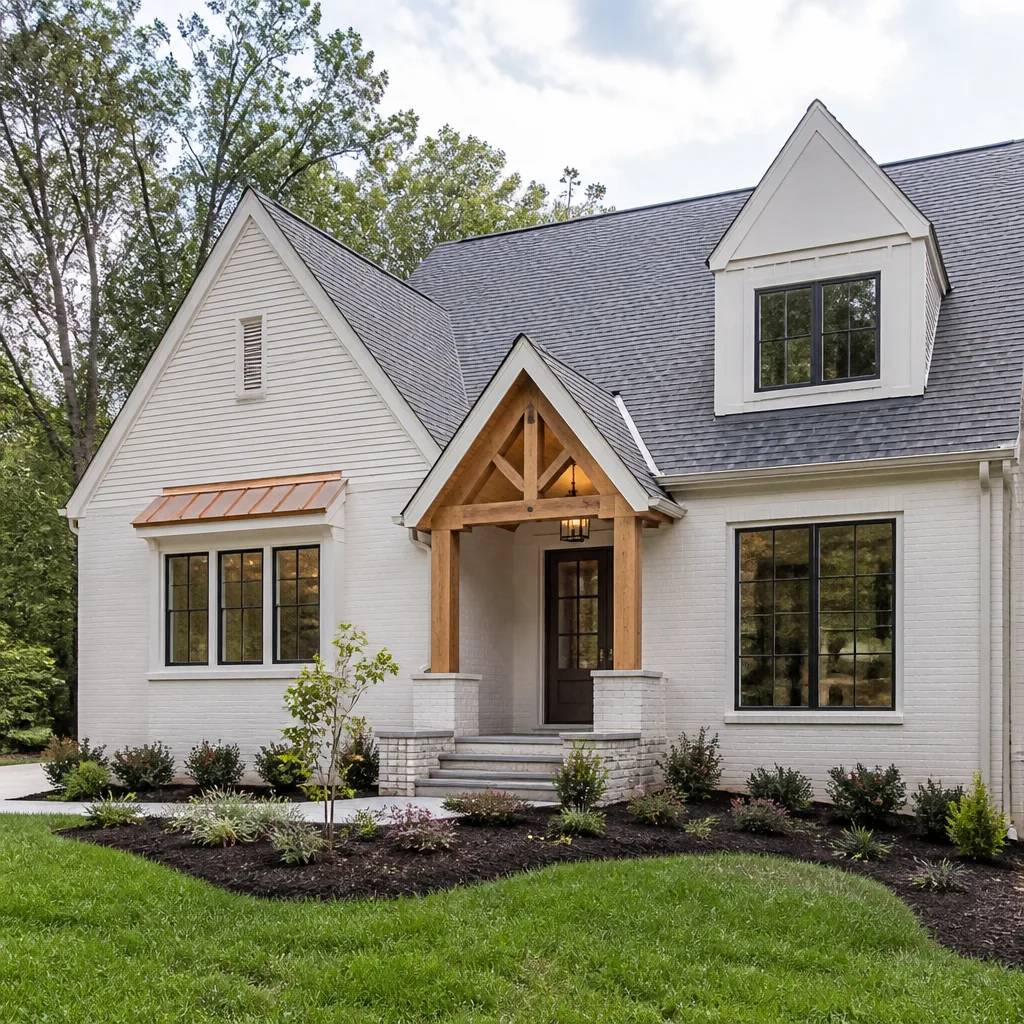
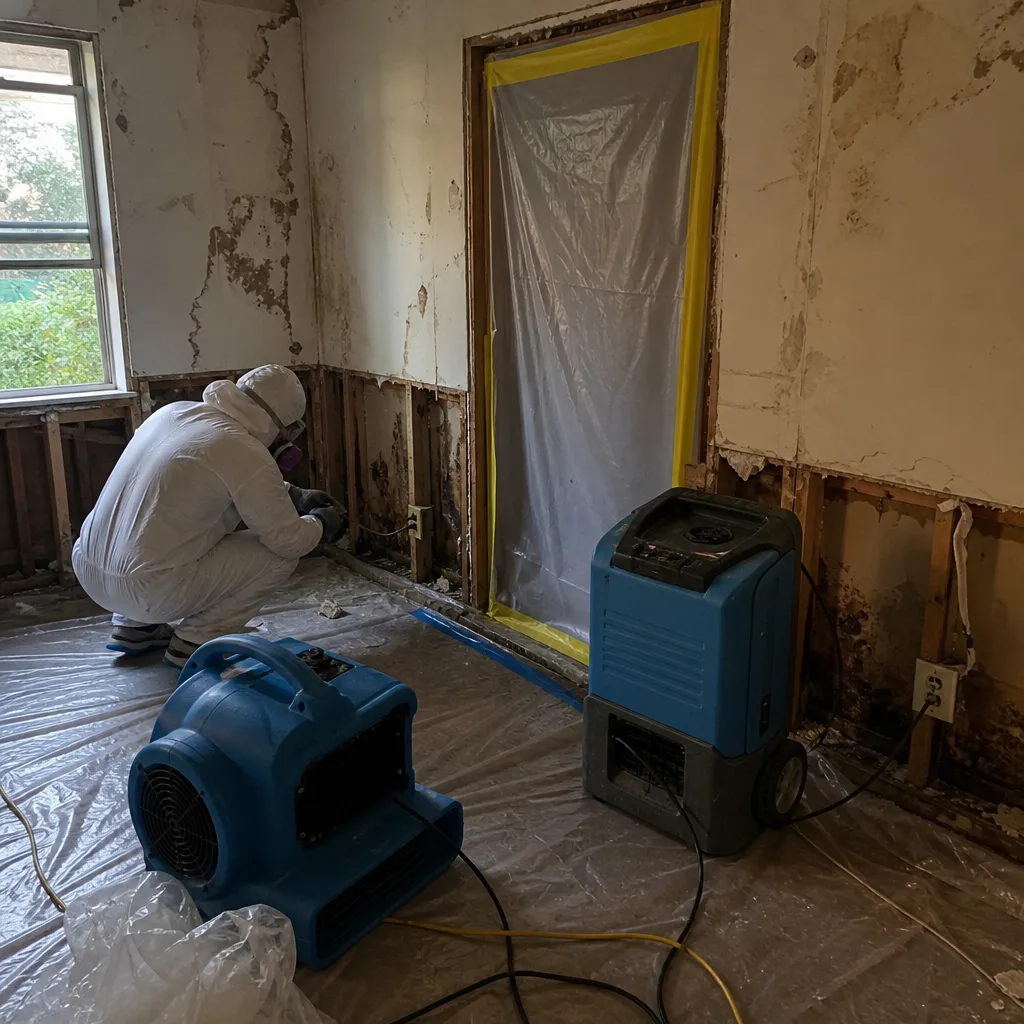 Before
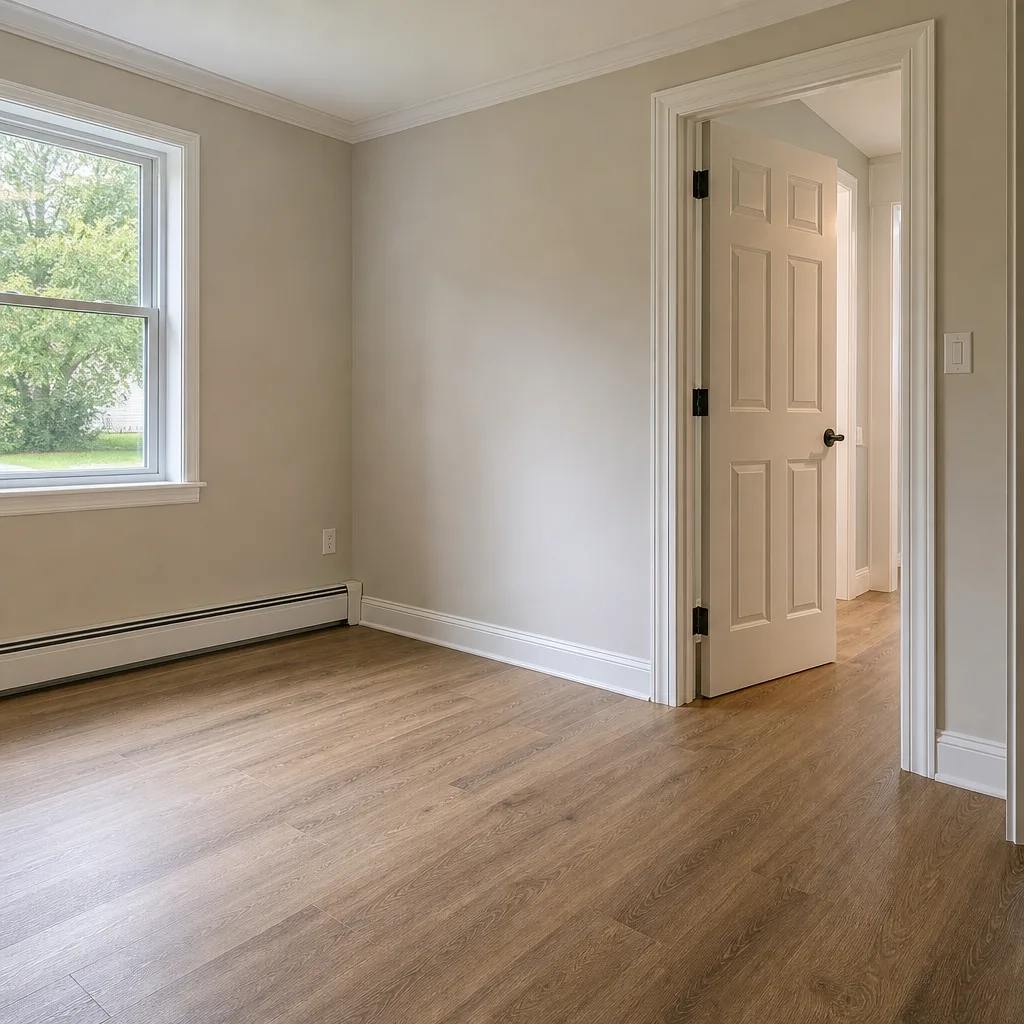 After
After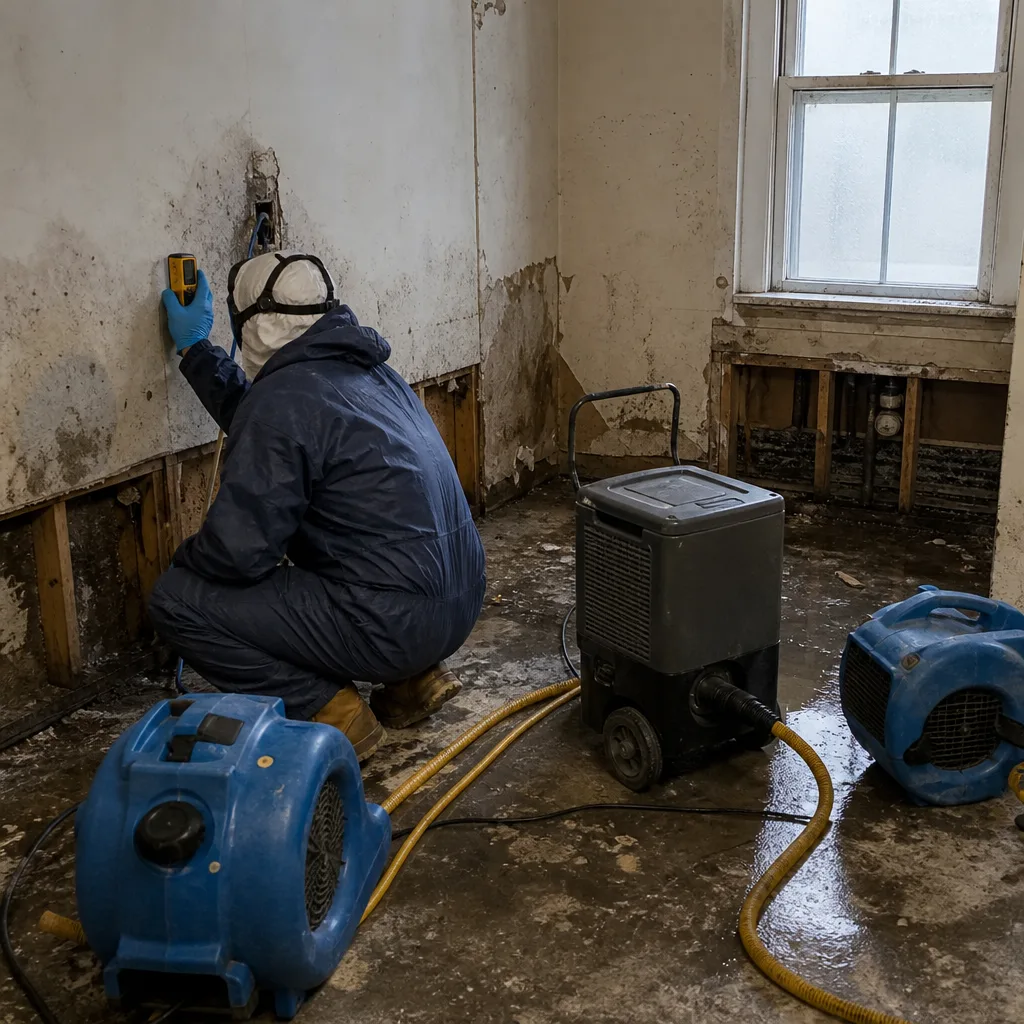 Before
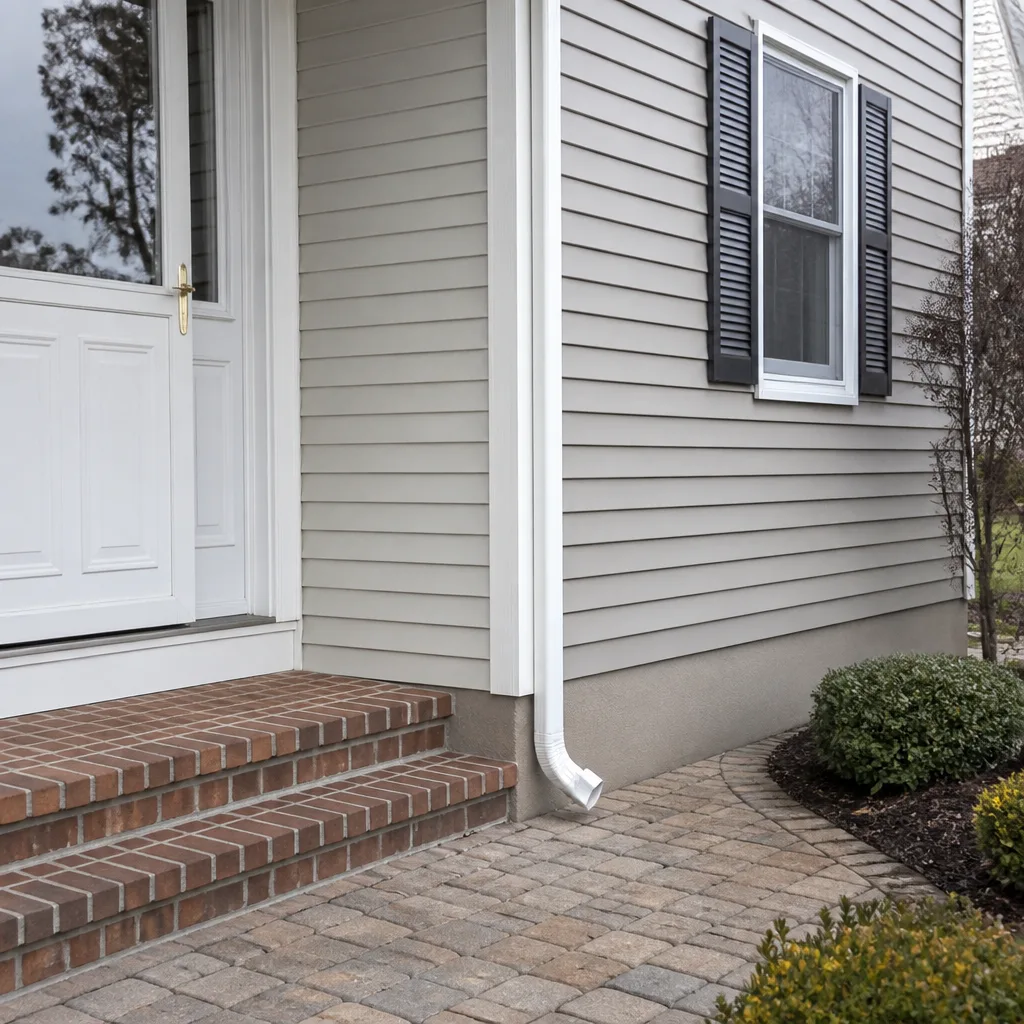 After
After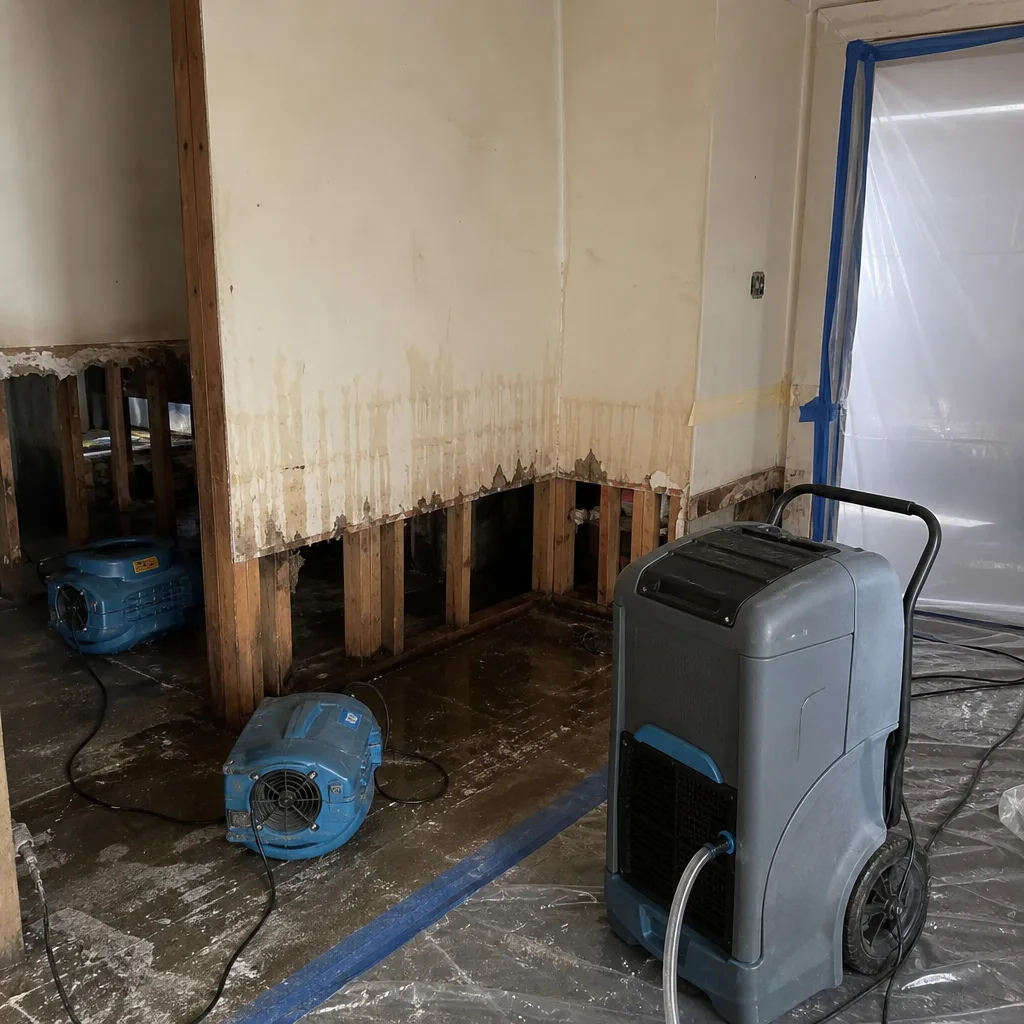 Before
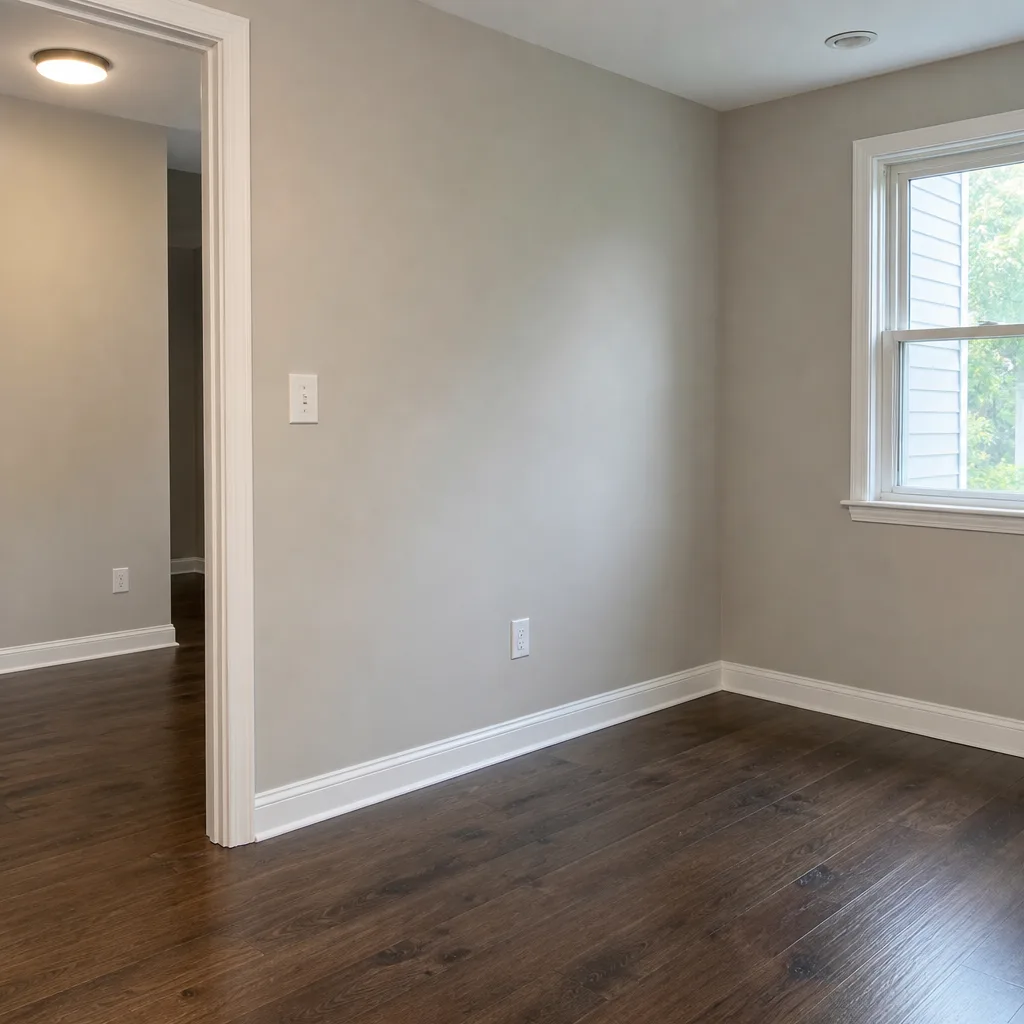 After
AfterThe Complete Guide to Damage Restoration in Bardonia
Most homeowners in Bardonia will face water damage long before they ever face a fire. That’s not pessimism, it’s plumbing. A supply line lets go at 3 a.m., a sump pump quits during a March nor’easter, a water heater rusts through while you’re visiting grandchildren in Florida. The water doesn’t care that you’ve lived in the same house on Germonds Road for twenty-two years. What matters in the first hour is not what got wet, but what happens next. This guide walks you through every phase of damage restoration, from the first phone call to the final coat of paint, so you know what a square deal looks like before you need one.
Quick Answer
Damage restoration in Bardonia means stopping the source of water, fire, or mold, drying the structure to a measurable standard, removing what can’t be saved, and rebuilding what was removed, all documented for your insurance carrier. It should be handled by one certified crew from first extraction to finished rebuild, with a moisture log in your hands and a written guarantee behind the work.
Table of Contents
- What Is Damage Restoration, Exactly?
- Water Damage Restoration in Bardonia
- Mold Remediation: What Bardonia Homeowners Need to Know
- Fire and Smoke Damage Restoration
- Storm Damage and Sewage Cleanup
- Reconstruction: The Phase Most Companies Hand Off
- How Insurance Billing Works During Restoration
- What Does Damage Restoration Cost in Bardonia?
What Is Damage Restoration, Exactly?
Damage restoration is not the same as repair. A repair fixes what you can see. Restoration addresses what you can’t: the moisture wicked into wall cavities, the smoke driven into ductwork, the mold colony spreading behind baseboards. The goal is to return a home to a dry, safe, structurally sound condition, and to document every reading along the way so the insurance carrier can follow the trail from loss to resolution.
Restoration work generally moves through five phases. Here’s what actually happens, in order:
- Assessment and documentation. A certified technician photographs everything, reads moisture levels with meters, and maps the damage before a single piece of equipment goes in.
- Mitigation. This is the emergency phase: extracting standing water, boarding up broken windows, tarping a roof, setting up containment. The goal is to stop the loss from getting worse.
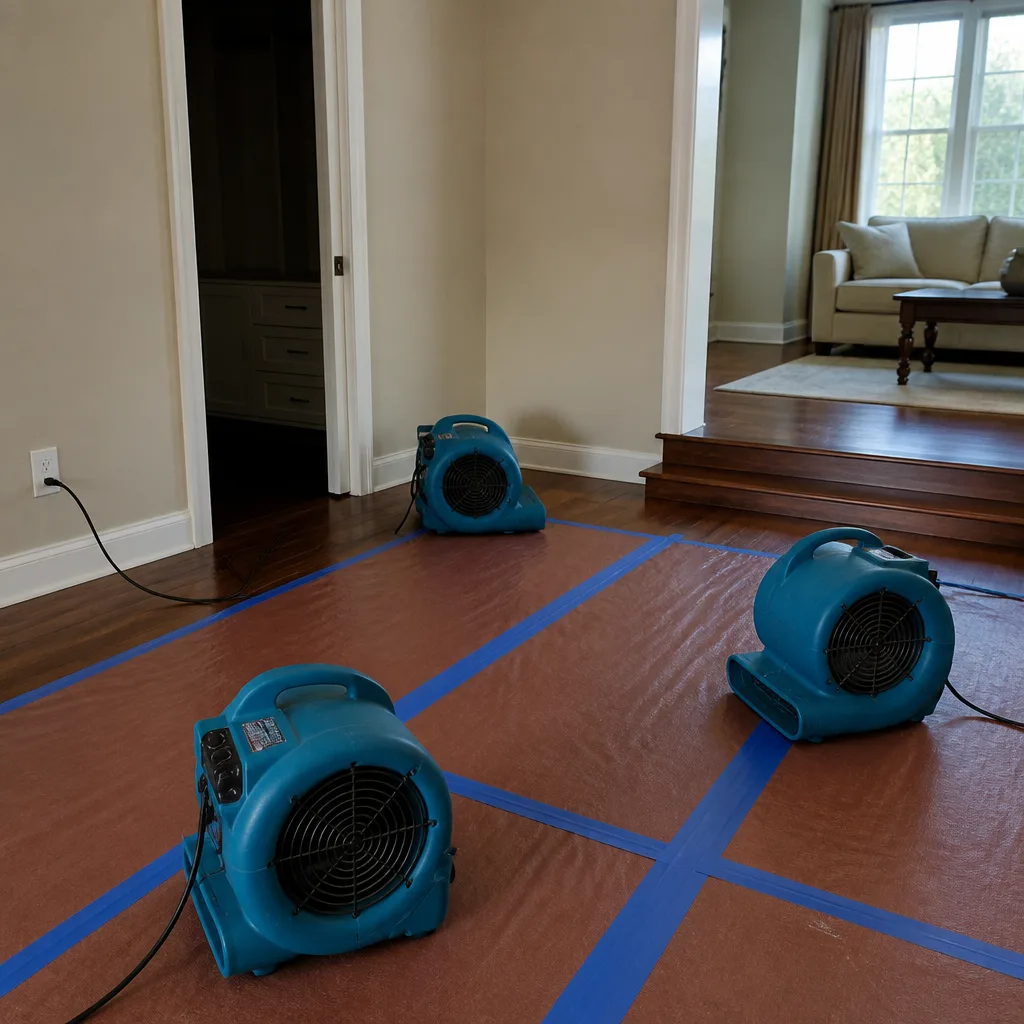
- Drying and dehumidification. Professional air movers and dehumidifiers run continuously, with daily moisture readings logged until the structure hits the dry standard. This typically takes three to five days.
- Cleaning and removal. Damaged drywall, insulation, carpet, and personal contents are cleaned or removed depending on what the moisture and contamination levels allow.
- Rebuild. The final phase: new drywall, paint, flooring, trim, and whatever else was removed, done by the same crew that started the job.
Where things go wrong in Bardonia is between phase four and phase five. Many companies dry a house, hand you a bill, and disappear. Then a different contractor shows up to rebuild, blames the first crew for what was missed, and you’re left holding the phone. That’s the handoff problem we built Floodline Restoration Co. home to eliminate.
Water Damage Restoration in Bardonia
In over 42 years of serving Rockland County, we’ve seen more water damage from failed supply lines and water heaters than from dramatic flooding. In Bardonia specifically, homes built in the 1960s and 1970s along streets like Bardonia Road and Route 304 corridor often have original copper supply lines that are now sixty years old. Copper doesn’t last forever. When it fails, it fails at a joint, usually at 2 a.m., usually behind a wall.
Water damage is categorized by contamination level, and that classification drives the entire job:
- Category 1: Clean water. From supply lines, faucets, water heaters. Safe to extract and dry, though it degrades to Category 2 within 48 hours if left standing.
- Category 2: Gray water. From washing machines, dishwashers, sump pump failures. Contains some contaminants and requires sanitizing.
- Category 3: Black water. From sewage backups, toilet overflows past the trap, or outdoor flooding. Requires full containment, removal of affected materials, and professional sanitization.
Here’s the sequence a proper water damage response follows on the first visit:
- Stop the source. If the homeowner hasn’t already shut the valve, the technician does.
- Extract standing water with truck-mounted or portable extraction units.
- Map the moisture. We run meters across floors, walls, and ceilings, not just the visible puddle.
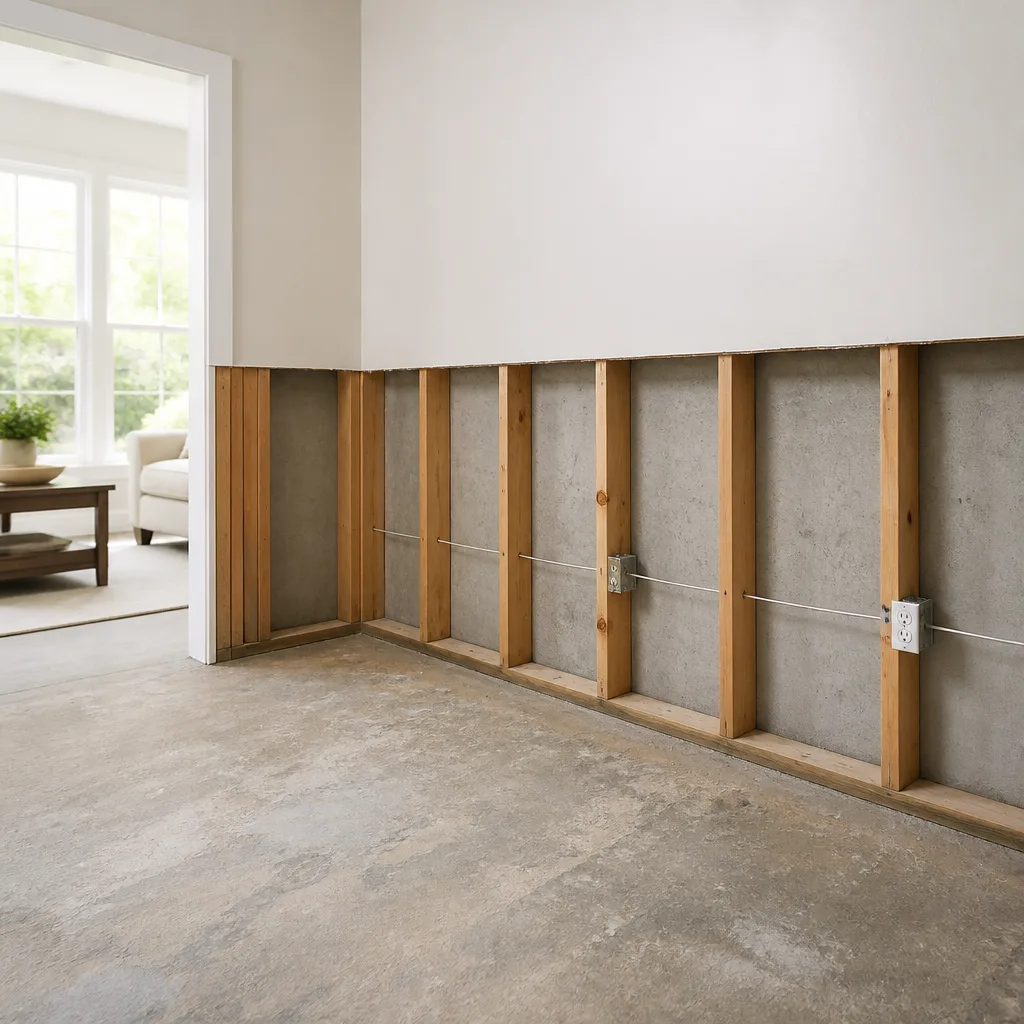
- Remove saturated materials that can’t be dried: wet insulation, swollen particleboard, carpet padding.
- Set up air movers and dehumidifiers, placed for airflow across wet surfaces, not just pointed at the floor. We use XPOWER air movers and Phoenix dehumidifiers on most Bardonia jobs.
- Log daily readings until the dry standard is met, and give that log to you and your carrier.
A key distinction: drying to “our judgment” is not a standard. Drying to the IICRC dry standard is a standard. It’s measurable, and it’s the difference between a wall that’s kind of dry and a wall that won’t grow mold next spring.
Mold Remediation: What Bardonia Homeowners Need to Know
Mold in a Bardonia basement is not unusual. The water table is high, basements are below grade, and our summers run humid. What matters is whether mold is a surface issue from condensation or a colony fed by an active water source. You can’t remediate one without fixing the other.
The useful question is not “Do I have mold?” Most basements in this area test positive for some mold spores when air-sampled. The useful questions are: Is it growing? Where is the moisture feeding it? How large is the affected area?
Small areas, under about ten square feet, can be cleaned by a homeowner who is diligent about it. Anything larger, or anything near a water source you can’t identify, calls for professional containment. Here’s what the remediation process actually involves:
- Finding the water source first. A drying crew fixes the leak or humidity problem before mold work begins. Without that, it comes back.
- Containment. Plastic barriers and negative air pressure keep spores from spreading to the rest of the house while we remove affected materials.
- Removal, not just spraying. Porous materials like drywall and insulation with growth get cut out and bagged. Bleach spray over drywall is not remediation; it’s cosmetics.
- HEPA vacuuming and wiping. Non-porous surfaces get vacuumed with HEPA filters and wiped with antimicrobial solutions.
- Drying and retesting. The area is dried to the dry standard and retested to confirm levels have returned to normal background.
- Wet smoke from smoldering, low-temperature fires: sticky, smears when touched, needs solvent-based cleaning.
- Dry smoke from fast, high-temperature fires: powdery, easier to clean off hard surfaces, penetrates fabrics deeply.
- Protein smoke from burned food: nearly invisible, can discolor painted surfaces permanently, smells strong.
- Fuel oil soot from furnace puffs: dense, dark, and needs specialized removal.
- Stop using water in the house. Every flush makes it worse.
- Keep people and pets out of the affected area.
- Call a restoration company that handles Category 3, not a general handyman.
- Have the technician document everything with photos before cleanup begins. You’ll need this for your carrier.
- No information lost between companies. We know what was removed, what was treated, and what was borderline.
- One point of accountability. If the rebuild fails, there is no argument about which company caused it. We stand behind it, in writing.
- Moisture is resolved before drywall goes up. We don’t close a wall over a bay that hasn’t hit the dry standard. We wait, because a documented dry log matters more than a tight schedule.
- Your insurance carrier deals with one company. One scope of work, one billing file, one adjuster conversation.
- We document the loss in full: photos, moisture readings, and a written scope of the affected areas.
- You report the claim to your carrier with photos and our assessment attached.
- The carrier assigns an adjuster, who contacts us directly.
- We provide the adjuster with our daily moisture logs, itemized scope, and equipment records.
- We bill the carrier directly for covered work. You are not the middleman for payments.
- Clean water extraction and drying, single room: $1,800 to $3,500 depending on the materials affected and drying time.
- Class 3 water damage across multiple rooms (flooded basement): $5,000 to $12,000, including removal and disposal of saturated materials.
- Category 3 sewage cleanup, single bathroom backup: $2,500 to $6,000 with containment and antimicrobial treatment.
- Mold remediation, 10×10 basement area: $2,000 to $5,000, including source correction and HEPA cleaning.
- Smoke and soot cleaning after a kitchen fire: $4,000 to $15,000 depending on square footage and contents affected.
- Full reconstruction after a flooded finished basement: $20,000 to $45,000 in Bardonia, including new drywall, flooring, trim, and finish work.
We train our technicians to IICRC standards for mold remediation. That’s the same certification your insurance carrier recognizes when reviewing a claim. For a Bardonia homeowner, that documentation matters. Without it, an adjuster may say the mold was pre-existing.
Fire and Smoke Damage Restoration
A house fire in Bardonia is rare, which is exactly why it catches people so unprepared when it happens. Even a small kitchen fire sends smoke into every room on the floor: into carpets, drapes, furniture, behind outlet covers, inside closets. The damage is not where the flames were. The damage is everywhere the smoke drifted.
Smoke damage has significantly more in common with chemical contamination than with dirt. Heat pressurizes a house and drives particles into every porous surface. There are four types of smoke residue, each requiring a different cleaning approach:
The process starts the same way every time. We board up and secure the property if needed, then assess not just the charred area but the entire air column of the home. Soot gets wiped from every hard surface, contents get cleaned or packed out, and structural materials that are saturated with smoke get removed. Ductwork gets inspected and often needs cleaning, because that’s where smoke particles hide and redeploy with every heating cycle.
For Bardonia homes with oil heat and older furnaces, furnace puff-backs are an underrated source of soot damage. A puff-back sends a cloud of fine black soot through the whole house in seconds. It looks catastrophic. In most cases, the cleanup is thorough but straightforward: HEPA vacuuming, soot sponge work, and specialized cleaning of every surface the soot touched.
Storm Damage and Sewage Cleanup
Bardonia sits far enough inland that hurricane damage here usually means wind, rain, and basement flooding rather than structural loss. The Nauraushaun Brook and its tributaries have overtopped during major storms. Homes on the lower stretches of Route 304 and along the brook corridor have seen basement water during heavy events like the remnants of Irene and Sandy.
Storm water that enters a basement from outside is Category 3 by definition. It has traveled over asphalt, through landscaping, through whatever the street carried. It doesn’t matter that it looks clear. It carries biological contamination, and everything it touches needs professional handling: extraction, removal of saturated materials, antimicrobial treatment, and drying with containment in place.
Sewage backup is the same category but often faster-moving and more localized. When a Bardonia home’s sewer line backs up, it usually happens in the lowest fixture first: a basement toilet, a slop sink, a floor drain. The correct response is:
Sewage cleanup requires full PPE, containment, removal of any porous materials the water touched, and disposal in accordance with local and state regulations. It is not a mop-and-bleach job. It is also not a job you want delayed. Sewage sitting in a basement for 48 hours soaks into the concrete, and the odor can persist for months after the visible water is gone.
Reconstruction: The Phase Most Companies Hand Off
Here is the quiet truth of the restoration industry: most companies are either dry-out companies or rebuilders. They are not both. The dry-out crew shows up, pulls the water, runs the fans, and leaves. Then a general contractor appears, reads the notes, and starts tearing out whatever is still damp. If the two companies disagree, which they often do, you are the mediator. You should not need to be the mediator.
At Floodline Restoration Co., we handle reconstruction in-house. The same certified crew that extracted the water, that ran the daily moisture readings, that knows exactly which stud bay stayed wet longer than the others, that same crew does the rebuild. The advantages are not theoretical:
Reconstruction is scheduled work, not emergency response. It gets scoped in writing, priced in writing, and scheduled like a remodel, because it is a remodel of the damaged portion of your home. We don’t promise same-day rebuild. We promise a scope you can read, a schedule we keep, and a finished result that matches what was there before, or better if you choose to upgrade.
How Insurance Billing Works During Restoration
The single biggest source of confusion for Bardonia homeowners during a loss is whether they should call their insurance company first or a restoration company first. Call the restoration company first. Here’s why: the insurance carrier will ask you for documentation of the damage, and you cannot document what has already been cleaned up. We recommend extraction begin within the first hour if possible, and we photograph everything before any equipment goes in.
Once we’re on-site, here’s how the insurance process typically flows:
Direct billing matters more than most people realize. When a restoration company makes the homeowner chase the carrier for reimbursement, delays inevitably stretch. With direct billing, we submit the documentation, we speak the adjuster’s language, and we resolve it. You receive a copy of everything. Nothing is submitted to your carrier without your knowledge.
One pressure point to understand: your carrier may recommend a restoration company. You are under no obligation to use them. You have the right to choose who works in your home. Choose the company whose documentation, credentials, and guarantee hold up when the adjuster reviews the claim.
What Does Damage Restoration Cost in Bardonia?
Every restoration job is priced from the scope of work, and scopes vary widely. But homeowners deserve real ranges, not vague promises. Here are typical costs for common scenarios in Bardonia, based on Rockland County market rates we see on our own jobs:
These are ranges, not quotes. The variables are the category of water, the size of the affected area, whether contents need pack-out and cleaning, and what the moisture map shows under the surface. What you should expect, and what a square deal requires, is a written scope of work with line-item pricing before work begins. No surprises on the bill is not a slogan. It’s a contract.
We also keep standing offers for Bardonia homeowners: $50 off any repair over $250, the $89 seasonal tune-up for sump pumps and water heaters, and a 5% discount for seniors and veterans, always. Ask about them when you call.
Common Mistakes to Avoid
- Waiting to see if it dries on its own. It won’t. Water wicked into drywall and framing stays there for weeks, and that timeline is how Category 1 turns into mold. The first 24 hours are the cheapest ones.
- Using household fans and a shop vac. A shop vac pulls surface water. Household fans blow air around. Neither removes moisture from wall cavities or brings down the relative humidity in a room, and both can spread mold spores.
- Ripping out drywall before documenting the damage. If you remove the evidence before photos and moisture readings are taken, your carrier has grounds to question the claim. Let the technician document first.
- Hiring a company that subs out the rebuild. A dry-out crew that hands you off to a stranger on week two means two companies, two opinions, and you in the middle. Ask up front whether the company rebuilds what it tears out.
- Accepting “dry enough.” Dry is measurable. If a contractor can’t show you moisture readings on a log, they’re guessing. Guessing is how mold comes back in the spring.
- Choosing the cheapest bid without checking credentials. In the Rockland County market, the low bid is often a company without IICRC certification or proper insurance. The savings vanish the first time they miss something.
- Not asking about direct insurance billing. If a company expects you to pay out of pocket and seek reimbursement, you become the adjuster’s courier and the carrier’s collections department. You have enough on your plate.
When to Call a Professional
Call a professional the moment you see water where it shouldn’t be, smell smoke after a fire that was extinguished, or spot mold growth larger than a dinner plate. If the water source is contaminated (sewage, storm runoff), if the affected area spans multiple rooms, if water has touched drywall or flooring, or if you have any doubt about the moisture you can’t see, that’s the signal. Bardonia homeowners should not wait through a weekend. A live person answers at Floodline Restoration Co. around the clock, every day, at (914) 809-9936. Estimates are free, and a certified technician can walk you through what you’re looking at within the first phone call.
Frequently Asked Questions
When you call Floodline Restoration Co., a live dispatcher answers at any hour, and we schedule a certified technician to reach your home in Bardonia the same visit. Extraction starts during that first visit when the situation calls for it. Across Route 304, the Palisades, and the surrounding neighborhoods, our response is measured in hours, not days.
Most standard homeowner policies in New York cover sudden and accidental water damage, fire and smoke damage, and storm damage, subject to your deductible and coverage limits. Mold remediation is often covered when it results from a covered water loss. We bill the carrier directly and provide the documentation adjusters require. Ask us to review your specific situation when you call (914) 809-9936.
That depends on the size of the affected area and the moisture source. Under about ten square feet, with no underlying leak, a thorough cleaning is often sufficient. Over ten square feet, or accompanied by a continuing water source, professional containment and removal is the defensible route, both for your health and for your insurance claim. We’ll assess it honestly either way.
It means if the work isn’t done right, we make it right, in writing, within 90 days of completion. No paperwork battles, no arguing about who caused what. We call it the Keystone Standard internally: K.E.Y.S. stands for Krafted right, Every time, Your home first, Standing behind it. It’s been in every scope we’ve written since our founding year.
Yes. Direct adjuster coordination is standard practice for us in Bardonia. We provide daily moisture logs, photo documentation, itemized scopes, and equipment records in the format your carrier expects, and we bill them directly for covered work. You’re never asked to play messenger between us and the carrier.
Because water moves. It wicks up drywall, travels along framing, and pools in wall cavities far from the visible puddle. A moisture map, taken with professional meters and logged daily, tells us where the water actually is, and when it’s actually gone. It’s the difference between drying a floor and drying a house. It’s also the documentation your carrier uses to confirm the job was done to standard.
The Bottom Line
Damage restoration in Bardonia is not a product you buy; it’s a process you trust. The water line on the wall is where the work starts. What comes next, extraction, drying, removal, cleaning, and rebuild, should happen under one accountable crew with measurable standards and documentation at every step. If you take one thing from this guide, take this: ask the company whether they handle rebuild in-house, ask for a written scope before work starts, and ask for the moisture log at the end. Anyone who hesitates on any of those three questions is not a company you want inside your walls.
If you’re facing damage now, or you want a professional assessment before a problem gets worse, call Floodline Restoration Co. at (914) 809-9936. A live person answers. The estimate is free. And every job we do in Bardonia is backed by the 90-Day Done Right Promise, in writing.
Written by Curt Bowman, Owner at Floodline Restoration Co., serving Bardonia since 2010.