
Last updated August 25, 2026
Free visual inspection and a written scope of work before any mitigation begins - photos, moisture readings, and drying logs go in your claim file
The scope we write is the scope we bill. Anything new gets shown to you, in writing, before we touch it.

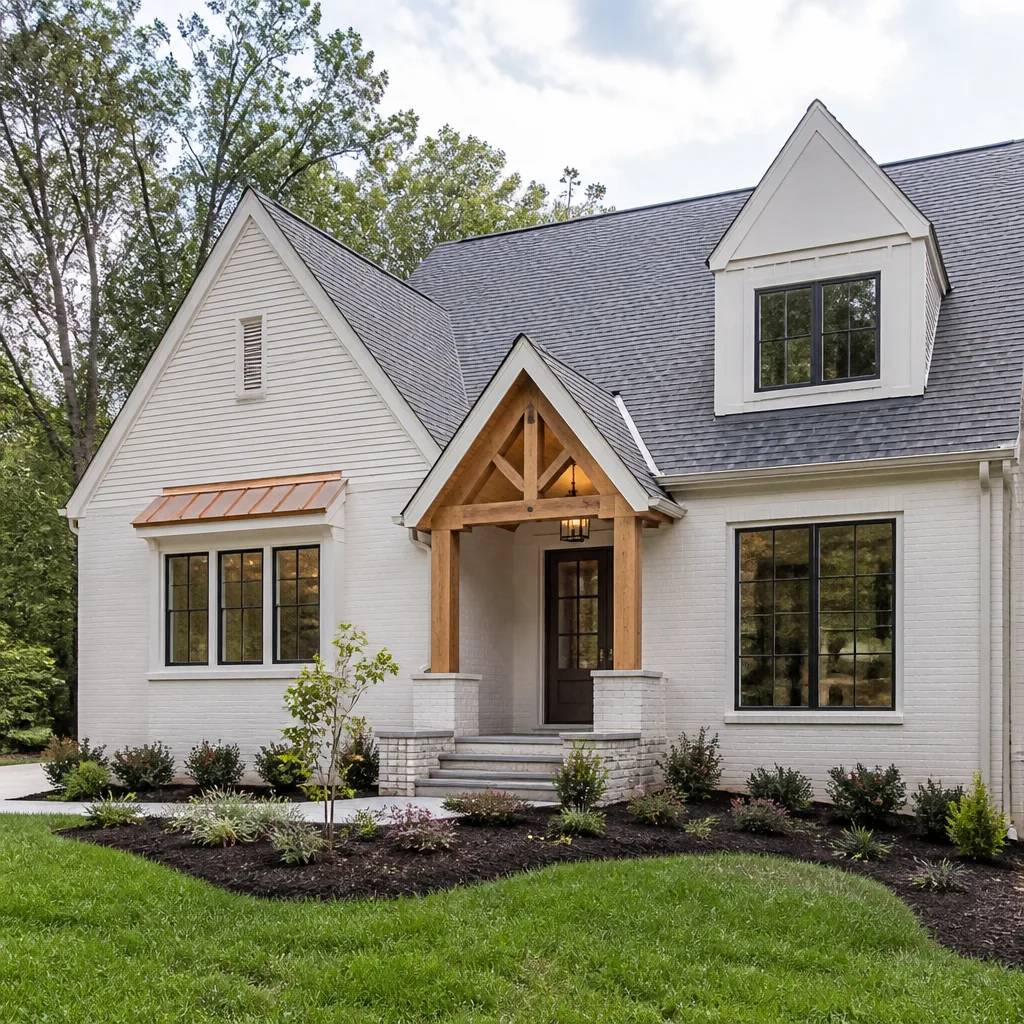
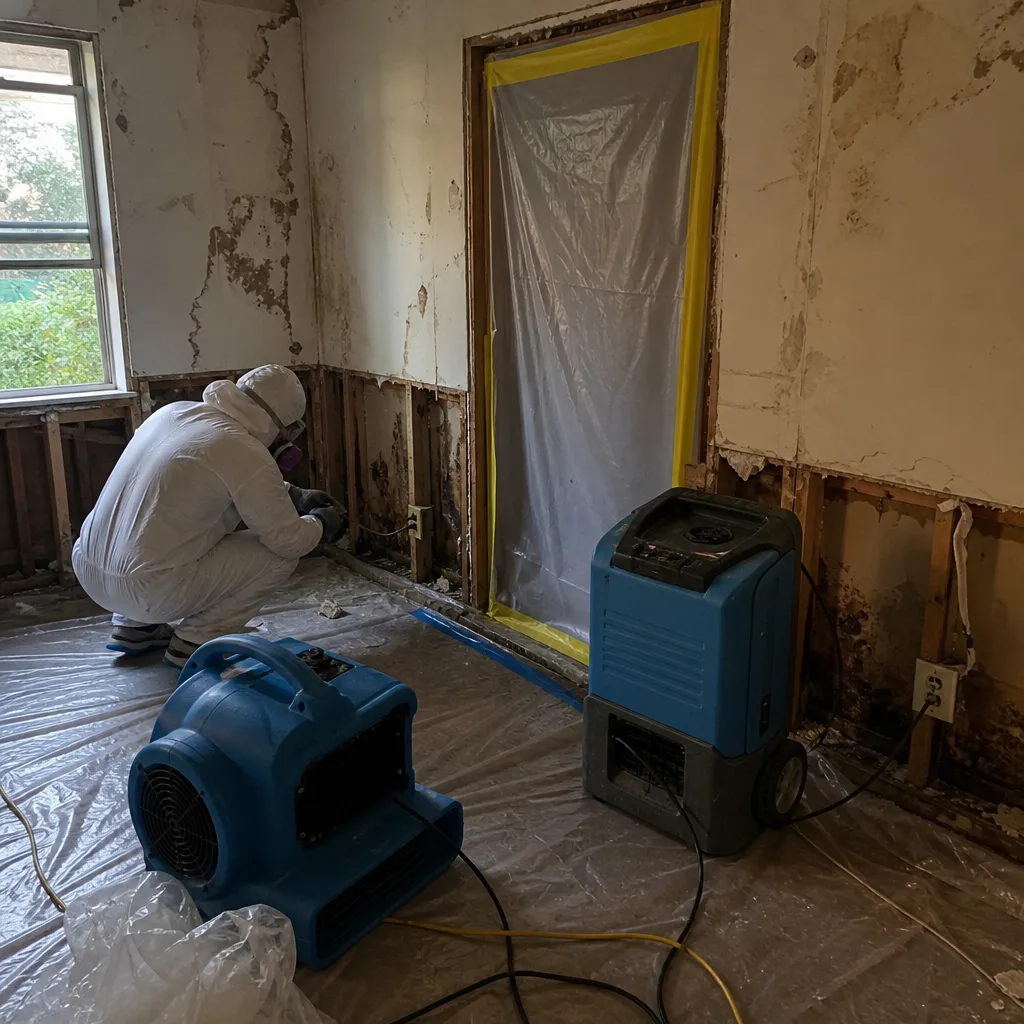 Before
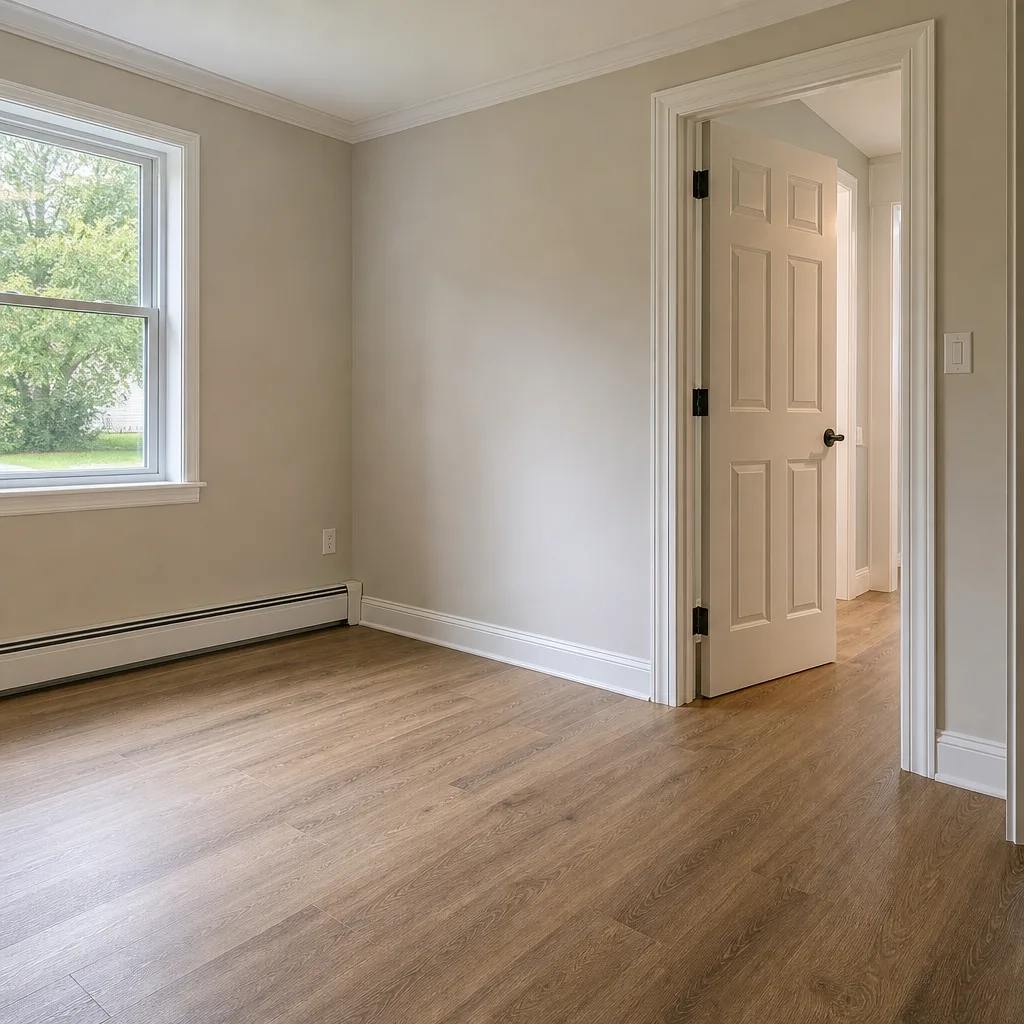 After
After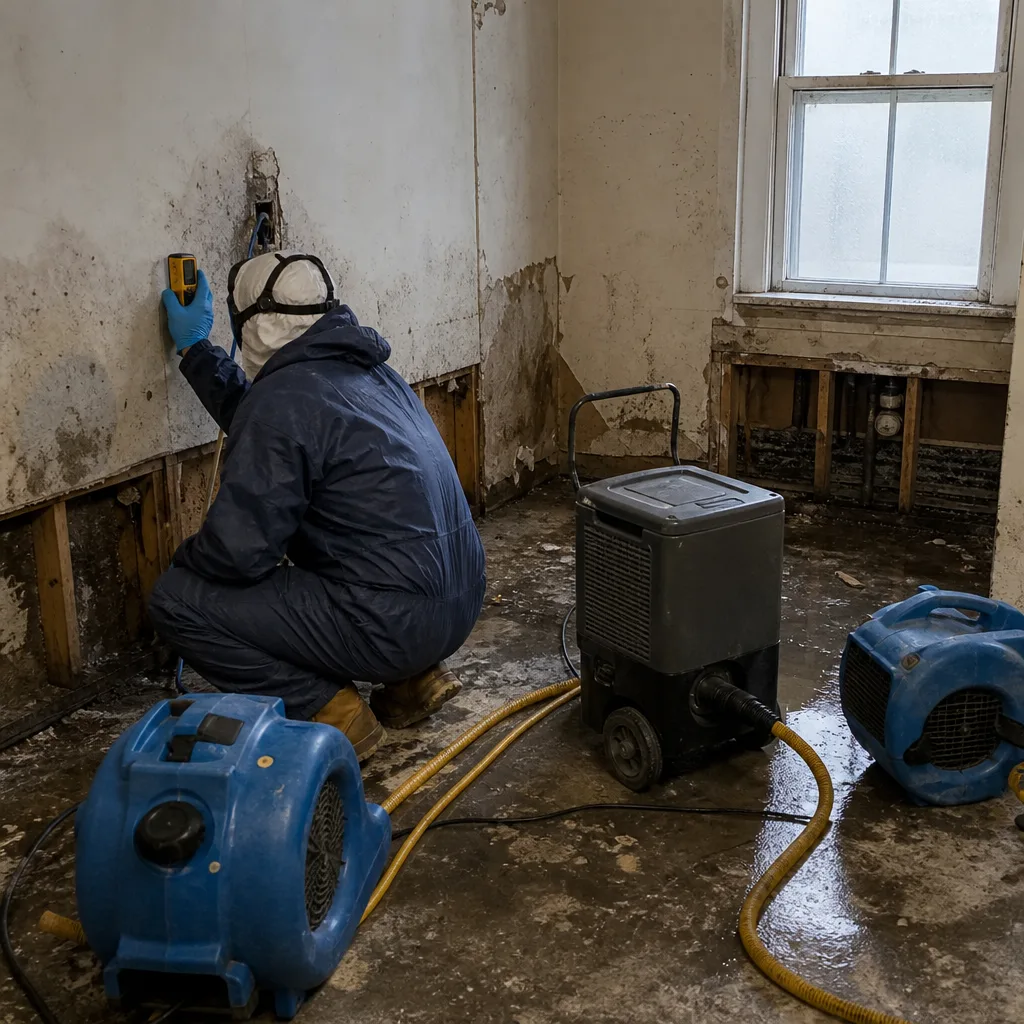 Before
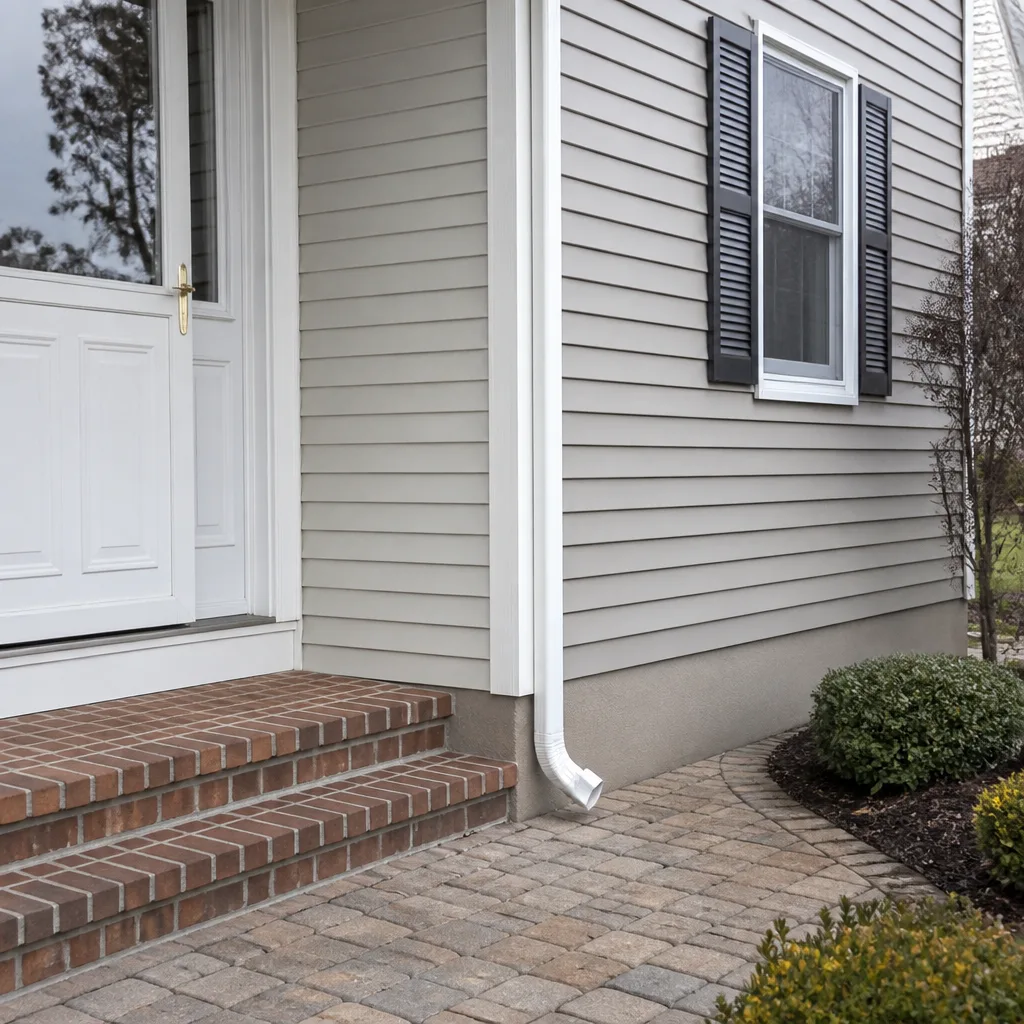 After
After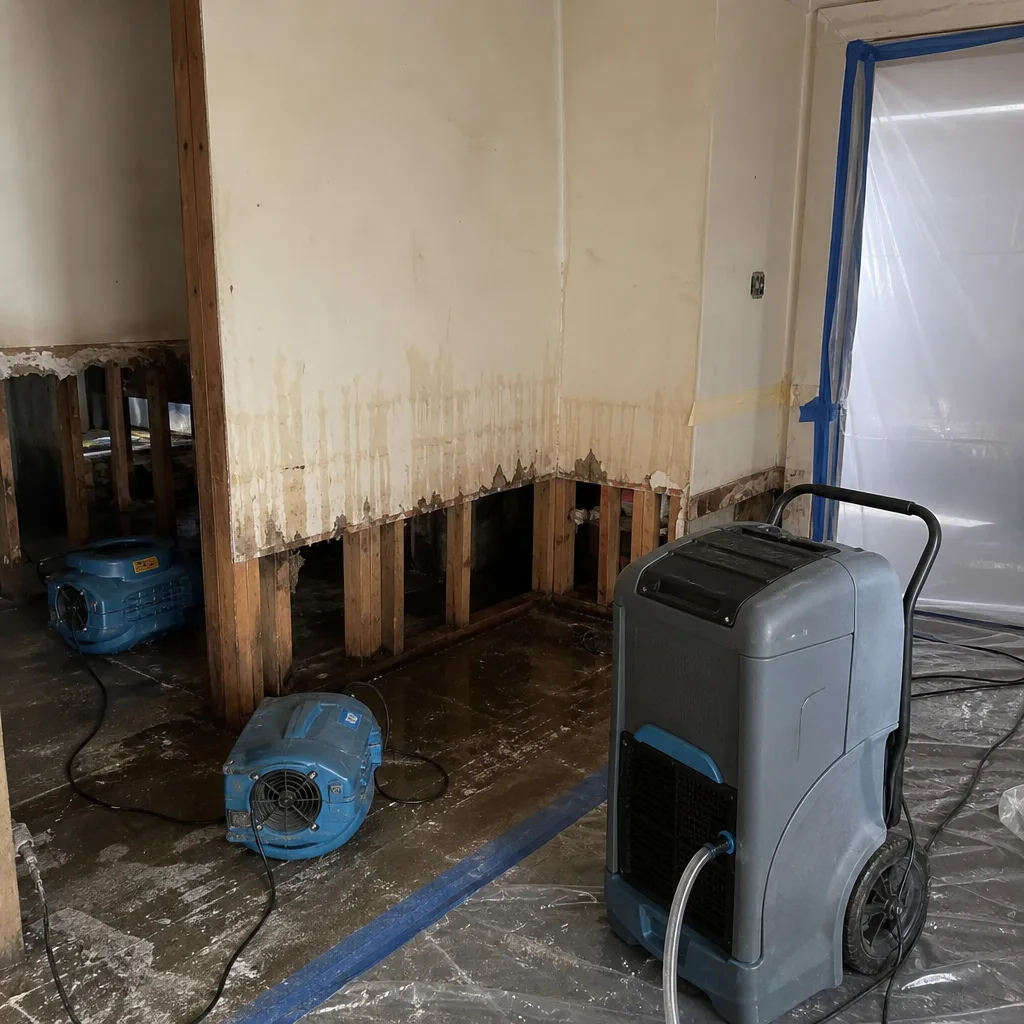 Before
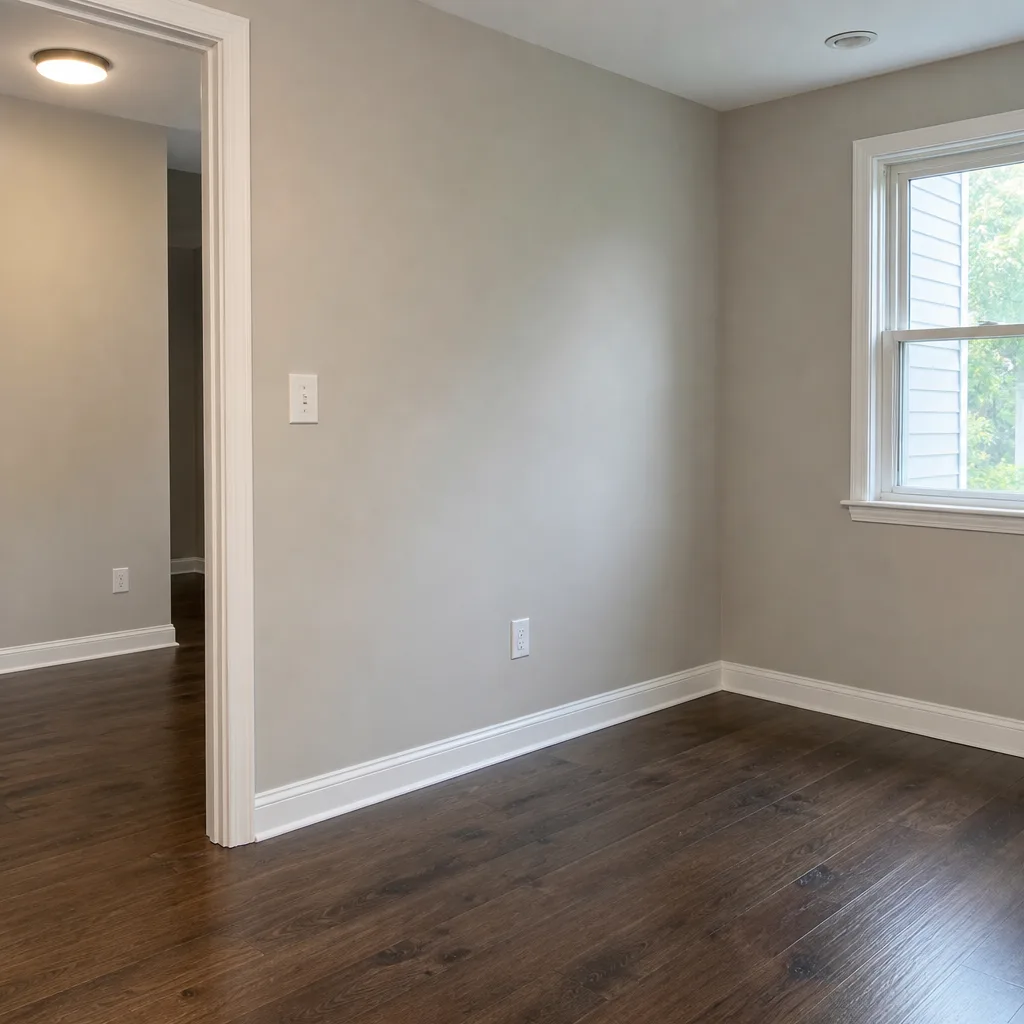 After
AfterDIY vs Professional Damage Restoration: The Bardonia Homeowner’s Decision Guide
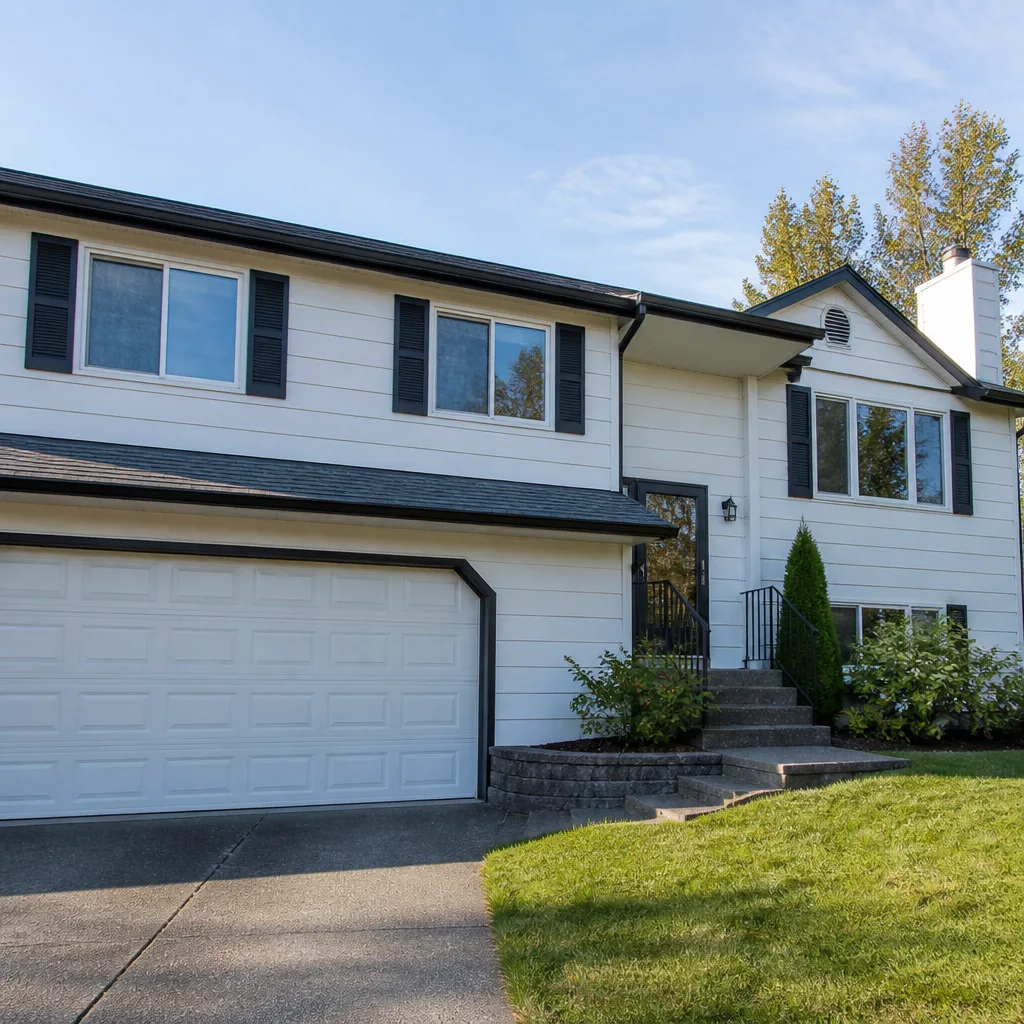
Most Bardonia homeowners who call us after a water event tell us the same thing: they waited a day or two to see if it would dry on its own. And in a Hudson Valley house with our humidity patterns, that waiting period is exactly when drywall wicks moisture upward and mold begins to colonize in the wall cavity. This guide walks you through what you can safely handle yourself, what you cannot, and how to make that call before the damage gets more expensive. We’ll cover real costs in the Rockland County market, what professional-grade drying actually involves, and the point where a bucket and a box fan stop being enough. Bardonia’s older housing stock, plenty of split-levels and ranches from the 1960s and 70s, has floor systems that trap water in ways newer slab construction does not.
Quick Answer
Small, clean-water spills you can reach within minutes are reasonable DIY territory. Anything involving saturated drywall, water that has traveled under flooring, sewage or stormwater backup, or any fire or smoke damage calls for professional equipment and knowledge. In Bardonia, a minor Category 1 water cleanup is manageable on your own if you own a wet/dry vac and dehumidifier, but anything beyond a few square feet usually costs more to fix after a botched DIY dry-out than it would have cost to remediate correctly in the first place.
Table of Contents
- What DIY Can Reasonably Handle
- What Professional Restoration Actually Means
- Cost of DIY vs Professional in Bardonia
- The Mold Clock in a Hudson Valley Home
- Drying Equipment: What the Rental Center Won’t Tell You
- Fire and Smoke: The DIY Trap
- Sewage and Contaminated Water
- Insurance: The Missing Piece
- Common Mistakes to Avoid
- When to Call a Professional
- Frequently Asked Questions
- The Bottom Line
What DIY Can Reasonably Handle
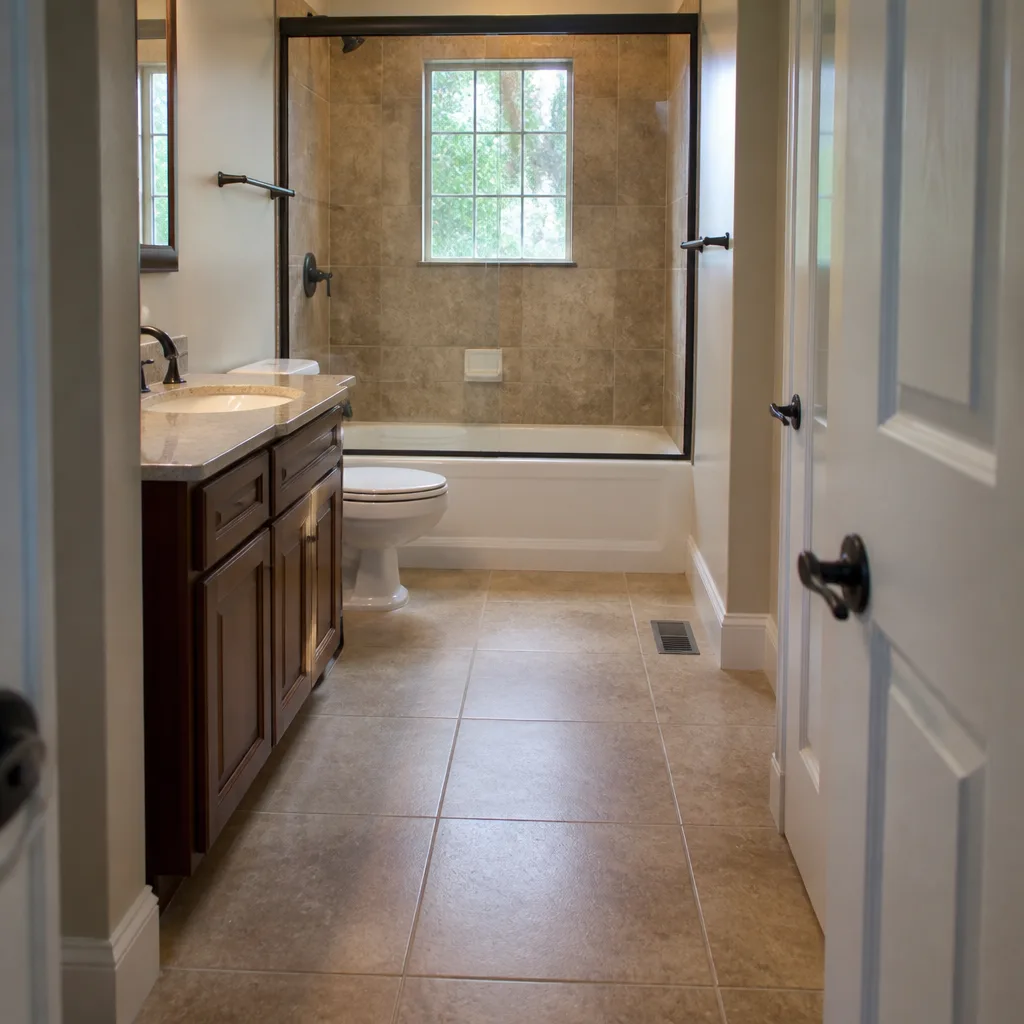
The line between a DIY fix and a professional job comes down to three factors: the category of water, how far it traveled, and how much time has passed. Clean water from a supply line, an overflowing sink, or a leaky appliance can often be handled at home if you catch it within a few hours and the affected area is small. Our crews in Bardonia regularly see cases where a homeowner did a fine job managing a bathroom overflow but missed water that seeped under the vinyl and into the subfloor.
Here is the DIY-safe list, as we see it in the field:
- Small supply-line leaks caught immediately, with less than a gallon of water on tile or vinyl flooring. Towels, a fan, and a dehumidifier usually work.
- Condensation on pipes where the source is obvious and fixable with a simple wrap or drip tray.
- Minor appliance drips like a washing machine hose connection you can tighten yourself, with no water reaching baseboards or under cabinets.
- Surface mildew on tile grout in a bathroom where ventilation has been poor. Repeated cleaning with an appropriate cleaner usually handles this.
The key discipline here is making sure you confirm the water stayed on the surface and did not reach drywall, insulation, subfloor, or sill plates. In many Bardonia homes, a dropped ceiling tile or a quick peek at the basement ceiling joists will tell you more than anything visible from the finished floor above. If you open a wall cavity and the insulation is damp, you have left DIY territory.
What Professional Restoration Actually Means
Professional restoration is not a matter of someone bringing a bigger fan. It is a structured process of measuring moisture, setting drying goals, and tracking progress until the structure is measurably dry. The standard is not “feels dry to the hand.” The standard is a moisture meter reading that matches the dry standard for the material type. In our company, that means daily readings are logged and handed to the homeowner and the insurance carrier. We use Dri-Eaz and Phoenix air movers, Xerxes-style injectidry systems, and B-Air or XPOWER dehumidifiers, but the machines are only as useful as the moisture map that placed them.
Here is what a professional water mitigation job includes, step by step:
- Assessment and category determination – a technician identifies the water source and classifies the loss as Category 1 (clean), Category 2 (contaminated), or Category 3 (sewage, stormwater, or other grossly contaminated water). This determines whether materials can be dried or must be removed.
- Moisture mapping – using penetrating and non-penetrating meters, we map the water’s migration through floors, walls, and ceilings. Water travels laterally and vertically, and it travels fast. The visible puddle is rarely the whole story.
- Extraction – standing water is removed with truck-mounted or portable extraction equipment. This step pulls hundreds of gallons in the time a shop vac would remove a few gallons.
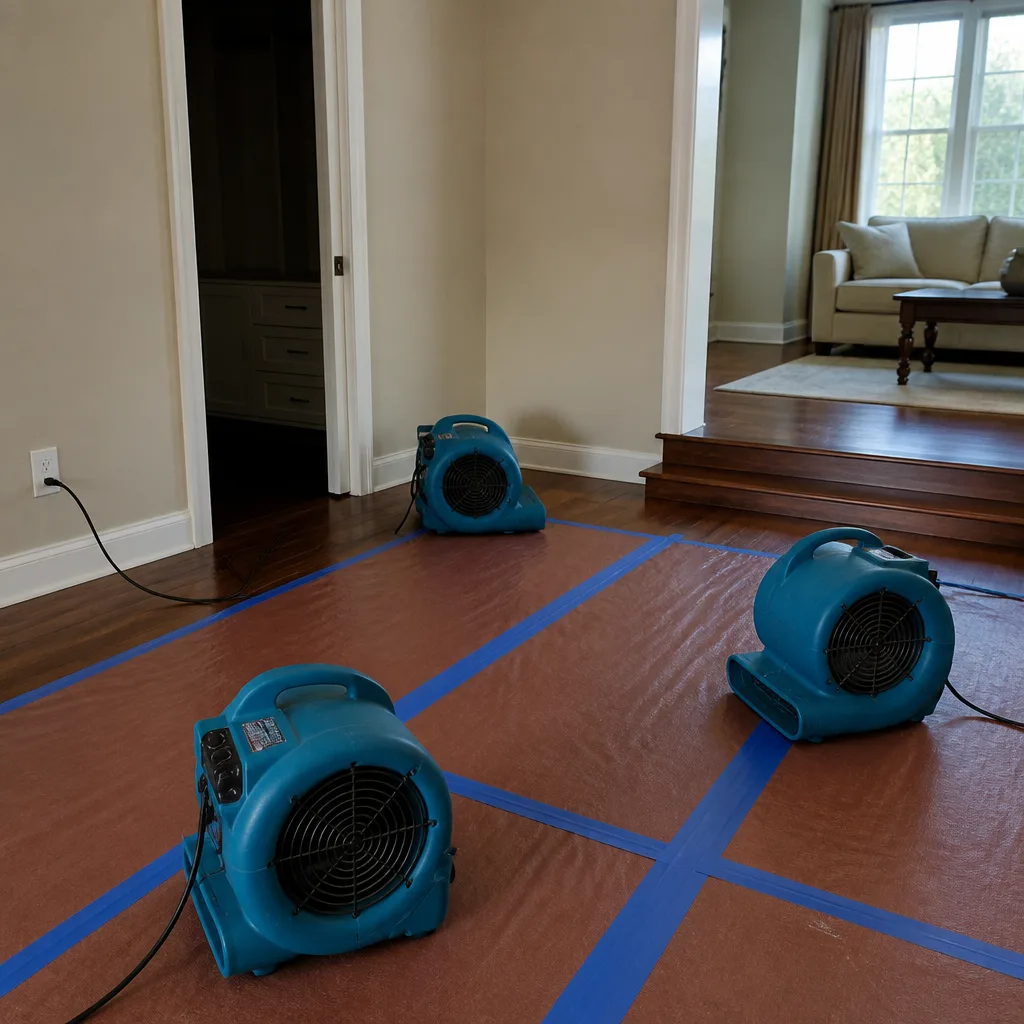
- Containment and controlled drying – air movers, dehumidifiers, and in-wall injection systems are placed according to the moisture map, not scattered randomly. A containment barrier may be set up to keep dust and spores contained.
- Daily monitoring – we return to take readings and adjust the equipment until the moisture content in every affected material meets the dried standard. The homeowner gets the log.
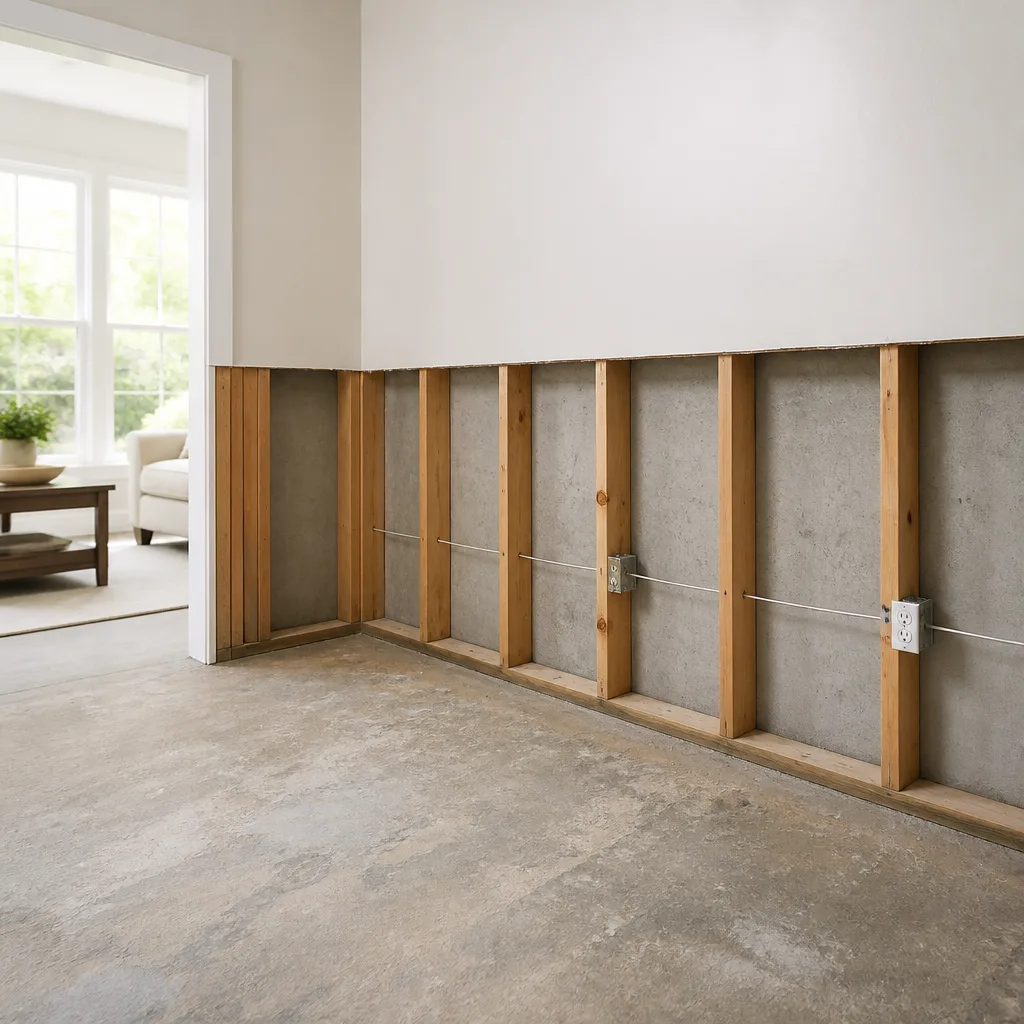
- Removal and rebuild as needed – unsalvageable drywall, insulation, or flooring is removed and replaced, which is where a full-cycle company saves the homeowner from coordinating two or three vendors.
In our experience over 42 years of serving the Hudson Valley, a professional dry-out in Bardonia takes three to five days in most cases. Some jobs run a week if the damage is extensive or the weather has been humid, which slows evaporation.
Cost of DIY vs Professional in Bardonia
The most common question we hear is “what will this cost?” and the honest answer is that it depends on the category of water, the square footage, and how long the water sat. But you deserve real numbers, not vague ones. Here are typical price ranges for the Rockland County market, including Bardonia and the surrounding area:
| Scenario | DIY Cost Range | Professional Cost Range |
|---|---|---|
| Small supply-line leak, under 10 sq ft, caught same day | $50-$200 (rental fan, cleaning supplies) | $400-$900 (assessment, extraction, drying equipment, monitoring) |
| Moderate water loss, 10-50 sq ft, drywall affected | Not recommended; often $1,000+ in hidden repairs | $1,200-$3,500 (containment, drying, drywall repair) |
| Large loss, 50+ sq ft, multiple rooms or floors | Not viable | $3,500-$12,000+ depending on rebuild scope |
| Sewage backup cleanup | Not safe; health risk | $2,500-$7,000 including sanitization and disposal |
| Mold remediation, contained area | Not recommended; incomplete removal recurs | $500-$4,000 depending on spread and materials |
| Fire and smoke restoration | Not viable for structure | $3,000-$25,000+ depending on size and rebuild |
The DIY number that fools homeowners is the small-job figure. A $75 rental dehumidifier seems like a bargain until the drywall behind the baseboard remains damp, mold forms inside the cavity, and the repair bill six weeks later is $2,400. We have seen this happen in our own Bardonia service area, including in neighborhoods up and down Route 304.
We also run standing offers that lower the professional cost without negotiating a written scope: $50 off any repair over $250, an $89 seasonal tune-up for maintenance checks, and a 5% discount for seniors and veterans, always. Estimates are free.
The Mold Clock in a Hudson Valley Home
Mold is the strongest argument for acting fast. In Bardonia’s Hudson Valley climate, with warm, humid summers and cold winters that force homes to run closed up, mold colonization starts in as little as 24 to 48 hours after water intrusion. The spores are already in the air in every home; they only need moisture and an organic food source, which is what drywall, wood, and dust are.
By the time you can smell it or see discoloration, the colony has been active for days. Surface cleaning with bleach or drugstore fungicides does not reach the network of roots, called hyphae, that have grown into the porous material itself. That is why the standard is removal and replacement for many affected materials, not surface wiping.
This is the kind of situation where our certified technicians, trained to IICRC standards, make the difference. We set up containment so spores are not blown through the rest of your house during removal, and we handle disposal according to local Rockland County requirements. A homeowner with a bottle of cleaner and a rag is not equipped to handle that.
The Floodline Restoration Co. home page has more on how we structure a full mold remediation, but the short version is this: if the affected area is larger than ten square feet, or if the water was not clean, or if you have respiratory concerns in the house, call before you disturb it.
Drying Equipment: What the Rental Center Won’t Tell You
The typical rental-center dehumidifier and a couple of box fans will dry the air in the room. That is true. But that is not the goal. The goal is to dry the materials inside the wall, under the floor, and behind the baseboards, where water migrated and where airflow from a box fan does not reach.
That is where in-wall injection systems come in. Injectidry equipment forces air into wall cavities and under cabinets through small ports, reaching areas no floor fan can touch. We use XPOWER air movers and B-Air dehumidifiers for the open areas, but the injection system is often what determines whether the structure dries completely in three days or stays damp for three weeks.
A box fan also lacks the air movement capacity, measured in cubic feet per minute, to move enough air across a wet surface to drive the moisture out. A professional-grade air mover moves more air and can be positioned to create a vortex across the wall or floor. The homeowner approach of “point a fan at it” leaves dead zones where moisture lingers.
Then there is measurement. Without a moisture meter, you are guessing. The surface can feel dry to the hand while the material underneath is still 30% moisture content. Wood in a dry home typically reads 8% to 12%. A wall cavity still reading 20% is not dry, and the mold clock is still ticking.
Fire and Smoke: The DIY Trap
Fire and smoke damage is where DIY attempts go most wrong, for a specific reason the homeowner cannot see: smoke is acidic. When combustion byproducts settle on surfaces, they begin to etch and corrode materials within hours, not days. Metals tarnish, glass etches, and plastic and painted finishes yellow permanently.
Scrubbing with a household cleaner does not remove the odor, because the smoke particles have worked into every porous surface. The standard for professional fire restoration is not just cleaning; it includes specialized techniques like dry sponging, ultrasonic cleaning of contents, and thermal fogging or ozone treatment to neutralize odor. Replacing drywall may be required when smoke has penetrated beyond the paint film.
Then there is the structural issue. Fire can weaken framing even where it did not burn through. A professional assessment will determine what is salvageable and what must be replaced. No homeowner should re-enter a fire-damaged structure without confirmation from the fire marshal that it is structurally safe.
We have handled fire jobs in Bardonia and throughout Rockland County, and the pattern is always the same: the homeowner tries to wash the walls, the smell comes back with the next humid day, and the insurance claim gets more complicated because the initial damage and the failed DIY both have to be sorted out.
Sewage and Contaminated Water
Sewage is a Category 3 water loss, and there is no safe DIY version of cleaning it up. The water contains pathogenic bacteria, viruses, and parasites. The drywall, carpet, and pad it touched are usually unsalvageable and need to be removed and disposed of as contaminated material. A homeowner with a mop is exposing themselves and anyone else in the house to serious illness.
Stormwater that backs up from a blocked drain or enters through a foundation crack can also be Category 3, especially if it has run across the ground outside first. The rule we apply: if you would not drink it, do not try to dry it with a fan and hope for the best.
Professional sewage cleanup involves personal protective equipment, containment, removal of saturated materials, and sanitization using appropriate antimicrobial agents applied to IICRC standards. The area then must be dried and checked with moisture meters before any rebuild begins. This is not a Saturday afternoon project.
Insurance: The Missing Piece
One of the least understood parts of damage restoration is how the insurance claim works when you do the work yourself versus when a professional does it. Your policy typically covers sudden and accidental water damage, but the carrier expects to see documentation: photos, moisture readings, and receipts. When a homeowner does their own dry-out, the paper trail is thin, and the carrier may question whether the damage was fully addressed.
Professional restoration changes that. Our technicians photo-document the entire job, log daily moisture readings, and provide the written scope before work starts. We bill the insurance carrier directly, which means the homeowner is not playing messenger between their adjuster and a contractor. That is a different experience than the common contractor story of “you pay us, then you fight with your insurance company.”
One more point that matters to a Bardonia homeowner: the longer water sits, the more the claim grows. A carrier that might have paid $2,500 for a fast professional dry-out can be looking at $12,000 for structural repair if mold spreads and drywall needs to be opened throughout the room. Acting fast is in everyone’s interest, including the insurance company’s.
Common Mistakes to Avoid
- Waiting a day to see if it dries. Water in wall cavities in Bardonia’s humid summers will not dry on its own. By day two, mold has usually begun colonizing. The “wait and see” approach turns a $700 cleanup into a $3,000 remediation.
- Using a household dehumidifier on a major loss. A residential unit pulls maybe 30 to 50 pints per day. A professional LGR dehumidifier pulls up to 130 to 300 pints per day. The gap is the difference between drying and not drying.
- Believing the surface tells the story. Drywall can feel dry to the touch while the framing behind it is still saturated. Only a moisture meter tells the truth.
- Tearing out wet materials without containment. Many Bardonia homeowners yank out wet carpet themselves, releasing mold spores into the air, and then wonder why the whole upstairs smells musty. Disturbing mold without containment spreads it.
- Using bleach on mold. Bleach does not kill mold at the roots in porous materials, and it adds moisture to the area. Professional remediation uses appropriate antimicrobial products and removal, not surface bleaching.
- Skipping the insurance call until after DIY. If you do the work, then try to file a claim, the carrier has every reason to question the scope. Call your agent first. Take photos. Then decide.
- Hiring a contractor without a written scope. Any serious damage job should have a written scope of work before the crew starts. A verbal agreement and a handshake is how homeowners end up with surprise change orders later.
When to Call a Professional
Call a professional when the water is not clean, when it has reached drywall or flooring, when mold is visible or smells are present, when the loss involves fire or smoke, or when the damage covers more than a few square feet. Call also if anyone in the house has respiratory issues, allergies, or a compromised immune system. The cost of a professional assessment is small compared to the cost of getting it wrong.
Floodline Restoration Co. offers free estimates in Bardonia and the surrounding area. If you have standing water, sewage backup, or a fire, call (914) 809-9936 and a live dispatcher answers at any hour. A certified crew reaches the job and starts extraction the same visit.
Frequently Asked Questions
Mold colonization typically begins within 24 to 48 hours after water intrusion in a Hudson Valley home, especially during humid summer months. The spores are already present in every home; they only need moisture to become active. Acting within the first day is the single most important factor in limiting the damage and the cost.
Yes, for small clean-water spills caught within hours on non-porous surfaces. No, for anything larger, anything that reached drywall or subfloor, or anything involving contaminated water. The difference comes down to whether the water remained on the surface or soaked into building materials where a household fan cannot reach it. Call (914) 809-9936 for a free assessment if you are unsure.
Most standard policies cover sudden and accidental water damage, such as a burst pipe or an appliance failure, though not gradual leaks or maintenance issues. Coverage typically includes extraction, drying, and repair. We bill the carrier directly and provide the photo documentation and moisture logs adjusters expect.
A small clean-water job typically runs $400 to $900 if caught quickly. Moderate losses affecting drywall run $1,200 to $3,500. Large losses spanning multiple rooms can exceed $12,000 when rebuild is included. The estimate is free, the scope is in writing before work starts, and $50 off any repair over $250 is always available.
Professional restoration uses high-capacity LGR dehumidifiers, air movers, and in-wall injection drying systems like Injectidry, along with penetrating and non-penetrating moisture meters. The combination of measured drying targets and equipment placement based on a moisture map is what separates a structured dry-out from pointing a fan at the wet spot.
If visible mold covers more than about ten square feet, if it is in the wall cavity, or if the water that caused it was contaminated, you need professional remediation. Surface cleaning addresses cosmetic staining but does not remove the root growth inside porous materials. A company certified to IICRC standards can assess and tell you which one your situation requires. Call (914) 809-9936 to schedule an estimate.
The Bottom Line
DIY works for small, clean, fast-caught water spills and for routine maintenance. Everything else belongs to trained hands with professional equipment. The homeowner who catches a minor leak on tile and dries it thoroughly with a wet/dry vac and a good dehumidifier has saved herself money. The homeowner who ignores hidden moisture in a wall cavity until the smell appears has cost himself thousands. Showers leak, pipes burst, and storms in Bardonia are part of living in the Hudson Valley. What matters is what you do in the first day. If you are not certain what you are looking at, the assessment is free and the phone is answered by a person at any hour.
Written by Curt Bowman, Owner at Floodline Restoration Co., serving Bardonia since 2010.