
Last updated August 25, 2026
Free visual inspection and a written scope of work before any mitigation begins - photos, moisture readings, and drying logs go in your claim file
The scope we write is the scope we bill. Anything new gets shown to you, in writing, before we touch it.
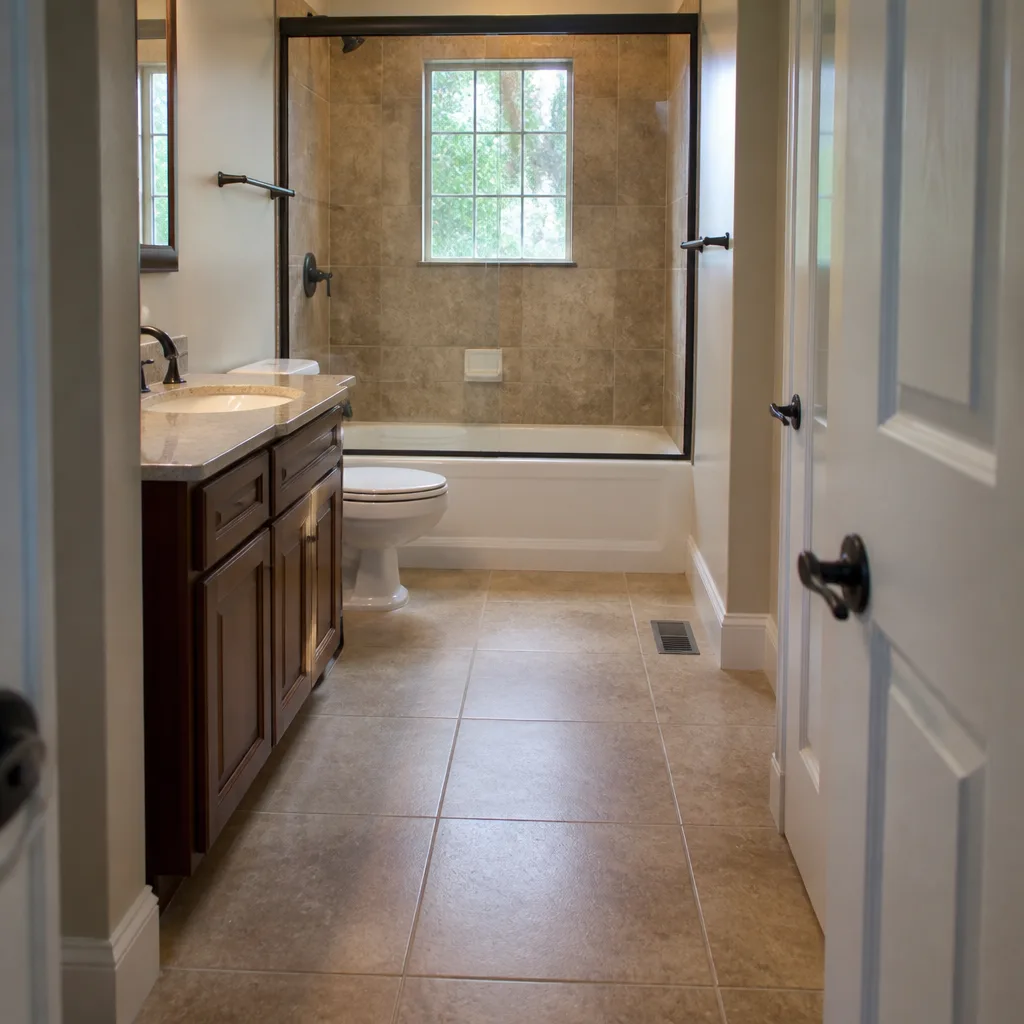
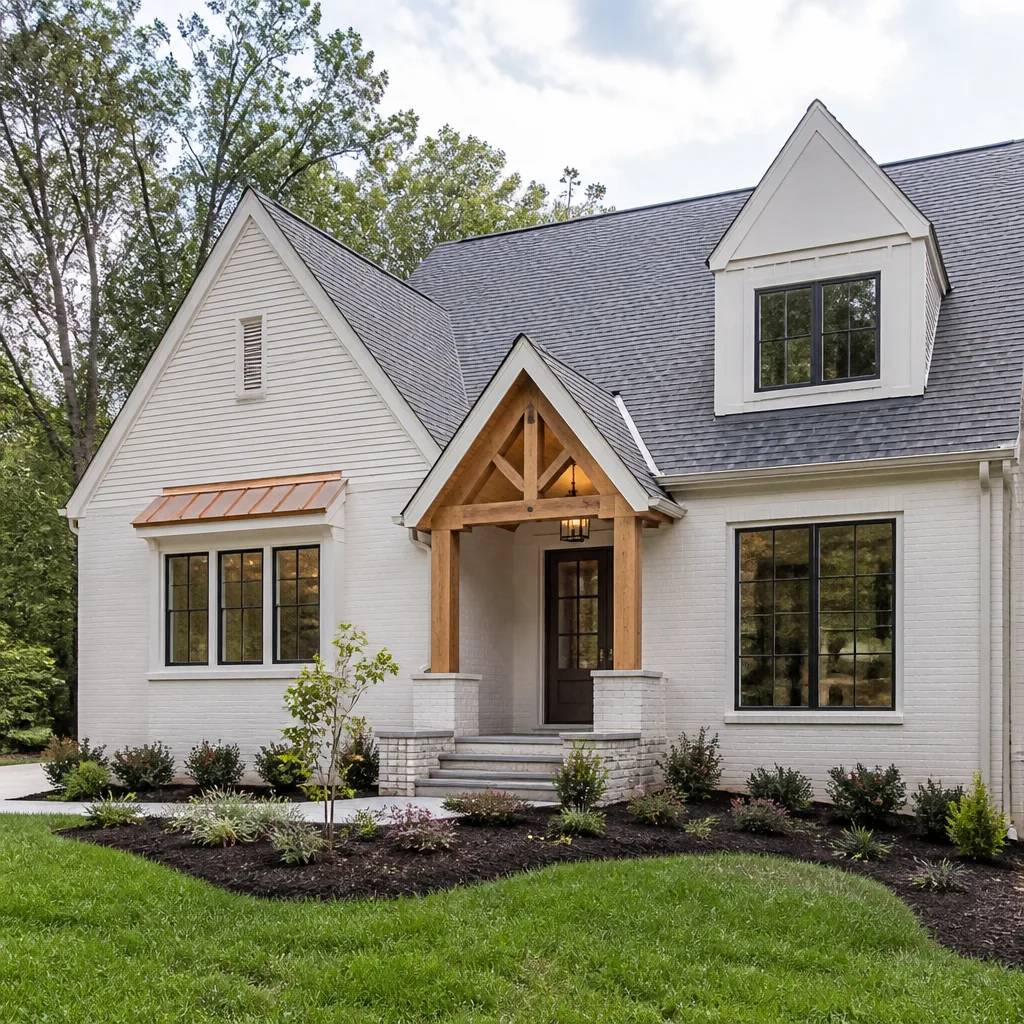
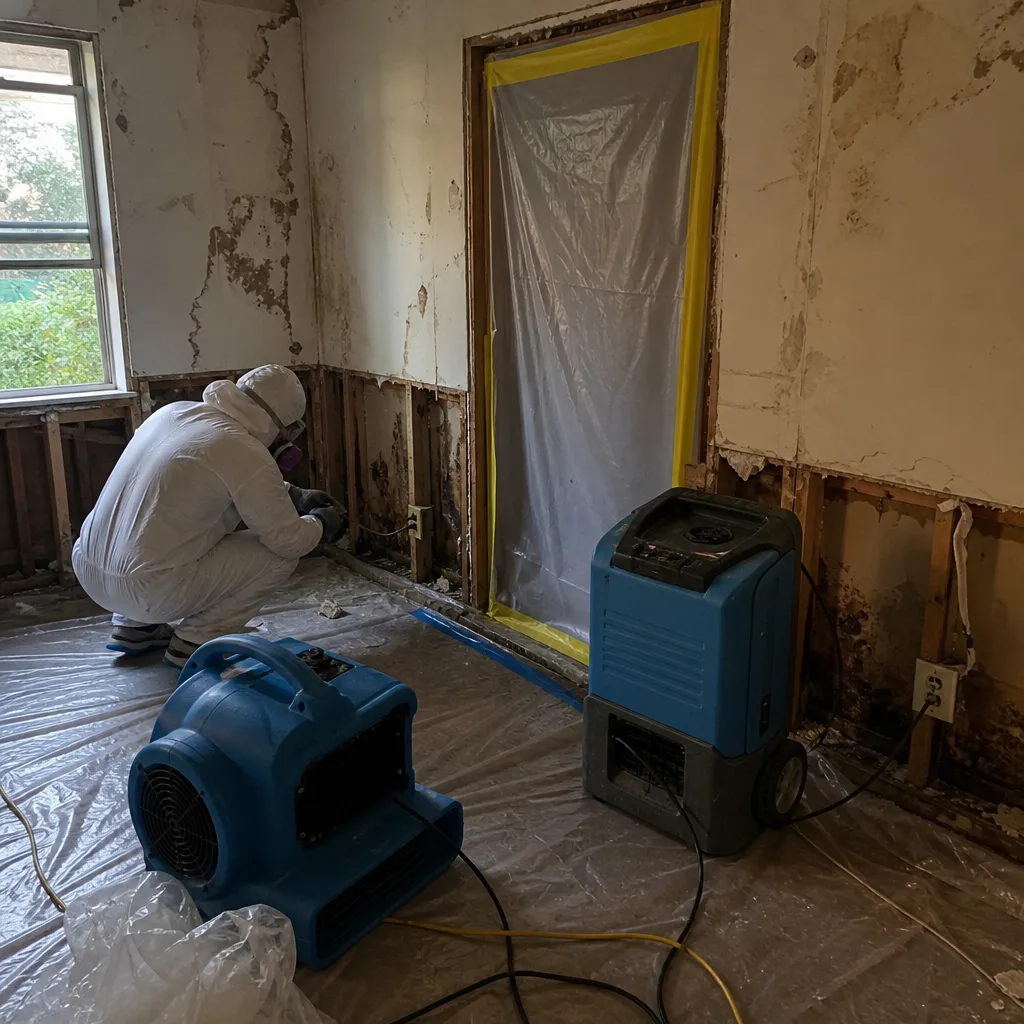 Before
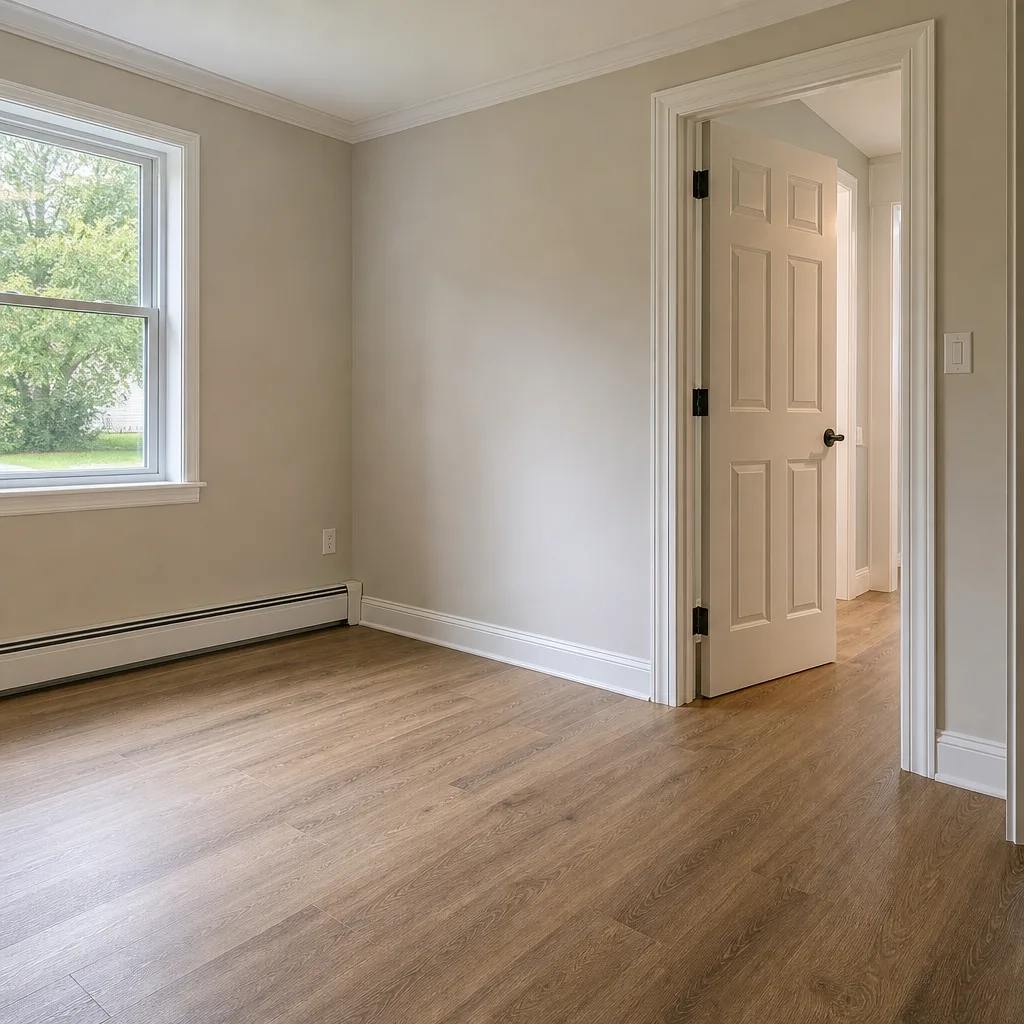 After
After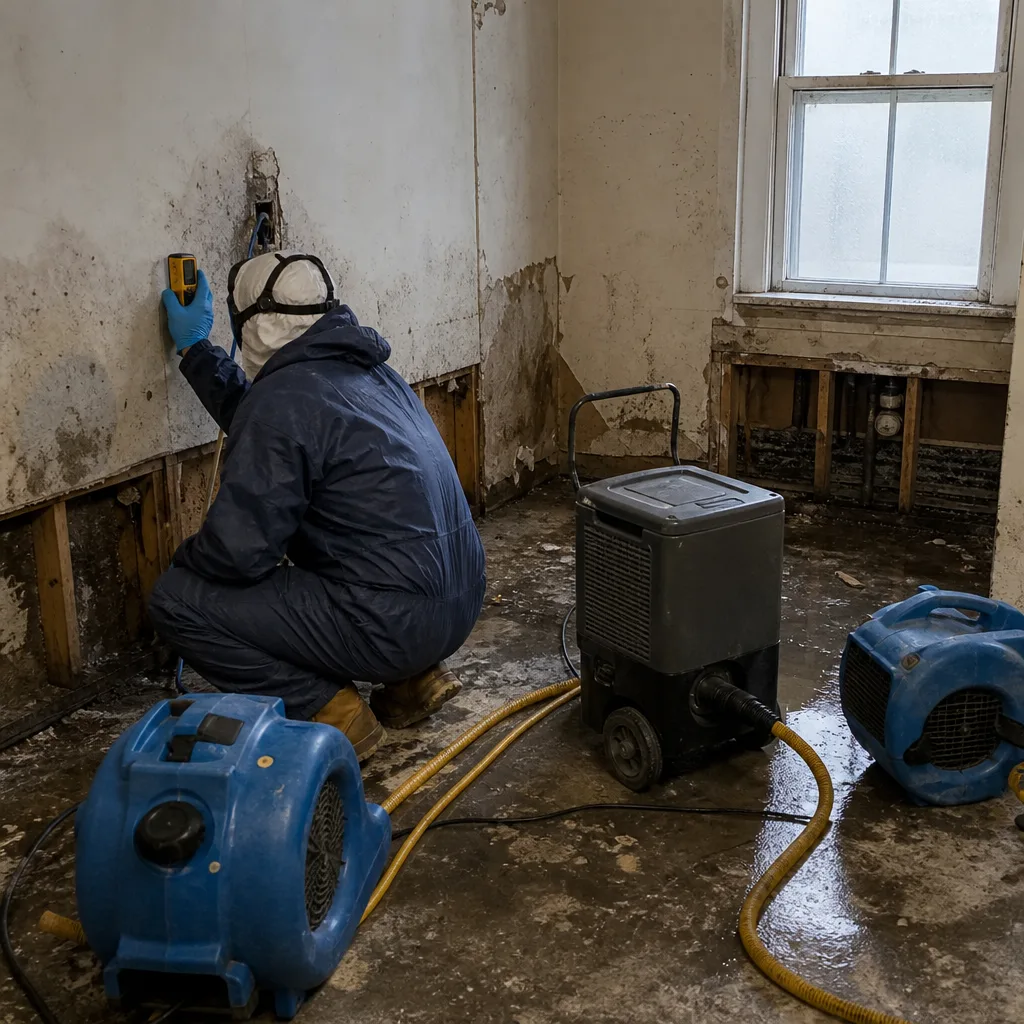 Before
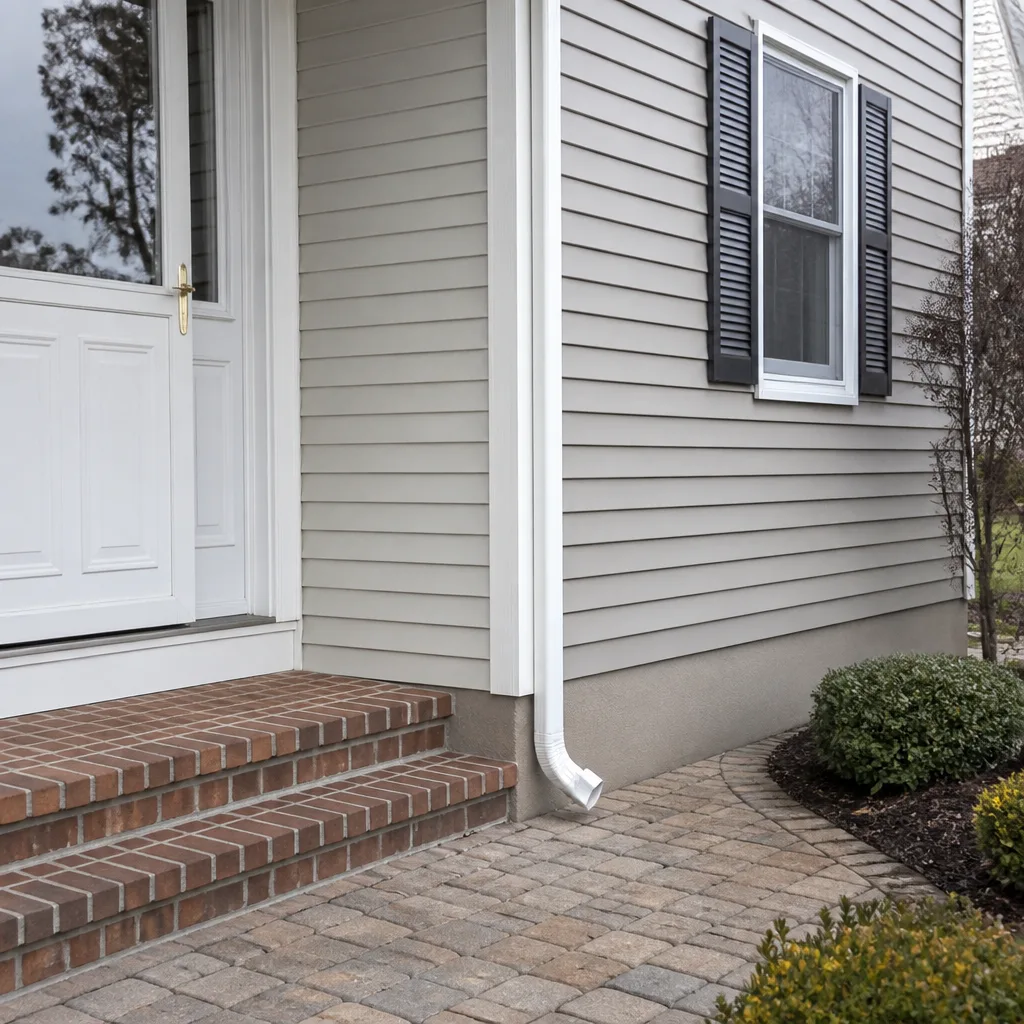 After
After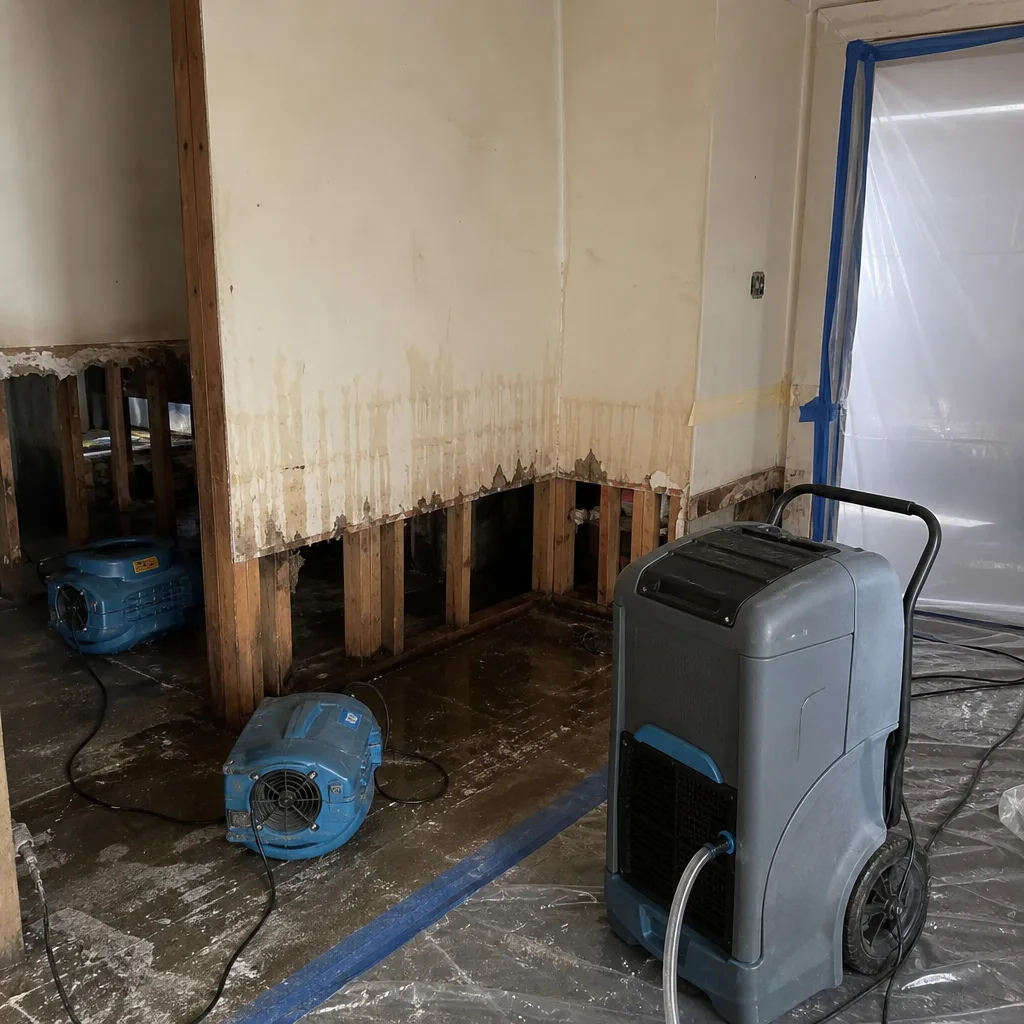 Before
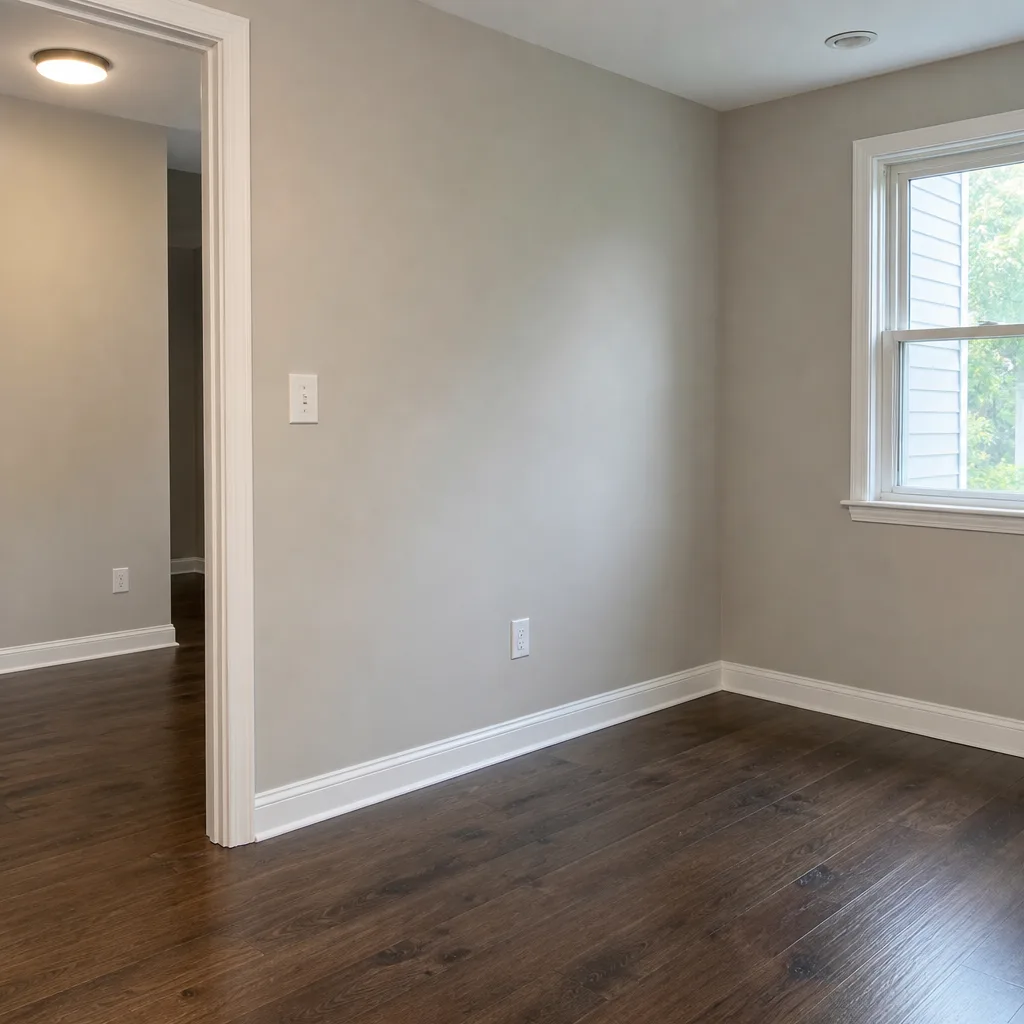 After
AfterHow to Hire a Damage Restoration Contractor in Bardonia: A Step-by-Step Guide
Most Bardonia homeowners will face water damage exactly once or twice in a lifetime, which means almost nobody has practice hiring for it. That lack of practice gets expensive fast. The difference between a contractor who documents moisture properly and one who just dries the surface is the difference between a finished repair and mold behind your drywall two winters from now. This guide walks through the hiring process step by step, from the first phone call to the final walkthrough, so you know what to ask, what to skip, and what separates a real restoration company in Bardonia from a pickup truck with a fan.
Quick Answer
Hire a Bardonia damage restoration contractor by verifying three things before you sign anything: proof of IICRC certification, a written scope of work with moisture-mapping documentation, and direct insurance billing. Then confirm they handle every phase from extraction through rebuild with the same crew, so you’re never left playing messenger between a mitigation company and the carrier. A legitimate contractor answers the phone live, shows up when promised, and puts the guarantee in writing.
Table of Contents
- Step 1: Start With the Insurance Conversation
- Step 2: Verify Credentials Before the First Visit
- Step 3: Ask About Equipment and the Moisture Log
- Step 4: Get a Written Scope, Not a Verbal Estimate
- Step 5: Ask Who Rebuilds What They Tear Out
- Step 6: Read the Guarantee Clause Word for Word
- Common Mistakes to Avoid
- When to Call a Professional
- Frequently Asked Questions
- The Bottom Line
Step 1: Start With the Insurance Conversation
Before you call any contractor, call your insurance carrier. This sounds backwards to most homeowners in Bardonia, who assume the contractor handles everything from minute one. The truth is that the first hour after a pipe bursts or a sump pump fails determines what the adjuster will approve later. If you tear out wet drywall before the adjuster documents it, you may have just paid for demolition your policy would have covered.
The right sequence looks like this:
- Stop the source of water if you safely can. Shut off the main valve, kill power to affected rooms, and move what furniture you can lift without straining yourself.
- Photograph everything before anything is moved. Cell phone photos of standing water, wet carpet lines, and swollen baseboards are legitimate documentation.
- Call your carrier and start a claim. Ask specifically what they need documented before mitigation begins, and write down the claim number.
- Then call a restoration contractor in Bardonia. One that offers direct insurance billing, so you are not fronting thousands of dollars while waiting on a reimbursement check.
We have walked into Bardonia homes where the homeowner waited three days for an adjuster before starting extraction, and the damage quadrupled. Most policies require the homeowner to mitigate further loss promptly. That means you start extraction fast, document as you go, and let the contractor coordinate with the adjuster, not the other way around.
Step 2: Verify Credentials Before the First Visit
The damage restoration trade in Rockland County has a low barrier to entry, and that is a problem. Anyone with a wet vac and a dehumidifier can print business cards calling themselves a restoration company. The certification that matters is IICRC, the Institute of Inspection, Cleaning and Restoration Certification. It is the standard the insurance industry recognizes, and it is the first thing to ask about on the phone.
When a dispatcher answers, ask these four questions directly:
- Are your technicians IICRC certified, and can I see proof on site? A legitimate company in Bardonia carries certification numbers and shows them without hesitation.
- Are your technicians background-checked and uniformed? You are letting strangers into a house where you sleep. This is not a negotiable.
- Do you carry liability insurance and workers’ compensation? If a worker gets hurt in your home and the company has no workers’ comp, the claim can land on your homeowner’s policy.
- Who owns the company, and how long have they been local? A contractor who plans to be in Bardonia in thirty years answers questions differently than one who works a territory this month and moves on next month.
We are built on a dispatch board, not a sales desk. Curt Bowman founded Floodline Restoration Co. home in 2010, and the phone has been answered by a live person ever since. That matters because the first call after a flood at midnight is not a sales opportunity, it is a crisis call, and the person who picks up should already know Bardonia, not be reading from a script in another state.
Step 3: Ask About Equipment and the Moisture Log
Here is the part most homeowners skip, and it is the part that decides whether you get a real dry-out or a surface dry-out. The equipment a contractor brings tells you everything about their standard. Professional-grade gear from manufacturers like Dri-Eaz, Phoenix, XPOWER, B-Air, and Injectidry is designed for structural drying, not room drying. A homeowner-grade dehumidifier from a hardware store pulls moisture from the air. Professional low-grain refrigerant and desiccant units pull moisture from drywall, subfloor, and framing.
More important than the brand names is the documentation. Ask this question on the first visit: “Will you give me a written moisture log with daily readings until the dry standard is met?”
A legitimate contractor answers yes without pausing, because that is how the job should be run. The moisture log records starting moisture content in affected materials, daily readings from the same locations, and a completion reading that matches the dry standard for the region. In Bardonia, where summer humidity sits above 70% and basements run damp even in dry years, hitting the dry standard takes longer than in an Arizona desert. A moisture log proves the job is actually done, not just that the fans are unplugged.
If a contractor cannot explain what a moisture map is, or says they just “dry it until it feels dry,” hang up and call the next name on the list.
Step 4: Get a Written Scope, Not a Verbal Estimate
The single most common complaint about restoration contractors in the Hudson Valley is not the quality of the work. It is the bill that arrives after the work is done, larger than the verbal number mentioned on day one. Verbal estimates are worthless in this trade, because the real work is hidden behind walls and under floors. You cannot see water in a wall cavity, and neither can the contractor, until the moisture meter goes on and the baseboards come off.
A legitimate scope of work in Bardonia looks like this, in writing, before demolition starts:
- Affected areas described room by room, with measurements, not guesses
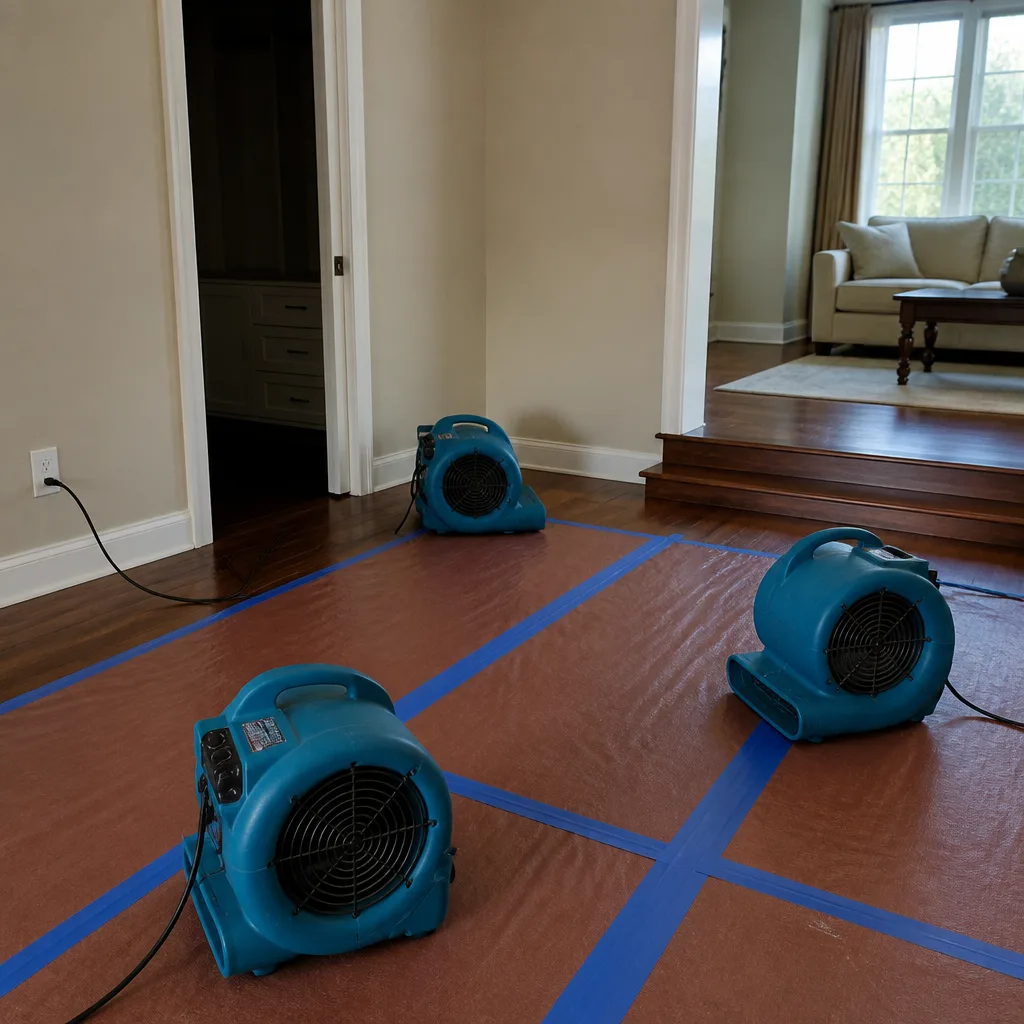
- Equipment list with quantity, such as “4 air movers, 2 LGR dehumidifiers, 1 floor mat drying system”
- Estimated days of drying, with the caveat that readings dictate the schedule, not the calendar
- Rebuild scope itemized separately, from drywall and insulation to trim and paint
- Who pays whom: direct carrier billing, a deposit arrangement, or a combination
No-hassle upfront pricing with direct insurance billing means you are not writing a five-figure check and chasing reimbursement for months. The contractor submits the bill to the carrier directly, handles the adjuster calls, and sends you the summary for your records. If a contractor in Bardonia will not put the scope in writing before work begins, walk away. A square deal means no surprises on the bill, and the only way to guarantee that is to see the plan before the first cut is made.
Step 5: Ask Who Rebuilds What They Tear Out
This is the question that separates the restoration trade in two. Most companies in Rockland County only do the mitigation: the extraction, the drying, the demolition. Then they hand you an invoice and a list of “preferred contractors” to call for the rebuild. Now you are a project manager for a job you did not want, collecting bids, coordinating schedules, and explaining the water loss story a second and third time to new faces.
The alternative is a full-cycle contractor. One company handles extraction, drying, and rebuild, with the same crew reading the same moisture map on day one and on the final day. The handoff never happens, because there is no handoff. That matters in Bardonia for practical reasons: the lumberyards and supply houses are local, the code office is accessible, and the crew that pulled the wet drywall knows exactly which joists need treatment and which can stay. A rebuild crew that never saw the leak is working from photos, not from standing in the room.
Ask this directly: “If the drywall comes out, who puts it back? Your crew or someone else’s?” If the answer involves a second company, ask what happens when the second company says the first company did not dry something properly. You do not want to be standing between two contractors and an adjuster, holding a hammer you did not ask for.
Step 6: Read the Guarantee Clause Word for Word
Every contractor talks about standing behind their work. Very few put it in writing without loopholes. The guarantee clause is the paragraph people skim, and it is the paragraph that matters most when something fails six weeks later and the contractor says it is not their problem anymore.
Here is what a real guarantee contains:
- A specific duration in days or months, not vague language like “for a reasonable period”
- A statement of what the guarantee covers, such as “if moisture returns or mold appears in a treated area, we return and correct it”
- A no-argument clause, meaning the company fixes the issue without requiring you to prove fault first
- It is in writing on the contract, not verbal, not in a text message, not in a remembered phone call
Our guarantee has a name because it should. The 90-Day Done Right Promise, what we call the Keystone Standard internally, says that if it is not done right, we make it right, no paperwork battles and no arguing. The name comes from the K.E.Y.S. values code we run on: Krafted right, Every time, Your home first, Standing behind it. It is given in writing on every job, and it is referenced in every conversation because a guarantee nobody mentions is a guarantee nobody honors.
Common Mistakes to Avoid
- Hiring the first number the insurance company gives you. The carrier’s preferred vendor list is a convenience, not a recommendation. Interview them like you would any contractor, because the adjuster’s priority is the claim, not your long-term health in that house.
- Waiting for the adjuster before starting extraction. In Bardonia, a basement that sits wet for three days while you wait for an appointment grows mold that the original flood never would have caused. You have a duty to mitigate promptly under most policies.
- Choosing the cheapest bid without comparing scopes. Two quotes for the same job can differ by thousands because one includes rebuild and the other does not. Compare line items, not total numbers.
- Skipping the moisture log request. A contractor who dries by feel rather than by measurement is guessing. Guessing in a Bardonia basement, where the water table is close and the humidity is persistent, turns into a lawsuit and a mold remediation that should never have been needed.
- Paying the full amount upfront. A deposit is normal. Full payment before the work is complete is a red flag. The strongest contractor is the one who bills through insurance and stands behind the finished job, not the one who needs cash before arrival.
- Not asking about containment. Sewage losses and Category 3 water require containment barriers and negative air pressure. If a contractor does not mention containment for a sewage backup, they are not following the standard, and they are spreading contamination through your house.
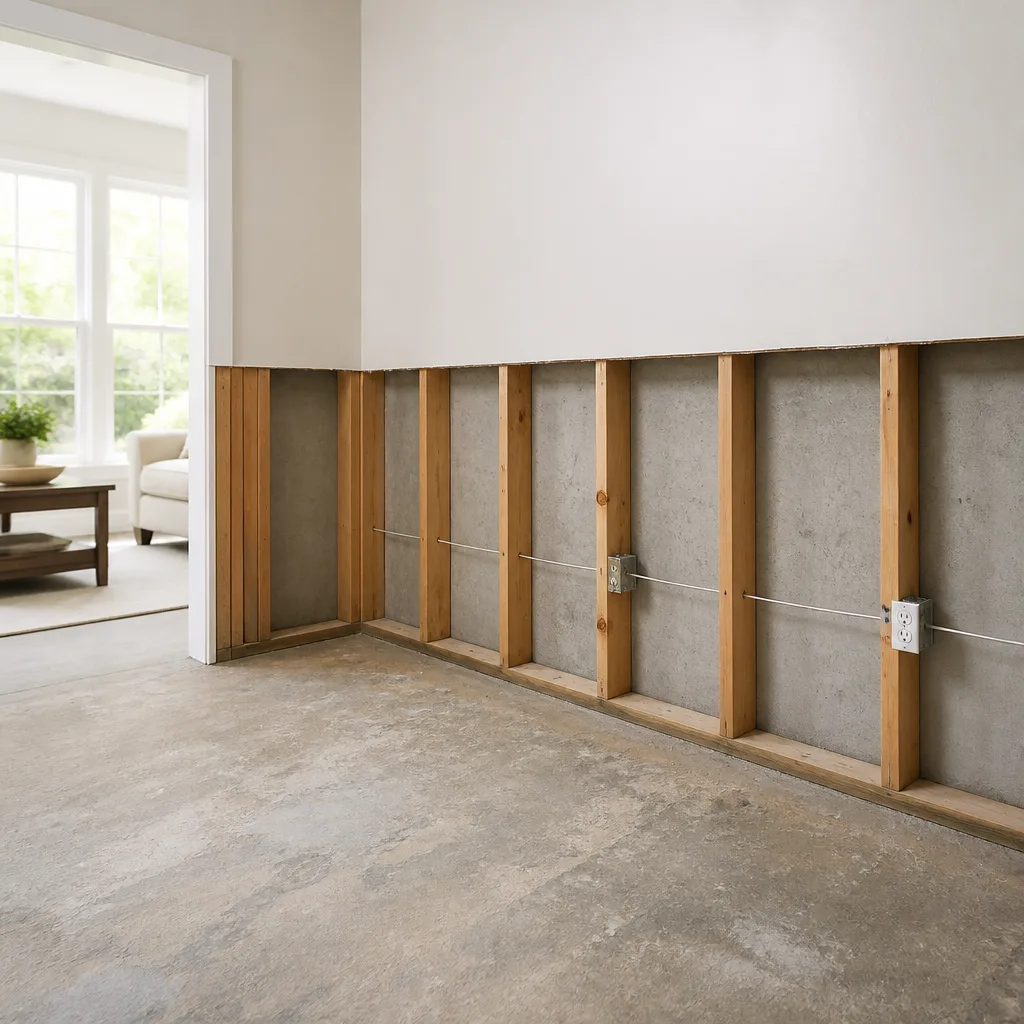
- Assuming the visible water is the whole story. Water travels down and sideways through wall cavities and subflooring. The visible puddle is the smallest part of the problem. A contractor who only addresses what you can see is leaving the damage you cannot see to fester.
When to Call a Professional
Any water event that covers more than a few square feet, any sewage backup of any size, any fire with smoke travel through the structure, and any mold growth larger than a dinner plate should trigger a professional call in Bardonia. The same goes for a slow leak that has been running inside a wall for weeks, even if the visible damage looks minor. You cannot dry inside a wall cavity with a fan from the hardware store, and you cannot un-see mold that has colonized behind baseboards. Structural drying, sewage containment, and smoke odor treatment are professional skills backed by professional equipment. If you are standing in Bardonia looking at water where it should not be and wondering whether to call, the time to call was ten minutes ago. Floodline Restoration Co. offers free estimates in Bardonia, call (914) 809-9936.
Frequently Asked Questions
Water damage restoration in Bardonia typically ranges from $1,500 to $6,000 for a contained Category 1 clean water event when caught early, while sewage backups and larger floods with rebuild work run $8,000 to $35,000 or more depending on square footage affected and the extent of reconstruction. The biggest cost variable is whether the water sat long enough to require demolition and rebuild versus a dry-in-place approach. Call (914) 809-9936 for a free estimate with a written scope before any work begins, so the number on paper matches the number on the bill.
Most homeowner’s policies in Rockland County cover sudden and accidental water damage, such as a burst pipe or an appliance supply line failure, while gradual leaks and groundwater seepage are typically excluded unless you carry a specific endorsement. The fastest way to find out what your policy covers is to file a claim immediately, photograph everything before mitigation, and let a contractor with direct insurance billing coordinate with your adjuster so you are not the one carrying paperwork between parties.
Floodline Restoration Co. answers the phone with a live dispatcher 24 hours a day, seven days a week, and a certified crew reaches Bardonia homes the same visit when extraction is needed immediately. Speed matters because every hour water sits in contact with drywall, flooring, and framing increases the chance that demolition becomes necessary. Call (914) 809-9936 and a person picks up, not a recording.
If the affected area is larger than a few square feet, or if the water came from a sewage source, or if the water sat for more than 24 hours, you need professional extraction and structural drying, not a homeowner-grade fan. Water inside wall cavities and under flooring does not dry from surface airflow, and Bardonia humidity levels mean the moist materials stay moist long enough for mold to colonize. A moisture meter reading from a certified technician tells you definitively whether the area is dry or just feels dry.
A full-cycle restoration contractor with direct insurance billing handles the adjuster communication, submits the bill to the carrier, and keeps you copied on the paperwork rather than stuck in the middle of it. You should never be the messenger between a mitigation company and an insurance carrier, because that is the position where homeowners lose days and get frustrated. Floodline Restoration Co. bills the carrier directly and coordinates with the adjuster throughout the claim.
Look for IICRC certification as the baseline standard, with additional training through the RIA and IFA where available, because those are the credentials the insurance industry recognizes and the courts respect. Background-checked, uniformed technicians who carry their certification numbers and show them without hesitation signal a company that follows the standard rather than improvising. In our experience, the contractor who can explain the dry standard to you in plain language is the contractor who actually follows it.
The Bottom Line
Hiring a damage restoration contractor in Bardonia comes down to three non-negotiables: written proof of certification, a moisture log with daily readings until the dry standard is met, and a scope of work on paper before demolition starts. The contractor who handles all three, and who rebuilds what they tear out with the same crew, saves you months of coordination and thousands in rework. Bardonia homeowners who do this once in a lifetime deserve the same treatment as the adjuster’s best client: a square deal, no surprises on the bill, and a name that answers the phone when called. A company that plans to be in town in thirty years signs its name to the work. Demand that.
Get Your Free Estimate in Bardonia
If you are dealing with water, mold, fire, or storm damage in Bardonia, call (914) 809-9936 now. A live dispatcher answers, day or night, and a certified crew reaches your home the same visit when the situation demands it. We will walk the house with you, document what we see, put the scope in writing, and bill your carrier directly. No pressure, no script, no surprises. Just a company that has been serving local communities for over 42 years and plans to be here in thirty more, standing behind every job with the 90-Day Done Right Promise. Done right, and backed in writing.
Written by Curt Bowman, Owner at Floodline Restoration Co., serving Bardonia since 2010.