
Free visual inspection and a written scope of work before any mitigation begins - photos, moisture readings, and drying logs go in your claim file
The scope we write is the scope we bill. Anything new gets shown to you, in writing, before we touch it.

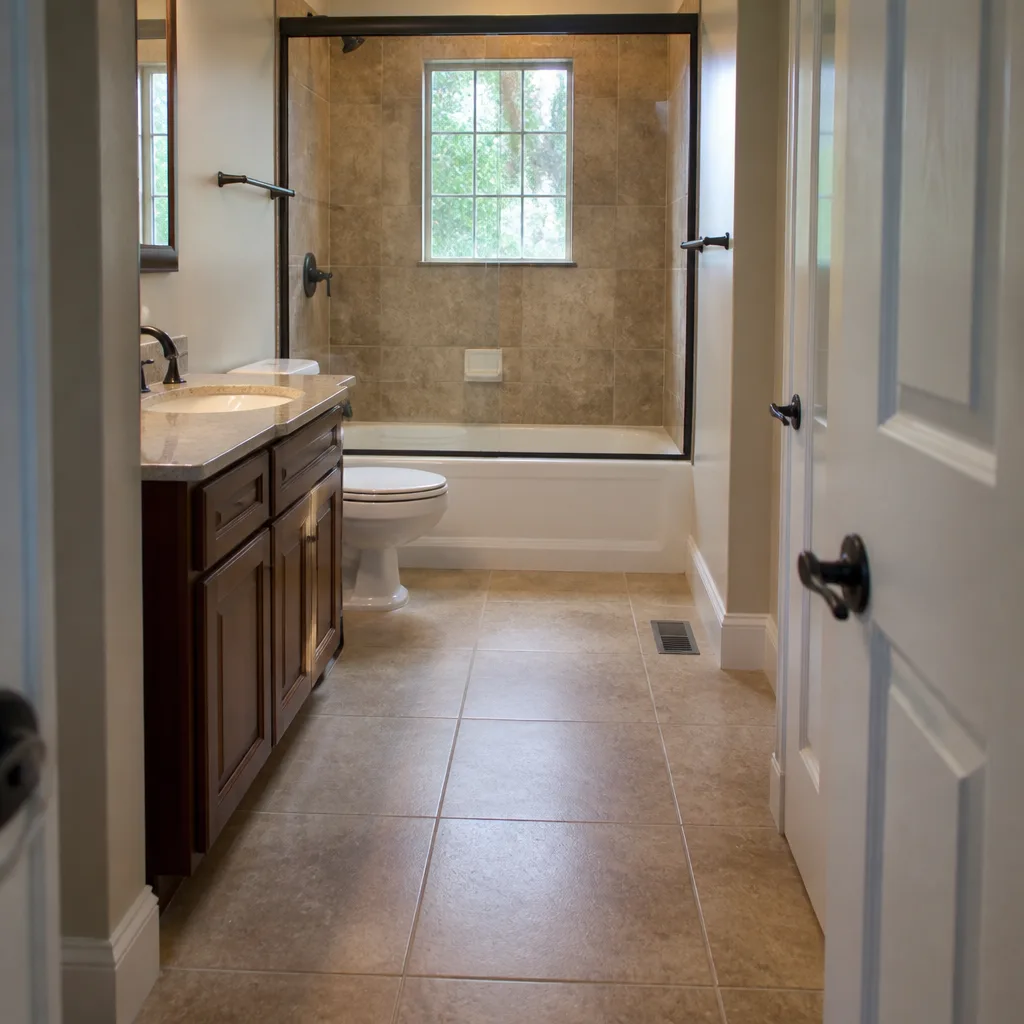

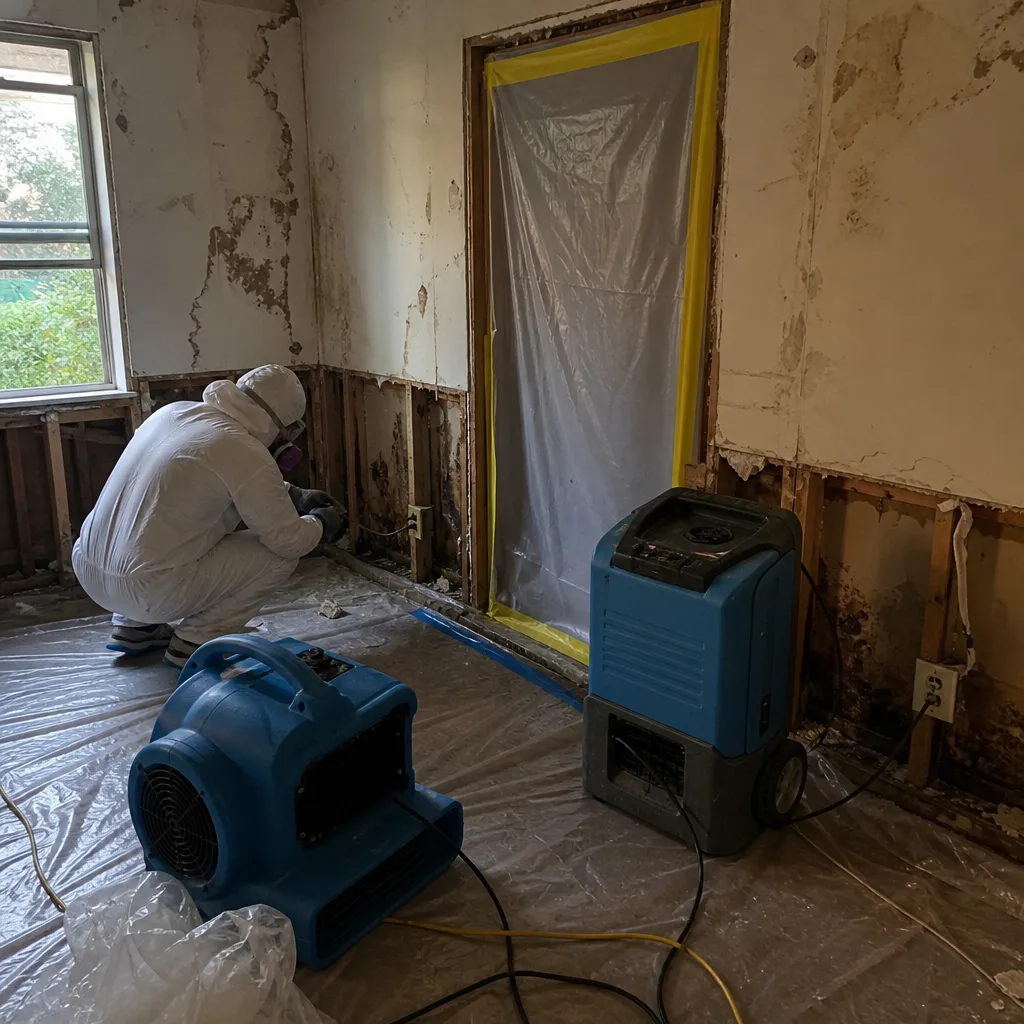 Before
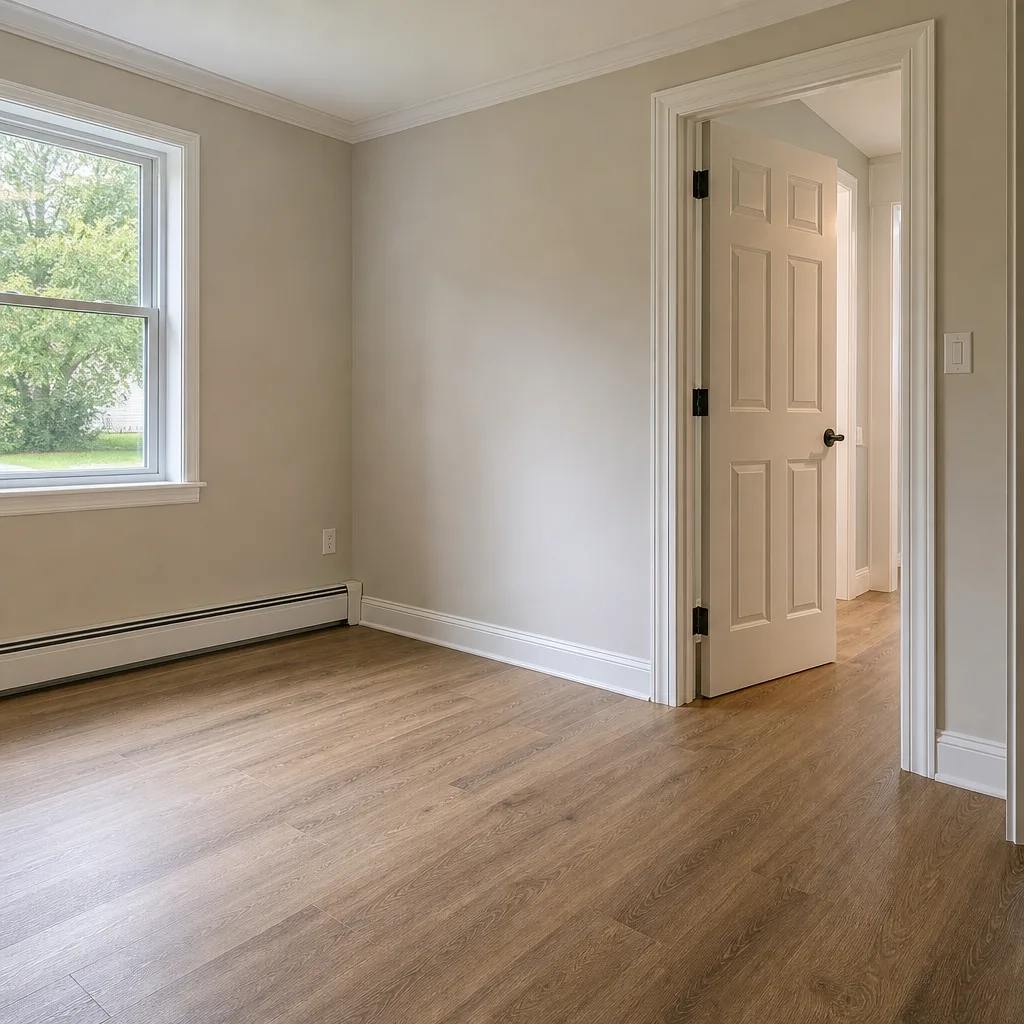 After
After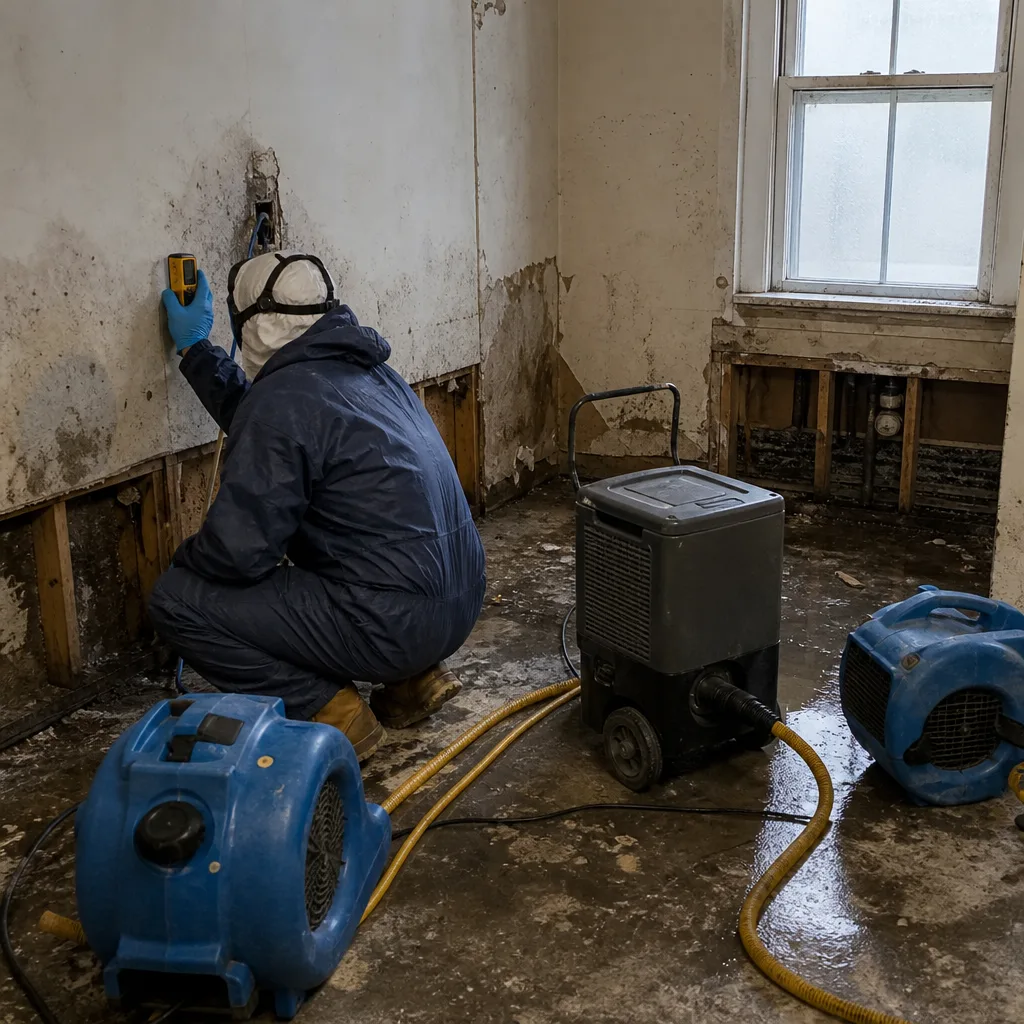 Before
 After
After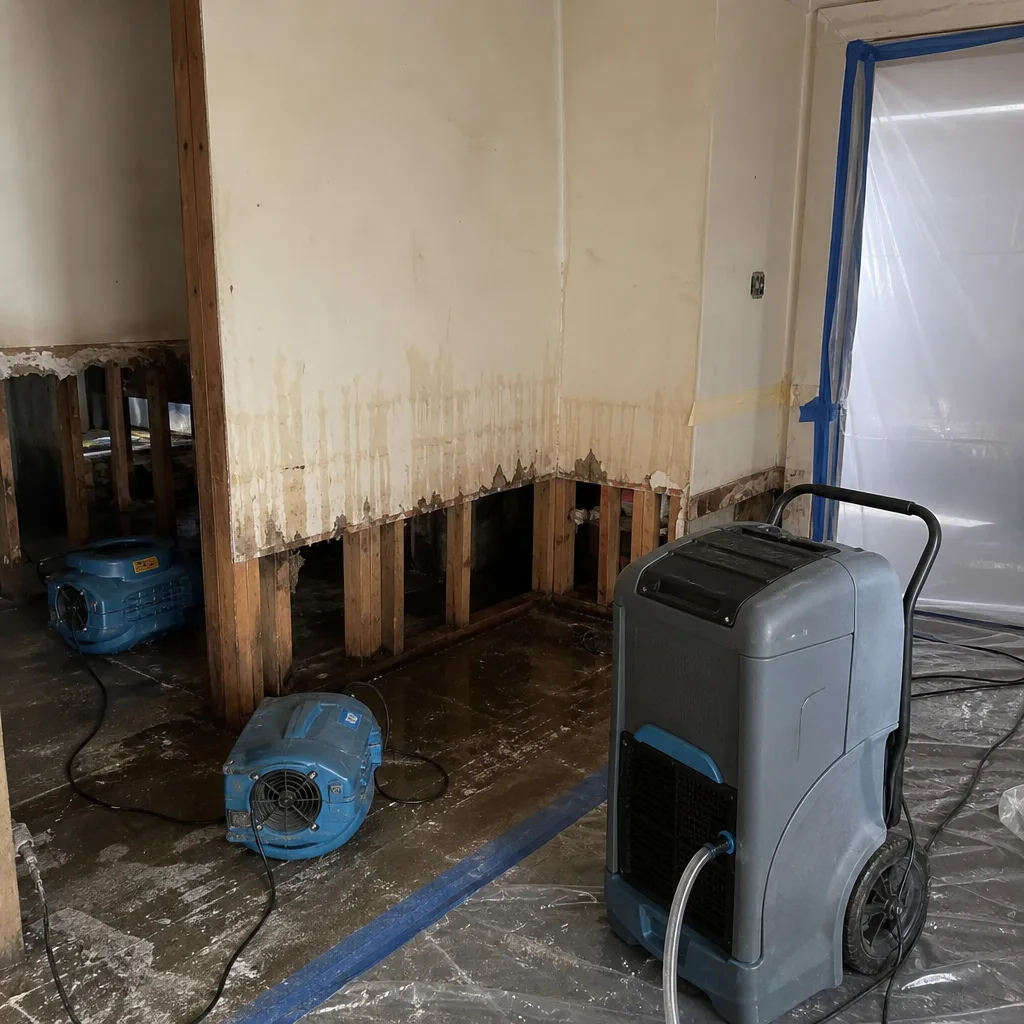 Before
 After
After24/7 Emergency Sewage Cleanup in Haverstraw
Sewage backup in Haverstraw demands immediate action, and our crews answer live around the clock. Call (914) 809-9936 right now and a real dispatcher picks up. Not a recording. We’ll have a certified crew headed toward your neighborhood within 45 minutes, because every hour that black water sits in a Haverstraw basement, contamination spreads deeper into porous brick, mortar, and wood framing.
The first hour after a sewage backup determines how much of your home can be saved. Category 3 water carries bacteria, viruses, and parasites that permeate the very materials Haverstraw’s older homes are built from. Beach Road. West Main. The hillside streets off Route 9W. We know them all, and we know what sewage does to them when the Hudson rises or a line fails.
Understanding Sewage Cleanup Severity in Haverstraw Properties
Sewage cleanup is not the same as water damage restoration. The water that enters your home from a toilet overflow, a septic failure, or a combined sewer backup during storm surge is Category 3 black water. It contains raw human waste, pathogens, and whatever the surge carried with it from Haverstraw Bay. That water requires full personal protective equipment, containment, antimicrobial treatment, and disposal under strict protocols that Category 1 clean water never demands.
Haverstraw’s housing stock makes this harder than the textbook says. Late 19th-century and early 20th-century wood-frame worker housing lines the village core, with fieldstone and brick-block basements that have no modern drainage membranes. When sewage enters those basements, it doesn’t just pool on a sealed concrete slab. It wicks into lime mortar, saturates locally-fired Haverstraw brick, and hides under fieldstone foundations. Without a moisture map built on thermal imaging and a real understanding of these materials, you leave contamination behind. Then mold follows within 24 to 48 hours in the damp river air. Our IICRC-certified crews were trained for exactly this.
Why Haverstraw Property Owners Choose Floodline Restoration Co.
- 45-minute response commitment to Haverstraw properties. We dispatch from local staging so a crew reaches Beach Road, the marina district, or the hillside streets quickly, not hours later. The clock matters when sewage is spreading.
- 24/7 live answer, always a real person. A dispatcher picks up at 2 a.m. during a nor’easter. You don’t leave a message and wait. We’ve operated that way since Curt Bowman founded this company in 2010.
- IICRC-certified technicians. Our crews hold the WRT and AMRT certifications, which means they’re trained specifically for water damage and microbial remediation, not just general contracting.
- Free visual inspection, no obligation. We assess the damage, explain exactly what we found, and give you a written scope before any work begins. You decide from there.
- Direct insurance billing. We document everything from the first hour and bill your carrier directly, so you’re not playing messenger between us and the adjuster.
- One crew from extraction to reconstruction. The same Floodline team that extracts sewage and dries your basement also rebuilds it. No mid-job handoff to a sub-contractor you’ve never met.
Our Sewage Cleanup Process
Inspection & Assessment
We arrive, walk the affected area, and use thermal imaging and moisture meters to map exactly where sewage water traveled. In Haverstraw’s older homes, that often means checking lath-and-plaster walls and fieldstone foundations for hidden wicking.
Extraction & Stabilization
We remove standing black water using truck-mounted extraction systems and submersible pumps. If the foundation is compromised by saturated Haverstraw brick or crumbling mortar, we stabilize the masonry before drying begins.
Drying & Dehumidification
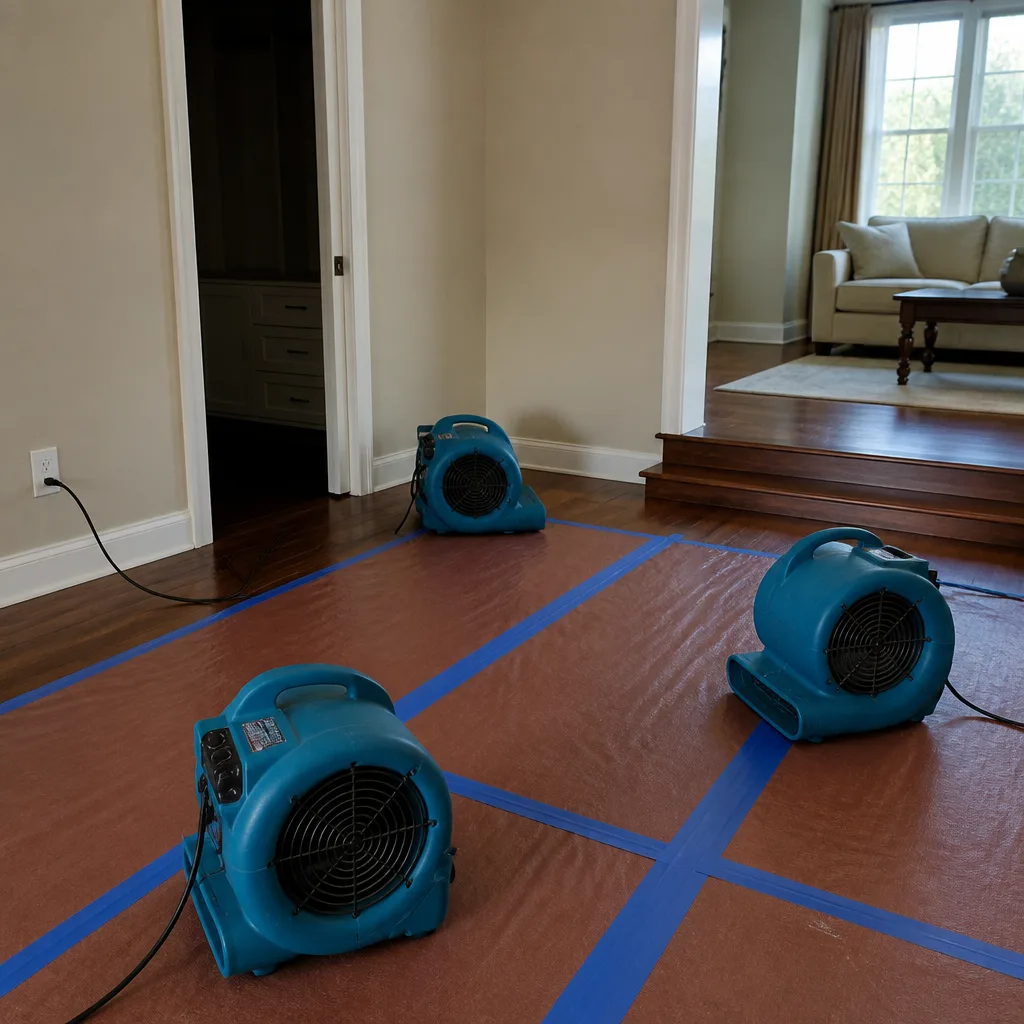
We run XPOWER air movers and Dri-Eaz dehumidifiers on a moisture-mapped drying plan, taking daily readings that become your drying log. We don’t guess. We measure until the dry standard is met.
Cleaning & Sanitization
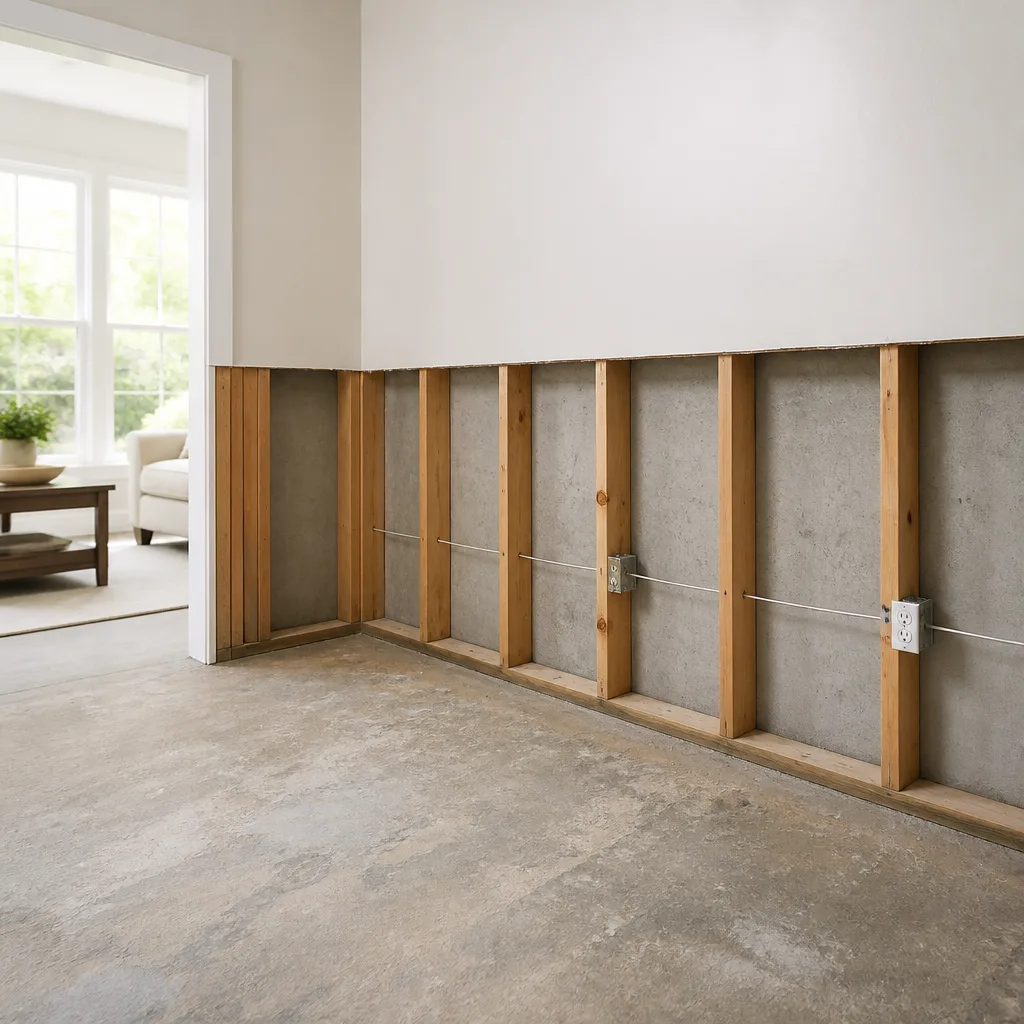
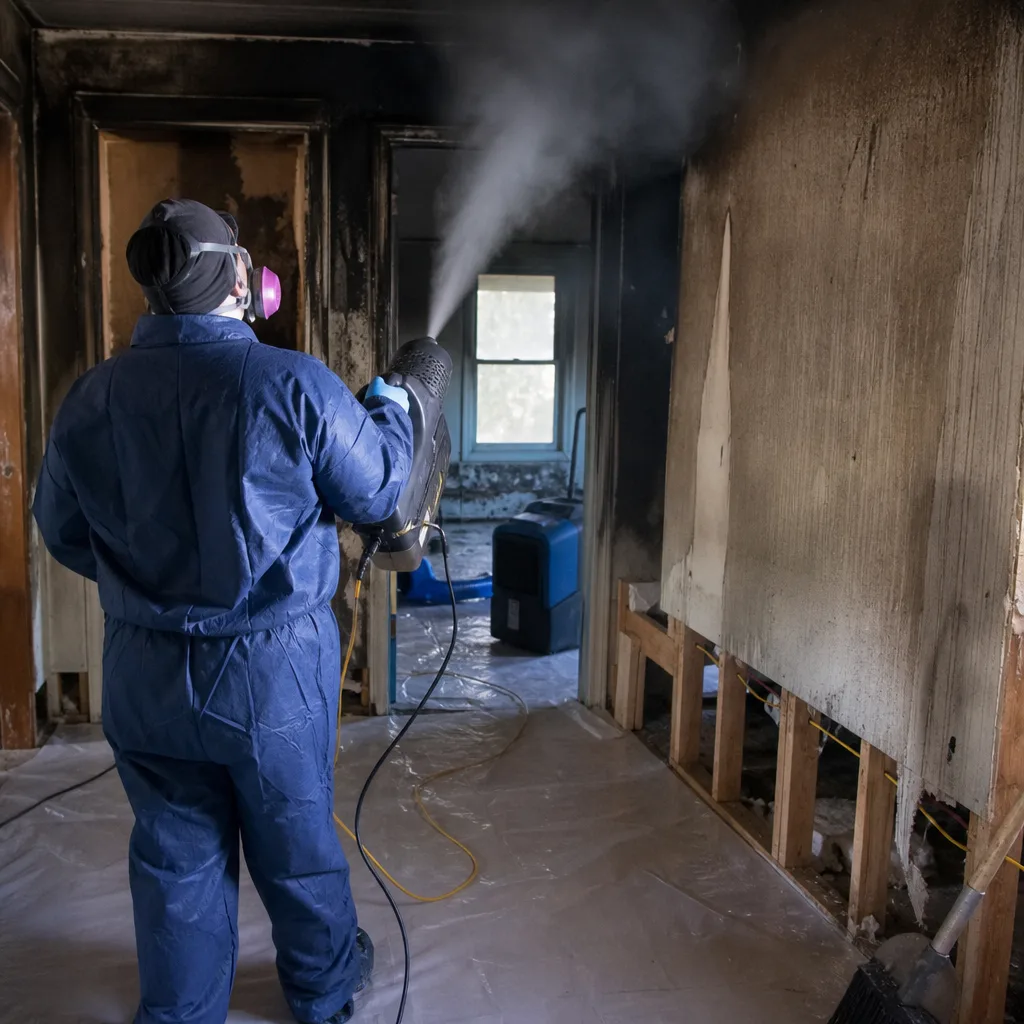
Every affected surface gets antimicrobial treatment and HEPA cleaning. Carpet, drywall, and insulation that absorbed Category 3 water are removed and disposed of under proper protocols. What can be saved is sanitized and tested.
Crawl Space & Foundation Treatment
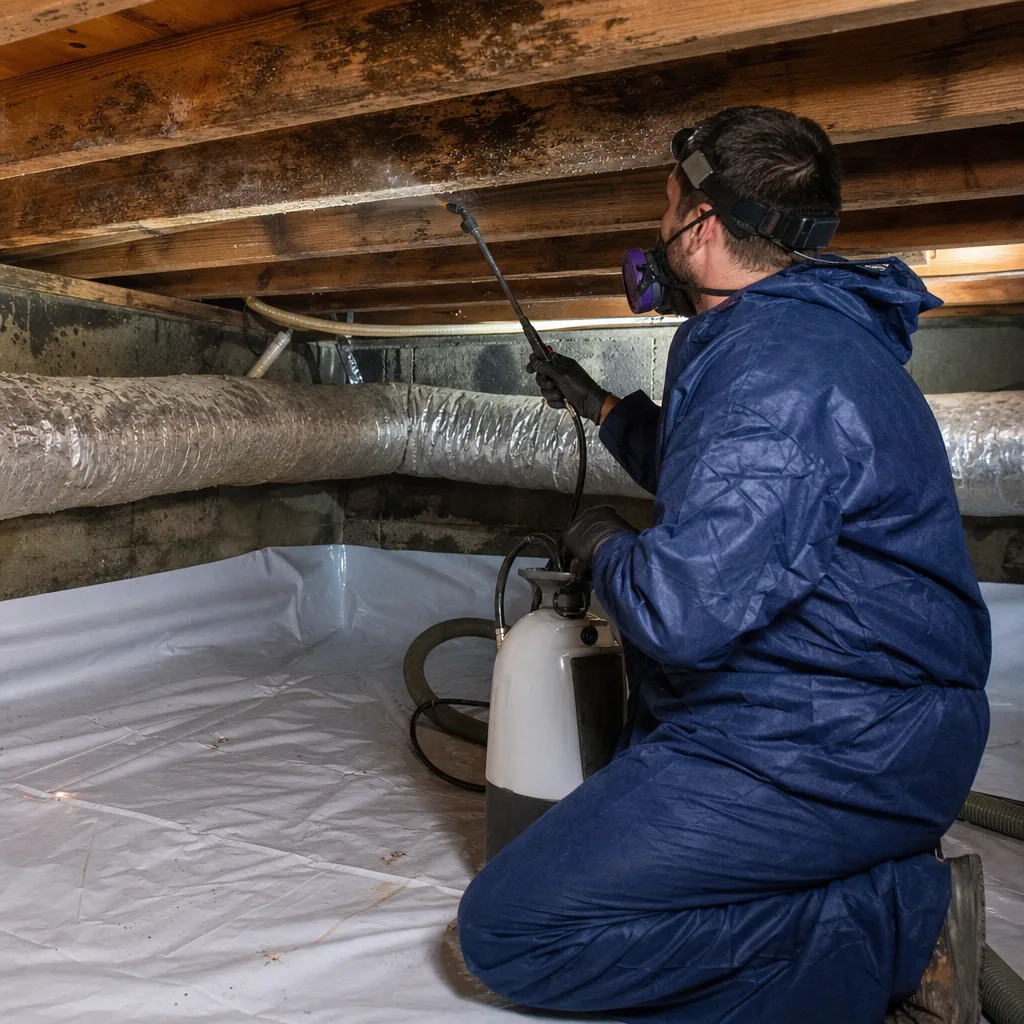
For Haverstraw homes with crawl spaces under older foundations, we extract sewage and sanitize thoroughly, then address the spalled brick or softened mortar that repeated saturation causes. This step is unique to homes built the way Haverstraw’s were built.
Repairs & Restoration
We rebuild what was removed, matching materials where possible and installing drainage improvements where they’ll prevent the next backup. The final walkthrough comes with a written 90-Day Done Right Promise.
Need Emergency Sewage Cleanup in Haverstraw Now?
Crews minutes away, answering live 24 hours a day. The sooner we start, the less it costs.
Working With Your Insurance Company
When sewage backs into a Haverstraw home, the insurance question is always in the room. We handle it directly. Our documentation starts the moment we arrive: photos of every affected room, moisture readings from before and after drying, and a line-item scope of work written in the language adjusters expect. We talk to your carrier so you don’t spend hours on hold explaining what a Category 3 water loss means.
If your policy covers sewage backup, we file the claim properly. If it doesn’t, we tell you that honestly before any work begins, so you can make a clear decision. No surprises on the bill. That’s the Floodline standard.
What We Provide Your Insurer
- Thorough documentation of the loss
- Photos of all damage, room by room
- Moisture readings and drying logs
- A detailed, line-item scope of work
- Direct coordination with your carrier
Built for Haverstraw’s Loss Calendar
Sewage problems in Haverstraw follow the seasons. Winter brings freeze-thaw cycles that stress old clay and cast-iron sewer laterals on the hillside streets, cracking them and causing backups that surface in basements. Spring thaw saturates the glacial clay underneath the village, pushing groundwater into leaking lines and raising the water table against fieldstone foundations. Summer thunderstorms overwhelm older combined sewers near the waterfront. And fall nor’easters send storm surge up from Haverstraw Bay into Beach Road and the marina district, backing combined sewage into low-lying basements.
Each season produces a different failure, but the result is the same: Category 3 black water inside a home built from Haverstraw brick and lime mortar that absorbs it like a sponge. We’ve responded to every one of these patterns. We know what October looks like in this town, and what February does to the old laterals under West Broad Street. That’s not something a national chain’s call center understands.
Sewage Cleanup Across Haverstraw’s Neighborhoods
The village of Haverstraw packs several distinct building eras into a tight footprint, and each one fails differently when sewage is involved. Down along Beach Road and the marina district, low-lying homes built near the water took the brunt of past nor’easters, and many have basements that have flooded more than once. Those basements need crews who understand combined sewer overflows and storm surge, not just a backed-up toilet.
Up on the hillside streets off Route 9W north of the village center, the housing stock shifts to mid-century homes sitting on the glacial clay that underlays Haverstraw’s slopes. Sewer laterals here run through soil that expands and contracts with the seasons, cracking older lines and causing backups that show up as slow drains first, then a full failure. The village core around Main Street and the old brickyard district is mostly 1890s to 1920s worker housing with brick-block basements. Those foundations were built from locally-made Haverstraw brick, and after a century of Hudson River humidity and the occasional flood, the mortar is often softened. Sewage into those basements requires masonry stabilization alongside extraction and sanitization, which standard restoration crews don’t address. We’ve worked all these areas, and we dispatch to them differently because they are different.
Specialized Sewage Cleanup Services We Offer in Haverstraw
Sewage Backup Cleanup
When a sewer lateral fails or a main backs up into a Haverstraw basement, the water is Category 3, and it’s already moving through your foundation. We extract, contain, and sanitize the space, then determine whether the foundation below needs stabilization before drying can finish safely.
Toilet Overflow Cleanup
A toilet overflow in a Haverstraw bathroom is often the first sign of a deeper problem in the lateral or the main. We clean the direct spill, then check the line to see whether the overflow was a one-time event or a symptom of something that will happen again next week.
Septic Failure Cleanup
Some Haverstraw properties, especially on the hillsides and the edges of the village, still rely on septic systems. When a septic field fails and backs up into the house, the contamination is raw and heavy. We extract, sanitize, and coordinate with your septic contractor so the fix is complete, not cosmetic.
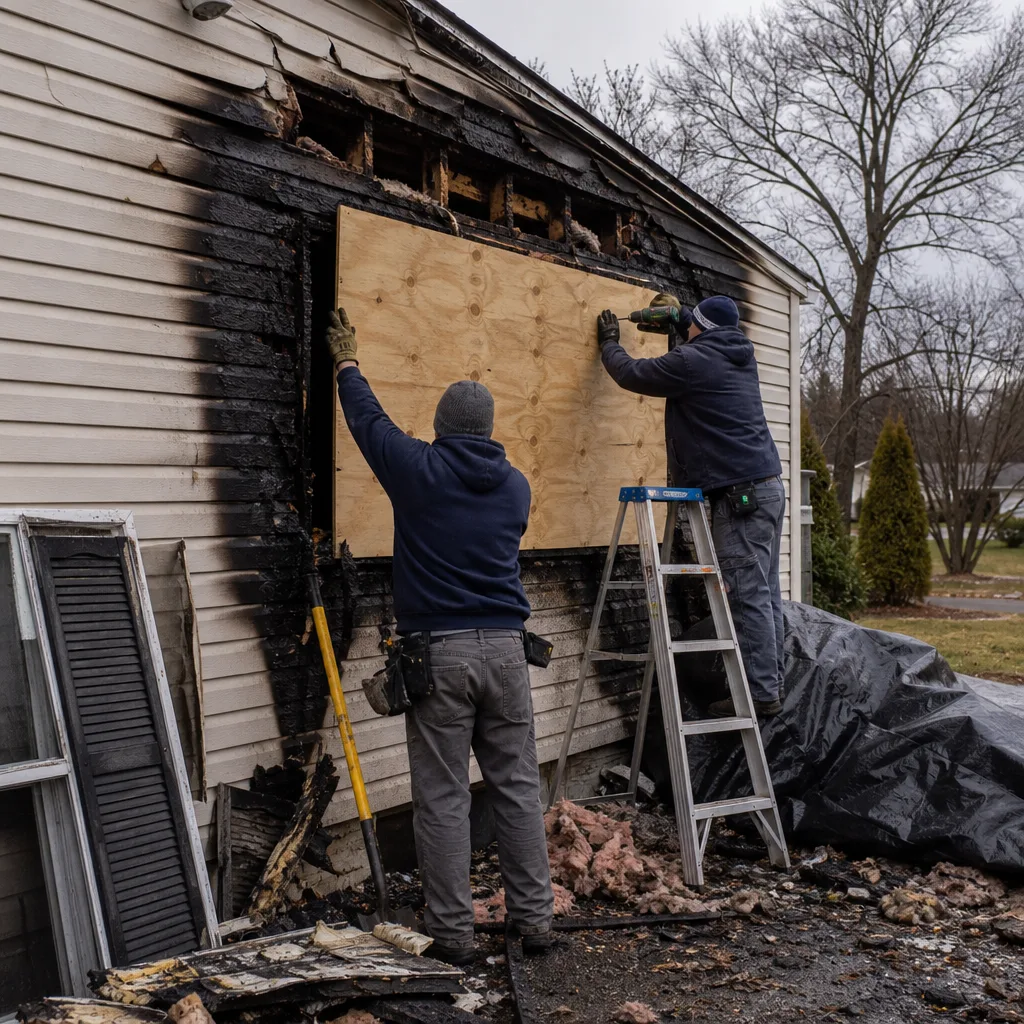
Black Water Extraction
Black water is the most dangerous water that enters a home, and it’s common in Haverstraw during storm surge events when the Hudson pushes brackish water mixed with sewage into low-lying basements. We use full PPE, containment, and HEPA filtration throughout the extraction, and we document the entire process for your insurer.
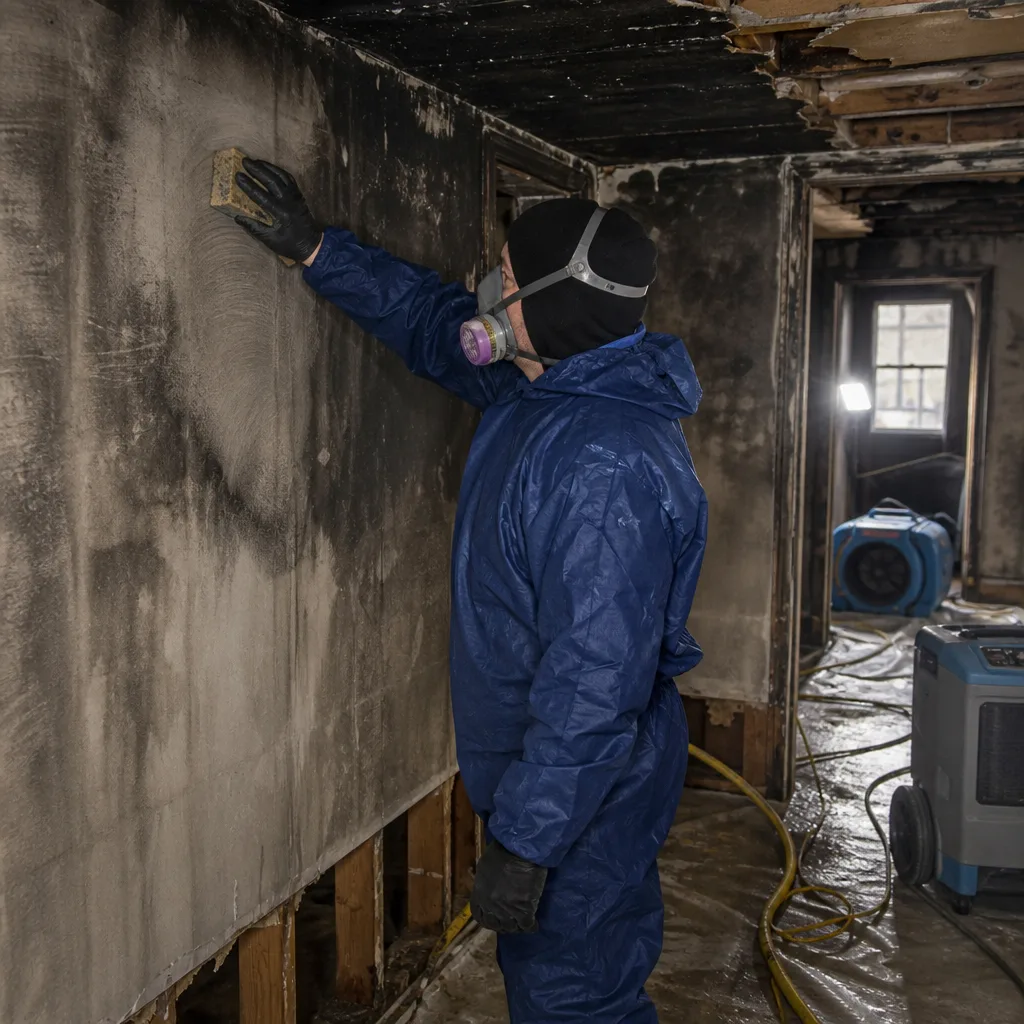
Sanitization & Disinfection
After extraction, every surface the water touched needs antimicrobial treatment. In Haverstraw’s older homes, that includes porous brick and mortar that hold contamination far longer than modern materials. We treat every affected surface and verify dryness before any rebuild starts.
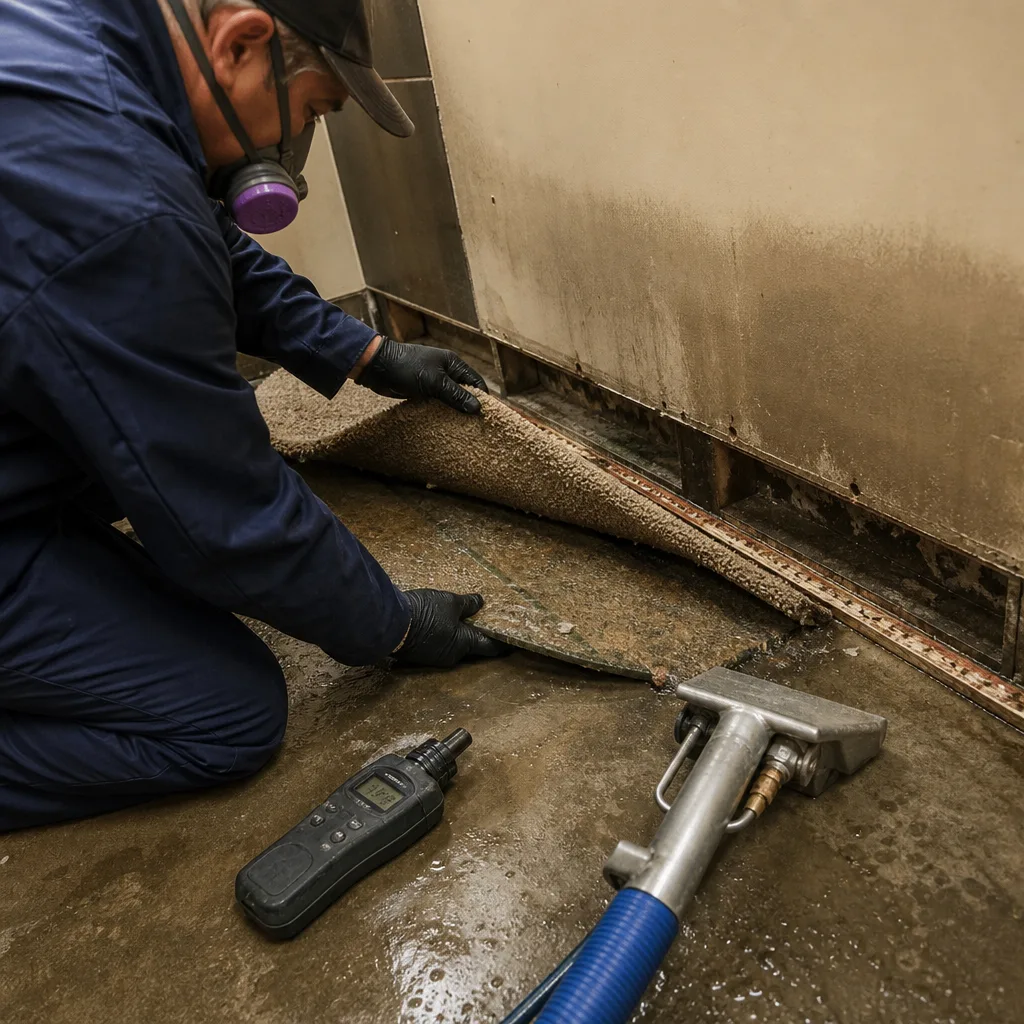
What happens when you call
- 1
A real person answersNo phone trees - you reach a local pro.
- 2
You get an upfront price rangeHonest numbers before anyone is dispatched.
- 3
A background-checked tech heads outLicensed & insured, dispatched right away.
- 4
You approve before work beginsNothing starts until you say go.
Sewage Cleanup Costs in Haverstraw, NY
Sewage cleanup in Haverstraw runs on a different cost curve than clean-water drying, and the difference is real. A contained toilet overflow in a modern bathroom might cost $800 to $1,500. A full basement sewage backup in a Waterfront brick home, with extraction, containment, demolition of saturated materials, antimicrobial treatment, structural drying, and masonry stabilization? That’s $6,000 to $15,000 or more, depending on the square footage and what the water touched.
What moves the price: how far the black water traveled, whether Haverstraw brick or fieldstone needs stabilization, how much drywall and flooring has to be removed, and whether crawl spaces are involved. Insurance often covers much of this if you have sewage backup coverage. We’ll assess the damage for free, give you a written scope, and discuss what your policy is likely to cover before any work starts. Call (914) 809-9936 for an exact quote. Estimates are free.
We Also Serve Cities Near Haverstraw
We serve Thiells, Stony Point, Congers, and New City with the same 45-minute response, the same IICRC-certified crews, and the same 90-Day Done Right Promise. If you’re in a neighboring Rockland County town and facing a sewage backup, call the same number. We’ll be there.
Haverstraw Sewage Cleanup Questions, Answered
Does sewage backup in a Haverstraw waterfront basement require different treatment than in other Rockland County towns?
Yes. Waterfront basements in Haverstraw, especially along Beach Road and the marina district, often take in Category 3 black water from combined sewer overflows during storm surge. That water contains not just sewage but brackish Hudson River water, which adds salt that accelerates spalling in the locally-made Haverstraw brick foundations. Standard sewage cleanup without masonry stabilization will leave the foundation compromised.
How quickly do you respond to a sewage backup on Beach Road after a nor’easter?
We committed to a 45-minute response for Haverstraw properties, including Beach Road. During nor’easter events we stage crews locally so we can reach the low-lying streets faster than any dispatch from outside the area. Call (914) 809-9936 and a live dispatcher will confirm the crew’s ETA.
What is black water, and why is it common in Haverstraw basements during storms?
Black water is Category 3 water containing raw sewage, bacteria, and pathogens. In Haverstraw, it becomes common during nor’easters because Haverstraw Bay, the widest point of the Hudson River, amplifies storm surge into the low-lying waterfront streets. The surge then overwhelms combined sewer lines, pushing sewage back into basements built on porous brick and fieldstone.
Can you remove sewage from a crawl space under an older home on a Haverstraw hillside?
Yes. Haverstraw’s hillside homes often have shallow crawl spaces over glacial clay, and sewage from a failing lateral or septic system can sit there undetected. We extract, sanitize, and install moisture controls specific to crawl spaces, then document everything for your insurer. This is one of the services we emphasize for Haverstraw because of how many hillside properties have this configuration.
Do I need a permit for sewage cleanup or structural repairs after a flood in Haverstraw?
Sewage cleanup itself typically doesn’t require a permit, but structural repairs, masonry stabilization, and any electrical or plumbing work triggered by the damage usually do. Haverstraw’s building department enforces those requirements, and we handle the permit process as part of the restoration scope so you’re not left managing paperwork.
How long does sewage cleanup and drying take in a Haverstraw home?
Most sewage extractions take one to two days for the removal and sanitization phase. Drying in Haverstraw’s older brick and fieldstone basements takes longer than in modern construction, often three to five days with daily moisture readings, because the porous materials release moisture slowly in the river air. We provide a drying log you and your insurer can review at every step.
Can we stay in the house during sewage cleanup?
If the backup affects only a small bathroom and we can isolate it with containment, you may be able to stay. If black water spread through the basement or into the living space, we’ll recommend vacating until sanitization and air clearance testing are complete. We make that call honestly, based on what we find, not on what’s convenient.
What should I do in the first 30 minutes after a sewage backup in Haverstraw?
Shut off water to the affected fixture if you can do so safely. Do not flush toilets or run sinks, since that pushes more sewage into the backup. Keep children and pets away from the area. Then call (914) 809-9936. Don’t attempt to clean Category 3 water yourself, it’s a health hazard, not a household spill.
Serving Haverstraw, NY - Our Local Coverage Area
We’re based in the Haverstraw area and know this community well. Use the map below to see our service coverage - if you’re nearby, we can almost certainly help.
The Haverstraw Threat Most Restoration Guides Miss
The single biggest failure we see in Haverstraw sewage cleanup is treating it like a standard extraction job. It isn’t. This village sits at the widest point of the Hudson River, where storm surge from Haverstraw Bay pushes combined sewage into basements built from locally-fired Haverstraw brick. That brick was never designed to be repeatedly soaked in Category 3 water. After years of flood saturation, the mortar softens, the brick spalls, and the foundation loses integrity in ways that standard drying protocols don’t anticipate.
Add to that the glacial clay under the hillsides above town, the same clay that fueled the brickyard industry and triggered the 1906 landslide, and you have a dual threat. Sewage cleanup in Haverstraw often means extracting black water, then stabilizing a crumbling foundation before you can even run dehumidifiers properly. Generic restoration guides don’t cover this. A national franchise with a checklist won’t catch it. Our crews do, because we see it every storm season.
On Beach Road in the marina district, our crew responded to a nor’easter surge that backed combined sewage into a 1920s fieldstone basement. We set containment and used XPOWER air movers with Dri-Eaz dehumidifiers for structural drying, but the real challenge was the Haverstraw brick foundation, whose mortar had softened and spalled after years of flood saturation. After black water extraction and antimicrobial treatment, we performed masonry stabilization alongside sanitization, returning the space to pre-loss condition with drying logs documenting every moisture reading.
That’s the difference. A company that has worked Haverstraw’s waterfront knows the foundation will be the problem. A company that hasn’t will discover it halfway through the job and hand you a change order. We write the scope before we start, and we stand behind the work for 90 days in writing.
If you’re facing a sewage backup in Haverstraw right now, call (914) 809-9936. A live person answers, and a certified crew will be on the way. The free inspection gives you a written scope and a clear path forward, with no obligation. Floodline Restoration Co. has been answering that phone since 2010. We’ll be there when we say.
Written by Curt Bowman, Owner at Floodline Restoration Co., serving Haverstraw and Rockland County.