

Free visual inspection and a written scope of work before any mitigation begins - photos, moisture readings, and drying logs go in your claim file
The scope we write is the scope we bill. Anything new gets shown to you, in writing, before we touch it.

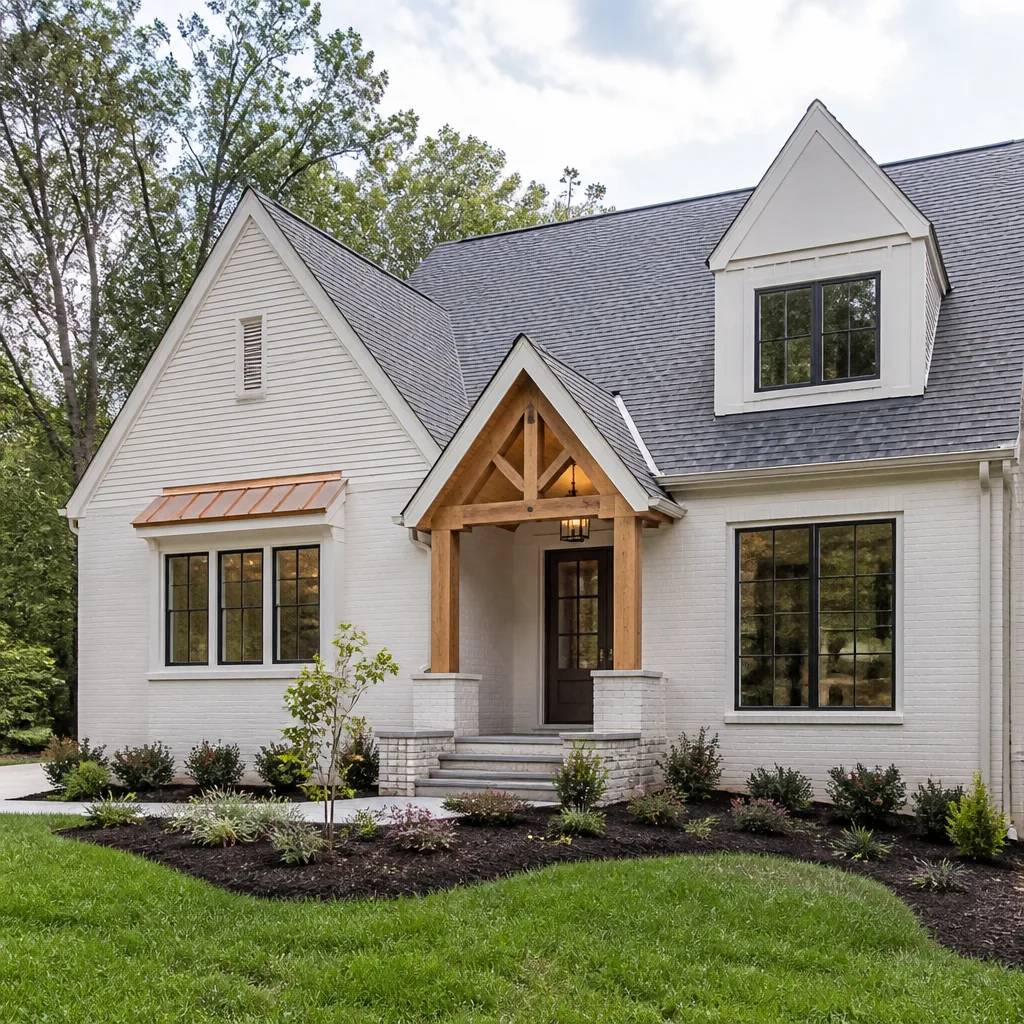
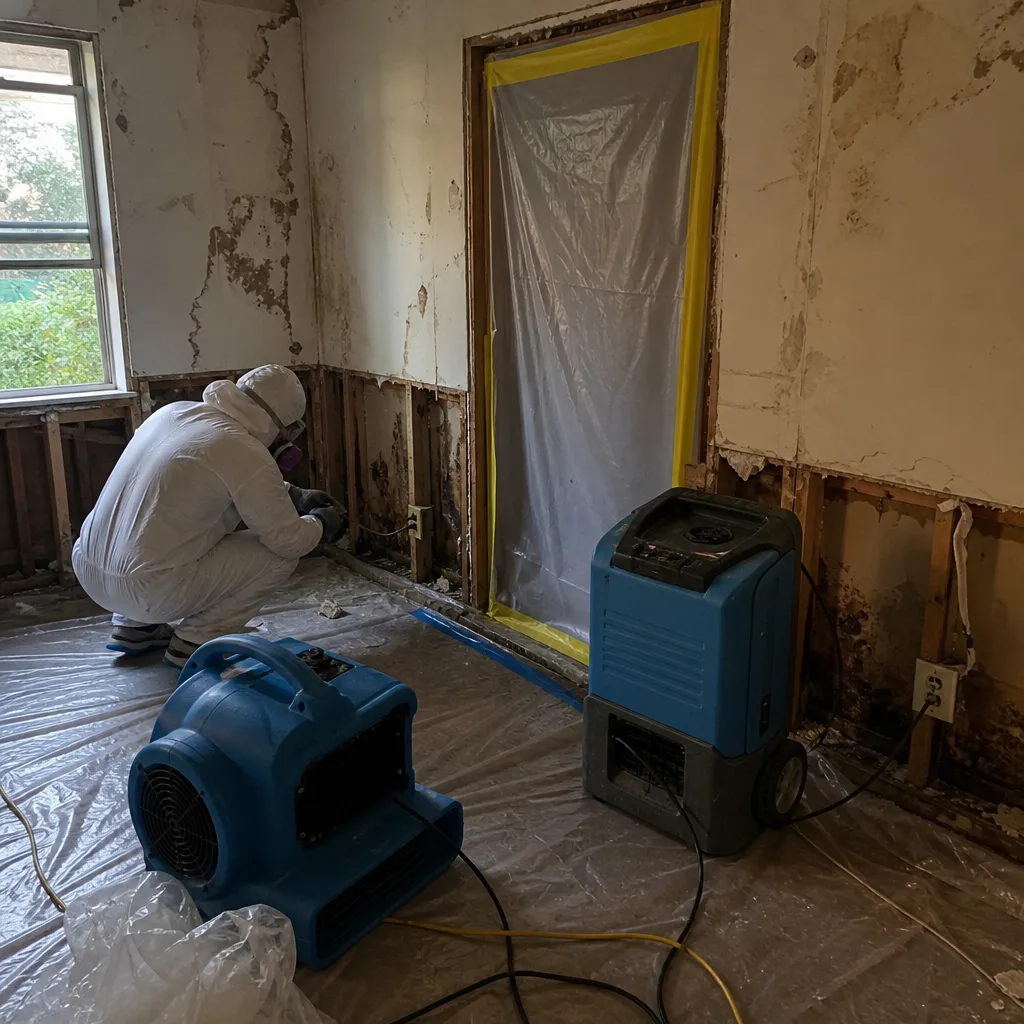 Before
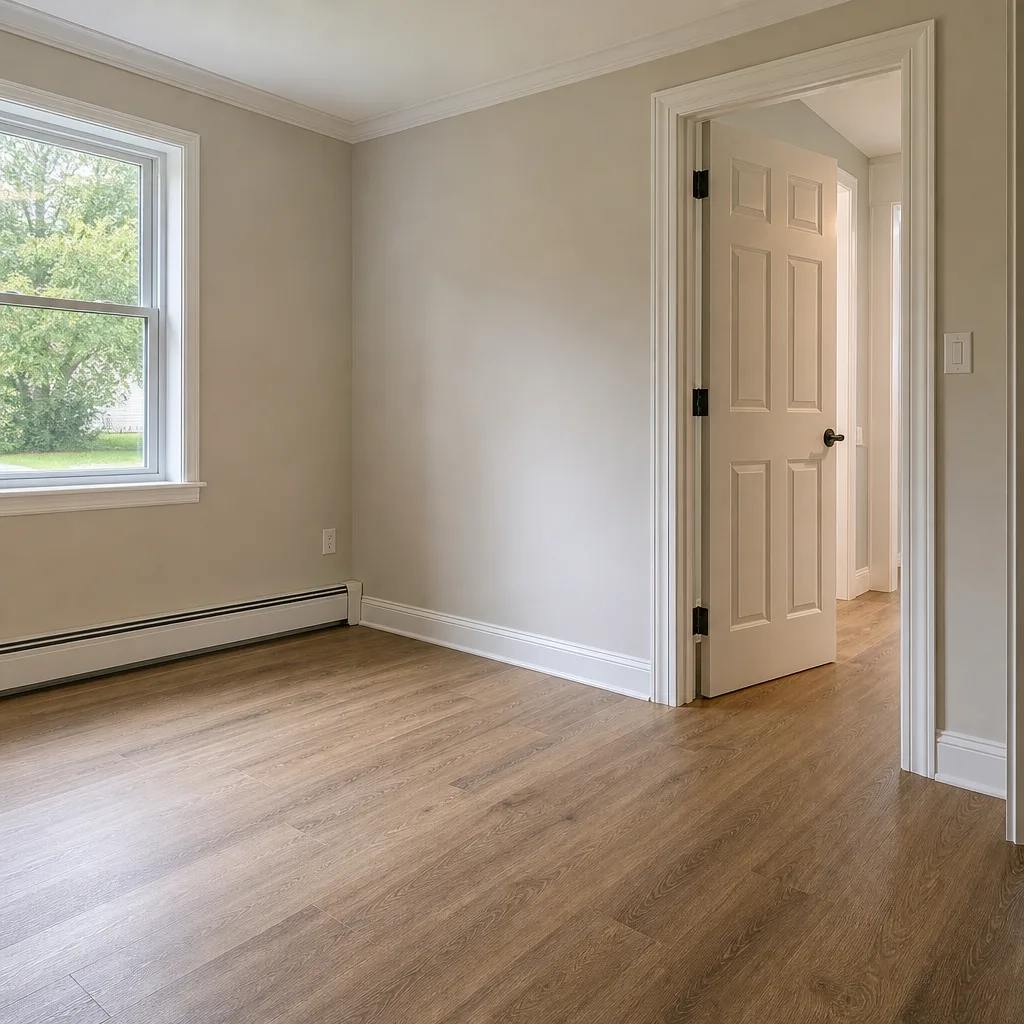 After
After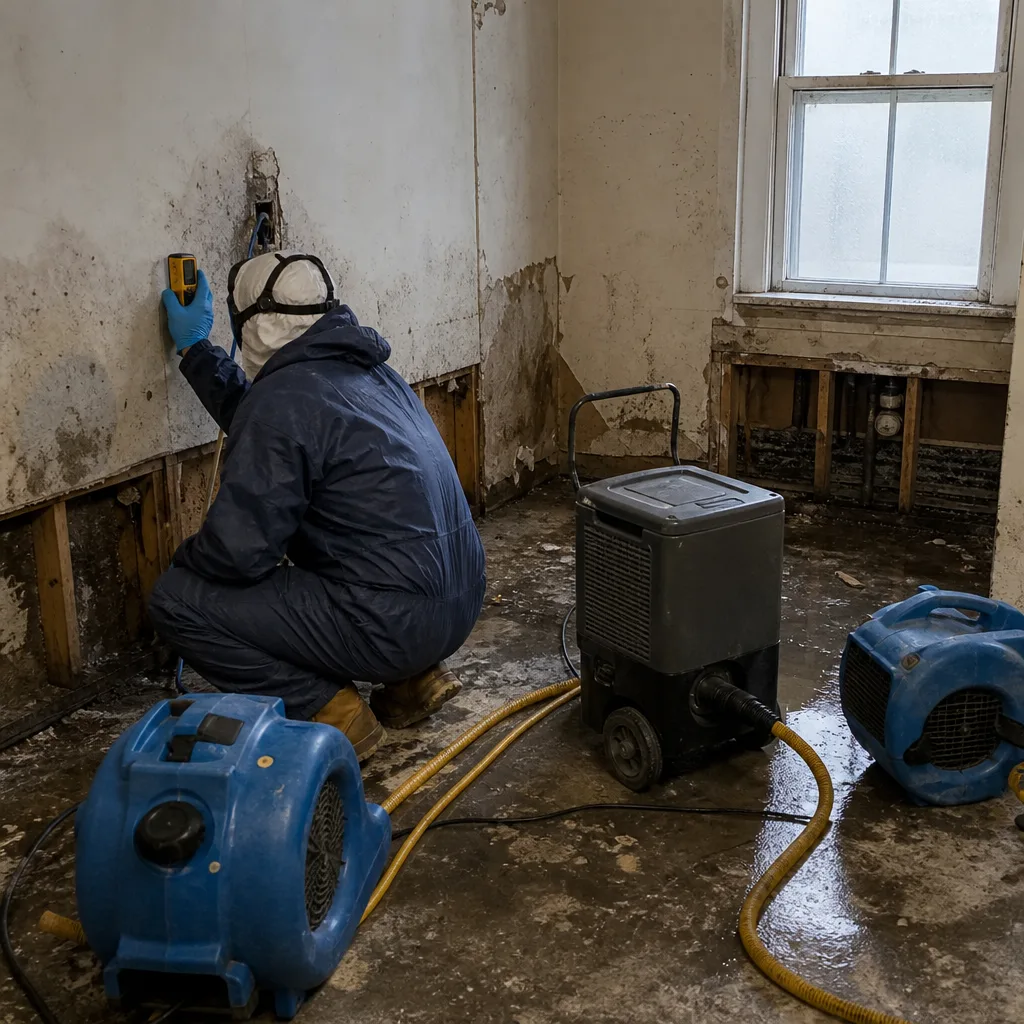 Before
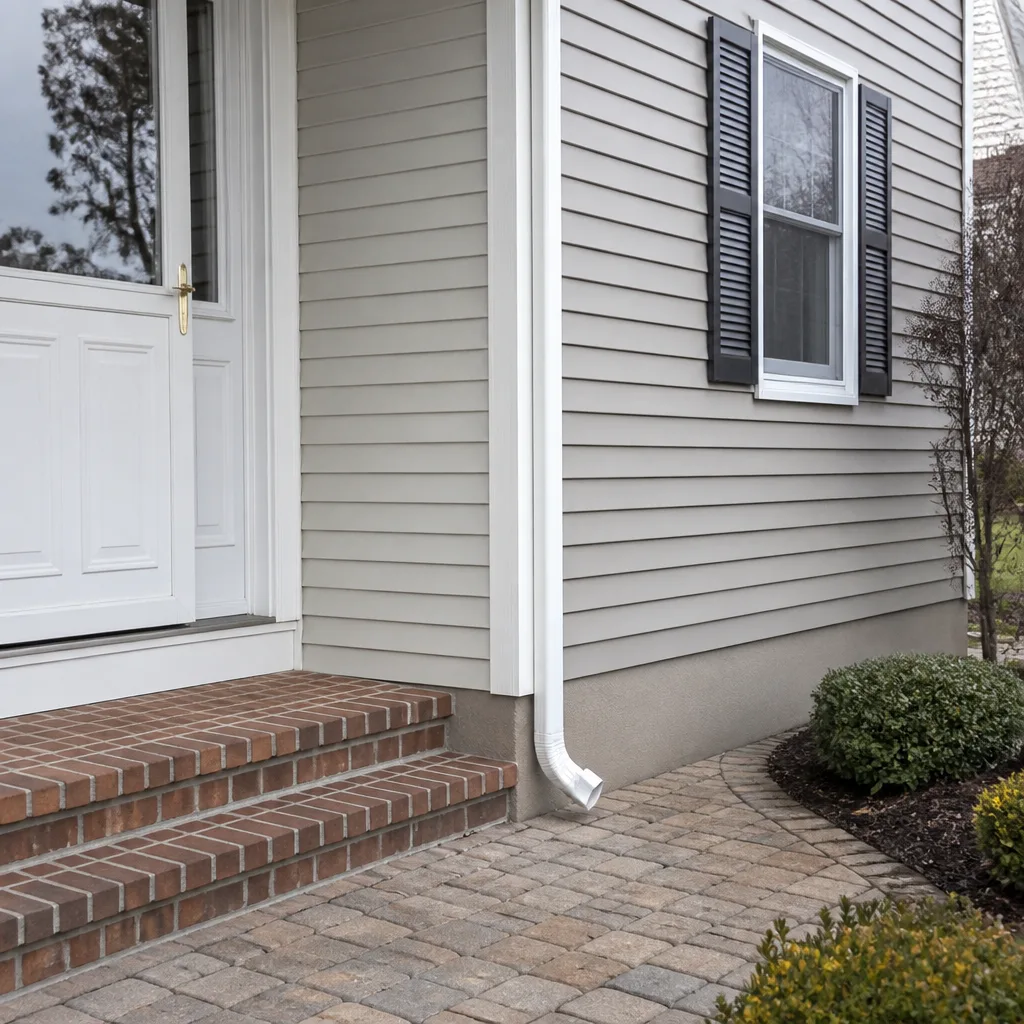 After
After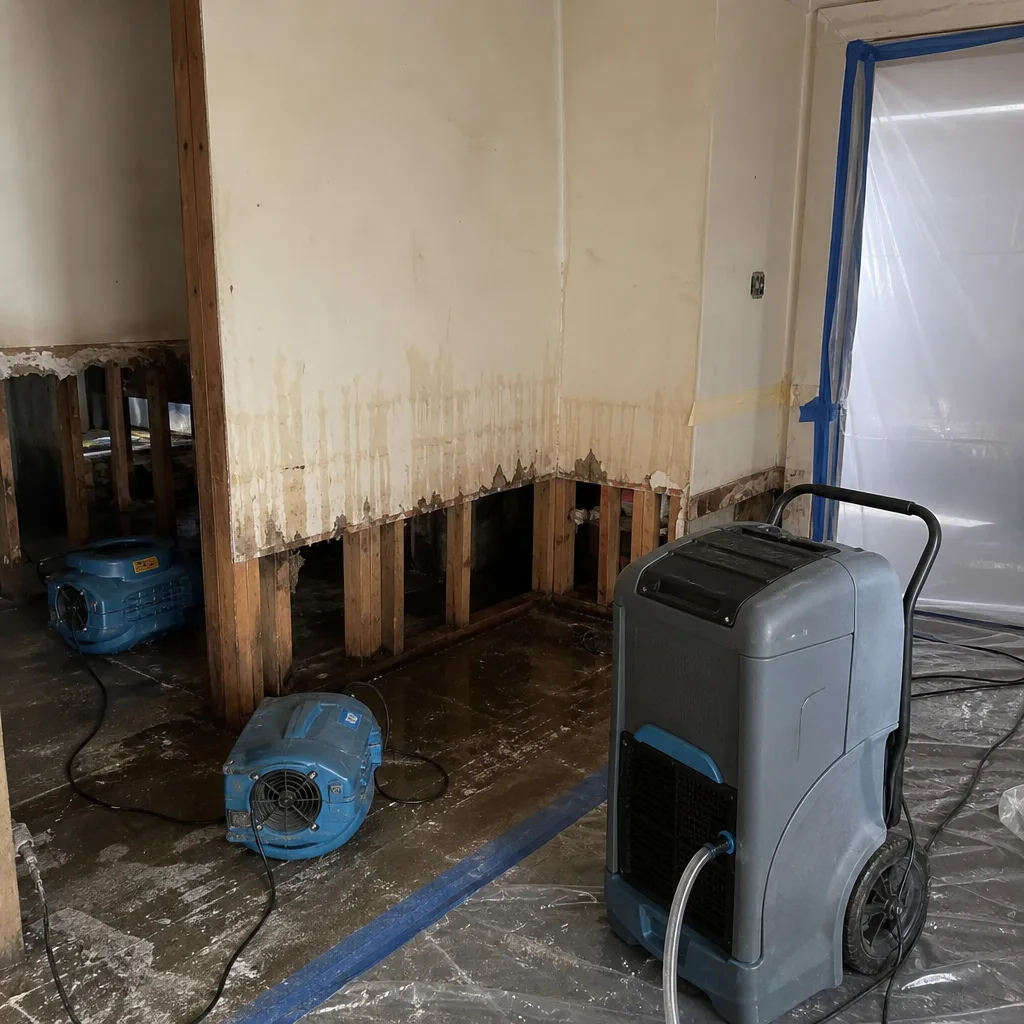 Before
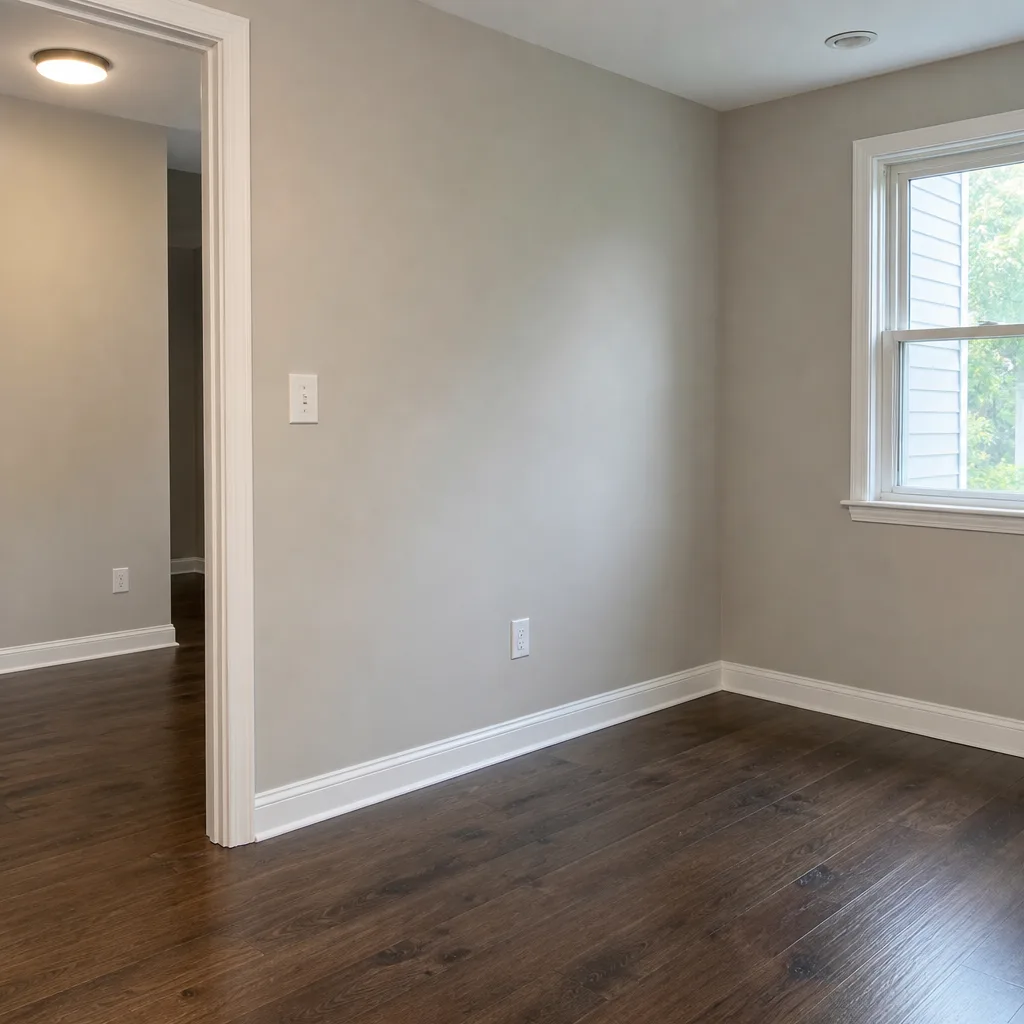 After
After24/7 Emergency Mold Remediation in Ossining
Mold remediation in Ossining typically costs $1,800 to $6,500 depending on how far the colony has spread and whether it’s inside wall cavities. Most jobs are completed in one to three days, and we answer the phone live at (914) 809-9936 around the clock. If you can see mold or smell that damp, musty odor, call now. Every day of delay lets the colony spread behind baseboards, under flooring, and through plaster walls. We dispatch crews into Ossining within 45 minutes, and the initial visual inspection is free.
The first hour matters because Ossining’s riverside humidity accelerates secondary mold growth after any water intrusion, whether it’s a burst supply line in February or a flooded basement off North Highland Avenue in July. Mold spores begin colonizing damp drywall within 48 hours. After that, remediation costs climb and the damage moves deeper into framing. Our Mold Remediation team arrives with thermal imaging gear and moisture meters, so we see what’s hidden before we touch a single wall.
Understanding Mold Remediation Severity in Ossining Properties
Mold in Ossining homes doesn’t present as one single problem. We categorize every job by how far the colony has spread and what’s feeding it. A contained patch under a bathroom sink that covers less than 10 square feet is a straightforward cleaning and antimicrobial treatment. But a colony that has moved behind horsehair plaster in a 1910 worker cottage on Central Avenue is a different animal entirely. That requires full containment with HEPA air scrubbers, negative air pressure, and careful demolition of saturated material so spores don’t spread through the rest of the house while we work.
Ossining’s housing stock makes severity assessment harder than in newer developments. Late-Victorian homes and pre-WWII multifamily buildings often have rubble-stone foundations, knob-and-tube wiring, and galvanized supply lines. Moisture travels through these old materials unpredictably. We use moisture mapping across every affected room and thermal imaging to find water that’s hiding inside wall cavities. Then we classify the mold by species when visible, and set up containment appropriate to the spread. RIA and IICRC standards guide every step, but the diagnosis always starts with understanding how an Ossining hillside home behaves differently from a flat-site suburban house.
Why Ossining Property Owners Choose Floodline Restoration Co.
- 45-minute response commitment – a certified crew reaches Ossining fast because mold doesn’t wait, and neither should you.
- Live answer, 24/7 – a real dispatcher picks up at 2 a.m. when you call (914) 809-9936, never an automated system.
- IICRC-certified crews – our techs hold WRT and AMRT certifications and train to RIA and IFA standards, so the work meets the industry’s strictest protocols.
- Free visual inspection – if you’re not sure whether that spot is mold or mildew, we’ll take a look at no charge and give you a straight answer.
- Direct insurance billing – we communicate with your adjuster, submit the documentation, and bill the carrier directly.
- One team to the finish – from the first containment wall to the final coat of paint, the same background-checked, uniformed crew handles your job.
Our Mold Remediation Process
Inspection & Assessment
We walk the entire affected area with moisture meters and thermal imaging. We identify the water source, map the mold spread, and classify the severity. You get a written scope and a firm price before we start any work.
Containment Setup
Before we disturb any moldy material, we seal the work area with 6-mil polyethylene and establish negative air pressure. HEPA air scrubbers run continuously so spores released during demolition can’t reach the rest of your Ossining home.
Drying & Dehumidification
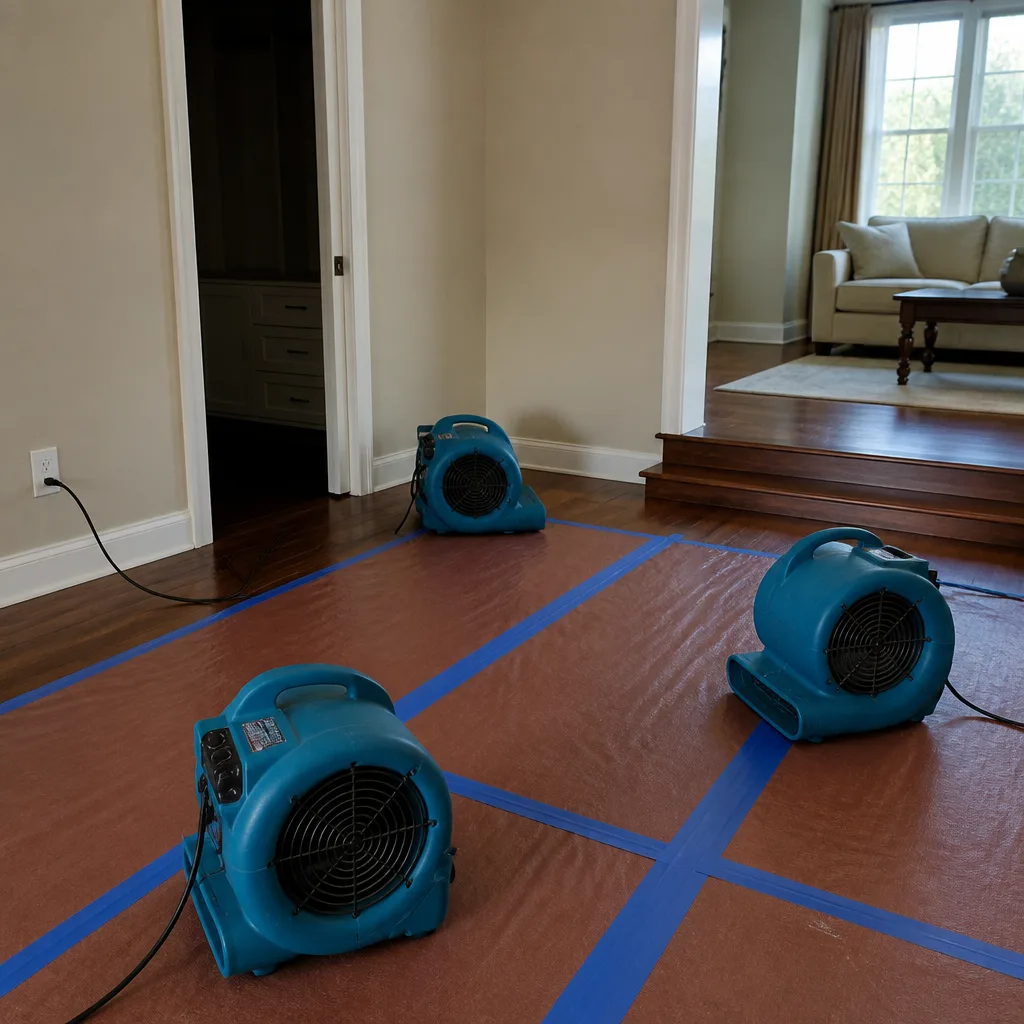
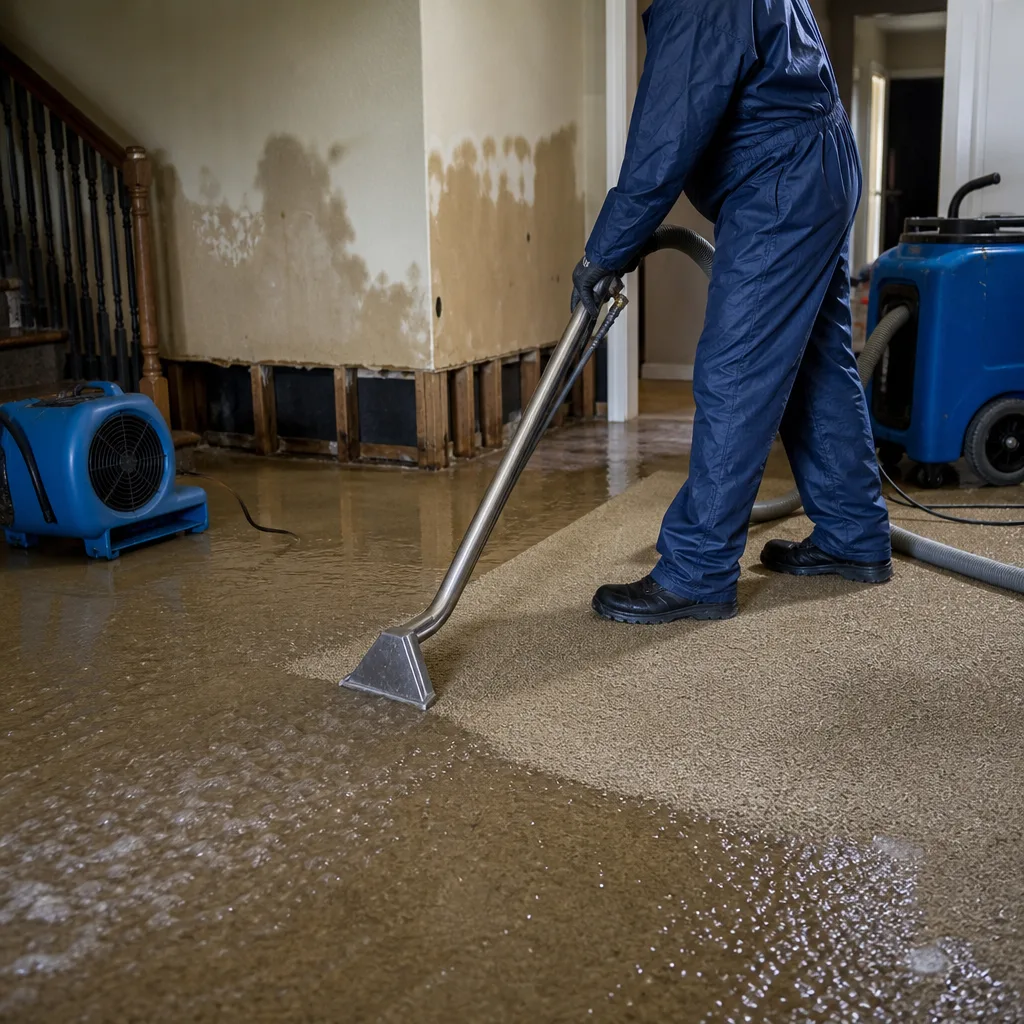
Dri-Eaz and Phoenix dehumidifiers pull humidity below 50% RH, which is the threshold where mold stops growing. In Ossining’s hillside homes, this phase often takes longer because below-grade foundation walls hold moisture for days or weeks.
Cleaning & Sanitization
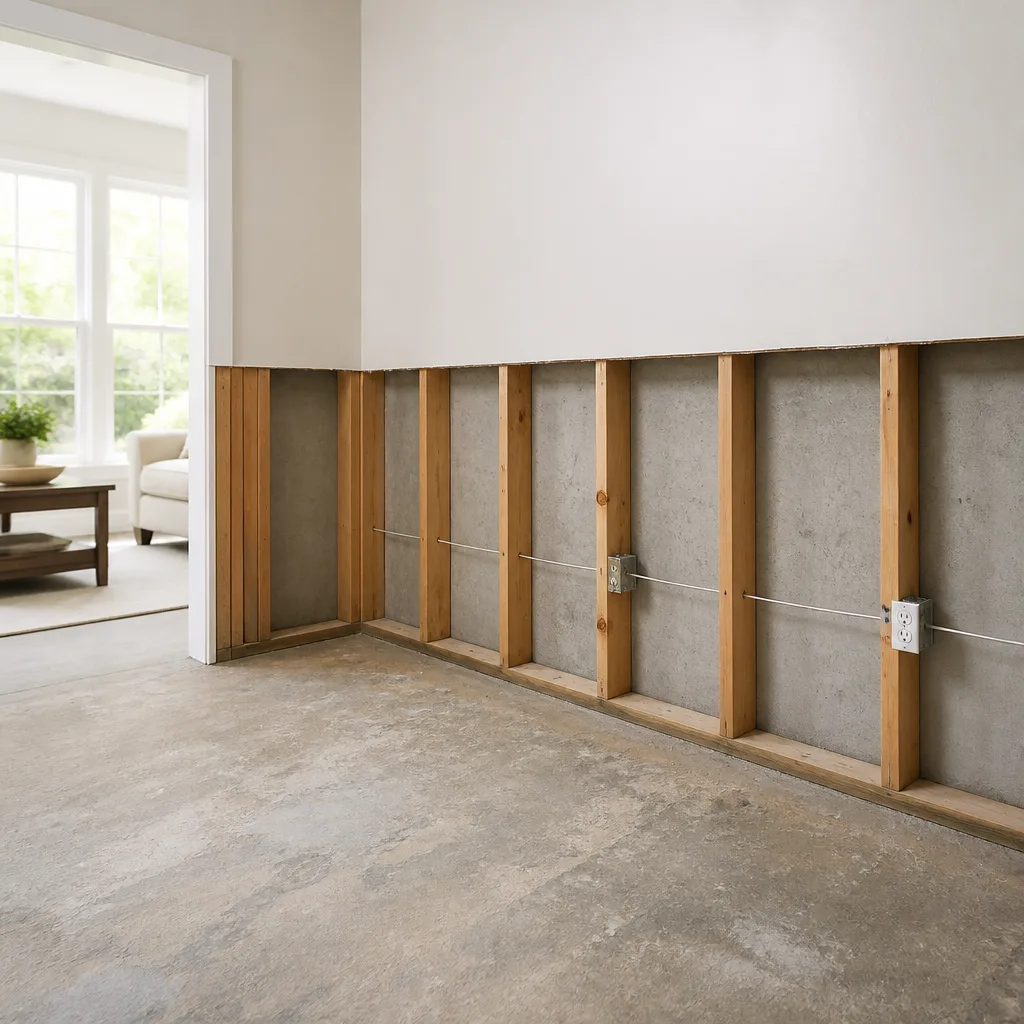
We remove mold-damaged plaster, drywall, and insulation, then HEPA-vacuum every surface in the containment zone. Antimicrobial treatment follows on all framing and remaining materials.
Air Quality Restoration
HEPA air scrubbers run until airborne spore counts return to normal background levels. We document readings and hold clearance testing to confirm the job is done before we break containment.
Repairs & Restoration
We rebuild what we removed. New drywall, insulation, trim, and paint, all matched to your home’s existing style. The same crew handles it from start to finish, with the 90-Day Done Right Promise in writing.
Need Emergency Mold Remediation in Ossining Now?
Crews minutes away, answering live 24 hours a day. The sooner we start, the less it costs.
Working With Your Insurance Company
Mold claims are scrutinized more than most water damage claims. The carrier wants to know the water source, how long it was wet, and whether every remediation step followed industry standards. Here’s where we earn our keep. From the first hour on site, we photograph every damaged area room by room, log moisture readings daily, and document the full scope of work with the specificity adjusters need. We coordinate directly with your carrier, so you never play messenger.
We write estimates using the same software insurers recognize, which means fewer dispute rounds and faster approvals. Every job is backed by the 90-Day Done Right Promise, the Keystone Standard, in writing. If mold returns within 90 days, we make it right. No arguing, no paperwork battles.
What We Provide Your Insurer
- Thorough documentation of the loss
- Photos of all damage, room by room
- Moisture readings and drying logs
- A detailed, line-item scope of work
- Direct coordination with your carrier
Built for Ossining’s Loss Calendar
Ossining’s mold season doesn’t follow a single pattern. It follows the Hudson River valley’s rhythms, and they’re different from inland Westchester. January and February bring deep freezes that burst galvanized supply lines inside unheated crawl spaces in the village’s older worker cottages. The water saturates framing and drywall, and mold starts colonizing before the thaw. Then comes March, when ice dams on the steeply pitched Victorian roofs release water into attics and behind knee walls, feeding mold that goes unnoticed until the musty smell reaches the living floor. Spring thaw saturates the hillside, and basement seepage becomes chronic in mid-slope homes where the foundation is below grade on two or three sides.
Summer thunderstorms pummel the low-lying blocks near the Metro-North station, and humidity off the Hudson keeps indoor relative humidity stubbornly high, shortening the window before secondary mold blooms. The two-zone risk in Ossining, riverside flooding and hillside seepage, means our Ossining crews stay busy all year, but the calls shift geography and cause with the seasons. Winter is ice dams and burst pipes. Summer is riverfront floods and humidity. Spring and fall are hillside drainage failures. Knowing the difference changes how we approach each job.
Mold Remediation Across Ossining’s Neighborhoods
The blocks around the Metro-North station and the riverside commercial district are the flood zone. When the Hudson backs up or a tropical storm pushes water through the village, these low-lying streets take it first. The mold here hides in wall cavities below the waterline, behind vinyl siding and under baseboards. We’ve seen homes along Croton Avenue where the water receded in a day, but the mold inside the walls persisted for months until someone finally opened them up. Remediation here means aggressive demolition below the floodline and meticulous dehumidification.
The hillside neighborhoods above Broadway, around Revolutionary Road and Cedar Lane, are a completely different job. Homes built into the slope have foundations that stay wet because water sheets downhill and presses against below-grade walls. We regularly work on streets like Underhill Road and William Street where the basement is effectively a retaining pond for groundwater after every heavy rain. The mold in these homes is chronic, not episodic. It returns unless you solve the drainage problem, not just the mold problem. That’s why our crews always inspect grading, gutters, and downspout discharge as part of the initial assessment.
Older multifamily buildings around the village core, especially near Main Street and Spring Street, carry their own challenges. Shared walls mean a mold problem in one unit can migrate into the neighboring unit through plumbing chases and ceiling cavities. Early poured-concrete foundations and horsehair plaster complicate drying. Every neighborhood in Ossining teaches a technician something different about how water moves through old bones.
Specialized Mold Remediation Services We Offer in Ossining
Mold Inspection & Testing
When you’re not sure what you’re looking at, we perform a full inspection with moisture meters, thermal imaging, and visual assessment. If testing is needed, we take air and surface samples and use an independent lab for analysis. The report tells you exactly what species is present, where it’s growing, and what it’ll take to remove it. In Ossining, we always check below-grade foundation walls and attic spaces above steep roofs first, because that’s where this village’s mold starts.
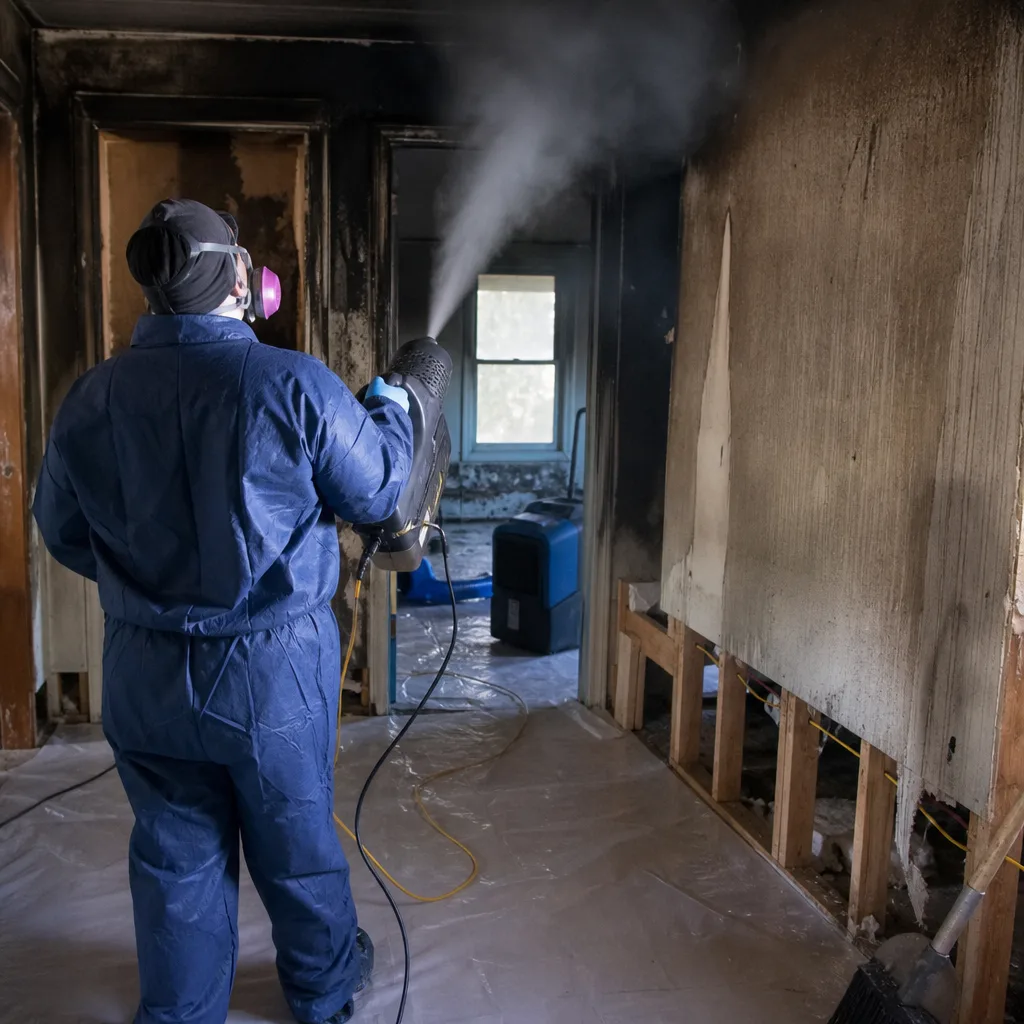
Mold Removal
Most mold removal in Ossining means opening walls, removing saturated plaster or drywall, and treating the framing behind it. The method doesn’t change based on the mold species. What changes is how far we have to open the wall. In hillside homes, the chase often goes deeper because the moisture source is outside the house, pressing in through the foundation. We stop the water first, then remove the mold.
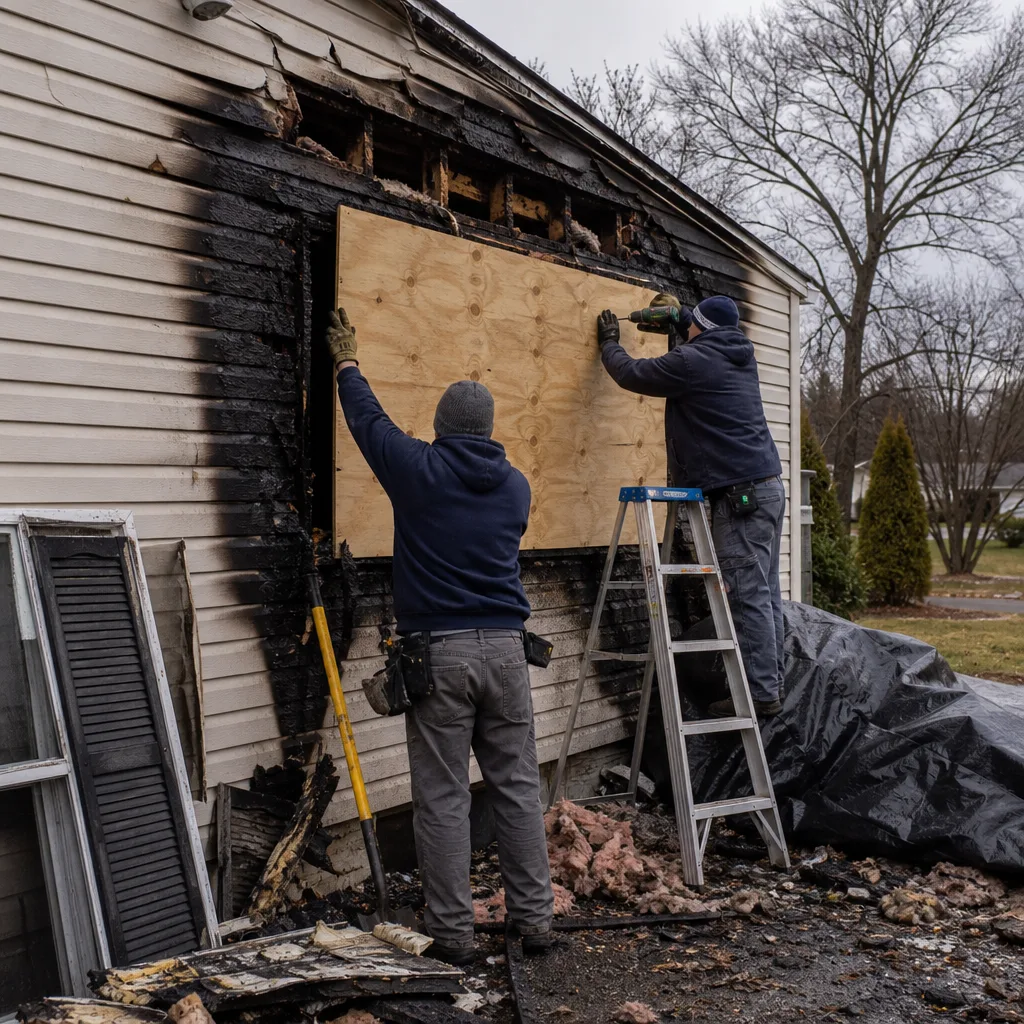
Black Mold Remediation
Black mold, typically Stachybotrys chartarum, needs constant moisture to thrive. In Ossining, we find it most often in riverside basements after floods and in hillside crawl spaces where groundwater never fully retreats. Full containment, HEPA air scrubbing, and antimicrobial treatment are non-negotiable here. You don’t want a crew painting over it. You want it gone, and you want a clearance test proving it’s gone.
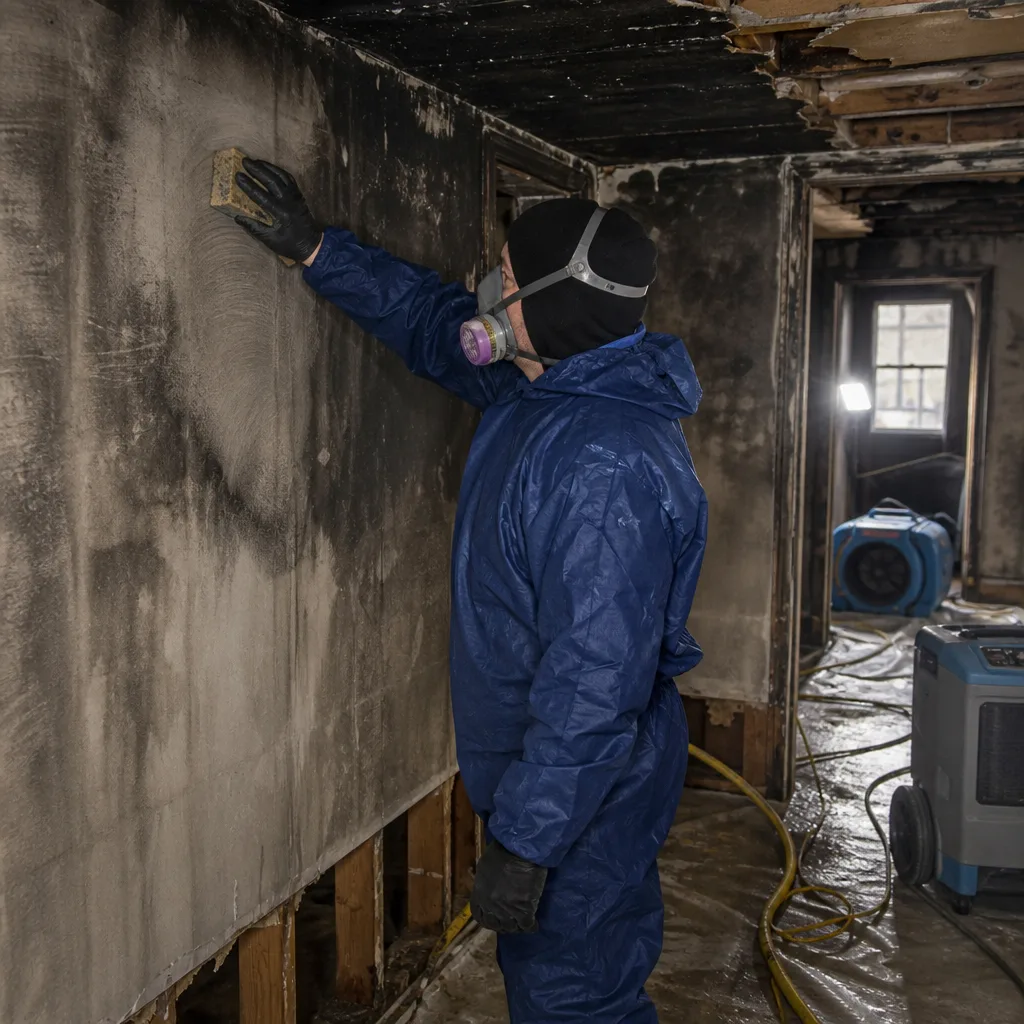
Air Quality Restoration
After any mold job, the air inside your home carries spore counts far above normal. HEPA air scrubbers run for 24 to 72 hours depending on the severity, bringing airborne particulates down to background levels. In Ossining’s humid environment, we keep the scrubbers running longer than inland jobs require, because the riverside air carries more moisture and more biological load.
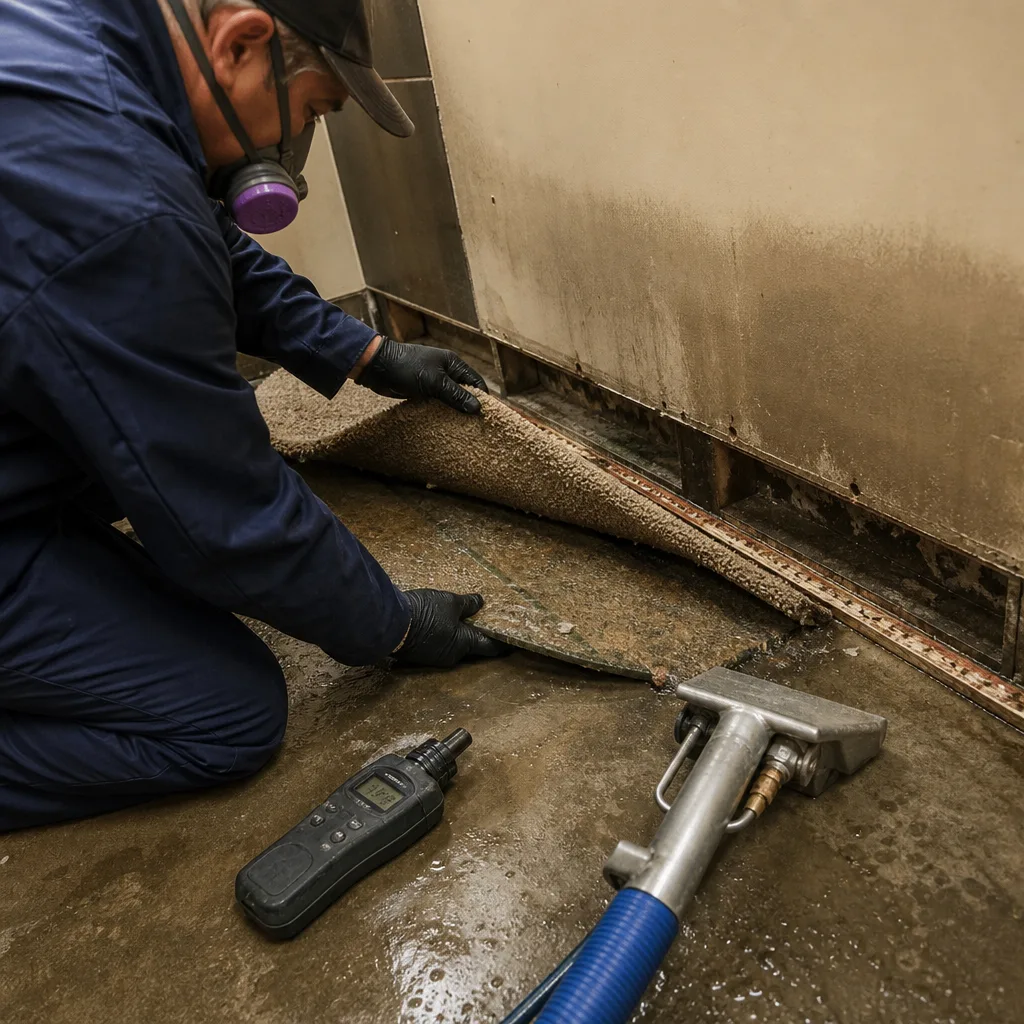
Crawl Space Treatment
Crawl spaces in older Ossining homes are dark, damp, and rarely inspected. Mold grows there first, then spores rise through floorboards into living spaces. We install vapor barriers, improve ventilation, and treat all exposed framing. If the crawl space is below grade on the hillside side, we address drainage before we seal anything, because sealing moisture inside makes the problem worse.
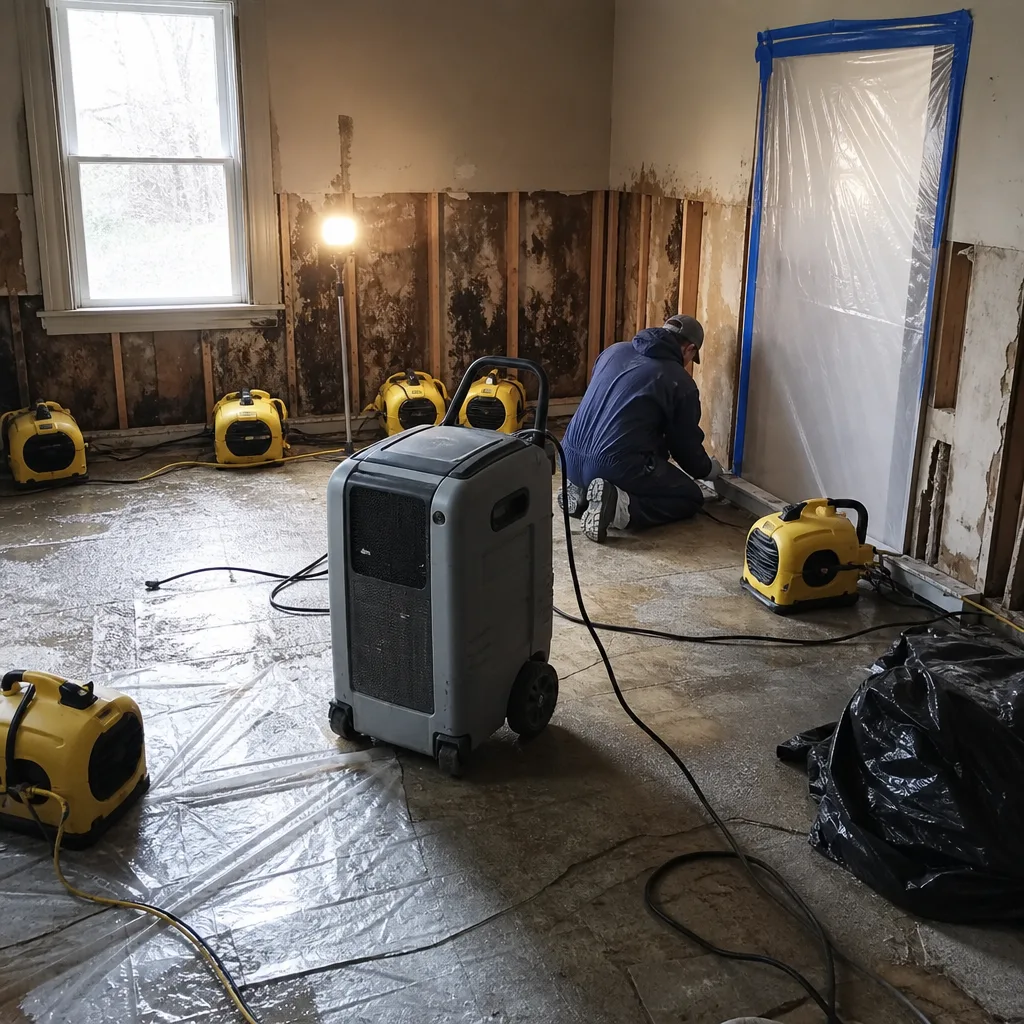
Moisture & Humidity Control
This is the prevention side of mold remediation. After we remove the mold and restore the surfaces, we ensure the indoor relative humidity stays below 50%. That may mean a dehumidifier in the basement, improved gutter discharge outside, or a French drain along a below-grade foundation wall. In Ossining, where the Hudson keeps the air humid year-round, this step is just as important as the remediation itself.
What happens when you call
- 1
A real person answersNo phone trees - you reach a local pro.
- 2
You get an upfront price rangeHonest numbers before anyone is dispatched.
- 3
A background-checked tech heads outLicensed & insured, dispatched right away.
- 4
You approve before work beginsNothing starts until you say go.
Mold Remediation Costs in Ossining, NY
Here’s what a square deal looks like in Ossining, and it starts with an honest range. Mold inspection and testing runs $350 to $750 depending on the number of samples and the property size. A contained mold removal in a bathroom or closet typically runs $1,800 to $3,200. Full remediation of a basement or crawl space, where the mold has spread behind walls, lands between $4,000 and $6,500. Whole-house remediation with multiple rooms affected can exceed $8,000. Your final price depends on how far the mold has spread, whether containment is required, how much material must be removed and rebuilt, and whether drainage or vapor barriers are part of the long-term fix.
Insurance often covers mold remediation when the mold resulted from a covered water event, like a burst pipe or a storm. It doesn’t cover mold that grew slowly over years due to unresolved humidity or a known slow leak. Tired of guessing? Call (914) 809-9936 for a free visual inspection. We’ll give you a written scope and a firm price before any work starts.
Current offers: $50 Off Any Repair Over $250. Senior and Veteran 5% discount always applies. And if you need the whole job done right, the 90-Day Done Right Promise guarantees it in writing.
We Also Serve Cities Near Ossining
Our crews work throughout northern Westchester from the same dispatch board. We handle mold remediation in Briarcliff Manor, Congers, Haverstraw, and Nyack, with the same 45-minute response commitment and the same live answer at 2 a.m. If you’re outside Ossining proper, call and we’ll route the nearest certified crew.
Ossining Mold Remediation Questions, Answered
How fast can you get to a mold job in Ossining?
Typically within 45 minutes. We keep crews stationed across northern Westchester specifically because Ossining’s two-zone risk means mold problems escalate fast. A live dispatcher answers (914) 809-9936 and routes the nearest available certified technician.
Will my insurance cover mold remediation in Ossining?
It depends on the water source. If the mold grew after a covered event like a burst pipe or hurricane flooding, most policies cover the remediation. If the mold grew from long-term humidity or a slow leak that was never repaired, you’re likely on your own. We document everything from the first hour and coordinate directly with your adjuster, which usually improves the outcome. Call (914) 809-9936 and we’ll walk through your specific policy situation.
Do I need full mold remediation or just a cleaning?
Here’s the honest way to tell. If the visible mold covers more than 10 square feet, if it’s inside wall cavities, or if you can smell it but can’t see it, you need remediation, not a surface cleaning. Cleaning removes surface spores but leaves the colony inside the drywall or plaster, and it comes back. Our free visual inspection gives you a straight answer with no pressure.
How does Ossining’s steep terrain affect the time needed to dry out a mold-damaged basement?
Steeply sloped properties in Ossining often have foundation walls below grade on two or three sides, which means groundwater presses against them and keeps them wet long after the visible water is gone. Flat-site drying techniques would declare the basement dry after a few days, but the wall cavities would still be saturated. We run moisture logging longer on hillside homes, often an extra three to five days beyond a standard job, to hit the dry standard.
After a Hudson River flood, what’s the most common hidden mold issue in Ossining’s riverside district?
The most common issue is mold behind vinyl siding and within wall cavities below the historical waterline. Floodwater recedes from the street quickly, but the water trapped inside exterior walls stays for weeks. Homeowners see dry floorboards and assume the house is fine. Months later, a musty smell or health symptoms spur an inspection, and the wall is fully colonized. We always look below the waterline first.
Why do mold reinspections happen so often in Ossining’s older hillside neighborhoods?
Because flat-site remediation misses below-grade foundation walls. A technician who treats a hillside home like a suburban ranch dries the basement floor and the first foot of wall, then declares the job done. But the wall cavity on the uphill side is still holding moisture, mold survives, and the homeowner calls for a reinspection within six months. We’ve taken over many of those calls. That’s why our initial assessment includes drainage and groundwater evaluation, not just the visible mold.
Is mold in an Ossining attic from ice dams different from mold from a plumbing leak?
Yes, and the difference matters. Ice-dam mold grows in roof sheathing, rafter cavities, and behind knee walls where insulation traps moisture. The heat source is above, the cold source is behind, and the mold spreads horizontally along the roofline before it ever becomes visible on the ceiling below. Plumbing-leak mold in Ossining usually follows a vertical path down from the source. The remediation approach is similar, but ice-dam mold requires attic ventilation and insulation correction, otherwise it returns with the next freeze-thaw cycle.
How soon after a water event in Ossining should I schedule mold testing to prevent a bigger problem?
Within 24 to 48 hours. That’s the window before mold spores colonize damp drywall and wood. If you wait a week in Ossining’s riverside humidity, you’ve already got active growth. If the water event is severe, get extraction and drying started the same day, then schedule testing for after the drying phase to establish a baseline. Call (914) 809-9936 and we’ll get the process moving immediately.
A Field Vignette From Central Avenue
Last March we remediated a 1910 worker cottage on Central Avenue near the hillside, where rainwater had sheeted down the slope and saturated a rubble-stone foundation on three sides. Our techs used moisture mapping and thermal imaging to find mold behind horsehair plaster, then set up full containment with Dri-Eaz air movers and dehumidifiers. Because the below-grade walls held moisture for over a week, we removed the plaster, applied antimicrobial treatment, and documented drying logs until moisture readings matched pre-loss condition. That job took nine days, not the four a flat-site crew would have estimated. The difference was knowing Ossining’s hillside. It always is.
Serving Ossining, NY - Our Local Coverage Area
We’re based in the Ossining area and know this community well. Use the map below to see our service coverage - if you’re nearby, we can almost certainly help.
The Two-Zone Playbook for Ossining
Here’s what separates a true Ossining mold remediation from a generic one. In the riverside zone, the priority is speed and aggressive demolition below the floodline, with prolonged dehumidification to offset Hudson humidity. In the hillside zone, the priority is drainage, foundation assessment, and longer drying times that account for below-grade wall moisture. Applying the wrong playbook gets you a callback within six months. Applying the right one means you never think about mold again.
Better yet, call the number. The initial inspection is free, the scope is written before any work begins, and the 90-Day Done Right Promise is in your hand when we finish. Call (914) 809-9936.
Written by Curt Bowman, Owner at Floodline Restoration Co., serving Ossining and northern Westchester County.